Vivint has been a prominent player in the smart home and security industry for over two decades, offering integrated solutions that combine home security, automation, and energy management. This article delves into the company's history, evolution, and its current standing in the market, answering precisely "How long has Vivint been in business?" and providing a comprehensive overview of its journey.
Founding and Early Years
To understand how long Vivint has been in business, we must trace its origins back to its inception. Vivint, as we know it today, has roots that extend to the mid-1990s, though its current iteration and brand identity solidified later. The company was originally founded in 1999 by Todd Pedersen under the name "APX Alarm Security Solutions." At its core, APX was established with a vision to provide reliable and accessible home security systems to a broad consumer base. The early days were characterized by a focus on traditional alarm systems, emphasizing robust installation and customer service – principles that would continue to define the company.
The initial business model revolved around direct-to-home sales and installations. This hands-on approach allowed APX to build a strong foundation, understanding customer needs directly and fostering a loyal client base. The company operated in a rapidly evolving market, where the concept of home security was becoming more sophisticated, moving beyond simple burglar alarms to integrated solutions. APX was quick to adapt, investing in training its technicians and sales teams to offer a more comprehensive service. This period laid the groundwork for the technological advancements and service-oriented culture that would later become hallmarks of the Vivint brand.
The landscape of the security industry in the late 1990s and early 2000s was dominated by larger, more established companies. However, APX carved out a niche by focusing on customer experience and leveraging innovative sales strategies. The company's commitment to in-home consultations and personalized system designs resonated with homeowners who were seeking more than just a generic security package. This customer-centric philosophy, established in its formative years, proved to be a crucial differentiator and a key driver of its sustained growth.
By the early 2000s, APX had established a significant presence in several key markets. The company's growth was fueled by a combination of organic expansion and strategic acquisitions, allowing it to broaden its service offerings and geographical reach. The foundational principles of reliability, customer service, and innovation were firmly embedded in the company's DNA, setting the stage for its transformation into a leading smart home security provider.
The Rebranding to Vivint
A pivotal moment in the company's history, and crucial to answering "How long has Vivint been in business?" in its modern context, was the rebranding from APX Alarm Security Solutions to Vivint in 2010. This rebranding was more than just a name change; it signaled a strategic shift towards becoming a comprehensive smart home and security provider. The name "Vivint" itself, derived from "vivant" (French for "alive" or "living") and "intelligent," was chosen to reflect the company's commitment to creating living, intelligent homes.
The rebranding coincided with a significant investment in technology and product development. Vivint began to integrate advanced home automation features into its security systems, offering customers the ability to control lighting, thermostats, door locks, and even garage doors remotely through a central hub and mobile application. This move positioned Vivint at the forefront of the emerging smart home revolution, anticipating the growing consumer demand for connected living experiences. The company understood that the future of home security was not just about protection from intrusion but also about convenience, energy efficiency, and overall home management.
The transition to the Vivint brand marked an era of accelerated innovation. The company focused on developing its own proprietary hardware and software, ensuring seamless integration and a superior user experience. This vertical integration allowed Vivint to maintain tight control over the quality and functionality of its products and services, from the initial installation to ongoing customer support. The rebranding solidified Vivint's identity as a forward-thinking company dedicated to providing cutting-edge smart home solutions.
The decision to rebrand was a strategic one, designed to better represent the company's evolving mission and its expanded product portfolio. It allowed Vivint to shed the perception of being solely a traditional alarm company and embrace its role as a leader in the connected home space. This transformation was instrumental in its subsequent growth and its ability to compete effectively in a rapidly changing technological landscape. Therefore, while the company's origins date back to 1999, its identity as Vivint, a smart home security leader, began in 2010.
Evolution into Smart Home Security
Vivint's journey from a traditional alarm company to a comprehensive smart home security provider is a testament to its adaptability and foresight. The company recognized early on that the future of home technology lay in integration and connectivity. This evolution wasn't an overnight shift but a carefully planned progression, driven by market trends and a commitment to innovation.
In the years following the rebranding in 2010, Vivint made substantial investments in research and development. The focus shifted from simply providing security to creating an ecosystem of connected devices that worked together seamlessly. This involved developing proprietary hardware, such as smart locks, thermostats, cameras, and motion sensors, all designed to be controlled through a single, intuitive platform – the Vivint SmartHub and its accompanying mobile app. This integrated approach was a significant departure from the fragmented solutions often offered by competitors, where customers might have to manage multiple apps and systems.
A key aspect of this evolution was the emphasis on user experience. Vivint understood that for smart home technology to gain widespread adoption, it needed to be accessible and easy to use for the average homeowner. This meant investing in intuitive software interfaces, professional installation services, and responsive customer support. The company's commitment to in-home professional installation, a practice carried over from its APX days, became even more critical in the smart home era, ensuring that complex systems were set up correctly and customers were educated on their functionality.
Vivint also strategically partnered with other technology providers to expand its capabilities. While maintaining its core proprietary systems, the company integrated with popular smart home platforms and devices, allowing for greater flexibility and compatibility. This approach ensured that Vivint systems could coexist with and enhance other smart home devices consumers might already own or wish to purchase. This balanced strategy of proprietary development and open integration allowed Vivint to offer a robust and versatile smart home experience.
The company's product development roadmap consistently prioritized features that enhanced convenience, safety, and energy efficiency. Smart locks provided keyless entry and remote access control, allowing homeowners to grant temporary access to guests or service providers. Smart thermostats enabled remote temperature adjustments and learned user preferences to optimize energy consumption, leading to potential cost savings. Integrated security cameras offered live viewing and recorded footage, accessible from anywhere, providing peace of mind. These advancements transformed the home security system from a passive deterrent into an active, intelligent part of the home.
By the mid-2010s, Vivint had firmly established itself as a leader in the integrated smart home security market. Its ability to combine robust security features with advanced automation capabilities, all delivered through a user-friendly platform and professional service, set it apart from many competitors. This evolution was not just about adding new features; it was about redefining what a home security system could be – a central nervous system for the modern, connected home.
Integration of AI and IoT
As the Internet of Things (IoT) continued to mature and Artificial Intelligence (AI) became more sophisticated, Vivint was quick to leverage these technologies to enhance its offerings. The integration of AI and IoT principles has been central to Vivint's strategy for providing a truly intelligent and responsive smart home experience. This has allowed the company to move beyond basic automation to predictive and adaptive functionalities.
The company's smart devices, from cameras to sensors, are connected through the IoT, enabling them to communicate with each other and with the central Vivint hub. This interconnectedness allows for complex automation rules and scenarios. For instance, when a motion sensor detects unusual activity, it can trigger a series of actions: the smart lights can turn on, a notification can be sent to the homeowner's phone, and the security cameras can begin recording. This level of interconnectedness is a direct result of robust IoT infrastructure.
AI plays a crucial role in making these connected devices smarter and more proactive. Vivint's security cameras, for example, utilize AI-powered analytics to differentiate between pets, people, and vehicles. This reduces false alarms and provides more relevant alerts. AI algorithms can also learn user patterns and preferences, such as when lights are typically turned on or off, or when the thermostat is adjusted, allowing the system to automate these actions more intelligently and efficiently. This predictive capability enhances both convenience and security.
Furthermore, AI contributes to the system's ability to detect anomalies. By analyzing data from various sensors over time, AI can identify deviations from normal behavior that might indicate a security breach or a potential issue, such as a water leak or a sudden drop in temperature. This proactive detection is a significant advancement in home security and management, offering homeowners a higher level of assurance.
The integration of AI and IoT also extends to Vivint's customer service. Data analytics, powered by AI, can help the company identify potential issues with a customer's system before they become critical, allowing for proactive maintenance and support. This data-driven approach ensures that Vivint systems are not only smart in their operation but also in their ongoing management and support, contributing to the company's reputation for reliability and excellent customer care.
In the 2025-26 landscape, Vivint continues to push the boundaries of AI and IoT integration. Future developments are expected to include even more sophisticated predictive analytics, enhanced natural language processing for voice control, and deeper integration with third-party smart home ecosystems, further solidifying its position as a leader in intelligent home technology.
Key Milestones and Growth
Vivint's journey has been marked by significant milestones that have shaped its trajectory and solidified its position in the market. Understanding these milestones provides a clearer picture of its growth and the company's enduring presence. The company's longevity is not accidental; it's a result of strategic decisions, consistent innovation, and a focus on customer satisfaction.
1999: Founding as APX Alarm Security Solutions
The company's story begins with Todd Pedersen founding APX Alarm Security Solutions. This marked the initial step into the home security industry, focusing on traditional alarm systems and a direct-to-home sales model. This foundational period established the company's core values of customer service and reliable installations.
2000s: Expansion and Market Penetration
Throughout the 2000s, APX experienced steady growth, expanding its service areas across the United States. The company refined its sales and installation processes, building a reputation for professionalism and quality. This decade was crucial for establishing a broad customer base and understanding the diverse needs of homeowners.
2010: Rebranding to Vivint
This was a transformative year. APX rebranded to Vivint, signaling a strategic shift towards becoming a comprehensive smart home and security provider. This rebranding was accompanied by significant investments in technology, laying the groundwork for integrated smart home solutions.
Early 2010s: Development of Proprietary Smart Home Technology
Following the rebranding, Vivint focused on developing its own line of smart home devices and software. This included smart locks, thermostats, cameras, and the Vivint SmartHub. The emphasis was on creating a seamlessly integrated system controlled by a single platform.
Mid-2010s: Expansion into New Services and Technologies
Vivint continued to innovate, introducing features like professional monitoring, mobile app control, and advanced analytics. The company also explored partnerships and integrations to broaden its ecosystem. This period saw Vivint solidify its position as a leader in the emerging smart home market.
Late 2010s: Significant Investment and Market Leadership
Vivint attracted substantial investment, fueling further research and development and market expansion. The company became recognized for its comprehensive approach, combining security, automation, and energy management into a single, user-friendly service. This period cemented its reputation for quality and innovation.
2020: Acquisition by NRG Energy
In a significant development, Vivint was acquired by NRG Energy in 2020 for approximately $2.4 billion. This acquisition aimed to integrate Vivint's smart home capabilities with NRG's energy services, creating a more comprehensive home management solution for customers. This marked a new chapter for Vivint, providing it with the resources of a major energy company to accelerate its growth and innovation.
2021-2024: Continued Integration and Service Enhancement
Under NRG's ownership, Vivint has continued to enhance its service offerings and integrate its technology with energy solutions. The focus remains on providing a seamless, secure, and intelligent home experience. This period has seen Vivint refine its product suite and expand its reach, leveraging the strengths of both companies.
These milestones illustrate Vivint's evolution from a regional alarm company to a national leader in smart home security. The company's ability to adapt to technological advancements and market demands, particularly its embrace of smart home technology, has been key to its sustained growth and relevance. The acquisition by NRG further signifies its strategic importance and potential for future expansion.
Vivint vs. Competitors: A Historical Perspective
When considering "How long has Vivint been in business?" it's also valuable to look at its competitive landscape over time. In its early days as APX, the company competed with established security firms like ADT and Brinks, which had long histories and significant market share. APX differentiated itself through its direct sales model and a strong emphasis on customer service, often appealing to a younger demographic or those seeking more personalized attention than larger corporations could provide.
As the market evolved towards smart home technology, Vivint found itself competing with a new wave of companies. These included DIY security providers like SimpliSafe and Ring (which was later acquired by Amazon), as well as traditional companies that were also developing their own smart home offerings. Vivint's strategy of offering a fully integrated, professionally installed system stood in contrast to the DIY approach, appealing to customers who preferred convenience and a hands-off setup.
The acquisition by NRG Energy in 2020 placed Vivint in a unique position. While still operating as a distinct brand, it gained the backing of a major energy provider. This allowed Vivint to explore deeper integrations with energy management solutions, a space where many of its direct competitors were still nascent. This strategic move aimed to create a more holistic home management platform, encompassing security, automation, and energy efficiency, thereby carving out a distinct competitive advantage.
Throughout its history, Vivint's consistent strategy has been to offer a premium, integrated experience. This has allowed it to maintain a strong presence even as the market has become increasingly crowded with various DIY and specialized solutions. The company's ability to evolve and adapt, from traditional alarms to comprehensive smart home systems, has been crucial to its sustained competitiveness and longevity.
Vivint Today: The 2025-26 Landscape
In the current 2025-26 market, Vivint stands as a mature and well-established player in the smart home and security industry. The company continues to leverage its foundational strengths while adapting to the latest technological advancements and consumer demands. Its business model remains centered on providing a professionally installed, integrated system that combines robust security with home automation and energy management capabilities.
Vivint's core offerings in 2025-26 include advanced security features such as 24/7 professional monitoring, smart detection (distinguishing between people, pets, and vehicles), and integrated surveillance systems. These are complemented by a suite of smart home devices, including smart locks, thermostats, lighting controls, garage door openers, and indoor/outdoor cameras. All these components are managed through the Vivint SmartHub and the Vivint app, providing users with comprehensive control and remote access.
The integration with NRG Energy has become a more prominent aspect of Vivint's strategy. In 2025-26, customers can increasingly benefit from services that optimize energy consumption, potentially leading to cost savings. This might include smart thermostat integrations that work in tandem with energy pricing signals or solar panel monitoring capabilities. This synergy between home security and energy management positions Vivint as a holistic home solutions provider, a trend that is gaining traction among consumers.
Vivint's commitment to professional installation and customer support remains a key differentiator. While the DIY market has grown, Vivint continues to cater to customers who value expert setup, ongoing technical assistance, and a seamless user experience. The company's extensive network of trained technicians ensures that systems are installed correctly and customers are well-educated on their functionality, a crucial factor for complex smart home setups.
In terms of market position, Vivint is considered a premium provider. Its integrated approach, advanced technology, and robust support infrastructure come at a price point that reflects this value. The company competes with a wide range of players, from large tech companies entering the smart home space to other integrated security providers. However, Vivint's long-standing experience, particularly its evolution from traditional security to sophisticated smart home solutions, gives it a significant edge in terms of product maturity and customer trust.
Current statistics for 2025-26 indicate that the smart home market continues its upward trajectory, with increasing consumer adoption of connected devices. Vivint is well-positioned to capitalize on this growth, particularly with its focus on security and energy management, two areas of increasing concern for homeowners. The company's ability to adapt and innovate, while maintaining its core values, ensures its continued relevance and success in the dynamic smart home landscape.
Vivint Product and Service Offerings (2025-26)
Vivint's comprehensive suite of products and services in the 2025-26 period reflects its continuous evolution and commitment to providing a complete smart home experience. The company offers a tiered approach, allowing customers to customize their systems based on their specific needs and budget.
Core Security Features:
- 24/7 Professional Monitoring: Vivint's state-of-the-art monitoring centers are staffed by trained professionals who respond to alarms and emergencies.
- Smart Deterrence: Advanced outdoor cameras with AI capabilities can detect people, vehicles, and animals, and can actively deter intruders with audio warnings and spotlights.
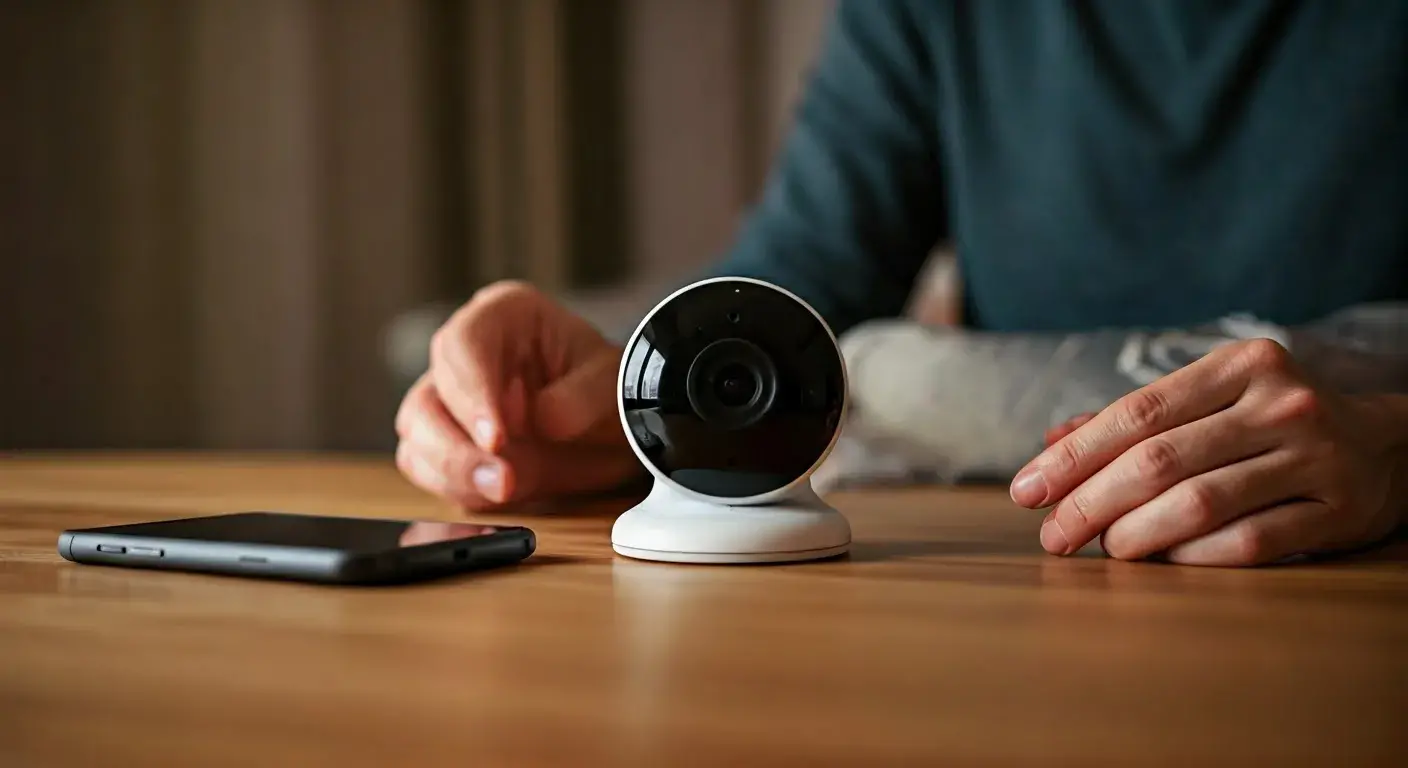
- Indoor and Outdoor Cameras: High-definition cameras with features like night vision, two-way audio, and cloud storage provide comprehensive surveillance.
- Door and Window Sensors: Wireless sensors detect unauthorized entry.
- Motion Sensors: Advanced sensors with pet immunity minimize false alarms.
- Glass Break Sensors: Detect the sound of breaking glass.
- Carbon Monoxide and Smoke Detectors: Integrated detectors for enhanced life safety.
- Flood Sensors: Alert homeowners to water leaks.
Smart Home Automation Features:
- Smart Thermostat: Learns user preferences and optimizes heating/cooling for comfort and energy savings, controllable remotely.
- Smart Locks: Keyless entry, remote locking/unlocking, and temporary access codes for guests.
- Smart Lighting: Control indoor and outdoor lights remotely, set schedules, and create custom lighting scenes.
- Garage Door Control: Monitor and control garage doors remotely via the app.
- Smart Plugs: Turn any connected appliance into a smart device, allowing for remote control and scheduling.
Vivint SmartHub and App:
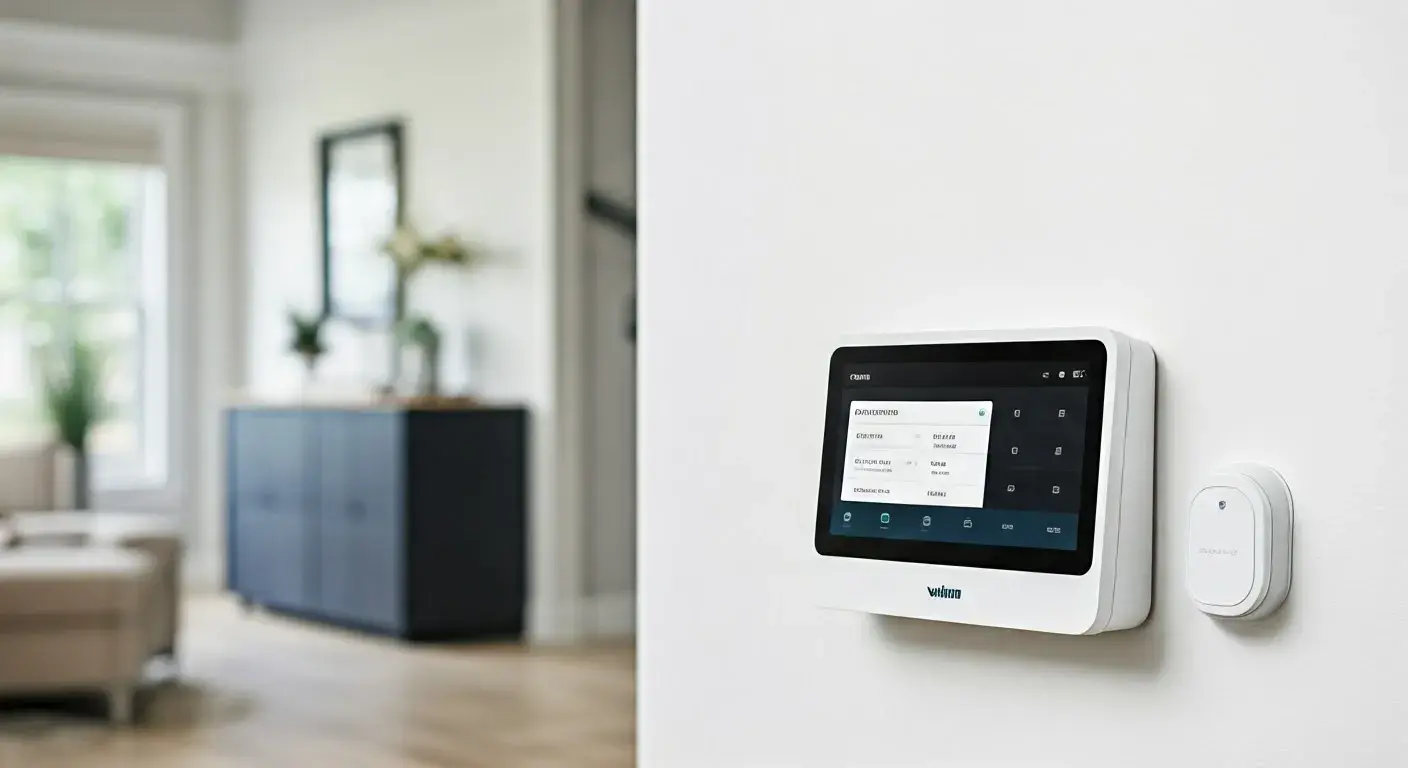
- Vivint SmartHub: The central control panel for the entire system, featuring a touchscreen interface.
- Vivint App: A mobile application (iOS and Android) that allows users to monitor and control their entire system from anywhere in the world.
Professional Services:
- Professional Installation: All systems are installed by Vivint's certified technicians, ensuring optimal performance and user understanding.
- 24/7 Customer Support: Ongoing technical assistance and customer service are available around the clock.
- Remote Diagnostics and Updates: Vivint can often diagnose and resolve issues remotely, and push software updates to keep systems current.
Energy Management Integration (with NRG):
- Energy Usage Monitoring: Insights into home energy consumption patterns.
- Smart Grid Integration: Potential for optimized energy usage based on real-time electricity pricing.
- Solar Monitoring: For customers with solar installations, monitoring performance and energy generation.
These offerings demonstrate Vivint's commitment to a holistic approach to home management, combining security, convenience, and efficiency. The continuous development in AI and IoT ensures that these features become more intelligent and integrated over time, providing an evolving and superior user experience.
Competitor Analysis: Vivint vs. The Field
Understanding how long Vivint has been in business also necessitates an examination of its competitive standing. The smart home and security market is dynamic, with a diverse range of players catering to different customer needs and preferences. Vivint occupies a distinct niche, often characterized by its integrated, professionally installed solutions.
Here's a comparative analysis of Vivint against key competitor types in the 2025-26 landscape:
| Feature/Provider | Vivint | ADT | SimpliSafe | Ring (Amazon) | Google Nest |
|---|---|---|---|---|---|
| Primary Model | Integrated, Professionally Installed Smart Home Security | Traditional Security with Growing Smart Home Offerings | DIY Smart Home Security | DIY Smart Home Security & Smart Devices | Smart Home Devices & Ecosystem |
| Installation | Professional (Mandatory) | Professional (Standard) | DIY | DIY | DIY |
| Monitoring | 24/7 Professional | 24/7 Professional | Optional 24/7 Professional | Optional 24/7 Professional (Ring Protect Pro) | No dedicated professional monitoring for security systems. Relies on user alerts. |
| Integration Level | High (Proprietary Ecosystem + Select Third-Party) | Moderate (Growing Smart Home Integration) | Moderate (Works with Alexa, Google Assistant) | High (Within Amazon Ecosystem, Works with Alexa) | High (Within Google Ecosystem, Works with Google Assistant) |
| Price Point | Premium (Higher upfront and monthly costs) | Premium (Higher upfront and monthly costs) | Mid-Range (Lower upfront, optional monitoring fees) | Mid-Range to Budget-Friendly (Device costs vary, subscription for full features) | Mid-Range to Premium (Device costs vary, subscription for advanced features) |
| Target Audience | Homeowners seeking a comprehensive, high-end, hassle-free solution. | Homeowners seeking established brand reliability and professional installation. | Cost-conscious consumers and renters who prefer DIY installation. | Amazon ecosystem users, DIY enthusiasts, renters. | Google ecosystem users, smart home enthusiasts. |
| Key Strengths | Seamless integration, superior customer service, advanced AI features, energy management synergy (with NRG). | Brand recognition, extensive history, robust professional monitoring network. | Affordability, ease of use, no long-term contracts (generally). | Affordability, integration with Amazon ecosystem, wide range of smart devices. | AI capabilities, integration with Google services, user-friendly interface. |
| Key Weaknesses | Higher cost, less flexibility for DIY enthusiasts, potential long-term contracts. | Can be perceived as less innovative than newer players, higher costs. | Reliance on user for monitoring if not subscribed, less integrated system compared to Vivint. | Privacy concerns (Amazon), less robust security features compared to dedicated systems. | Less emphasis on traditional security, no dedicated professional monitoring for security. |
Vivint's Competitive Edge:
Vivint's primary competitive advantage lies in its holistic, integrated approach. While competitors might excel in specific areas (e.g., DIY affordability for SimpliSafe, ecosystem integration for Ring/Google), Vivint offers a complete package that is professionally managed. The synergy with NRG Energy in the 2025-26 period further differentiates Vivint by offering a unique blend of security, automation, and energy management, a compelling proposition for homeowners looking to optimize their living environments comprehensively.
The company's long history, starting from 1999, has allowed it to build a deep understanding of customer needs and refine its service delivery. This experience translates into a more polished and reliable product compared to newer entrants, especially for those who prioritize peace of mind and convenience over DIY tinkering.
Factors Contributing to Vivint's Longevity
Vivint's sustained presence in the competitive home technology market for over two decades is a result of several key factors. Understanding these elements provides insight into the company's resilience and its ability to adapt and thrive.
1. Early Adoption of Smart Home Technology:
Vivint didn't just react to the smart home trend; it anticipated it. The rebranding from APX to Vivint in 2010 was a clear signal of this strategic pivot. By investing heavily in proprietary smart home devices and software early on, Vivint positioned itself as a leader rather than a follower. This foresight allowed the company to build a mature product ecosystem before many competitors fully entered the market.
2. Emphasis on Integrated Solutions:
Unlike many competitors who offer standalone devices, Vivint focuses on a seamlessly integrated system. The Vivint SmartHub and app serve as a central command center, allowing all connected devices to work in harmony. This creates a superior user experience, where automation rules and security protocols are robust and reliable, a key differentiator for customers seeking convenience and efficiency.
3. Commitment to Professional Installation and Service:
While the DIY market has boomed, Vivint has maintained its commitment to professional installation and ongoing customer support. This approach ensures that complex smart home systems are set up correctly, minimizing technical issues and maximizing customer satisfaction. The dedicated support infrastructure provides a level of reassurance that many DIY solutions cannot match, appealing to a significant segment of the market.
4. Continuous Innovation and R&D:
Vivint consistently invests in research and development to stay ahead of technological advancements. The integration of AI for smarter detection and automation, and the ongoing refinement of its software and hardware, are crucial for maintaining its competitive edge. This commitment to innovation ensures that Vivint's offerings remain relevant and cutting-edge.
5. Strategic Partnerships and Acquisitions:
The acquisition by NRG Energy in 2020 is a prime example of strategic growth. This partnership provides Vivint with financial stability, access to new markets, and the opportunity to integrate its smart home capabilities with energy services. Such strategic moves allow the company to expand its value proposition and reach a broader customer base.
6. Strong Brand Reputation:
Over its many years of operation, Vivint has cultivated a reputation for reliability, quality, and excellent customer service. This brand equity is invaluable, fostering trust among consumers and encouraging long-term customer loyalty. Positive word-of-mouth and customer testimonials play a significant role in its continued success.
7. Adaptability to Market Shifts:
The ability to adapt to changing consumer preferences and technological landscapes has been critical. Vivint has successfully navigated the transition from traditional security to smart home automation, and now to a more integrated home management approach that includes energy efficiency. This flexibility ensures its continued relevance.
These factors collectively contribute to Vivint's longevity, enabling it to not only survive but thrive in a highly competitive and rapidly evolving industry. The company's journey from its founding in 1999 to its current standing as a leading smart home provider is a testament to its strategic vision and operational excellence.
Future Outlook for Vivint
The future for Vivint appears robust, built upon its established foundation and strategic positioning. As the smart home and connected living market continues its exponential growth, Vivint is well-equipped to capitalize on emerging trends and evolving consumer demands. The company's long history, dating back to 1999, provides a deep well of experience that informs its forward-looking strategies.
One of the most significant drivers of Vivint's future success will be the continued integration of AI and machine learning. In the 2025-26 period and beyond, expect Vivint to leverage AI for even more sophisticated predictive analytics, proactive threat detection, and personalized home automation. This could include systems that anticipate energy needs based on weather patterns, learn occupant routines to optimize comfort and security, and provide more nuanced alerts that minimize false positives.
The synergy with NRG Energy is poised to become an even more critical differentiator. As consumers become more conscious of energy consumption and costs, Vivint's ability to offer integrated energy management solutions alongside security and automation will be highly attractive. This could involve deeper integrations with smart grids, demand-response programs, and renewable energy sources, positioning Vivint as a comprehensive home sustainability partner.
Vivint is also likely to focus on expanding its ecosystem through strategic partnerships and potentially further acquisitions. While maintaining its core proprietary technology, the company may seek to integrate with a wider range of third-party smart home devices and platforms, offering consumers greater flexibility. This approach balances the benefits of a unified system with the desire for customization.
Customer experience will remain paramount. Vivint's commitment to professional installation and 24/7 customer support has been a cornerstone of its success. As smart home technology becomes more complex, the value of expert setup and reliable assistance will only increase. Vivint's continued investment in its service network and customer support infrastructure will be crucial for maintaining its premium brand image and customer loyalty.
Furthermore, Vivint may explore new market segments or service offerings. This could include expanding its reach into multi-dwelling units, offering specialized solutions for small businesses, or developing enhanced elder care monitoring services. The company's established infrastructure and technological capabilities provide a solid platform for such diversification.
The competitive landscape will undoubtedly continue to evolve, with new entrants and existing players vying for market share. However, Vivint's long-standing presence, its integrated approach, its focus on innovation, and its strategic backing from NRG Energy provide it with a strong competitive advantage. By continuing to prioritize customer needs, leverage technological advancements, and adapt to market dynamics, Vivint is well-positioned for continued growth and leadership in the smart home industry for years to come.
The Role of Data and Privacy
In the era of connected homes, data is at the heart of Vivint's intelligent services. The company collects data from its various sensors, cameras, and user interactions to power its AI algorithms, personalize user experiences, and provide valuable insights. For instance, data on movement patterns helps refine motion detection, while thermostat usage data informs energy optimization.
Vivint's approach to data privacy is a critical aspect of its future outlook. In 2025-26, with increasing consumer awareness and stricter data protection regulations globally, companies like Vivint must demonstrate robust privacy practices. This includes transparent data collection policies, secure data storage, and clear user controls over their personal information. Vivint's commitment to professional installation often includes educating customers about these aspects, fostering trust.
The company's integration with NRG Energy also brings data considerations into play, particularly concerning energy usage and potential integration with utility programs. Vivint will need to ensure that data sharing between these entities is handled with the utmost care and in compliance with all privacy laws. The ability to effectively manage and secure this data, while still leveraging its power to enhance services, will be a key determinant of Vivint's long-term success and reputation.
As AI continues to advance, the ethical implications of data usage will also become more prominent. Vivint's future success will depend not only on its technological prowess but also on its ability to build and maintain customer trust by being a responsible steward of their data. This includes being transparent about how data is used, providing users with meaningful control, and proactively addressing any privacy concerns.
Conclusion
Vivint has been a significant force in the home security and smart home industry for over two decades, with its origins tracing back to 1999 as APX Alarm Security Solutions. The company's evolution into Vivint in 2010 marked a pivotal shift towards becoming a leader in integrated smart home security, a transition driven by foresight and a commitment to innovation. Today, in the 2025-26 landscape, Vivint stands as a premium provider, offering a comprehensive ecosystem of security, automation, and energy management solutions, distinguished by its professional installation and 24/7 customer support.
Key factors contributing to its longevity include its early adoption of smart home technology, its focus on seamless integration, its unwavering dedication to customer service, and strategic growth through partnerships like the acquisition by NRG Energy. Vivint’s ability to adapt to market shifts and continuously innovate, particularly in leveraging AI and IoT, ensures its continued relevance and competitive edge.
For homeowners seeking a reliable, integrated, and intelligently managed home environment, Vivint offers a compelling solution. Its future outlook remains bright, with continued advancements in AI, deeper energy management integration, and a steadfast commitment to customer experience poised to drive further growth and solidify its position as a leader in the evolving smart home sector.