How Much Are Adt Alarms ?
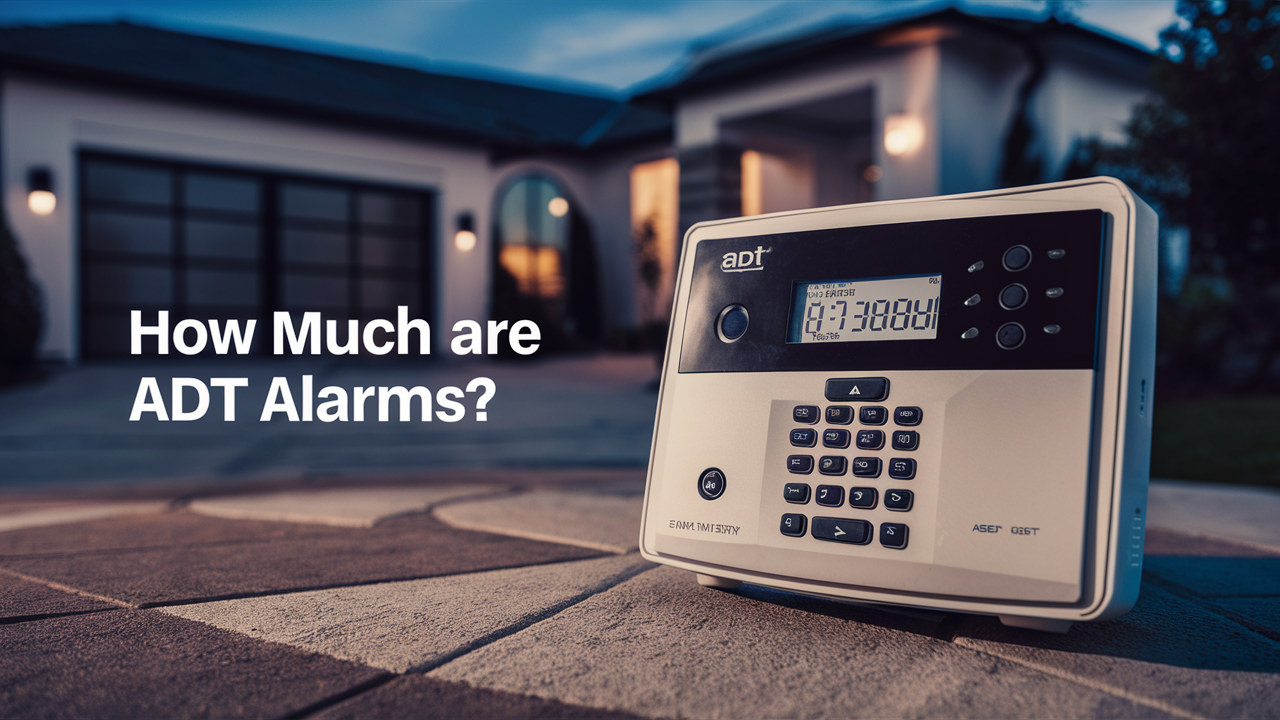
Understanding the cost of ADT alarms is crucial for homeowners seeking reliable security. This guide breaks down ADT's pricing, from equipment packages to monthly monitoring fees, offering insights into factors influencing the total investment for 2025-26.
ADT Alarm System Pricing: A Comprehensive Overview
When considering home security, the question "How much are ADT alarms?" is paramount. ADT, a long-standing leader in the security industry, offers a range of solutions that can be customized to fit various needs and budgets. However, providing a single, definitive price is challenging due to the customizable nature of their systems and services. The total cost of an ADT alarm system typically comprises three main components: upfront equipment costs, installation fees, and ongoing monthly monitoring charges. For 2025-26, homeowners can expect to invest anywhere from a few hundred dollars for basic setups to several thousand for comprehensive, professionally installed systems with advanced features. Understanding each of these cost drivers is essential for making an informed decision and ensuring you select a security solution that offers both robust protection and good value for your investment.
Breaking Down the Cost Components
To truly understand the investment required for ADT security, it's vital to dissect the pricing structure. This involves looking beyond just the monthly fee and considering the initial outlay for hardware and professional setup. These upfront costs can vary significantly based on the complexity of your home, the number of devices you choose, and any special promotions ADT might be offering at the time of purchase. The monthly monitoring fee, while recurring, also plays a significant role in the long-term financial commitment. It's this combination of initial and ongoing expenses that forms the complete picture of ADT alarm system pricing.
Typical Investment Range for 2025-26
Based on current market trends and ADT's pricing models for the 2025-26 period, a basic ADT security system, including a control panel, a couple of door/window sensors, and a motion detector, might range from $300 to $700 in upfront equipment and installation costs. Monthly monitoring fees for such a system typically fall between $30 and $60. For more advanced systems incorporating smart home integration, multiple cameras, environmental sensors (like smoke or carbon monoxide detectors), and professional installation, the upfront investment could easily climb to $800 to $2,000 or more. Correspondingly, monthly monitoring fees for these premium packages might range from $50 to $70 or higher, depending on the level of service and features included. It’s important to remember that these are estimates, and actual costs can fluctuate based on individual needs and specific ADT offers.
Key Factors Influencing ADT Alarm Costs
The price tag attached to an ADT alarm system is not a one-size-fits-all figure. Several variables come into play, significantly impacting the final cost. Understanding these factors allows homeowners to better estimate their potential investment and identify areas where costs can be managed or optimized. From the size and layout of your home to the specific features you desire, each element contributes to the overall pricing equation.
Home Size and Complexity
Larger homes with multiple entry points (doors and windows) will naturally require more sensors to achieve comprehensive coverage. Similarly, multi-story homes or those with complex layouts might necessitate additional motion detectors or strategically placed cameras to eliminate blind spots. The more devices needed, the higher the upfront equipment cost and, potentially, the installation complexity, leading to a higher overall investment. For instance, a 1,000-square-foot apartment will have a significantly lower equipment requirement than a 4,000-square-foot single-family home with a basement and an attached garage.
Equipment Selection and Features
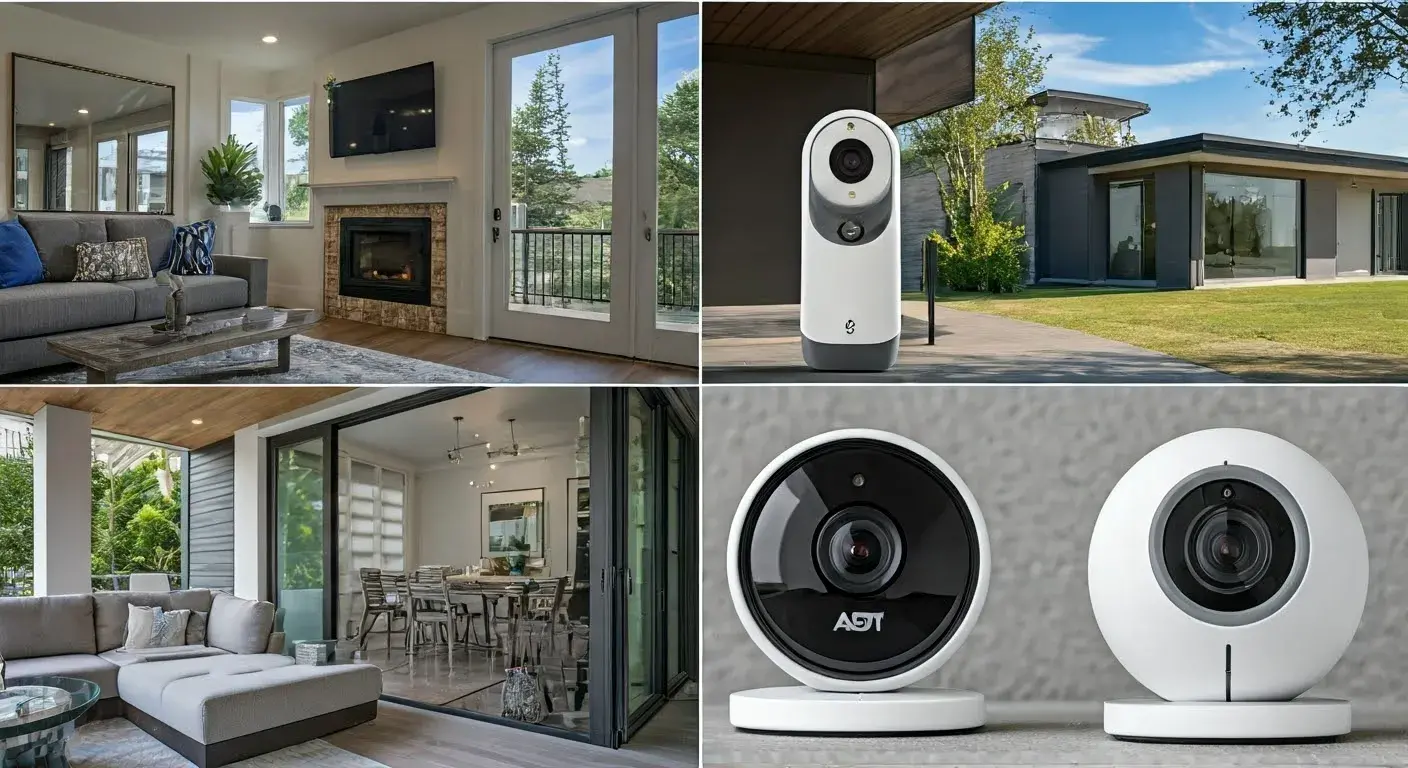
ADT offers a wide array of security devices, from basic door/window sensors and motion detectors to advanced smart home devices like video doorbells, indoor and outdoor cameras, smart locks, and environmental sensors (smoke, carbon monoxide, flood detectors). The more sophisticated and numerous the devices selected, the higher the equipment cost will be. For example, a system that includes multiple high-definition security cameras with night vision and two-way audio will naturally cost more than a system with just basic sensors. Smart home integration, which allows for control of lights, thermostats, and other connected devices through the ADT app, also adds to the overall package price.
Monitoring Plans and Contract Length
ADT offers various monitoring plans, often tiered based on the features included, such as cellular backup, video monitoring, and professional monitoring response times. Higher-tier plans with more comprehensive features will command higher monthly fees. Additionally, ADT typically requires customers to sign a contract, often for 24 to 36 months. While longer contracts might sometimes come with lower monthly rates or subsidized equipment costs, they represent a longer-term financial commitment. Shorter-term or month-to-month options, if available, may have higher monthly fees or require a larger upfront investment for equipment.
Promotional Offers and Discounts
Like many service providers, ADT frequently runs promotional campaigns. These can include discounted equipment packages, waived installation fees, or special introductory pricing on monthly monitoring. These offers can significantly reduce the initial outlay and the overall cost of the system. It's always advisable to inquire about current promotions when getting a quote. Additionally, ADT may offer discounts for specific groups, such as military personnel or first responders, or through partnerships with home builders or insurance companies.
Installation Type: Professional vs. DIY
While ADT primarily offers professional installation, some basic systems might be designed for DIY setup. Professional installation ensures that the system is set up correctly and optimally for your home, which can be crucial for its effectiveness. However, professional installation comes with an associated fee. If ADT offers a DIY option for certain packages, it could potentially lower the upfront cost, but it requires the homeowner to have the time, technical inclination, and confidence to install the system themselves. For most users seeking the full ADT experience, professional installation is the standard.
Exploring ADT Equipment Packages and Their Costs
ADT's strength lies in its modular approach to home security. They don't just offer a single "alarm." Instead, they provide a foundational system that can be augmented with a variety of add-on devices, allowing for a highly personalized security setup. The cost of these packages is directly tied to the number and type of components included. For 2025-26, ADT continues to offer a spectrum of options, from basic starter kits to comprehensive smart home security ecosystems.
Basic Security Packages
A typical ADT basic package, often marketed as a starting point for homeowners, usually includes the following core components:
- ADT Command or Control Panel: The central hub of the system, allowing users to arm/disarm the system, view status, and manage settings. This is often a touchscreen interface.
- Door/Window Sensors: These are placed on entry points to detect when they are opened. A basic package might include 2-4 sensors.
- Motion Detector: Designed to sense movement within a room, these are crucial for detecting intruders who bypass entry points. Typically, one motion detector is included.
- Yard Sign and Window Decals: These serve as visible deterrents to potential burglars.
The upfront cost for such a basic package, including professional installation, can range from approximately $300 to $700 in 2025-26. The monthly monitoring for this level of service typically falls between $30 and $50.
Smart Home Integration Packages
For homeowners looking to integrate their security system with other smart home devices, ADT offers packages that include more advanced technology. These can expand functionality significantly:
- Video Doorbell: Allows you to see, hear, and speak to visitors at your door from your smartphone, and records activity.
- Indoor Cameras: For monitoring activity within the home.
- Outdoor Cameras: For surveillance of the property's exterior, often with features like night vision and motion detection.
- Smart Locks: Allow for remote locking/unlocking and can be integrated with the security system.
- Smart Thermostats and Lighting: While not strictly security devices, they can be integrated for convenience and energy savings, and some can be programmed to simulate occupancy when you're away.
These packages, often referred to as "smart home" or "connected home" solutions, will have a higher upfront cost. Expect to pay between $800 and $1,500 or more for the equipment and installation. The monthly monitoring fees for these advanced systems can range from $50 to $70+, depending on the number of cameras and the level of video storage or analytics included.
Premium and Customizable Options
Beyond standard packages, ADT allows for extensive customization. Homeowners can add specialized sensors such as:
- Glass Break Sensors: Detect the sound of breaking glass.
- Carbon Monoxide Detectors: Essential for detecting this odorless, colorless, and deadly gas.
- Smoke Detectors: Provide early warning of fires.
- Flood/Water Sensors: Alert homeowners to leaks or flooding in basements or near water heaters.
- Medical Alert Buttons: For individuals who may need emergency assistance.
The cost of these add-on devices varies. A single smoke detector might add $50-$100 to the upfront cost, while a high-definition outdoor camera could be $200-$400. The ability to tailor the system precisely to a home's needs is a significant advantage, but it directly impacts the total investment. For a highly customized, premium system with numerous sensors and cameras, the upfront cost could exceed $2,000, with monthly fees potentially reaching $70-$100 or more if extensive video services are included.
Understanding ADT Financing and Leases
In some cases, ADT may offer financing options or equipment lease programs. These can reduce the immediate upfront cost, spreading the expense over the contract term or a separate financing agreement. While this makes the initial investment more manageable, it's crucial to understand the total cost over the life of the lease or loan, as it may be higher than purchasing the equipment outright. Always read the terms and conditions carefully to understand ownership, maintenance responsibilities, and the total financial commitment.
Understanding ADT Monthly Monitoring Fees
The monthly monitoring fee is the recurring cost associated with having your ADT system professionally monitored 24/7. This fee covers the cost of ADT's monitoring centers, which are staffed by trained professionals who respond to alarm events. The price of this service is not static and depends on several factors, making it a critical component of the overall ADT alarm cost.
Tiers of Monitoring Services
ADT typically offers different levels of monitoring, each with a corresponding price point. These tiers are designed to cater to varying needs and budgets:
- Basic Monitoring: This is the most fundamental service, usually including 24/7 professional monitoring of alarm events and dispatch of emergency services (police, fire, medical) when an alarm is confirmed. This is often bundled with basic equipment packages and might cost between $30 and $50 per month.
- Enhanced Monitoring (e.g., ADT Pulse, ADT Control): These plans often include cellular backup, ensuring the system can communicate with the monitoring center even if the internet or landline is cut. They also typically grant access to mobile app control, allowing you to arm/disarm your system remotely, receive notifications, and sometimes view camera feeds. These plans generally range from $40 to $60 per month.
- Premium Monitoring (e.g., with extensive video capabilities): For systems with multiple cameras, these plans offer advanced features like continuous video recording, cloud storage for footage, and sophisticated video analytics. These premium services come at a higher cost, potentially ranging from $50 to $70+ per month, depending on the amount of video data and storage required.
Impact of Contract Length on Monthly Fees
ADT's pricing structure often incentivizes longer contract commitments. Homeowners who sign up for a 36-month contract may find that their monthly monitoring fees are slightly lower compared to those who opt for a shorter term, such as 24 months, or a month-to-month option (if available). This is because longer contracts provide ADT with a guaranteed revenue stream, allowing them to potentially offer more competitive rates on the monthly service. However, it's essential to weigh the savings against the commitment. A lower monthly fee over a longer period could result in a higher total cost than a slightly higher monthly fee over a shorter term, especially if you plan to move or change your security needs sooner rather than later.
Cellular Backup and Its Cost
A crucial feature for reliable security is cellular backup. This ensures that your alarm system can still communicate with the ADT monitoring center even if your home's internet connection or landline is disrupted. Systems that rely solely on Wi-Fi are vulnerable to being disabled by an intruder cutting the internet. ADT typically includes cellular backup in its enhanced and premium monitoring plans. While it adds to the monthly cost, the peace of mind and enhanced security it provides are often considered well worth the investment. Expect the inclusion of cellular backup to add approximately $5 to $15 to the monthly fee compared to a system without it.
Video Monitoring and Storage Fees
If your ADT system includes cameras, the monthly fee will likely be influenced by the video monitoring and storage services you opt for. Basic video monitoring might allow you to view live feeds and receive motion-triggered alerts. However, if you want to record footage, store it in the cloud for later review, or access advanced analytics (like person detection), there will be additional monthly charges. These fees can vary based on the number of cameras, the resolution, and the amount of cloud storage required. For instance, storing footage from one camera for 30 days might add $10-$20 per month, while multiple cameras could significantly increase this cost.
Optional Add-ons and Their Impact
Beyond the core monitoring services, ADT may offer optional add-ons that can influence the monthly bill. These might include:
- Extended Limited Warranty: Protection for your equipment beyond the standard warranty period.
- Homeowners Insurance Discounts: While this doesn't increase the monthly fee, it's a way to offset the cost of the system. ADT systems are often eligible for discounts on homeowners insurance, which can be a significant saving.
- Remote Keyfob or App Features: Some advanced app features or remote control options might be bundled into higher-tier plans or offered as add-ons.
It's essential to review your ADT contract carefully to understand exactly what is included in your monthly fee and what optional services might be available, along with their associated costs.
Installation: The Upfront Investment
When asking "How much are ADT alarms?", the initial installation cost is a significant part of the equation. ADT primarily offers professional installation for its systems, ensuring that devices are placed strategically, wired correctly (if applicable), and integrated seamlessly with the central hub and monitoring services. This professional touch adds to the upfront expense but is crucial for the system's optimal performance and reliability.
Professional Installation Fees
The cost of professional installation can vary based on the complexity of the system being installed and the size of your home. For a basic ADT system, installation fees typically range from $100 to $300. However, for more elaborate setups involving multiple cameras, smart home devices, and extensive wiring, the installation cost could be higher, potentially reaching $500 or more. ADT sometimes offers promotions that include free or heavily discounted installation, especially when bundled with longer contract commitments or higher-tier packages. It is always recommended to inquire about any available installation specials.
Factors Affecting Installation Complexity
Several factors can influence how complex and costly the installation process becomes:
- Number of Devices: The more sensors, cameras, and other devices that need to be installed and configured, the longer the installation will take and the higher the labor cost.
- Home Structure: Older homes with plaster walls or difficult-to-access areas might require more time and specialized techniques for running wires or mounting equipment.
- Wireless vs. Wired Systems: While most modern ADT systems are wireless, some components might require wiring, adding to the installation complexity.
- Smart Home Integration: Integrating the security system with existing smart home infrastructure (e.g., routers, other smart devices) can add time and expertise required for the installer.
- Location of Devices: Strategic placement of motion detectors and cameras to avoid false alarms and ensure optimal coverage requires skilled assessment by the installer.
DIY Installation Options and Savings
While ADT's core offering is professional installation, there may be limited DIY options for certain basic packages or specific components, particularly with newer, more user-friendly systems. If a DIY option is available, it can significantly reduce or eliminate installation fees. However, this requires the homeowner to have the technical aptitude and time to set up the system correctly. Incorrect installation can lead to system malfunctions, false alarms, and reduced effectiveness. For most users, the peace of mind and assurance of a professionally installed system outweigh the potential savings of a DIY approach, especially considering the critical nature of home security.
Installation Promotions and Packages
ADT frequently uses installation as a promotional tool. Common offers include:
- Free Installation: Often offered with 36-month contracts or when purchasing premium packages.
- Discounted Installation: A reduced fee for installation, typically with shorter contract terms.
- Bundled Packages: Installation costs may be integrated into the overall package price, making it seem like a single upfront payment rather than separate equipment and installation fees.
It's crucial to clarify with the ADT sales representative exactly what the installation fee covers and if any promotions are currently available. Understanding the total upfront cost, including equipment and installation, is key to budgeting effectively for your ADT security system.
ADT vs. Competitors: A Cost Comparison
When evaluating home security options, comparing ADT's pricing to that of its competitors is essential for making a financially sound decision. ADT, as a legacy provider with a strong brand reputation, often positions itself at a slightly higher price point than some newer, app-focused companies. However, this can be justified by their extensive professional installation network, 24/7 professional monitoring centers, and robust customer support.
Comparing Upfront Equipment Costs
ADT's upfront equipment costs can be higher than some competitors, especially those focusing on DIY systems. For example, companies like SimpliSafe or Ring Alarm often offer lower initial hardware costs, particularly if you opt for self-installation. ADT's equipment costs are often bundled into packages, and while they may offer financing or lease options, the purchase price for comparable equipment might be 10-30% higher than DIY brands. However, ADT's equipment is generally considered robust and reliable, designed for professional installation and integration.
Analyzing Monthly Monitoring Fees
ADT's monthly monitoring fees typically range from $30 to $70+, depending on the service tier and features. Competitors like SimpliSafe offer professional monitoring for around $15-$25 per month, which is significantly lower. Ring Alarm's professional monitoring (Ring Protect Pro) is also very competitive, often around $20 per month. However, these lower-cost competitors may have limitations. For instance, their professional installation network is not as extensive as ADT's, and their monitoring centers might not have the same scale or redundancy. ADT's higher monthly fees often reflect the comprehensive nature of their service, including a larger network of monitoring stations and a more established emergency dispatch system.
Installation Differences
This is a key differentiator. ADT almost exclusively uses professional installers, which comes with a fee ($100-$500+). Most DIY competitors like SimpliSafe, Ring, and Abode are designed for self-installation, which is free. However, if you prefer or require professional installation, ADT is often the most readily available and experienced provider. Some competitors offer professional installation through third-party partners, but it may not be as standardized or widely available as ADT's service.
Contract Terms and Flexibility
ADT traditionally requires long-term contracts, typically 24 to 36 months. While this provides stability for ADT, it can be a drawback for consumers seeking flexibility. Many DIY competitors offer month-to-month monitoring plans with no long-term contracts, providing greater freedom. Some competitors may offer shorter contract terms (e.g., 12 months), but ADT's 24-36 month commitments are common. This difference in contract flexibility can be a significant factor for consumers who move frequently or prefer not to be locked into long-term service agreements.
Value Proposition: ADT vs. Competitors
ADT's value proposition lies in its established reputation, extensive professional installation network, and robust 24/7 professional monitoring. For consumers who prioritize a hands-off approach, professional setup, and a widely recognized brand, ADT's higher cost may be justified. Competitors often offer a more budget-friendly and flexible option, particularly for tech-savvy individuals comfortable with DIY installation and app-based control. The "better" choice depends entirely on individual priorities regarding cost, convenience, control, and the level of professional support desired.
Maximizing Value and Avoiding Hidden Costs with ADT
To ensure you get the most out of your ADT investment and avoid unexpected expenses, it's crucial to approach the process strategically. Understanding how to maximize value and identify potential hidden costs can lead to a more satisfying and cost-effective home security experience.
Thoroughly Assess Your Needs
Before even contacting ADT, take stock of your home's security vulnerabilities. Walk through your property and identify all potential entry points. Consider your lifestyle: do you have pets that might trigger motion detectors? Do you need camera surveillance for package deliveries or monitoring children? Do you want smart home integration? Answering these questions will help you avoid overpaying for features you don't need or underpaying for essential coverage. This detailed assessment will also help you resist upselling for unnecessary equipment during the sales consultation.
Shop Around and Compare Quotes
While this guide focuses on ADT, it's wise to get quotes from at least two or three other reputable security providers. This not only gives you a benchmark for ADT's pricing but also allows you to compare features and services directly. Understanding competitor pricing can give you leverage when negotiating with ADT. For instance, if a competitor offers similar coverage for a lower monthly fee, you can present this information to ADT to see if they can match or beat it.
Negotiate Equipment and Installation Fees
Don't be afraid to negotiate. ADT, like many service providers, has some flexibility in its pricing, especially regarding upfront equipment and installation costs. Inquire about any current promotions, discounts for longer contracts, or package deals. If you find a competitor's offer compelling, mention it to your ADT sales representative. Sometimes, they can offer to waive installation fees, provide a discount on equipment, or include an extra sensor to secure your business.
Read the Contract Carefully
This is arguably the most critical step. Before signing anything, thoroughly read the entire contract, paying close attention to:
- Contract Length: Understand the duration of your commitment.
- Cancellation Policy: Know the fees associated with early termination.
- Equipment Ownership: Determine if you own the equipment outright or if it's leased. If leased, understand what happens to it at the end of the contract.
- Price Increases: Some contracts allow for annual price increases. Understand the terms and potential for escalation.
- What's Included: Ensure all promised equipment and services are clearly listed.
- Warranty Information: Understand the warranty on the equipment and any service guarantees.
If anything is unclear, ask for clarification in writing before signing. Verbal agreements are often difficult to enforce.
Understand Potential Hidden Costs
While ADT is generally transparent, some costs might not be immediately obvious:
- Moving Fees: If you move, there might be fees associated with transferring your service or installing a new system at your new residence.
- Repair Costs: While the system is under warranty, certain repairs or accidental damage might incur additional costs.
- Upgrade Fees: If you decide to upgrade your system with new equipment later, there will be associated costs.
- Late Fees: Be aware of penalties for late payments on your monthly bills.
By being proactive and informed, you can navigate the ADT pricing structure effectively, ensuring you invest in a security system that provides excellent value and peace of mind for years to come.
Is ADT Worth the Investment in 2025-26?
The question of whether ADT is "worth it" boils down to individual priorities, budget, and the desired level of security and convenience. For 2025-26, ADT continues to be a dominant force in the home security market, offering a compelling blend of features, reliability, and professional service. However, its pricing often reflects this premium offering, making it a more significant investment compared to some DIY or app-centric alternatives.
Strengths Justifying the Cost
ADT's primary strengths lie in its:
- Extensive Network of Monitoring Centers: ADT operates multiple, redundant monitoring centers, ensuring continuous service even during emergencies or system outages.
- Professional Installation: Their trained technicians ensure the system is installed correctly and optimally, minimizing the risk of malfunctions or missed coverage areas. This is invaluable for those who lack technical expertise or time.
- Brand Recognition and Trust: ADT has been in the security business for decades, building a reputation for reliability and trustworthiness.
- Wide Range of Equipment and Services: From basic security to advanced smart home integration and video surveillance, ADT offers a comprehensive suite of solutions.
- 24/7 Professional Monitoring: The peace of mind that comes from knowing trained professionals are monitoring your home and can dispatch emergency services is a significant benefit.
For homeowners who value these aspects and are willing to invest in a robust, professionally managed security solution, ADT can certainly be worth the cost.
When Alternatives Might Be Better
Conversely, ADT might not be the best fit for everyone. Consider alternatives if:
- Budget is the Primary Concern: DIY systems from companies like SimpliSafe, Ring, or Abode offer significantly lower upfront and monthly costs.
- You Prefer DIY and Control: If you are comfortable installing and managing your own system, DIY options provide greater control and flexibility.
- You Need Maximum Flexibility: Competitors often offer month-to-month monitoring without long-term contracts, which is ideal for renters or those who move frequently.
- You Only Need Basic Monitoring: If your needs are simple and you don't require extensive smart home integration or video features, simpler and cheaper systems might suffice.
Making the Final Decision
To determine if ADT is the right investment for your home in 2025-26, weigh the factors discussed throughout this guide. Calculate the total cost of ownership, considering upfront equipment, installation, and monthly fees over the contract term. Compare this to the cost and features of alternative providers. Most importantly, consider what aspects of home security are non-negotiable for you. If the assurance of professional installation, 24/7 expert monitoring, and a well-established brand are paramount, then ADT's pricing, while higher, may represent excellent value for the peace of mind it delivers. If cost savings and flexibility are your top priorities, exploring the competitive DIY market would be a more prudent approach.
In conclusion, the cost of ADT alarms in 2025-26 is a multifaceted consideration, ranging from a few hundred dollars for basic setups to several thousand for comprehensive systems. By understanding the breakdown of equipment, installation, and monthly monitoring fees, and by carefully assessing your needs against ADT's offerings and competitor alternatives, you can make an informed decision that secures your home effectively and within your budget.