How Much Are Security Cameras?
Understanding the cost of security cameras involves more than just a price tag; it's about finding the right balance of features, installation, and ongoing expenses for your specific needs. This guide breaks down the typical investment for various systems in 2025-26, helping you make an informed decision.
What Are Security Cameras and Why Do You Need Them?
Security cameras, also known as CCTV (Closed-Circuit Television) systems, are electronic devices designed to capture and record video footage. They serve as a vital deterrent against crime, provide evidence in case of incidents, and offer peace of mind by allowing remote monitoring of properties. In today's world, with rising concerns about home and business security, investing in a reliable camera system is becoming increasingly essential. The need spans from safeguarding family and assets to ensuring operational integrity and compliance in commercial settings. By understanding the various components and their associated costs, individuals and businesses can implement effective surveillance solutions without overspending.
Key Factors Influencing Security Camera Costs
The price of security cameras is not a one-size-fits-all figure. Several critical factors contribute to the overall investment, and understanding these will help you accurately estimate your budget. These elements range from the technology packed into the camera itself to how it's deployed and maintained.
1. Camera Type and Technology
The fundamental technology and features of a camera significantly impact its price. Basic analog cameras are generally cheaper than their digital counterparts. High-definition (HD) and ultra-high-definition (UHD or 4K) resolution cameras, offering superior image clarity, command higher prices. Features like night vision (infrared), wide dynamic range (WDR) for handling challenging lighting conditions, pan-tilt-zoom (PTZ) capabilities, and audio recording all add to the cost.
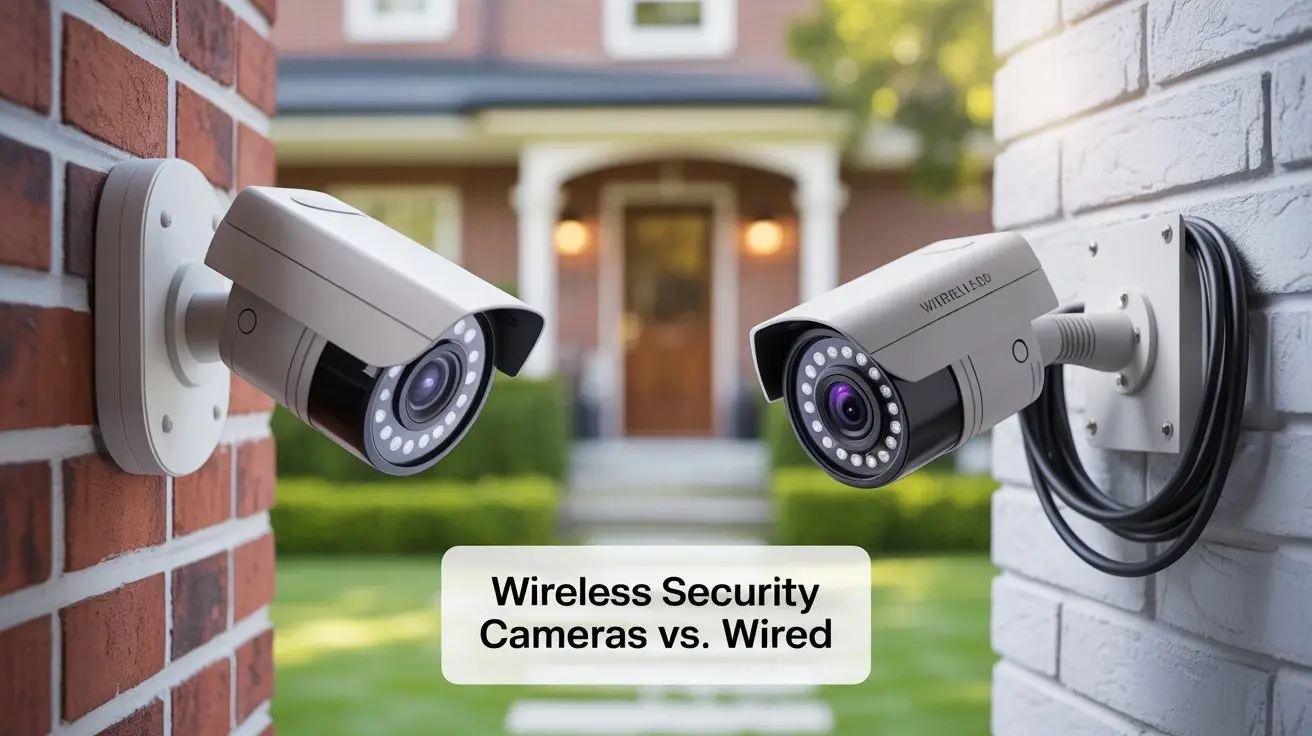
2. Wired vs. Wireless Connectivity
Wired systems, typically using Ethernet (IP) cameras, often offer more stable connections and higher bandwidth, which can be crucial for high-resolution streaming and recording. While the initial setup might be more complex and potentially costly due to cabling, the long-term reliability and absence of potential wireless interference can be advantageous. The cost here includes the cameras, network video recorder (NVR) or DVR, and potentially network switches and cabling infrastructure.
Wireless systems, often using Wi-Fi, offer greater installation flexibility and can be easier to set up, especially in existing structures where running cables is difficult or undesirable. However, they are susceptible to Wi-Fi signal strength, potential interference, and may require more frequent battery replacements or charging for battery-powered models. The cost can be lower for individual cameras but might increase if robust Wi-Fi infrastructure is needed. Battery-powered wireless cameras often have a higher upfront cost per unit due to the battery technology.
3. Storage Solutions
How you store your recorded footage is a major cost determinant. Options include:
- Local Storage (NVR/DVR): Network Video Recorders (NVRs) for IP cameras and Digital Video Recorders (DVRs) for analog cameras store footage on internal hard drives. The cost depends on the capacity (terabytes) of the hard drive and the number of channels (cameras) the NVR/DVR supports. Larger capacities and more channels mean higher prices.
- Cloud Storage: Many modern systems offer cloud-based storage, which provides off-site backup and accessibility from anywhere. This typically involves a recurring monthly or annual subscription fee. The cost is usually tiered based on the amount of storage, the number of cameras, and the retention period (how long footage is kept).
- SD Cards: Some individual cameras have built-in SD card slots for local storage. This is often a more affordable option for single cameras or as a backup, but capacity is limited, and physical access is required to retrieve footage.
4. Brand Reputation and Quality
Established brands with a reputation for reliability, advanced features, and excellent customer support generally command higher prices. While budget brands might offer lower upfront costs, they may compromise on image quality, durability, software updates, or customer service. Investing in a reputable brand can lead to a more robust and longer-lasting system.
5. Number of Cameras
The more cameras you need to cover your property, the higher the overall cost. Bulk discounts may be available when purchasing multi-camera kits, but the per-camera cost can still add up significantly. Consider the essential areas that require surveillance to avoid unnecessary expenses.
6. Advanced Features
Beyond basic recording, many cameras offer advanced functionalities that increase their price:
- Artificial Intelligence (AI) and Analytics: Features like person detection, facial recognition, package detection, and license plate recognition (LPR) use AI to provide more intelligent alerts and data. These advanced analytics are typically found in higher-end systems and increase the cost.
- Two-Way Audio: The ability to speak and listen through the camera is useful for communication and deterring intruders.
- Weatherproofing: Cameras designed for outdoor use need to be weatherproof (e.g., IP65, IP66, IP67 ratings), which adds to their manufacturing cost.
- High Frame Rates (FPS): Higher frame rates provide smoother video playback, which can be important for capturing fast-moving events.
7. Installation Complexity
The ease or difficulty of installing the system plays a significant role. Professional installation costs vary widely based on the complexity of the setup, the number of cameras, the type of property, and the labor rates in your area. DIY installation can save money but requires time, technical skill, and the right tools.
Types of Security Cameras and Their Price Ranges
The market offers a diverse range of security cameras, each with its own set of features and corresponding price points. Understanding these categories is crucial for making an informed purchase decision in 2025-26.
1. Bullet Cameras
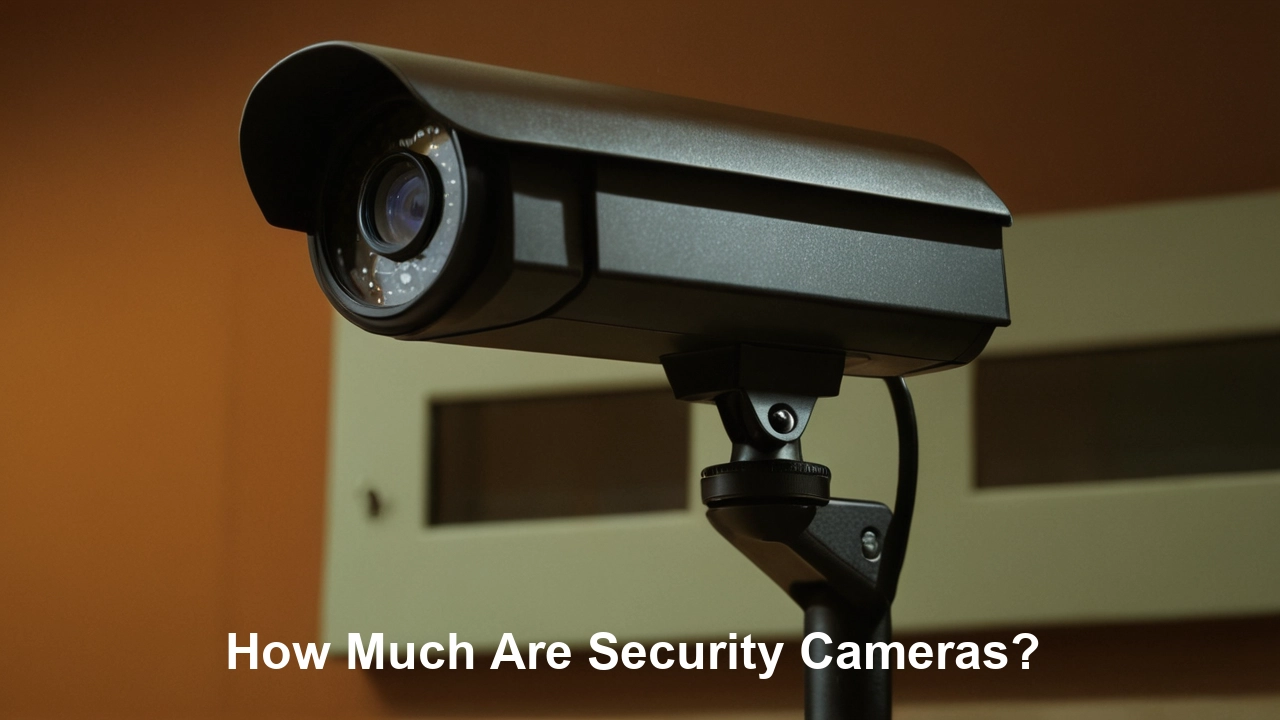
Description: These are the classic, cylindrical-shaped cameras, often seen mounted on walls or ceilings. They are typically fixed-lens and designed for visible surveillance, acting as a deterrent. Many are weatherproof and equipped with infrared night vision.
Typical Price Range (2025-26):
- Basic/Entry-Level: $30 - $70 per camera (e.g., simple wired or Wi-Fi cameras with basic resolution)
- Mid-Range: $70 - $150 per camera (e.g., HD resolution, better night vision, wider field of view, some weatherproofing)
- High-End: $150 - $300+ per camera (e.g., 4K resolution, advanced analytics, superior build quality)
2. Dome Cameras
Description: Dome cameras are characterized by their dome-shaped casing, which often makes it difficult for observers to tell which way the camera is pointing, adding to their stealth. They are often more vandal-resistant than bullet cameras and can be discreetly installed indoors or outdoors.
Typical Price Range (2025-26):
- Basic/Entry-Level: $40 - $80 per camera
- Mid-Range: $80 - $180 per camera (e.g., HD, PTZ capabilities, good low-light performance)
- High-End: $180 - $400+ per camera (e.g., 4K, advanced PTZ, AI features, ruggedized for harsh environments)
3. PTZ (Pan-Tilt-Zoom) Cameras
Description: These cameras offer remote control over their movement (pan, tilt) and zoom capabilities, allowing users to cover a wide area with a single camera. They are ideal for large properties, open spaces, or areas requiring active monitoring.
Typical Price Range (2025-26):
- Entry-Level (Limited PTZ): $150 - $300 per camera
- Mid-Range: $300 - $700 per camera (e.g., significant zoom, good resolution, faster movement)
- High-End: $700 - $2,000+ per camera (e.g., extreme zoom, advanced tracking, AI integration, high-resolution)
4. Turret/Eyeball Cameras
Description: Similar to dome cameras in their discreet design, turret cameras have a more exposed lens that can be adjusted without needing to open the housing. They often offer a good balance of features and aesthetics, suitable for both indoor and outdoor use.
Typical Price Range (2025-26):
- Basic/Entry-Level: $40 - $90 per camera
- Mid-Range: $90 - $200 per camera (e.g., HD, good night vision, weather resistance)
- High-End: $200 - $450+ per camera (e.g., 4K, advanced AI features, superior low-light performance)
5. Wireless/Wi-Fi Cameras
Description: These cameras connect to your home or business network via Wi-Fi, offering flexible placement without the need for Ethernet cables. Many are battery-powered, offering ultimate placement freedom but requiring battery management.
Typical Price Range (2025-26):
- Basic Wi-Fi (Plug-in): $40 - $100 per camera (e.g., indoor, basic HD)
- Battery-Powered Wi-Fi: $80 - $250 per camera (e.g., outdoor, HD, motion detection, some with solar charging options)
- Advanced Wi-Fi with AI: $150 - $350+ per camera (e.g., person detection, advanced features)
6. Nanny Cams/Hidden Cameras
Description: These are discreet cameras disguised as everyday objects (clocks, smoke detectors, USB chargers) for covert surveillance. They are typically used for indoor monitoring.
Typical Price Range (2025-26):
- Basic: $30 - $70
- Advanced (with Wi-Fi, better resolution): $70 - $150+
7. Thermal Cameras
Description: These cameras detect heat signatures rather than visible light, making them effective in complete darkness, fog, or smoke. They are typically used in high-security or industrial applications.
Typical Price Range (2025-26):
- Entry-Level (for specific applications): $500 - $2,000
- Professional Grade: $2,000 - $10,000+
It's important to note that these are per-camera costs. A complete system will also include a recorder (NVR/DVR) or cloud subscription, and potentially installation fees.
Installation Costs: Professional vs. DIY
The way your security camera system is installed significantly impacts the total cost. You have two primary routes: professional installation or a do-it-yourself (DIY) approach.
Professional Installation
Pros:
- Expertise: Professionals ensure optimal camera placement for maximum coverage, correct wiring, and proper system configuration.
- Time-Saving: Frees up your time and avoids the frustration of troubleshooting complex setups.
- Warranty/Support: Many professional installers offer warranties on their work and ongoing support.
- Aesthetics: They can often hide wires and mount cameras discreetly for a cleaner look.
Cons:
- Higher Cost: This is the most significant drawback. Labor costs can be substantial.
- Scheduling: You need to schedule appointments, which might not always be immediate.
Typical Cost Breakdown (2025-26):
- Labor per Hour: $50 - $150+
- Per Camera Installation: $100 - $300+ (depending on complexity, wiring needs, and location)
- System Setup/Configuration: $100 - $500+
Total Professional Installation Cost: For a typical 4-camera system, expect to pay anywhere from $500 to $2,000 or more, depending on the factors above. A complex commercial installation can easily run into tens of thousands.
DIY Installation
Pros:
- Cost Savings: The primary advantage is saving on labor costs.
- Flexibility: You can install the system at your own pace and convenience.
- Learning Experience: You gain a deeper understanding of your security system.
Cons:
- Time Investment: Requires significant time for planning, setup, and troubleshooting.
- Technical Skill: You need a basic understanding of tools, networking, and potentially electrical work.
- Potential for Errors: Incorrect installation can lead to poor performance, connectivity issues, or even safety hazards.
- No Professional Support: You are responsible for all troubleshooting and maintenance.
DIY Cost Factors:
- Cost of Tools: Ladder, drill, screwdrivers, cable testers, etc. (can be a one-time investment if you don't already own them).
- Cabling: If running Ethernet cables, you'll need to purchase the appropriate lengths and connectors.
- Mounting Hardware: Sometimes specialized mounts are needed.
Total DIY Installation Cost: Primarily the cost of the equipment itself, plus any tools or materials you need to purchase. For a 4-camera system, you might save $300 - $1500+ compared to professional installation.
Choosing the Right Installation Method
Consider the following when deciding:
- Your technical proficiency: Are you comfortable with basic wiring and networking?
- Your available time: Do you have the hours needed for a thorough installation?
- Property complexity: Is your home or business easy to run cables through, or are there many obstacles?
- System type: Wireless systems are generally easier for DIY than wired systems.
- Budget: If budget is extremely tight, DIY is the way to go, provided you have the skills.
For many, a hybrid approach can work: purchasing a DIY-friendly system and hiring a professional for specific, challenging parts of the installation, like running cables through walls or setting up the NVR/DVR.
Ongoing Expenses: Subscriptions and Maintenance
Beyond the initial purchase and installation, security camera systems can incur ongoing costs. These are often overlooked but are crucial for long-term budgeting and ensuring your system remains effective.
1. Cloud Storage Subscriptions
Description: Many modern camera systems, especially wireless ones, rely on cloud storage for recorded footage. This offers the convenience of remote access and off-site backup, protecting against local hardware failure or theft.
Cost Factors:
- Storage Amount: Typically measured in days or weeks of footage retention (e.g., 7-day, 30-day history).
- Number of Cameras: Some plans are per camera, while others are per account or system.
- Advanced Features: Plans that include AI analytics or continuous recording might be more expensive.
Typical Price Range (2025-26):
- Per Camera (Basic): $5 - $15 per month
- Per System (Multiple Cameras): $10 - $30+ per month
- Annual Plans: Often offer a discount compared to monthly billing.
Example: A 4-camera system with 30-day cloud storage might cost $15-$25 per month, totaling $180-$300 annually.
2. Maintenance and Repairs
Description: Like any electronic equipment, security cameras can require maintenance or may break down. This includes cleaning lenses, checking connections, updating firmware, and replacing faulty components.
Cost Factors:
- System Type: More complex systems might require specialized maintenance.
- Environmental Factors: Outdoor cameras exposed to harsh weather may need more frequent checks.
- Warranty: Systems with longer warranties reduce out-of-pocket repair costs.
Typical Price Range (2025-26):
- DIY Maintenance: Primarily your time and cost of cleaning supplies.
- Professional Maintenance/Service Calls: $100 - $300+ per visit, plus parts.
- Component Replacement: Varies widely depending on the part (e.g., a replacement camera, power supply, hard drive). A single camera could cost $50-$300+.
3. Power and Connectivity
Description: For wired systems, consider the cost of running power to cameras if not near an outlet. For wireless systems, battery replacements or the cost of solar panels can be an ongoing expense.
Cost Factors:
- Battery Type: Rechargeable vs. disposable.
- Solar Panel Efficiency: Higher-end panels are more expensive but provide better charging.
- Internet Bandwidth: If you have many high-resolution cameras streaming constantly, it might impact your internet bill or require a plan upgrade.
Typical Price Range (2025-26):
- Battery Replacements (Disposable): $10 - $30 per camera, per year, depending on usage.
- Rechargeable Battery Packs: $30 - $70 per pack (reusable).
- Solar Panels: $30 - $100+ per panel.
4. Software Updates and Support
Description: Reputable manufacturers provide regular software updates to patch security vulnerabilities and improve functionality. While usually free, some premium support packages or advanced software features might incur costs.
Cost Factors:
- Manufacturer Policy: Some offer lifetime free updates; others might phase out support for older models.
- Premium Support: Extended warranties or dedicated support lines can cost extra.
Typical Price Range (2025-26): Generally minimal to none for basic updates, but advanced support plans could range from $50-$200 annually.
Budgeting for ongoing costs is essential. Factor in potential subscription fees, the likelihood of needing repairs, and the cost of maintaining optimal performance. For example, a system that costs $500 upfront but has $20/month cloud fees will cost $740 in the first year, and $240 each subsequent year.
Cost Breakdown by Security System Type (2025-26)
To provide a clearer picture, let's break down the estimated total costs for different types of security camera systems, considering both upfront and ongoing expenses for the first year.
1. Basic DIY Wireless Camera System (e.g., 2-4 Cameras)
Ideal for: Small homes, apartments, or monitoring specific areas.
Components: 2-4 wireless Wi-Fi cameras (battery-powered or plug-in), potentially a central hub or direct Wi-Fi connection, cloud storage subscription.
Upfront Costs (2025-26):
- Cameras: $80 - $150 per camera = $160 - $600
- Mounting Hardware (if needed): $0 - $50
- Tools (if needed): $0 - $100
- Total Upfront: $160 - $750
Ongoing Costs (First Year):
- Cloud Storage Subscription: $10 - $20 per month = $120 - $240 per year
- Battery Replacements (if applicable): $0 - $50 per year
- Total Ongoing (Year 1): $120 - $290
Estimated Total Cost (Year 1): $280 - $1,040
2. Mid-Range Wired/Hybrid System (e.g., 4 Cameras)
Ideal for: Medium-sized homes or small businesses needing reliable, continuous recording.
Components: 4 HD wired (PoE) or hybrid cameras, NVR/DVR with internal storage, Ethernet cables, power supplies.
Upfront Costs (2025-26):
- Cameras: $70 - $180 per camera = $280 - $720
- NVR/DVR (with 1-2TB HDD): $200 - $400
- Cabling (100ft Cat5e/Cat6): $30 - $60
- Connectors/Tools: $20 - $50
- Total Upfront: $530 - $1,230
Ongoing Costs (First Year):
- Hard Drive Replacement (potential, after 3-5 years): Minimal for year 1
- Firmware Updates: Free
- Potential for minor repairs: $50 - $100
- Total Ongoing (Year 1): $50 - $100
Estimated Total Cost (Year 1): $580 - $1,330
3. High-End Professional System (e.g., 8 Cameras with PTZ & AI)
Ideal for: Large homes, businesses, or properties requiring advanced surveillance and analytics.
Components: 6-8 high-resolution cameras (mix of bullet, dome, PTZ), NVR/DVR with larger storage, professional installation, potential cloud backup or advanced analytics subscription.
Upfront Costs (2025-26):
- Cameras (mix including PTZ): $150 - $700+ per camera = $1,200 - $5,600+
- NVR/DVR (4TB+ HDD): $400 - $800
- Cabling & Accessories: $100 - $200
- Subtotal Equipment: $1,700 - $6,600+
- Professional Installation: $500 - $2,000+
- Total Upfront: $2,200 - $8,600+
Ongoing Costs (First Year):
- Cloud Storage/Advanced Features: $20 - $50+ per month = $240 - $600+ per year
- Maintenance/Support Contract (optional): $100 - $300 per year
- Total Ongoing (Year 1): $340 - $900+
Estimated Total Cost (Year 1): $2,540 - $9,500+
4. Smart Home Integrated Camera System (e.g., 1-2 Cameras)
Ideal for: Users already invested in a smart home ecosystem (e.g., Google Home, Amazon Alexa, Apple HomeKit).
Components: 1-2 Wi-Fi cameras that integrate with smart home platforms, often with built-in AI features like person detection.
Upfront Costs (2025-26):
- Cameras: $100 - $250 per camera = $100 - $500
- SD Card for local storage (optional): $20 - $50
- Total Upfront: $100 - $550
Ongoing Costs (First Year):
- Cloud Storage (optional, for extended history/features): $5 - $15 per month = $60 - $180 per year
- Total Ongoing (Year 1): $0 - $180
Estimated Total Cost (Year 1): $100 - $730
These figures are estimates for 2025-26 and can vary significantly based on specific brands, retailers, sales, and your unique property requirements. Always compare features and pricing carefully.
Smart Budgeting Tips for Security Cameras
Investing in security cameras doesn't have to break the bank. With strategic planning and smart choices, you can achieve robust surveillance without overspending. Here are some effective budgeting tips for 2025-26:
1. Prioritize Your Needs
Identify critical areas: Don't install cameras just for the sake of it. Determine the most vulnerable points of your property (e.g., entryways, driveways, backyards, valuable asset locations). Focus your budget on these high-priority areas first. You can always expand later.
Essential features: Differentiate between "must-have" features (e.g., HD resolution, night vision) and "nice-to-have" features (e.g., PTZ, advanced AI analytics). Start with the essentials and add advanced features if your budget allows.
2. Leverage Sales and Bundles
Holiday sales: Keep an eye out for major sales events like Black Friday, Cyber Monday, Prime Day, and other seasonal promotions. These are prime times to find significant discounts on camera systems and components.
Bundled kits: Manufacturers often offer multi-camera kits at a lower per-camera price than buying individual units. If you need multiple cameras, a kit can be a cost-effective solution.
3. Consider Refurbished or Open-Box Items
Reputable retailers: Many electronics retailers and manufacturers offer certified refurbished or open-box security cameras. These items have been inspected, repaired (if necessary), and are often sold with a warranty at a reduced price. Ensure you buy from a trusted source to avoid issues.
4. Opt for DIY Installation When Possible
Assess your skills: If you are comfortable with basic tools and technology, a DIY installation can save you hundreds, if not thousands, of dollars in labor costs. Many modern wireless systems are designed for easy user setup.
Start simple: If you're new to DIY, begin with a simpler wireless system before tackling complex wired installations.
5. Choose the Right Storage Solution
Balance cloud vs. local: Cloud storage offers convenience but incurs recurring fees. For budget-conscious users, a system with a Network Video Recorder (NVR) or Digital Video Recorder (DVR) with a built-in hard drive can be more cost-effective long-term, provided you don't need off-site backup for all footage.
Utilize SD cards: For individual cameras or as a backup, using SD cards can be a cheaper way to store footage locally, though capacity is limited.
6. Compare Brands and Models Extensively
Don't settle for the first option: Research different brands and models. Read reviews, compare specifications, and look for cameras that offer the best value for your specific needs. Sometimes, a slightly lesser-known brand can offer comparable features at a lower price point.
Look for longevity: While cheaper upfront, extremely low-cost cameras might have a shorter lifespan or become obsolete quickly. Consider the total cost of ownership.
7. Scale Your System Gradually
Start small: You don't need to outfit your entire property with dozens of cameras on day one. Begin with a few essential cameras and expand your system over time as your budget allows and your needs evolve.
8. Understand Total Cost of Ownership
Look beyond the sticker price: Always consider the total cost of ownership, which includes upfront hardware costs, installation fees, subscription fees, potential maintenance, and power consumption. A cheaper system with high ongoing costs might be more expensive in the long run than a slightly pricier but more efficient system.
9. Negotiate with Installers (for professional installations)
Get multiple quotes: If opting for professional installation, obtain quotes from at least 2-3 different reputable companies. This allows you to compare pricing and potentially negotiate better rates.
By implementing these budgeting strategies, you can make a smart investment in your security, ensuring you get the protection you need without exceeding your financial limits.
Making the Right Investment for Your Security
The question "How much are security cameras?" is multifaceted, with costs ranging from under $100 for a single basic camera to well over $10,000 for a comprehensive, professionally installed commercial system. In 2025-26, the average homeowner can expect to spend between $300 and $1,500 for a decent 2-4 camera setup, including potential installation and basic cloud storage. Businesses will face significantly higher costs depending on their scale and specific security requirements.
Key factors influencing your investment include the type of camera technology, wired versus wireless connectivity, storage solutions, brand reputation, and installation complexity. While professional installation offers peace of mind and expertise, DIY can significantly reduce upfront costs. Remember to factor in ongoing expenses like cloud subscriptions and potential maintenance.
To make the right investment, clearly define your security needs, prioritize essential features, leverage sales and bundles, and consider the total cost of ownership. By carefully evaluating these elements, you can select a security camera system that provides effective protection and lasting value for your home or business.