Understanding the investment required for a Vivint security system is crucial for homeowners. This guide breaks down the costs involved in 2025-26, covering equipment, installation, and monthly monitoring fees, empowering you to make an informed decision about securing your home.
Understanding Vivint Costs: An Overview
When considering a home security system, one of the primary questions on any homeowner's mind is, "How much does it cost to get Vivint?" Vivint offers a comprehensive, integrated smart home and security solution, which means its pricing structure reflects a blend of hardware, professional installation, and ongoing service fees. Unlike many DIY systems where you purchase equipment outright and pay a low monthly fee, Vivint often bundles equipment costs into a financing plan over a set contract term, alongside a monthly monitoring fee. This approach can make the upfront cost seem lower, but it's essential to understand the total investment over the life of your contract. In 2025-26, expect Vivint's pricing to be competitive within the premium smart home security market, with costs varying significantly based on the equipment you choose and the monitoring plan you select. This guide will dissect each component of Vivint's pricing to give you a clear picture.
Vivint Equipment Pricing: What You'll Pay for Hardware
The hardware is the foundation of any security system, and Vivint offers a range of components designed to work seamlessly together. The cost of this equipment can vary widely depending on the size of your home and the level of security and smart home integration you desire. Vivint typically doesn't advertise fixed prices for individual components but rather offers package deals and custom quotes. However, by analyzing common configurations and industry reports for 2025-26, we can provide estimated price ranges.
Core System Packages
Vivint's core packages are designed to provide essential security coverage for most homes. These usually include a central control panel, door/window sensors, and a motion detector. The price of these packages is often financed over 36 to 60 months. For 2025-26, you can anticipate the initial equipment cost for a basic package to range from approximately $500 to $1,500, depending on the number of sensors and the specific panel model.
For example, a starter package might include:
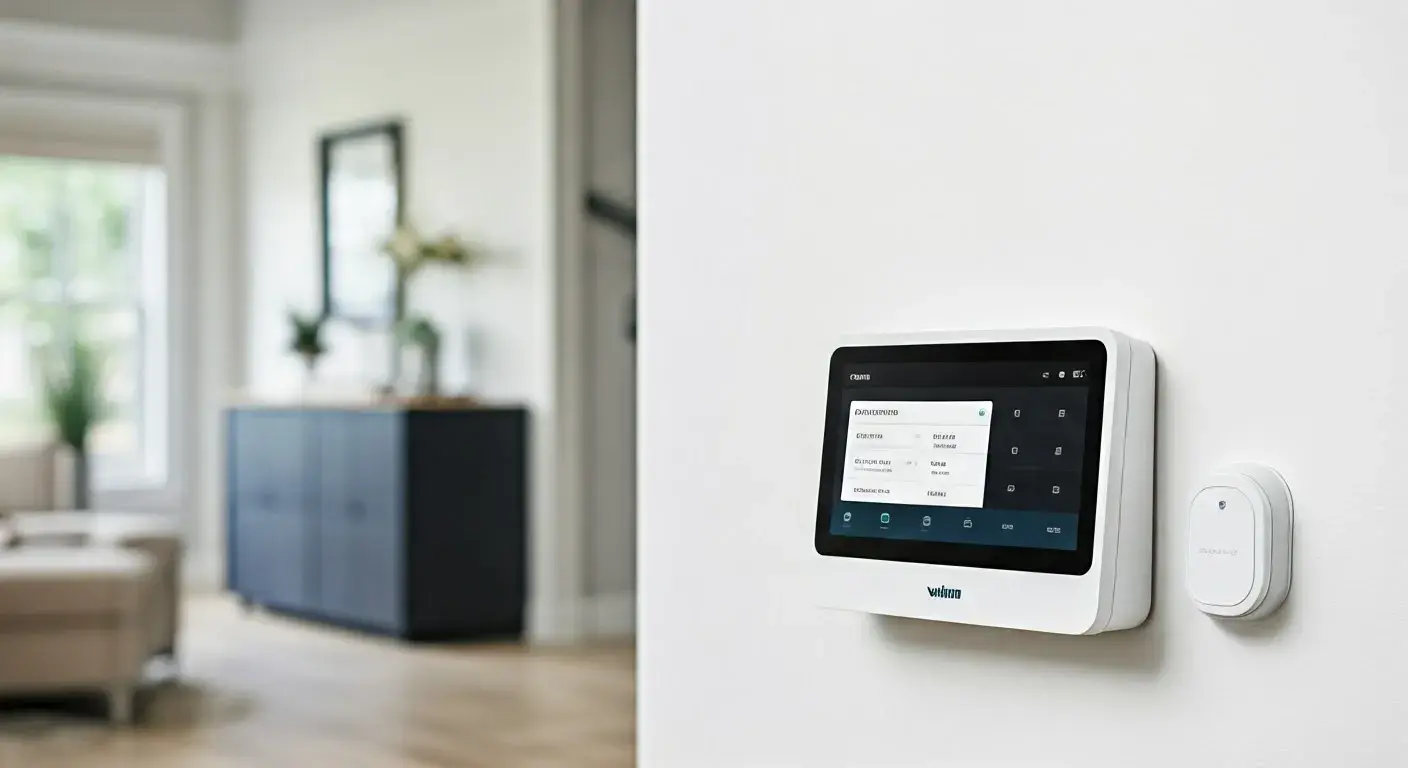
- Vivint Smart Hub (or similar panel): This is the central brain of your system, typically costing between $200-$500 when financed.
- Door/Window Sensors: Each sensor might add $20-$50 to the financed total. A typical home might need 4-8 sensors.
- Motion Detector: These usually range from $50-$100 when financed.
- Key Fob: Often included or a small additional cost, around $20-$30.
Example Scenario: A home needing 5 door/window sensors, 1 motion detector, and a Vivint Smart Hub might have an equipment cost financed over 48 months. If the total financed equipment cost is $900, the monthly equipment payment would be around $18.75 ($900 / 48 months).
Add-On Equipment Options
Beyond the core components, Vivint offers a wide array of smart home and security add-ons that increase the total equipment cost. These can significantly enhance your system's functionality but also its price tag.
Security Cameras
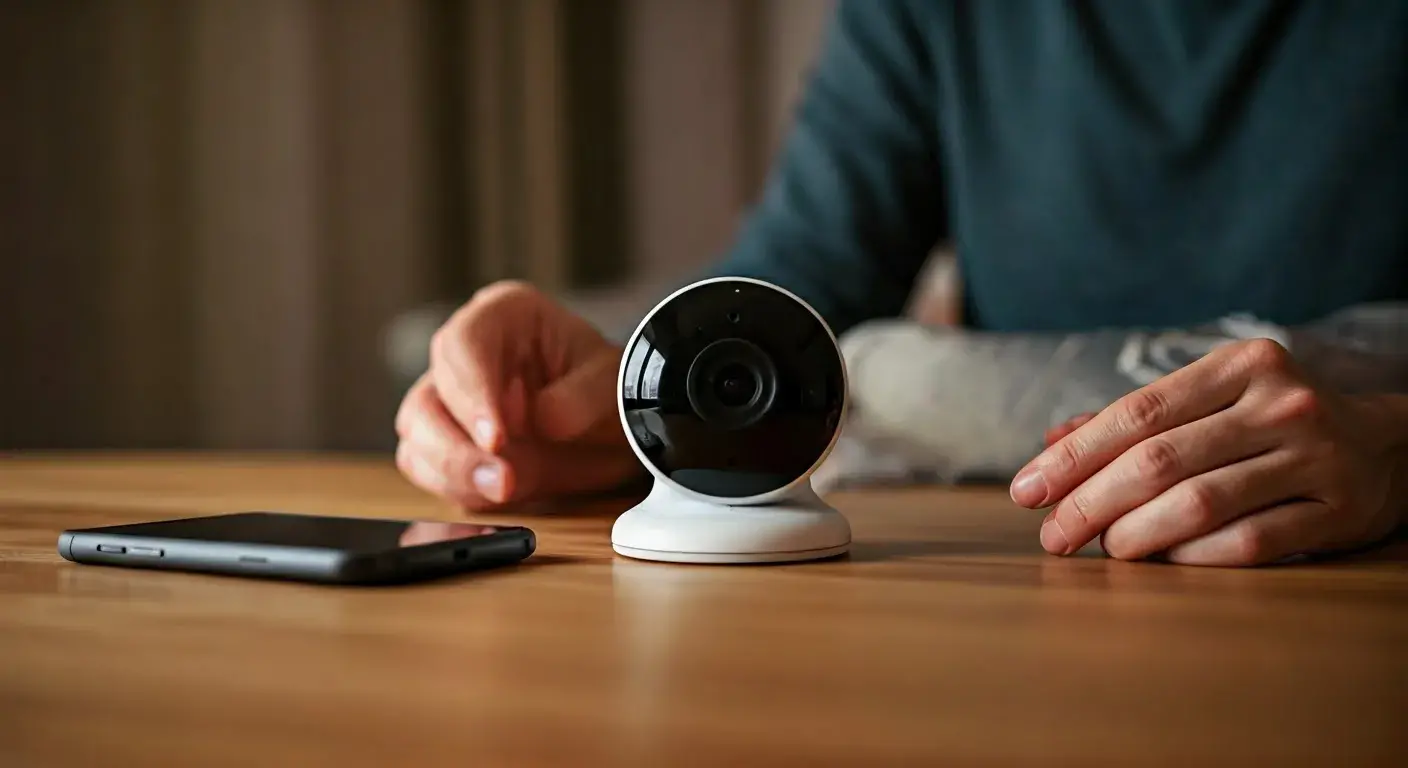
- Indoor Camera: Typically $100-$200 financed.
- Outdoor Camera: Often $200-$300 financed, sometimes more for advanced models with features like night vision and two-way audio.
- Doorbell Camera: Generally $150-$250 financed.
Smart Home Devices
- Smart Thermostat: Around $100-$200 financed.
- Smart Locks: $150-$250 financed per lock.
- Garage Door Controller: $100-$150 financed.
- Smart Lighting: Individual smart bulbs or switches can add $30-$100 each to the financed cost.
Example: Adding two outdoor cameras doorbell cameradoorbell camera ($200), and a smart lock ($200) to the previous example would add $900 to the financed equipment cost. If this additional $900 is financed over 48 months, it adds another $18.75 per month.
Financing and Payment Plans
Vivint's primary model for equipment acquisition is through financing. This means you don't typically pay the full equipment price upfront. Instead, the cost of the hardware is spread out over a contract term, usually 36, 48, or 60 months. The interest rate for these plans is often incorporated into the monthly payment, and Vivint aims to make these payments competitive. It's crucial to understand that you are essentially paying for the equipment over time, and until it's fully paid off, you are still obligated to the contract term.
Key points about financing:
- No Interest (Often): Vivint often advertises these plans as interest-free, meaning the total amount paid for equipment equals the initial quoted price.
- Contract Length: The longer the financing term, the lower your monthly equipment payment will be, but you'll be locked into a longer contract.
- Ownership: Once the financing term is complete and the equipment is fully paid for, you own the hardware.
Example of Total Equipment Cost Breakdown:
| Component | Estimated Financed Cost (2025-26) | Monthly Payment (48 Months) |
|---|---|---|
| Vivint Smart Hub | $300 | $6.25 |
| 5 Door/Window Sensors | $200 ($40 each) | $4.17 |
| 1 Motion Detector | $75 | $1.56 |
| 1 Outdoor Camera | $250 | $5.21 |
| 1 Smart Lock | $200 | $4.17 |
| Total Equipment | $1,025 | $21.36 |
Note: These are estimated figures for illustration. Actual costs will vary based on specific promotions and chosen equipment.
Vivint Installation Fees: Professional vs. DIY
One of Vivint's significant selling points is its commitment to professional installation. This ensures that your system is set up correctly, optimally placed, and integrated seamlessly. While this convenience comes at a cost, it's often bundled into the overall package or financed.
Professional Installation Costs
For most Vivint systems in 2025-26, professional installation is either included in the overall package price, heavily discounted, or a one-time fee that is also financed. Historically, Vivint has offered free professional installation as a promotional incentive. However, when it's not free, you might expect a one-time fee ranging from $50 to $200, depending on the complexity of the installation and any ongoing promotions. This fee is often rolled into the financed equipment cost, meaning it's paid off over the contract term, similar to the hardware itself.
What professional installation includes:
- A certified Vivint technician will visit your home.
- They will strategically place sensors, cameras, and the control panel for optimal performance and coverage.
- All equipment will be professionally mounted and tested.
- The technician will walk you through how to use the system and the Vivint app.
- They will ensure your Wi-Fi network is robust enough to support the system.
Example: If a standard installation fee is $199 and is financed over 48 months, it would add approximately $4.15 per month to your bill.
DIY Installation Considerations
Vivint's business model is heavily reliant on professional installation. Therefore, they do not typically offer a true DIY option where customers purchase equipment and install it themselves without any professional involvement or associated fees. While some components, like additional sensors, might be relatively easy to install yourself if you already have a Vivint system, the initial setup and activation usually require a professional. This is a key differentiator from many other DIY security providers like SimpliSafe or Ring Alarm.
If you are looking for a purely DIY system to save on installation costs, Vivint might not be the most cost-effective choice. The value proposition of Vivint lies in its end-to-end service, including professional setup and support.
Vivint Monthly Monitoring Plans: What's Included
The monthly monitoring fee is a critical component of the total Vivint cost. These plans provide 24/7 professional monitoring, cellular backup, mobile app access, and often include smart home features. Vivint offers tiered plans, with costs varying based on the features and services included. For 2025-26, expect these plans to range from approximately $30 to $70 per month.
Basic Security Monitoring
The most fundamental plan focuses on core security monitoring. This typically includes:
- 24/7 professional monitoring by Vivint's certified response center.
- Cellular backup to ensure your system stays connected even if your Wi-Fi goes down.
- Mobile app access for arming/disarming the system, receiving alerts, and checking system status.
- Professional installation support.
This type of plan is usually the most affordable, likely falling in the range of $30-$45 per month in 2025-26.
Smart Home Integration Plans
These plans build upon the basic security features by adding smart home automation capabilities. This allows you to control smart locks, thermostats, lighting, and other connected devices through the Vivint app and voice commands. These plans also often include more advanced features like:
- Remote control of smart home devices.
- Customizable automation rules (e.g., lights turn on when the alarm is disarmed).
- Integration with popular smart home ecosystems.
The cost for these comprehensive smart home integration plans typically ranges from $45-$60 per month.
Video Surveillance Plans
For users who want to integrate Vivint's security cameras into their system, there are plans that specifically cater to video surveillance. These plans usually include:
- Access to live video feeds from your cameras.
- Cloud storage for recorded video clips (number of days and cameras supported varies by plan).
- Motion-activated recording.
- Two-way audio communication through cameras.
These plans are often the most expensive, with costs ranging from $50-$70+ per month, especially if you have multiple cameras requiring significant cloud storage.
Important Note: Vivint often requires a minimum contract length for their monitoring services, typically 24 or 42 months. This contract is separate from the equipment financing term, though they can sometimes be aligned.
Factors Influencing Your Total Vivint Cost
The final price you pay for a Vivint system isn't a one-size-fits-all number. Several key factors will influence the total cost, from the initial hardware purchase and installation to your ongoing monthly expenses.
Home Size and Layout
A larger home or a home with multiple entry points will naturally require more sensors and potentially more cameras to achieve adequate coverage. This directly impacts the amount of equipment you need, increasing the financed equipment cost and, consequently, your monthly equipment payment. For instance, a sprawling ranch-style home might need more motion detectors than a compact two-story house, and a home with a basement and an upstairs will likely need more door/window sensors.
Desired Features and Automation
Are you looking for basic security, or do you want a fully integrated smart home experience? The more features you add, the higher the cost. For example, adding smart locks, a smart thermostat, smart lighting, and multiple high-definition cameras will significantly increase the initial equipment investment compared to a system with just basic sensors and a panel.
Consider the following:
- Cameras: The number and type of cameras (indoor, outdoor, doorbell) are major cost drivers.
- Smart Home Devices: Thermostats, locks, garage openers, and lighting controls add to the equipment total.
- Environmental Sensors: Smoke detectors, carbon monoxide detectors, and flood sensors are often bundled but can be add-ons.
Promotional Offers and Discounts
Vivint frequently runs promotional offers that can significantly reduce the overall cost. These can include:
- Free Equipment: Sometimes, Vivint offers a certain amount of free equipment with a new monitoring contract.
- Discounted Installation: Professional installation might be offered for free or at a reduced rate.
- Bundled Deals: Packages that combine specific equipment and monitoring plans at a lower price than purchasing separately.
- Seasonal Sales: Discounts may be available during holidays or specific times of the year.
It is highly recommended to inquire about current promotions when getting a quote, as these can substantially impact your total investment. For 2025-26, Vivint is likely to continue offering attractive incentives to new customers.
Vivint vs. Competitors: A Cost Comparison (2025-26)
When evaluating the cost of Vivint, it's helpful to compare it against other popular home security providers. Vivint positions itself as a premium, integrated smart home security solution, which generally means its pricing is higher than basic DIY systems but competitive with other professionally installed and monitored services. For 2025-26, here's a general comparison:
Equipment Cost Differences
Vivint: As discussed, Vivint finances equipment over 3-5 years. This means the upfront cost is low, but the total paid for equipment is spread out. A typical system might have financed equipment costs ranging from $500 to $2,000+, translating to monthly payments of $10-$40+. The total paid for equipment could be $600-$2,400+ over the financing term.
DIY Systems (e.g., SimpliSafe, Ring Alarm): These systems typically require you to purchase equipment upfront. A comparable basic system might cost $200-$500 out-of-pocket. More advanced systems with cameras could reach $500-$1,000+. The advantage is outright ownership and no financing interest, but the initial outlay is higher.
Professionally Installed Competitors (e.g., ADT): ADT, a long-standing competitor, often has a similar model to Vivint, with financed equipment and professional installation. Pricing can be comparable, though specific packages and promotions differ.
Monitoring Fee Comparisons
Vivint: Monthly monitoring plans range from approximately $30 to $70+, depending on features like smart home integration and video surveillance. These plans often include cellular backup and mobile app access.
DIY Systems: Monitoring fees are generally lower. SimpliSafe's "Pro" plan is around $29.99/month, including professional monitoring and some app features. Ring Alarm's "Plus" plan is $20/month (with an annual discount) and includes professional monitoring and unlimited Ring camera video recording.
Professionally Installed Competitors: ADT's monitoring fees can be similar to Vivint's, often starting around $30-$50 for basic security and increasing for more advanced features. Some providers may charge extra for cellular backup or advanced app features.
Overall Value Proposition
Vivint's higher cost is justified by its integrated approach. You get a professionally installed, professionally monitored system with seamless smart home capabilities and a user-friendly app. The convenience of financing equipment and having expert support throughout the process is a significant part of its value.
For homeowners who prioritize a hands-off, all-in-one solution and are willing to pay a premium for convenience, integration, and professional service, Vivint offers strong value. For those who are more budget-conscious, comfortable with DIY installation, or only need basic security, other options might be more cost-effective. It's crucial to weigh the upfront cost against the long-term benefits and your specific needs.
Maximizing Your Vivint Investment
To ensure you get the best value from your Vivint system and avoid overspending, strategic planning and informed decision-making are key. Here are some tips for maximizing your investment in 2025-26.
Choosing the Right Package
The most critical step is selecting a package that perfectly aligns with your home's needs and your lifestyle. Avoid the temptation to add every available gadget if you won't use it. Start with the essentials and consider adding more components later if necessary.
- Assess your home: Walk through your home and identify all potential entry points (doors, windows) and areas that need surveillance (driveway, main living areas).
- Prioritize features: What are your must-have features? Is it smart home automation, advanced video surveillance, or simply robust security?
- Consider future needs: While you can add equipment later, it might be more cost-effective to bundle major additions during the initial setup if they are part of a promotional offer.
- Get multiple quotes: Even within Vivint, different sales representatives might offer slightly different package configurations or pricing.
Leveraging Promotions
Vivint's promotional offers can significantly reduce the total cost. Always ask about current deals when you are getting a quote. This might include:
- Free equipment credits: Vivint often offers free sensors or cameras with a new contract.
- Waived installation fees: Professional installation can sometimes be complimentary.
- Bundled discounts: Special pricing for combining specific equipment and monitoring plans.
- Referral bonuses: If you know someone with Vivint, ask if they have a referral program.
Be proactive in inquiring about these opportunities. Sometimes, these promotions are time-sensitive, so acting promptly can be beneficial.
Understanding Contract Terms
Vivint typically requires a monitoring contract, often 24 or 42 months, and equipment financing contracts that can range from 36 to 60 months. It's crucial to understand the implications of these contracts:
- Early Termination Fees: Be aware of penalties if you need to cancel your service before the contract term ends.
- Equipment Ownership: Understand when you will fully own your equipment. Until the financing is paid off, the equipment is technically owned by Vivint.
- Monthly Payment Breakdown: Ensure you know how much of your monthly bill is for equipment financing and how much is for monitoring services.
- Contract Renewal: What happens to your rates and terms when your initial contract expires?
Read all contracts carefully and ask questions if anything is unclear. Understanding these terms will help you avoid unexpected costs and ensure you are satisfied with your service throughout the contract period.
Conclusion: Making an Informed Decision
Determining "how much does it cost to get Vivint?" reveals a multifaceted pricing structure that blends hardware financing, professional installation, and ongoing monthly monitoring. In 2025-26, homeowners can expect an initial investment that is often spread over several years, with monthly costs typically ranging from $50 to $150+ depending on the chosen equipment and monitoring plan. While Vivint represents a premium option in the smart home security market, its integrated ecosystem, professional support, and convenience justify its price point for many. By carefully assessing your home's needs, exploring available promotions, and thoroughly understanding contract terms, you can make an informed decision that provides robust security and smart home integration tailored to your budget and lifestyle. Ultimately, Vivint offers a comprehensive solution for those seeking peace of mind and advanced home automation.