Understanding the monthly cost of Vivint security systems is crucial for homeowners. This guide breaks down the pricing, equipment fees, and ongoing service charges for Vivint in 2025-26, helping you make an informed decision about your home security investment.
Understanding Vivint's Pricing Structure
Vivint's pricing model is a blend of upfront equipment costs and ongoing monthly service fees. Unlike some competitors that offer "free" equipment with long-term contracts, Vivint typically requires an initial investment in hardware, which can then be financed over time. The core of the monthly cost revolves around their professional monitoring services, which are essential for leveraging the full capabilities of a Vivint system. Understanding this dual structure is the first step to accurately answering "How much does Vivint cost per month?"
In 2025-26, Vivint continues to emphasize a comprehensive, integrated smart home security experience. This means their pricing reflects not just basic alarm monitoring but also advanced features like smart home automation, professional installation, and 24/7 customer support. The monthly subscription fee is the primary driver of recurring costs, covering the monitoring, cloud storage for video, and access to the Vivint app. Equipment costs, while often paid upfront or financed, contribute to the overall financial picture of owning a Vivint system.
It's important to distinguish between the one-time or financed equipment cost and the recurring monthly service fee. While the equipment is a significant initial outlay, it's the monthly monitoring fee that determines the long-term financial commitment. Vivint offers various tiers of monitoring plans, each with its own set of features and corresponding price point. The choice of equipment also plays a role, as more advanced cameras, sensors, and smart home devices will naturally increase the initial or financed equipment cost, and potentially influence the overall package price.
Core Components and Their Costs
Vivint's smart home security systems are built around a central hub and a suite of interconnected devices. The cost of these components varies based on the specific package chosen and whether they are purchased outright or financed. For 2025-26, here's a breakdown of typical core components and their estimated pricing:
The Vivint Smart Hub
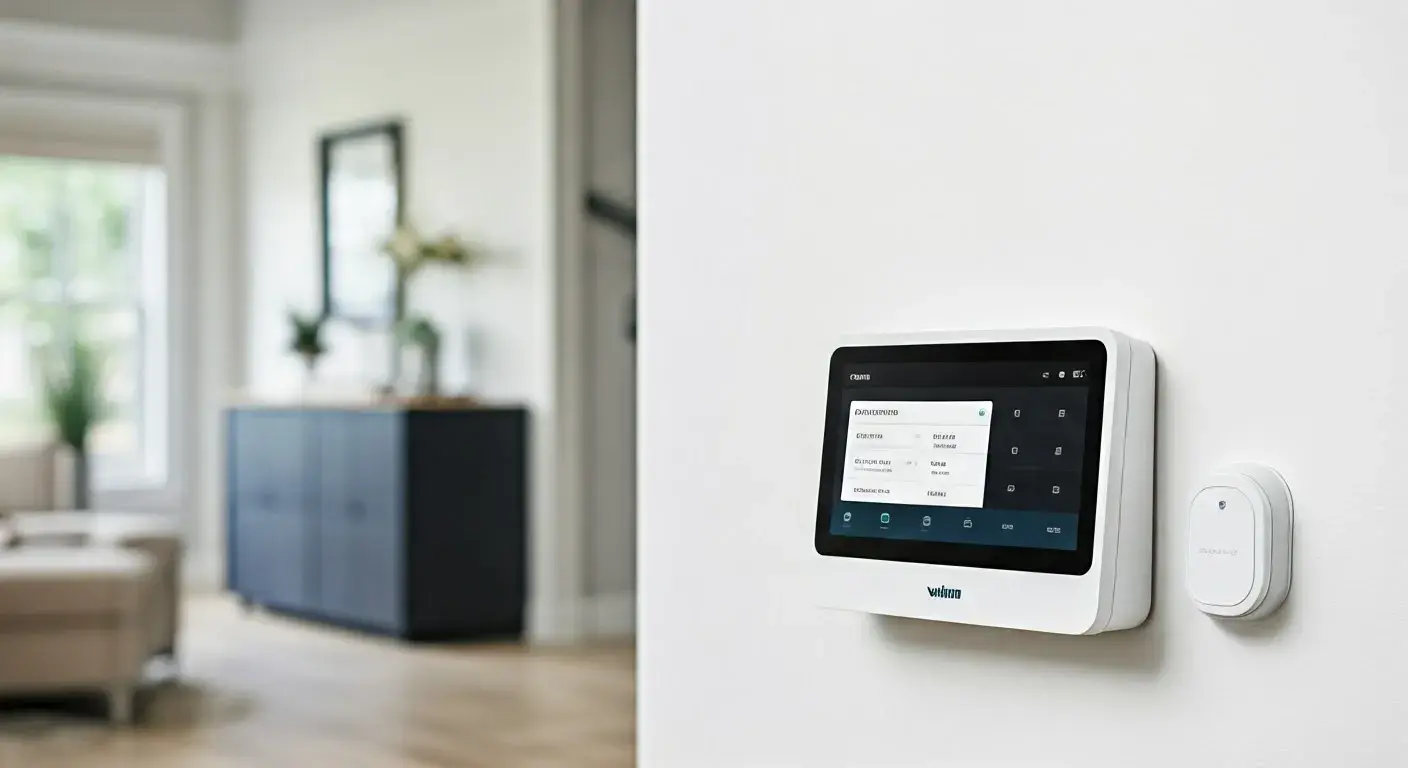
The Vivint Smart Hub is the brain of the operation, connecting all your devices and providing a touch-screen interface for control. It also facilitates communication with Vivint's monitoring center. While specific prices fluctuate, a standard Smart Hub typically ranges from $300 to $600 when purchased outright. However, Vivint often includes the Smart Hub in their financing plans, spreading this cost over the contract term.
Door and Window Sensors
These small, discreet sensors detect when a door or window is opened. They are crucial for perimeter security. A basic package might include 4-6 sensors, with each additional sensor costing around $30 to $50. These are usually bundled into starter kits.
Motion Detectors
Motion detectors are designed to sense movement within a room, providing an additional layer of security. They are particularly useful for covering larger areas or identifying intruders who bypass door and window sensors. The cost per motion detector typically falls between $50 and $75.
Security Cameras
Vivint offers a range of indoor and outdoor cameras.
- Indoor Cameras: These are generally priced between $150 and $250. They are useful for monitoring pets, children, or specific areas within the home.
- Outdoor Cameras: These are more robust and weather-resistant, typically costing between $250 and $400. Features like night vision, two-way audio, and advanced motion detection are standard.
- Doorbell Cameras: A popular choice for monitoring front porches, these usually range from $200 to $300. They offer video and two-way audio communication directly from your smartphone.
Smart Locks and Other Smart Home Devices
Vivint integrates seamlessly with various smart home devices, including smart locks, thermostats, and garage door openers.
- Smart Locks: Typically cost between $150 and $250.
- Smart Thermostats: Range from $100 to $200.
- Garage Door Controllers: Usually around $100 to $150.
Table: Estimated Equipment Costs (One-Time Purchase)
| Component | Estimated Cost (Outright Purchase) |
|---|---|
| Vivint Smart Hub | $300 - $600 |
| Door/Window Sensor (each) | $30 - $50 |
| Motion Detector (each) | $50 - $75 |
| Indoor Camera | $150 - $250 |
| Outdoor Camera | $250 - $400 |
| Doorbell Camera | $200 - $300 |
| Smart Lock | $150 - $250 |
Vivint Monitoring Plans Explained
The heart of Vivint's monthly cost lies in its monitoring services. These plans are designed to offer varying levels of smart home integration and security features. For 2025-26, Vivint offers several tiers, with the most common being the "Smart Security" and "Smart Home" plans. The exact pricing can vary based on promotions and regional factors, but the general structure remains consistent.
Vivint Smart Security Plan
This is Vivint's foundational monitoring plan. It includes 24/7 professional monitoring, which means that if your alarm is triggered, Vivint's certified monitoring center will be alerted and can dispatch emergency services if necessary. This plan also typically covers:
- Mobile app access for remote arming/disarming and notifications.
- Basic video storage for a limited number of cameras (often around 30 days of cloud storage).
- Burglary, fire, and medical emergency monitoring.
The estimated monthly cost for the Vivint Smart Security plan in 2025-26 typically ranges from $29.99 to $39.99 per month. This plan is ideal for homeowners primarily focused on security and basic remote access.
Vivint Smart Home Plan
This is Vivint's premium offering, designed for those who want to integrate their security system with broader smart home automation. It includes everything in the Smart Security plan, plus:
- Advanced smart home automation capabilities (e.g., setting schedules for lights, thermostats, locks).
- Unlimited video storage for all connected cameras.
- Integration with a wider range of smart home devices (e.g., smart plugs, advanced lighting controls).
- Enhanced mobile app features and customization options.
- Potentially, more robust customer support or extended warranties.
The estimated monthly cost for the Vivint Smart Home plan in 2025-26 generally ranges from $49.99 to $59.99 per month. This plan is best suited for users who are invested in building a comprehensive smart home ecosystem.
Add-on Services and Features
Beyond the core plans, Vivint may offer additional services or features that can increase the monthly cost:
- Additional Cameras: If you have more cameras than what's included in your plan's video storage, you might incur extra fees or need to upgrade your plan.
- Professional Installation: While often included in the financing of the equipment, if you opt for a different installation method or need extensive setup, there might be separate charges. However, Vivint typically emphasizes professional installation as a standard part of their service.
- Extended Warranties: For added peace of mind, extended warranty options might be available for an additional monthly fee.
It's crucial to get a personalized quote from Vivint, as they often tailor packages and pricing based on your specific needs and the equipment you select. Promotions can also significantly impact the monthly service cost, especially for new customers.
Equipment Purchase vs. Financing
One of the key considerations when determining your total Vivint cost is how you'll pay for the equipment. Vivint offers two primary options: outright purchase or financing through Vivint itself.
Outright Purchase
With this option, you pay the full cost of all selected equipment upfront. This is often the most straightforward approach if you have the capital available. The benefit here is that you own the equipment outright from day one, and your monthly bill will solely consist of the monitoring service fee. For example, if you purchase a system with a Smart Hub, 5 sensors, and 2 cameras for a total of $1,500, your monthly bill would simply be your chosen monitoring plan fee (e.g., $39.99 for Smart Security).
Pros:
- No ongoing equipment payments.
- You own the equipment outright.
- Simplifies monthly budgeting.
- Requires a significant upfront investment.
- Less flexibility if you need to change equipment later.
Financing Through Vivint
Vivint offers in-house financing, allowing you to spread the cost of your equipment over a contract term, typically 42 or 60 months. This makes a comprehensive Vivint system more accessible with a lower initial outlay. The monthly equipment payment is added to your monitoring service fee. For instance, a $1,500 equipment package financed over 60 months might add approximately $25 to $30 per month to your bill, in addition to your monitoring fee.
Pros:
- Lower upfront cost, making systems more affordable.
- Spreads the expense over several years.
- Often includes professional installation as part of the package.
- Requires a long-term contract (usually 42 or 60 months).
- You don't own the equipment until the financing is paid off.
- The total cost over the financing period may be higher than outright purchase due to interest.
- If you cancel the service before the financing is paid off, you may owe the remaining balance on the equipment.
Example Scenario:
Let's say a customer chooses a system with an equipment cost of $1,200 and opts for the Smart Security monitoring plan at $39.99/month.
- Outright Purchase: Total monthly cost = $39.99 (monitoring only).
- Financing (60 months): If the equipment financing adds $20/month, the total monthly cost = $39.99 (monitoring) + $20 (equipment) = $59.99.
The choice between purchasing outright and financing significantly impacts the "how much does Vivint cost per month?" question, as financing adds a recurring equipment payment to the service fee.
Factors Influencing Your Monthly Bill
Several key factors will determine the final monthly cost of your Vivint system. Understanding these variables is crucial for accurate budgeting and making informed choices. For 2025-26, these include:
1. Equipment Selection
The more devices you add to your system, the higher your initial equipment cost will be. If you finance this equipment, each additional device will contribute to your monthly payment. For example, adding multiple high-definition outdoor cameras or several smart locks will increase the financed amount and thus your monthly bill compared to a basic setup with just door/window sensors and a motion detector.
2. Monitoring Plan Tier
As discussed, Vivint offers different monitoring plans. The Smart Home plan, with its advanced features and unlimited video storage, is more expensive than the Smart Security plan. Choosing the Smart Home plan will add approximately $10-$20 per month to your bill compared to the basic security plan.
3. Contract Length (for Financing)
Vivint typically offers contract lengths of 42 or 60 months for equipment financing. While a longer contract might result in a slightly lower monthly equipment payment, it also means a longer commitment. Shorter financing terms will have higher monthly equipment payments but allow you to own the equipment sooner.
4. Promotions and Discounts
Vivint frequently runs promotions, especially for new customers. These can include discounts on equipment, reduced monthly monitoring fees for the first few months, or bundled offers. Always inquire about current deals, as they can significantly impact your initial and ongoing costs. For instance, a common promotion might offer a certain amount of equipment at a reduced price or a discount on the first few months of service.
5. Number of Cameras and Video Storage Needs
While the Smart Home plan includes unlimited video storage, the Smart Security plan has limitations. If you have multiple cameras and opt for the Smart Security plan, you might need to upgrade to ensure all your footage is stored, which could increase your monthly fee or necessitate a plan upgrade.
6. Installation Type
Vivint's standard offering includes professional installation, which is usually bundled into the equipment financing. If you were to opt for a DIY installation (less common with Vivint's model) or have unique installation requirements, there might be additional costs, though this is rare for their core services.
Table: Illustrative Monthly Cost Components (2025-26 Estimates)
| Component | Estimated Monthly Cost Range | Notes |
|---|---|---|
| Smart Security Plan | $29.99 - $39.99 | Includes 24/7 monitoring, app access, basic video storage. |
| Smart Home Plan | $49.99 - $59.99 | Includes all Smart Security features + unlimited video, advanced automation. |
| Equipment Financing (example) | $20 - $40+ | Varies significantly based on equipment package and financing term (42/60 months). |
By carefully considering these factors and obtaining a personalized quote, you can accurately estimate your monthly Vivint costs.
Vivint vs. Competitors: Cost Comparison (2025-26)
When evaluating "How much does Vivint cost per month?", it's essential to compare it against other major players in the home security market. Vivint positions itself as a premium, integrated smart home security provider, which often means a higher overall cost compared to DIY systems or basic monitored services. Here's a general comparison for 2025-26:
Vivint vs. ADT
ADT is Vivint's closest competitor in terms of offering professionally installed and monitored systems. Both companies typically require contracts and have similar pricing structures.
- Equipment: Both often require an upfront purchase or financing, with costs varying based on the package. Vivint's equipment might be perceived as slightly more modern and integrated with smart home features out-of-the-box.
- Monitoring: Monthly monitoring fees for both can range from $30 to $60+, depending on the plan and features. Vivint's Smart Home plan is comparable to ADT's higher-tier packages.
- Contracts: Both typically involve long-term contracts (3-5 years).
Vivint vs. SimpliSafe
SimpliSafe is a leading DIY (Do-It-Yourself) security system. This fundamental difference in installation and monitoring significantly impacts cost.
- Equipment: SimpliSafe offers a wide range of affordable equipment that you install yourself. The upfront cost for a comparable system can be significantly lower than Vivint's.
- Monitoring: SimpliSafe offers a flexible month-to-month monitoring option for around $15-$25 per month, with no long-term contract required for monitoring. They also offer a "pro-install" option for an additional fee, but it's not their primary model.
- Contracts: SimpliSafe does not require long-term contracts for its monitoring services.
Vivint vs. Ring Alarm / Google Nest Secure (if available)
These are primarily DIY systems with optional professional monitoring.
- Equipment: Ring Alarm and Google Nest systems are generally very affordable to purchase outright.
- Monitoring: Optional professional monitoring is typically available for a low monthly fee (e.g., $20-$30 per month) and often includes cloud storage for cameras.
- Contracts: No long-term contracts are usually required.
Vivint vs. Local Security Companies
The cost of local security companies can vary widely. Some may offer competitive pricing, especially for basic monitoring, while others may be more expensive.
- Equipment: Can range from leased to purchased.
- Monitoring: Fees are highly variable.
- Contracts: Often required, but terms can differ.
Summary Table: Monthly Cost Comparison (Estimates for Comparable Systems)
| Provider | Typical Monthly Monitoring | Equipment Cost Model | Contract Required? | Installation |
|---|---|---|---|---|
| Vivint | $30 - $60+ | Upfront Purchase or Financed (42/60 mo.) | Yes (for financing) | Professional |
| ADT | $30 - $60+ | Upfront Purchase or Financed | Yes | Professional |
| SimpliSafe | $15 - $25 | Upfront Purchase | No (for monitoring) | DIY |
| Ring Alarm | $20 - $30 (optional pro monitoring) | Upfront Purchase | No | DIY |
In essence, Vivint offers a premium, integrated experience that justifies its higher price point for users seeking convenience, advanced features, and professional installation. If cost is the primary driver and you're comfortable with DIY, competitors like SimpliSafe or Ring Alarm will likely be more budget-friendly.
Real-World Examples and Scenarios
To truly understand "How much does Vivint cost per month?", let's look at a few hypothetical scenarios for 2025-26, illustrating different customer needs and resulting costs.
Scenario 1: The Security-Conscious Homeowner (Basic Needs)
Customer Profile: Sarah and John are a couple who recently bought a medium-sized home. Their primary concern is security against burglaries and fires. They don't have extensive smart home technology and prefer a straightforward system with reliable monitoring.
Equipment Chosen:
- Vivint Smart Hub
- 4 Door/Window Sensors
- 1 Motion Detector
- 1 Indoor Camera
Estimated Upfront Equipment Cost: Approximately $800 - $1,000 (if purchased outright).
Financing Option: If financed over 60 months, this might add around $15-$20 per month to their bill.
Monitoring Plan: Vivint Smart Security Plan.
Estimated Monthly Cost:
- Option A (Outright Purchase): $39.99 (Smart Security Plan) = $39.99 per month.
- Option B (Financed): $39.99 (Smart Security Plan) + $18 (Equipment Financing) = $57.99 per month.
Total First-Year Cost: Option A: $39.99 * 12 = $479.88. Option B: $57.99 * 12 = $695.88 (plus the initial equipment cost if purchased outright, or spread over the financing term).
Scenario 2: The Smart Home Enthusiast (Full Integration)
Customer Profile: The Chen family wants a robust security system that also integrates seamlessly with their growing smart home. They want to control lights, thermostats, and locks remotely and have video surveillance for peace of mind.
Equipment Chosen:
- Vivint Smart Hub
- 6 Door/Window Sensors
- 2 Motion Detectors
- 1 Outdoor Camera
- 1 Doorbell Camera
- 1 Smart Lock
- 1 Smart Thermostat
Estimated Upfront Equipment Cost: Approximately $1,800 - $2,200 (if purchased outright).
Financing Option: If financed over 60 months, this might add around $30-$40 per month to their bill.
Monitoring Plan: Vivint Smart Home Plan.
Estimated Monthly Cost:
- Option A (Outright Purchase): $59.99 (Smart Home Plan) = $59.99 per month.
- Option B (Financed): $59.99 (Smart Home Plan) + $35 (Equipment Financing) = $94.99 per month.
Total First-Year Cost: Option A: $59.99 * 12 = $719.88. Option B: $94.99 * 12 = $1,139.88 (plus the initial equipment cost if purchased outright, or spread over the financing term).
Scenario 3: The Small Business Owner (Hybrid Use)
Customer Profile: David runs a small retail store and wants to use Vivint for security outside of business hours, as well as for monitoring inventory and customer activity during the day. He needs reliable video surveillance.
Equipment Chosen:
- Vivint Smart Hub
- 4 Door/Window Sensors (for back entrance and display cases)
- 2 Indoor Cameras (for different areas)
- 1 Outdoor Camera (for front entrance)
- 1 Doorbell Camera
Estimated Upfront Equipment Cost: Approximately $1,500 - $1,800 (if purchased outright).
Financing Option: If financed over 42 months, this might add around $35-$45 per month to their bill.
Monitoring Plan: Vivint Smart Home Plan (for unlimited video storage and advanced features).
Estimated Monthly Cost:
- Option A (Outright Purchase): $59.99 (Smart Home Plan) = $59.99 per month.
- Option B (Financed): $59.99 (Smart Home Plan) + $40 (Equipment Financing) = $99.99 per month.
Total First-Year Cost: Option A: $59.99 * 12 = $719.88. Option B: $99.99 * 12 = $1,199.88 (plus the initial equipment cost if purchased outright, or spread over the financing term).
These scenarios highlight how the choice of equipment and monitoring plan, along with the financing decision, directly impacts the monthly Vivint cost. It's crucial for potential customers to get a personalized quote based on their specific needs.
Maximizing Value and Minimizing Cost
While Vivint offers a premium service, there are strategies to maximize the value you receive and potentially minimize your overall monthly expenditure. For 2025-26, consider these approaches:
1. Be Strategic with Equipment Selection
Don't overbuy. Assess your actual security needs. Do you really need motion detectors in every room, or are door/window sensors sufficient for your home's layout? Prioritize essential security devices first. You can always add more equipment later if needed. For example, if you have a well-secured apartment, you might not need as many sensors as a large, sprawling house.
2. Leverage Promotions and Discounts
Vivint frequently offers deals, especially for new customers. These can include discounts on equipment packages, waived installation fees, or reduced monthly rates for the first few months. Keep an eye on their website, and don't hesitate to ask your sales representative about any available promotions. Bundling services can sometimes lead to savings.
3. Understand Your Monitoring Plan Needs
If your primary concern is security and you don't plan on extensive smart home automation or need to store footage from numerous cameras indefinitely, the Smart Security plan might be sufficient. This will be significantly cheaper than the Smart Home plan. Carefully evaluate the features of each plan and choose the one that aligns with your usage without paying for unnecessary extras.
4. Consider Outright Equipment Purchase (If Feasible)
If you have the financial means, purchasing your equipment outright eliminates the monthly equipment financing cost. While the upfront investment is higher, your monthly bill will be lower and more predictable, consisting only of the monitoring fee. This also means you own the equipment and aren't tied to Vivint for its use if you decide to switch providers later (though monitoring services would still require a contract).
5. Negotiate Your Contract
While Vivint's pricing is generally set, there's often some room for negotiation, especially on equipment costs or bundled packages. Be prepared to compare offers from competitors and use that information to negotiate a better deal. Sometimes, simply asking "Is this the best price you can offer?" can yield results.
6. Utilize Smart Home Features for Efficiency
If you opt for the Smart Home plan, leverage its automation features to save on energy costs. Smart thermostats can optimize heating and cooling, potentially offsetting some of the plan's cost through reduced utility bills. Smart lighting can also contribute to energy savings.
7. Explore Bundling Options
Vivint may offer bundles that combine security with other services, or they might partner with other companies. Inquire if any such bundles exist that could offer a better overall value for your household.
8. Review Your System Periodically
As your needs change, review your Vivint system. Are you still using all the features you're paying for? Is there a less expensive plan that now meets your requirements? Periodically reassessing your setup can help you avoid paying for services you no longer need.
By being a savvy consumer and understanding the nuances of Vivint's pricing, you can ensure you're getting the most value for your money and keeping your monthly costs within your budget.
Conclusion: Is Vivint Worth the Monthly Investment?
The question "How much does Vivint cost per month?" doesn't have a single, simple answer. For 2025-26, Vivint's monthly costs typically range from approximately $40 to $95+, depending heavily on the equipment purchased (and whether it's financed) and the chosen monitoring plan. This price point positions Vivint as a premium provider in the home security and smart home market.
Vivint's value proposition lies in its comprehensive, professionally installed, and integrated smart home security systems. For homeowners seeking a high level of convenience, advanced automation, reliable 24/7 professional monitoring, and a seamless user experience through a single app, Vivint can be an excellent investment. The professional installation ensures the system is set up correctly, and the integrated ecosystem offers a level of sophistication that many DIY systems cannot match.
However, this premium experience comes at a cost. If your primary goal is basic security monitoring at the lowest possible price, or if you prefer a DIY approach with maximum flexibility and no long-term contracts, Vivint might be more expensive than you need. Competitors like SimpliSafe or Ring Alarm offer significantly lower monthly fees and upfront costs, albeit with a different set of features and a DIY model.
Ultimately, the decision of whether Vivint is "worth it" depends on your individual priorities, budget, and desired level of technological integration. Carefully weigh the upfront equipment costs, the monthly monitoring fees, and the contract terms against the benefits of professional installation, advanced smart home features, and robust security monitoring. By understanding the components of the cost, as detailed in this guide, you can make an informed choice that aligns with your home security and smart home aspirations for 2025-26.