How Much Should You Expect to Pay for Vivint Home Security Systems?
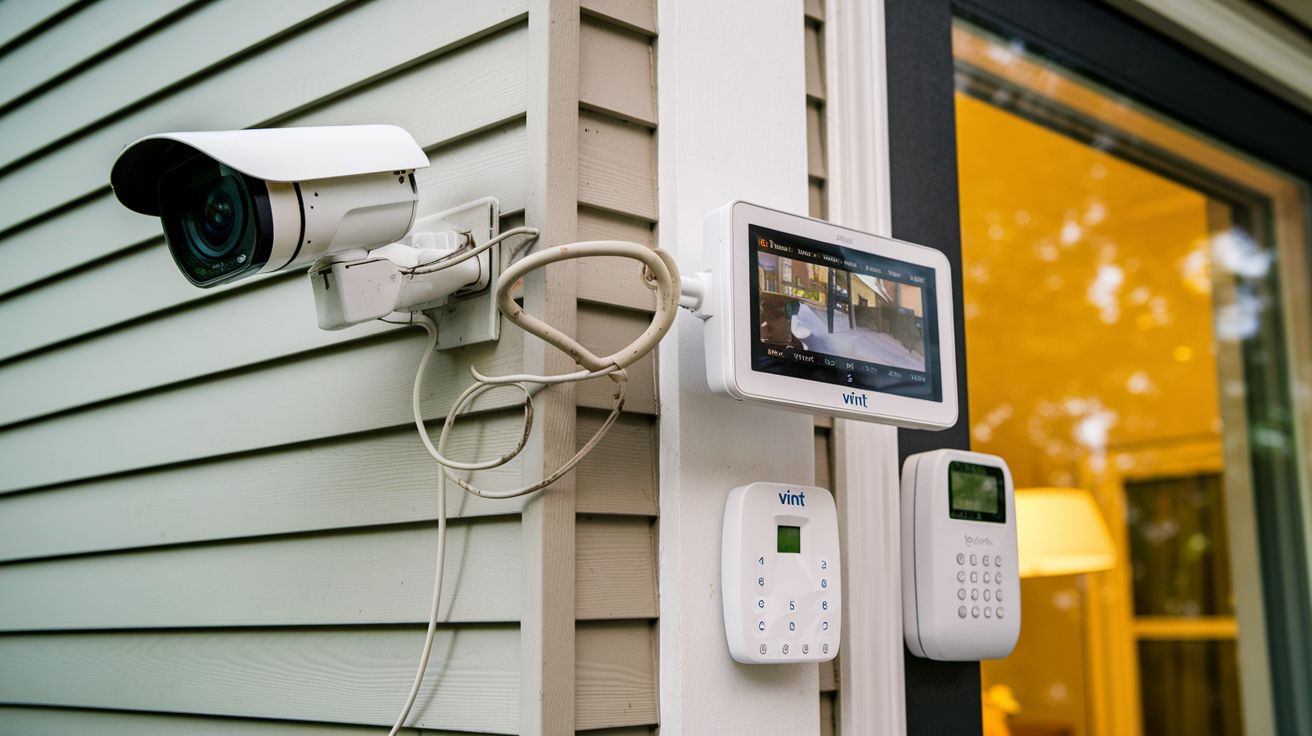
Understanding the cost of Vivint home security systems is crucial for homeowners seeking robust protection. This guide breaks down the typical expenses, from equipment packages to monthly monitoring fees, providing a clear picture for your 2025-26 budget.
Understanding Vivint Pricing: The Big Picture
When considering a Vivint home security system, it's essential to grasp that the total cost is a combination of upfront equipment expenses and ongoing monthly monitoring fees. Vivint is known for its premium, integrated smart home security solutions, which often means a higher initial investment compared to DIY systems. However, this premium pricing is typically justified by the advanced technology, professional installation, and 24/7 professional monitoring services they offer. In 2025-26, expect Vivint's pricing structure to remain consistent with its reputation for quality and comprehensive service. The initial outlay can range from a few hundred dollars to over a thousand, depending on the package and add-on devices. Monthly fees generally fall between $30 and $65, dictated by the chosen monitoring plan and the extent of smart home integration desired. This guide will delve into each of these components, helping you accurately estimate your potential investment.
Vivint Equipment Costs: What's Included and How Much?
Vivint offers a range of pre-designed security packages, but also allows for extensive customization. The core components of any Vivint system typically include a smart hub (the control panel), door/window sensors, and a motion detector. Beyond these essentials, users can add cameras (indoor, outdoor, doorbell), smart locks, smoke detectors, carbon monoxide detectors, flood sensors, and more. The cost of this equipment is where a significant portion of the upfront investment lies.
Standard Vivint Packages (2025-26 Estimates)
Vivint's packages are designed to cater to different home sizes and security needs. While specific pricing can fluctuate based on promotions and individual customization, here are general estimates for common package configurations:
- Starter Package: Typically includes the Vivint Smart Hub, 2-3 door/window sensors, and 1 motion detector. Expect an upfront cost in the range of $400 - $700. This is a good entry point for smaller homes or apartments.
- Essential Package: Often adds a few more door/window sensors and might include a video doorbell. Costs can range from $600 - $1,000. This package is suitable for medium-sized homes.
- Premium Package: This usually encompasses a more comprehensive set of door/window sensors, multiple motion detectors, an indoor camera, an outdoor camera, and potentially a smart lock. Upfront costs for these bundles can be between $900 - $1,500+. Ideal for larger homes or those seeking extensive smart home integration.
Individual Equipment Pricing (2025-26 Estimates)
If you opt for a custom system or need to add components later, understanding individual device costs is crucial:
- Vivint Smart Hub (Panel): This is the brain of the system. If not included in a bundle, it can cost around $200 - $400.
- Door/Window Sensors: These are relatively inexpensive, typically costing $30 - $50 each.
- Motion Detectors: Standard motion detectors usually range from $50 - $70.
- Vivint Doorbell Camera Pro: One of their most popular items, expect to pay around $250 - $350.
- Vivint Outdoor Camera Pro: Similar in price to the doorbell camera, likely in the $250 - $350 range.
- Vivint Indoor Camera: These are generally priced between $150 - $250.
- Vivint Smart Lock: Expect costs around $150 - $250, depending on the model.
- Smoke Detector/Carbon Monoxide Detector: These safety devices typically cost $50 - $100 each.
- Flood Sensor: Usually priced around $50 - $70.
It's important to note that Vivint often finances the equipment cost over a period of 3 to 5 years, which is then rolled into your monthly bill. This makes the initial purchase more manageable but extends the overall payment term. For example, a $1000 equipment cost financed over 42 months at 0% APR would add approximately $23.81 to your monthly bill, in addition to the monitoring fee.
Vivint Monthly Monitoring Fees: Plans and Pricing
The monthly monitoring fee is the recurring cost for Vivint's 24/7 professional monitoring service, as well as access to their mobile app and cloud storage for video footage. Vivint offers several tiers of service, with pricing largely dependent on the level of smart home integration and video storage you require.
Vivint Monitoring Plans (2025-26 Estimates)
Vivint's plans are generally structured around the number of cameras you have and the features you want to access:
- Smart Security Plan: This is their most basic plan, typically covering the security system itself (sensors, motion detectors, panel) and 24/7 professional monitoring. It usually includes mobile app access for arming/disarming and receiving alerts. For a standard system without cameras, expect this plan to cost around $29.99 - $39.99 per month.
- Smart Home Plan: This tier adds support for smart home devices like smart locks, thermostats, and garage door openers, allowing for automation and remote control. It also includes the features of the Smart Security Plan. The cost for this plan is typically in the range of $49.99 - $59.99 per month.
- Video Security Plans: For users with Vivint cameras, additional fees apply. These plans cover cloud storage for video recordings.
- One Camera: Adding a single camera (doorbell or indoor/outdoor) to your monitoring plan usually adds about $5 - $10 per month for cloud storage and advanced features.
- Multiple Cameras: For systems with 2-4 cameras, the cost can increase by approximately $15 - $25 per month. Vivint often offers bundled pricing for multiple cameras, making it more cost-effective than adding them individually.
Important Note on Video Storage: Vivint's video storage is a key differentiator. Unlike some competitors that offer limited or no cloud storage with basic plans, Vivint's higher-tier plans include it. This means you can access recorded footage from your cameras directly through the app, which is invaluable for reviewing events. The exact number of days of cloud storage can vary, but typically ranges from 14 to 30 days.
Factors Influencing Vivint Costs
Several variables can significantly impact the total price you'll pay for a Vivint system. Understanding these factors will help you get a more accurate estimate and potentially find ways to manage your budget effectively.
Home Size and Complexity
Larger homes naturally require more sensors to cover all entry points and interior spaces. A sprawling estate will need more door/window sensors, motion detectors, and potentially indoor cameras than a small apartment. This directly translates to higher upfront equipment costs and, consequently, potentially higher monthly payments if equipment is financed.
Number of Cameras
Cameras are a significant cost driver, both in terms of upfront purchase and monthly monitoring. Each camera adds to the initial equipment expense. Furthermore, Vivint's pricing structure often includes per-camera fees for cloud storage and advanced video features. A system with multiple cameras will invariably be more expensive than one with just a doorbell camera.
Smart Home Device Integration
While Vivint excels at smart home integration, adding devices like smart locks, thermostats, garage door controllers, and smart lighting will increase the total cost. These devices have their own purchase prices, and their integration is often tied to the higher-tier monthly monitoring plans.
Customization vs. Pre-Set Packages
Vivint offers pre-set packages that can offer some cost savings compared to building a system entirely from scratch. However, if your needs don't perfectly align with a package, you'll likely need to customize. Customization allows you to select exactly what you need, but it can sometimes lead to a higher total cost if individual components are more expensive than bundled options.
Contract Length
Vivint typically offers contract lengths of 3, 4, or 5 years for equipment financing. While longer contracts might offer lower monthly payments for the equipment, they commit you for a longer period. Shorter contracts mean higher monthly equipment payments but more flexibility.
Promotions and Discounts
Vivint frequently runs promotions, especially around holidays or for new customers. These can include discounted equipment, waived installation fees, or even free devices. Keeping an eye out for these offers can significantly reduce the overall cost.
Professional Installation
Vivint's pricing almost always includes professional installation. This is a significant benefit, ensuring the system is set up correctly and efficiently. However, it's a cost factored into the overall package. While not an explicit line item for most customers, the installer's time and expertise are part of the system's value proposition.
Vivint vs. Competitors: A Cost Comparison
When evaluating Vivint, it's helpful to compare its pricing and offerings against other major players in the home security market. This comparison will highlight Vivint's position as a premium, integrated smart home security provider.
| Feature/Provider | Vivint (2025-26 Estimate) | ADT | SimpliSafe | Ring Alarm |
|---|---|---|---|---|
| Upfront Equipment Cost | $400 - $1500+ (often financed) | $0 - $1000+ (varies greatly by package) | $150 - $600+ (DIY purchase) | $150 - $400+ (DIY purchase) |
| Monthly Monitoring Fee | $30 - $85+ (includes professional monitoring, app access, video storage) | $30 - $60+ (includes professional monitoring, app access) | $10 - $20 (optional self-monitoring or professional monitoring) | $20 - $20 (optional professional monitoring via RapidSOS) |
| Professional Installation | Included (mandatory) | Included (often with higher-tier plans) | Not offered (DIY) | Not offered (DIY) |
| Smart Home Integration | Excellent (deep integration with cameras, locks, thermostats, etc.) | Good (integrates with some smart devices) | Limited (focus on security sensors) | Moderate (integrates with Alexa and some smart home devices) |
| Video Storage | Included in higher-tier plans (14-30 days) | Optional add-on ($10-$15/month per camera) | Optional add-on ($10-$20/month for multiple cameras) | Optional add-on ($3-$10/month per camera) |
| Contract Length | 3-5 years (for equipment financing) | 1-3 years (standard) | No contract | No contract |
Analysis of the Comparison:
Vivint: Stands out for its seamless integration of security and smart home features, professional installation, and robust video storage included in its higher-tier plans. The upfront cost can be higher, but the financing options make it accessible. The mandatory professional installation ensures a high-quality setup. Its pricing reflects its premium positioning.
ADT: A long-standing leader, ADT offers professional installation and monitoring. Their pricing can be comparable to Vivint, especially for systems with advanced features. However, their smart home integration might not be as seamless as Vivint's, and video storage often comes as an additional cost.
SimpliSafe: A popular DIY option, SimpliSafe offers significant savings on upfront equipment and has no contracts. Its optional professional monitoring is very affordable. However, it lacks the deep smart home integration and the polished, all-in-one experience that Vivint provides. Video storage is an add-on cost.
Ring Alarm: Amazon's offering is also a DIY system with very competitive pricing. It integrates well with the Alexa ecosystem. While affordable, its professional monitoring is more basic, and its smart home capabilities are less extensive than Vivint's. Video storage is also an additional cost.
In essence, if you prioritize a fully integrated smart home security experience with professional installation and are willing to invest more upfront and commit to a contract, Vivint is a strong contender. If budget is the primary concern and you're comfortable with DIY installation and less advanced smart home features, SimpliSafe or Ring Alarm might be more suitable.
Maximizing Value: Getting the Most Out of Your Vivint Investment
Vivint systems offer a wealth of features designed to enhance security and convenience. To ensure you're getting the most value for your money in 2025-26, consider these strategies:
Leverage Smart Home Automation
Vivint's strength lies in its integration capabilities. Don't just use it as a burglar alarm. Set up automations that trigger based on security events or your daily routines. For example:
- Have lights turn on automatically when motion is detected outside at night.
- Schedule your thermostat to adjust when you arm the system in "Away" mode.
- Receive alerts and remotely lock doors if you forget to do so before leaving.
- Use the doorbell camera to screen visitors, even when you're not home.
Explore the Vivint app's automation features to create a truly connected and responsive home.
Utilize Video Analytics
Vivint's advanced cameras, like the Doorbell Camera Pro and Outdoor Camera Pro, offer features such as person detection, package detection, and even deterrents for unwanted visitors (like audible warnings and red/blue flashing lights). Understanding and utilizing these features can provide an extra layer of security and peace of mind.
Take Advantage of Professional Monitoring
The 24/7 professional monitoring is a core component of Vivint's service. Ensure you understand how it works, what information the monitoring center receives, and how they will respond in an emergency. This service is what differentiates Vivint from many DIY systems and is a significant part of the value proposition.
Regularly Review Your System
Periodically check your system's status through the app. Ensure all sensors are active and functioning correctly. Vivint's system will typically notify you of any issues, but a proactive check can prevent problems.
Explore Add-On Services Strategically
While adding more devices increases cost, consider which additions truly enhance your security or convenience. A flood sensor might be crucial if you live in a flood-prone area, or a smart lock could be invaluable for families with multiple members needing access. Prioritize based on your specific needs and risks.
Stay Informed About Updates
Vivint regularly updates its software and introduces new features. Keep your app updated and be aware of any new capabilities that might enhance your system's functionality or security.
Vivint Installation Costs: Professional vs. DIY
One of the defining characteristics of Vivint's service model is its mandatory professional installation. This is a significant factor when considering the overall cost and user experience.
Vivint's Professional Installation
Included in the Price: For the vast majority of Vivint customers, the cost of professional installation is bundled into the overall system price, either as part of the equipment financing or a slightly adjusted monthly fee. You won't typically see a separate, explicit installation fee listed on your invoice, but its cost is factored in.
Benefits:
- Expert Setup: Vivint technicians are trained to install the system efficiently and correctly, ensuring optimal sensor placement, Wi-Fi connectivity, and system integration.
- Time Savings: You don't have to spend hours setting up the system yourself. The technician handles the entire process.
- System Optimization: Professionals can identify the best locations for cameras, motion detectors, and the control panel to maximize coverage and minimize false alarms.
- Customer Education: Installers typically walk you through the system's features and how to use the app, ensuring you're comfortable operating your new security setup.
Considerations: While included, this professional service adds to the overall cost compared to purely DIY systems. If you are technically adept and prefer to install systems yourself to save money, Vivint's model might seem less appealing.
DIY Alternatives and Their Cost Implications
Competitors like SimpliSafe and Ring Alarm are primarily DIY systems. This means:
- No Installation Fee: You save the cost associated with professional installation.
- Time Investment: You are responsible for setting up all components, connecting them to your network, and configuring the system. This can take anywhere from an hour to several hours, depending on the system's complexity and your technical skill.
- Potential for Errors: Incorrect installation can lead to performance issues, false alarms, or compromised security.
For Vivint, the "cost" of installation is embedded within the higher upfront equipment price or monthly fees, offset by the convenience and assurance of a professionally installed, integrated system. This is a key differentiator in the market.
Understanding Contract Terms and Their Impact on Cost
Vivint's business model often involves financing the cost of the equipment over a set period, which necessitates a contract. Understanding these terms is crucial for accurately calculating the total cost and long-term commitment.
Typical Contract Durations
Vivint generally offers contracts for equipment financing that range from 3 to 5 years (36 to 60 months). The specific duration offered can sometimes depend on the total cost of the equipment and ongoing promotions.
How Contracts Affect Monthly Payments
The primary impact of a contract is on your monthly bill. If your equipment costs $1000 and you finance it over 42 months (a common Vivint term), the monthly equipment payment would be approximately $23.81 ($1000 / 42). This amount is added to your monthly monitoring fee.
Example:
- Equipment Cost: $1200
- Financing Term: 42 months
- Monthly Equipment Payment: $1200 / 42 = $28.57
- Smart Home Monitoring Plan: $54.99
- Total Monthly Bill: $28.57 + $54.99 = $83.56
If you were to pay for the equipment upfront, your monthly bill would only be the $54.99 monitoring fee. Therefore, the contract allows for a lower initial outlay but extends the payment period and increases the total amount paid over the contract's life due to the financing structure (though Vivint often advertises 0% APR on financing, meaning no interest is charged).
Early Termination Fees (ETFs)
If you decide to terminate your contract early, Vivint typically charges an Early Termination Fee. This fee is usually calculated as a percentage of the remaining balance on your equipment financing. For example, if you have 24 months left on a 42-month contract and the remaining balance is $500, the ETF might be a portion of that, such as 75% or 100% of the remaining balance, depending on the contract terms.
Crucially, understand the ETF policy before signing. This fee can be substantial and should be factored into your decision-making process if there's any chance you might move or no longer need the service before the contract ends.
What Happens After the Contract Ends?
Once your equipment financing contract is fulfilled, the monthly payment for the equipment ceases. You will then only be responsible for the monthly monitoring fee for the service you wish to continue. At this point, you often have the option to switch to a month-to-month monitoring plan or explore other providers, though you would typically retain ownership of the Vivint equipment.
Vivint Promotions and Discounts (2025-26)
Vivint, like many service providers, frequently offers promotions and discounts to attract new customers and incentivize purchases. While specific offers change, here are common types of promotions you might encounter in 2025-26:
Free Equipment or Discounted Packages
Vivint often runs campaigns where certain core equipment pieces, like door/window sensors or even a smart lock, are included for free with the purchase of a qualifying package. Other promotions might offer a percentage off the total equipment cost or discounted prices on specific bundles.
Waived Installation Fees
While professional installation is standard, sometimes Vivint will waive the associated costs, especially during promotional periods or for customers signing longer contracts. This can represent a saving of $100-$200.
Limited-Time Offers
Keep an eye out for seasonal promotions (e.g., Black Friday, holiday sales) or special campaigns that offer enhanced discounts or bundled deals for a limited time.
Referral Programs
Vivint may offer incentives for existing customers who refer new clients. These referrals can sometimes result in bill credits or discounts for both the referrer and the new customer.
Bundling with Other Services
Occasionally, Vivint might partner with other companies to offer bundled discounts. For instance, a promotion might exist if you also subscribe to a specific internet service provider or have other smart home devices from a partner company.
How to Find and Utilize Promotions
- Vivint Website: The most direct source for current promotions is the official Vivint website. Check their "Offers" or "Deals" section regularly.
- Sales Representatives: When speaking with a Vivint sales representative, always inquire about any available discounts or promotions they can apply to your specific package.
- Third-Party Review Sites: Reputable tech and home security review sites often highlight current Vivint promotions.
- Email Subscriptions: Sign up for Vivint's newsletter to receive notifications about new offers directly to your inbox.
Important Note: Promotions often have specific terms and conditions, such as minimum purchase requirements or contract lengths. Always read the fine print carefully to understand what's included and any associated obligations.
Making the Decision: Final Thoughts on Vivint Costs
The cost of a Vivint home security system in 2025-26 is a multifaceted consideration, ranging from the initial equipment investment, often financed over several years, to the ongoing monthly monitoring fees. While Vivint positions itself as a premium provider with integrated smart home capabilities and mandatory professional installation, its pricing reflects this comprehensive service. Expect upfront equipment costs to fall between $400 and $1500+, with monthly monitoring fees typically between $30 and $85+, depending on the plan and number of cameras. Key factors influencing your total expenditure include home size, desired camera count, smart home integration level, and contract length. Although Vivint's costs can be higher than DIY alternatives, the value lies in its seamless user experience, advanced technology, and 24/7 professional support. By carefully evaluating your security needs, exploring available promotions, and understanding the contract terms, you can make an informed decision about whether Vivint is the right fit for your budget and peace of mind.