Understanding the cost of ADT home security is crucial for homeowners seeking reliable protection. This comprehensive guide breaks down ADT pricing, factors influencing it, and how to get the best value for your investment in 2025-26.
Understanding ADT Home Security Pricing
When considering "how much for ADT home security," it's essential to recognize that there isn't a single, fixed price. ADT's pricing structure is dynamic, influenced by a variety of factors, including the specific equipment you choose, the size and complexity of your home, the monitoring services you opt for, and any promotional offers available. In 2025-26, homeowners can expect a range of monthly monitoring fees, typically starting from around $28.99 and potentially going up to $60 or more, depending on the level of service and equipment. Beyond the monthly fees, there are often upfront costs associated with equipment purchase or installation. Understanding these components is the first step to accurately budgeting for your ADT system.
ADT, as a leading provider in the home security industry, offers a tiered approach to its services. This means that the more advanced features and comprehensive coverage you desire, the higher the monthly cost will likely be. For instance, a basic alarm system with professional monitoring will be at the lower end of the spectrum, while a system that includes smart home integration, video surveillance, and advanced sensors will command a higher price. It's also important to note that ADT often bundles equipment and services into packages, which can sometimes offer better value than purchasing components individually. However, the initial investment can still be significant, making it crucial to explore all options and understand what is included in each package. The company's commitment to 24/7 professional monitoring is a cornerstone of its service, and this continuous oversight is a primary driver of the ongoing monthly expense.
The question "how much for ADT home security" is multifaceted. It's not just about the monthly bill; it's about the total cost of ownership, which includes initial setup, potential equipment upgrades, and the duration of your contract. Many potential customers are looking for a clear breakdown of these costs to make an informed decision. This guide aims to provide that clarity, delving into the specifics of ADT's pricing model for 2025-26, so you can confidently assess whether ADT is the right fit for your security needs and budget.
Key Factors Influencing ADT Costs
Several critical elements contribute to the overall price of an ADT home security system. Understanding these factors will help you anticipate costs and potentially find ways to manage them effectively. Here’s a breakdown of what influences how much you’ll pay for ADT home security:
1. Equipment Selection and Quantity
The type and number of security devices you choose are primary cost drivers. ADT offers a range of components, each with its own price point:
- Control Panel: The central hub of your system. Basic panels are less expensive than advanced touchscreen models with smart home capabilities.
- Door and Window Sensors: Essential for detecting unauthorized entry. The more entry points you need to secure, the more sensors you'll require, increasing the overall equipment cost.
- Motion Detectors: Useful for covering larger areas or rooms with multiple entry points.
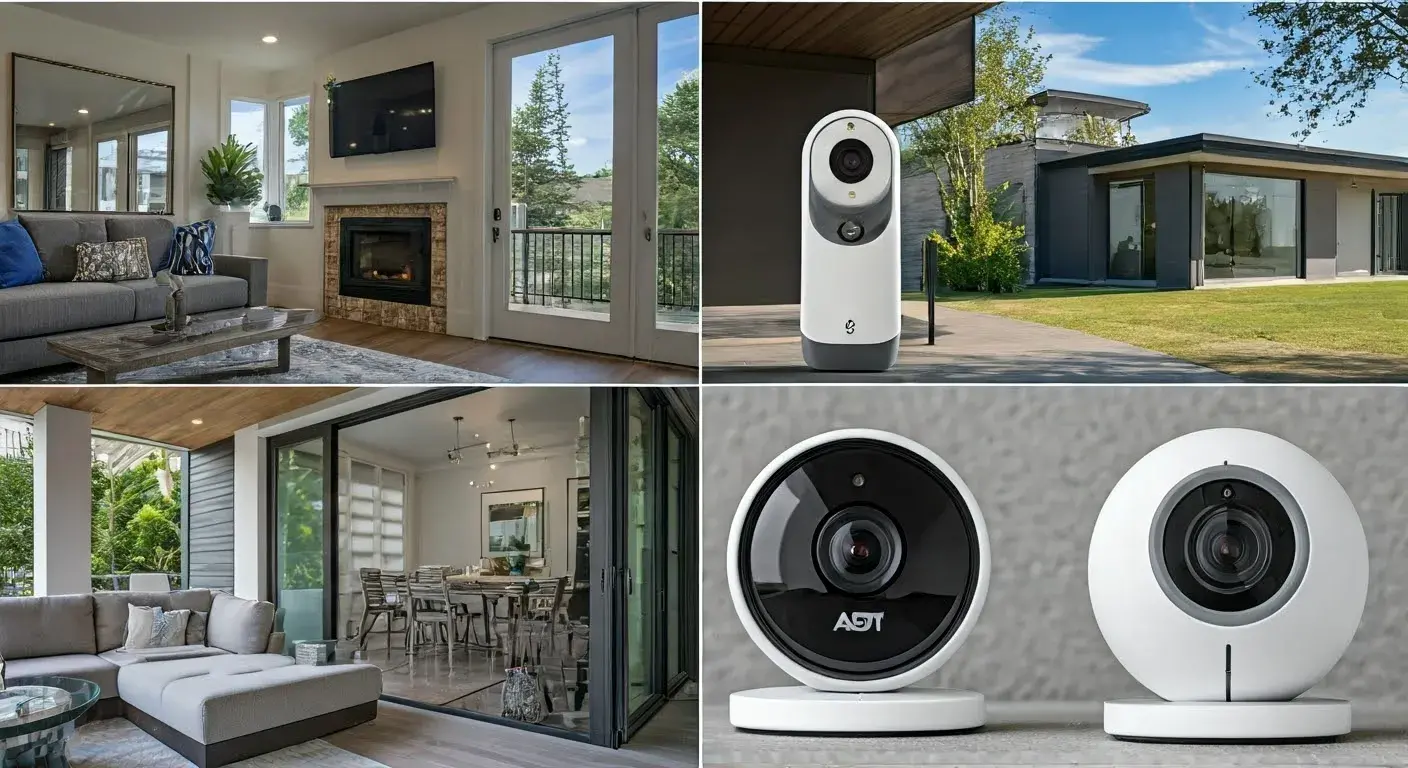
- Security Cameras: Both indoor and outdoor cameras vary significantly in price based on features like resolution, night vision, two-way audio, and motion detection capabilities. High-definition cameras with advanced analytics will cost more.
- Environmental Sensors: These include smoke detectors, carbon monoxide detectors, and flood sensors. While crucial for comprehensive safety, they add to the initial equipment expense.
- Smart Home Devices: Integration with smart locks, thermostats, and lighting can enhance convenience and security but also increase the system's cost.
The more comprehensive your desired setup, the higher the initial equipment investment will be. ADT often offers packages that include a standard set of equipment, but customization to fit larger homes or specific security concerns will invariably lead to higher upfront costs.
2. Home Size and Layout
Larger homes naturally require more sensors, more extensive wiring (if applicable for older systems), and potentially more cameras to ensure adequate coverage. The complexity of your home's layout—such as multiple floors, numerous entry points, or detached structures like garages—will also necessitate a more robust and thus more expensive system. For example, securing a 3,000-square-foot, two-story home with several access points will cost more than securing a 1,500-square-foot single-story dwelling with fewer entry points.
3. Monitoring Services Level
ADT is renowned for its 24/7 professional monitoring. The core of your monthly fee covers this service, where trained professionals monitor your system and dispatch emergency services when needed. However, ADT offers different tiers of service:
- Basic Monitoring: Covers alarm events and dispatch.
- Video Monitoring: Includes live streaming, recording, and often cloud storage for camera footage. This adds a significant premium to the monthly cost.
- Smart Home Integration: Monitoring and control of connected smart devices.
- Cellular Backup: Ensures your system can communicate with the monitoring center even if your internet connection is down. This is often standard but can be an add-on in some basic packages.
The level of monitoring and the features included in your service plan directly impact the monthly subscription cost. Higher tiers offering more advanced features and support will naturally be more expensive.
4. Installation Type and Fees
ADT typically offers professional installation, which is a significant factor in the overall cost. While this ensures the system is set up correctly and optimally, it comes with an installation fee. This fee can vary based on the complexity of the installation, the amount of equipment being installed, and whether any specialized wiring or modifications are required. Some promotions might include free or discounted installation, but this is not always the case. DIY installation options are not typically offered by ADT, as their model relies heavily on professional setup and service.
5. Contract Length and Terms
ADT commonly requires customers to sign a contract, typically ranging from 24 to 60 months. The length of the contract can influence the monthly price. Longer contracts may sometimes come with lower monthly rates or subsidized equipment costs, while shorter contracts might have higher monthly fees. Understanding the contract terms, including early termination fees, is crucial when evaluating the total cost of ADT home security.
6. Add-On Services and Features
Beyond the core security features, ADT offers various add-on services that can increase the total cost:
- Extended Warranties: Protection for your equipment beyond the standard warranty period.
- Moving Protection: Services to help transfer your system to a new home.
- Premium Technical Support: Enhanced support options.
- Smart Home Hubs: Advanced control interfaces for integrated smart home devices.
Each of these optional services adds to the monthly or one-time cost of your ADT system.
7. Current Promotions and Discounts
ADT frequently runs promotional offers, which can significantly impact the initial and ongoing costs. These might include discounts on equipment, waived installation fees, or reduced monthly rates for a limited period. Keeping an eye on these promotions can lead to substantial savings. For instance, a common promotion might offer free basic equipment with a new monitoring contract. Always inquire about the latest deals when getting a quote.
ADT Package Options and Pricing (2025-26)
ADT structures its offerings into various packages designed to cater to different needs and budgets. While exact pricing can fluctuate and is often customized after a consultation, here's a general overview of typical package types and their estimated costs for 2025-26. Remember that these are starting points, and the final price will depend on your specific home and choices.
ADT Essentials Package
This is ADT's most basic offering, designed for homeowners seeking fundamental protection. It typically includes:
- A control panel
- A few door/window sensors
- A motion detector
- Professional monitoring 24/7
Estimated Monthly Cost: $28.99 - $39.99
Estimated Upfront Cost (Equipment/Installation): This can range from $0 (with certain promotions or longer contracts) to $500+, depending on the number of sensors and any installation fees. Many promotions aim to reduce or eliminate this initial cost.
Best For: Smaller homes, apartments, or individuals looking for core security features without advanced smart home integration.
ADT Control Package
This package steps up the functionality, offering more integration and control. It usually includes everything in the Essentials package, plus:
- More door/window sensors
- Additional motion detectors
- A smart home hub
- Mobile app control
- Potential for basic camera integration
Estimated Monthly Cost: $39.99 - $54.99
Estimated Upfront Cost (Equipment/Installation): Typically $300 - $800+, depending on the extent of equipment and smart home features. Promotions can significantly lower this.
Best For: Homeowners who want remote access to their security system, basic smart home control, and a more comprehensive sensor setup.
ADT Command Package
This is ADT's premium offering, designed for comprehensive smart home security and advanced features. It typically includes:
- All features of the Control package
- Advanced touchscreen control panel
- More extensive smart home device integration (lights, locks, thermostats)
- One or more ADT indoor or outdoor security cameras with cloud storage
- Enhanced mobile app features
Estimated Monthly Cost: $54.99 - $69.99+
Estimated Upfront Cost (Equipment/Installation): This can range from $500 to $1,500+, heavily dependent on the number and type of cameras, smart home devices, and the overall system complexity. Again, promotions are key here.
Best For: Larger homes, tech-savvy homeowners, and those who want a fully integrated smart home and security ecosystem with video surveillance.
Customized Systems
For homeowners with unique needs, ADT offers the ability to build a custom system. This involves a personalized consultation where an ADT representative assesses your home and recommends specific equipment and services. The pricing for custom systems is entirely dependent on the components chosen.
Estimated Monthly Cost: Highly variable, starting from around $35 and going upwards significantly based on components.
Estimated Upfront Cost: Also highly variable, from a few hundred dollars to several thousand, depending on the equipment selected.
Table: ADT Package Comparison (Estimated 2025-26)
| Package Name | Key Features | Estimated Monthly Cost | Estimated Upfront Cost |
|---|---|---|---|
| Essentials | Basic alarm, sensors, motion detector, 24/7 monitoring | $28.99 - $39.99 | $0 - $500+ |
| Control | Essentials + smart hub, mobile app, more sensors | $39.99 - $54.99 | $300 - $800+ |
| Command | Control + advanced panel, smart home integration, cameras | $54.99 - $69.99+ | $500 - $1500+ |
It's crucial to get a personalized quote from ADT, as they often tailor packages and pricing based on your specific needs and available promotions. Don't hesitate to negotiate or ask about current deals to secure the best possible price for your ADT home security system.
Installation Fees and Other Charges
When asking "how much for ADT home security," the installation fee is a significant component that often surprises new customers. ADT's business model heavily relies on professional installation to ensure optimal system performance and security. This means that, unlike some DIY systems, you will almost certainly incur an installation charge.
Professional Installation Fees
ADT's standard professional installation fee can range from approximately $100 to $300, but this is highly variable. Factors influencing this cost include:
- System Complexity: A basic system with a few sensors will incur a lower installation fee than a complex system with multiple cameras, smart home devices, and extensive wiring.
- Home Size and Layout: Installing equipment across multiple floors or in hard-to-reach areas can increase labor time and, therefore, the installation cost.
- Existing Infrastructure: If your home requires new wiring or modifications to accommodate the system, this will add to the installation charge.
- Promotional Offers: ADT frequently offers promotions that can waive or significantly reduce installation fees. It's common to see deals like "free installation" with a new contract, especially for longer-term commitments.
It is essential to clarify the exact installation fee during the sales process. Some customers may find that bundling installation costs into the monthly fee is an option, effectively spreading the expense over the contract term, though this might slightly increase the monthly payment.
Equipment Costs
While some ADT packages might include "free" equipment with a long-term contract, this is often subsidized and factored into the overall monthly cost. If you opt for additional equipment beyond what's included in a standard package, or if you choose higher-end devices, these will incur separate upfront costs. For example, adding an extra security camera might cost anywhere from $150 to $400, depending on the model. These equipment costs are separate from installation fees.
Activation Fees
In some cases, ADT may charge a one-time activation fee. This fee covers the setup of your account and the initial connection of your system to ADT's monitoring network. This fee is typically in the range of $25 to $100. However, like installation fees, activation fees are often waived as part of promotional offers. Always confirm if an activation fee applies to your specific package and contract.
Moving and Transfer Fees
If you move to a new home, ADT offers services to transfer your system. There will likely be fees associated with this, which can include:
- Service Transfer Fee: A fee for disconnecting service at your old address and setting it up at the new one.
- New Equipment: You may need to purchase new sensors or equipment to fit the layout of your new home.
- Installation Fee: Professional installation will be required at the new location.
The cost of moving your ADT system can range from a few hundred dollars upwards, depending on the extent of new equipment and installation required. ADT's "Moving Protection Plan" can sometimes offer discounts on these services.
Early Termination Fees (ETFs)
ADT contracts are typically long-term (24-60 months). If you decide to terminate the contract before its expiration date, you will likely face substantial Early Termination Fees (ETFs). These fees are designed to recoup the costs ADT incurred for subsidized equipment and installation. The calculation of ETFs can vary, but they are often a significant portion of the remaining contract value. Understanding the ETF policy is critical before signing any agreement.
Example Scenario: Installation Costs
Let's consider a hypothetical scenario for a homeowner in 2025:
- Package: ADT Control Package
- Equipment Included: Standard set of sensors, motion detector, control panel, smart hub.
- Promotion: Waived installation fee and activation fee.
- Additional Equipment: 1 extra door sensor ($50), 1 outdoor camera ($250).
In this scenario, the upfront cost would be $300 for the additional equipment. If there were no promotions, the installation fee might be $200, and the activation fee $50, bringing the total upfront cost to $550 plus the equipment cost.
It's crucial to engage in detailed discussions with ADT representatives to get a clear, itemized breakdown of all potential fees. Don't hesitate to ask about current promotions that can significantly reduce these upfront expenses.
Long-Term Contract Obligations
One of the most significant aspects of ADT's service model, and a key factor in the overall cost and user experience, is its reliance on long-term contracts. Understanding these obligations is paramount when evaluating "how much for ADT home security," as it extends beyond the initial setup and monthly fees.
Standard Contract Durations
ADT typically requires customers to sign contracts for a duration of 24 to 60 months. The most common contract length is 36 months. This commitment is standard across the industry for companies offering subsidized equipment and professional monitoring services. The rationale behind these contracts is to ensure ADT can recoup its investment in equipment, installation, and ongoing monitoring services over a predictable period.
Impact on Monthly Pricing
The length of your contract often influences the monthly monitoring fee. Longer contracts (e.g., 60 months) may sometimes be associated with slightly lower monthly rates or more favorable equipment pricing compared to shorter contracts (e.g., 24 months). This is because ADT has a longer period to amortize its costs. However, the difference might be marginal, and the primary factor remains the package and equipment chosen.
Early Termination Fees (ETFs)
This is arguably the most critical contractual term to understand. If you need to break your ADT contract before the agreed-upon end date, you will be subject to Early Termination Fees. The calculation of these fees can vary, but they are generally designed to cover ADT's unrecouped costs. Common methods for calculating ETFs include:
- Percentage of Remaining Payments: A percentage (e.g., 75-80%) of the total amount you would have paid for the remainder of the contract.
- Fixed Fee Plus Remaining Balance: A fixed fee plus a portion of the remaining monthly payments.
- Pro-rated Equipment Costs: Recouping the cost of any subsidized equipment that was provided at a reduced rate.
For example, if you have 18 months left on a 36-month contract with a $50 monthly fee, and the ETF is calculated as 80% of the remaining payments, your ETF would be approximately 18 months * $50/month * 0.80 = $720.
It is absolutely essential to read the contract carefully and understand the exact formula used to calculate ETFs. ADT's customer service can provide clarification on this matter.
Moving and Contract Transfer
If you move to a new residence within ADT's service area, you generally have two options:
- Transfer Service: You can move your existing ADT system to your new home. This typically involves a transfer fee, new installation costs, and potentially new equipment to suit the new home's layout. Crucially, transferring service usually allows you to continue your existing contract term without incurring ETFs.
- Terminate Service: If you choose not to transfer service, you will likely incur ETFs for terminating the contract early.
ADT's "Moving Protection Plan" often provides incentives or discounts for customers who transfer their service, making it a more attractive option than termination.
Customer Service and Support
The contract also outlines the terms of ADT's customer service and support. This includes:
- Monitoring Response Times: Guarantees for how quickly ADT's monitoring center will respond to alarms.
- Equipment Warranties: The duration and scope of warranties on your security equipment.
- Maintenance and Repairs: Procedures and potential costs for system maintenance and repairs.
While ADT generally offers robust support, understanding the specifics within the contract is important for managing expectations.
What to Consider Before Signing
Before committing to an ADT contract, consider the following:
- Your Likelihood of Moving: If you anticipate moving within the next few years, carefully weigh the costs of transferring service versus terminating the contract.
- Financial Stability: Ensure you are comfortable with the monthly payments and the potential financial impact of ETFs if circumstances change.
- Contract Flexibility: Inquire about any clauses that might allow for early termination under specific circumstances (e.g., military deployment, long-term illness), though these are often limited.
- Promotional Terms: Ensure that any promotional offers (like waived installation fees) are clearly stated in the contract.
The long-term contract is a significant financial commitment. Thoroughly understanding its terms and implications is as important as understanding the initial equipment and installation costs when determining the true "how much for ADT home security" equation.
Comparing ADT to Competitors
When evaluating "how much for ADT home security," it's essential to compare its offerings and pricing against other major players in the home security market. ADT is a premium brand, often associated with higher costs but also with a long-standing reputation for reliability and extensive professional monitoring. However, the landscape of home security has evolved, with many competitors offering compelling alternatives.
Key Competitors and Their Models
Here's a look at how ADT stacks up against some of its main rivals in 2025-26:
1. Vivint
Model: SVivint to ADT, Vivint offers professionally installed systems with 24/7 monitoring and a focus on smart home integration. They often bundle equipment and installation into a monthly payment plan over a contract period (typically 42 or 60 months).
Pricing: Monthly fees can range from $30 to $60+, depending on the equipment and services. Upfront costs for equipment can be spread over the contract, making initial outlays potentially lower than ADT's, but the total cost over the contract term can be comparable or even higher.
Comparison: Vivint is often seen as a direct competitor to ADT, offering comparable services. Pricing can be very similar, with differences often coming down to specific promotions, equipment choices, and contract terms.
2. SimpliSafe
Model: SimpliSafe focuses on DIY installation and offers a more flexible, no-contract model. Customers purchase equipment upfront and can opt for professional monitoring on a month-to-month basis.
Pricing: Equipment costs vary widely based on the starter kit and add-ons, ranging from $200 to $600+. Professional monitoring is typically $15-$25 per month, with optional video storage adding more cost. There are no installation fees.
Comparison: SimpliSafe is significantly cheaper than ADT, especially for those comfortable with self-installation and preferring no long-term contracts. The trade-off is the lack of mandatory professional installation and potentially a less robust smart home integration ecosystem compared to ADT's premium offerings.
3. Ring Alarm (Amazon)
Model: Similar to SimpliSafe, Ring Alarm is a DIY system with optional professional monitoring through Ring Protect Pro. It integrates seamlessly with other Ring and Amazon devices.
Pricing: Starter kits are relatively inexpensive, often starting around $200. Professional monitoring is included with the Ring Protect Pro subscription, which costs about $20 per month and also covers video storage for Ring cameras.
Comparison: Ring Alarm offers a very budget-friendly option, particularly if you are already invested in the Ring ecosystem. It's a strong DIY alternative to ADT's professionally installed, higher-cost model.
4. Brinks Home Security
Model: Brinks offers professionally installed systems with 24/7 monitoring, similar to ADT and Vivint. They often have competitive pricing and promotions.
Pricing: Monthly monitoring can range from $30 to $50+. They may offer deals on equipment and installation, sometimes with a commitment to a contract (often 36 months).
Comparison: Brinks is a solid competitor that can sometimes offer more competitive pricing than ADT for comparable professionally installed systems. It's worth getting quotes from both.
ADT's Position in the Market
ADT generally positions itself at the higher end of the market in terms of cost. This premium pricing is justified by:
- Extensive Network: ADT operates one of the largest and most established monitoring networks in the industry, with multiple monitoring centers for redundancy.
- Brand Recognition and Trust: Decades of operation have built significant brand trust and recognition.
- Professional Installation Expertise: A highly trained force of professional installers ensures systems are set up correctly.
- Comprehensive Service: ADT often offers a wider range of integrated smart home solutions and advanced features in its higher-tier packages.
Cost Comparison Table (Estimated 2025-26)
| Provider | Installation | Contract | Monthly Monitoring (Est.) | Upfront Equipment (Est.) | Overall Value Proposition |
|---|---|---|---|---|---|
| ADT | Professional (Fee often $100-$300, may be waived) | 24-60 months | $28.99 - $69.99+ | Varies ($0 to $1500+) | Premium, reliable professional installation & monitoring. Higher cost. |
| Vivint | Professional (Often bundled in monthly payments) | 42-60 months | $30 - $60+ | Often $0 upfront, financed over contract | Similar to ADT, strong smart home focus. Can be costly long-term. |
| SimpliSafe | DIY | No contract (month-to-month monitoring) | $15 - $25 | $200 - $600+ (upfront purchase) | Budget-friendly, flexible, DIY. Less integrated smart home. |
| Ring Alarm | DIY | No contract (monthly subscription) | ~$20 (with Ring Protect Pro) | ~$200+ (upfront purchase) | Very affordable, good for Ring users. Basic smart home features. |
| Brinks Home | Professional (Fee may apply) | Typically 36 months | $30 - $50+ | Varies, often with promotions | Competitive professional installation, comparable to ADT. |
When deciding, consider your priorities: Is it the lowest possible monthly cost (DIY), the convenience of professional installation (ADT, Vivint, Brinks), flexibility with no contracts (SimpliSafe, Ring), or the most advanced smart home integration? ADT often appeals to those who prioritize established reliability and comprehensive professional service, even if it comes at a higher price point.
Maximizing Your ADT Investment
To ensure you're getting the most value from your ADT home security system and to manage the question of "how much for ADT home security" effectively over the long term, consider these strategies:
1. Leverage Promotions and Discounts
ADT frequently offers introductory promotions. These can include:
- Waived Installation Fees: A common offer that can save you $100-$300 upfront.
- Discounted Equipment: Reduced prices on cameras, sensors, or control panels.
- Free Months of Service: Sometimes offered as part of a package deal.
- Bundled Smart Home Devices: Discounts on smart locks or thermostats when purchased with a security package.
Always inquire about the latest deals when getting a quote. Don't be afraid to negotiate, especially if you have competing offers from other providers.
2. Choose the Right Package for Your Needs
Avoid overspending by selecting a package that genuinely matches your home's size, layout, and your security requirements. Installing unnecessary sensors or opting for features you won't use will increase both upfront and monthly costs. Conversely, underestimating your needs could leave gaps in your security coverage.
Tip: Request a thorough security assessment from the ADT representative. They can help identify the optimal number and placement of sensors and cameras based on your specific property.
3. Understand Your Contract Thoroughly
As discussed, ADT contracts are typically long-term (2-5 years). Maximizing your investment means understanding:
- Contract Length: Ensure it aligns with your expected time in the home.
- Early Termination Fees (ETFs): Know the exact cost if you need to cancel early.
- Moving Policy: Understand the costs and procedures for transferring your service if you relocate.
By committing to a contract that fits your lifestyle, you avoid costly ETFs and ensure continuous protection.
4. Utilize Smart Home Integration
If your ADT package includes smart home capabilities, take full advantage of them. Integrating your security system with smart lights, locks, and thermostats can:
- Enhance Security: Automate lights to turn on when motion is detected, or ensure doors are locked remotely.
- Improve Convenience: Control your home environment through a single app.
- Potential Energy Savings: Smart thermostats can optimize heating and cooling, leading to reduced energy bills.
Using these features effectively adds value beyond basic security, making your ADT investment more comprehensive.
5. Maintain Your Equipment
While ADT provides professional installation and monitoring, basic maintenance of your equipment can prolong its lifespan and ensure optimal performance. This includes:
- Keeping Sensors Clean: Dust can interfere with motion detectors and sensors.
- Checking Battery Levels: For wireless components, regularly check and replace batteries as needed (ADT may notify you, or you can check via the app).
- Testing Your System: Periodically test your alarm system (following ADT's recommended procedure, which usually involves putting the system in test mode to avoid false alarms) to ensure all components are functioning correctly.
Proactive maintenance can prevent issues that might require costly service calls.
6. Consider Add-On Services Wisely
ADT offers various add-ons like extended warranties or premium support. Evaluate whether these services provide genuine value for your specific situation. For instance, if you have a very complex system or live in an area prone to power outages, a robust warranty or cellular backup might be a worthwhile investment. However, for simpler systems, these might be unnecessary expenses.
7. Review Your Coverage Periodically
As your needs change, your security requirements might too. Periodically review your ADT system and services (perhaps annually or when major life events occur):
- New Home Additions: If you've renovated or added extensions, you might need additional sensors.
- Changes in Household: New family members or pets might necessitate adjustments to motion detector sensitivity or placement.
- Technological Advancements: Stay informed about new ADT equipment or features that could enhance your security or smart home experience.
This proactive approach ensures your system remains effective and tailored to your current needs, maximizing the return on your ADT investment.
Expert Tips for Budgeting ADT
Budgeting for ADT home security involves understanding the various cost components and employing smart strategies to manage expenses. Here are expert tips to help you navigate the pricing and make an informed financial decision in 2025-26:
1. Get Multiple Personalized Quotes
ADT's pricing is not one-size-fits-all. It's heavily dependent on your home's specifics and the package you choose. Always get at least two detailed quotes, ideally from different ADT representatives or through different channels (e.g., online vs. phone consultation). This allows you to compare:
- Equipment costs
- Installation fees
- Monthly monitoring rates
- Contract terms
Having multiple quotes also gives you leverage for negotiation.
2. Prioritize Essential Equipment
When looking at "how much for ADT home security," focus first on the equipment that addresses your primary security concerns. For most homes, this includes:
- A reliable control panel
- Door and window sensors for all accessible entry points
- A motion detector for common areas
Add-ons like extra cameras, environmental sensors (smoke, CO), or advanced smart home devices can be considered later or if your budget allows. Start with the core and build up if necessary.
3. Actively Seek Promotions
ADT runs promotions frequently. These can significantly reduce the upfront costs associated with installation and equipment. Look for offers like:
- Free installation
- Discounted equipment packages
- Reduced monthly rates for the first few months
Ask the sales representative directly about current promotions and any eligibility requirements.
4. Understand the Total Cost of Ownership
Don't just look at the monthly fee. Calculate the total cost over the entire contract period. For example, a system with a lower monthly fee but a higher upfront equipment cost and a longer contract might end up being more expensive than a system with a slightly higher monthly fee but minimal upfront costs.
Calculation: (Upfront Equipment Cost + (Installation Fee if not waived)) + (Monthly Fee * Contract Length in Months) = Total Cost of Ownership
5. Negotiate Installation and Equipment Fees
While ADT sets its prices, there is often some room for negotiation, particularly on installation fees and the cost of additional equipment. If you have a competing quote from another provider, use it as leverage. Sometimes, agreeing to a longer contract term can also lead to better pricing.
6. Consider DIY Alternatives for Certain Components
If your budget is very tight, explore if any components can be sourced independently or if a hybrid approach is possible. While ADT emphasizes professional installation, understanding the market might reveal cost-effective ways to supplement your system, though this needs careful consideration regarding compatibility and warranty.
Note: ADT's professional installation model means that most components are designed to be installed by their technicians. Self-sourcing might void warranties or be incompatible.
7. Evaluate Contract Length Carefully
Longer contracts (e.g., 60 months) might offer lower monthly rates but tie you in for longer. Shorter contracts (e.g., 24 or 36 months) provide more flexibility but might have slightly higher monthly fees. Assess your long-term plans. If you plan to move within the contract period, understand the implications of transferring service versus paying early termination fees.
8. Factor in Potential Add-Ons
Be aware of optional add-on services like advanced video storage, smart home device integration, or extended warranties. Decide if these are essential for your security needs or if they represent unnecessary expenses. Budgeting for these upfront will prevent surprises later.
9. Read the Fine Print
Before signing anything, thoroughly read the contract. Pay close attention to:
- All fees (installation, activation, monthly, early termination)
- The exact equipment included
- The duration of the contract
- The process for service transfers and cancellations
If anything is unclear, ask for clarification before signing.
10. Explore Financing Options
If ADT offers financing for equipment, understand the terms, interest rates, and repayment schedule. Sometimes, financing can make a more comprehensive system affordable, but ensure it fits within your overall budget.
By employing these budgeting strategies, you can gain a clearer picture of "how much for ADT home security" and make a decision that balances robust protection with your financial comfort zone.
Conclusion
Determining "how much for ADT home security" reveals a pricing structure that, while potentially higher than some DIY alternatives, reflects a commitment to professional installation, extensive monitoring networks, and reliable service. For 2025-26, expect monthly fees typically ranging from $28.99 to $69.99+, with additional upfront costs for equipment and installation that can often be mitigated through promotional offers. Key factors influencing the final price include the chosen equipment, home size, contract length, and the level of monitoring services. By carefully comparing ADT's packages against competitors, leveraging available discounts, understanding contract obligations, and prioritizing essential features, homeowners can effectively budget and maximize their investment in ADT's comprehensive security solutions. Ultimately, ADT remains a strong choice for those prioritizing peace of mind through professional, end-to-end security services.