Understanding the monthly cost of ADT alarm systems is crucial for homeowners and renters alike. This comprehensive guide breaks down the pricing, factors influencing it, and how to get the best value, ensuring you make an informed decision for your home security needs in 2025-2026.
Understanding ADT Pricing in 2025-2026
When you're considering a home security system, one of the most pressing questions is, "How much is ADT alarm per month?" The answer, however, isn't a single, fixed number. ADT's monthly monitoring fees are dynamic, influenced by a variety of factors including the specific package you choose, the equipment installed, and any additional services you opt for. In 2025-2026, ADT continues to offer a tiered pricing structure designed to cater to different needs and budgets, from basic security to comprehensive smart home integration.
The core of ADT's monthly cost revolves around professional monitoring. This means that when your alarm is triggered, trained professionals at an ADT monitoring center are alerted and can dispatch emergency services if necessary. This peace of mind is a significant part of the value proposition, and it's reflected in the monthly subscription fee. While the initial equipment cost can vary, the ongoing monthly service is what most homeowners focus on for long-term budgeting. It's essential to understand that the price you see advertised might be for a base package, and customization can lead to higher monthly expenditures.
For 2025-2026, ADT aims to provide transparent pricing, but it's always recommended to get a personalized quote. Factors like the size of your home, the number of entry points you wish to secure, and whether you want smart home capabilities will all play a role. Expect to see base monitoring packages starting in the range of $30-$50 per month, with more advanced systems and add-ons pushing this figure higher. We will delve into these specifics to give you a clearer picture of what to expect financially.
Factors Influencing ADT Monthly Cost
Several key elements contribute to the final monthly bill for an ADT alarm system. Understanding these factors is paramount to accurately estimating your potential costs and ensuring you're not caught off guard. ADT's pricing model is designed to be flexible, but this also means it's not one-size-fits-all.
1. The Chosen Security Package
ADT offers various packages, each with a different set of features and corresponding price points. These packages are typically tiered, ranging from basic intrusion detection to comprehensive smart home security solutions. The more advanced the package, the higher the monthly fee will generally be. For instance, a package that only includes door and window sensors will be less expensive than one that also incorporates smart locks, video surveillance, and environmental sensors.
2. Equipment Selection and Quantity
The type and quantity of security devices you choose directly impact your monthly cost. Basic systems might include a control panel, a few door/window sensors, and a motion detector. However, if you opt for additional features like:
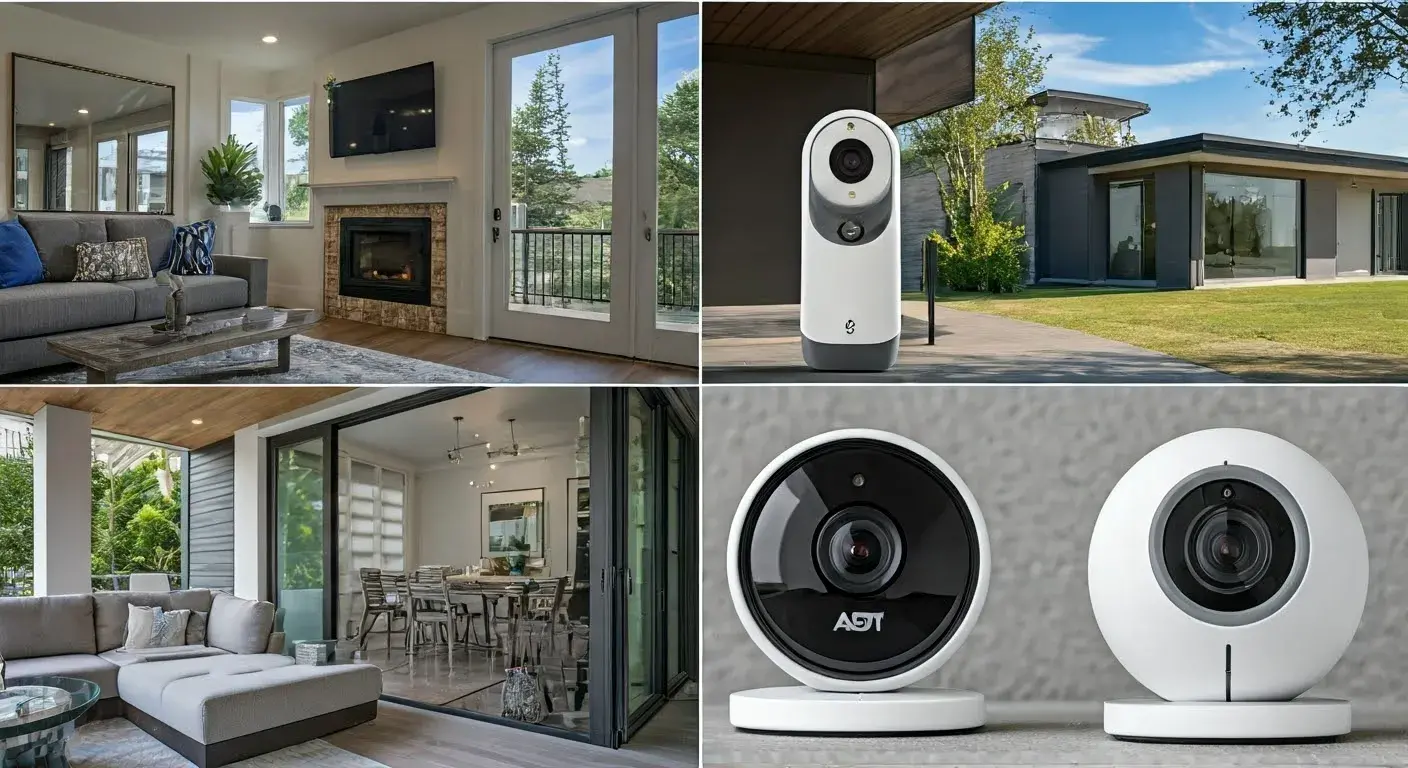
- Security Cameras: Indoor, outdoor, or doorbell cameras add to the monthly cost, especially if they include cloud storage for video footage.
- Smart Home Devices: Integration with smart thermostats, lighting, and voice assistants often comes with a premium.
- Environmental Sensors: Smoke detectors, carbon monoxide detectors, and flood sensors can increase the overall system complexity and, consequently, the monthly fee.
- Additional Sensors: Securing every entry point, including basement windows or patio doors, requires more sensors, thus increasing the cost.
3. Installation Type and Fees
While not strictly a monthly cost, the initial installation fee can be a significant upfront expense. ADT offers professional installation, which is generally recommended for optimal system setup and functionality. The complexity of the installation, the number of devices to be installed, and any special requirements for your home can influence this one-time fee. Some promotions might waive or reduce this fee, so it's worth inquiring about current offers.
4. Monitoring Services and Response
The core of ADT's monthly service is professional monitoring. The level of monitoring can also influence the cost. While most ADT plans include 24/7 professional monitoring, some premium packages might offer enhanced response protocols or priority dispatch, which could come at a slightly higher monthly rate. The inclusion of features like mobile app control and remote access is standard in most modern ADT packages.
5. Contract Length and Terms
ADT typically offers contracts that can range from one to three years. Longer contract terms might sometimes come with slightly lower monthly rates or upfront equipment discounts. Conversely, month-to-month options, if available, might have a higher monthly cost to compensate for the lack of long-term commitment. Understanding the contract duration is vital for budgeting and avoiding unexpected charges.
6. Location and Local Regulations
In some areas, local regulations or specific service requirements might indirectly influence the cost of ADT services. While less common, it's a factor to be aware of, especially if you live in a region with unique emergency service protocols or licensing requirements for security providers.
7. Promotions and Discounts
ADT frequently runs promotions, especially for new customers. These can include discounted equipment, waived installation fees, or even reduced monthly rates for a limited period. Taking advantage of these offers can significantly lower your initial and ongoing costs. Always ask about current deals when getting a quote.
By considering these factors, you can get a much clearer picture of how much ADT alarm per month might cost for your specific situation. It's always best to request a detailed, personalized quote that outlines all charges.
ADT Package Tiers and Their Costs
ADT structures its offerings into several distinct packages, each designed to meet different security needs and budgets. While specific names and features can evolve, the general tiers typically revolve around the level of automation and the breadth of security coverage. Understanding these tiers is key to determining your potential monthly ADT cost.
ADT Essentials (Basic Security)
This is ADT's foundational package, focusing on core security functionalities. It's ideal for homeowners who want reliable intrusion detection without the complexities of smart home integration.
- Features typically include:
- A central control panel.
- Door and window sensors for key entry points.
- A motion detector.
- 24/7 professional monitoring.
- Mobile app access for basic system control and alerts.
- Estimated Monthly Cost (2025-2026): $30 - $45 per month.
- Best for: Renters, smaller homes, or individuals prioritizing essential security against break-ins.
ADT Control (Smart Home Integration)
This mid-tier package builds upon the Essentials by integrating smart home capabilities, offering greater convenience and control.
- Features typically include:
- All features of the Essentials package.
- Smart home hub for connecting various devices.
- Remote control of lights and thermostats.
- Integration with popular smart locks.
- Advanced mobile app features for automation and remote management.
- Estimated Monthly Cost (2025-2026): $45 - $60 per month.
- Best for: Homeowners looking to enhance their security with smart home convenience and automation.
ADT Command (Advanced Smart Home & Video)
This premium package offers the most comprehensive security and smart home experience, including advanced video surveillance and automation.
- Features typically include:
- All features of the Control package.
- High-definition security cameras (indoor/outdoor options).
- Video doorbell with two-way audio.
- Cloud storage for video recordings.
- Advanced automation rules and routines.
- Voice control integration with smart assistants.
- Estimated Monthly Cost (2025-2026): $60 - $80+ per month. The cost can increase significantly with the number of cameras and storage needs.
- Best for: Homeowners seeking a fully integrated smart home security system with robust video surveillance and maximum control.
Customizable Systems
Beyond these standard tiers, ADT allows for significant customization. You can often start with a base package and add individual components like additional sensors, glass break detectors, garage door sensors, or specialized environmental sensors. Each added component will typically increase the monthly monitoring fee, albeit usually by a smaller increment than the difference between major tiers.
For example, adding a single extra door/window sensor might add $2-$5 to your monthly bill, while a security camera with cloud storage could add $10-$20. This flexibility allows you to tailor the system precisely to your needs, but it also means your final monthly cost can vary widely.
Example Pricing Scenarios (Illustrative for 2025-2026)
To illustrate, let's consider a few hypothetical scenarios:
- Scenario 1: Small Apartment Dweller
- Package: ADT Essentials (basic sensors, control panel)
- Monthly Cost: Approximately $35/month
- Scenario 2: Family Home with Moderate Needs
- Package: ADT Control (sensors, smart lock, thermostat control)
- Monthly Cost: Approximately $55/month
- Scenario 3: Larger Home with Advanced Security & Video
- Package: ADT Command (multiple sensors, video doorbell, 2 outdoor cameras with cloud storage)
- Monthly Cost: Approximately $75 - $90/month
It's important to remember that these are estimates. The actual cost will depend on specific equipment choices, installation complexity, and any ongoing promotions ADT is offering at the time of your purchase. Always request a detailed quote.
Additional ADT Services and Fees
Beyond the core monitoring packages, ADT offers a range of additional services and potential fees that can affect your monthly bill. Understanding these can help you avoid surprises and make informed decisions about which services are truly necessary for your home security needs.
Video Surveillance and Cloud Storage
If you opt for ADT's security cameras, the monthly cost will likely increase. This increase is often tied to the number of cameras and the amount of cloud storage you require for video recordings. For 2025-2026, expect costs for cloud storage to range from $5 to $15 per camera per month, depending on the storage duration and video quality.
- Basic Cloud Storage (e.g., 7-day rolling): Typically adds $5-$10 per camera.
- Extended Cloud Storage (e.g., 30-day rolling): Can add $10-$15+ per camera.
- Multiple Cameras: Costs multiply based on the number of cameras included in your plan.
Smart Home Device Integration Fees
While packages like ADT Command include smart home integration, some customers might choose to add specific smart devices to a lower-tier package. ADT may charge a small monthly fee for the integration and continued support of these third-party devices, such as smart locks, thermostats, or lighting systems. This fee is usually in the range of $5-$10 per month for the integration service itself.
Extended Limited Warranty (Safeguard)
ADT offers an extended warranty program, often called Safeguard, which covers the repair or replacement of your security system equipment for a nominal monthly fee. This can be a worthwhile investment to avoid unexpected repair costs, especially for complex systems. The cost for this service typically ranges from $5 to $10 per month.
Yard Signs and Window Decals
While these are usually included with most ADT packages, requesting additional signage or decals for other entry points might incur a small fee. These serve as visible deterrents to potential intruders.
Moving Services
If you move to a new home, ADT offers a moving service. While the system itself might be transferable, there could be associated fees for deactivation at the old address and reactivation or installation at the new one. ADT often provides a credit or discount towards moving your service, but it's wise to clarify these potential costs.
False Alarm Fees
It's crucial to understand that ADT itself does not typically charge for false alarms. However, many municipalities do impose fines for excessive false alarms triggered by a home security system. ADT's professional monitoring service can help reduce false alarms through verification protocols, but if a false alarm is dispatched and verified by authorities, you may be responsible for local fines. These fines vary widely by city and county, ranging from $50 to $250 or more for repeat offenses.
Late Payment Fees
As with most subscription services, ADT will charge late fees if your monthly payment is not received by the due date. These fees are typically outlined in your service agreement.
Cancellation Fees
If you cancel your ADT service before the end of your contract term, you will likely incur early termination fees. These fees are designed to recoup the costs ADT incurred in setting up your system and providing service. The structure of these fees can vary, so it's essential to review your contract carefully. We will discuss this in more detail later.
Equipment Upgrades
If you decide to upgrade your equipment mid-contract (e.g., adding more cameras or newer smart devices), there may be associated costs for the new equipment and potentially a change in your monthly service fee. ADT will provide a quote for any such upgrades.
When evaluating ADT's monthly cost, it's vital to look beyond the base package price and consider these additional services and potential fees. A personalized quote from ADT will detail all applicable charges based on your chosen configuration.
Comparing ADT to Competitors
ADT is a well-established leader in the home security industry, but it's not the only option available. Understanding how ADT's pricing and offerings stack up against competitors is essential for making the most informed decision. In 2025-2026, the market is diverse, with options ranging from DIY systems to other professionally installed and monitored services.
ADT vs. Other Professional Installation Companies
Companies like Vivint, Brinks Home Security, and Xfinity Home offer similar professionally installed and monitored systems. When comparing:
- Monthly Costs: ADT's monthly fees are often perceived as being on the higher end, especially for their premium packages. Competitors might offer slightly lower monthly rates for comparable services. For example, Vivint often bundles equipment costs into the monthly fee, which can make the initial outlay seem lower, but the total cost over a contract term might be similar or higher than ADT's approach (where equipment is sometimes purchased upfront or financed separately).
- Equipment Quality & Features: While ADT offers reliable equipment, competitors might have an edge in specific areas. For instance, some companies may offer more advanced camera features or a wider range of smart home integrations at a particular price point.
- Contract Lengths: ADT typically requires longer contracts (often 3 years). Some competitors might offer shorter terms (e.g., 2 years) or more flexible month-to-month options, though these usually come with higher monthly costs.
- Customer Service & Reputation: ADT has a vast network and a long-standing reputation, which can translate to widespread availability and a large customer support base. However, customer service experiences can vary significantly across all providers.
ADT vs. DIY Security Systems
DIY systems, such as those from SimpliSafe, Ring Alarm, and Abode, offer a fundamentally different approach to home security. They are designed for self-installation and often have lower upfront costs and more flexible, often optional, monthly monitoring fees.
- Upfront Costs: DIY systems are generally much cheaper to start with. You purchase the equipment directly, and there's no professional installation fee.
- Monthly Monitoring: ADT's mandatory 24/7 professional monitoring is a significant part of its cost. DIY systems often offer optional professional monitoring that can be significantly cheaper than ADT, sometimes as low as $10-$20 per month. Many also offer self-monitoring via smartphone alerts, which is free.
- Installation: DIY systems require you to install the equipment yourself. While generally straightforward, it may not be suitable for everyone, and errors can lead to system malfunctions. ADT's professional installation ensures the system is set up correctly from the start.
- Smart Home Integration: While DIY systems have improved greatly, ADT and other professional installers often offer more seamless and robust integration with a wider range of smart home devices, especially when bundled into higher-tier packages.
- Response: The key difference is the direct dispatch of emergency services. With ADT, monitoring professionals handle this. With self-monitoring, you receive alerts and must decide whether to call the authorities. With optional professional monitoring on DIY systems, the process is similar to ADT, but the monitoring centers might be smaller or have different protocols.
Key Comparison Points for 2025-2026
When deciding between ADT and its competitors, consider these points:
- Budget: If budget is the primary concern, DIY systems with optional monitoring are likely the most cost-effective. If you prefer professional installation and monitoring, compare the total cost of ownership (equipment + monthly fees over the contract term) across different providers.
- Installation Preference: Do you want a system installed and configured by professionals, or are you comfortable setting it up yourself?
- Smart Home Needs: If advanced smart home integration is a priority, ADT and Vivint often lead the pack, though DIY options are catching up.
- Contract Flexibility: How important is it to have shorter contract terms or the option for month-to-month service?
- Monitoring Level: Do you want the peace of mind of 24/7 professional monitoring with direct emergency dispatch, or are you comfortable with self-monitoring or a more basic professional service?
While ADT's monthly cost might appear higher, it often reflects the comprehensive service, brand recognition, and extensive infrastructure it provides. For many, the reliability and peace of mind offered by ADT justify the investment. However, thorough research and comparison are always recommended.
Maximizing Value and Saving Money on ADT
While ADT offers robust security solutions, its monthly costs can add up. Fortunately, there are several strategies you can employ to maximize the value you receive and potentially reduce your overall expenditure. These tips are particularly relevant for 2025-2026, as ADT continues to refine its offerings and promotions.
1. Negotiate Your Contract
This is perhaps the most effective way to save money. ADT, like many service providers, has some flexibility in its pricing, especially for new customers or those looking to renew. Don't be afraid to negotiate:
- Shop Around: Get quotes from competitors first. Use these quotes as leverage when speaking with ADT sales representatives.
- Ask for Discounts: Inquire about any available promotions, introductory offers, or discounts for long-term commitments.
- Bundle Services: If you're considering other services (like internet or mobile plans from affiliated companies, if applicable), see if bundling offers any savings.
- Targeted Promotions: ADT often has specific promotions running. Be aware of these and ask if they can be applied to your quote.
2. Choose the Right Package and Equipment
Avoid overspending by carefully selecting the package and equipment that truly meets your needs:
- Assess Your Needs Honestly: Do you really need a dozen sensors for a small apartment? Or advanced video analytics for a single entryway? Opt for the Essentials or Control package if you don't require extensive smart home automation or multiple cameras.
- Prioritize Essential Equipment: Focus on securing primary entry points (doors, ground-floor windows) with reliable sensors. Add-ons like glass break detectors or specialized sensors should only be considered if there's a clear security need.
- Avoid Unnecessary Add-ons: Be critical of optional services like extended warranties or premium support if you're on a tight budget, unless the risk of repair costs is a significant concern.
3. Take Advantage of Promotions and Rebates
ADT frequently offers special deals:
- New Customer Discounts: These can include reduced monthly rates for the first few months, waived installation fees, or discounted equipment.
- Seasonal Sales: Keep an eye out for promotions during holidays or specific times of the year.
- Referral Programs: If you know someone who has ADT, ask about their referral program, which might offer credits to both parties.
4. Consider Upfront Equipment Purchase (If Applicable)
While ADT often finances equipment or includes it in the monthly fee, sometimes purchasing equipment outright can be more cost-effective in the long run, especially if you can find deals on compatible third-party equipment (though this is less common with ADT's integrated systems). However, for most ADT systems, the equipment is proprietary and financed through the monthly plan.
5. Bundle with Other Services (Where Possible)
While ADT primarily focuses on security, sometimes partnerships or affiliated companies might offer discounts if you bundle security with other home services. This is less common for ADT directly but worth exploring if you're considering multiple home services.
6. Maintain Your System to Avoid Repair Costs
While ADT offers professional monitoring, ensuring your system is well-maintained can prevent issues that might lead to repair costs or service calls. Regularly test your sensors and ensure batteries are replaced promptly (ADT often provides notifications for low battery levels).
7. Understand Your Contract Terms
Know exactly what your contract entails. If you find a better deal elsewhere or your circumstances change, understanding the early termination fees can help you plan accordingly. Sometimes, it's more cost-effective to fulfill a contract than to pay high cancellation fees, but this requires careful calculation.
8. Leverage ADT's Reputation for Value
While focusing on cost reduction, remember the value ADT provides: 24/7 professional monitoring, a vast network of service technicians, and a trusted brand name. The "value" isn't just the lowest price but the peace of mind and reliability you receive. By applying these saving strategies, you can achieve a balance between cost and comprehensive security.
Understanding ADT Contracts and Cancellations
ADT, like many professional security service providers, operates on a contractual basis. Understanding the terms of your contract, including its length and cancellation policy, is crucial for budgeting and avoiding unexpected financial penalties. This section will clarify what you can expect regarding ADT contracts and cancellations in 2025-2026.
Standard Contract Lengths
ADT typically offers contracts for a duration of **three years**. In some cases, shorter terms (like one or two years) might be available, potentially with slightly higher monthly rates or upfront equipment costs. The three-year contract is common because it allows ADT to amortize the cost of equipment and installation over a longer period, often resulting in lower monthly payments for the customer compared to shorter-term agreements.
What Your ADT Contract Typically Includes
A standard ADT service agreement will outline:
- Service Period: The duration of the contract (e.g., 36 months).
- Monthly Monitoring Fee: The agreed-upon monthly cost for professional monitoring and system access.
- Equipment Details: A list of the equipment included and whether it is purchased, leased, or financed through the monthly fee.
- Installation Details: Information regarding installation fees and scheduling.
- Terms of Service: Responsibilities of both ADT and the customer.
- Cancellation Policy: The conditions and fees associated with early termination.
- Warranty Information: Details on the warranty provided for the equipment.
Early Termination Fees (ETFs)
If you decide to cancel your ADT service before the contract term expires, you will almost certainly be subject to Early Termination Fees (ETFs). ADT's policy on ETFs is generally structured as follows:
- Calculation Method: ADT typically calculates ETFs by determining the number of months remaining on your contract and multiplying that by a portion of your monthly service fee. For example, they might charge 75% of the remaining monthly payments.
- Example: If you have 18 months left on a $50/month contract, and ADT charges 75% of the remaining balance, your ETF would be approximately 18 months * ($50 * 0.75) = $675.
- Contract Review is Key: The exact calculation method and percentage are detailed in your specific service agreement. It is crucial to read this document carefully before signing and again if you consider canceling.
Reasons for Cancellation and Potential Waivers
While ETFs are standard, there are sometimes circumstances under which ADT might waive or reduce them:
- Moving: If you move to a location where ADT service is not available, ADT may allow you to cancel without penalty, provided you can offer proof of non-serviceability. They will likely offer to move your service instead.
- Foreclosure or Eviction: Similar to moving, if you are forced to vacate your home due to foreclosure or eviction, ADT may offer a cancellation without penalty with appropriate documentation.
- Death of the Primary Account Holder: In the event of the account holder's death, ADT typically allows for cancellation without penalty with a death certificate.
- Service Issues: In rare cases, if ADT consistently fails to provide the contracted service (e.g., persistent system malfunctions that they cannot resolve), you might have grounds to dispute the ETF, but this often requires significant documentation and negotiation.
It's important to note that simply being unhappy with the service or finding a cheaper competitor is generally not sufficient grounds to avoid ETFs.
How to Cancel ADT Service
If you need to cancel:
- Contact ADT Customer Service: You will need to speak directly with an ADT representative. Do not assume that simply stopping payments will cancel your service; this will likely result in collections activity.
- State Your Reason for Cancellation: Be prepared to explain why you wish to cancel.
- Request Your ETF Calculation: Ask for a clear breakdown of the early termination fee.
- Provide Documentation (If Applicable): If you are canceling due to moving to an unserviceable area or other specific circumstances, have your documentation ready.
- Confirm Cancellation in Writing: Ensure you receive written confirmation of your cancellation and any associated fees.
What Happens After Cancellation?
Once your contract is terminated and any applicable ETFs are paid:
- Equipment: Depending on your agreement, you may own the equipment outright, or you may need to return it. If you purchased the equipment, you can keep it, but it will likely only function with ADT's network unless it's a compatible third-party device.
- Monitoring Stops: Your 24/7 professional monitoring will cease.
- Account Closure: Your account will be closed.
Understanding these contract terms upfront can save you significant money and stress. Always ensure you are comfortable with the contract length and cancellation policy before committing to ADT service.
Frequently Asked Questions About ADT Monthly Costs
Here are answers to some common questions regarding the monthly costs associated with ADT alarm systems in 2025-2026:
Q1: What is the average monthly cost for ADT?
The average monthly cost for ADT typically ranges from $30 to $60. However, this can increase to $70-$100 or more depending on the package chosen, the amount of equipment, and the inclusion of services like video surveillance.
Q2: Does ADT include installation in the monthly fee?
No, ADT usually charges a separate, one-time fee for professional installation. This fee can vary but is often in the range of $100-$600, though ADT frequently offers promotions that can reduce or waive this cost.
Q3: Are there any hidden fees with ADT?
While ADT aims for transparency, potential "hidden" costs can arise from early termination fees if you break your contract, or local municipal fines for false alarms. It's important to review your contract carefully for all potential charges.
Q4: Can I get ADT without a contract?
ADT primarily operates on multi-year contracts (typically 3 years). While month-to-month options might exist in some limited circumstances, they are less common and usually come with higher monthly rates or upfront equipment costs.
Q5: How much does ADT charge for extra sensors?
The cost for additional sensors varies. Basic door/window sensors might add $2-$5 per month to your bill, while more specialized sensors could add slightly more. This is usually factored into the overall monitoring fee based on the number of devices.
Q6: What if I want to add cameras later?
You can typically add cameras to your ADT system. This will likely increase your monthly monitoring fee to cover the equipment and any associated cloud storage for video recordings. ADT will provide a quote for the upgrade.
Q7: Does ADT offer discounts?
Yes, ADT frequently offers promotions for new customers, which can include discounted equipment, waived installation fees, or reduced monthly rates for a limited period. It's always advisable to ask about current deals.
Q8: How does ADT compare in price to DIY systems?
ADT is generally more expensive than DIY systems like SimpliSafe or Ring Alarm, primarily because ADT includes professional installation and 24/7 professional monitoring in its monthly fee. DIY systems offer lower upfront costs and optional, cheaper monitoring services.
Q9: What is the typical contract length for ADT?
The most common contract length for ADT is three years.
Q10: Can I cancel ADT service early?
Yes, you can cancel early, but you will likely incur an Early Termination Fee (ETF), which is typically a percentage of the remaining monthly payments on your contract.
By understanding these common questions and answers, you can better navigate the pricing structure of ADT and make a decision that aligns with your security needs and budget.
Conclusion
In summary, the question "How much is ADT alarm per month?" reveals a pricing structure that, while variable, offers clear tiers and influencing factors. For 2025-2026, expect monthly monitoring fees to generally fall between $30 and $60 for basic to mid-range packages, with advanced systems featuring video surveillance potentially costing $70-$100 or more. Key drivers of this cost include the chosen package, the quantity and type of equipment, and the inclusion of smart home features.
While ADT's monthly costs might be higher than some DIY alternatives, they reflect the value of professional installation, 24/7 monitoring by a trusted provider, and a comprehensive network of support. To maximize value and manage expenses, actively negotiate your contract, choose equipment wisely, and take advantage of available promotions. Always be mindful of contract lengths and early termination fees to avoid unexpected charges.
Ultimately, the best ADT plan for you depends on your specific security requirements, budget, and desire for smart home integration. We strongly recommend obtaining a personalized quote directly from ADT to get the most accurate pricing for your situation. Investing in a security system is investing in peace of mind, and understanding the costs upfront ensures you make a decision that provides both safety and financial security.