How Much Is An Adt Security System
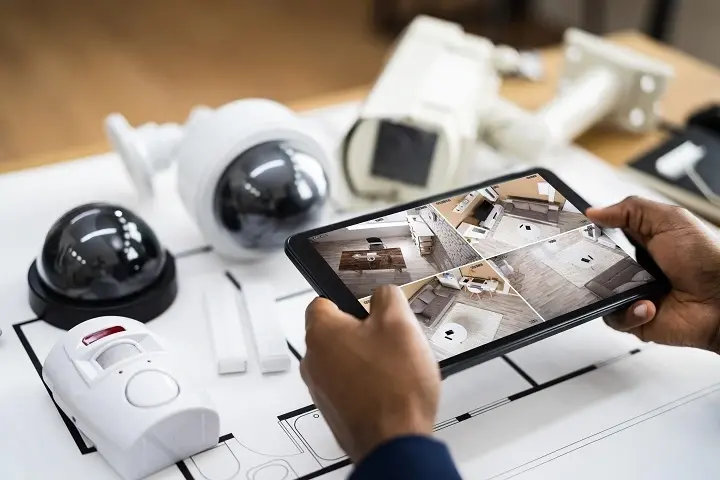
Uncertain about the investment required for robust home protection? This guide demystifies the cost of an ADT security system, providing a clear breakdown of pricing factors, package options, and potential savings to help you make an informed decision for your peace of mind.
ADT Security System Pricing: A Comprehensive Overview
When considering home security, the question "How much is an ADT security system?" is paramount. ADT, a long-standing leader in the security industry, offers a range of solutions designed to fit various needs and budgets. However, providing a single, definitive price is challenging due to the customizable nature of their systems. The cost of an ADT security system is not a one-size-fits-all figure; it's a mosaic pieced together by equipment choices, package selections, installation fees, and ongoing monitoring services. In 2025-2026, potential customers can expect a spectrum of pricing, with basic setups starting in the low hundreds for equipment and installation, and more advanced, feature-rich systems potentially reaching several thousand dollars upfront, followed by monthly monitoring fees that typically range from $30 to $60 or more, depending on the chosen service level and features.
This comprehensive guide aims to break down these components, offering clarity on what influences the final price tag and helping you understand the value proposition behind ADT's offerings. We will delve into the specifics of equipment costs, installation charges, and the crucial monthly monitoring fees, while also comparing ADT's pricing to that of its competitors and exploring avenues for cost savings. By the end of this article, you'll have a much clearer picture of how much an ADT security system might cost you and whether it aligns with your security needs and financial considerations.
Understanding the Factors Influencing ADT System Costs
The total investment for an ADT security system is a dynamic figure, influenced by several key variables. Understanding these factors is crucial for accurately estimating your potential expenditure and making an informed purchasing decision. ADT's pricing model is designed to be flexible, allowing customers to tailor their security solutions. Let's explore the primary drivers of cost:
1. Equipment Selection and Quantity
The core of any security system lies in its components. ADT offers a wide array of devices, from basic door and window sensors to advanced motion detectors, smart cameras, smoke detectors, carbon monoxide sensors, and even smart home integration devices like smart locks and thermostats. The more devices you choose, and the more sophisticated their capabilities, the higher the upfront equipment cost will be. For instance, a system with just a few contact sensors and a central panel will be significantly less expensive than one that includes multiple cameras, glass break sensors, and environmental hazard detectors.
- Basic Components: Typically include a control panel, a few door/window sensors, and a motion detector.
- Advanced Components: May include indoor/outdoor cameras, video doorbells, smart locks, smart thermostats, additional environmental sensors (flood, freeze), and key fobs.
- Brand and Technology: While ADT primarily uses its own branded equipment or equipment from trusted partners, the underlying technology (e.g., wired vs. wireless, resolution of cameras) can also impact cost.
2. Package Tiers and Features
ADT structures its offerings into various packages, often named to reflect their primary focus (e.g., basic security, smart home integration, video surveillance). These packages bundle specific equipment and services, providing a tiered pricing approach. Higher-tier packages naturally come with a higher price tag, reflecting the inclusion of more advanced equipment and features such as:
- Smart Home Integration: Packages that include smart locks, thermostats, and lighting control will cost more.
- Video Surveillance: Systems with multiple cameras, cloud storage for footage, and advanced video analytics are priced higher.
- Professional Monitoring Levels: Some packages might include premium monitoring services or faster response times, impacting the monthly fee.
- Cellular Backup: While standard in many ADT systems, the reliability and features of the cellular backup can influence pricing.
It's important to note that ADT often promotes special offers and discounts on these packages, especially for new customers. These promotions can significantly reduce the initial outlay for equipment and installation.
3. Installation Type: Professional vs. DIY
ADT is renowned for its professional installation services. This is a significant value-add, ensuring that the system is set up correctly, optimally positioned, and fully functional. However, this professional service comes at a cost. While ADT has been expanding its options for DIY installation in some regions with simpler systems, their traditional model relies on certified technicians. The cost of professional installation can range from a few hundred dollars to over a thousand, depending on the complexity of the installation and the number of devices being integrated.
- Professional Installation: Ensures expert setup, calibration, and system testing. This is typically included in the overall package price or charged as a separate fee.
- DIY Installation: For select, simpler systems, ADT may offer a DIY option, which can reduce upfront costs but requires the homeowner to set up the system themselves. This is less common for comprehensive ADT packages.
4. Contract Length and Monitoring Commitment
A substantial portion of ADT's revenue comes from its monthly monitoring services. These services require a contract, typically ranging from 24 to 60 months. The length of the contract can influence the upfront cost of the equipment and installation. Longer contracts often come with lower initial equipment and installation fees, as the company recoups its investment over a longer period. Conversely, shorter contracts or month-to-month options (if available) may require a higher upfront payment for equipment and installation.
- Contract Duration: Longer contracts (e.g., 36-60 months) often subsidize equipment and installation costs.
- Early Termination Fees: Be aware of potential fees if you need to cancel your contract early.
5. Additional Services and Features
Beyond the standard security monitoring, ADT offers a suite of optional add-on services that can increase the overall cost but enhance functionality and peace of mind:
- Video Storage: Cloud storage for camera footage typically incurs a monthly fee per camera.
- Extended Warranties: Optional protection plans for equipment.
- Mobile App Features: While basic app access is usually included, some premium features might be part of higher-tier monitoring plans.
- Integration with Other Smart Home Platforms: While ADT integrates with many, some specific integrations might require additional setup or subscription.
By carefully considering these factors, potential customers can gain a more accurate understanding of the potential costs associated with an ADT security system tailored to their specific needs and preferences.
Exploring ADT's Security Package Options and Their Pricing
ADT offers a tiered approach to its security solutions, allowing customers to choose a package that best aligns with their security needs and budget. While specific package names and exact pricing can fluctuate due to ongoing promotions and regional variations, the general structure remains consistent. Understanding these packages is key to demystifying the overall cost of an ADT system. For 2025-2026, ADT's offerings generally fall into categories that emphasize different aspects of home security and smart home integration.
ADT Command & Control Systems
These are ADT's most comprehensive and technologically advanced systems, often featuring a touchscreen interface for easy management. They are designed for homeowners who want robust security coupled with smart home capabilities.
- Typical Equipment: Includes a central touchscreen control panel (ADT Command), wireless door/window sensors, a motion detector, a key fob, and often a video doorbell or indoor camera.
- Smart Home Integration: Seamlessly integrates with smart locks, thermostats, lighting, and voice assistants like Amazon Alexa and Google Assistant.
- Pricing: Upfront costs for these premium systems can range from $599 to $1,500+, depending on the number of included devices and any promotional discounts. Monthly monitoring fees typically start around $50-$70 and can increase with additional features like extensive video storage or multiple camera feeds.
- Example Scenario: A homeowner opting for the ADT Command system with a touchscreen panel, 5 door/window sensors, 1 motion detector, 1 video doorbell, and smart lock integration might pay an initial $800 and $65 per month for monitoring, with a 36-month contract.
ADT Control Systems
ADT Control offers a slightly more streamlined approach compared to Command, focusing on robust security with smart home features accessible via a mobile app and a smaller touchscreen panel or keypad.
- Typical Equipment: Includes a control panel or keypad, several door/window sensors, a motion detector, and often a basic camera or video doorbell.
- Smart Home Integration: Offers integration with popular smart home devices, allowing for remote control and automation.
- Pricing: Upfront costs for ADT Control packages can range from $400 to $1,000. Monthly monitoring fees are generally in the $40-$60 range, with a 24-36 month contract commitment.
- Example Scenario: A family choosing an ADT Control package with a keypad, 4 sensors, 1 motion detector, and a video doorbell might pay an initial $550 and $50 per month for monitoring, under a 36-month agreement.
ADT Security Essentials (Basic Packages)
These packages are designed for homeowners who primarily need reliable intrusion detection and professional monitoring without extensive smart home integration or advanced video surveillance.
- Typical Equipment: Consists of a central control panel (often a keypad-based system), a few door/window sensors, and a motion detector. Cellular backup is standard.
- Smart Home Integration: Limited or no smart home integration features.
- Pricing: These are the most budget-friendly options. Upfront equipment and installation costs can range from $100 to $500, often heavily discounted or even free with longer contract commitments. Monthly monitoring fees are typically the lowest, starting around $30-$45 per month for a 24-36 month contract.
- Example Scenario: A renter or a homeowner looking for basic protection might opt for an ADT Security Essentials package with a keypad, 3 sensors, and 1 motion detector. The upfront cost could be as low as $100 (or even $0 with a special offer), with monthly monitoring at $35 for 24 months.
Customizable Systems
Beyond these pre-defined packages, ADT allows for significant customization. Customers can start with a base package and add individual components as needed. This is ideal for those with unique security requirements or who plan to expand their system over time.
- Flexibility: Choose specific sensors, cameras, environmental detectors, and other devices to build a system that precisely meets your needs.
- Pricing: The cost will vary widely based on the chosen components. A custom system could range from a few hundred dollars for basic additions to several thousand for a comprehensive setup with multiple high-definition cameras and advanced sensors. Monthly fees will also scale with the complexity and features of the system.
Promotional Offers and Discounts
It's crucial to be aware of ADT's frequent promotions. These can include:
- Free or Discounted Equipment: Often offered with new installations and long-term contracts.
- Waived Installation Fees: Another common incentive for signing up.
- Bundled Services: Discounts when combining security with other ADT services or partner offerings.
Always inquire about current promotions when getting a quote, as these can significantly impact the overall cost of your ADT security system.
Installation and Equipment Fees: What to Expect
The initial investment in an ADT security system is primarily composed of equipment costs and installation fees. These upfront charges are a significant part of the total price and can vary considerably based on the chosen system, the number of components, and any promotional offers ADT may be running at the time of purchase. Understanding these components will help you budget effectively for your new security setup.
Equipment Costs
The price of the physical security devices is a direct reflection of their type, quantity, and technological sophistication. ADT offers a range of equipment, from fundamental sensors to advanced smart home devices and high-definition cameras.
- Base System Components: This typically includes the main control panel (keypad or touchscreen), a door/window sensor for the primary entry point, and a motion detector. For a basic system, these core components might cost anywhere from $100 to $300.
- Additional Sensors: Each extra door/window sensor generally adds $20 to $50 to the total. Motion detectors might be $50 to $100 each.
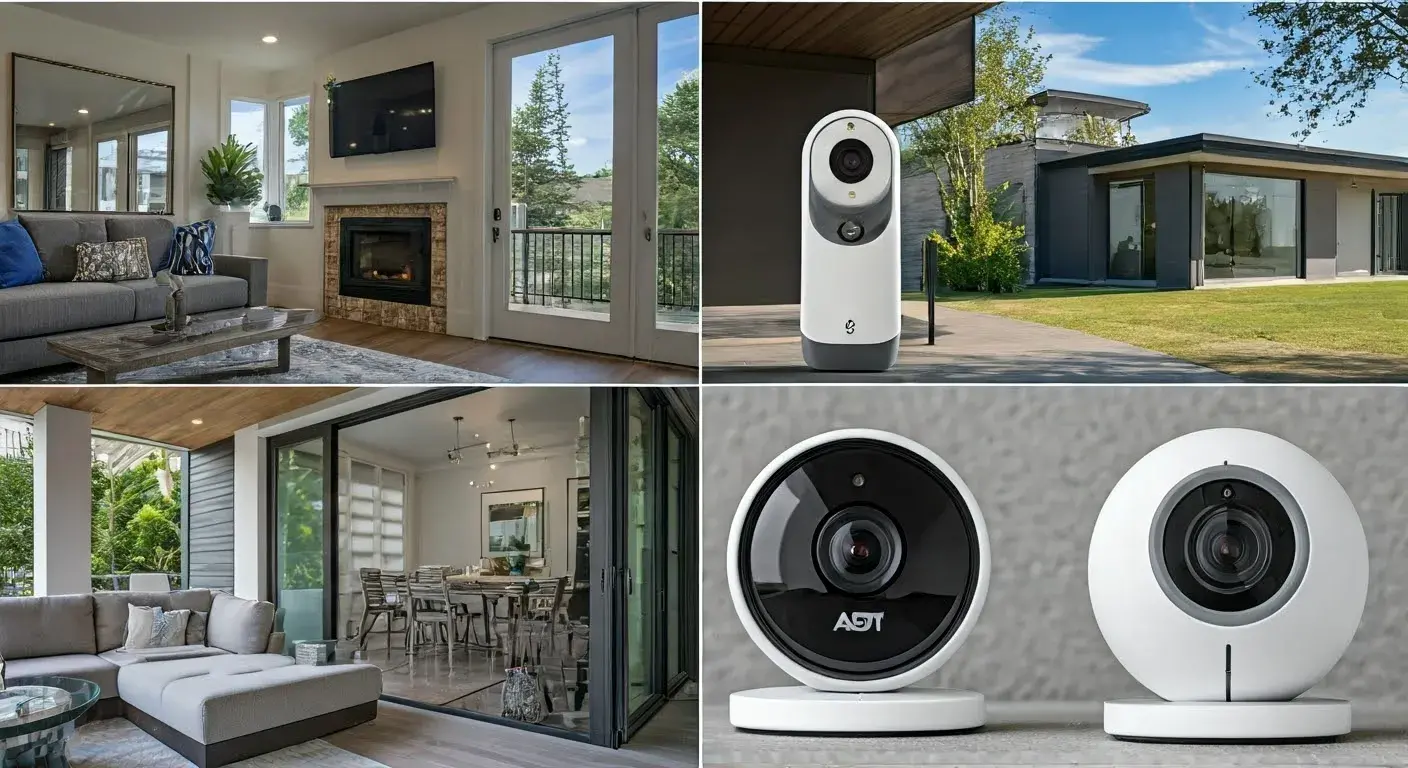
- Cameras: Video doorbells can range from $150 to $300. Indoor cameras typically fall between $100 and $250, while outdoor cameras can cost $200 to $400 or more, depending on features like night vision, resolution, and weather resistance.
- Environmental Sensors: Smoke detectors, carbon monoxide detectors, flood sensors, and freeze sensors usually cost between $50 and $100 each.
- Smart Home Devices: Smart locks can add $150 to $300, and smart thermostats might be $100 to $200.
- Key Fobs and Additional Keypads: These are usually in the $30 to $75 range.
Example: A moderately equipped system might include a control panel, 5 door/window sensors, 2 motion detectors, and 1 video doorbell. The estimated equipment cost could be around $100 (panel) + (5 * $30) + (2 * $70) + $200 (video doorbell) = $100 + $150 + $140 + $200 = $590.
Installation Fees
ADT is known for its professional installation service, which ensures that your system is set up correctly and optimized for performance. This service is a significant factor in the overall upfront cost.
- Professional Installation: For many standard ADT packages, professional installation is either included in a bundled price or charged as a separate fee. This fee can range from $100 to $500 or more. The complexity of the installation, the number of devices to be mounted and wired (if applicable), and the time required by the technician all influence this cost.
- DIY Installation: In some cases, ADT may offer simpler systems that are designed for DIY installation. This option, if available, can significantly reduce or eliminate installation fees, but it requires the homeowner to take on the responsibility of setup and configuration. However, ADT's core strength and primary offering is professional installation.
- Promotional Waivers: ADT frequently offers promotions where installation fees are waived or heavily discounted, especially when customers commit to longer monitoring contracts. This is a common incentive to attract new subscribers.
Example: If a standard installation fee is $200, but ADT is running a promotion waiving this fee with a 36-month contract, the customer saves $200 upfront.
Bundled Pricing and Promotions
Often, ADT presents its systems in bundled packages where the equipment and installation costs are combined into a single upfront price, which is then tied to a monthly monitoring contract. These bundles are frequently discounted compared to purchasing each component and service separately.
- Package Deals: ADT's pre-defined packages (like ADT Command or Control) often have a set upfront cost that includes specific equipment and professional installation. For example, a package might be advertised with an upfront cost of $599, which covers the equipment and installation.
- Special Offers: Keep an eye out for limited-time offers such as "free installation," "0% down," or "equipment starting at $X." These can dramatically reduce the initial financial outlay.
Key Takeaway: When evaluating the cost of an ADT security system, always ask for a detailed breakdown of equipment and installation charges. Inquire about any current promotions or discounts that can help lower your initial investment. Remember that the upfront cost is only one part of the equation; the monthly monitoring fees are also a critical consideration.
Monthly Monitoring Costs: The Ongoing Investment
While the upfront cost of equipment and installation is a significant consideration, the monthly monitoring fee is the recurring expense that forms the bulk of the long-term investment in an ADT security system. This fee covers the continuous service provided by ADT's professional monitoring centers, ensuring that your home is protected 24/7. Understanding the factors that influence these monthly costs is crucial for long-term budgeting and for appreciating the value ADT provides.
Factors Influencing Monthly Monitoring Fees
The monthly cost for ADT monitoring is not static and can vary based on several key elements:
- Package Level and Features: ADT offers different tiers of monitoring services, often tied to their security packages. Basic intrusion detection monitoring will be less expensive than packages that include advanced features like:
- Video Monitoring: If your system includes cameras, the monthly fee often increases to cover the bandwidth and services required for remote viewing, recording, and cloud storage of video footage. The number of cameras and the amount of cloud storage significantly impact this cost.
- Smart Home Integration: While basic smart home control might be included, premium features or more extensive integration capabilities could add to the monthly fee.
- Environmental Monitoring: Systems that monitor for smoke, carbon monoxide, flood, or freeze events may have slightly higher monitoring fees due to the added complexity and urgency of these alerts.
- Contract Length: ADT typically requires customers to sign a monitoring contract, commonly ranging from 24 to 60 months. Longer contract terms often come with lower monthly fees. This is because ADT can spread the cost of the equipment and installation over a longer period, reducing the monthly burden on the customer. Shorter contracts or month-to-month options (if available) may have higher monthly rates to compensate for the shorter commitment.
- Number of Monitoring Centers and Response Protocols: ADT operates a network of secure monitoring centers. The specific protocols for dispatching emergency services, the speed of response, and the redundancy of their monitoring infrastructure contribute to the overall service cost.
- Additional Services: Any add-on services, such as extended warranties, advanced mobile app features, or priority customer support, can also influence the monthly monitoring charge.
Typical Monthly Cost Ranges (2025-2026)
Based on current industry trends and ADT's typical pricing structures, here are the estimated monthly monitoring costs for different types of ADT systems:
- Basic Security Systems: For systems focused solely on intrusion detection (door/window sensors, motion detectors) with no cameras or extensive smart home features, monthly monitoring fees generally range from $30 to $45 per month. These often come with 24-36 month contracts.
- Standard Security Systems with Smart Features: Packages that include a few smart home integrations (like smart locks or thermostats) and possibly a video doorbell but limited camera surveillance typically fall in the range of $40 to $60 per month. These usually require 36-month contracts.
- Advanced Systems with Video Surveillance: For comprehensive systems that include multiple cameras (indoor, outdoor, doorbell), extensive cloud video storage, and advanced smart home automation, monthly monitoring fees can range from $50 to $70+ per month. The cost increases with the number of cameras and the amount of video storage required. These systems often have 36-60 month contracts.
Example: A homeowner with an ADT Command system featuring a touchscreen panel, 5 sensors, 1 motion detector, 1 video doorbell, and 2 indoor cameras, opting for a 36-month contract, might expect a monthly monitoring fee of around $65. This fee covers the continuous monitoring of all sensors, remote access via the ADT app, and cloud storage for video clips from the cameras.
The Value Proposition of ADT Monitoring
It's important to remember that the monthly fee is not just for a connection; it's for a robust service that includes:
- 24/7 Professional Monitoring: Trained operators who respond to alarms, verify emergencies, and dispatch appropriate authorities (police, fire, medical).
- Cellular Backup: ADT systems typically use cellular communication, which is more reliable than traditional landlines or even Wi-Fi, ensuring that your system can communicate with the monitoring center even if your internet or phone lines are cut.
- System Maintenance and Support: Access to technical support and system troubleshooting.
- Peace of Mind: The assurance that trained professionals are watching over your home.
When considering the monthly cost, weigh it against the potential financial and emotional costs of a home invasion, fire, or other emergency that a security system can help prevent or mitigate. ADT's monthly fees reflect the comprehensive, reliable service they provide.
ADT Security System Pricing Compared to Competitors (2025-26)
When evaluating the cost of an ADT security system, it's essential to compare it against the offerings of other prominent players in the home security market. The landscape of home security has evolved significantly, with a rise in DIY options and a greater emphasis on smart home integration. ADT, as a long-standing professional installation provider, generally positions itself at a slightly higher price point than many DIY competitors, but often offers more comprehensive professional services and a more robust, integrated system.
ADT vs. DIY Providers (e.g., SimpliSafe, Ring Alarm, Abode)
DIY security systems have gained immense popularity due to their lower upfront costs and flexible, often no-contract, monitoring options. However, they typically require the homeowner to install and configure the system themselves.
- Upfront Costs: DIY systems generally have lower upfront equipment costs. For instance, a basic starter kit from SimpliSafe or Ring Alarm might cost between $150 and $300, significantly less than ADT's typical starting packages.
- Installation: This is the primary differentiator. ADT's professional installation fee can range from $100 to $500+, whereas DIY systems have no installation fee beyond the cost of the equipment.
- Monthly Monitoring: This is where the gap can narrow. While DIY systems often offer no-contract monitoring starting as low as $10-$20 per month (e.g., Ring Alarm's Ring Protect Pro), ADT's professional monitoring, which includes 24/7 dispatch and cellular backup, typically starts at $30-$45 and goes up to $70+ for advanced features.
- Features and Integration: While DIY systems are rapidly improving their smart home integration, ADT's professionally installed systems often offer a more seamless and robust integration with a wider range of smart home devices, especially with their higher-end Command and Control platforms. ADT's cellular backup is also a standard feature across most of their systems, which isn't always the case with lower-tier DIY plans.
- Customer Service and Support: ADT's established network of local dealers and 24/7 customer support can be a significant advantage for those who prefer hands-on assistance. DIY providers typically rely on online support, chat, and phone support, which may be less satisfactory for some users.
Summary: For budget-conscious consumers who are comfortable with self-installation and don't require extensive professional support, DIY systems offer significant savings. However, for those who value professional installation, robust cellular backup, and a more integrated smart home experience, ADT's higher upfront and monthly costs can be justified.
ADT vs. Other Professionally Installed Systems (e.g., Vivint)
Vivint is a direct competitor to ADT, also offering professionally installed, integrated smart home security systems with 24/7 monitoring and long-term contracts.
- Upfront Costs: Both ADT and Vivint can have substantial upfront costs for equipment and installation, often ranging from $500 to $2,000+, depending on the system's complexity and any ongoing promotions. Pricing can be very competitive between the two, with both frequently offering discounts on equipment and installation to secure new customers.
- Monthly Monitoring: Monthly monitoring fees are also comparable, typically falling between $40 and $70 per month for both companies. Vivint often emphasizes its integrated smart home technology, which can sometimes lead to slightly higher monthly fees for their most advanced packages.
- Equipment and Technology: Both companies offer high-quality, integrated equipment. Vivint has heavily invested in its proprietary smart home ecosystem, while ADT leverages partnerships and its own robust platform. The specific features and design of the equipment might appeal differently to consumers.
- Contracts: Both ADT and Vivint typically require long-term contracts (24-60 months). Early termination fees are common for both.
- Customer Service: Both companies have extensive customer service networks, but the quality and responsiveness can vary by region and individual experience.
Summary: When comparing ADT and Vivint, the decision often comes down to specific package features, current promotional offers, and personal preference for the user interface and equipment design. Pricing is generally very similar for comparable systems.
ADT vs. Local Security Companies
Local security companies can offer a more personalized service and potentially more competitive pricing, especially for basic systems. However, they may lack the brand recognition, extensive infrastructure, and advanced technological integration that larger national providers like ADT offer.
- Pricing: Local companies can sometimes offer lower upfront and monthly costs, particularly for simpler alarm systems. However, their ability to offer cutting-edge smart home integration or extensive video surveillance might be limited.
- Service: The advantage of local companies is often their personalized service and quicker response times for local issues.
- Technology: National providers like ADT often have a broader range of advanced technologies and more robust integration capabilities due to their larger R&D budgets and partnerships.
Summary: For basic security needs and a desire for local support, a reputable local company can be a good option. For comprehensive smart home security and advanced features, national providers like ADT are often the preferred choice.
In conclusion, ADT's pricing is competitive within the professionally installed security system market. While it's generally more expensive than DIY alternatives, this premium is often justified by the professional installation, robust cellular backup, 24/7 professional monitoring, and integrated smart home capabilities. When comparing, always look at the total cost over the contract term, including equipment, installation, and monthly fees, and ensure the features meet your specific security needs.
Strategies to Save Money on Your ADT Security System
Investing in home security is a wise decision, but it doesn't have to break the bank. ADT, while a premium provider, offers several avenues for cost savings. By employing smart strategies during the selection and contracting process, you can significantly reduce the overall expense of your ADT security system. Here are some effective ways to save money:
1. Leverage Promotional Offers and Discounts
ADT frequently runs special promotions aimed at new customers. These can include:
- Waived Installation Fees: This is one of the most common and impactful discounts, saving you hundreds of dollars upfront.
- Discounted or Free Equipment: ADT may offer certain pieces of equipment for free or at a significantly reduced price, especially when bundled with a long-term contract.
- Bundled Package Deals: ADT's pre-packaged systems are often priced more affordably than purchasing individual components and services separately. Look for packages that align closely with your needs to avoid paying for unnecessary features.
- Seasonal Sales: Keep an eye out for sales events around holidays like Black Friday, Cyber Monday, or during specific home improvement seasons.
Actionable Tip: Always ask your ADT sales representative about any current promotions or discounts they are offering. Don't be afraid to inquire about upcoming deals if you're not ready to purchase immediately.
2. Negotiate Your Contract Terms
While ADT may present standard contract terms, there is often room for negotiation, particularly regarding pricing and included features. Longer contract commitments (e.g., 36 or 60 months) typically come with lower monthly monitoring fees and can sometimes lead to further discounts on equipment and installation.
- Longer Contracts: Committing to a longer contract period can result in lower monthly payments.
- Bundling Services: If you have multiple properties or are interested in other ADT services, inquire about potential discounts for bundling.
- Competitive Offers: If you have quotes from competitors, you might be able to leverage them to negotiate a better deal with ADT.
Actionable Tip: Be polite but firm when negotiating. Understand your priorities and be prepared to walk away if the terms aren't favorable. Sometimes, a simple request for a better rate can yield results.
3. Choose the Right Package for Your Needs
Avoid overpaying for features you don't need. Carefully assess your security requirements and choose a package that precisely meets them.
- Prioritize Essential Features: If you only need basic intrusion detection, opt for a more fundamental package rather than a high-end smart home system.
- Scale Gradually: You can often start with a basic system and add components later as your needs and budget allow.
- Avoid Unnecessary Add-ons: Be critical of optional add-ons like premium video storage or advanced automation features if they don't align with your core security goals.
Actionable Tip: Work with the ADT sales consultant to identify the most cost-effective package that provides adequate protection. Ask for a detailed breakdown of what each component and feature contributes to the overall cost.
4. Understand Equipment Costs and Potential for Upgrades
While ADT provides quality equipment, be aware of the costs associated with each piece. If you're on a tight budget, you might opt for fewer sensors initially and add more later.
- Phased Upgrades: If budget is a concern, start with essential sensors and expand your system over time.
- Consider Refurbished Equipment (if available): While less common with professional installations, inquire if any certified refurbished options exist for certain components, though this is rare with ADT's model.
Actionable Tip: Ask about the cost of individual components. This transparency helps you make informed decisions about which pieces are essential versus optional.
5. Explore Homeowners Insurance Discounts
Many homeowners insurance policies offer discounts for homes equipped with a monitored security system. While this doesn't directly reduce your ADT bill, it lowers your overall homeownership costs.
- Inquire with Your Insurer: Contact your insurance provider to see what kind of discount they offer for a professionally monitored security system.
- Provide Documentation: ADT can typically provide the necessary documentation to your insurance company to verify your system.
Actionable Tip: Always inform your insurance provider about your new security system to potentially reduce your premiums.
6. Look for Rebates and Tax Credits
In some regions or for specific types of security equipment (e.g., energy-efficient smart thermostats integrated with security systems), there might be local or federal rebates or tax credits available. While not guaranteed, it's worth investigating.
Actionable Tip: Research local government incentives or utility company rebates for smart home technology that might be compatible with your ADT system.
By strategically planning and actively seeking out savings opportunities, you can secure your home with an ADT system without exceeding your budget. The key is to be informed, negotiate effectively, and choose a solution that truly fits your needs.
Is an ADT Security System Worth the Investment?
Deciding whether an ADT security system is "worth the investment" is a deeply personal calculation, weighing financial outlay against the intangible value of security, safety, and peace of mind. For many homeowners in 2025-2026, the answer is a resounding yes, particularly when considering ADT's established reputation, comprehensive service offerings, and advanced technological capabilities. However, the "worth" is contingent upon individual needs, budget, and priorities.
The Case for ADT's Value
- Reliability and Trust: ADT has been a leader in the security industry for decades. Their long-standing presence signifies a track record of reliability and a deep understanding of home security needs. This established trust is a significant part of their value proposition.
- Professional Installation and Support: Unlike DIY systems, ADT provides professional installation, ensuring that the system is set up correctly and optimally configured. This eliminates the guesswork and potential for errors that can compromise security. Furthermore, their extensive network of support technicians and customer service representatives means help is usually readily available.
- 24/7 Professional Monitoring: The core of ADT's service is its 24/7 monitoring centers. These centers are staffed by trained professionals who can quickly assess alarm events and dispatch emergency services. This constant vigilance is invaluable, especially when you're away from home or asleep. The cellular backup ensures communication even if power or internet is disrupted.
- Integrated Smart Home Capabilities: ADT's Command and Control systems offer robust integration with smart home devices, allowing for a truly connected and automated living experience. This goes beyond basic security to include convenience, energy management, and enhanced lifestyle features.
- Comprehensive Protection: ADT systems can be customized to include not just intrusion detection but also fire, carbon monoxide, flood, and medical emergency monitoring, providing a holistic approach to home safety.
- Potential Insurance Savings: As mentioned, many homeowners insurance policies offer discounts for professionally monitored security systems, which can help offset the monthly cost.
When ADT Might Not Be the Best Fit
- Budget Constraints: ADT's upfront equipment and installation costs, coupled with its monthly monitoring fees, are generally higher than many DIY alternatives. For individuals or families on a very tight budget, the investment might be prohibitive.
- Preference for DIY: Some consumers enjoy the hands-on approach of installing and managing their own systems. If you are tech-savvy and prefer complete control over your setup and monitoring, a DIY system might be more appealing and cost-effective.
- No Need for Professional Monitoring: If your primary concern is simply having sensors and cameras that alert you via your smartphone, and you don't require 24/7 professional dispatch, a self-monitored system could suffice at a lower cost.
- Short-Term Needs: ADT's contracts typically span several years. If you anticipate moving in the near future or only need security for a limited period, the long-term commitment and potential early termination fees might make ADT less suitable.
Making the Decision
To determine if an ADT system is worth the investment for you, consider the following:
- Assess Your Security Needs: What are your primary concerns? Intrusion, fire, environmental hazards, smart home integration?
- Evaluate Your Budget: Can you comfortably afford the upfront costs and the ongoing monthly fees?
- Compare Options: Get quotes from ADT and other providers (both professional and DIY) to compare features, costs, and contract terms.
- Read Reviews: Look for reviews from current ADT customers in your area to gauge service quality and reliability.
- Consider the Intangibles: How much is peace of mind worth to you and your family? The feeling of security that a professional system provides is often a significant factor in its perceived value.
In conclusion, an ADT security system represents a significant investment, but for many, it is a worthwhile one. The combination of professional installation, reliable 24/7 monitoring, advanced technology, and comprehensive support offers a level of security and peace of mind that is difficult to match. By carefully weighing the costs against the benefits and comparing it to available alternatives, you can make an informed decision about whether ADT is the right choice to protect your home and loved ones in 2025-2026.