Understanding the monthly cost of Vivint security systems is crucial for homeowners budgeting for smart home technology. This comprehensive guide breaks down Vivint's pricing structure, equipment costs, service plans, and potential savings, offering clear insights to help you make an informed decision for your home security needs in 2025-26.
Understanding Vivint's Pricing Model
Vivint operates on a unique pricing model that combines upfront equipment costs with a recurring monthly service fee. This approach differs from many competitors who may offer free equipment with higher monthly rates or require a larger initial investment. Vivint's strategy aims to make advanced smart home and security technology more accessible by spreading the cost of hardware over time, often through financing options. This allows customers to acquire state-of-the-art devices like smart locks, video doorbells, and advanced security cameras without a massive initial outlay. The monthly service fee then covers professional monitoring, cloud storage for video footage, mobile app access, and ongoing technical support. Understanding this dual-component pricing is the first step in accurately determining "How Much Is Vivint Monthly?" for your specific situation.
The transparency of this model is key. While the monthly service fee is relatively straightforward, the equipment cost can vary significantly based on the number and type of devices you choose. Vivint offers a range of packages, from basic security setups to comprehensive smart home integrations, each with its own associated hardware price. These costs are typically financed over a contract term, usually 42 or 60 months. This financing means the monthly bill will include a portion of the equipment cost, in addition to the core monitoring and service fee. It's essential to distinguish between the equipment financing payment and the actual monitoring service cost when evaluating your total monthly expenditure.
Vivint's sales process often involves a consultation to assess your home's specific needs and recommend a tailored system. During this consultation, they will detail the exact equipment chosen, its total cost, and how that cost is broken down into a monthly payment. This personalized approach ensures that you are not paying for features or devices you don't need, but it also means there isn't a single, universal answer to "How Much Is Vivint Monthly?" The price is as unique as the system designed for your home.
Furthermore, Vivint often runs promotions and offers discounts, especially on equipment. These can significantly reduce the upfront or financed cost of your system. Keeping an eye out for these deals can lead to substantial savings over the life of your contract. It's also worth noting that Vivint's pricing is generally positioned at the higher end of the home security market, reflecting the premium quality of their hardware, the sophistication of their integrated smart home features, and the robust nature of their professional monitoring service. This positioning is a deliberate choice to cater to customers who prioritize a seamless, integrated, and high-tech security experience.
Vivint Equipment Costs (2025-26): What to Expect
The equipment is the foundation of your Vivint system, and its cost is a significant factor in your overall monthly expense. Vivint offers a wide array of devices, and the total price will depend on the specific components you select. Unlike some competitors who might bundle everything into a single monthly fee, Vivint itemizes its equipment, allowing for customization. This flexibility means you can build a system that perfectly fits your needs and budget, but it also requires a clear understanding of individual device pricing.
Here's a breakdown of common Vivint equipment and their estimated costs for 2025-26. These are approximate figures and can vary based on promotions, package deals, and the specific model of the device. Vivint typically finances these costs over a 42-month or 60-month term, which is then added to your monthly bill.
Core Security Components
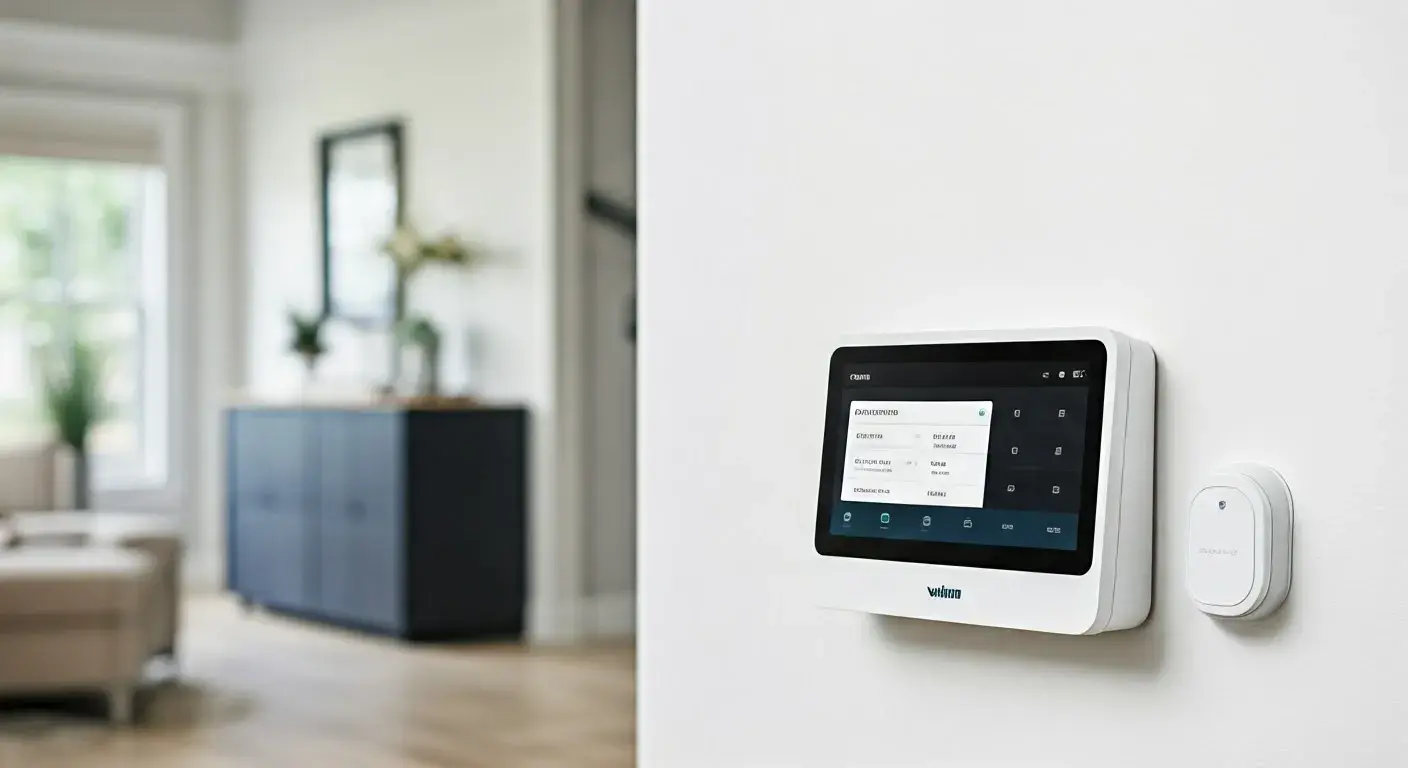
- Vivint Smart Hub (Panel): This is the central control unit for your system. It's a touchscreen device that manages all connected components, provides alerts, and allows for system arming/disarming. Estimated Cost: $300 - $700. This is often a significant portion of the initial equipment cost.
- Door/Window Sensors: These small, wireless sensors detect when a door or window is opened. You'll need one for each entry point you wish to monitor. Estimated Cost: $25 - $50 per sensor.
- Motion Detectors: These devices sense movement within a room, ideal for covering larger areas or rooms with multiple entry points. Vivint's motion detectors are typically pet-immune to reduce false alarms. Estimated Cost: $50 - $100 per detector.
- Key Fob: A small remote for easy arming and disarming of the system without needing to use the panel or app. Estimated Cost: $25 - $50.
Smart Home and Video Devices
- Vivint Doorbell Camera Pro: A premium video doorbell that allows you to see, hear, and speak to visitors from anywhere. It features advanced motion detection and two-way audio. Estimated Cost: $200 - $300.
- Vivint Indoor Camera: For monitoring activity inside your home. These cameras offer HD video, two-way audio, and night vision. Estimated Cost: $150 - $250.
- Vivint Outdoor Camera Pro: Designed for exterior surveillance, these cameras are weather-resistant and offer advanced features like intelligent alerts and spotlight deterrence. Estimated Cost: $300 - $400.
- Vivint Smart Lock: Allows you to lock and unlock your doors remotely, grant temporary access to guests, and receive notifications about door activity. Estimated Cost: $150 - $250.
- Vivint Smart Thermostat: Integrates with your security system to allow for remote temperature control and energy savings. Estimated Cost: $150 - $250.
- Vivint Smart Garage Door Controller: Enables you to open, close, and monitor your garage door remotely. Estimated Cost: $100 - $150.
- Vivint Smoke Detector: Connects to your system to provide alerts in case of fire. Estimated Cost: $50 - $100.
- Vivint Carbon Monoxide Detector: Detects the presence of dangerous carbon monoxide gas. Estimated Cost: $50 - $100.
Example Scenario: A Mid-Range System
Let's consider a typical setup for a medium-sized home:
- 1 x Vivint Smart Hub: $500
- 3 x Door/Window Sensors: 3 x $35 = $105
- 1 x Motion Detector: $75
- 1 x Vivint Doorbell Camera Pro: $250
- 1 x Vivint Indoor Camera: $200
- 1 x Vivint Smart Lock: $200
- Total Estimated Equipment Cost: $1,330
If this $1,330 equipment cost is financed over 42 months, the monthly equipment payment would be approximately $31.67 ($1330 / 42). If financed over 60 months, it would be about $22.17 ($1330 / 60). This is just the hardware component; the monthly service fee is separate.
It's crucial to get a personalized quote from Vivint, as these prices are estimates. They often offer bundles that can reduce the per-device cost, and promotions can further impact the final price. Always clarify the total equipment cost and the financing term before signing any contract.
Vivint Monthly Service Plans: Features and Pricing
The monthly service plan is the ongoing cost associated with Vivint's professional monitoring and smart home services. While equipment costs are financed and added to your bill, the service plan is the recurring fee for the core functionality of the system. Vivint offers a primary service plan that is comprehensive and includes most of the features that make their system stand out. As of 2025-26, Vivint's standard service plan is generally priced around $29.99 to $69.99 per month, depending on the number of cameras included and the specific package you choose.
What's Included in the Standard Vivint Service Plan?
- 24/7 Professional Monitoring: This is the cornerstone of any security system. Vivint's monitoring centers are staffed around the clock by trained professionals who respond to alarms, verify emergencies, and dispatch authorities (police, fire, medical) when necessary. This provides peace of mind, knowing that your home is protected even when you're not there.
- Mobile App Access: The Vivint app allows you to control your entire system remotely. You can arm/disarm the system, view live camera feeds, check sensor status, lock/unlock doors, adjust the thermostat, and receive real-time alerts directly on your smartphone or tablet. This level of control is a significant advantage of a professionally installed and monitored system.
- Cloud Video Storage: For customers with Vivint cameras, the service plan typically includes cloud storage for video recordings. The amount of storage can vary, but often includes storage for a certain number of days for each camera. This allows you to review footage of events that have occurred at your home. For systems with multiple cameras, this feature is essential.
- Expert Installation: Unlike many DIY systems, Vivint includes professional installation with its service plans. A certified Vivint technician will install all your equipment, set up your system, and ensure everything is working correctly. This eliminates the hassle and potential errors of self-installation and ensures optimal performance.
- 24/7 Customer Support: Vivint provides ongoing technical support for your system. If you encounter any issues or have questions about your system's functionality, you can contact their support team for assistance.
- System Updates and Maintenance: Vivint ensures that your system's software is up-to-date, providing access to the latest features and security patches.
Service Plans with Multiple Cameras
Vivint often offers tiered service plans, with the primary differentiator being the number of cameras included. If your system includes multiple cameras (e.g., doorbell camera, indoor camera, outdoor camera), the monthly service fee will be higher to accommodate the increased data storage and bandwidth requirements.
- Basic Plan (No Cameras or 1 Camera): Typically priced around $29.99 - $39.99 per month. This covers professional monitoring, mobile app access, and basic smart home integration. If you have one camera, it might be included here or at a slightly higher tier.
- Advanced Plan (2-3 Cameras): Priced around $49.99 - $59.99 per month. This plan includes all the features of the basic plan plus cloud storage and remote access for multiple cameras.
- Premium Plan (4+ Cameras): Priced around $69.99+ per month. This is for homes with extensive camera coverage, offering full access and storage for all connected cameras.
These prices are estimates for 2025-26 and can be subject to change. Vivint's pricing structure is designed to bundle the monitoring, software, and support into a single, predictable monthly fee, making it easier for customers to understand their ongoing costs beyond the initial equipment financing.
It's important to note that the monthly service fee is separate from the financed equipment cost. So, if your equipment financing is $30 per month and your service plan is $40 per month, your total Vivint bill would be approximately $70 per month, before taxes and potential add-ons.
When discussing "How Much Is Vivint Monthly?", it's crucial to consider both the equipment financing payment and the service plan fee. Vivint aims for a transparent billing system where these two components are clearly itemized, allowing customers to understand the breakdown of their total monthly expenditure.
Factors Influencing Your Vivint Bill
The total monthly cost of a Vivint system isn't a fixed number. Several key factors contribute to the final amount you'll see on your bill. Understanding these elements is vital for accurately estimating your potential Vivint expense and managing your budget effectively.
1. System Size and Equipment Selection
As detailed earlier, the number and type of devices you choose directly impact the financed equipment cost. A basic setup with just a panel, a few sensors, and a motion detector will have a significantly lower monthly equipment payment than a comprehensive system including multiple cameras, smart locks, and thermostats. The more devices you add, the higher the total equipment cost, and consequently, the higher the monthly financed payment.
2. Financing Term for Equipment
Vivint typically offers financing terms of 42 months or 60 months for its equipment. A longer financing term (60 months) will result in a lower monthly equipment payment compared to a shorter term (42 months), even if the total equipment cost is the same. However, a longer term means you'll be paying for your equipment for a longer period.
Example: An equipment cost of $1,200:
- 42-month term: $1200 / 42 = ~$28.57 per month
- 60-month term: $1200 / 60 = $20.00 per month
This difference can be substantial over time, so choosing the right financing term is an important consideration.
3. Vivint Service Plan Tier
The monthly service fee varies based on the features and services included, most notably the number of cameras. A basic plan covering professional monitoring and app access will be less expensive than a plan that includes cloud storage and remote viewing for multiple high-definition cameras. If your primary need is security monitoring, you might opt for a lower-tier plan. If you want advanced smart home integration and robust video surveillance, you'll likely need a higher-tier plan, increasing your monthly service cost.
4. Promotions and Discounts
Vivint frequently offers promotions that can significantly reduce the cost of equipment or the monthly service fee, especially for new customers. These can include:
- Reduced or waived equipment costs.
- Discounted monthly service fees for a limited period.
- Bundled package deals that offer better value.
Always inquire about current promotions when getting a quote, as they can make a considerable difference in your overall monthly expense.
5. Contract Length
Vivint typically requires a 42-month or 60-month contract for its service. While this isn't a direct cost factor added to your monthly bill, it represents the commitment period for your monthly payments. Early termination fees can apply if you break the contract, so understanding the full duration of your financial obligation is crucial.
6. Add-on Services or Features
While Vivint's standard plans are comprehensive, there might be specialized add-on services or features available that could incur additional costs. However, for most users, the standard packages cover all essential needs. It's rare for Vivint to have significant hidden fees beyond the agreed-upon equipment financing and service plan.
7. Taxes and Fees
Like any subscription service, your Vivint bill will likely include local and state taxes. These vary by location and will add a small percentage to your total monthly cost. Vivint is generally transparent about these additional charges during the quoting process.
By considering these factors, you can arrive at a more accurate estimate of "How Much Is Vivint Monthly?" for your specific home and security requirements. It's always best to obtain a personalized quote directly from Vivint, as they can tailor a package to your needs and provide precise pricing based on your selected equipment and chosen financing terms.
Comparing Vivint to Competitors: Is It Worth the Cost?
Vivint is often perceived as a premium home security provider, and its pricing reflects this positioning. When asking "How Much Is Vivint Monthly?", it's essential to compare it against other major players in the market to determine if the value proposition aligns with your expectations and budget. Competitors range from DIY systems with lower upfront costs and optional monitoring to other professionally installed and monitored services.
Vivint vs. ADT
ADT is another major player in the professionally installed and monitored security space. Both companies offer similar services: 24/7 professional monitoring, professional installation, and a wide range of equipment. However, their pricing structures can differ.
- Equipment: ADT often requires a larger upfront equipment purchase or has a different financing model than Vivint. Vivint's approach of financing equipment over 42-60 months can make the initial outlay seem lower.
- Monthly Fees: Monthly service fees for both can be comparable, often falling in the $40-$70 range, depending on the package and equipment. ADT's pricing can sometimes be more aggressive in certain regions or with specific promotions.
- Contracts: Both typically require long-term contracts (3-5 years).
- Smart Home Integration: Vivint generally has a more integrated and user-friendly smart home ecosystem built into its core offering, often featuring more advanced proprietary devices. ADT also offers smart home capabilities but may rely more on third-party integrations.
Verdict: Vivint often excels in its seamless smart home integration and sleek, modern equipment. ADT is a well-established brand with a vast network. The "better" choice depends on whether you prioritize Vivint's integrated smart home experience or ADT's brand recognition and potentially more flexible equipment purchase options.
Vivint vs. SimpliSafe
SimpliSafe represents the DIY (Do-It-Yourself) segment of the market. This offers a stark contrast in pricing and service models.
- Equipment: SimpliSafe's equipment is designed for self-installation and is purchased upfront. The initial cost can be significantly lower than Vivint's total financed equipment cost, especially for basic systems.
- Monthly Fees: SimpliSafe offers a free basic monitoring option (self-monitoring via app alerts) or professional monitoring plans starting at around $15-$25 per month. This is considerably lower than Vivint's service fees.
- Installation: SimpliSafe requires self-installation, which can be a barrier for some users but saves on installation costs. Vivint includes professional installation.
- Smart Home Features: SimpliSafe offers some smart home integrations (like smart locks and cameras), but Vivint's system is generally more robust and seamlessly integrated.
Verdict: SimpliSafe is a strong contender for budget-conscious consumers who are comfortable with DIY installation and prefer lower monthly fees. Vivint is for those who want a premium, fully integrated smart home and security system with the convenience of professional installation and support, and are willing to pay more for it.
Vivint vs. Ring Alarm (Amazon)
Ring Alarm is another popular DIY system that offers a competitive price point.
- Equipment: Ring Alarm equipment is purchased upfront and is generally very affordable. Kits start at a low price point, and individual sensors are inexpensive.
- Monthly Fees: Ring offers a "Ring Protect Pro" plan for around $20 per month, which includes professional monitoring, cellular backup, and cloud storage for Ring cameras. This is significantly cheaper than Vivint's service plans.
- Installation: Ring Alarm is a DIY system.
- Ecosystem: Ring is part of the Amazon ecosystem, offering integration with Alexa and other Ring devices. Vivint's ecosystem is proprietary and often more cohesive.
Verdict: Ring Alarm is an excellent choice for those already invested in the Amazon ecosystem or looking for a very affordable DIY solution with professional monitoring. Vivint offers a more premium, integrated experience with higher-quality hardware and dedicated professional installation, justifying its higher price point for a different customer segment.
Vivint vs. Other Security Companies (e.g., Brinks, Frontpoint)
Companies like Brinks and Frontpoint also offer professionally installed and monitored systems, often with similar contract lengths and pricing structures to Vivint and ADT. The key differentiators usually lie in:
- Equipment Quality and Features: Vivint often stands out with its proprietary, high-quality smart home devices.
- App Experience: Vivint's mobile app is generally praised for its user-friendliness and comprehensive control.
- Customer Service: While all aim for good service, customer reviews can vary.
- Specific Promotions: Each company runs different deals that can affect the overall cost.
Overall Value Proposition:
Vivint's higher monthly cost is justified by its:
- Premium, integrated smart home technology.
- Seamless user experience across hardware and software.
- Professional installation and ongoing support.
- High-quality, proprietary equipment.
If you're looking for a top-tier, all-in-one smart home and security solution and are willing to invest more, Vivint is a strong contender. If budget is the primary concern or you prefer a DIY approach, competitors like SimpliSafe or Ring Alarm might be more suitable. Understanding your priorities—convenience, integration, features, or cost—will help you decide if Vivint's price is worth it for your home.
Maximizing Value and Savings with Vivint
While Vivint offers a premium service, there are several strategies you can employ to maximize the value you receive and potentially reduce your overall monthly expenses. Understanding these tips can help make your Vivint investment more cost-effective.
1. Negotiate Your Package and Pricing
Don't be afraid to negotiate. Vivint, like many service providers, has some flexibility in its pricing, especially for equipment. If you receive quotes from competitors, you can use them as leverage. Ask about:
- Equipment Discounts: Inquire about any available discounts on the total equipment cost.
- Bundled Deals: See if combining specific devices into a package offers a better price than purchasing them individually.
- Promotional Offers: Always ask about current promotions, which can significantly reduce your initial or monthly costs.
Sometimes, simply asking if there's a better deal available can lead to a more favorable outcome.
2. Choose the Right Financing Term
As discussed, Vivint offers financing terms typically of 42 or 60 months. While a longer term (60 months) results in a lower monthly equipment payment, it also means you'll be paying for the equipment for a longer duration. Conversely, a shorter term (42 months) means higher monthly equipment payments but you'll own your equipment outright sooner. Consider your budget and how long you plan to stay in your current home when making this decision. If you plan to move within a few years, a shorter term might be preferable to avoid carrying equipment payments after you've moved.
3. Select Equipment Wisely
Vivint's strength lies in its integrated smart home capabilities. However, you don't necessarily need every single device they offer. Assess your actual needs:
- Prioritize Security: Focus on essential security components like the panel, door/window sensors, and motion detectors.
- Evaluate Camera Needs: Do you need indoor, outdoor, and doorbell cameras? Or would one or two strategically placed cameras suffice? Consider if you need the premium features of the Doorbell Camera Pro or if a standard video doorbell would meet your needs.
- Smart Home Integration: If you're not a heavy smart home user, you might not need the smart thermostat or garage door controller, which can add to the equipment cost.
Only purchase the equipment that genuinely enhances your security and convenience. Avoid paying for features you won't use.
4. Understand Your Service Plan Tier
Vivint's service plans are tiered, often based on the number of cameras. If you only have one or two cameras, you might not need the most expensive, multi-camera plan. Ensure you are subscribed to the appropriate tier that matches your installed equipment. If you have fewer cameras than the tier suggests, you might be overpaying for cloud storage or features you don't utilize.
5. Take Advantage of Vivint's Smart Home Features for Efficiency
While not a direct cost reduction, maximizing the use of Vivint's smart home features can lead to indirect savings:
- Smart Thermostat: Use the smart thermostat to optimize your home's heating and cooling, potentially reducing energy bills. Schedule temperature adjustments based on your daily routine.
- Smart Lock Automation: Automate your locks to ensure doors are secured at specific times, preventing energy loss from unlatched doors.
These features, while adding to the initial equipment cost, can pay for themselves over time through energy savings.
6. Consider Vivint's Referral Program
Many companies, including Vivint, offer referral bonuses. If you have friends or family interested in home security, referring them can sometimes result in credits or discounts on your monthly bill. Inquire about any active referral programs.
7. Review Your Contract and Equipment Periodically
Once your equipment financing term is complete (42 or 60 months), your monthly bill will significantly decrease, as you'll only be paying for the service plan. Be aware of when this transition occurs. If you're considering upgrading your equipment or adding new devices after the financing period, ensure you get a clear understanding of any new financing terms and how they will affect your bill.
8. Bundle Services (If Applicable)
While Vivint primarily focuses on home security and smart home automation, sometimes bundling with other services from affiliated companies (if available) might offer slight discounts. This is less common with Vivint but worth inquiring about during the sales process.
By being an informed consumer and actively managing your Vivint system, you can ensure you're getting the most value for your money. The key is to tailor the system to your specific needs, understand all the costs involved, and leverage available savings opportunities.
Is Vivint Worth the Investment? A Final Look
The question "How Much Is Vivint Monthly?" ultimately leads to a more profound consideration: Is Vivint worth the investment for your home? The answer is highly subjective and depends on your individual priorities, budget, and desired level of home automation and security. Vivint positions itself as a premium, all-in-one solution, and its pricing reflects this.
Vivint excels in several key areas:
- Seamless Integration: The hardware, software, and professional monitoring work together flawlessly, offering a user experience that is hard to match.
- High-Quality Equipment: Vivint's proprietary devices are generally well-built, reliable, and aesthetically pleasing.
- Professional Installation and Support: The convenience of having experts install and set up your system, coupled with ongoing support, is a significant draw for many homeowners who prefer not to deal with DIY setups.
- Comprehensive Smart Home Features: For those looking to build a truly connected home, Vivint's integrated smart locks, thermostats, cameras, and lighting controls offer a robust platform.
- 24/7 Professional Monitoring: The peace of mind that comes with round-the-clock expert monitoring and rapid emergency dispatch is invaluable to many.
However, Vivint also comes with considerations:
- Higher Cost: Compared to DIY systems or basic security packages, Vivint's monthly costs (combining equipment financing and service fees) are generally higher.
- Long-Term Contracts: The requirement for a 42- or 60-month contract means a significant commitment, and early termination fees can be substantial.
- Proprietary System: While integrated, Vivint's system is proprietary. This means you are largely locked into their ecosystem and may have limited options for integrating third-party devices outside of what Vivint officially supports.
Who is Vivint best suited for?
- Homeowners who want a fully integrated, high-tech smart home and security system without the hassle of DIY installation.
- Individuals who prioritize premium features, ease of use, and professional support.
- Those who are comfortable with a long-term contract and higher monthly investment for a comprehensive solution.
- Families seeking robust security and the convenience of remote control and monitoring.
Who might find Vivint less suitable?
- Budget-conscious consumers who are looking for the lowest possible monthly cost.
- Individuals who prefer DIY installation and the flexibility of choosing individual components from various brands.
- People who are not interested in extensive smart home automation and primarily need basic security monitoring.
- Those who want to avoid long-term contracts.
Ultimately, the decision of whether Vivint is worth the investment hinges on your personal definition of value. If you seek a sophisticated, reliable, and professionally managed security and smart home system, and the monthly cost fits within your budget, Vivint can be an excellent choice. It provides a high level of convenience, advanced technology, and peace of mind. However, if your priorities are different, exploring more budget-friendly DIY options or other professionally installed systems might be a better fit. Always get a personalized quote and carefully weigh the pros and cons against your specific needs and financial situation before making a decision.