Arming your ADT alarm system is a crucial step in safeguarding your home and loved ones. This comprehensive guide will walk you through the process, from understanding the different arming modes to troubleshooting common issues, ensuring you can effectively protect your property with confidence.
Understanding ADT Alarm System Arming Modes
ADT alarm systems are designed with flexibility and security in mind, offering various modes to suit your daily routines and specific needs. The primary goal of arming your system is to activate its sensors, which are strategically placed throughout your home to detect unauthorized entry or movement. When a sensor is triggered while the system is armed, it initiates an alarm sequence, typically involving a siren and a notification to the ADT monitoring center. Understanding these modes is fundamental to effectively using your ADT system and ensuring continuous protection.
The two most common arming modes are 'Stay' and 'Away'. Each mode is tailored for different scenarios, allowing you to customize your security based on whether you are present in the home or leaving it unoccupied. Beyond these core modes, advanced systems may offer additional options, such as 'Home' or 'Night' modes, which can be configured to provide layered security. The choice of mode directly impacts which sensors are active. For instance, 'Stay' mode typically arms perimeter sensors while leaving interior motion detectors disarmed, allowing you to move freely inside without triggering the alarm. Conversely, 'Away' mode arms all sensors, ensuring comprehensive coverage when the house is empty. Familiarizing yourself with these distinctions is the first step toward mastering your ADT system.
ADT's commitment to innovation means that their systems are constantly evolving. As of 2025-26, many ADT systems are integrated with smart home technology, allowing for remote arming and disarming via mobile applications and even voice commands. This integration enhances convenience and provides an additional layer of control. However, regardless of the method of arming, the underlying principle remains the same: activating the sensors to detect potential threats. This guide will delve into the specifics of each arming method and mode, providing you with the knowledge to confidently operate your ADT alarm system.
Arming Your ADT System: Step-by-Step Guides
Successfully arming your ADT alarm system is a straightforward process, but it requires understanding the different methods available and the specific steps for each. Whether you're using the traditional keypad, the convenient mobile app, or even voice commands, the core objective is to ensure your system is active and ready to protect your home. This section breaks down the arming process into clear, actionable steps, covering the most common scenarios.
Arming Via the ADT Keypad
The ADT keypad is the central hub for interacting with your alarm system. It's designed for intuitive use, allowing you to arm, disarm, and manage system settings with ease. The exact appearance and button layout may vary slightly depending on your specific ADT control panel model (e.g., ADT Command, ADT Pulse, or older systems), but the fundamental process remains consistent.
Step 1: Ensure All Doors and Windows Are Closed
Before arming your system, it is crucial to ensure that all protected entry points, such as doors and windows, are securely closed and latched. The system will typically alert you if a sensor is open or if there's any issue preventing it from arming. You'll usually see a message on the keypad indicating which zone is open.
Step 2: Select Your Arming Mode
You will need to choose between 'Stay' and 'Away' mode.
- Stay Mode: This mode is ideal when you are home and want to secure the perimeter of your house. It typically arms all exterior sensors (doors, windows) but leaves interior motion detectors disarmed. This allows you to move freely within your home without triggering the alarm.
- Away Mode: This mode is used when you are leaving your home and want to ensure maximum security. It arms all sensors, including exterior sensors and interior motion detectors.
Step 3: Enter Your User Code
On the keypad, you will be prompted to enter your unique 4-digit user code. This code is essential for arming and disarming the system. If you have multiple user codes, ensure you are using the correct one. For security reasons, it's recommended to change your default user code upon installation.
Step 4: Press the Arming Button
After entering your code, you will need to press the button corresponding to your chosen arming mode. This is typically labeled 'Stay' or 'Away' (or sometimes 'Home' or 'Night'). On some keypads, you might press an 'Arm' button first, followed by the mode selection.
Step 5: Observe the Exit Delay (If Applicable)
Once you've initiated arming, the system will usually provide an 'Exit Delay'. This is a grace period, typically 30-60 seconds, during which you can leave the premises without triggering the alarm. The keypad will usually display a countdown or indicate that the system is in exit delay. During this time, you can usually disarm the system by entering your code if you decide not to arm it after all.
Step 6: System Armed Confirmation
After the exit delay expires, the system will confirm that it is armed. The keypad will typically display a message like "System Armed" or show a steady light indicating the armed status. If you hear a beep or see a specific indicator, it means your system is now active and monitoring for intrusions.
Arming Via the ADT Mobile App
For users with ADT Pulse or ADT Command systems, the mobile app offers unparalleled convenience and control. You can arm or disarm your system from anywhere in the world, provided you have an internet connection and your mobile device is set up with the app.
Step 1: Open the ADT App
Launch the ADT app on your smartphone or tablet. Ensure you are logged in with your ADT account credentials.
Step 2: Navigate to the Security Tab
Once logged in, you should see a dashboard or security overview. Look for a tab or section dedicated to your alarm system, often labeled 'Security', 'System', or similar.
Step 3: Select Your Arming Mode
Within the security section, you will find options to arm your system. Similar to the keypad, you'll typically see options for 'Stay' and 'Away' modes. Some apps might also allow for custom modes or immediate arming without a full exit delay.
Step 4: Confirm Arming Action
Tap on your desired arming mode. The app will usually present a confirmation screen or a prompt asking you to confirm the action. This is a safeguard to prevent accidental arming.
Step 5: Receive Confirmation
After confirming, the app will communicate with your ADT system. You should receive a visual confirmation within the app, often showing the system status changing to 'Armed Stay' or 'Armed Away'. You may also receive push notifications or emails confirming the arming event, depending on your notification settings.
Step 6: Remote Monitoring
The advantage of using the mobile app is that you can also monitor the status of your system remotely. You can see if it's armed, disarmed, or if any alerts have been triggered.
Arming Via Voice Command (If Applicable)
For users with integrated smart home assistants (like Amazon Alexa or Google Assistant) and compatible ADT systems (such as ADT Command with Alexa integration), voice commands offer the ultimate hands-free convenience.
Step 1: Ensure Integration is Set Up
Verify that your ADT system is successfully linked to your smart home assistant. This typically involves enabling the ADT skill or action within the assistant's app and linking your ADT account.
Step 2: Use the Correct Voice Command Phrase
The specific voice command will depend on your smart home assistant and ADT integration. Common phrases include:
- "Alexa, tell ADT to arm my system in Away mode."
- "Hey Google, ask ADT to arm my system in Stay mode."
- "Alexa, arm ADT." (This might default to a specific mode or prompt you for clarification.)
Step 3: Authenticate (If Required)
For security, some voice command integrations require an additional authentication step, such as a verbal PIN or confirmation through the ADT app. This prevents unauthorized arming.
Step 4: Receive Voice and App Confirmation
Your smart home assistant will typically confirm the command verbally, and the ADT app should also update to reflect the new system status.
Note: Voice command arming is a feature that requires specific hardware and software configurations. Not all ADT systems support this functionality. Always consult your ADT documentation or representative to confirm compatibility.
Understanding Arming Modes in Detail
The effectiveness of your ADT alarm system hinges on selecting the correct arming mode for your current situation. ADT offers distinct modes to cater to various levels of security needs, ensuring that your system provides protection without unnecessary inconvenience. The primary distinction lies between 'Stay' and 'Away' modes, each designed to activate specific sets of sensors.
Stay vs. Away Mode: When to Use Which
Choosing between 'Stay' and 'Away' mode is a fundamental decision when arming your ADT system. Understanding the operational differences and the scenarios for which each mode is best suited is crucial for optimal security and user experience.
Stay Mode:
Purpose: Designed for when you are present inside your home. It provides perimeter security while allowing you to move freely within the interior without triggering the alarm.
How it Works: In 'Stay' mode, ADT systems typically activate all exterior sensors. This includes door and window sensors on all entry points. Interior motion detectors, such as those in hallways, living rooms, or bedrooms, are usually disarmed. This prevents you or your family members from accidentally setting off the alarm as you move about the house.
When to Use:
- Overnight: This is the most common use case. Arming in 'Stay' mode before going to bed ensures that any attempt to break in through a door or window will be detected, while you can still get up and move around your home without issue.
- When Home During the Day: If you are home alone or with family and want to secure the perimeter, 'Stay' mode is appropriate.
- When Pets Are Home: For homes with pets that may roam freely, 'Stay' mode is often preferred as it bypasses interior motion sensors that could be triggered by animal movement. However, pet-immune motion sensors are also available and can allow for 'Away' mode even with pets present.
Considerations: Ensure all doors and windows are properly closed and latched. If a window is left ajar, the 'Stay' mode will not fully protect that entry point, and the system may indicate an 'open zone' issue.
Away Mode:
Purpose: Designed for when your home is unoccupied. It activates all sensors to provide comprehensive protection against any form of intrusion.
How it Works: In 'Away' mode, the ADT system arms both the exterior sensors (doors, windows) and all interior sensors. This includes motion detectors, glass break sensors, and any other sensors placed within the interior of your home. If any of these sensors are triggered while the system is in 'Away' mode, it will initiate an alarm sequence.
When to Use:
- Leaving the House: Whenever you leave your home, whether for a short trip to the store or a longer vacation, 'Away' mode is the recommended setting.
- When No One is Home: Even if you are home but in a separate structure (like a detached garage or guest house), 'Away' mode ensures full coverage of the main dwelling.
Considerations: Before arming in 'Away' mode, ensure that everyone who needs to leave the house does so within the exit delay period. Also, confirm that all interior motion detectors are not obstructed and that no pets or objects will inadvertently trigger them after the system is armed.
Comparison Table: Stay vs. Away Mode
| Feature | Stay Mode | Away Mode |
|---|---|---|
| Primary Use Case | When occupants are home | When the home is unoccupied |
| Exterior Sensors (Doors/Windows) | Armed | Armed |
| Interior Motion Detectors | Disarmed (typically) | Armed |
| Glass Break Sensors | Disarmed (typically) | Armed |
| Allows Movement Inside? | Yes | No (without triggering alarm) |
Customizing Your Arming Settings
ADT systems offer a degree of customization to tailor the arming process to your specific needs and preferences. This can involve adjusting delay times, defining which sensors are active in certain modes, and setting up user-specific access codes. While advanced customization often requires professional setup or access to the system's programming menu, understanding what's possible empowers you to make informed requests to your ADT technician or explore available options within your ADT app.
Sensor Grouping: Some ADT panels allow for the creation of custom sensor groups. This means you could, for example, create a 'Night' mode that arms specific perimeter windows but bypasses certain interior doors, providing a unique security profile for nighttime use. This is more advanced and might not be available on all systems.
User Codes: You can typically assign different user codes to family members or trusted individuals. Each code can be programmed with specific permissions, such as the ability to arm/disarm, bypass zones, or access system logs. This is essential for managing who has access to your security system.
Remote Access Features: With ADT Pulse or Command, you can often configure which notifications you receive (e.g., arming/disarming events, sensor triggers) and even set up automated actions, such as lights turning on when the system is disarmed. These settings are usually managed through the ADT mobile app.
Managing Entry and Exit Delays
Entry and exit delays are critical components of your ADT alarm system, providing a necessary window for you to interact with the system without triggering an immediate alarm. These delays are programmable and can be adjusted by an ADT technician or, in some cases, through the system's user interface or mobile app.
Exit Delay: This is the period you have after arming the system (in either 'Stay' or 'Away' mode) to leave your home. During this time, the siren will not sound, and the system will not report an alarm. The duration is typically between 30 and 120 seconds, depending on the system configuration. It's crucial to ensure the exit delay is long enough for you to exit comfortably but not so long that it compromises security.
Entry Delay: This is the period you have after entering your home and triggering a perimeter sensor (like a door or window) to disarm the system. If you do not disarm the system within this timeframe, an alarm will be triggered. The entry delay is usually shorter than the exit delay, often between 15 and 60 seconds. This delay allows you to enter your home, proceed to the keypad, and disarm the system without an immediate siren blast. There are typically two entry delay zones: one for the primary entry door (e.g., front door) and another for secondary entry points.
Importance of Proper Configuration:
- Too Short: An entry delay that is too short can lead to accidental false alarms if you are unable to reach the keypad in time.
- Too Long: An entry delay that is excessively long can give an intruder more time to cause damage or harm before ADT is alerted.
It is important to know your system's programmed delays and to communicate any changes in your routine that might necessitate an adjustment. For example, if you've added a new entry door, you might need to adjust the entry delay settings.
Troubleshooting Common ADT Arming Issues
Even with a robust system like ADT, you might occasionally encounter issues when trying to arm your alarm. These problems are often related to sensor status, system communication, or user error. Fortunately, most common issues can be resolved with a systematic approach. Understanding these potential problems and their solutions will help you maintain a secure home without unnecessary frustration.
Sensors Not Ready to Arm
One of the most frequent reasons an ADT system won't arm is that one or more sensors are not in a 'ready' state. This typically means a sensor has detected an anomaly that prevents the system from being armed.
Common Causes:
- Open Doors or Windows: The most common culprit. If a door or window equipped with a sensor is not fully closed and latched, the system will register it as 'open' and refuse to arm in 'Away' mode (and sometimes even 'Stay' mode, depending on configuration).
- Motion Sensor Issues: Interior motion detectors might be triggered by movement, pets, or even environmental factors like rapid temperature changes or direct sunlight. Some systems have 'pet immunity' features, but these have limitations.
- Faulty Sensors: Occasionally, a sensor itself may malfunction, become loose, or have a low battery, leading to a 'fault' or 'trouble' condition.
- Environmental Factors: Extreme temperatures, humidity, or vibrations can sometimes affect sensor performance.
Troubleshooting Steps:
- Check the Keypad Display: Your ADT keypad will usually indicate which zone or sensor is causing the problem. Look for zone numbers or descriptions like "Front Door," "Living Room Motion," etc.
- Inspect All Entry Points: Systematically check every door and window that has a sensor. Ensure they are firmly closed and latched. Sometimes, a slight adjustment or ensuring the sensor magnet is properly aligned is all that's needed.
- Verify Motion Detector Status: If a motion detector is the issue, ensure there's no movement in its field of view. Check for obstructions or potential false triggers (e.g., curtains blowing, pets).
- Bypass the Zone (Temporary Solution): Most ADT systems allow you to 'bypass' a specific sensor or zone when arming. This is a temporary measure to allow you to arm the rest of the system. To bypass, you typically enter your user code, press 'Bypass', and then enter the zone number. Note: Bypassing a zone means that specific area will not be protected. It's crucial to address the underlying issue with the bypassed sensor later.
- Check for Low Batteries: Wireless sensors often have batteries that need periodic replacement. The keypad may display a 'low battery' warning for specific zones.
Keypad Errors and Troubleshooting
Keypads can display various error messages or codes that indicate a problem with the system. Understanding these messages is key to diagnosing and resolving issues.
Common Error Messages:
- "System Fault" or "Trouble": This is a general indicator that something is not functioning correctly. It often requires checking the keypad display for more specific information or consulting the system manual.
- "Check Zone X": Similar to the "sensors not ready" issue, this points to a specific zone that needs attention.
- "Communication Failure": This indicates that the alarm system is unable to communicate with the ADT monitoring center. This could be due to issues with your phone line, internet connection (for IP communicators), or the ADT network itself.
- "Tamper": This message appears if a sensor or the control panel itself has been tampered with (e.g., a cover removed).
Troubleshooting Steps:
- Consult Your System Manual: ADT provides user manuals for their various control panels that list specific error codes and their meanings.
- Reboot the System (If Advised): In some cases, a system reboot can resolve temporary glitches. This usually involves turning off the power to the main control panel (unplugging the transformer and removing the backup battery) for a minute, then reconnecting them. Caution: Only do this if you are comfortable with the process and have been instructed to do so by ADT support, as improper rebooting can cause issues.
- Check Phone Line/Internet Connection: If you see a communication failure, ensure your landline is working or your internet connection is stable.
- Contact ADT Support: For persistent or complex errors, especially communication failures or tamper alerts, it's best to contact ADT customer support. They can remotely diagnose many issues and schedule a technician visit if necessary.
Mobile App Connectivity Problems
If you're using the ADT mobile app and experiencing issues with arming or disarming, the problem often lies with the app's connection to your system or your home's internet.
Common Causes:
- No Internet Connection: Your home's Wi-Fi might be down, or your mobile device might not be connected to the internet.
- App Glitches: The app itself might be experiencing a temporary issue.
- System Offline: The ADT control panel might be offline due to power outages, communication issues, or system faults.
- Outdated App: You might be using an older version of the ADT app that is no longer fully compatible.
Troubleshooting Steps:
- Check Your Internet Connection: Ensure your home Wi-Fi is working and that your mobile device has a stable internet connection (either Wi-Fi or cellular data).
- Restart the ADT App: Close the app completely and reopen it.
- Restart Your Mobile Device: Sometimes, a simple device reboot can resolve connectivity issues.
- Check Your ADT System Status: If possible, check your ADT keypad to see if the system is online and functioning normally.
- Update the ADT App: Visit your device's app store and check for any available updates for the ADT app.
- Check ADT Service Status: Occasionally, ADT may experience service disruptions. You can sometimes check their website or social media for updates.
- Contact ADT Support: If the problem persists, ADT support can help troubleshoot connectivity issues between the app and your system.
Understanding ADT Alarm Notifications
ADT alarm systems, especially those integrated with mobile apps like ADT Pulse or Command, provide a robust notification system. These alerts keep you informed about the status of your security system, potential security events, and system health. Understanding what these notifications mean and how to manage them is vital for effective home security management.
Types of Notifications:
- Arming/Disarming Events: You can receive alerts every time your system is armed or disarmed, often specifying which user code was used or if it was done remotely via the app. This provides an audit trail of system activity.
- Alarm Events: This is the most critical type of notification. If a sensor is triggered while the system is armed, you will receive an immediate alert indicating the type of alarm (e.g., intrusion, fire, carbon monoxide) and potentially the zone affected.
- System Faults/Trouble Alerts: These notifications inform you of any issues with the system itself, such as low battery on a sensor, loss of power, or communication failures. Promptly addressing these alerts ensures your system remains fully operational.
- Sensor Activity: Some systems allow you to receive notifications for specific sensor activity even when the system is disarmed. For example, you might get an alert if a door is opened at an unusual hour.
- Video Alerts (If applicable): If you have ADT security cameras, you can receive notifications when motion is detected, or specific events are recorded.
Managing Notifications:
The ADT mobile app is your primary tool for managing notifications. Within the app's settings, you can typically:
- Enable/Disable Specific Alerts: Choose which types of notifications you want to receive. For example, you might want immediate alerts for alarms but only daily summaries for arming/disarming.
- Set Notification Preferences: Configure how you receive alerts – as push notifications, emails, or text messages.
- Customize Alert Schedules: Some advanced systems allow you to set specific times when certain notifications are active.
Importance of Notifications:
Timely notifications are crucial for several reasons:
- Immediate Awareness: They provide instant awareness of potential security breaches or system malfunctions, allowing you to take appropriate action.
- Remote Monitoring: They enable you to monitor your home's security status even when you're away.
- System Health: They alert you to maintenance needs, such as low batteries, ensuring your system is always ready.
For instance, receiving an 'alarm event' notification while you're at work allows you to immediately verify the situation and communicate with ADT monitoring. Similarly, a 'low battery' notification for a door sensor prompts you to replace the battery before it fails, preventing a potential security gap. As of 2025-26, ADT's notification system is highly sophisticated, leveraging cloud technology to deliver these alerts reliably and quickly.
Best Practices for ADT Alarm Usage
Maximizing the effectiveness of your ADT alarm system involves more than just knowing how to arm and disarm it. Adopting best practices ensures your system provides the highest level of security and reliability. These practices cover everything from user habits to system maintenance.
1. Keep Your User Codes Confidential: Never share your primary user code with anyone who doesn't absolutely need it. If you have temporary visitors or service personnel, consider using secondary user codes with limited permissions. Change your codes periodically, especially if you suspect they may have been compromised.
2. Arm Your System Consistently: Make it a habit to arm your system every time you leave your home and when you go to sleep. Even short trips to the store warrant arming in 'Away' mode. Consistency is key to deterring potential intruders.
3. Understand Your System's Capabilities: Familiarize yourself with the different arming modes ('Stay', 'Away', and any custom modes), how to bypass zones, and what specific sensors are monitored. Know your entry and exit delays.
4. Test Your System Regularly: Most ADT systems recommend a monthly test. You can typically put your system in 'test mode' through the ADT app or by calling ADT. This allows you to trigger sensors and confirm that the system is communicating with the monitoring center without dispatching emergency services.
5. Maintain Your Equipment: Regularly check for low battery warnings on wireless sensors and replace batteries promptly. Keep sensors clean and free from obstructions. Ensure your control panel has a reliable power source and backup battery.
6. Keep Contact Information Updated: Ensure ADT has your current contact information and that of your emergency contacts. This is crucial for them to reach you in case of an alarm event.
7. Educate Household Members: Ensure everyone living in the home knows how to arm and disarm the system, what to do in case of an accidental alarm, and the importance of closing doors and windows.
8. Leverage Mobile App Features: If you have a smart ADT system, use the mobile app to its full potential. Arm/disarm remotely, check system status, review event history, and manage notifications.
9. Be Mindful of False Alarms: While accidental alarms can happen, try to minimize them. Ensure pets don't trigger motion sensors in 'Away' mode, close doors and windows properly, and be cautious when entering/exiting during the delay periods.
10. Stay Informed About Updates: ADT periodically releases software updates for their smart systems. Ensure your system is updated to benefit from the latest features and security enhancements.
By adhering to these best practices, you ensure that your ADT alarm system is not just installed but actively and effectively contributing to your home's safety and security.
Integrating with Other Smart Home Devices
In the modern smart home landscape, your ADT alarm system can serve as the central nervous system for a comprehensive security and automation ecosystem. Integration with other smart devices, such as smart locks, lights, thermostats, and cameras, enhances both security and convenience. As of 2025-26, ADT's platforms, particularly ADT Command and ADT Pulse, are designed with interoperability in mind.
Smart Locks: Integrating ADT with smart locks allows for automated actions. For example, you can program your system to automatically lock all doors when you arm it in 'Away' mode. Conversely, disarming the system could unlock specific doors for easier entry. This provides an added layer of security and convenience, ensuring your home is secured.
Smart Lighting: Connected lighting systems can be synchronized with your ADT alarm. When the alarm is triggered, smart lights can be set to flash or turn on to full brightness, deterring intruders and making it easier for authorities to identify your home. You can also set schedules for lights to turn on and off while you're away, simulating occupancy.
Smart Thermostats: While not directly a security feature, integrating smart thermostats can contribute to overall home management. For instance, the thermostat could be set to an energy-saving mode when the alarm is armed 'Away' and return to a comfortable temperature when disarmed.
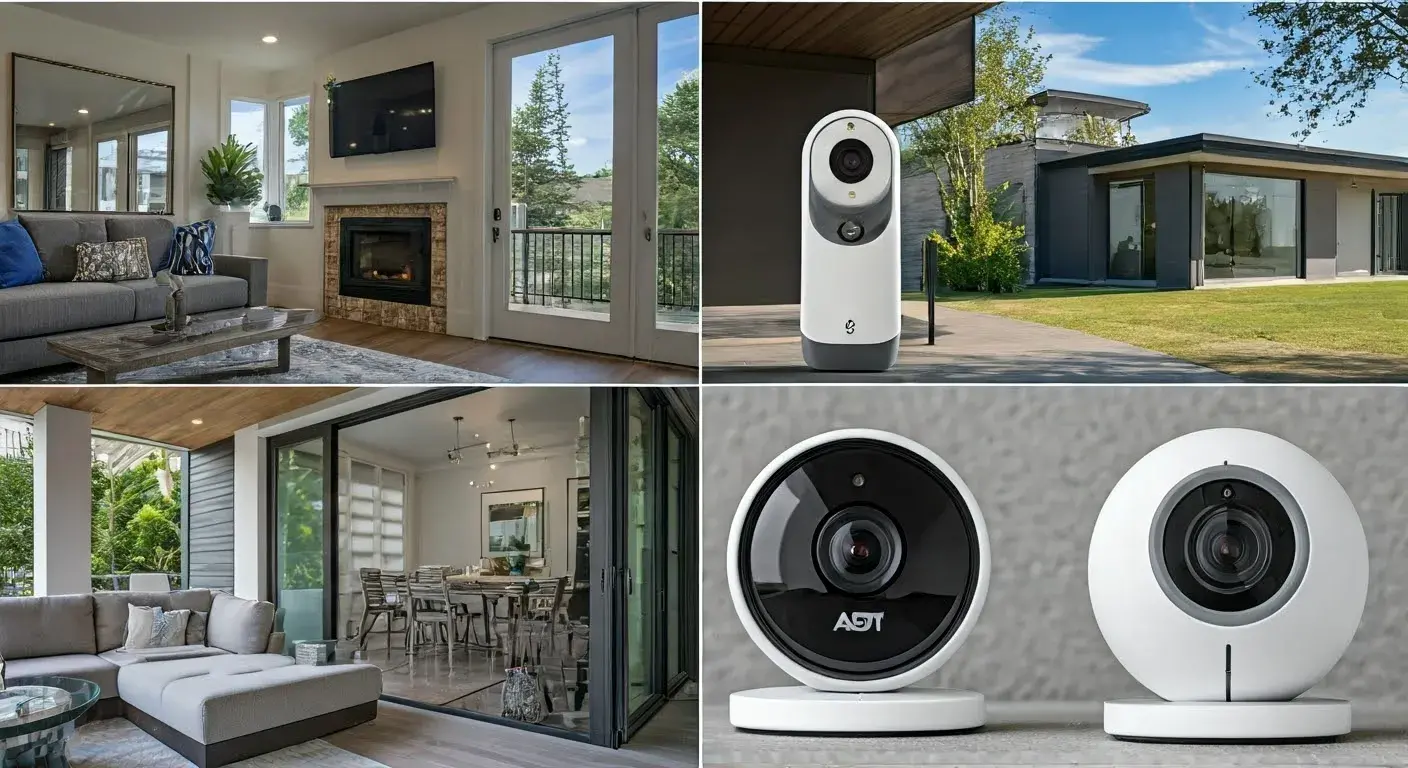
Security Cameras: ADT's own security cameras, or compatible third-party cameras, can be integrated to provide visual verification during alarm events. When an alarm is triggered, you can receive live video feeds or recorded clips directly through the ADT app, allowing you to assess the situation quickly. This can help prevent unnecessary police dispatches if the event is a false alarm.
Voice Assistants: As mentioned earlier, integration with voice assistants like Amazon Alexa and Google Assistant allows for voice control of your ADT system, including arming and disarming (with appropriate security protocols). This adds a layer of hands-free convenience.
How Integration Works:
Integration typically occurs through platforms like ADT Pulse or ADT Command, which support Z-Wave or Wi-Fi connectivity. You can manage these integrations through the ADT mobile app or the system's web portal. During installation or through a service call, an ADT technician can help you set up these connections and create custom automation rules (e.g., "If alarm triggered, then flash all lights and send video clip").
The benefits of integration are manifold: enhanced security through layered defenses, increased convenience through automation, and a more cohesive smart home experience where all devices work in harmony. As smart home technology continues to advance, ADT's commitment to integration ensures your security system remains at the forefront of home protection.
ADT Security Statistics and Trends (2025-26)
Understanding the current landscape of home security is crucial for appreciating the value of systems like ADT. Security statistics and emerging trends for 2025-26 highlight the increasing reliance on integrated, smart security solutions and the persistent need for professional monitoring.
Increased Adoption of Smart Home Security:
According to industry projections for 2025-26, the adoption of smart home security systems, which include connected cameras, smart locks, and alarm systems with mobile app control, continues to surge. A significant percentage of new home security installations now incorporate smart features. ADT's investment in platforms like ADT Command and Pulse positions them strongly in this trend, offering seamless integration of these technologies.
Professional Monitoring Remains Key:
Despite the rise of DIY security systems, the demand for professionally monitored security remains robust. Statistics from 2025 indicate that homes with professionally monitored systems are significantly less likely to experience property loss during a burglary compared to those with unmonitored systems. ADT's extensive network of monitoring centers provides 24/7 oversight, a critical factor for homeowners seeking the highest level of protection.
Growth in Video Surveillance:
The integration of video surveillance into home security systems is a dominant trend. ADT's offerings, including indoor and outdoor cameras with features like motion detection, night vision, and two-way audio, are increasingly sought after. Video verification can help reduce false alarms and provide crucial evidence in the event of an incident.
Cybersecurity Concerns:
As more devices connect to the internet, cybersecurity becomes paramount. For smart security systems, ensuring the protection of data and preventing unauthorized access is a major focus for providers like ADT. They are continuously enhancing their platforms to safeguard against cyber threats, providing encrypted communication and secure user authentication.
Focus on Environmental Monitoring:
Beyond intrusion detection, there's a growing emphasis on environmental monitoring. ADT systems increasingly integrate with smoke detectors, carbon monoxide detectors, and flood sensors. These life-safety devices provide critical alerts for fire, gas leaks, and water damage, offering comprehensive protection for the home and its occupants.
The Role of AI and Automation:
Artificial intelligence (AI) is playing a larger role in security. Features like intelligent motion detection that can differentiate between people, animals, and vehicles are becoming more common. Automation rules, where the security system interacts with other smart devices based on predefined conditions, are also expanding, creating more responsive and personalized home environments.
ADT's strategic direction for 2025-26 aligns with these trends, focusing on delivering smart, integrated, and professionally monitored security solutions that offer peace of mind in an increasingly connected world. The ability to arm your ADT alarm system effectively is the first step in leveraging this advanced protection.
Conclusion
Mastering how to arm your ADT alarm system is fundamental to leveraging its full protective capabilities. Whether you're using the intuitive keypad, the convenient mobile app, or advanced voice commands, understanding the 'Stay' and 'Away' modes ensures you're always applying the right level of security for your situation. Remember to always confirm your system is armed, especially before leaving your home or going to sleep, and to address any 'sensor not ready' alerts promptly to avoid potential gaps in coverage.
Regular system testing, keeping your contact information current with ADT, and educating all household members on proper usage are crucial best practices. By integrating your ADT system with other smart home devices, you can create a truly automated and responsive security ecosystem. As security trends for 2025-26 show a continued demand for smart, professionally monitored solutions, your ADT system stands as a pillar of reliable home protection. Arming your system confidently means embracing peace of mind, knowing your home and loved ones are safeguarded by advanced technology and dedicated monitoring.