How To Arm Adt Alarm Away ?
Mastering your ADT alarm system's "Away" mode is crucial for effective home security. This guide provides a comprehensive, step-by-step walkthrough on how to arm your ADT alarm when leaving your home, ensuring peace of mind and robust protection against intrusions. Learn the nuances of different arming methods and best practices for 2025-26.
Understanding ADT Away Mode
ADT's "Away" mode is a fundamental setting designed to provide comprehensive security when no one is expected to be inside the premises. Unlike "Stay" mode, which typically bypasses interior motion detectors to allow movement within the home, "Away" mode activates all sensors, including those inside, ensuring that any unauthorized entry or movement triggers an alarm. This is the most secure setting and is recommended for times when you are leaving your home for an extended period, whether for work, vacation, or any other reason.
The primary function of "Away" mode is to create a robust perimeter and internal security blanket. When you arm your system in this mode, ADT's sophisticated sensors are put on high alert. This includes door and window sensors, motion detectors, glass break sensors, and any other security devices integrated into your system. The system is designed to detect any breach of this security perimeter, immediately initiating the alarm sequence. This typically involves sounding a siren and, depending on your ADT service plan, alerting the ADT monitoring center, which can then dispatch emergency services.
It's important to differentiate "Away" mode from "Stay" mode. In "Stay" mode, motion detectors inside the home are usually deactivated. This allows residents to move freely within the house without triggering the alarm. However, door and window sensors remain active, providing protection against external breaches. "Away" mode, conversely, activates all sensors. This means that even if a door is opened from the inside or motion is detected in a hallway, the alarm will sound. This comprehensive coverage is what makes "Away" mode the go-to setting for when the house is empty.
The activation of "Away" mode is usually accompanied by an entry delay. This delay is a crucial feature that allows authorized users to enter the premises and disarm the system before the alarm is fully triggered. For example, when you return home, you'll have a set amount of time (e.g., 30-60 seconds) to enter your disarm code at the keypad. If the system is not disarmed within this period, the siren will sound, and the monitoring center will be notified. Similarly, when arming the system, there's often an exit delay, giving you time to leave the premises and close the door securely without triggering the alarm immediately.
Understanding these basic principles of "Away" mode is the first step towards effectively using your ADT system. It ensures that you are not only aware of how to arm the system but also why it's the appropriate setting for specific situations, maximizing its protective capabilities. For 2025-26, ADT continues to emphasize the importance of utilizing these core functions for optimal home security, with ongoing updates to system interfaces and user education to reinforce these practices.
Preparing to Arm Your ADT System
Before you can effectively arm your ADT alarm system in "Away" mode, a few preparatory steps are essential to ensure smooth operation and prevent false alarms. These steps are critical for maximizing the effectiveness of your security system and ensuring that it functions as intended when you need it most.
Firstly, ensure all entry points are secured. This means checking that all doors and windows that are equipped with ADT sensors are properly closed and latched. If a door or window is left ajar, the sensor will not register as closed, and the system will likely indicate a "trouble" or "bypass" condition, preventing you from arming the system or leaving it vulnerable. Walk through your home and visually confirm that all accessible windows and doors are shut. For older or less frequently used windows, a quick check can prevent a frustrating arming failure.
Secondly, be aware of any bypasses. Your ADT system allows you to bypass specific sensors if they are temporarily malfunctioning or if you have a reason to leave a particular door or window open (though this is not recommended when arming in "Away" mode). If a sensor is bypassed, it will not be monitored. You can typically check the system status on your keypad or through the ADT app to see if any sensors are currently bypassed. If you intend to arm in "Away" mode, ensure no essential sensors are bypassed. If a sensor is consistently causing issues, it's advisable to contact ADT support for repair or replacement.
Thirdly, ensure all household members are aware of the arming and disarming procedures. This includes knowing the security code, understanding the entry and exit delays, and recognizing the alarm sounds. In a household with multiple occupants, clear communication about when the system will be armed and how to disarm it is paramount. For instance, if children are old enough to understand, teaching them the disarm code and the importance of not tampering with the system is crucial. This prevents accidental triggers and ensures everyone can respond appropriately in an emergency.
Fourthly, consider pets. If you have pets that will remain inside the home when you are away, you'll need to configure your system accordingly. Standard motion detectors can be triggered by pets. ADT offers pet-immune motion detectors that can differentiate between human movement and that of animals up to a certain weight. If you have such sensors, ensure they are properly installed and calibrated. If you don't have pet-immune sensors, you might need to bypass them when arming in "Away" mode, which means internal motion detection will be compromised. This is a critical consideration for pet owners and a common point of confusion for new users.
Finally, check your system's battery backup. ADT systems are equipped with a backup battery that keeps the system operational during power outages. Over time, these batteries degrade and need replacement. A weak or failing battery can cause system malfunctions or prevent arming. Most ADT keypads will display a "low battery" or "trouble" message if the backup battery is nearing the end of its life. It's good practice to check your system's status periodically and address any trouble notifications promptly. For 2025-26, ADT recommends annual checks of system components, including the backup battery, to ensure optimal performance.
By taking these preparatory steps, you significantly reduce the chances of encountering issues when arming your ADT system in "Away" mode, ensuring your home is adequately protected.
How to Arm ADT Alarm Away: Step-by-Step Guides
Arming your ADT alarm system in "Away" mode is a straightforward process, but the exact steps can vary slightly depending on the control panel model and the specific ADT service package you have. However, the core principles remain consistent. This section provides detailed, step-by-step instructions for the most common methods of arming your ADT alarm system when you are leaving your home.
Arming via ADT Keypad
The ADT keypad is the most traditional and often the most direct way to arm your system. Most ADT keypads feature a user-friendly interface with clearly labeled buttons. Here’s how to arm your system in "Away" mode:
- Ensure all doors and windows are closed: As mentioned in the preparation section, this is crucial. The keypad will usually indicate if a zone is open.
- Enter your 4-digit security code: This is your primary disarm/arm code. After entering the code, you might press an "Arm" or "Away" button, or the system might prompt you automatically.
- Select "Away" mode: On many keypads, after entering your code, you'll see options like "Stay," "Away," "Bypass," etc. Press the button or select the option corresponding to "Away."
- Observe the exit delay: Once you've selected "Away," the system will typically initiate an exit delay. This is a countdown period (e.g., 30-60 seconds) that allows you to leave the premises. The keypad will usually display the remaining time.
- Exit and close the door: During the exit delay, leave your home and close the main entry door behind you.
- System arms: After the exit delay expires, the system will confirm it is armed, often with a beep or a message on the keypad display.
Example: If your code is 1234, you would press '1', '2', '3', '4', then the 'AWAY' button. The keypad will show "Exit Delay: 45 seconds." You then leave and close the door.
Arming via ADT App or Web Portal
ADT offers sophisticated mobile applications and web portals that allow you to control your security system remotely. This is a convenient option for arming your system before you even leave the house or if you forget to arm it as you depart.
- Open the ADT App or log in to the ADT Web Portal: Ensure you have the ADT Pulse app installed on your smartphone or tablet, or access the ADT customer portal via your web browser.
- Log in with your credentials: Use your ADT username and password to access your account.
- Navigate to the "Arm/Disarm" section: Look for a prominent button or menu option that controls the system's armed status.
- Select "Away" mode: You will typically see options to arm in "Stay" or "Away" mode. Choose "Away."
- Confirm the action: The app or portal will usually ask you to confirm your selection.
- System arms remotely: Once confirmed, the system will arm remotely. You will often receive a notification confirming that the system is now armed in "Away" mode.
Example: Open the ADT Pulse app, tap on your security system, select "Arm Away," and then tap "Confirm." You'll get a push notification: "Your ADT system is now armed in Away mode."
Arming via ADT Remote Control
Some ADT systems come with a key fob or remote control. This is a compact device that allows you to arm and disarm your system with the press of a button, similar to a car alarm remote.
- Ensure you are within range: Stand a reasonable distance from your home, typically within the range of the remote's signal.
- Press the "Arm Away" button: Most ADT remotes have distinct buttons for "Arm Away," "Arm Stay," and "Disarm." Press and hold the "Arm Away" button.
- Observe system feedback: The system will usually provide audible or visual feedback to confirm the action. This might include a series of beeps from the control panel or flashing lights on the keypad.
- System arms: The system will then arm, often with a brief exit delay.
Example: Walking to your car, press and hold the 'Lock' or 'Away' button on your ADT key fob. You'll hear the external siren chirp twice, indicating the system is armed in "Away" mode.
It is essential to familiarize yourself with your specific ADT control panel model and its associated features. If you are unsure about any steps, consult your ADT user manual or contact ADT customer support. For 2025-26, ADT is continuously enhancing the user experience across all these arming methods, aiming for greater simplicity and accessibility.
Troubleshooting Common Arming Issues
Encountering issues when trying to arm your ADT alarm system is not uncommon. Fortunately, most problems are easily resolvable with a bit of troubleshooting. Understanding the common culprits can save you time and frustration. Here are some of the most frequent issues and how to address them:
System Won't Arm At All
Cause: An open zone. This is the most frequent reason for an ADT system refusing to arm. An "open zone" means a door or window sensor is not registering as closed, or a motion detector has been triggered.
Solution:
- Check all doors and windows: Walk through your home and ensure every door and window is fully closed and latched. Pay attention to basement windows, garage doors, and pet doors, which are often overlooked.
- Check motion detectors: If you have motion detectors, ensure there's no movement in their vicinity. Pets, curtains blowing in the wind, or even a quickly moving shadow can sometimes trigger them.
- Check the keypad for error messages: Your ADT keypad will typically display a message indicating which zone is open (e.g., "Zone 3 Open," "Front Door Open"). Use this information to pinpoint the problem area.
- Bypass the zone (temporarily): If you absolutely must arm the system and cannot resolve the open zone immediately (e.g., a window is stuck open), you can bypass that specific zone. On most keypads, this involves pressing a "Bypass" button, then entering the zone number, and confirming. However, remember that a bypassed zone is not protected, so this should be a temporary measure.
System Shows "Trouble" Light
Cause: A "trouble" light indicates a system malfunction or a condition that requires attention. Common causes include a low backup battery, a communication issue with the monitoring center, or a sensor fault.
Solution:
- Check the keypad display: The keypad will usually provide a specific trouble code or message (e.g., "Low Battery," "Comm Failure," "Sensor Fault").
- Low Battery: If the message indicates a low battery, it's time to replace the backup battery. You can usually do this yourself or schedule a service call with ADT.
- Communication Failure: If you see a "Comm Failure" message, it means the system cannot communicate with the ADT monitoring center. This could be due to a power outage, a cut phone line (for older systems), or an issue with your internet connection (for IP-based systems). Check your internet modem/router and phone line. If the issue persists, contact ADT.
- Sensor Fault: A "Sensor Fault" message indicates a problem with a specific sensor. It might be malfunctioning, have a loose connection, or its battery might be low. Note the zone number and contact ADT for service.
False Alarms When Arming
Cause: This usually happens when the exit delay is too short, or if someone accidentally triggers a sensor after the system has armed.
Solution:
- Adjust exit delay: If your exit delay is consistently too short for you to leave, you can usually adjust it through the system's installer or advanced user menu (consult your manual or ADT).
- Ensure proper arming: Double-check that you are pressing the correct "Away" button and that the system has fully armed after the exit delay.
- Educate household members: Make sure everyone in the household knows the disarm code and the procedure for disarming the system immediately upon entering.
System Does Not Respond to Keypad
Cause: This could be due to a power issue, a keypad malfunction, or a system lock-out.
Solution:
- Check power: Ensure the main power to your ADT system is on. Check your circuit breaker box to see if the breaker for the alarm system has tripped.
- Reboot the system: Sometimes, a simple reboot can resolve minor glitches. This usually involves unplugging the transformer for the alarm system and temporarily removing the backup battery. Consult your ADT manual for the correct reboot procedure for your specific model.
- Contact ADT: If the keypad remains unresponsive, there might be a hardware issue with the keypad or the main control panel, requiring professional service.
For 2025-26, ADT continues to refine its troubleshooting resources, including in-app guides and AI-powered support bots, to help users resolve common issues quickly and efficiently.
Best Practices for Arming and Disarming
Effective use of your ADT alarm system goes beyond just knowing the steps to arm and disarm. Implementing best practices ensures optimal security, minimizes false alarms, and prolongs the life of your system. Here are key practices to adopt for 2025-26:
Use Unique and Strong Codes
Importance: Your security code is the key to your home's protection. Using a weak or easily guessable code compromises your entire system. For example, codes like '1234', '0000', or your birthdate are highly insecure.
Practice:
- Choose a 4-digit code that is not easily associated with you (e.g., not your birthday, anniversary, or house number).
- Avoid sequential numbers or repeating digits.
- Change your code periodically, especially if you suspect it may have been compromised or if former residents or service personnel who knew the code are no longer associated with your home.
- ADT systems often allow for multiple user codes. Assign unique codes to family members and service providers (if necessary) and manage them carefully.
Understand Exit and Entry Delays
Importance: These delays are designed for your convenience and to prevent accidental alarms. Misunderstanding them can lead to false alarms or system bypass.
Practice:
- Exit Delay: Know the exact duration of your exit delay. Use this time to leave your home and secure the door without triggering the alarm. Do not linger inside after initiating the arming sequence.
- Entry Delay: Upon returning home, your priority should be to disarm the system immediately. Know your entry delay time and walk directly to the keypad to enter your code. If you have multiple entry doors, know which one has the entry delay assigned to it.
- Adjust if necessary: If your standard exit delay is consistently too short for you to leave comfortably, consider having it adjusted by ADT to a slightly longer period.
Regularly Test Your System
Importance: Like any electronic system, your ADT alarm can develop issues over time. Regular testing ensures it's in working order.
Practice:
- Silent Test Mode: Most ADT systems have a "test mode" that you can activate by calling ADT's monitoring center. This allows you to trigger sensors and test the system without dispatching emergency services.
- Frequency: ADT recommends testing your system at least quarterly, or after any significant event like a power surge or prolonged power outage.
- Check all sensors: During a test, systematically trigger each sensor (open doors/windows, walk in front of motion detectors) and confirm that the keypad registers the event.
Utilize the ADT App and Notifications
Importance: The ADT app provides real-time status updates and remote control capabilities, enhancing your security management.
Practice:
- Enable push notifications: Configure your ADT app to send you push notifications for critical events, such as system arming/disarming, alarm triggers, and system trouble alerts.
- Remote arming/disarming: Use the app to arm your system if you forget as you leave, or disarm it remotely for a trusted visitor if you won't be home.
- Check system history: The app often provides a log of system events, which can be useful for troubleshooting or understanding activity patterns.
Educate All Household Members
Importance: A security system is only as effective as the people who use it. Everyone in the household needs to understand its operation.
Practice:
- Ensure all adults and older children know the primary security code and how to arm/disarm the system.
- Explain the difference between "Stay" and "Away" modes and when to use each.
- Teach them what to do in case of an accidental alarm.
- For younger children, explain that the system is for safety and not to be played with.
Consider Pet-Immune Sensors
Importance: If you have pets, standard motion detectors can lead to false alarms. Pet-immune sensors are designed to mitigate this.
Practice:
- If you have pets that will be home when the system is armed in "Away" mode, inquire with ADT about upgrading to pet-immune motion detectors.
- Ensure these sensors are installed and calibrated correctly according to your pet's weight and size.
- If pet-immune sensors are not an option, you may need to bypass motion detectors when arming in "Away" mode, relying on door and window sensors for perimeter protection.
By consistently applying these best practices, you can ensure your ADT alarm system provides reliable protection and peace of mind. For 2025-26, ADT continues to emphasize user education as a cornerstone of effective home security.
ADT System Maintenance and Updates (2025-26)
Maintaining your ADT alarm system and staying informed about updates are crucial for ensuring its continued effectiveness and security. In the rapidly evolving landscape of home security technology, proactive maintenance and awareness of system enhancements are key. For the 2025-26 period, ADT is focusing on several areas to improve user experience and system reliability.
Regular Professional Inspections
Importance: While you can perform basic tests, a professional inspection by an ADT technician can identify subtle issues that might be missed. These inspections ensure all components are functioning optimally and that the system meets current security standards.
Practice:
- Schedule an annual professional inspection with ADT. This service call can include checking sensor calibration, battery health, wiring integrity, and communication pathways.
- Discuss any concerns or observed issues with the technician during the inspection.
- Ensure the technician updates any firmware or software on your control panel and connected devices if available.
Battery Replacement Schedule
Importance: The backup battery in your ADT control panel is critical for maintaining system operation during power outages. Its lifespan is typically 3-5 years, depending on usage and environmental factors.
Practice:
- Keep track of when your backup battery was last replaced.
- Pay attention to "Low Battery" or "Trouble" alerts on your keypad. Do not ignore these warnings, as a dead battery can render your system inoperable.
- ADT can schedule battery replacements for you, or if you are comfortable, you can purchase a compatible battery and replace it yourself following the user manual's instructions.
Software and Firmware Updates
Importance: ADT regularly releases software and firmware updates for its control panels, keypads, and connected devices. These updates often include security patches, performance enhancements, and new features.
Practice:
- Automatic Updates: Many modern ADT systems are configured for automatic updates, especially those connected via broadband internet. Ensure your system has a stable internet connection if it relies on this method.
- Manual Updates: For older systems or specific components, updates might need to be performed manually by an ADT technician during a service visit.
- Stay Informed: Check your ADT account portal or contact customer support periodically to inquire about available updates for your specific system model.
Integration with Smart Home Devices
Importance: For 2025-26, the trend towards integrated smart homes continues. ADT systems are increasingly designed to work with other smart devices, offering enhanced convenience and automation.
Practice:
- Explore compatible devices: If you have a newer ADT system (like ADT Command or Control), explore compatible smart locks, thermostats, lighting, and cameras that can be integrated.
- Understand the benefits: Integration allows for scenarios like your alarm system automatically adjusting your thermostat when armed, or lights turning on when an alarm is triggered.
- Consult ADT: Discuss potential smart home integrations with your ADT representative to ensure compatibility and proper setup.
Cybersecurity Awareness
Importance: As security systems become more connected, cybersecurity becomes paramount. Protecting your system from unauthorized access is crucial.
Practice:
- Secure your Wi-Fi network: If your ADT system uses Wi-Fi for communication, ensure your home Wi-Fi network is secured with a strong, unique password and WPA2/WPA3 encryption.
- Use strong passwords for online accounts: Protect your ADT customer portal and app login credentials with strong, unique passwords. Enable two-factor authentication if available.
- Be cautious of phishing attempts: Never share your security code or account information in response to unsolicited emails or calls. ADT will never ask for your full security code via email.
By staying proactive with maintenance and embracing technological advancements, you can ensure your ADT system remains a robust and reliable guardian of your home. For 2025-26, ADT is committed to providing secure, up-to-date solutions for its customers.
Advanced ADT Features for Away Mode
Beyond the basic arming and disarming, ADT offers several advanced features that can enhance the effectiveness and convenience of your "Away" mode. These features leverage technology to provide greater control, awareness, and security. For 2025-26, ADT continues to integrate these capabilities into its core offerings.
Video Monitoring and Verification
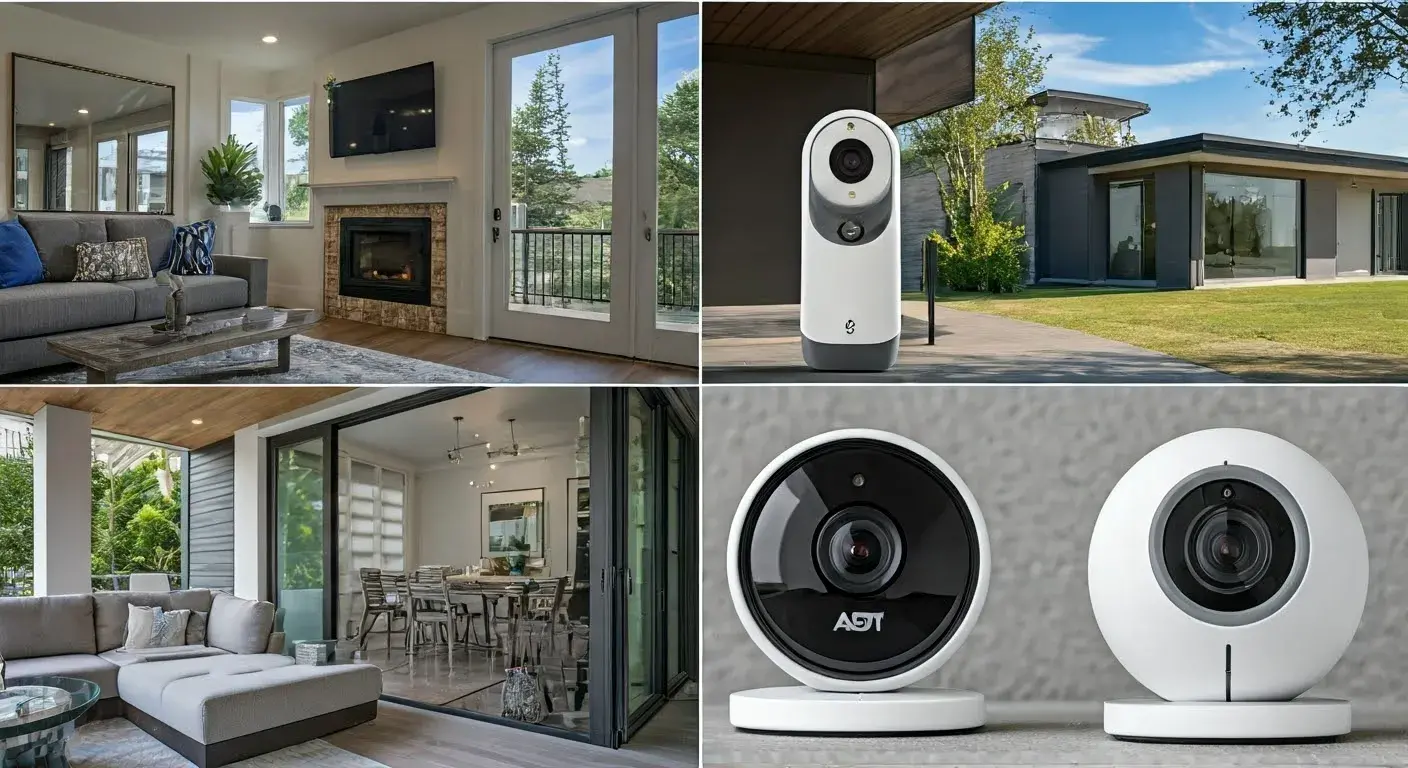
How it enhances Away Mode: When your ADT system is armed in "Away" mode and an alarm is triggered, integrated ADT security cameras can capture video footage of the event. This footage can be sent to the ADT monitoring center for verification.
Benefits:
- Faster Response: Verified alarms often receive priority from law enforcement, leading to a quicker response time.
- Reduced False Alarms: Video verification helps ADT confirm that an actual intrusion is occurring, preventing unnecessary dispatches for false alarms.
- Evidence Collection: The recorded footage serves as crucial evidence for investigations and insurance claims.
Implementation: This requires ADT-branded cameras or compatible third-party cameras integrated with your ADT system. Ensure your ADT service plan includes video monitoring capabilities.
Smart Home Automation Rules
How it enhances Away Mode: With integrated smart home devices, you can create automated rules that trigger when you arm your system in "Away" mode.
Examples:
- Lighting Control: Automatically turn off all lights in the house, or set specific lights to turn on at dusk for a "lived-in" look.
- Thermostat Adjustment: Set your smart thermostat to an energy-saving "away" temperature to reduce utility costs.
- Smart Lock Integration: Ensure all smart locks are automatically locked when the system is armed.
- Garage Door Closure: Automatically close your smart garage door if it's left open.
Implementation: This requires compatible smart home devices (lights, locks, thermostats, etc.) and an ADT system that supports smart home integration, such as ADT Command or ADT Control.
Geofencing Arm Reminders
How it enhances Away Mode: Geofencing uses your smartphone's location services to create a virtual boundary around your home. When your smartphone leaves this boundary, your ADT app can send you a reminder to arm your system.
Benefits:
- Prevents Forgotten Arming: This is incredibly useful for busy individuals who might forget to arm their system as they rush out the door.
- Peace of Mind: Knowing you've been prompted to secure your home can offer significant peace of mind.
Implementation: This feature is typically available through the ADT mobile app. You'll need to enable location services for the app and set up your home's geofence boundary.
Remote Diagnostics and Support
How it enhances Away Mode: For 2025-26, ADT is expanding its capabilities for remote system diagnostics. This means ADT technicians can often diagnose and sometimes even resolve system issues without needing to visit your home.
Benefits:
- Faster Issue Resolution: Problems can be identified and fixed more quickly, minimizing downtime for your security system.
- Reduced Service Costs: Many minor issues can be resolved remotely, potentially saving you on service call fees.
- Proactive Maintenance: ADT can sometimes detect potential issues before they become critical and alert you or schedule a remote fix.
Implementation: This relies on your ADT system being connected to ADT's network, often via broadband internet or cellular communication.
Emergency Panic Buttons
How it enhances Away Mode: While not directly related to arming, panic buttons (physical devices or features within the app) are crucial for immediate emergency alerts. When armed in "Away" mode, pressing a panic button can trigger an immediate alarm and notify the monitoring center, even if no other sensor is tripped.
Types:
- Fixed Panic Buttons: Often located on keypads or as separate wall-mounted units.
- Portable Panic Buttons: Small fobs that can be carried on a keychain.
- Mobile App Panic: A dedicated button within the ADT app.
Implementation: Ensure you have panic buttons installed and that they are configured to work with your system. Understand the different types of panic signals (e.g., police, fire, medical) if your system supports them.
These advanced features transform your ADT system from a simple alarm into a comprehensive smart security solution. By understanding and utilizing them, you can significantly bolster your home's security and convenience, especially when your home is unoccupied. For 2025-26, ADT is committed to integrating these cutting-edge technologies to provide unparalleled protection.
Conclusion: Maximizing Your ADT Security
Mastering how to arm your ADT alarm system in "Away" mode is fundamental to securing your home effectively. By understanding the purpose of this mode, preparing your system, and following the step-by-step guides for arming via keypad, app, or remote, you ensure your property is protected when you're not there. We've explored common troubleshooting tips to overcome any potential hurdles and highlighted best practices, from using strong codes to educating household members, all of which contribute to a more reliable and secure system.
Furthermore, staying informed about ADT system maintenance and updates for 2025-26, including professional inspections and battery management, is crucial for long-term performance. The integration of advanced features like video monitoring, smart home automation, geofencing reminders, and remote diagnostics offers unparalleled control and peace of mind. These technologies empower you to manage your home security proactively and efficiently, transforming your ADT system into a truly intelligent guardian.
To maximize your ADT security, always ensure your system is armed in "Away" mode when leaving your home unoccupied. Regularly test your system, keep your security codes confidential, and familiarize yourself with all available features. For ongoing peace of mind and to leverage the latest advancements, consider discussing your security needs with an ADT professional to explore the most suitable configurations and upgrades for your home in 2025-26 and beyond. Your vigilance and understanding are the most powerful tools in your home security arsenal.