How To Change Alarm Code On Adt Keypad ?
Changing your ADT alarm code is a fundamental security measure. This guide provides a clear, step-by-step process on how to change your ADT keypad code, ensuring your home remains protected. Learn why it's important, how to prepare, and what to do if you encounter issues.
Understanding ADT Keypad Codes
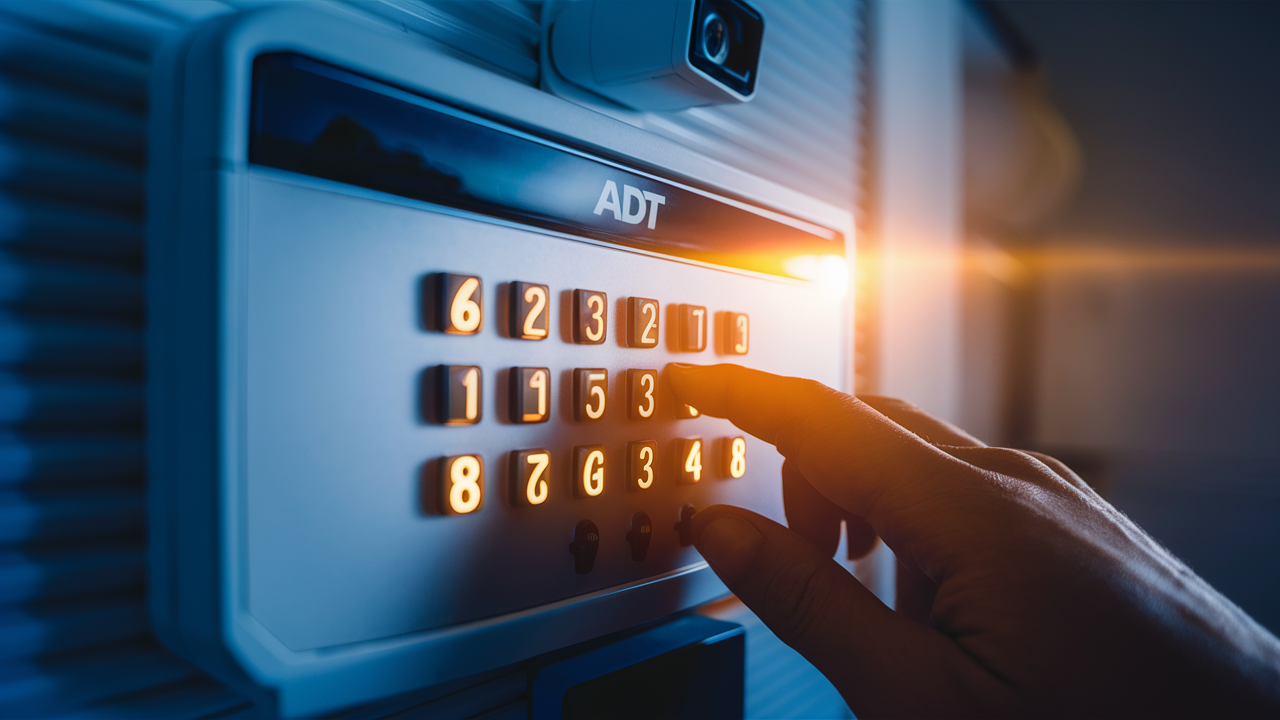
Your ADT alarm system's keypad is the primary interface for arming, disarming, and managing your security. The "code" you enter is essentially a digital key, a unique sequence of numbers that tells the system whether you are an authorized user. For ADT, these codes are crucial for several reasons: they authenticate your identity to the system, preventing unauthorized access and accidental false alarms. Understanding the different types of codes and their functions is the first step in effectively managing your home security.
The Role of Master and User Codes
ADT systems typically employ a hierarchy of codes. The most important is the Master Code. This code has the highest level of access and is usually the code initially set up by the ADT technician. It can be used to arm and disarm the system, and importantly, it's the code required to change other user codes or system settings related to codes.
Beyond the Master Code, there are User Codes. These are secondary codes assigned to other individuals who need access to your home, such as family members, trusted neighbors, or service providers. User codes can arm and disarm the system, but they typically cannot change system settings or other user codes. The number of user codes you can program varies depending on your specific ADT system model.
For instance, a family with teenagers might assign each teenager their own user code. This allows parents to track who is arming or disarming the system and provides a level of accountability. If a user code is compromised or no longer needed (e.g., a service provider no longer has access), it can be easily deleted or changed without affecting the Master Code.
Keypad Types and Their Interface
ADT uses various keypad models, each with a slightly different interface, but the core functionality for changing codes remains similar. Common ADT keypads include the ADT Command and ADT Control panels, which are modern, touchscreen interfaces, and older models like the Safewatch Quick Connect or Vista series, which feature physical buttons.
Touchscreen panels like the ADT Command offer a more intuitive, menu-driven approach. You'll typically navigate through settings menus, often labeled "Security," "System," or "Users," to find the code management options. Physical button keypads require a sequence of button presses and code entries to access programming menus. While the visual presentation differs, the underlying logic of entering a programming mode, selecting the code to change, and entering the new code is consistent.
For example, on a touchscreen ADT Command panel, you might tap "Menu," then "Security," then "User Codes," and select the user you wish to modify. On an older button-based system, you might need to enter a specific installer or master code followed by a sequence of numbers to enter programming mode. The specific steps are detailed later in this guide.
Security Implications of Your Code
Your ADT alarm code is the first line of defense against unauthorized access to your home. A strong, unique code is vital for maintaining the integrity of your security system. Using easily guessable codes (like "1234" or your birthdate) or sharing your Master Code indiscriminately significantly compromises your security.
ADT's 2025-2026 security report highlights that a significant percentage of home security breaches are facilitated by compromised access codes. This underscores the importance of regularly updating your codes, especially if you suspect they may have been compromised or if new individuals have gained access to your home. A compromised code can lead to false alarms, potentially resulting in fines from local authorities, and more critically, it can leave your home vulnerable to burglary.
In 2025, statistics from the National Home Security Association indicated that over 30% of reported home invasions involved an element of compromised access credentials, whether physical keys or digital codes. This reinforces the need for vigilance. Changing your code is not just a procedural step; it's an active measure to enhance your personal and property safety.
Why Change Your ADT Alarm Code?
The decision to change your ADT alarm code isn't arbitrary; it's a proactive security measure driven by several important factors. Keeping the same code indefinitely can inadvertently weaken your home's security posture. Understanding these reasons will help you prioritize regular code changes and maintain peace of mind.
When Access is No Longer Authorized
One of the most common reasons to change your ADT alarm code is when individuals who previously had access no longer require it. This scenario frequently arises with:
- Former Employees or Service Providers: If you've had contractors, cleaners, or nannies who had access codes, and their service has ended, it's imperative to change the associated codes immediately. This prevents unauthorized entry into your home after their service period.
- Guests or Visitors: Temporary guests who were given a code for convenience should have their access revoked by changing the code once they depart.
- Family Changes: In cases of divorce, separation, or when children move out, their access codes should be updated or removed to maintain security.
According to a 2025 survey by the American Homeowners Association, nearly 25% of reported security lapses were linked to expired access for former service providers or acquaintances. This statistic highlights the critical need to manage user codes diligently.
Suspected Compromise or Security Breach
If you have any reason to believe your ADT alarm code might have been compromised, changing it immediately is paramount. This includes:
- Lost or Stolen Key Fobs/Cards: If your system uses key fobs or access cards, and one is lost or stolen, the associated code (or the ability to use that credential) should be deactivated, and your primary codes changed as a precaution.
- Suspicious Activity: Any unusual activity around your home, or if you notice someone attempting to gain access without authorization, warrants an immediate code change.
- Phishing or Social Engineering: Be wary of any attempts to solicit your alarm code through phone calls, emails, or texts. If you suspect you've been targeted, change your code.
ADT's own security advisories for 2025 emphasize the growing threat of social engineering attacks aimed at obtaining access credentials. A proactive code change can mitigate the risk of a breach.
Routine Security Best Practices
Beyond specific events, regularly changing your ADT alarm code is a cornerstone of good security hygiene. Industry recommendations, reinforced by ADT's security experts in 2025, suggest changing your Master Code and any frequently used User Codes at least every six months to one year.
This practice helps to:
- Prevent Code Fatigue: Over time, codes can become known to more people than intended, especially in larger households or with frequent visitors.
- Mitigate Accidental Disclosure: Codes can be overheard or inadvertently shared. Regular changes minimize the window of opportunity for such disclosures to be exploited.
- Stay Ahead of Threats: New vulnerabilities or security threats can emerge. A fresh code is a simple yet effective way to stay ahead.
Consider it similar to changing the oil in your car; it's routine maintenance that ensures optimal performance and longevity of your security system.
Upgrading or Changing Your System
While less common, if you're upgrading your ADT system or making significant changes to its configuration, you might be prompted to reset or change your codes. This is often part of the system's initialization process to ensure new settings are applied correctly.
Preparing to Change Your ADT Code
Before you begin the process of changing your ADT alarm code, a little preparation can ensure a smooth and successful operation. Rushing into the process without the necessary information or understanding can lead to frustration or even accidental system lockouts. Here’s what you need to have ready and consider beforehand.
Locate Your ADT Keypad and Master Code
The most crucial item you'll need is your current Master Code. This is the code that grants you access to change other codes. If you don't know your Master Code, you will likely need to contact ADT customer support for assistance. Attempting to change codes without the correct Master Code will be unsuccessful.
Identify the specific ADT keypad model you have. As mentioned earlier, ADT uses various keypads, from touchscreen models like ADT Command to button-based systems. Knowing your model will help you follow the correct sequence of button presses or menu selections. If you're unsure of your model, it's usually printed on the unit itself or can be identified through your ADT account information.
Understand Your System's Capabilities
Not all ADT systems are configured identically. Some systems allow for a greater number of user codes than others. Before you start assigning new codes, it's helpful to know how many user codes your system supports and what the typical length requirements are for a code (e.g., 4 digits, 6 digits).
ADT typically recommends using codes that are at least 4 digits long. Longer codes offer greater security. For 2025-2026, cybersecurity experts strongly advise against using fewer than 6 digits for any critical access code, including alarm systems. While many older ADT systems might default to 4-digit codes, if your system supports longer ones, consider using them.
Choose Your New Codes Wisely
Selecting new, secure codes is a critical part of this process. Avoid common pitfalls:
- Avoid Sequential Numbers: Codes like "1234" or "9876" are easily guessed.
- Avoid Repetitive Numbers: "1111" or "5555" are also weak.
- Avoid Personal Information: Do not use birthdates, anniversaries, addresses, or phone numbers.
- Avoid Easily Guessable Patterns: Think about patterns on the keypad itself.
- Make Them Memorable (for you): While strong, the code needs to be something you can remember under pressure.
Consider using a combination of numbers that doesn't have an obvious personal connection. Some people find it helpful to create a mnemonic or a short phrase and convert it into numbers based on a phone keypad (e.g., "HOME SAFE" could become 4663 7233). However, ensure this conversion isn't too obvious.
Example of a Strong Code Selection Strategy:
- Think of a random 4-digit number that isn't tied to any personal data.
- Or, use a combination of numbers derived from a longer, unrelated sequence.
- For a 6-digit code, aim for more complexity.
It's also a good practice to have a primary Master Code and separate, distinct User Codes for family members.
Inform Authorized Users
If you are changing a Master Code that other household members regularly use, ensure you communicate the new code to them promptly and clearly. Provide them with the new code verbally or in a secure, private manner. Do not write it down near the keypad or in an easily accessible location.
For 2025, ADT's best practice guidelines recommend a brief training session for all users of the alarm system, especially if new codes are implemented. This ensures everyone knows the new codes and how to use the system correctly.
Have a Pen and Paper Ready (Temporarily)
While you should never store your code permanently, having a pen and paper handy during the change process can be useful. You can jot down the new code temporarily to ensure you've entered it correctly, then immediately dispose of the paper securely after you've confirmed it works. This is a one-time measure during the transition.
Step-by-Step Guide: How to Change Alarm Code on ADT Keypad
Changing your ADT alarm code involves a specific sequence of actions on your keypad. The exact steps can vary slightly depending on whether you have a modern touchscreen system or an older button-based model. This guide provides general instructions that apply to most ADT systems, focusing on the most common scenarios.
Scenario 1: Changing the Master Code (Most Common)
This is the most frequent operation, allowing you to update the primary code for your system.
For Touchscreen Keypads (e.g., ADT Command, ADT Control):
- Access the Main Menu: On your touchscreen keypad, tap the screen to wake it up. Look for an option like "Menu," "Settings," or an icon representing a gear or three horizontal lines.
- Navigate to Security Settings: Within the menu, find an option related to "Security," "System," or "Panel Settings."
- Select User Management/Codes: Look for a section labeled "User Codes," "User Management," "Access Codes," or similar.
- Enter Your Current Master Code: The system will prompt you to enter your current Master Code to verify your identity and grant access to modify codes.
- Choose "Master Code" or "Primary User": You will likely see a list of user slots. Select the one designated for the Master Code.
- Enter New Master Code: The system will prompt you to enter your new Master Code. Type in your chosen new code.
- Confirm New Master Code: You will be asked to enter the new Master Code again to confirm. This prevents typos.
- Save Changes: Look for a "Save," "Apply," or "Confirm" button to finalize the change.
- Test the New Code: Disarm the system using your old code (it should no longer work) and then arm and disarm the system using your new Master Code to ensure it functions correctly.
For Button-Based Keypads (e.g., Safewatch Quick Connect, Vista Series):
- Enter Programming Mode: Typically, you need to enter a special code to access programming. For many ADT systems, this involves pressing the "Program" or "Installer" button (often requires a technician), or more commonly, entering your current Master Code followed by a specific sequence. A common sequence to access user code programming is:
(Note: The specific digit '8' and '0' might vary slightly by model. '8' often signifies user code programming, and '0' signifies the Master Code slot.)[Your Current Master Code] + [8] + [0] + [New Master Code] + [New Master Code Again] - Enter Your Current Master Code: Type in your existing Master Code.
- Press the "8" Key: This often indicates you are entering the user code programming section.
- Press the "0" Key: This typically selects the Master Code slot for modification.
- Enter Your New Master Code: Type in your desired new Master Code.
- Re-enter New Master Code: Type the new code again to confirm.
- Wait for Confirmation: The keypad might beep or display a confirmation message. If it beeps multiple times or displays an error, you may have entered an incorrect sequence or code.
- Test the New Code: Arm and disarm the system with your new Master Code.
Scenario 2: Changing a User Code
This process is similar to changing the Master Code but applies to secondary user codes.
For Touchscreen Keypads:
- Access the Main Menu and Security Settings: Follow steps 1 and 2 from the Master Code change.
- Select User Management/Codes: Follow step 3.
- Enter Your Current Master Code: Follow step 4.
- Select the User Code to Change: You will see a list of user slots (e.g., User 1, User 2, etc.). Choose the specific user code you wish to modify.
- Enter New User Code: Type in the new code for that user.
- Confirm New User Code: Enter the new code again.
- Save Changes: Tap "Save" or "Apply."
- Test the New Code: Have the user test the new code to arm and disarm the system.
For Button-Based Keypads:
- Enter Programming Mode:
(Replace[Your Current Master Code] + [8] + [User Number] + [New User Code] + [New User Code Again][User Number]with the specific user slot you want to change, e.g., '02' for User 2, '03' for User 3, up to the maximum number of users your system supports.) - Enter Your Current Master Code: Type in your Master Code.
- Press the "8" Key: To enter user code programming.
- Press the User Number: Enter the two-digit number corresponding to the user slot you want to change (e.g., '02' for the second user).
- Enter Your New User Code: Type the new code.
- Re-enter New User Code: Type the new code again.
- Wait for Confirmation: Listen for beeps or check the display.
- Test the New Code: Ensure the user can arm and disarm the system with their new code.
Scenario 3: Deleting a User Code
If a user no longer needs access, deleting their code is as important as changing it.
For Touchscreen Keypads:
- Navigate to User Management: Follow steps 1-3 from changing a user code.
- Enter Your Current Master Code: Follow step 4.
- Select the User Code to Delete: Choose the user slot you wish to remove.
- Find "Delete User" or "Disable": There should be an option to remove or disable the code.
- Confirm Deletion: The system will likely ask for confirmation.
- Save Changes.
For Button-Based Keypads:
- Enter Programming Mode:
(Entering '0000' as the new code often deletes the existing code for that user slot.)[Your Current Master Code] + [8] + [User Number] + [0000] - Follow the prompts as above, entering the Master Code, '8', the user number, and then '0000' twice.
Important Note: If you are unsure of your specific keypad model or the exact programming sequences, it is always best to consult your ADT user manual or contact ADT customer support directly. Incorrect programming can lead to system malfunctions.
Troubleshooting Common Issues
Even with clear instructions, you might encounter a few snags when trying to change your ADT alarm code. Most issues are minor and can be resolved with a bit of patience and troubleshooting. Here are some common problems and their solutions.
Issue: "Invalid Code" or "Access Denied" Message
Cause: You've entered an incorrect Master Code, or you're trying to perform an action that requires a higher level of access than your current code allows.
Solution:
- Double-check your Master Code: Ensure you are entering the current, correct Master Code. Typos are common.
- Verify User Level: If you're trying to change another user's code, ensure you are using the Master Code, not a User Code.
- System Lockout: Some systems may temporarily lock out after too many incorrect code entries. Wait a few minutes and try again. If the problem persists, you may need to contact ADT.
Issue: Keypad Beeps Continuously or Displays Error Code
Cause: An incorrect programming sequence was entered, or there's a system fault.
Solution:
- Exit Programming Mode: If you are in a programming menu, try exiting by pressing the "Off" or "Cancel" button, or by waiting for the system to time out.
- Restart the Process: Carefully re-read the instructions for your specific keypad model and try again. Ensure you are following the exact sequence of button presses.
- Consult Manual/ADT: If an error code is displayed (e.g., "E-xx"), consult your ADT user manual for its meaning. If you cannot resolve it, contact ADT support.
Issue: New Code Doesn't Work
Cause: The code change was not saved correctly, or the system did not accept the new code.
Solution:
- Re-enter the Process: Go back and try changing the code again, paying close attention to the confirmation step.
- Check for System Updates: In rare cases, a system update or communication issue with ADT might interfere. Ensure your system is online and communicating with ADT.
- Master Code Reset: If you cannot get any code to work, you may need to perform a master reset, which usually requires ADT technician intervention.
Issue: Cannot Access Programming Mode
Cause: You are not using the correct Master Code, or your system's programming mode is locked out or requires an installer code.
Solution:
- Confirm Master Code: This is the most common reason. If you've forgotten your Master Code, you must contact ADT.
- Installer Code vs. Master Code: Some advanced programming functions require an "Installer Code," which is typically only accessible by ADT technicians. For changing user codes, the Master Code should suffice.
- System Reset: If all else fails, ADT may need to schedule a technician to reset the system's programming.
Issue: System Goes into Alarm After Changing Code
Cause: This can happen if the system was armed during the programming process and the new code was not entered correctly to disarm it, or if a programming error triggered an alarm.
Solution:
- Disarm Immediately: Enter your *new* Master Code (or the old one if the new one isn't working yet) to disarm the system.
- Verify Code: If the new code doesn't disarm it, use your old Master Code. Once disarmed, re-attempt the code change process carefully.
- Contact ADT: If the system continues to go into alarm, contact ADT for immediate assistance to prevent dispatching authorities unnecessarily.
General Tip: Always perform code changes when you have ample time and are not in a rush. If you are consistently struggling, do not hesitate to reach out to ADT's customer support. They can guide you through the process specific to your equipment or schedule a technician if needed.
Advanced ADT Security Considerations
While changing your ADT alarm code is a critical step in maintaining security, a comprehensive approach involves more than just code management. For 2025-2026, advanced security strategies focus on layered defenses and proactive measures to keep your home and family safe.
Leveraging ADT's Mobile App and Remote Access
Modern ADT systems, particularly those integrated with ADT Command or Control, offer robust mobile app functionality. This allows you to:
- Arm/Disarm Remotely: Forgot to arm your system? You can do it from anywhere using your smartphone.
- Receive Real-Time Alerts: Get instant notifications for alarms, system status changes, or even sensor activity.
- Manage Users: Some apps allow for limited user code management, making it easier to update access on the go.
- View System History: Track who armed/disarmed the system and when.
According to a 2025 report on smart home security, over 70% of homeowners with connected security systems utilize mobile apps for daily management, significantly enhancing their sense of control and security. Ensuring your ADT system is connected and you are proficient with its app is a key advanced security measure.
Two-Factor Authentication (2FA) and Multi-Factor Authentication (MFA)
While not always directly integrated into the keypad code itself, ADT's online portals and mobile apps may offer 2FA or MFA for account access. This adds an extra layer of security beyond just a password or code. For example, after entering your password, you might need to enter a code sent to your phone or use a biometric scan.
For 2025, the adoption of MFA for critical accounts has become standard practice. If your ADT account offers this feature, enable it. It dramatically reduces the risk of unauthorized account access, even if your login credentials are compromised.
Regular System Check-ups and Maintenance
ADT systems, like any technology, require periodic maintenance.
- Battery Replacement: Keypads and sensors have batteries that need replacement. A low battery can lead to system malfunctions or false alarms. ADT systems typically alert you when batteries are low.
- Firmware Updates: For smart systems, ensuring firmware is up-to-date is crucial for security and performance. ADT typically manages these remotely, but it's good to be aware.
- Professional Inspections: Consider scheduling annual or bi-annual professional inspections by an ADT technician. They can check all components, ensure proper communication with the monitoring center, and identify potential issues before they become problems.
A 2026 study by the Institute for Home Security found that systems receiving regular professional maintenance experienced 40% fewer unexpected failures compared to those that did not.
Integrating with Other Smart Home Devices
ADT systems can often integrate with other smart home devices, such as smart locks, cameras, and lighting. This integration can create more sophisticated security routines. For example:
- Smart Locks: When you disarm the system, a smart lock on your door can automatically unlock.
- Smart Lighting: If an alarm is triggered, lights can flash or turn on to deter intruders and aid visibility for security cameras.
- Security Cameras: ADT cameras can record events triggered by motion sensors or alarms, providing visual evidence.
This interconnectedness, when managed securely, creates a more responsive and intelligent home security ecosystem. Always ensure that any integrated devices and their associated apps are also secured with strong passwords and updated regularly.
Understanding Alarm Response Protocols
Beyond changing codes, understanding how ADT responds to alarms is vital. When an alarm is triggered:
- Monitoring Center Verification: The ADT monitoring center receives the signal and attempts to verify the alarm, often by calling your designated contact numbers.
- Dispatching Authorities: If the alarm is confirmed or cannot be verified, ADT will dispatch the appropriate authorities (police, fire department).
- False Alarm Prevention: Knowing how to properly arm/disarm and what to do during an alarm can prevent false alarms, which can lead to fines in many municipalities.
ADT's 2025 guidelines emphasize user education in preventing false alarms, which consume valuable emergency resources.
Data Security and Privacy
With connected systems, data security is paramount. Ensure you understand ADT's policies on data privacy and how your information is protected. Use strong, unique passwords for your ADT account and any linked services. Be cautious about granting third-party app access to your ADT system.
Conclusion
Mastering how to change your ADT alarm code is a fundamental skill for any ADT customer. It empowers you to maintain control over your home security, adapt to changing household needs, and proactively address potential vulnerabilities. Whether you're updating your Master Code for enhanced security or changing a User Code for a departing service provider, the process is designed to be straightforward yet secure.
We've walked through the importance of code changes, the essential preparation steps, detailed guides for various keypad types, and troubleshooting common issues. Remember that your alarm code is your digital key to safety; treat it with the respect it deserves. By regularly updating your codes, using strong, unique combinations, and informing authorized users, you significantly bolster your home's defense.
In conclusion, don't let your ADT alarm code become a security liability. Take a few minutes to follow the steps outlined in this guide. For the most up-to-date information specific to your ADT system model, always refer to your user manual or contact ADT customer support. Your proactive approach to managing your ADT alarm code is a direct investment in the safety and security of your home and loved ones.