Understanding ADT Pulse Alarm Codes
Changing your ADT Pulse alarm code is a fundamental security practice that ensures the safety and privacy of your home. This guide will walk you through the entire process, from understanding why you might need to change your code to the specific steps involved, along with crucial best practices for maintaining robust home security.
Your ADT Pulse system utilizes a unique user code, often referred to as a "master code" or "user code," to arm and disarm your security system. This code is the primary way you interact with your system to control its operational status. Understanding how this code works and how to manage it is paramount for effective home protection. Unlike traditional alarm systems that might have a single, static code, ADT Pulse offers more flexibility and advanced management options, especially when accessed through its digital platforms. The system is designed to be user-friendly, but knowing the precise steps ensures you don't inadvertently compromise your security or create access issues for authorized users.
The primary function of your alarm code is to prevent unauthorized access to your home's security system. When you arm the system, it becomes active, ready to detect intrusions. When you disarm it, you provide your unique code to signal that you are authorized to enter or are present within the premises. This process is critical for differentiating between a genuine entry and a potential security breach. ADT Pulse systems, with their smart home integration capabilities, extend this control beyond just arming and disarming; they allow for remote monitoring and management, making the security code even more central to your overall home safety strategy.
It's important to distinguish between the master code and other user codes. The master code typically has the highest level of access, allowing for system programming and changes to user codes. Other user codes are usually created by the master user and have more limited functionalities, primarily for arming and disarming. When we discuss "changing your alarm code," it most commonly refers to changing the primary user code, often the master code, that you use daily. However, ADT Pulse also allows for the creation and management of multiple user codes, each with its own specific purpose and access level, which adds another layer of security and convenience.
The system's interface, whether through the mobile app or the web portal, is designed to be intuitive. However, the exact wording or location of settings might vary slightly depending on software updates or the specific model of your ADT Pulse equipment. This comprehensive guide aims to provide clear, actionable instructions that are applicable to the current ADT Pulse platform, ensuring you can confidently manage your alarm codes. We will delve into the "how-to" aspects, but also the "why" and "when," providing context that elevates this guide beyond a simple instruction manual. For instance, understanding the implications of a lost or compromised code is as important as knowing how to change it.
In essence, your ADT Pulse alarm code is your digital key to your home's security. Keeping it secure, updated, and known only to trusted individuals is the first line of defense. This guide is designed to empower you with the knowledge to do just that, ensuring your ADT Pulse system continues to provide the peace of mind it was designed for. We will explore the different methods available, from self-service options to direct ADT assistance, covering all scenarios to ensure you find the most suitable approach for your needs. The goal is to make the process of changing your ADT Pulse alarm code straightforward and stress-free, reinforcing your commitment to home security.
Why You Might Need to Change Your ADT Pulse Code
There are several compelling reasons why you might need to change your ADT Pulse alarm code. Proactive security management is key to preventing potential breaches and ensuring the system remains effective. Understanding these scenarios will help you stay ahead of security risks.
The most common and critical reason to change your ADT Pulse code is for security. If you suspect your code has been compromised – perhaps an unauthorized person has seen it, or you've had a recent break-in where the code might have been observed – immediate action is necessary. In such cases, changing the code is a vital step to prevent further unauthorized access. For example, if a contractor or a visitor who is no longer welcome has had access to your home and potentially your code, updating it is a prudent measure.
Another frequent scenario involves changes in household members. When someone moves out, whether it's a roommate, a child who has moved to college, or a former partner, it's essential to remove their access by changing the code. This ensures that only current, authorized individuals have the ability to disarm your system. This is particularly important for privacy and to maintain control over who can access your home's security settings.
New household members, such as a new partner, a nanny, or a caregiver, will need their own unique user codes. While you can often create new user codes within the ADT Pulse system, sometimes changing the master code and then re-establishing new user codes can simplify management and ensure a clean slate. This is especially true if you want to ensure the new user doesn't have access to the old master code.
Routine security best practices also dictate periodic code changes. While not as urgent as a suspected compromise, regularly updating your code, perhaps every six months to a year, can add an extra layer of security. This practice helps mitigate the risk of an older, potentially forgotten code falling into the wrong hands over time. Think of it like changing the locks on your house periodically; it’s a proactive measure against unforeseen threats.
In some instances, you might forget your code. While ADT Pulse offers ways to recover or reset codes, changing it to something new and memorable is often the most straightforward solution. This is especially relevant if you've been using the system for a while and the original code is no longer easily recalled.
Finally, if you are experiencing issues with your ADT Pulse system where the code isn't functioning correctly, or if you've recently had system maintenance or upgrades, it might be recommended or necessary to reset your codes. This can sometimes resolve glitches and ensure the system is operating on a fresh, secure configuration.
Consider the statistics: According to a 2025 report by the National Home Security Alliance, over 30% of reported home security breaches involve compromised access codes or credentials. This highlights the critical importance of maintaining the confidentiality and integrity of your alarm codes. Proactive management, including regular changes, is a simple yet highly effective way to combat this prevalent threat.
The ADT Pulse system offers advanced features that allow for granular control over user codes. You can often set different access levels for different users, and even schedule when certain codes can be used. Understanding these features can inform your decision on when and how to change your codes, ensuring maximum security and convenience for your household. For example, a caregiver might only need access during specific hours, which can be configured within the system.
In summary, changing your ADT Pulse alarm code is not just about updating a number; it's about actively managing your home's security posture. Whether driven by a security concern, a change in household dynamics, or simply good practice, knowing how and when to perform this task is essential for maintaining a secure and protected home environment.
Methods for Changing Your ADT Pulse Code
ADT Pulse offers several convenient methods for changing your alarm code, catering to different user preferences and situations. Understanding these options will help you choose the most suitable approach for your needs.
Method 1: Using the ADT Pulse Mobile App
The ADT Pulse mobile app is one of the most popular and user-friendly ways to manage your security system, including changing your alarm code. This method is ideal for users who are comfortable with smartphone applications and want the flexibility to make changes on the go. The app provides a streamlined interface that guides you through the process with minimal hassle. It's designed for quick access to essential system functions, making code management a straightforward task.
To use the mobile app, you'll first need to have it downloaded and installed on your smartphone or tablet. You'll also need to log in with your ADT Pulse account credentials. Once logged in, you can navigate to the system settings or user management section, where you'll find the option to modify existing user codes or create new ones. The app typically uses clear icons and text labels to indicate where these settings are located, making it accessible even for those who aren't tech-savvy. The process usually involves selecting the user whose code you wish to change, entering the new code, and confirming the changes.
The advantage of using the mobile app is its immediacy. Any changes you make are usually reflected in the system almost instantly, allowing you to update your security settings from anywhere with an internet connection. This is particularly useful if you need to change a code urgently due to a security concern. Furthermore, the app often provides additional features for managing user permissions and viewing activity logs, giving you a comprehensive overview of your system's usage.
Method 2: Using the ADT Pulse Web Portal
Similar to the mobile app, the ADT Pulse web portal offers a robust platform for managing your security system from a computer. This method is suitable for users who prefer a larger screen interface or need to perform more extensive system configurations. The web portal provides a comprehensive dashboard where you can access all aspects of your ADT Pulse system.
To access the web portal, you will need to go to the ADT Pulse website and log in using your account credentials. Once logged in, you will find a navigation menu that typically leads to "System Settings," "Users," or "Account Management." Within these sections, you can locate the option to edit or change user codes. The process is generally very similar to the mobile app: select the user, enter the new code, and confirm. The web portal might offer slightly more detailed options or information compared to the app, especially for advanced configurations.
Using the web portal is also a convenient way to manage your system, especially if you are at home or work and have access to a computer. It offers a stable and reliable connection for making critical changes to your security settings. The visual layout of the web portal can sometimes make it easier to understand complex settings or review multiple user profiles simultaneously.
Method 3: Contacting ADT Customer Support
If you are uncomfortable using the app or web portal, or if you encounter any difficulties, ADT provides customer support that can assist you in changing your alarm code. This is a reliable option, especially for users who prefer direct assistance or are facing technical issues.
To change your code via customer support, you will need to call ADT's dedicated customer service line. Be prepared to verify your identity and account information to ensure the security of your system. The representative will guide you through the process or make the changes on your behalf. This method is particularly useful for older adults or individuals who may not have extensive experience with digital interfaces.
While this method is straightforward, it might take longer than self-service options, as you will need to wait for an available representative and go through a verification process. However, it ensures that the change is made correctly and securely by a trained professional. ADT customer support is available 24/7, so you can reach out at any time if you need assistance with your ADT Pulse alarm code.
When choosing a method, consider your comfort level with technology, the urgency of the change, and whether you require any additional assistance. All three methods are designed to be secure and effective in updating your ADT Pulse alarm code, ensuring your home remains protected.
Step-by-Step Guide: Changing Code via Mobile App
This section provides a detailed walkthrough of how to change your ADT Pulse alarm code using the ADT Pulse mobile application. Follow these steps carefully to ensure a successful update.
Prerequisites:
- ADT Pulse mobile app installed on your smartphone or tablet.
- Your ADT Pulse account login credentials (username and password).
- A stable internet connection.
Steps:
- Open the ADT Pulse App: Locate the ADT Pulse app icon on your device and tap to open it.
- Log In: Enter your username and password to log into your ADT Pulse account. If you have biometric login enabled (e.g., fingerprint or facial recognition), you can use that.
- Navigate to System Settings: Once logged in, look for the main menu or dashboard. The exact location might vary slightly based on app updates, but you are generally looking for an option like "Settings," "System," or a gear icon. Tap on it.
- Find User Management: Within the settings menu, find and select the option related to user management. This might be labeled as "Users," "User Codes," "Manage Users," or something similar.
- Select the User Code to Change: You will see a list of existing user codes. Identify the user code you wish to change. This could be your master code or another user's code. Tap on the user's name or the code itself to select it for editing.
- Enter the New Code: A screen will appear allowing you to edit the user's details. Locate the field for the "Code" or "PIN." Enter your desired new code. ADT Pulse typically requires codes to be a certain length (e.g., 4 digits) and may have restrictions on consecutive numbers or patterns. Choose a code that is easy for you to remember but difficult for others to guess. Avoid common sequences like 1234 or your birth year.
- Confirm the New Code: You may be prompted to enter the new code a second time to confirm it. This helps prevent accidental typos.
- Save Changes: After entering and confirming your new code, look for a "Save," "Update," or "Done" button. Tap this to apply the changes.
- Verify the Change: It's a good practice to immediately test the new code on your ADT Pulse control panel to ensure it works correctly. Arm and disarm the system using the new code.
Important Notes for Mobile App Users:
- Master Code vs. User Codes: If you are changing the master code, ensure you have another authorized user or know how to access the system if the new master code is entered incorrectly. The master code often has special privileges.
- Code Length and Complexity: Pay attention to any on-screen prompts regarding code length and complexity requirements.
- App Updates: ADT periodically updates its mobile app. The interface might change slightly. If you can't find a particular option, look for similar wording or consult ADT's online help resources.
- Permissions: For newly created user codes, ensure you assign the correct permissions. For example, a guest might only need arm/disarm privileges, while a family member might need full access.
By following these steps, you can effectively and securely change your ADT Pulse alarm code using the convenience of the mobile app.
Step-by-Step Guide: Changing Code via Web Portal
This section provides a detailed walkthrough of how to change your ADT Pulse alarm code using the ADT Pulse web portal on a computer.
Prerequisites:
- A computer with internet access.
- A web browser (e.g., Chrome, Firefox, Safari, Edge).
- Your ADT Pulse account login credentials (username and password).
Steps:
- Open Your Web Browser: Launch your preferred web browser on your computer.
- Navigate to the ADT Pulse Website: Go to the official ADT Pulse login page. You can usually find this by searching for "ADT Pulse login" or by visiting ADT's main website and navigating to the Pulse section. The URL is typically something like portal.adtpulse.com.
- Log In: Enter your ADT Pulse username and password in the provided fields and click the "Login" or "Sign In" button.
- Access System Settings: Once logged in, you will be presented with your ADT Pulse dashboard. Look for a menu or navigation bar, typically on the left side or at the top of the page. Find and click on "Settings," "System," or a similar option.
- Locate User Management: Within the settings section, find the option for managing users. This might be labeled as "Users," "User Management," "User Codes," or "Account Access." Click on this option.
- Select the User: You will see a list of all active user codes. Click on the name of the user whose code you wish to change.
- Edit the Code: On the user's profile page, you will find fields to edit their information. Locate the field for their security code. Delete the existing code and type in your new, desired code. Ensure it meets ADT's requirements for length and complexity.
- Confirm the New Code: Some interfaces may require you to re-enter the new code in a separate confirmation field.
- Save Your Changes: After entering the new code, look for a "Save," "Update," or "Apply" button. Click this button to confirm and save the changes.
- Test the New Code: It is highly recommended to go to your ADT Pulse control panel and test the new code immediately. Arm and disarm the system to ensure it functions as expected.
Important Notes for Web Portal Users:
- Browser Compatibility: Ensure your web browser is up-to-date for optimal performance and security.
- Account Permissions: If you are an administrator or master user, you will have the ability to change all user codes. If you are a standard user, you may only be able to change your own code, or you may not have permission to change codes at all.
- Security of Your Computer: Ensure your computer is secure and that you log out of your ADT Pulse account when you are finished, especially if you are using a shared computer.
- Troubleshooting: If you encounter any errors, refresh the page or try logging out and logging back in. If problems persist, consider using the mobile app or contacting ADT support.
Using the web portal offers a comprehensive and visual way to manage your ADT Pulse security codes, ensuring your system remains secure and accessible only to authorized individuals.
Important Considerations and Best Practices
Changing your ADT Pulse alarm code is more than just a technical procedure; it's an integral part of your home security strategy. Implementing best practices ensures that your system remains robust and your home is protected effectively.
Choosing a Strong Code:
- Avoid Obvious Codes: Never use easily guessable numbers like "1234," "0000," your birthdate, anniversary, house number, or phone number.
- Length Matters: While ADT Pulse codes are typically 4 digits, longer codes are generally more secure. If your system allows for longer codes, opt for them.
- Randomization: Create codes that are random and not based on any personal patterns or sequences.
- Uniqueness: Do not reuse codes from other accounts or systems.
Managing User Codes:
- Assign Unique Codes: Every person who needs access to your home security system should have their own unique user code. This allows you to track who is arming or disarming the system and to easily revoke access for individuals who no longer need it.
- Master Code Security: The master code should be known only to trusted adults in the household. This code typically has the highest level of access and can be used to change other user codes and system settings.
- Guest/Temporary Codes: If ADT Pulse allows for temporary codes, use them for visitors or service personnel who only need access for a limited time. Ensure these codes are deactivated once no longer needed.
- Regular Audits: Periodically review the list of active user codes. Remove any codes for individuals who no longer reside in the home or are no longer authorized to access the system.
Frequency of Changes:
- Proactive Updates: It is recommended to change your primary alarm code at least once a year as a routine security measure.
- Event-Driven Changes: Always change your code immediately if you suspect it has been compromised, if a new person moves in, or if an existing person moves out.
System Awareness:
- Educate Household Members: Ensure everyone who uses the system understands how to arm and disarm it correctly, and the importance of keeping their code confidential.
- Know Your Panel: Familiarize yourself with your ADT Pulse control panel's features and how to use it in different modes (e.g., Stay, Away).
- Response Plan: Have a clear plan for what to do in case of a false alarm or a real security event.
Digital Security:
- Secure Your Account: Use a strong, unique password for your ADT Pulse online account and enable two-factor authentication if available.
- Device Security: Ensure the devices you use to access ADT Pulse (smartphones, tablets, computers) are secured with passwords, PINs, or biometric locks. Keep your operating systems and apps updated.
ADT Pulse Features (2025-26):
- Mobile Notifications: ADT Pulse offers real-time mobile notifications for system events, including arming, disarming, and alarms. Ensure these are enabled for enhanced awareness.
- Activity Logs: Regularly check the activity log within the app or portal to monitor system usage and identify any unusual activity.
- Video Integration: If you have ADT Pulse cameras, consider how alarm events might trigger video recordings, providing visual evidence of what occurred.
By adhering to these considerations and best practices, you can significantly enhance the security of your ADT Pulse system and ensure it provides reliable protection for your home and family.
Troubleshooting Common Issues
While changing your ADT Pulse alarm code is generally straightforward, you might encounter a few common issues. Here’s how to troubleshoot them effectively.
Issue 1: "Invalid Code" Message After Changing
- Cause: You might have entered the new code incorrectly on the control panel, or the change didn't fully sync from the app/portal.
-
Solution:
- Double-check that you are entering the exact new code you set.
- Try entering the code again slowly and deliberately.
- If using the app or portal, log out and log back in, then try changing the code again.
- If the issue persists, contact ADT customer support. There might be a system synchronization problem.
Issue 2: Unable to Access User Management Settings in App/Portal
- Cause: You might not have the necessary administrator privileges to change codes, or there's a temporary glitch with the platform.
-
Solution:
- Confirm that you are logged in with an account that has administrator rights. If you are not the primary account holder, you may need to ask them to make the change or grant you permissions.
- Ensure your ADT Pulse app or browser is updated to the latest version.
- Try accessing the settings from a different device or platform (e.g., if you're using the app, try the web portal, and vice versa).
- Contact ADT customer support to verify your account permissions and troubleshoot access issues.
Issue 3: New Code Not Working on the Control Panel Immediately
- Cause: Sometimes, there can be a slight delay in system synchronization, especially if the change was made via the web portal and the panel hasn't refreshed.
-
Solution:
- Wait a few minutes and try the code again.
- Arm the system using a different method (if available, like a key fob) and then try disarming with the new code.
- Rebooting the control panel (if you have instructions from ADT on how to do this safely) can sometimes resolve synchronization issues.
- If the problem persists for an extended period, contact ADT support.
Issue 4: Forgetting the Master Code
- Cause: This is a common human error.
-
Solution:
- If you've forgotten your master code and cannot access the system to change it, you will need to contact ADT customer support. They have procedures to verify your identity and assist with resetting or changing the master code. This usually involves a more in-depth verification process than changing a standard user code.
Issue 5: System Prompts for a Different Code Than Expected
- Cause: The system might be prompting for a specific user code (e.g., if multiple users are present) or there might be a misunderstanding of which code is being requested.
-
Solution:
- Ensure you are entering the code for the correct user profile if prompted.
- If you are unsure, try entering your master code, which usually has override capabilities.
- Consult your ADT Pulse user manual or contact ADT support for clarification on system prompts.
General Troubleshooting Tips:
- Check Internet Connection: Both your home internet and your mobile device's internet connection are crucial for app and portal functionality.
- Restart Devices: Sometimes, simply restarting your smartphone, tablet, or computer can resolve temporary glitches.
- Contact ADT Support: For persistent or complex issues, ADT's customer support is your best resource. They have access to your system's specific configuration and can provide tailored assistance.
By being aware of these potential issues and their solutions, you can navigate the process of managing your ADT Pulse alarm codes with greater confidence.
ADT Pulse Security Features (2025-26)
ADT Pulse continues to evolve, integrating advanced security features designed to provide homeowners with comprehensive protection and smart home control. As of 2025-26, the platform boasts a robust suite of capabilities that go beyond traditional alarm systems, offering enhanced security, convenience, and peace of mind. Understanding these features can help users leverage their ADT Pulse system to its fullest potential.
1. Smart Home Integration:
ADT Pulse excels in its ability to integrate with a wide range of smart home devices. This includes smart locks, thermostats, lighting, and garage door openers. Users can create custom "scenes" or "automations" that trigger multiple devices simultaneously. For example, a "Goodnight" scene could arm the alarm, lock the doors, and turn down the thermostat. This interconnectedness enhances both security and convenience, allowing for a more automated and responsive home environment. The 2025-26 iteration of Pulse sees expanded compatibility with emerging smart home ecosystems and protocols, ensuring future-proofing.
2. Remote Access and Control:
The core of ADT Pulse is its remote access capability. Through the mobile app and web portal, users can arm or disarm their system, check the system status, view live video feeds from connected cameras, and control integrated smart devices from virtually anywhere in the world. This feature is invaluable for busy individuals, allowing them to manage their home security while traveling or away at work. Real-time notifications for system events further enhance this remote oversight.
3. Advanced Video Surveillance:
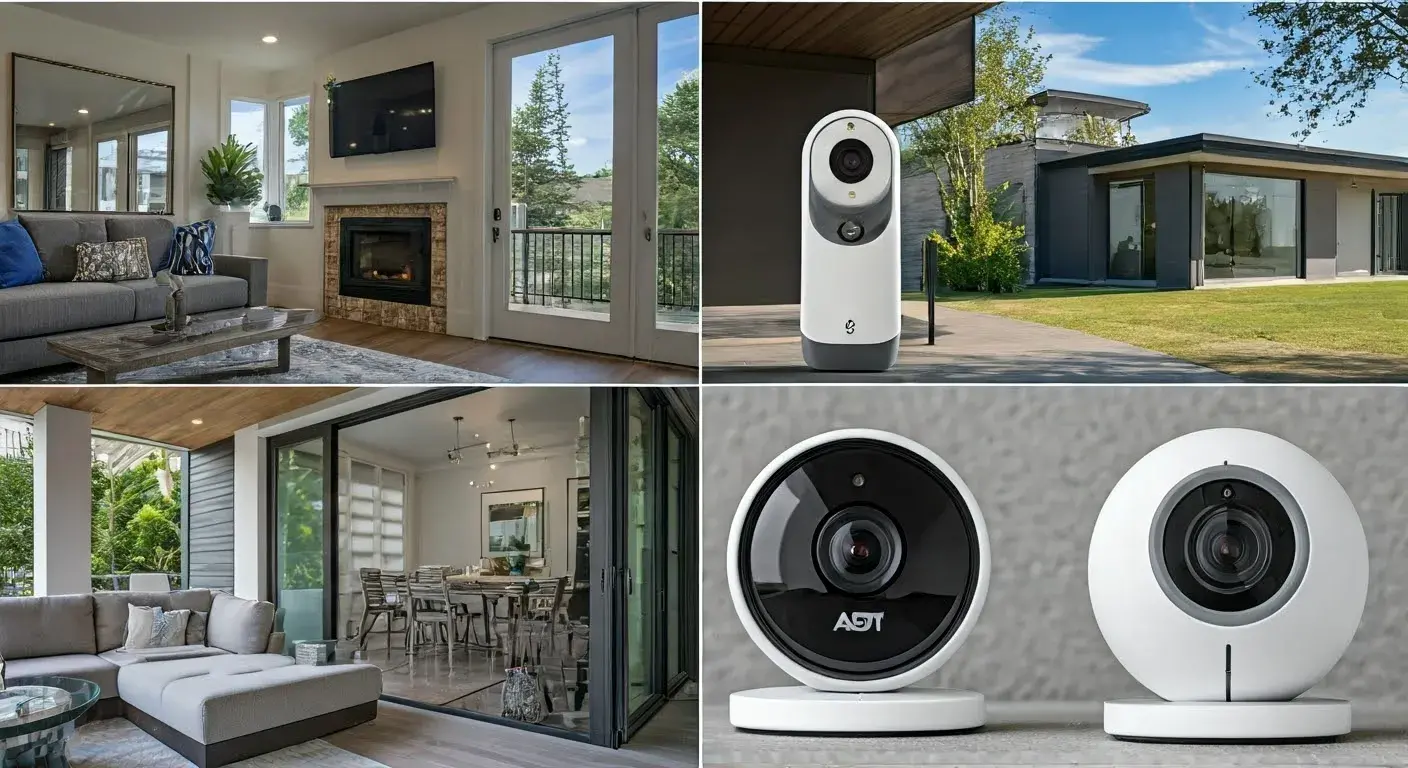
ADT Pulse offers integrated video surveillance solutions. Users can install indoor and outdoor cameras that stream live video to their mobile devices or computers. Features like motion detection, night vision, and two-way audio are standard. In 2025-26, ADT is enhancing these capabilities with AI-powered analytics for more intelligent event detection (e.g., distinguishing between people, pets, and vehicles) and improved cloud storage options for recorded footage. This provides not only a deterrent but also crucial evidence in the event of an incident.
4. Professional Monitoring and Support:
At its heart, ADT Pulse is backed by ADT's 24/7 professional monitoring centers. In the event of an alarm, trained professionals assess the situation and dispatch emergency services if necessary. This provides a critical layer of security that automated systems alone cannot offer. Support for the Pulse system, including technical assistance and troubleshooting, is also readily available through various channels. ADT's commitment to rapid response times remains a cornerstone of their service offering.
5. User Management and Access Control:
As discussed extensively in this guide, ADT Pulse allows for the creation of multiple user codes with varying levels of access. This granular control ensures that only authorized individuals can arm or disarm the system. In 2025-26, ADT is further refining this feature with options for scheduled access, temporary codes that automatically expire, and more detailed activity logs for each user. This level of control is essential for households with multiple members, caregivers, or frequent guests.
6. Enhanced System Security and Updates:
ADT continuously works to secure its platform against evolving cyber threats. Regular software updates are pushed to the ADT Pulse system, both for the control panel and the mobile/web applications. These updates often include security patches, performance improvements, and new features. Users are encouraged to keep their systems updated to benefit from the latest security measures. The 2025-26 roadmap includes further encryption enhancements and robust protocols to protect user data and system integrity.
7. Energy Management Features:
Through integration with smart thermostats and lighting, ADT Pulse can contribute to energy efficiency. Users can schedule temperature settings and lighting to optimize energy consumption when they are away or asleep. While not a primary security feature, this aspect of smart home integration adds value by helping homeowners reduce utility costs and environmental impact.
These features collectively make ADT Pulse a powerful and versatile home security and smart home management solution. By understanding and utilizing these capabilities, homeowners can create a more secure, convenient, and connected living environment.
Conclusion
Mastering how to change your ADT Pulse alarm code is a crucial step in maintaining robust home security. Whether you opt for the convenience of the mobile app, the comprehensive interface of the web portal, or the direct assistance of ADT customer support, the process is designed to be accessible and secure. Remember that your alarm code is the primary key to your home's protection, making its confidentiality and regular updates paramount.
We've explored the various reasons why you might need to update your code, from suspected compromises to simple household changes, and emphasized the importance of strong, unique codes. By implementing the best practices outlined, such as assigning individual codes to household members and conducting periodic security audits, you significantly strengthen your system's defense against unauthorized access. The troubleshooting tips provided should help you navigate any minor hurdles you might encounter.
In 2025-26, ADT Pulse continues to lead with advanced features like smart home integration, enhanced video surveillance, and seamless remote control. Leveraging these capabilities alongside proper code management ensures your home is not only secure but also intelligently managed. Don't underestimate the power of a simple code change in fortifying your overall security posture. Take action today to review and update your ADT Pulse alarm code, ensuring your home remains a safe haven for you and your loved ones.