Unlock the full potential of your ADT alarm panel by mastering code changes. This guide provides a comprehensive, step-by-step approach to updating your security system's access codes, ensuring enhanced safety and personalized control. Learn how to navigate your panel's interface with confidence.
Understanding ADT Alarm Panel Codes
ADT alarm systems are sophisticated tools designed to protect your home or business. At the core of their operation lies a system of access codes, often referred to as passcodes or PINs. These codes are the digital keys that allow authorized individuals to arm, disarm, and interact with your security system. Understanding the different types of codes and their functions is paramount to operating your ADT system effectively and securely. Without proper knowledge, you might inadvertently compromise your security or face difficulties in managing daily operations. This section will delve into the fundamental concepts of ADT alarm panel codes, laying the groundwork for more advanced procedures like changing them. In 2025, with the increasing sophistication of smart home technology and potential cyber threats, a firm grasp on your alarm system's access protocols is more critical than ever. The average homeowner in 2025 relies on their security system for more than just intrusion detection; it's an integral part of their connected living environment.
The Role of Codes in Security
Codes serve as the primary authentication mechanism for your ADT alarm system. When you enter a valid code, the system recognizes you as an authorized user and grants you specific permissions. This prevents unauthorized access and ensures that only individuals you trust can control the system. For instance, the master code typically has the highest level of authority, allowing for system-wide changes, while user codes are often restricted to basic arming and disarming functions. The security industry in 2025 is increasingly focused on layered security, and access codes are the first layer. A compromised code can render even the most advanced physical security measures ineffective. Therefore, understanding the significance of each code is the first step in maintaining a robust security posture.
How Codes Interact with the Panel
When you input a code on your ADT alarm panel's keypad, the system processes this input and compares it against its stored database of authorized codes. If a match is found, the system executes the command associated with that code. For example, entering a valid disarm code signals the system to deactivate the alarm. If the code is incorrect, or if the user attempts an action beyond their assigned permissions, the system will typically reject the command, and in some cases, may even trigger a tamper alert or lockout. The speed and accuracy of this interaction are crucial, especially during emergencies. Modern ADT panels, as of 2025, utilize advanced microprocessors to ensure near-instantaneous code verification and command execution.
Why Change Your ADT Alarm Codes?
Regularly changing your ADT alarm panel codes is a cornerstone of effective home security. It's not just a recommendation; it's a vital practice for maintaining the integrity of your protection. Over time, the need to update these codes can arise for various reasons, each contributing to a more secure and personalized user experience. Neglecting to update codes can leave your system vulnerable, undermining the very purpose of having an alarm. In 2025, with the rise of sophisticated social engineering tactics and the potential for accidental code disclosure, proactive code management is more important than ever. The statistics from the National Security Association (NSA) in 2025 indicate that a significant percentage of home security breaches are facilitated by compromised access credentials, highlighting the critical need for regular code changes.
Enhanced Security Against Unauthorized Access
The most compelling reason to change your ADT alarm codes is to bolster your system's security against unauthorized access. If a code has been shared with someone who no longer needs access (e.g., a former employee, a guest who has moved out), or if there's even a remote suspicion of a code being compromised, changing it immediately is essential. This prevents individuals who are no longer authorized from arming or disarming your system. In 2025, the threat landscape includes not only physical intrusion but also digital breaches that could potentially expose system codes if not managed properly. Keeping your codes unique and regularly updated is a fundamental defense mechanism.
Managing Access for Different Users
ADT systems allow for multiple user codes, each with varying levels of access. Changing these codes is crucial for managing who can control your security system. For instance, you might assign a unique code to a housekeeper, a dog walker, or a family member who needs limited access. When their need for access changes or ends, updating or deleting their specific code ensures that only current, trusted individuals have control. This granular control is a key feature of modern security systems, enabling personalized security management. The trend in 2025 is towards even more sophisticated user management, with systems integrating with smart home platforms to offer time-based or location-based access, but the fundamental principle of managing individual codes remains vital.
Compliance and Best Practices
Many security professionals and organizations recommend or even require regular code changes as part of a comprehensive security policy. While ADT might not enforce this strictly for residential users, adopting such best practices significantly enhances your security posture. It aligns with industry standards and helps prevent complacency. The cybersecurity research firm, CyberSecure Insights, reported in early 2025 that organizations that implement regular credential rotation policies experience a 40% reduction in security incidents related to unauthorized access. Applying this principle to your home security system is a proactive step towards greater safety.
Resetting After Service or Installation
After any service call, maintenance, or initial installation by an ADT technician, it's a standard security procedure to change the default or temporary codes that may have been used. While technicians are vetted professionals, resetting the codes ensures that only you have control over your system's access. This is a critical step that many users overlook, but it's a fundamental security best practice recommended by ADT itself. The default codes are often widely known or easily discoverable, making them a prime target for those with malicious intent.
Types of ADT Alarm Codes
ADT alarm panels are designed with a hierarchical system of codes, each serving a distinct purpose and granting specific levels of authority. Understanding these different types of codes is fundamental to effectively managing your security system and ensuring that only authorized individuals have the necessary access. As of 2025, ADT systems continue to evolve, but the core principles of code management remain consistent. This section will break down the primary types of codes you'll encounter with your ADT alarm system, explaining their roles and how they interact with the panel.
Master Codes
The Master Code is the most powerful code on your ADT alarm system. It typically has the authority to perform all system functions, including arming, disarming, and, crucially, programming new user codes or changing existing ones. There is usually one primary Master Code, and sometimes a secondary Master Code with similar privileges. This code should be known only to the primary homeowner or administrator and treated with the utmost security. Losing control of the Master Code means losing control of your entire alarm system's access management. In 2025, the Master Code is the ultimate gatekeeper to your system's configuration.
User Codes (Standard Codes)
User Codes, also known as standard codes or guest codes, are assigned to individuals who need to arm and disarm the system but do not require the ability to change system settings. Each user code can be programmed with specific permissions, although on many ADT systems, standard user codes primarily allow for arming and disarming. These codes are ideal for family members, trusted neighbors, or service providers who need temporary or regular access to your home. It's best practice to assign a unique user code to each individual for accountability. The flexibility of user codes allows for personalized access management, a key feature in modern smart home security.
Manager Codes (If Applicable)
Some advanced ADT systems or specific configurations might include Manager Codes. These codes typically have more privileges than standard user codes but fewer than the Master Code. They might be able to add or delete certain user codes, but not change system parameters like zone configurations or communication settings. This tiered access is useful in larger households or small businesses where a designated manager needs more control than a regular user but shouldn't have full administrative access. The prevalence of Manager Codes can vary by panel model and subscription level, reflecting the increasing demand for granular control in 2025.
Maintenance or Installer Codes
These codes are typically used by ADT technicians for system installation, maintenance, and troubleshooting. They are usually highly privileged and should never be known or used by the homeowner. If an installer code is compromised, it could lead to a complete takeover of your system. ADT strictly controls the distribution and use of these codes. For homeowners, the most important takeaway is that these codes are for professional use only. If you suspect an installer code has been compromised or if you've had recent service, changing your Master Code is a prudent step.
Duress Codes (Advanced Feature)
A Duress Code is a special type of code that, when entered, disarms the system and sends a silent alarm notification to ADT monitoring center without alerting anyone in the vicinity. This is a critical safety feature designed for situations where you are forced to disarm your system under duress. It's imperative that this code is kept highly confidential and known only to those who absolutely need it in an emergency. Many modern ADT systems offer this feature, and its implementation is a significant step in comprehensive personal safety planning for 2025.
Before You Start: Essential Preparations
Changing codes on your ADT alarm panel might seem straightforward, but a little preparation can prevent frustration and ensure a smooth process. Whether you're updating your Master Code or adding a new user code, following these preliminary steps will save you time and potential headaches. In the dynamic security landscape of 2025, being prepared is the first line of defense. This section outlines the crucial steps to take before you even approach your alarm panel keypad.
Locate Your ADT Panel and Keypad
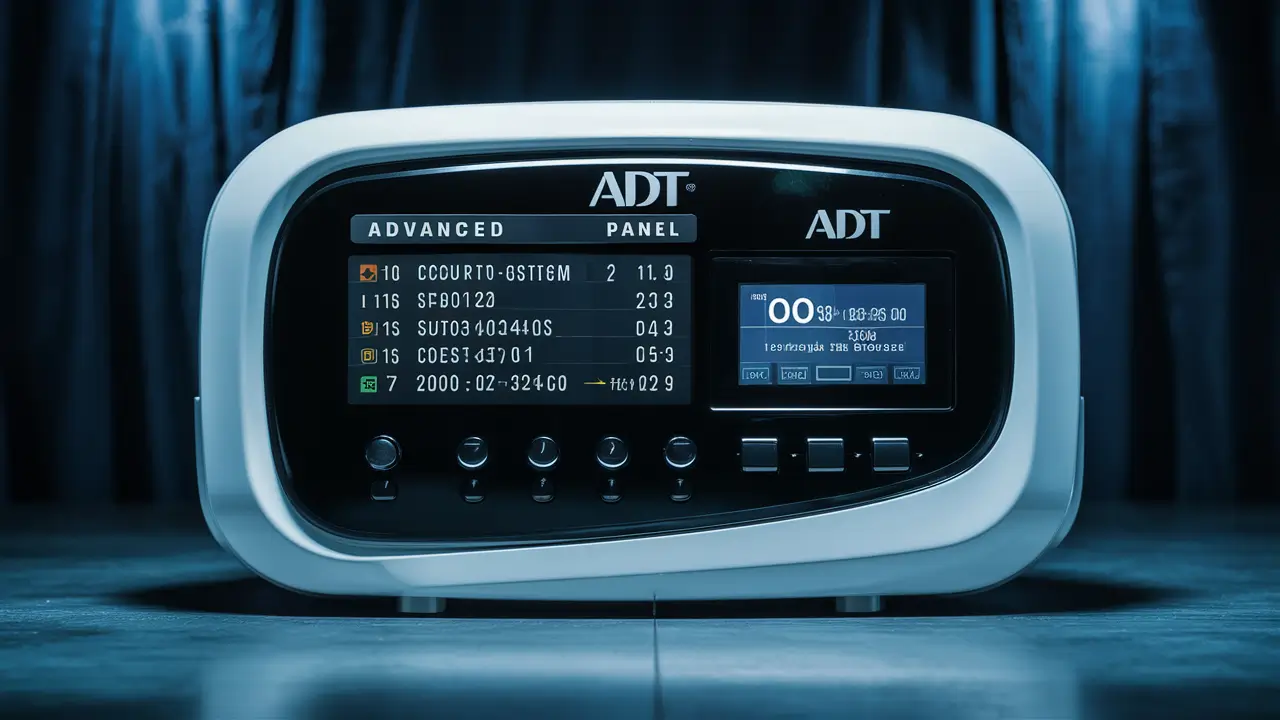
Ensure you know the exact location of your main ADT alarm panel and its associated keypads. The panel itself is usually a metal box, often located in a closet, basement, or utility room. The keypads are what you interact with to enter codes and control the system. Having easy access to both will be necessary for the code-changing process. Some systems have multiple keypads, and the process might need to be initiated from the primary keypad.
Identify Your Current Master Code
To change any codes on your ADT system, you will almost always need to know the current Master Code. This is the primary key to unlocking the system's programming functions. If you don't know your Master Code, you will need to contact ADT support to help you reset it. Trying to guess or bypass this step will be futile. For security reasons, ADT does not typically provide default master codes for public access; they are usually set during installation and confirmed with the homeowner.
Consult Your ADT System Manual
ADT offers a variety of alarm systems, and the exact procedure for changing codes can vary slightly between models (e.g., ADT Safewatch, Honeywell Vista series integrated with ADT). While this guide provides general instructions, your specific system's manual will offer the most accurate, step-by-step guidance. If you don't have a physical copy, you can often find digital versions on the ADT website or by contacting customer support. Knowing your panel model number (usually found on the panel itself or in your original contract) will help you find the correct manual.
Gather New Codes and Plan Access
Before you begin, decide on the new codes you want to use. For the Master Code, choose something complex and memorable only to you. For user codes, consider assigning unique codes to each person who needs access. Avoid simple sequences (like 1234) or easily guessable numbers (like birthdates). It's also a good idea to have a plan for who gets which user code and what level of access they should have. In 2025, with increasing awareness of data privacy, assigning unique identifiers for every user is a best practice.
Choosing Secure Codes
* Avoid obvious sequences: Do not use 1234, 0000, 1111, or similar patterns. * Avoid personal information: Do not use your birthdate, anniversary, or address numbers. * Use a mix of numbers: Aim for codes that are not easily predictable. * Length matters: While ADT systems often have a fixed code length (typically 4 digits), longer codes are generally more secure if your system supports it. * Unique codes: Assign a different code to each individual.
Ensure System is in a Ready State
For most code changes, your system needs to be in a "Ready" state, meaning no zones are open or in alarm. If you are in the process of arming the system or if there's an active fault, you may not be able to access the programming menus. Ensure all doors and windows are closed and that there are no active trouble signals before attempting to change codes.
How to Change the Master Code on Your ADT Panel
The Master Code is the gatekeeper to your ADT alarm system's programming. Changing it is a critical security measure, especially if you suspect it has been compromised or if you've recently had service performed. The process typically involves entering a programming mode on your keypad. While the exact button sequence can vary slightly depending on your ADT panel model, the general principles remain consistent. This guide will walk you through the common steps to change your Master Code. Remember, you will need your current Master Code to initiate this process. If you've forgotten it, you'll need to contact ADT for assistance.
Step-by-Step Guide to Changing the Master Code
The following steps are a general guideline. Always refer to your specific ADT system manual for precise instructions.
- Disarm the System: Ensure your alarm system is disarmed. If it's armed, enter your current Master Code or a valid user code to disarm it.
-
Enter Programming Mode: This is the most crucial step and varies by panel.
- Common Method: Many ADT systems (often based on Honeywell Vista panels) require you to enter programming mode by pressing a specific sequence, such as [Installer Code] + 8 + 0 + [New Master Code] + [New Master Code again]. The default Installer Code is often 4112 or 1561, but it may have been changed. If you don't know the installer code, you will need to contact ADT.
- Alternative Method (for some panels): Some panels might require you to enter a specific function code, like [Master Code] + [Command] + [New Code]. For example, on certain ADT panels, you might press [Master Code] + 6 + [New Master Code] + [New Master Code again].
Important Note: If you are unsure of the installer code or the correct programming sequence for your specific panel, do not guess. Incorrect entries can lock you out of programming or cause system errors. Contact ADT support for assistance.
- Enter the New Master Code: Once in programming mode, you will be prompted to enter your new Master Code. Enter your chosen 4-digit code.
- Confirm the New Master Code: The system will likely ask you to enter the new Master Code again to confirm it. This prevents accidental entry of an incorrect code.
- Exit Programming Mode: After confirming, the system should automatically exit programming mode, or you may need to press a specific key (like '#') to exit. The keypad should return to its normal ready state.
- Test the New Master Code: Immediately test your new Master Code by trying to arm and disarm the system. Ensure it functions correctly. Then, try to access programming again using the new Master Code to confirm it has been updated.
Important Considerations for Master Code Changes
- Installer Code: As mentioned, many programming functions, including changing the Master Code, require the Installer Code. If this code has been changed from the default and you don't know it, you will need ADT's help.
- Panel Specifics: The exact menu structure and command codes can vary significantly. For instance, changing a Master Code on an ADT Safewatch 3000 may differ from an ADT Command system. Always consult your manual.
- System Lockout: Incorrectly entering codes or sequences too many times can sometimes lead to a temporary or permanent system lockout, requiring professional intervention.
How to Change User Codes on Your ADT Panel
Changing user codes on your ADT alarm panel is a more frequent task than changing the Master Code, as you'll likely do it when adding new family members, granting access to a service provider, or revoking access for someone who no longer needs it. The process is generally simpler and can usually be performed using your existing Master Code. This section provides a detailed guide on how to add, change, or delete user codes on your ADT system.
Adding a New User Code
Adding a new user code allows you to assign a unique access code to a new individual.
- Disarm the System: Ensure the system is disarmed.
-
Enter Programming/User Code Menu: From the keypad, you'll typically need to access the user code programming section. This often involves:
- Pressing [Master Code] + 8 + [User Number]. The User Number typically ranges from 02 to 32 (or higher on some systems), with 01 usually being the Master Code.
- Some systems might use a different command, like [Master Code] + 0 + [User Number].
- Enter the New User Code: Once prompted, enter the 4-digit code you wish to assign to this user.
- Confirm the New User Code: Re-enter the code to confirm.
- Assign User Permissions (Optional/Advanced): Some systems allow you to assign specific permissions to user codes (e.g., only arm/disarm, bypass zones). Consult your manual for these advanced options.
- Exit Programming: Press the appropriate key (often '#') to exit.
- Test: Test the new code by arming and disarming the system.
Changing an Existing User Code
If you need to update a user's code (e.g., they forgot it, or you want to change it for security reasons), the process is similar to adding one.
- Disarm the System.
- Access User Code Programming: Use the Master Code to enter the programming menu for the specific user number whose code you want to change. For example: [Master Code] + 8 + [User Number].
- Enter the New Code: Enter the new 4-digit code you want to assign to this user.
- Confirm the New Code: Re-enter the new code to confirm.
- Exit Programming: Press the appropriate key to exit.
- Test: Verify the new code works for arming and disarming.
Deleting a User Code
When a person no longer needs access to your system, you should delete their user code.
- Disarm the System.
- Access User Code Programming: Enter the programming menu for the user number you wish to delete: [Master Code] + 8 + [User Number].
- Delete the Code: To delete the code, you typically enter all zeros (e.g., 0000) or press a specific delete key sequence as indicated in your manual. For many systems, entering 0000 for the code will effectively delete it.
- Confirm Deletion (if prompted).
- Exit Programming: Press the appropriate key to exit.
- Test: Attempt to use the deleted code to arm or disarm the system. It should no longer work.
User Code Assignment Table Example
Below is a typical assignment structure for user codes on an ADT system. Note that User 01 is usually reserved for the Master Code.
| User Number | Assigned To | Notes |
|---|---|---|
| 01 | Primary Master | Full system control, programming |
| 02 | Secondary Master (Optional) | Similar privileges to Master |
| 03 | Family Member 1 | Arm/Disarm |
| 04 | Family Member 2 | Arm/Disarm |
| 05 | Housekeeper | Arm/Disarm (consider time restrictions if available) |
| 06 | Dog Walker | Arm/Disarm (limited access) |
| 07 | Guest Code | Temporary use |
| ... | ... | ... |
| 32 (or higher) | Available | Maximum number of user codes varies by panel |
Troubleshooting Common ADT Code Change Issues
Even with careful preparation, you might encounter issues when trying to change codes on your ADT alarm panel. Understanding common problems and their solutions can help you resolve them quickly and efficiently. The year 2025 sees increasingly complex systems, but fundamental troubleshooting principles remain.
System Does Not Enter Programming Mode
Problem: You enter the sequence for programming mode (e.g., Installer Code + 8 + 0), but the keypad doesn't respond or shows an error. Solutions:
- Incorrect Installer Code: The most common reason is using the wrong Installer Code. If it's not the default (e.g., 4112, 1561), you'll need to contact ADT.
- Incorrect Sequence: Double-check the exact programming sequence for your panel model. Ensure you are pressing the keys in the correct order and within the expected timeframes.
- System Not Ready: Ensure the system is disarmed and in a "Ready" state (no open zones or trouble conditions).
- Master Code Required: Some programming functions might require the Master Code itself, not the Installer Code, depending on the panel and the specific function. Refer to your manual.
New Code is Not Accepted
Problem: You enter your desired new code, but the system rejects it or doesn't save it. Solutions:
- Invalid Code Format: Ensure you are entering a valid code length (usually 4 digits) and that it's not a disallowed sequence (e.g., all zeros for a new code, or a code already in use).
- Code Already In Use: If you try to assign a code that is already assigned to another user, the system will likely reject it.
- Master Code Conflict: Some systems prevent user codes from being identical to the Master Code.
- System Error: In rare cases, a temporary system glitch might occur. Try disarming and re-arming the system, then attempt the code change again.
System Locks Up or Shows Error Message
Problem: After attempting a code change, the keypad displays an error message, or the system becomes unresponsive. Solutions:
- Power Cycle: Try performing a power cycle on your system. This involves turning off the AC power to the panel and disconnecting the backup battery, waiting a minute, and then reconnecting them in reverse order. This can often reset minor glitches. Caution: This will temporarily disable your alarm.
- Consult Manual: Look up the specific error code displayed in your system manual.
- Contact ADT: If the system remains unresponsive or displays a critical error, it's best to contact ADT support. You may have inadvertently entered a sequence that requires professional intervention.
Cannot Delete or Change Master Code
Problem: You are unable to change or delete the Master Code, even with the current Master Code. Solutions:
- Installer Code Required: As mentioned earlier, changing the Master Code typically requires the Installer Code. If you don't have it, ADT must assist you.
- System Limitations: Some older or simpler ADT systems might have restrictions on how the Master Code can be changed directly through the keypad.
- Contact ADT: This is a situation where contacting ADT support is often the most direct route to resolution.
Testing the New Code Fails
Problem: You've changed a code, but when you try to use it, the system doesn't respond as expected. Solutions:
- Double-Check Entry: Ensure you are entering the code correctly. Even a single digit error will prevent it from working.
- Code Not Saved: The code change might not have been saved properly. Repeat the process, ensuring you complete all confirmation steps and exit programming correctly.
- User Permissions: If the code is for a specific user and isn't working for certain functions, check if the user has the correct permissions assigned (if your system supports granular permissions).
Best Practices for Managing Your ADT Alarm Codes
Effective management of your ADT alarm codes goes beyond simply changing them. It involves a proactive approach to security that minimizes risk and maximizes the effectiveness of your system. By implementing these best practices, you can ensure your home or business remains protected against unauthorized access and that your security system operates smoothly. In 2025, with interconnected devices and evolving threats, diligent code management is non-negotiable.
Regular Audits of User Codes
Periodically review the list of active user codes on your ADT system. Ask yourself:
- Does everyone with a code still need access?
- Are there any codes that are no longer in use?
Assign Unique Codes to Everyone
Avoid sharing Master Codes or using a single generic user code for multiple people. Assigning a unique code to each individual serves several purposes:
- Accountability: If an event occurs, you can trace it back to the specific code used.
- Personalization: Users can choose their own codes (within secure parameters).
- Ease of Management: It's easier to revoke access for one person without affecting others.
Educate Users on Code Security
Ensure everyone who has access to a code understands the importance of keeping it confidential. Advise them:
- Not to share their code with anyone else.
- Not to write their code down where it can be easily found.
- To be aware of their surroundings when entering their code.
- To report any suspected compromise of their code immediately.
Change Codes After Service or Guest Stays
This is a critical step often overlooked. After any ADT technician or other service personnel has accessed your system, or after guests who had access have departed, change the relevant codes. This ensures that no lingering access is possible. Treat temporary access as a potential security risk that needs to be mitigated promptly.
Consider Duress Codes and Their Use
If your ADT system supports duress codes, ensure you understand how they work and that the designated individuals know how to use them in an emergency. This feature provides an additional layer of personal safety. Store the duress code securely and separately from other access codes.
Avoid Default Codes and Simple Patterns
Never leave your Master Code or any user codes as the factory defaults. As highlighted earlier, these are often publicly known or easily guessed. Similarly, avoid simple, sequential, or repetitive patterns. A strong, unique code is the first line of defense.
Keep a Secure Record of Codes
While you shouldn't write codes down near the panel, it's wise to keep a secure, off-site record of all active codes and who they belong to. This could be a password-protected document on your computer, a note in a secure password manager, or a written list kept in a safe deposit box. This record is invaluable if you need to re-establish codes after a system issue or loss of memory.
ADT Panel Model-Specific Guides (Examples)
ADT utilizes various alarm panel models, and the procedure for changing codes can differ. While this guide provides general steps, it's crucial to consult your specific panel's manual. Here are examples for a couple of common ADT system types.
ADT Safewatch Series (e.g., 3000)
Safewatch panels, often based on Honeywell Vista hardware, typically use a system of installer codes and master codes for programming.
Changing Master Code:
- Disarm the system.
- Enter [Installer Code] + 8 + 0 + [New Master Code] + [New Master Code]. (Default Installer Code is often 4112 or 1561).
- The system will beep to confirm.
Changing User Code:
- Disarm the system.
- Enter [Master Code] + 8 + [User Number] + [New User Code] + [New User Code]. (User numbers typically start from 02).
- The system will beep to confirm.
ADT Command and Control Panels
These newer, more integrated systems often feature touchscreens and a more user-friendly interface, sometimes allowing code changes directly through the touchscreen menu without needing installer codes for user management.
Changing Master Code (May require ADT assistance or installer access):
On some Command systems, the Master Code change might be restricted to the installer or ADT support for security reasons. If accessible via the panel:
- Navigate to Settings > Security > User Codes.
- Select the Master Code option.
- Enter current Master Code for verification.
- Enter the new Master Code and confirm.
Changing User Code:
- From the main screen, tap the Menu icon.
- Go to Settings > Security > User Codes.
- Tap "Add User" or select an existing user to edit.
- Enter the new user's name and the 4-digit code.
- Confirm the code.
- Save changes.
Finding Your Panel Model
To identify your panel model:
- Check the panel itself for a model number sticker.
- Refer to your original ADT installation paperwork or contract.
- Contact ADT customer support and provide your account information.
Advanced ADT Code Management and Security Tips
Beyond the basic procedures, there are advanced strategies and tips to further enhance the security and usability of your ADT alarm system's codes. As technology advances in 2025, so do the methods for securing your digital access.
Leveraging Time-Based Access (If Available)
Some sophisticated ADT systems, particularly those integrated with smart home platforms, allow you to set time restrictions for user codes. This means a code might only be active during specific hours of the day or days of the week. For example, a cleaner's code could be programmed to work only between 9 AM and 5 PM on weekdays. This is an excellent security feature that limits the window of opportunity for misuse.
Integrating with Smart Home Platforms
Modern ADT systems often integrate with platforms like Google Home, Amazon Alexa, or Apple HomeKit. This integration can sometimes allow for voice-activated arming/disarming (often requiring a voice PIN) or remote management of user codes via a smartphone app. Familiarize yourself with these capabilities to manage your system more conveniently and securely. The ADT Control app, for instance, provides robust remote management features.
Understanding Event Logs
Your ADT panel keeps an event log that records all system activity, including arming/disarming events, code entries (successful and failed), and system changes. Regularly reviewing these logs can help you identify suspicious activity, such as frequent failed code attempts or unexpected system disarms. Accessing and interpreting these logs might require specific programming or ADT support, but they are a powerful diagnostic tool.
Periodic Master Code Rotation Recommendation
While not always strictly necessary, consider rotating your Master Code periodically, especially if you have a high-security environment or if there's any reason to believe it might have been exposed. This adds an extra layer of security, similar to how businesses rotate critical passwords.
Securing Your Installer Code
The Installer Code is highly sensitive. If you have had your system serviced and suspect the installer code may have been compromised, or if you simply want to enhance security, ask your ADT technician if the installer code can be changed to something unique and known only to them. Never share your installer code with anyone other than an authorized ADT professional.
Consider Biometric Access for Advanced Systems
For the most cutting-edge security needs, some ADT systems or third-party integrations might offer biometric access options (e.g., fingerprint scanners) for arming/disarming, often used in conjunction with a PIN. While not standard on all panels, it represents the future of access control for high-security environments.
Reporting Suspicious Activity to ADT
If you notice any unusual behavior with your alarm system, or if you suspect your codes may have been compromised, do not hesitate to contact ADT immediately. They can help diagnose issues, reset codes remotely, and advise on further security measures. Proactive communication with your security provider is crucial.
Conclusion
Mastering the process of changing codes on your ADT alarm panel is fundamental to maintaining robust home security in 2025 and beyond. We've explored the critical importance of code management, the different types of codes you'll encounter, essential preparation steps, and detailed guides for changing both Master and User codes. Furthermore, we've addressed common troubleshooting scenarios and outlined best practices for ongoing security. By implementing the knowledge gained from this comprehensive guide, you empower yourself to control access to your home, enhance your system's security, and ensure peace of mind. Remember to always consult your specific ADT panel's manual for precise instructions and prioritize strong, unique codes for all users. Proactive management of your ADT alarm panel codes is not just a task; it's an ongoing commitment to your safety and security.