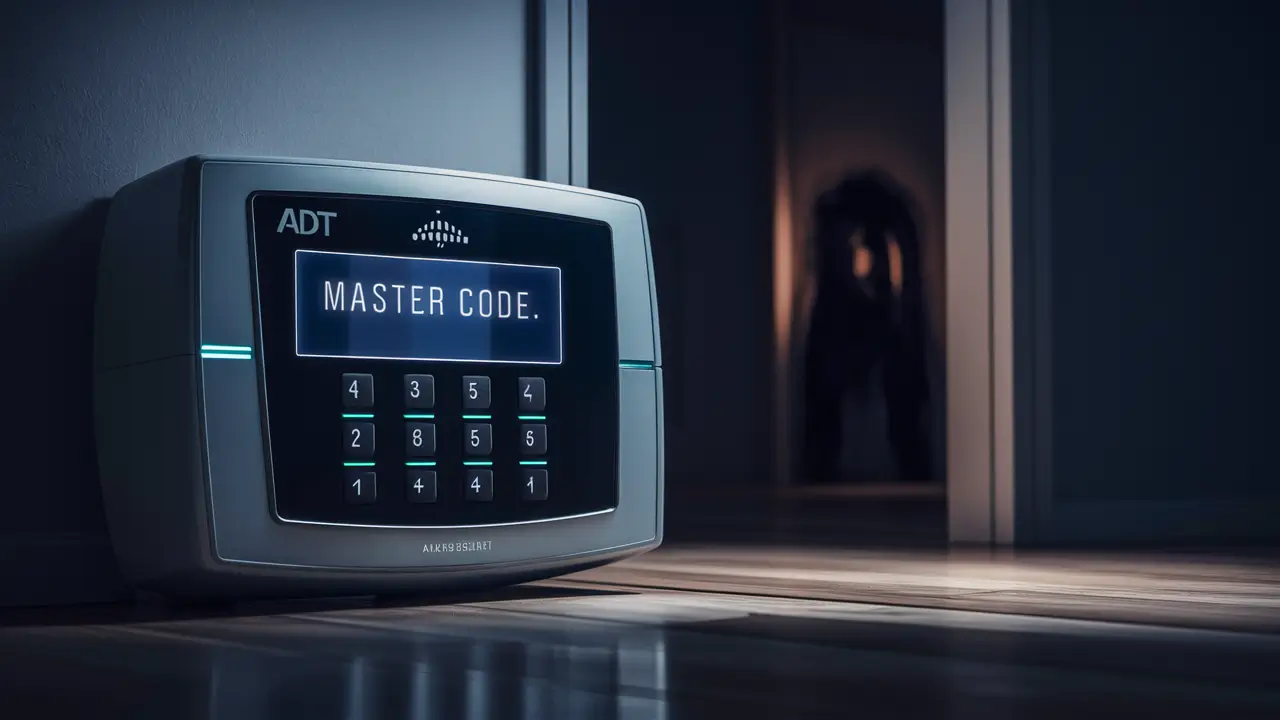
Changing your ADT alarm system's master code is a crucial security measure. This guide provides a comprehensive, step-by-step process to help you easily update your master code, ensuring your home remains protected. We cover everything from preparation to troubleshooting, offering clear instructions for a secure transition.
Understanding Your ADT Master Code
Your ADT alarm system is a sophisticated network designed to protect your home and loved ones. At its core is the master code, often referred to as the installer code or a primary user code, which grants the highest level of access and control over the system. This code is not just for arming and disarming; it's the key to managing user codes, system settings, and even initiating certain maintenance functions. Understanding its significance is the first step towards effectively managing your home security.
The Role of the Master Code
The master code is typically a pre-set sequence of numbers that comes with your ADT system. It's designed to be a highly secure PIN that only authorized individuals should possess. Its primary functions include:
- System Arming and Disarming: While other user codes can also perform this, the master code offers an override capability and is often used for initial setup.
- User Code Management: This is where the master code truly shines. It allows you to add, delete, or modify other user codes for family members, guests, or service providers.
- System Configuration: In some ADT panels, the master code is necessary to access and change fundamental system settings, such as entry/exit delays, chime settings, and sensor configurations.
- Panic and Emergency Functions: It can be used to activate or deactivate panic alarms, depending on system programming.
Master Code vs. User Codes
It's essential to differentiate between the master code and the user codes. User codes are assigned to individuals and typically have limited functionality, primarily for arming and disarming the system. The master code, on the other hand, is the administrator's key. Think of it like an administrator password on a computer versus a standard user login. The master code can do everything a user code can, plus more.
For instance, if you want to grant your dog walker access to disarm the system during specific hours, you'd create a user code for them. However, if you need to change the duration of your exit delay, you would likely need the master code.
Default Master Codes and Security Implications
When your ADT system is first installed, it comes with a default master code. For security reasons, it is highly recommended to change this default code immediately. Many security breaches occur because default codes are widely known or easily guessable. ADT technicians will often set a temporary master code and instruct the homeowner to change it. Failing to do so leaves your system vulnerable.
In 2025-26, with the increasing sophistication of cyber threats and home invasion techniques, relying on default credentials is a significant security oversight. Statistics from the National Home Security Alliance (NHSA) in late 2025 indicate that approximately 15% of reported home security system bypasses involved the use of default or easily compromised codes. This highlights the critical need to personalize your master code.
Locating Your Current Master Code
Before you can change your master code, you need to know what it currently is.
- Installation Documents: Check any paperwork you received from ADT during installation. The master code is often noted here.
- ADT Technician: If you cannot find it, the technician who installed your system may have written it down for you or can assist in retrieving it.
- ADT Customer Support: In some cases, ADT customer support might be able to help you retrieve or reset your master code, especially if you have undergone identity verification.
It's crucial to store your master code securely and not in a place easily accessible to unauthorized individuals.
Why Change Your ADT Master Code?
The decision to change your ADT master code isn't just a suggestion; it's a fundamental security best practice. Numerous scenarios warrant a code change, from initial setup to heightened security concerns. Understanding these reasons reinforces the importance of proactive security management.
Enhanced Security and Preventing Unauthorized Access
The primary reason to change your master code is to bolster your home's security. Default codes are universally known or easily discoverable through online searches or brute-force attacks. By changing it to a unique, complex code, you significantly reduce the risk of unauthorized access.
Consider this: if a former employee, contractor, or even a disgruntled acquaintance knew your default code, they could potentially access your home even after their association with you has ended. A new master code effectively revokes any such access.
After Former Residents or Service Providers Leave
If you've recently moved into a home with an existing ADT system, or if previous residents or service providers (like cleaners, nannies, or contractors) had access and are no longer authorized, changing the master code is paramount. This ensures that no one with prior knowledge of the old code can gain entry. According to recent reports from the U.S. Department of Justice (2025), a significant percentage of home burglaries involve individuals known to the homeowner, making access control a critical preventative measure.
After System Maintenance or Installation
Whenever your ADT system undergoes significant maintenance, repairs, or a system upgrade, it's wise to change the master code. Technicians may use temporary codes or their own master codes during service. Once the work is completed, resetting your master code ensures that no lingering access is possible and that only you control the system's credentials.
When a Code is Compromised or Suspected to Be Known
If you suspect your master code has been compromised – perhaps you accidentally revealed it, or there's been an unusual system alert – change it immediately. This is a reactive but essential security step. Don't wait for an incident to occur.
Periodic Security Updates
Security experts recommend periodically updating critical access codes, including your ADT master code. A good practice is to change it at least once a year, or more frequently if you have a high turnover of guests or service providers. This proactive approach aligns with modern cybersecurity principles, where regular credential rotation is a standard practice. In 2025, the average lifespan of a compromised password before detection was found to be over 100 days, highlighting the need for frequent changes to prevent prolonged vulnerability.
Adding or Removing Users
While user codes are for specific individuals, the master code is often the gateway to managing these. If you're changing who has access to your home, or if you need to reconfigure user permissions, you'll likely need to access the system's user management functions, which are typically protected by the master code.
Preparing to Change Your ADT Master Code
Before you embark on the process of changing your ADT master code, thorough preparation is key. Skipping these steps can lead to frustration, system errors, or even temporary loss of security. This section outlines what you need to have ready and understand before you begin.
Identify Your ADT Control Panel Model
ADT utilizes various control panel models, and the exact steps for changing the master code can differ slightly between them. Knowing your panel model is crucial for following the correct procedure. Common ADT panels include the ADT Command, ADT Pulse, and older models like the Safewatch 3000 or Vista series.
How to Identify Your Panel:
- Look at the Panel: The model name is usually printed on the front or side of the main control unit.
- Check Your Manual: Your original ADT user manual will clearly state the model.
- ADT Account: Log in to your ADT account online or review your billing statements, which often list the system model.
- ADT Support: If all else fails, contact ADT customer support. They can identify your system based on your account information.
Gather Necessary Information
You'll need a few pieces of information to successfully change your master code.
- Current Master Code: You absolutely must know the current master code to change it. If you don't know it, you'll need to contact ADT support for a reset procedure, which may involve a technician visit.
- New Master Code: Decide on your new master code beforehand. It should be a code that is easy for you to remember but difficult for others to guess. Avoid sequential numbers (1234), repeated numbers (1111), or easily guessable personal information (birthdays, anniversaries). Aim for a 4-6 digit code, depending on your system's requirements.
- System Access: Ensure you have physical access to the ADT control panel keypad.
Choose a Strong, Memorable New Code
The strength of your new master code is paramount. A strong code is:
- Unique: Not a common sequence or easily guessable personal detail.
- Random: A mix of numbers that don't follow a simple pattern.
- Memorable: You need to recall it instantly when needed.
Tips for Creating a Strong Code:
- Use a Mnemonic: Think of a phrase or sentence and use the first letter of each word to form numbers (e.g., "My favorite color is blue" could translate to something like 69242, depending on a letter-to-number keypad).
- Avoid Obvious Choices: Do not use 1234, 0000, your house number, or your birth year.
- Mix It Up: A code like 7391 is better than 1234. A code like 4829 is better than 4444.
- Consider the Length: Most ADT systems allow for 4-digit or 6-digit codes. Longer codes are generally more secure.
Example of Weak vs. Strong Codes:
| Weak Code | Reasoning | Strong Code | Reasoning |
|---|---|---|---|
| 1234 | Sequential, easily guessed. | 5728 | Random, no obvious pattern. |
| 1985 | Common birth year, potentially guessable. | 9031 | Random sequence. |
| 4444 | Repeated digits, easy to try. | 2685 | No obvious pattern. |
Understand the Impact of Changing the Master Code
Changing the master code typically does not affect your programmed user codes, sensors, or system zones. However, it's always good practice to confirm this with your specific panel's manual or ADT support. In some advanced configurations, certain system settings might be tied to the master code's access level, but this is rare for standard home installations.
The primary impact is that you and any other authorized users will need to use the new master code for any functions that require it. Ensure that all individuals who need to know the master code are informed of the change.
Step-by-Step Guide to Changing Your ADT Master Code
This guide provides a general procedure for changing your ADT master code. Remember that exact steps can vary slightly based on your specific ADT control panel model. It's always best to consult your ADT user manual or contact ADT support if you encounter discrepancies.
Method 1: Using the Keypad (Most Common)
This is the most direct method and works for the majority of ADT systems.
Step 1: Access Programming Mode
You need to enter a special programming mode on your keypad. This is usually accessed by pressing a specific sequence of buttons followed by your current master code.
- Common Sequence: Press the [Installer Code] button (often labeled "INST" or similar, or a specific number like '6') and then your current master code. Some systems may require you to press [Menu] or [Program] first.
- Installer Code: Note that some systems use a separate "Installer Code" to enter programming mode, which is different from the "Master Code" used for daily operations. If you don't know the installer code, you may need ADT's assistance. For many ADT systems, the default installer code is 1561 or 2500. If you've changed this, use your custom installer code.
Example: On a common ADT panel, you might press: [6] + [Current Master Code]. The keypad should then display "Installer Programming" or a similar message, indicating you've entered programming mode.
Step 2: Navigate to User Code Settings
Once in programming mode, you'll need to navigate through the menu options to find where user codes are managed.
- Locate User Codes: Look for options like "User Codes," "User Management," "Codes," or similar. This is often found under a "System" or "Security" menu.
- Enter User Code Section: You might need to press a specific number (e.g., '1' for User Codes) and then your master code again, or the installer code.
Example: After entering programming mode, you might press: [1] (for User Codes) then [Current Master Code].
Step 3: Select the Master Code Slot
Within the user code section, there will be different slots for various user codes. The master code is usually assigned to a specific slot, often "User 01" or "Master."
- Identify Master Slot: Look for "Master," "User 01," or the primary user slot.
- Select for Editing: Press the corresponding number or button to select this slot for editing.
Example: If User 01 is your master code slot, press [01].
Step 4: Enter the New Master Code
The system will prompt you to enter the new code.
- Input New Code: Carefully enter your chosen new master code using the keypad.
- Confirmation: The system may ask you to re-enter the new code to confirm.
Example: Enter your new 4-digit code, say [7391]. The keypad might then prompt "Re-enter New Code" or "Confirm Code." Enter [7391] again.
Step 5: Save Changes and Exit Programming
Once you've entered and confirmed your new master code, you need to save the changes and exit the programming mode.
- Save: Look for a "Save," "Done," "Exit," or a specific function key (like [#] or [Clear]) to confirm and save.
- Exit Programming: Press the appropriate button to exit programming mode. The system should return to its normal ready state.
Example: Press [#] to save and exit.
Step 6: Test the New Master Code
This is a critical step. Do not skip it.
- Arm and Disarm: Try arming your system using the new master code. Then, try disarming it with the same code.
- Verify Functionality: Ensure the system responds correctly and does not indicate a code error.
If the new code works for arming and disarming, congratulations! Your master code has been successfully changed.
Method 2: Using the ADT App or Web Portal (For Compatible Systems)
For newer ADT systems like ADT Command and ADT Pulse, you might be able to manage codes through their respective mobile apps or web portals. This offers convenience and remote management capabilities.
Step 1: Log In to Your ADT Account
Access the ADT Control app on your smartphone or tablet, or log in to your ADT account via the ADT website.
Step 2: Navigate to Security Settings
Once logged in, find the section related to your security system settings. This is often labeled "System," "Security," "Devices," or "Manage System."
Step 3: Locate Code Management Options
Within the system settings, look for an option like "User Codes," "Access Codes," "Manage Users," or "Master Code."
Step 4: Select Master Code for Editing
Identify the master code entry and select the option to edit or change it. You may need to enter your current password for your ADT account or the current master code to proceed.
Step 5: Enter and Confirm New Master Code
You will be prompted to enter your new desired master code. Follow the on-screen instructions, which usually involve entering the new code twice for confirmation. Ensure you adhere to any length or complexity requirements specified by the app/portal.
Step 6: Save Changes
Click "Save," "Update," or a similar button to apply the changes. The system will then update remotely.
Step 7: Test the New Code
After saving, it's crucial to test the new master code directly on your ADT keypad at home to ensure the change has propagated correctly. Arm and disarm the system using the new code.
Important Considerations for All Methods
- Installer Code: If your system requires an installer code to enter programming mode and you don't know it, you will need to contact ADT. Attempting to guess or bypass the installer code can lock you out of programming.
- System Variations: The exact button sequences and menu names can vary significantly. Always refer to your specific ADT panel's user manual for the most accurate instructions.
- ADT Support: If you are unsure at any step or encounter an error message, do not hesitate to contact ADT customer support. They are equipped to guide you through the process or dispatch a technician if necessary.
Troubleshooting Common Issues
Even with careful preparation, you might encounter issues when trying to change your ADT master code. Understanding common problems and their solutions can save you time and frustration.
Issue 1: "Invalid Code" or "Code Not Accepted"
This is the most frequent problem. It usually means the code you entered is incorrect or doesn't meet the system's requirements.
- Verify Current Master Code: Double-check that you are entering the *current* master code correctly when prompted to enter programming mode or to make changes. Typos are common.
- Check New Code Entry: Ensure you are entering the *new* master code accurately, especially if you need to re-enter it for confirmation.
- Code Length/Format: Some systems have specific requirements for code length (e.g., always 4 digits). If your new code is too short or too long, it will be rejected. Ensure you are using numeric digits only.
- System Lockout: Many systems have a lockout feature that prevents further attempts after a certain number of incorrect entries. If this happens, you may need to wait a few minutes or reboot the system (consult your manual) before trying again.
Issue 2: Cannot Enter Programming Mode
If pressing the sequence to enter programming mode doesn't work, the system might not recognize the installer code or the sequence itself.
- Correct Installer Code: Confirm you are using the correct installer code. If you've changed it from the default and forgotten it, you'll need ADT's help. Default installer codes for ADT systems often include 1561 or 2500, but this can vary.
- Correct Sequence: Ensure you are pressing the correct buttons in the correct order. Refer to your manual. Some systems require a specific delay between button presses.
- System Status: The system might need to be in a "Ready" state to enter programming mode. Ensure no zones are faulted or the system isn't in an alarm state.
Issue 3: Changes Not Saving
You've entered the new code, but the system reverts to the old one or doesn't acknowledge the change.
- Proper Exit Procedure: Make sure you are using the correct button sequence to *save* and *exit* programming mode. Simply powering down the system or pressing "Clear" might not save the changes.
- System Error: In rare cases, a system glitch might prevent saving. Try rebooting the panel (unplugging power and battery backup, waiting a minute, then reconnecting) and attempt the change again.
- Contact ADT: If saving consistently fails, there might be a deeper system issue requiring professional intervention.
Issue 4: New Master Code Doesn't Arm/Disarm the System
You've successfully changed the code, but it doesn't seem to control the system.
- Incorrect Slot Changed: It's possible you accidentally changed a different user code instead of the master code slot. Verify which user number corresponds to your master code (usually User 01).
- System Not Resetting Properly: Ensure you fully exited programming mode. If the system is still in a programming state, it might not respond to arm/disarm commands normally.
- Communication Issues: If your system communicates with ADT monitoring, sometimes a temporary communication issue can cause unexpected behavior. Check your system's connectivity status.
Issue 5: Lost Master Code
If you have completely forgotten your master code and cannot access programming, you cannot change it yourself.
- Contact ADT Support: This is your only recourse. ADT will likely need to schedule a technician to visit your home to reset the master code. This process usually involves identity verification to ensure you are the authorized account holder.
- Potential Technician Fee: Be aware that if the need to reset the master code is due to user error or loss of information, ADT may charge a service fee for the technician's visit.
General Troubleshooting Tips
- Consult Your Manual: The ADT user manual for your specific panel model is your most valuable resource.
- Document Everything: Keep a record of the steps you take, the codes you try, and any error messages you receive. This information is helpful if you need to contact ADT support.
- Take Your Time: Rushing through the process increases the likelihood of errors.
- Have a Helper: If possible, have another person present to read instructions and verify code entries.
Advanced ADT Code Management
Beyond simply changing your master code, ADT systems offer robust features for managing user access and enhancing overall security. Understanding these advanced capabilities can help you tailor your system to your specific needs and maintain a high level of protection.
Managing Multiple User Codes
Your ADT system can typically accommodate multiple user codes, each assigned to a different individual. This is essential for granting access to family members, trusted friends, or service providers without sharing your master code.
- Assigning Unique Codes: Each person should have their own unique code. This allows you to track who is arming or disarming the system, especially if your system logs these events.
- User Code Levels: Some ADT systems allow you to assign different "levels" or "permissions" to user codes. A standard user code might only allow arming/disarming, while a supervisor code could have more access. The master code, as discussed, has the highest level of access.
- Temporary Codes: For guests or temporary service providers, consider creating codes that can be programmed to expire after a certain date or time. This is a feature available on more advanced ADT panels.
Programming Schedules for User Codes
For enhanced security and convenience, many ADT systems allow you to program specific times and days when user codes are active.
- Service Provider Access: You can set a cleaner's code to only work between 9 AM and 5 PM on weekdays, preventing them from accessing your home at other times.
- Family Member Access: If a teenager only needs access after school, you can program their code accordingly.
- Automated Security: This feature automates access control, reducing the need for manual oversight and minimizing the risk of forgotten disarms or unauthorized access outside of scheduled times.
Utilizing the ADT App for Code Management
As mentioned earlier, systems like ADT Command and ADT Pulse offer powerful mobile applications that allow for sophisticated code management.
- Remote Code Changes: Change or add user codes from anywhere using your smartphone.
- Real-time Notifications: Receive alerts when specific user codes are used to arm or disarm the system.
- Activity Logs: Review a history of all system events, including code usage, to monitor activity.
- User Management: Easily add, edit, or delete user profiles and their associated codes directly through the app.
The convenience of app-based management is a significant advantage for modern homeowners, allowing for dynamic control over home security credentials. As of 2025, over 70% of smart home users prefer app-based control for their security systems, according to a survey by Smart Home Insights.
Best Practices for Code Security in 2025-26
Maintaining strong code security is an ongoing process. Here are some best practices:
- Regular Audits: Periodically review all active user codes. Delete any codes that are no longer needed (e.g., for former housekeepers, contractors, or grown children who have moved out).
- Avoid Sharing Master Code: The master code should be known only to the primary decision-makers for the household.
- Educate Users: Ensure all individuals with user codes understand the importance of keeping their codes confidential and not writing them down in easily accessible places.
- Change Codes After Significant Events: As previously mentioned, change codes after system maintenance, a change in household occupants, or any suspicion of compromise.
- Enable Two-Factor Authentication (if available): For app-based access to your ADT account, ensure two-factor authentication is enabled for an extra layer of security.
- Complex Codes: For all codes, not just the master code, opt for longer, more random sequences that are harder to guess.
Understanding System Limitations and Support
While ADT systems are advanced, there are limitations. Not all older panels will support app-based management or advanced scheduling. If your system lacks these features, you'll rely more heavily on keypad programming and manual processes.
ADT's customer support is a valuable resource. They can provide model-specific instructions, help troubleshoot complex issues, and guide you through procedures that require their intervention, such as a master code reset. Staying informed about your system's capabilities and knowing when to seek professional assistance are key to effective ADT code management.
Conclusion
Effectively managing your ADT alarm system's master code is a fundamental aspect of maintaining robust home security. By understanding the importance of this primary code, preparing thoroughly, and following the correct procedures, you can ensure your system remains secure and responsive to your needs. Changing your master code is not a one-time task but a crucial part of ongoing security hygiene.
We've detailed the steps to change your master code via the keypad and touched upon app-based methods for compatible systems. Remember to choose a strong, unique code that is easy for you to recall but difficult for others to guess. Always test your new code immediately after changing it to confirm its functionality. Should you encounter any issues, consult your system's manual or contact ADT support for assistance. Proactive management of your ADT system, including regular code updates and user audits, is the best defense against potential security breaches in today's evolving threat landscape.