How To Change The Battery On My Adt Alarm Panel ?
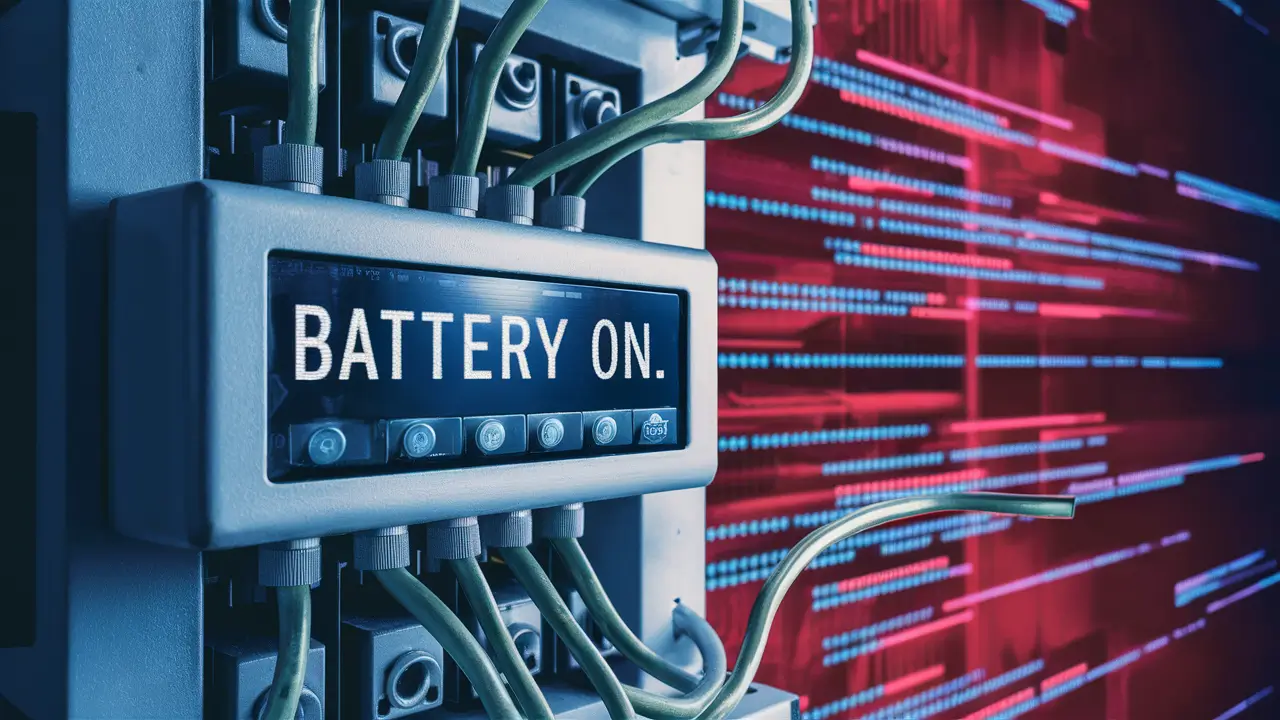
Is your ADT alarm panel displaying a low battery warning? This guide provides a comprehensive, step-by-step solution for changing your ADT alarm panel battery, ensuring your home security remains uninterrupted. We cover everything from identifying the right battery to safely performing the replacement, empowering you to handle this common maintenance task with confidence.
Understanding ADT Panel Batteries
ADT alarm systems, like most modern electronic security devices, rely on a robust backup battery to ensure continuous operation during power outages. This battery is crucial for maintaining the functionality of your entire security network, including sensors, keypads, and the central control panel itself. Without a fully charged and healthy backup battery, your system's ability to alert you and ADT in case of a power failure is severely compromised. Understanding the type of battery your ADT panel uses is the first step in effective maintenance.
Types of ADT Panel Batteries
ADT utilizes various alarm panel models, and consequently, different types of batteries. The most common type found in ADT systems is the sealed lead-acid (SLA) battery. These are rechargeable batteries, designed to provide a buffer during power interruptions and are typically rated at 12 volts. The amperage-hour (Ah) rating of the battery will vary depending on the specific panel model and its power requirements. For instance, a larger system with more sensors and features might require a higher Ah rating for longer backup duration.
Some newer or more specialized ADT systems might incorporate lithium-ion batteries, particularly in wireless sensor components or specific control panels. However, for the main control panel's backup power, SLA batteries remain the industry standard for many established security providers like ADT. It's essential to identify your specific panel model to confirm the exact battery specifications. You can usually find this information on the panel itself, in your system's user manual, or by contacting ADT customer support.
Battery Lifespan and Degradation
The lifespan of an ADT alarm panel battery is not indefinite. On average, a typical 12-volt SLA battery used in alarm systems has a lifespan of 3 to 5 years. This lifespan can be influenced by several factors, including the frequency and duration of power outages, ambient temperature, and the overall health of the AC power supply. Batteries degrade over time, meaning their capacity to hold a charge diminishes. Even if a battery has never been deeply discharged, its internal components will eventually wear out.
Symptoms of a degrading battery can include a persistent "low battery" or "system battery" warning on the keypad, even after the power has been stable for some time. In some cases, the system might behave erratically, with false alarms or delayed responses from sensors. Ignoring these warnings can lead to a situation where the backup battery fails when you need it most – during a power outage, leaving your home vulnerable. Regular checks and proactive replacement are key to maintaining optimal system performance.
Why Battery Replacement is Crucial for Security
The primary function of the backup battery is to ensure your ADT system remains operational when the main power source is interrupted. This could be due to a storm, a local power grid failure, or even a planned outage. During such events, your alarm system needs to continue monitoring your property, detecting intrusions, and communicating with ADT's monitoring center. If the backup battery is depleted or faulty, the system will likely shut down or lose its connection to the monitoring service, leaving your home unprotected.
Furthermore, a weak battery can sometimes cause communication issues. The panel might struggle to send signals to the monitoring station, especially if it's also trying to power its internal components. This can lead to delays in response times or complete failure to report an alarm event. For homeowners and businesses relying on ADT for their safety, ensuring the backup battery is in good condition is not just a maintenance task; it's a critical component of their overall security strategy. In 2025, with increasing reliance on smart home integration and remote monitoring, the integrity of the backup power source becomes even more paramount. Statistics from the security industry in late 2024 indicated that a significant percentage of system failures during minor power disruptions were attributable to battery issues, highlighting the ongoing importance of this component.
When to Replace Your ADT Panel Battery
Proactively identifying when your ADT alarm panel battery needs replacement is essential for maintaining uninterrupted security. Ignoring warning signs can lead to a system failure at the most critical moment. Several indicators will signal that it's time to consider a battery change.
Key Indicators for Battery Replacement
The most obvious and common indicator is a **"Low Battery" or "System Battery" warning** displayed on your ADT alarm panel keypad. This message is specifically designed to alert you to a problem with the backup power source. If this message appears, it's a direct signal that the battery's charge capacity has fallen below a critical threshold. It's important to note that this warning doesn't necessarily mean the battery is completely dead, but it's no longer reliably providing sufficient backup power.
Another sign is **persistent trouble beeps or chirps** from the panel, often occurring at regular intervals (e.g., every 30-60 seconds). While these beeps can sometimes indicate other system issues, they are frequently associated with a low battery condition. Consult your ADT panel's user manual to decipher specific beep patterns and error codes.
If you experience **frequent power outages and notice your system takes longer to recover**, or if the panel resets itself after a brief interruption, it could be due to a failing backup battery. A healthy battery should provide enough power for the system to remain operational for several hours during a typical power outage, allowing it to function normally once power is restored.
The **age of the battery** is a significant factor. As mentioned earlier, most sealed lead-acid batteries have a lifespan of 3 to 5 years. If your battery is approaching or has exceeded this age range, it's prudent to consider replacing it proactively, even if you haven't seen explicit warning signs. This preventative approach is often recommended by security professionals to avoid unexpected failures.
In some cases, a **system malfunction or erratic behavior** could be linked to a weak battery. This might include sensors not registering properly, the panel becoming unresponsive, or unexpected system shutdowns. While these symptoms can have other causes, a failing battery is a common culprit.
ADT's Recommended Replacement Schedule
ADT, like most security providers, recommends a proactive replacement schedule for alarm panel batteries. While the exact recommendation can vary slightly based on the system and service plan, a general guideline is to replace the main control panel battery every **3 to 5 years**. This timeframe aligns with the typical lifespan of sealed lead-acid batteries under normal operating conditions.
This recommended schedule is based on industry standards and the understanding that battery performance degrades gradually over time. By adhering to this schedule, you significantly reduce the risk of unexpected battery failure and ensure your system is always ready to protect your home. Think of it like changing the oil in your car; it's a routine maintenance task that prevents more serious issues down the line.
It's also worth noting that ADT may offer battery replacement services as part of certain maintenance plans or for an additional fee. If you have such a plan, check your service agreement for details on scheduled battery replacements. For those managing their own system maintenance, marking a calendar reminder every 3-4 years is a wise practice.
Factors Affecting Battery Life
Several environmental and usage factors can influence how long your ADT panel battery lasts, potentially shortening its lifespan below the average 3-5 years.
- Frequency and Duration of Power Outages: The more often your system relies on battery backup, the more wear and tear the battery experiences. Deep discharges, where the battery is drained significantly, are particularly taxing.
- Ambient Temperature: Extreme temperatures, both hot and cold, can negatively impact battery performance and lifespan. Batteries stored or operating in very hot environments will degrade faster.
- System Load: A system with numerous sensors, cameras, and advanced features draws more power. This increased demand on the battery, especially during backup, can lead to quicker depletion and reduced lifespan.
- AC Power Quality: Fluctuations or "dirty" power from your home's electrical system can sometimes stress the battery and its charging circuitry.
- Battery Age and Manufacturing Quality: Even within the 3-5 year window, there can be variations in battery quality and manufacturing tolerances.
Understanding these factors can help you assess your specific situation. If you live in an area prone to frequent power outages or extreme weather, you might consider replacing your battery closer to the 3-year mark.
Gathering Your Tools and Materials
Before you embark on the process of changing your ADT alarm panel battery, it's crucial to have all the necessary tools and the correct replacement battery readily available. This preparation will ensure a smooth, efficient, and safe battery replacement, minimizing the time your system is without backup power.
Identifying the Correct Replacement Battery
The most critical step is to ensure you have the correct battery. ADT systems commonly use 12-volt sealed lead-acid (SLA) batteries. The key specification to match is the **ampere-hour (Ah) rating**. This rating indicates the battery's capacity – how much energy it can store and deliver.
How to find the battery specifications:
- Check the Old Battery: The easiest way is to physically inspect the battery you are replacing. It will have labels indicating its voltage (e.g., 12V) and Ah rating (e.g., 4Ah, 7Ah, 12Ah).
- Consult Your ADT Manual: Your system's user manual should specify the recommended battery type and Ah rating for your particular panel model.
- Check the Panel Itself: Sometimes, the battery compartment or the panel's interior may have a sticker with battery information.
- Contact ADT Support: If you are unsure, ADT customer service can provide the exact battery specifications for your system based on your account information.
Common ADT Panel Battery Specifications:
While specific models vary, here are some common battery types you might encounter:
| Common Panel Models (Examples) | Typical Battery Voltage | Common Ah Ratings |
|---|---|---|
| ADT Command / Smart Home Hub | 12V | 4Ah, 7Ah |
| DSC PowerSeries (e.g., PC1832, PC1864) | 12V | 7Ah, 12Ah |
| Honeywell Vista Series (e.g., Vista 20P) | 12V | 7Ah, 12Ah |
| Older ADT Systems (various panels) | 12V | 4Ah, 7Ah, 12Ah |
Important Note: Always try to match the Ah rating. If you opt for a higher Ah rating (e.g., upgrading from 7Ah to 12Ah), ensure the physical dimensions of the battery will fit in the battery compartment. A higher Ah rating generally means longer backup time and is usually acceptable, provided it fits. Conversely, never use a battery with a lower Ah rating than specified, as it may not provide sufficient backup power.
When purchasing, look for reputable brands known for reliability in alarm system batteries. Batteries specifically designed for alarm systems or UPS (Uninterruptible Power Supply) applications are generally suitable.
Essential Tools for the Job
Having the right tools will make the battery replacement process much easier and safer.
- Screwdriver Set: You will likely need a Phillips head screwdriver to open the alarm panel's housing. Some panels might use Torx screws, so a small set of various screwdriver types is advisable.
- Wire Strippers/Crimpers (Optional but Recommended): While many ADT panels use quick-disconnect terminals, some might have wires that need to be detached and reattached. Having wire strippers and crimpers can be useful if you need to repair or secure wire connections, though often just pulling the terminal connector is sufficient.
- Pliers (Needle-nose): These can be helpful for gripping small wires or terminal connectors, especially in tight spaces.
- Gloves: Wearing disposable gloves is recommended to keep the new battery clean and to protect your hands from any potential residue.
- Safety Glasses: Always wear safety glasses when working with electronics or batteries to protect your eyes from accidental sparks or debris.
- Non-conductive Pry Tool or Flathead Screwdriver: To gently release clips or pry open the panel housing.
- Clean Cloth: For wiping down the battery compartment if necessary.
- Flashlight or Headlamp: To illuminate the interior of the panel, especially if you are working in a dimly lit area.
Safety Precautions Before You Begin
Safety is paramount when working with any electrical system, including your alarm panel.
- Disarm Your System: The very first step is to disarm your ADT alarm system using your keypad code. If you are unsure how to do this or if the keypad is unresponsive, you may need to proceed with caution or contact ADT.
- Disconnect AC Power: Locate the main power transformer for your alarm system. This is usually a small black box plugged into a wall outlet near your main electrical panel or the alarm panel itself. Unplug this transformer.
- Disconnect Backup Battery: Once the AC power is disconnected, the system will now be running solely on the backup battery. You will then disconnect the backup battery.
- Avoid Short Circuits: Never allow the positive (+) and negative (-) terminals of the battery to touch each other or any metal object. This can cause sparks, damage the battery, or even start a fire.
- Work in a Well-Lit Area: Ensure you have adequate lighting to see what you are doing clearly.
- Handle Batteries with Care: Batteries contain chemicals. Avoid puncturing, crushing, or exposing batteries to extreme heat or fire.
- Proper Disposal: Old batteries, especially lead-acid batteries, should be disposed of properly. Many electronic stores or recycling centers accept them. Do not throw them in regular household trash.
By taking these preparatory steps, you ensure a safe and successful battery replacement, keeping your ADT system fully operational.
Step-by-Step Guide to Changing Your ADT Panel Battery
Replacing the battery in your ADT alarm panel is a manageable DIY task if you follow these detailed steps carefully. This guide assumes you have already identified the correct battery and gathered your tools. Remember to prioritize safety and follow the sequence precisely.
Step 1: Disarm the Alarm System
Before you do anything else, you must disarm your ADT alarm system. Use your primary keypad code to enter the system. Once disarmed, you should see a "System Disarmed" or similar message on the keypad. If you cannot disarm the system, proceed with extreme caution, as the siren may sound when you open the panel.
Step 2: Locate and Unplug the AC Power Transformer
Find the main power source for your ADT panel. This is typically a small, black transformer plugged into a standard wall outlet. It might be located near your main electrical breaker box, in a utility closet, or close to the alarm panel itself. Unplug this transformer from the wall outlet. This action cuts off the primary power supply to your alarm system.
Step 3: Open the Alarm Panel Housing
The alarm panel is usually housed in a plastic or metal cabinet mounted on a wall.
- Locate the Latch or Screws: Most panels have a small latch at the bottom or top, or screws securing the front cover.
- Release the Latch: If there's a latch, you might need to insert a flathead screwdriver or a non-conductive pry tool into a small slot and gently twist to release it.
- Remove Screws: If there are screws, use the appropriate screwdriver to remove them. Keep them in a safe place, as they are small and easily lost.
- Gently Pry Open: Once any latches or screws are undone, carefully pull the front cover away from the base. It might hinge open from the top or bottom, or detach completely. Be gentle to avoid damaging the plastic casing.
Once the cover is open, you will see the main circuit board, wiring, and the backup battery.
Step 4: Disconnect the Existing Battery
The backup battery is usually a rectangular, sealed unit, often black or gray. It will have two wires connected to it: a red wire (positive, +) and a black wire (negative, -).
- Identify Terminals: Locate the terminals on the battery where the wires are connected. They are typically marked with '+' and '-'.
- Disconnect Wires: Carefully pull the wire connectors off the battery terminals. They usually slide on and off. If they are tight, use needle-nose pliers to gently grip the connector (not the wire itself) and wiggle it off. It's generally recommended to disconnect the negative (black) wire first, then the positive (red) wire.
- Remove the Battery: The battery might be held in place by straps, clips, or simply sit in a compartment. Remove any securing mechanisms and carefully lift the old battery out of its housing.
At this point, your alarm system is running solely on its internal components and will likely lose power very soon, or may have already lost power if the battery was completely dead.
Step 5: Install the New Battery
Take your new, fully charged replacement battery.
- Position the New Battery: Place the new battery into the compartment, ensuring it fits snugly and securely. Orient it so the terminals are accessible and in the same position as the old battery.
- Connect Wires: Connect the wires to the new battery terminals. Ensure you connect the red wire to the positive (+) terminal and the black wire to the negative (-) terminal. The connectors are usually designed to fit only one way, but double-check to avoid errors. Push the connectors firmly onto the terminals until they are secure. It's generally recommended to connect the positive (red) wire first, then the negative (black) wire.
As soon as the battery is connected, you should hear the panel power up, and the keypad may light up.
Step 6: Close the Alarm Panel Housing
Carefully close the front cover of the alarm panel.
- Align the Cover: Ensure all wires are tucked away neatly and are not pinched between the cover and the base.
- Secure the Cover: Re-engage any latches or re-insert and tighten the screws you removed earlier. Make sure the cover is securely closed.
Step 7: Restore AC Power
Go back to the wall outlet where you unplugged the AC power transformer. Plug it back in.
You should see the alarm panel light up, and the keypad should become active. The system will begin to charge the new battery. You might hear a brief series of beeps as the system recognizes the new battery and re-establishes communication.
Step 8: Test the System
This is a crucial step to ensure everything is working correctly.
- Check Keypad: Look at the keypad. Any "low battery" or "trouble" indicators should now be gone. The system should show as "Ready" or "Armed" (if it was armed before you started).
- Perform a System Test: Most ADT systems have a built-in test mode. You can usually initiate this through the keypad menu or by calling ADT's technical support and asking them to put your system in test mode. This test sends a signal to the monitoring center to confirm communication.
- Check Battery Status: Some panels allow you to check the battery status in the system's diagnostic menu.
If you encounter any issues or the "low battery" light persists, double-check all connections and ensure you have the correct battery type. If problems continue, it's time to contact ADT support.
Important Considerations During Replacement
- Time Without Power: The goal is to minimize the time the system is without AC power and battery backup. This process, if done efficiently, should take no more than 10-15 minutes.
- Battery Terminal Polarity: Reversing the polarity (connecting red to negative and black to positive) can damage the new battery and potentially the alarm panel. Always double-check.
- Battery Type: Using the wrong type of battery (e.g., a non-rechargeable battery or one with significantly different voltage) will prevent the system from working correctly or charging.
- System Reset: In rare cases, after a prolonged power loss or battery change, a system reset might be necessary. Consult your manual or ADT support for instructions if your system behaves unusually.
By following these steps, you can confidently replace your ADT alarm panel battery and ensure your home security system remains fully functional.
Troubleshooting Common Battery Issues
Even with careful installation, you might encounter a few hiccups when replacing your ADT alarm panel battery. Understanding these common issues and their solutions can save you time and frustration.
Issue 1: "Low Battery" or "Trouble" Light Persists
You've replaced the battery, but the warning light or message is still displayed on your keypad.
- Check Connections: The most common cause is a loose connection. Re-open the panel and ensure the red wire is firmly attached to the '+' terminal and the black wire to the '-' terminal of the new battery. Wiggle them gently to ensure they are secure.
- Verify Battery Polarity: Double-check that you haven't accidentally reversed the red and black wires. This is a critical error that can prevent the system from recognizing the battery or even damage it.
- New Battery Defective: While rare, new batteries can sometimes be faulty. If you have access to a multimeter, you can test the battery's voltage. A fully charged 12V battery should read around 12.6-13.0 volts. If it's significantly lower, the battery might be dead on arrival.
- System Needs Time to Reset: Some systems require a short period to recognize the new battery and clear the fault. Leave the AC power connected for at least 30 minutes to an hour and see if the message clears.
- AC Power Issue: Ensure the AC transformer is plugged in and functioning. If the panel isn't receiving AC power, it will rely solely on the battery, which might still trigger a low battery warning if it's not fully charged or if the system interprets the lack of AC as a problem.
- System Fault: It's possible the persistent warning is due to another system fault unrelated to the battery. Consult your system's manual for error codes or contact ADT.
Issue 2: System Beeps Continuously After Battery Replacement
Your panel is emitting a constant or frequent beep after the battery change.
- Check for Other Faults: The beeping might be an indicator of a different system issue that coincidentally appeared. Check the keypad for specific error messages or codes.
- Tamper Alert: If the panel cover was not properly secured, or if a sensor on the panel itself was triggered, it might issue a tamper alert beep. Ensure the cover is closed securely.
- Battery Not Fully Seated: A slightly dislodged battery connection can sometimes cause intermittent issues, leading to beeps. Re-seat the battery connections.
- System Reset Required: In some cases, a full system power cycle might be needed. This involves disconnecting both AC power and the battery, waiting a few minutes, and then reconnecting them in the correct order (battery first, then AC power).
Issue 3: System Not Powering Up at All
After replacing the battery and restoring AC power, the panel remains completely dead.
- Verify AC Power: Ensure the AC transformer is plugged into a working outlet. Test the outlet with another device.
- Check Transformer Connection: Make sure the transformer is securely plugged into the wall outlet and that its connection to the alarm system wiring is sound (if it's hardwired).
- Incorrect Battery Connection: Re-verify that the battery is connected correctly, with the red wire to '+' and the black wire to '-'. A reversed connection could prevent power-up.
- Damaged Battery or Panel: It's possible the new battery is faulty, or there might have been damage to the panel's circuitry during the replacement process. If you suspect damage, it's best to contact ADT.
- Blown Fuse: Some alarm panels have internal fuses that protect the circuitry. If a fuse has blown, the system won't power up. This is a more complex issue that may require professional attention.
Issue 4: Battery Drains Too Quickly
The new battery seems to be losing its charge much faster than expected.
- Battery Capacity (Ah): Ensure you installed a battery with the correct or an equivalent Ah rating. A significantly lower Ah rating will lead to shorter backup times.
- System Load: If you have recently added many new wireless sensors or other devices to your system, the increased power draw might be draining the battery faster.
- Frequent Power Outages: If your area experiences frequent power interruptions, the battery will be used more often, leading to quicker depletion.
- Faulty Charging Circuit: The alarm panel has a charging circuit to keep the battery topped up. If this circuit is faulty, the battery may not be charging properly, leading to premature drainage.
- Defective New Battery: Even new batteries can have internal defects that affect their ability to hold a charge.
When to Call ADT or a Professional
If you've gone through the troubleshooting steps and are still experiencing issues, or if you're uncomfortable performing any of these checks, it's time to seek professional help.
- Persistent Faults: If warning lights or error messages continue despite your best efforts.
- System Malfunctions: If the panel behaves erratically, sensors are not working, or the system seems unstable.
- Uncertainty or Discomfort: If you are unsure about any step or feel uncomfortable working with the system's electronics.
- Damage Suspected: If you believe you may have damaged the panel or wiring.
ADT offers support services, and their technicians are trained to diagnose and resolve these issues. For systems outside of ADT's direct service or for those seeking independent service, a qualified alarm system technician can also assist.
Alternatives and Professional Help
While changing your ADT alarm panel battery is often a straightforward DIY task, there are situations where you might consider alternatives or seek professional assistance. Understanding these options ensures you maintain the best possible security for your home or business.
When DIY Might Not Be the Best Option
Not everyone is comfortable working with electronics, and some situations can be more complex than a standard battery replacement.
- Lack of Technical Comfort: If you're not confident in your ability to follow technical instructions or handle small electronic components, it's safer to let a professional handle it.
- Complex System Installations: For larger, more intricate ADT systems with multiple panels, extensive wiring, or specialized components, the battery replacement process might be more involved than a typical residential setup.
- System Errors Beyond Battery: If you suspect the "low battery" warning is a symptom of a larger system malfunction, or if other error codes are present, a professional diagnosis is often required.
- Physical Limitations: If the alarm panel is located in a difficult-to-reach area (e.g., high on a wall, in a confined space), performing the replacement yourself might be challenging or unsafe.
- Risk of Voiding Warranty: In some rare cases, unauthorized tampering with system components could potentially affect warranty coverage. Always check your ADT service agreement.
ADT's Professional Battery Replacement Service
ADT offers professional services for battery replacement. This is often the most convenient and reliable option for many customers.
- Scheduling a Service Call: You can contact ADT customer support to schedule a technician visit. They will bring the correct battery and perform the replacement for you.
- Cost of Service: ADT typically charges a fee for this service, which includes the cost of the battery and the technician's labor. The exact cost can vary based on your location and service plan. Some premium ADT packages might include routine battery replacements as part of the subscription.
- Benefits: The primary benefit of using ADT's service is peace of mind. You are assured that the correct battery is used, the replacement is done by a trained professional, and the system is tested afterward. It eliminates the guesswork and potential for error associated with DIY replacement.
- Maintenance Plans: If you have an ADT maintenance or premium service plan, inquire about battery replacement. It might be covered or offered at a discounted rate.
Third-Party Alarm Technicians
If you are looking for an alternative to ADT's direct service, or if your system is no longer under ADT's direct maintenance contract, you can hire independent alarm system technicians.
- Finding a Technician: Look for reputable local alarm system companies that service ADT or similar security systems. Online reviews and recommendations can be helpful.
- Cost Comparison: Independent technicians may sometimes offer more competitive pricing than the original service provider. Always get a quote upfront.
- Expertise: Ensure the technician is experienced with ADT systems or similar panel types to guarantee a proper replacement.
- Battery Quality: Inquire about the type and brand of battery they use. Opt for reputable brands designed for alarm systems.
DIY vs. Professional: Making the Choice
The decision between DIY and professional replacement often comes down to a few key factors:
| Factor | DIY (Do It Yourself) | Professional Service (ADT or Third-Party) |
|---|---|---|
| Cost | Lower (cost of battery only) | Higher (battery + labor fee) |
| Time Commitment | Requires your time for research and execution | Minimal time commitment from you (scheduling) |
| Risk of Error | Higher if inexperienced; potential for incorrect battery or connection | Lower; performed by trained professionals |
| Convenience | Requires planning and execution | High; technician handles all aspects |
| System Testing | User responsibility to test | Typically included as part of the service |
For many homeowners who are comfortable with basic DIY tasks and have a standard ADT panel, the DIY route is a cost-effective and efficient solution. However, if you value convenience, are less technically inclined, or have a complex system, professional service is a worthwhile investment. In 2025, with the increasing complexity of smart home security integrations, the line between simple DIY and professional installation continues to blur, making professional consultation more valuable for intricate setups.
Ultimately, the goal is to ensure your ADT alarm system has a reliable backup battery. Whether you choose to do it yourself or hire a professional, staying on top of battery maintenance is a critical step in maintaining your home's security.
In conclusion, changing your ADT alarm panel battery is a vital maintenance task that ensures your home security system functions optimally, especially during power outages. By understanding the battery types, recognizing the signs for replacement, gathering the right tools, and following a step-by-step process, you can confidently perform this task yourself. Always prioritize safety by disconnecting power and handling components with care. If you encounter persistent issues or feel uncomfortable, ADT's professional service or a qualified third-party technician are excellent alternatives. Regular battery checks and proactive replacement, typically every 3-5 years, are key to uninterrupted protection.