How To Check Adt Alarm System ?
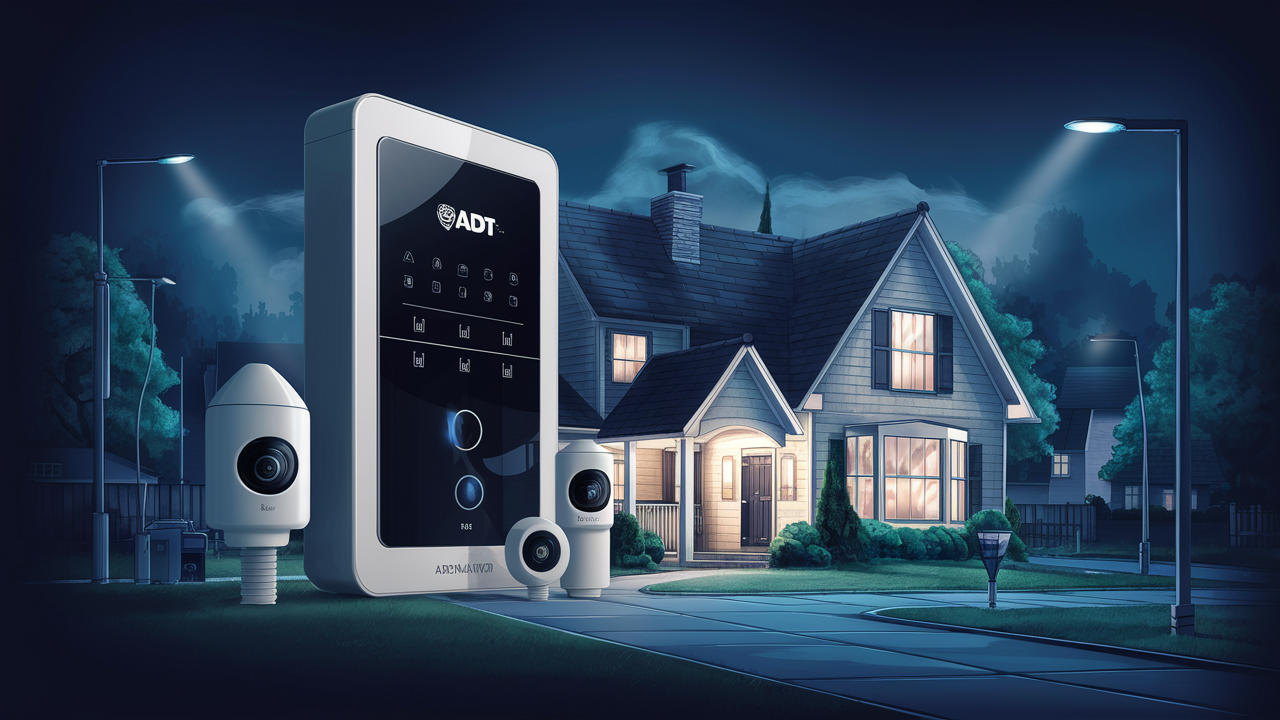
Wondering how to check your ADT alarm system? This comprehensive guide will walk you through every step, from basic status checks to advanced troubleshooting, ensuring your home security is always optimal. Learn to verify your system's readiness and peace of mind.
Understanding Your ADT System's Status Lights
Your ADT alarm system is designed to provide clear visual cues about its operational status. The primary way to "check" your system at a glance is by observing the status lights on your control panel. These lights are your first line of defense in understanding if everything is functioning as it should, or if there's a minor issue that needs attention. For instance, a green light typically indicates that the system is armed and ready, while a red light might signify an alarm event or a system fault. Understanding these indicators is crucial for immediate assessment.
The ADT Control Panel: Your Central Hub
The ADT control panel, often referred to as the keypad, is the brain of your security system. It's where you arm and disarm the system, view status messages, and receive alerts. Most modern ADT systems, especially those installed recently or upgraded, feature an LED (Light Emitting Diode) display or a touchscreen interface that provides information through various colored lights and on-screen prompts.
Interpreting Common Status Lights
While specific light patterns can vary slightly depending on the exact ADT model you have (e.g., ADT Command, ADT Pulse, or older systems), some general interpretations are widely applicable. It's always best to consult your system's user manual for precise definitions, but here's a breakdown of common indicators:
- Green Light: Generally signifies that the system is disarmed and in a ready state. Some systems may also use green to indicate that the system is armed in "stay" mode, meaning interior motion detectors are bypassed.
- Red Light: This is often the most critical light. A solid red light usually indicates that the system is currently in an alarm state (e.g., a door or window has been opened while armed). A blinking red light can mean there's a system fault or a trouble condition that needs attention.
- Yellow/Amber Light: Typically indicates a "trouble" or "fault" condition. This could be a sensor malfunction, a low battery in a wireless component, or a communication issue. It doesn't mean the system is currently alarming, but it suggests a problem that needs to be addressed to ensure full functionality.
- Blue Light: In some systems, particularly those with ADT Pulse or ADT Command, a blue light might indicate that the system is communicating with the ADT monitoring center or that a specific function, like remote access, is active.
- System Armed Indicators: Many panels will have separate indicators or display messages to show if the system is armed in "Stay" (perimeter protection) or "Away" (perimeter and interior protection) mode. These are often accompanied by specific light colors or text on the screen.
What to Do When You See a Yellow or Red Light
If you notice a yellow or blinking red light, the first step is to check the system's display for a specific message. It might read "Low Battery," "Sensor Fault," "Communication Failure," or provide a zone number associated with the problem. If the display is unclear, you can often cycle through system messages by pressing a "Status" or "Info" button on the keypad. For any persistent trouble signals, it's wise to refer to the troubleshooting section or contact ADT directly.
In 2025, with the increasing sophistication of smart home security, understanding these basic light indicators remains fundamental. While app notifications provide detailed alerts, the physical status lights offer an immediate, at-a-glance confirmation of your system's health. For example, a common scenario is a "low battery" warning for a wireless door sensor. The yellow light will appear, and the panel will display a message. This allows you to proactively replace the battery before the sensor fails entirely, ensuring continuous protection.
How to Test ADT Alarm System Sensors
Regularly testing your ADT alarm system's sensors is a vital part of maintaining your home security. Sensors are the eyes and ears of your system, detecting intrusions or environmental hazards. Ensuring they are functioning correctly prevents false alarms and guarantees that genuine threats are detected. ADT recommends periodic testing, and knowing how to perform these checks yourself can give you significant peace of mind. This process typically involves triggering each sensor and verifying that the system registers the event.
Types of Sensors and How They Work
ADT systems utilize various types of sensors, each designed for specific detection purposes:
- Door/Window Sensors (Contact Sensors): These consist of two parts – a magnet and a sensor. When the door or window is closed, the magnet is close to the sensor, keeping the circuit complete. When opened, the magnet moves away, breaking the circuit and triggering an alarm if the system is armed.
- Motion Detectors (PIR Sensors): These use passive infrared technology to detect changes in heat signatures within a room. They are designed to sense movement, typically by picking up body heat. Pet-immune models are available to reduce false alarms from household animals.
- Glass Break Detectors: These sensors listen for the specific sound frequency of breaking glass. They are useful for protecting large windows or glass doors.
- Environmental Sensors: This category includes smoke detectors, carbon monoxide detectors, and flood/water sensors. These are crucial for life safety and property protection beyond intrusion detection.
Step-by-Step Sensor Testing Guide
Before you begin testing, it's crucial to put your ADT system into "Test Mode" with ADT's monitoring center. This prevents them from dispatching emergency services if a sensor triggers an alarm during your test. You can usually do this by calling ADT customer service or through your ADT Control app. Once in test mode, follow these steps:
Testing Door and Window Sensors
- Arm the System: Arm your ADT system in "Stay" mode. This typically activates perimeter sensors while bypassing interior motion detectors, allowing you to move freely within the house.
- Open a Protected Entry Point: Carefully open a door or window that has a contact sensor installed.
- Observe the Panel: The ADT control panel should register the opening. You might hear a beep, see a zone light illuminate, or receive an on-screen notification indicating which zone has been triggered.
- Close the Entry Point: Close the door or window. The system should acknowledge the closure, and the zone indicator should return to its normal state.
- Repeat: Repeat this process for every door and window sensor in your home.
Testing Motion Detectors
- Arm the System: Arm your ADT system in "Away" mode. This mode activates both perimeter sensors and interior motion detectors.
- Wait for Entry Delay: Allow the system to complete its exit delay and enter the armed state.
- Trigger the Detector: Walk in front of the motion detector. Ensure you move in a way that the detector can sense your movement (e.g., across its field of view).
- Observe the Panel: The ADT control panel should register the motion detection. This might be indicated by a zone light or an on-screen message.
- Disarm the System: Once you've confirmed the detector registered motion, disarm the system using your keypad code.
- Repeat: Test each motion detector individually.
Important Note for Motion Detectors: When testing motion detectors, ensure that no pets are in the area if you have pet-immune sensors, as this could lead to false alarms. For non-pet-immune sensors, ensure pets are secured elsewhere during testing.
Testing Environmental Sensors
Environmental sensors often have a dedicated test button or require specific testing procedures:
- Smoke Detectors: Most smoke detectors have a "Test" button. Press and hold this button until the alarm sounds. Your ADT panel should register this event.
- Carbon Monoxide (CO) Detectors: These often require a special testing canister or a specific button. Consult your user manual for the correct procedure. ADT recommends testing CO detectors monthly.
- Water/Flood Sensors: To test these, you can carefully place a small amount of water onto the sensor's detection area. The system should register the presence of water.
Checking Sensor Batteries
Many wireless sensors rely on batteries. If a battery is low, the sensor may not function correctly, and the system will typically display a "low battery" warning. When testing sensors, pay attention to any indicators of low battery power. Replacing batteries proactively is a key part of maintaining your system. In 2025, battery life for modern wireless sensors can range from 1 to 5 years, depending on the sensor type and usage, so regular checks are essential.
By following these steps, you can effectively check and test your ADT alarm system's sensors, ensuring that your home remains protected against intrusions and environmental hazards. This proactive approach is far more effective than waiting for a system failure.
Testing Your ADT Alarm System's Audible Alarms
Beyond checking individual sensors, it's equally important to verify that your ADT alarm system's audible alarms are functioning correctly. These sirens are designed to alert occupants and deter intruders. A silent alarm is an ineffective alarm. This section will guide you through how to test these critical components, ensuring they will sound when needed.
The Importance of Audible Alarms
Audible alarms serve a dual purpose:
- Deterrence: The loud noise of a siren can startle and scare away potential intruders.
- Alerting: They alert household members to a potential danger, giving them time to react and evacuate or take appropriate action.
How to Test the Siren
Testing the siren is typically integrated into the overall system testing process. As with sensor testing, it's highly recommended to notify ADT's monitoring center and place your system in "Test Mode" before proceeding. This prevents an unnecessary dispatch of emergency services.
Method 1: Triggering a Sensor (Recommended)**
The most straightforward way to test the siren is to trigger a sensor while the system is armed. This mimics a real intrusion scenario and will activate the siren if it's working correctly.
- Notify ADT: Call ADT and inform them you will be testing your system and want it placed in "Test Mode." Confirm the duration of the test mode.
- Arm the System: Arm your ADT system in "Away" mode. Ensure all doors and windows are closed and that motion detectors are not triggered by people or pets within the armed zone.
- Wait for Exit Delay: Allow the system to complete its exit delay and become fully armed.
- Trigger a Sensor: Open a door or window that has a contact sensor. This should trigger the alarm.
- Observe and Listen: Listen for the audible alarm (siren) to sound. Note its volume and duration.
- Disarm the System: Quickly disarm the system using your keypad code to stop the alarm.
- Confirm with ADT: Once disarmed, call ADT back to confirm that the alarm signal was received and to take your system out of test mode.
Caution: Be prepared for the loud noise. Ensure everyone in the household is aware that a test is being conducted to avoid unnecessary panic.
Method 2: Using System Test Functions (Model Dependent)
Some ADT control panels and systems have a built-in function to test the siren without necessarily triggering a full alarm sequence. This is often found within the system's diagnostic or maintenance menus.
- Access System Menus: Navigate through your ADT control panel's menu options. Look for sections like "System Test," "Diagnostics," or "Maintenance."
- Select Siren Test: If available, select the option to test the siren or audible alarm.
- Initiate Test: Follow the on-screen prompts to start the siren test.
- Listen for the Sound: The siren should sound for a predetermined period.
- Exit Test Mode: Once the test is complete, ensure you exit any specific test modes and return the system to its normal operational status.
Consult your ADT system's user manual for specific instructions on how to access and use any built-in siren testing functions. Not all systems offer this feature.
What to Do If the Siren Doesn't Sound
If you perform a test and the siren does not sound, it's a critical issue that needs immediate attention. Here's what to consider:
- Check System Arming: Ensure the system was properly armed in a mode that would activate the siren (e.g., "Away" mode).
- Verify Sensor Functionality: Confirm that the sensor you triggered is actually working and registering on the panel. If the sensor isn't triggering, the siren won't activate.
- Check System Status: Look for any "trouble" or "fault" indicators on the control panel. A system fault might disable the siren.
- Power Supply: Ensure the control panel has power. If the main power is out and the backup battery is depleted or faulty, some functions might be affected.
- Siren Module: The siren itself might be malfunctioning, disconnected, or have its own internal issue. For hardwired sirens, check for loose connections. For wireless sirens, check battery levels if applicable.
When to Contact ADT
If the siren fails to sound during a test, or if you suspect an issue with its functionality, it's imperative to contact ADT's professional support. They can remotely diagnose many issues and schedule a technician visit if necessary. In 2025, ADT continues to offer robust support, and addressing siren malfunctions promptly is key to maintaining effective security.
Testing your ADT alarm system's audible alarms is a crucial step in ensuring your security system is fully operational. Don't overlook this simple yet vital test to guarantee your home and loved ones are protected.
Verifying ADT Alarm System Connectivity
In today's interconnected world, your ADT alarm system's connectivity is paramount. Whether it's communicating with the ADT monitoring center for emergency dispatch or connecting to your smartphone app for remote control, a stable connection ensures your system is always responsive. This section focuses on how to check and ensure your ADT system has reliable connectivity.
Why Connectivity Matters
Connectivity is the lifeline of your ADT system. Without it, the system cannot:
- Alert ADT Monitoring: In the event of an alarm, the system needs to send a signal to ADT's central station. If this communication is down, emergency services may not be dispatched.
- Provide Remote Access: If you rely on the ADT Control app to arm/disarm your system, check camera feeds, or receive notifications, a lack of connectivity will render these features useless.
- Receive System Updates: Like any smart device, ADT systems receive software updates to improve performance and security. Connectivity is required for these updates.
Methods for Checking Connectivity
There are several ways to check your ADT system's connectivity, ranging from simple visual checks to using system diagnostics.
1. Checking the Control Panel Display
Your ADT control panel is often the first place to look for connectivity status. Many panels will display icons or messages indicating the communication status.
- Signal Strength Icon: Similar to a mobile phone, some panels show a signal strength indicator for cellular or Wi-Fi connectivity.
- Communication Status Messages: Look for messages like "Communicating," "Connected," "No Signal," or "Communication Failure."
- ADT Logo/Status Indicator: Some panels have a specific light or icon that indicates a connection to the ADT network.
If you see any messages indicating a communication failure or a weak signal, it's a sign that you need to investigate further.
2. Using the ADT Control App
The ADT Control app (or ADT Pulse app, depending on your system) is designed to give you real-time insights into your system's status, including connectivity.
- System Status: Open the app and navigate to the main dashboard. It should clearly indicate if your system is "Online" or "Offline."
- Notifications: Check your notification history within the app. You might have received alerts about connection issues.
- Device Status: Some apps allow you to check the status of individual connected devices, which can sometimes indirectly indicate network health.
If the app shows your system as "Offline," it means the connection between your home and ADT's servers is currently interrupted.
3. Testing the System with ADT Monitoring
The most definitive way to check if your system is successfully communicating with ADT's monitoring center is to perform a system test with them.
- Contact ADT: Call ADT customer support and inform them you wish to perform a system test to verify communication.
- Place System in Test Mode: ADT will put your system into a special "Test Mode" to prevent false alarm dispatches.
- Trigger an Alarm: Arm your system and trigger a sensor (e.g., open a door).
- Confirm Signal Reception: After the alarm sounds and you disarm the system, call ADT back. They should be able to confirm that they received the alarm signal from your system.
- Exit Test Mode: Ensure ADT takes your system out of test mode.
This method confirms that the primary communication path to the monitoring center is functional.
4. Checking Your Home Network (for Wi-Fi Connected Systems)
If your ADT system connects to the internet via Wi-Fi (common with ADT Command and some ADT Pulse systems), your home's internet connection is crucial.
- Router Status: Check your Wi-Fi router. Are its lights indicating a stable internet connection?
- Internet Speed Test: Perform an internet speed test on another device connected to the same network. Slow or intermittent internet can affect your ADT system's performance.
- Wi-Fi Signal Strength: Ensure your ADT control panel or any Wi-Fi bridge is within a good range of your router. Weak Wi-Fi signals can lead to connectivity issues.
5. Checking Cellular Backup
Most ADT systems have a cellular backup, which is vital if your home internet goes down. If you suspect a connectivity issue, you can ask ADT to verify the cellular signal strength to your panel.
- Cellular Signal Indicator: Some panels may display a cellular signal strength meter.
- ADT Diagnostics: ADT technicians can remotely check the cellular signal quality and connection status to your specific panel.
Troubleshooting Connectivity Issues
If you discover a connectivity problem, here are some common troubleshooting steps:
- Reboot Your Router: Unplug your Wi-Fi router for 30 seconds, then plug it back in. Wait for it to fully boot up.
- Restart Your ADT Panel: If possible, follow your system's manual for instructions on how to safely restart the control panel.
- Check Wiring: For wired connections, ensure all cables are securely plugged in.
- Wi-Fi Password Changes: If you recently changed your Wi-Fi password, you'll need to re-enter it into your ADT system.
- Interference: Other electronic devices can sometimes interfere with Wi-Fi signals. Try moving your router or ADT panel if possible.
- Contact Your ISP: If your home internet is consistently unreliable, contact your Internet Service Provider.
In 2025, with the increasing reliance on smart home integration, maintaining robust connectivity for your ADT system is more important than ever. Regular checks ensure that your system is always ready to protect your home and provide you with the convenience of remote management. If you encounter persistent connectivity problems, do not hesitate to contact ADT for expert assistance.
Using the ADT Control App to Check Your System
The ADT Control app (or its predecessor, ADT Pulse) is a powerful tool that puts your home security system at your fingertips. It's not just for arming and disarming; it's also an excellent way to check the status, health, and activity of your ADT alarm system. This section will detail how to leverage the app for comprehensive system checks.
Key App Features for System Status
The ADT Control app provides a dashboard view and detailed logs that offer a clear picture of your system's operational state. Here's what to look for:
1. The Main Dashboard: Your System's Overview
Upon logging into the ADT Control app, the main dashboard is your primary source of information. It typically displays:
- System Status: A prominent indicator showing whether the system is "Disarmed," "Armed Stay," or "Armed Away."
- Connectivity Status: Often indicated by an icon or text confirming if the system is "Online" and communicating with ADT servers.
- Recent Activity: A feed of the most recent events, such as arming/disarming, sensor triggers, or system alerts.
If the dashboard shows your system as "Offline" or displays an error message, it's the first sign of a potential connectivity issue that needs addressing.
2. Event History and Activity Log
The "Event History" or "Activity Log" section of the app is invaluable for detailed system checks. It provides a chronological record of all events detected by your system.
- Sensor Activity: You can see exactly when doors and windows were opened or closed, and when motion was detected.
- Arming/Disarming: Track who armed or disarmed the system and at what time.
- System Alerts: Review any alerts generated by the system, such as "Low Battery," "Sensor Fault," "Communication Failure," or "Tamper Alert."
- Trouble Conditions: This log is crucial for identifying recurring issues or specific sensor malfunctions that might not be immediately obvious.
By regularly reviewing the event history, you can spot anomalies or patterns that might indicate a developing problem with a sensor or the system itself.
3. Device Status and Battery Levels
Many versions of the ADT Control app allow you to check the status of individual devices connected to your system.
- Sensor Status: View if individual door/window sensors, motion detectors, or other devices are online and functioning.
- Battery Levels: For wireless sensors, the app often displays their current battery status. This is a proactive way to identify sensors that need new batteries before they fail.
- Camera Feeds: If you have ADT cameras, you can check their live feeds and recorded footage directly through the app, confirming their operational status.
Proactively checking battery levels through the app can prevent unexpected sensor failures, especially in 2025 when many homes rely heavily on wireless security components.
4. System Alerts and Notifications
The app allows you to configure and receive push notifications for various system events. Ensure these are enabled for critical alerts.
- Alarm Notifications: Receive immediate alerts if an alarm is triggered.
- System Faults: Get notified of issues like "Low Battery," "Sensor Tamper," or "Communication Loss."
- Arming/Disarming Reminders: Set up notifications to remind you to arm or disarm the system.
These notifications act as an extension of the audible alarms and visual indicators on your control panel, keeping you informed even when you're away from home.
5. Performing Remote Tests
While not a direct "check," the app facilitates remote actions that can indirectly verify system functionality.
- Remote Arming/Disarming: Arming and disarming your system remotely confirms that the communication link is active and the panel is receiving commands.
- Arming in Different Modes: Switching between "Stay" and "Away" modes can help confirm that the system is responding to different command sets.
Troubleshooting with the App
If the app indicates an issue, use the information it provides to troubleshoot:
- "Offline" System: Check your home's internet connection and Wi-Fi router. Reboot both if necessary. Ensure your ADT panel is within Wi-Fi range.
- "Low Battery" Alerts: Identify the specific sensor from the alert and replace its battery promptly.
- "Sensor Fault" or "Tamper" Alerts: Check the physical sensor. Ensure it's securely mounted, unobstructed, and free from damage. For tamper alerts, ensure the cover is properly closed.
- No Notifications: Verify your app notification settings and your phone's general notification settings are enabled for the ADT app.
The ADT Control app is an indispensable tool for modern homeowners seeking to stay informed about their security system. By regularly utilizing its features, you can proactively manage your ADT alarm system, ensuring it's always in optimal working order and providing the security you expect. In 2025, staying connected with your home security is easier than ever, thanks to these advanced mobile applications.
Troubleshooting Common ADT Alarm System Issues
Even the most reliable security systems can encounter occasional issues. Knowing how to troubleshoot common problems with your ADT alarm system can save you time, money, and unnecessary service calls. This section covers frequent issues and provides step-by-step solutions.
1. False Alarms
False alarms are disruptive and can sometimes incur fines from local authorities. They occur when the alarm is triggered by a non-threatening event.
Common Causes:
- User Error: Forgetting to disarm the system in time, incorrect entry/exit codes.
- Environmental Factors: Drafts opening doors/windows, pets triggering motion detectors, insects near sensors, steam from bathrooms.
- Faulty Sensors: Malfunctioning door/window contacts, motion detectors, or glass break sensors.
- Low Batteries: Weak batteries can cause erratic sensor behavior.
Troubleshooting Steps:
- Review Entry/Exit Delay Times: Ensure they are set appropriately for your household's routine.
- Check for Drafts: Ensure doors and windows are securely closed and latched.
- Pet-Immune Motion Detectors: If you have pets, ensure motion detectors are installed correctly and are pet-immune if applicable. Consider placement to avoid pets triggering them.
- Sensor Maintenance: Clean sensors and their surrounding areas. Check for obstructions.
- Battery Replacement: Replace batteries in any sensors showing low battery warnings.
- User Training: Ensure all household members know how to properly arm and disarm the system.
- Contact ADT: If the issue persists, contact ADT to diagnose faulty sensors or system programming.
2. System Not Arming
If your ADT system refuses to arm, it usually indicates an open zone or a system fault.
Common Causes:
- Open Door/Window: A door or window with a contact sensor is not fully closed.
- Motion Detected: If arming in "Away" mode, a motion detector might be sensing movement.
- System Fault: A trouble condition (e.g., low battery, sensor fault) is preventing arming.
- Communication Issue: The system may not be able to communicate with the monitoring center.
Troubleshooting Steps:
- Check Panel Display: The control panel should indicate which zone is open or what the fault is.
- Verify All Entry Points: Manually check that all doors and windows are securely closed.
- Check Motion Detectors: Ensure no one is moving in front of motion detectors if arming in "Away" mode.
- Review System Status: Look for any "trouble" or "fault" lights/messages on the panel. Address these first.
- Bypass Zones (Temporary): If you know a specific sensor is faulty and you need to arm the system, you can often bypass that zone. Consult your manual for how to do this. Note: Bypassing a zone leaves that area unprotected.
- Restart System: Try a system reboot if recommended by your manual.
3. Low Battery Warnings
Wireless sensors and keypads are powered by batteries. Low battery warnings are common and indicate it's time for a replacement.
Common Causes:
- Battery Depletion: Batteries have a finite lifespan.
- Environmental Factors: Extreme temperatures can sometimes affect battery life.
Troubleshooting Steps:
- Identify the Sensor: The ADT panel or app will usually specify which sensor has a low battery.
- Purchase Correct Batteries: Use the exact type of battery specified in your user manual.
- Replace Battery: Carefully open the sensor housing, remove the old battery, and insert the new one, ensuring correct polarity.
- Reset Sensor: Some sensors may require a brief reset after battery replacement.
- Check System Status: Ensure the low battery warning clears from the panel after replacement.
4. Communication Failure
This is a critical issue, as it prevents your system from alerting ADT in an emergency.
Common Causes:
- Internet Outage: If your system relies on broadband internet.
- Cellular Signal Loss: Issues with the cellular network or signal strength.
- ISP Issues: Problems with your internet service provider.
- ADT Server Issues: Rare, but possible.
- Wiring Problems: Loose or damaged wiring to the communicator.
Troubleshooting Steps:
- Check Home Internet: Ensure your Wi-Fi router is powered on and has an internet connection. Reboot your router.
- Check Cellular Signal: If your panel displays a cellular signal strength, check it.
- Contact ADT: This is often an issue that requires ADT's intervention. They can run remote diagnostics on your communicator and cellular signal.
- Test the System: Ask ADT to place your system in test mode and perform a sensor trigger to confirm communication is re-established.
5. System Faults or Trouble Conditions
A "trouble" light or message indicates a general problem that needs attention.
Common Causes:
- Low Battery
- Sensor Failure
- Communication Issues
- Power Supply Problems
- Internal System Malfunction
Troubleshooting Steps:
- Check Panel Display: The panel should provide a specific code or message indicating the nature of the trouble.
- Consult User Manual: Refer to your ADT system's manual for explanations of trouble codes.
- Address Specific Issues: If the trouble is due to a low battery or open zone, address those first.
- System Reset: A controlled system reset might resolve temporary glitches.
- Contact ADT: For persistent or unidentifiable trouble conditions, professional assistance is required.
By understanding these common issues and their solutions, you can effectively manage your ADT alarm system. Remember, for any complex or persistent problems, contacting ADT's professional support is always the best course of action to ensure your system's integrity and your ongoing safety. In 2025, proactive troubleshooting is key to a secure home.
Routine Checks and ADT System Maintenance
Just like any other important piece of equipment in your home, your ADT alarm system requires regular maintenance to ensure it functions reliably. Proactive checks and maintenance are far more effective than waiting for a system failure. This section outlines a schedule and essential tasks for keeping your ADT system in top condition.
Why Regular Maintenance is Crucial
Regular maintenance of your ADT alarm system offers several key benefits:
- Prevents False Alarms: Catching minor issues like low batteries or sensor misalignment before they cause false alarms.
- Ensures Reliability: Guarantees that your system will work when you need it most, especially during an actual emergency.
- Extends System Lifespan: Proper care can help prolong the life of your equipment.
- Maintains Peace of Mind: Knowing your system is regularly checked provides confidence in your home security.
- Compliance: Some insurance providers may offer discounts for systems that are regularly maintained and tested.
Recommended Maintenance Schedule and Tasks
Here's a suggested schedule for performing checks and maintenance on your ADT alarm system:
Monthly Checks:
- Test the System: Place your system in "Test Mode" with ADT and perform a full system test. This includes triggering each sensor (doors, windows, motion detectors) and verifying that the control panel registers the event. Test the audible alarm by triggering a sensor while armed.
- Check Control Panel Display: Look for any "trouble" or "fault" indicators. Address these immediately.
- Review Event History (via App): Briefly scan the recent activity log in your ADT Control app for any unusual events or alerts.
- Test Environmental Sensors: If you have smoke or CO detectors integrated with your ADT system, test them monthly by pressing their test buttons.
Quarterly Checks:
- Inspect Sensors: Visually inspect all door and window sensors, motion detectors, and other security devices. Ensure they are clean, securely mounted, and free from any visible damage. Check for any signs of wear and tear.
- Check Battery Levels: While the app may show battery levels, a quarterly check ensures you're aware of any sensors that might be approaching low battery status. Proactively replace batteries that are nearing the end of their expected life.
- Test Keypads and Remotes: Ensure all keypads are responsive and any wireless key fobs or remotes are functioning correctly.
Annual Checks:
- Full System Diagnostic: Beyond monthly sensor tests, consider a more thorough system diagnostic. This might involve testing all system functions, including communication pathways.
- Clean Control Panel: Gently clean the control panel and keypads with a soft, dry cloth. Avoid using harsh chemicals.
- Review User Manual: Reacquaint yourself with your system's features and troubleshooting tips by reviewing the user manual.
- Check for Updates: If your system is connected to the internet, check if there are any pending software updates available through the ADT Control app or by contacting ADT.
- Professional Inspection (Optional but Recommended): Consider scheduling an annual professional inspection with ADT. They can perform more in-depth diagnostics, check wiring, and ensure all components are functioning optimally.
Specific Maintenance Tasks
Battery Replacement:
Wireless sensors and keypads typically use standard batteries (e.g., CR2032, AA, 9V). Always use high-quality replacement batteries. The lifespan varies by device and usage, but expect 1-5 years for most sensors. Replace batteries proactively when indicated by the system or during your quarterly checks.
Sensor Cleaning and Alignment:
Dust and debris can interfere with sensor operation. Gently clean sensors with a soft, dry cloth. For door/window contact sensors, ensure the two parts (magnet and sensor) are properly aligned and within the recommended proximity when the door/window is closed. Misalignment can lead to false alarms or failure to detect.
Motion Detector Placement and Cleaning:
Ensure motion detectors are mounted at the recommended height and angle, and that their field of view is not obstructed by furniture, curtains, or plants. Clean the lens gently with a soft cloth.
Communication Pathway Checks:
If your system uses broadband internet, ensure your Wi-Fi router is functioning correctly and has a stable internet connection. If it uses cellular backup, periodically check with ADT that the signal is strong and consistent.
When to Call ADT for Maintenance
While many checks can be performed by the homeowner, certain issues require professional attention:
- Persistent Faults: If you encounter recurring trouble codes or faults that you cannot resolve.
- Communication Failures: If you suspect a problem with the system's communicator or cellular backup.
- System Not Responding: If the control panel is unresponsive or displays critical errors.
- Suspected Hardware Failure: If a component appears physically damaged or is consistently malfunctioning.
- Annual Professional Inspection: To ensure comprehensive system health and catch potential issues you might miss.
By integrating these routine checks and maintenance tasks into your home management, you ensure your ADT alarm system remains a reliable guardian of your property. In 2025, proactive care is the cornerstone of effective home security. Regular attention to your system will pay dividends in reliability and peace of mind.
When to Call ADT for Professional Assistance
While this guide empowers you to perform many checks and basic troubleshooting on your ADT alarm system, there are times when professional assistance from ADT is not only recommended but essential. Recognizing these situations ensures your system's integrity and your continued safety. This section outlines the scenarios where contacting ADT is the best course of action.
Critical System Malfunctions
If your ADT system exhibits signs of a major malfunction, it's crucial to involve ADT's trained technicians.
- Complete System Failure: If the control panel is completely unresponsive, shows no signs of power, or displays critical error messages that cannot be cleared.
- Siren Not Working After Testing: If you've tested the siren and it consistently fails to sound, there might be an issue with the siren module, wiring, or the main panel that requires professional diagnosis.
- Repeated Communication Failures: If you've tried basic troubleshooting (router reboot, checking connections) and your system continues to report communication failures, the issue might lie with the internal communicator or cellular module, requiring ADT's expertise.
- Tamper Alerts That Won't Clear: If a tamper alert persists even after ensuring all covers are securely closed and there's no visible damage, the sensor's internal switch might be faulty.
Complex Troubleshooting
Some issues require specialized knowledge and diagnostic tools that only ADT technicians possess.
- Intermittent Faults: If your system reports faults or errors sporadically, making it difficult to pinpoint the cause. ADT can use advanced diagnostics to track these intermittent issues.
- System Programming Issues: If you suspect the system's programming has been altered incorrectly, or if you're experiencing issues related to zone configuration or user codes that you cannot resolve through the user interface.
- Integration Problems: If you have integrated your ADT system with other smart home devices (e.g., smart locks, thermostats) and are experiencing connectivity or functional problems with these integrations.
System Upgrades or Expansions
When you decide to expand your ADT system or upgrade to newer technology, professional installation is required.
- Adding New Sensors: While some systems allow self-enrollment of new wireless sensors, for optimal performance and integration, especially with wired systems, professional installation is recommended.
- Upgrading Control Panels: Moving to a newer ADT Command or Pulse panel requires professional installation and configuration.
- Adding Cameras or Other Devices: Integrating new cameras, smart locks, or other advanced devices often requires professional setup to ensure they work seamlessly with your existing system.
When You're Unsure or Uncomfortable
Your safety and peace of mind are paramount. If at any point you are unsure about how to proceed with a check, troubleshooting, or maintenance task, or if you feel uncomfortable performing a particular step, it's always best to err on the side of caution and contact ADT.
- Unfamiliar Error Codes: If your panel displays an error code that is not explained in your manual or that you don't understand.
- Concerns About System Integrity: If you have any general concerns about the reliability or security of your system.
- After Major Home Events: Following significant events like power surges, lightning strikes, or flooding, it's wise to have ADT inspect your system.
How to Contact ADT for Support
ADT offers multiple channels for customer support:
- Phone Support: For immediate assistance, call ADT's customer service number. This is often the quickest way to get help with critical issues or to schedule a technician.
- ADT Control App: The app may have a "Support" or "Help" section that provides access to FAQs, troubleshooting guides, or direct contact options.
- ADT Website: ADT's official website usually has a customer support portal with contact information and resources.
When you call ADT, be prepared to provide your account information and a clear description of the issue you are experiencing. This will help them diagnose the problem more efficiently.
In 2025, ADT continues to be a leader in home security, offering robust support for its advanced systems. Understanding when to call for professional assistance is as important as knowing how to perform basic checks. Trusting ADT's expertise for complex issues ensures your alarm system remains a reliable shield for your home and family.
Conclusion:
Effectively checking your ADT alarm system involves a multi-faceted approach, from understanding status lights and testing sensors to verifying connectivity and performing routine maintenance. By regularly engaging with your system through the control panel and the ADT Control app, you can proactively identify and address potential issues, ensuring continuous protection. Remember to always notify ADT before performing system tests and don't hesitate to contact their professional support for any complex problems or when you need expert assistance. A well-maintained ADT system is your strongest ally in home security.