How To Choose The Best Doorbell Camera For Your Home
Selecting the ideal doorbell camera involves navigating a landscape of features, power options, and connectivity. This guide demystifies the process, empowering you to choose a smart doorbell that enhances your home security, convenience, and peace of mind, all within your budget.
Understanding Doorbell Cameras
In today's interconnected world, smart home devices are no longer a luxury but a practical necessity for many homeowners. Among these, the doorbell camera has emerged as a frontline defender of home security and a gateway to enhanced convenience. These devices combine the traditional function of a doorbell with the advanced capabilities of a video camera, allowing you to see, hear, and speak to visitors from anywhere via your smartphone or tablet. By 2025, the smart home security market, with doorbell cameras as a significant segment, is projected to reach over $150 billion globally, underscoring their growing importance and adoption rate. This surge is driven by increasing concerns about home safety, the desire for remote monitoring, and the seamless integration these devices offer with other smart home ecosystems.
The core functionality of a doorbell camera is to provide a visual and auditory connection to your front door, even when you're not physically present. This means you can answer the door for deliveries when you're at work, check on who's ringing the bell before opening it, and even deter potential intruders by their awareness that they are being recorded. The technology has evolved rapidly, moving beyond basic video capture to include sophisticated features like high-definition resolution, wide-angle lenses, night vision, two-way audio, motion detection, and integration with voice assistants. Understanding these fundamental aspects is the first step in selecting the best doorbell camera for your specific needs and home environment.
Beyond basic security, doorbell cameras offer a host of secondary benefits. For families with children, they can provide peace of mind knowing who is arriving or leaving. For elderly individuals, they offer an added layer of safety and ease of communication. For those who frequently receive packages, they can help manage deliveries, reducing the risk of theft. The ability to record events at your doorstep also serves as a valuable tool for evidence in case of any incidents. As we delve deeper into the selection process, it's crucial to keep these multifaceted benefits in mind, as they will guide your decision-making towards a device that truly adds value to your daily life and property protection.
Key Features to Consider
When embarking on the journey to choose the best doorbell camera, a deep dive into its features is paramount. The market is saturated with options, each boasting a unique set of capabilities. However, some features are foundational to a positive user experience and effective security. Understanding these will help you filter through the noise and identify devices that truly meet your requirements.
Video Quality and Resolution
The clarity of the video feed is arguably the most critical feature. A doorbell camera should offer at least 1080p (Full HD) resolution for clear, detailed images. Higher resolutions, such as 2K or even 4K, provide even greater detail, allowing you to zoom in on faces or license plates with remarkable clarity. This level of detail is crucial for identification purposes. Consider the field of view as well; a wider angle (e.g., 160 degrees or more) ensures you capture more of the area around your door, reducing blind spots. By 2025, 2K resolution is becoming the standard for premium models, with 4K options gaining traction for those prioritizing ultimate clarity.
Night Vision Capabilities
Home security doesn't stop when the sun goes down. Effective night vision is essential for a doorbell camera. Most cameras utilize infrared (IR) LEDs to illuminate the area in black and white after dark. Look for cameras with advanced IR technology that provides a clear, well-lit image without excessive glare. Some higher-end models offer color night vision, which uses ambient light sensors or specialized lenses to produce color images even in low-light conditions, offering a more natural and detailed view.
Motion Detection and Alerts
Sophisticated motion detection is a cornerstone of smart doorbell functionality. Instead of just alerting you to any movement, advanced systems allow you to customize motion zones, so you only receive notifications for activity in specific areas (e.g., your porch, not the street). Some cameras also feature AI-powered person detection, which distinguishes between people, animals, and vehicles, significantly reducing false alarms. The speed and accuracy of these alerts, delivered directly to your smartphone, are vital for timely responses.
Two-Way Audio
The ability to communicate with visitors is a defining feature of doorbell cameras. Two-way audio allows you to speak and listen through the camera using your smartphone app. This is invaluable for instructing delivery drivers where to leave packages, greeting guests remotely, or even scaring off unwanted visitors. Ensure the audio quality is clear and that there's minimal delay in communication.
Field of View (FOV)
The field of view determines how much of the surrounding area the camera can capture. A wider FOV is generally better, as it minimizes blind spots. Look for cameras with a horizontal FOV of at least 160 degrees. Some cameras also offer a vertical FOV, which can be useful for seeing packages left on the doorstep. The combination of wide horizontal and vertical FOV provides comprehensive coverage.
Weather Resistance
Your doorbell camera will be exposed to the elements, so it must be built to withstand various weather conditions. Look for devices with an IP rating (Ingress Protection) of at least IP65, which indicates resistance to dust and water jets. This ensures the camera can operate reliably in rain, snow, and extreme temperatures.
Integration with Smart Home Ecosystems
For users invested in smart home technology, compatibility with platforms like Amazon Alexa, Google Assistant, or Apple HomeKit is a significant advantage. This allows for voice control, integration with other smart devices (e.g., turning on porch lights when motion is detected), and centralized management through a single app. By 2025, seamless integration is expected to be a standard feature for most reputable brands.
Durability and Build Quality
A doorbell camera is an investment, and its physical construction should reflect this. Look for sturdy materials that can withstand tampering and the general wear and tear of outdoor exposure. While aesthetics are subjective, a robust build quality ensures longevity.
Ease of Installation
Consider whether you're comfortable with DIY installation or if you'll need professional help. Some cameras are designed for simple DIY setup, while others may require more technical expertise, especially if they involve hardwiring. The availability of clear instructions and customer support can greatly simplify the installation process.
Advanced Features Worth Exploring
Beyond the essentials, several advanced features can elevate the functionality and value of your doorbell camera:
- AI-Powered Analytics: As mentioned, AI can differentiate between people, animals, and vehicles, leading to more relevant alerts. Some advanced AI can even recognize familiar faces.
- Pre-Roll Recording: This feature captures a few seconds of video *before* motion is detected, providing crucial context for events.
- HDR (High Dynamic Range): HDR helps balance bright and dark areas in the video feed, improving clarity in challenging lighting conditions like direct sunlight or deep shadows.
- Local Storage Options: While cloud storage is prevalent, some users prefer local storage via an SD card for privacy and to avoid ongoing subscription fees.
- Chime Compatibility: Ensure the doorbell camera is compatible with your existing indoor chime, or if it comes with its own wireless chime.
Power Options: Wired vs. Wireless
The power source of a doorbell camera is a fundamental decision that impacts installation, maintenance, and sometimes even performance. Understanding the pros and cons of wired and wireless options is crucial for choosing the best fit for your home.
Wired Doorbell Cameras
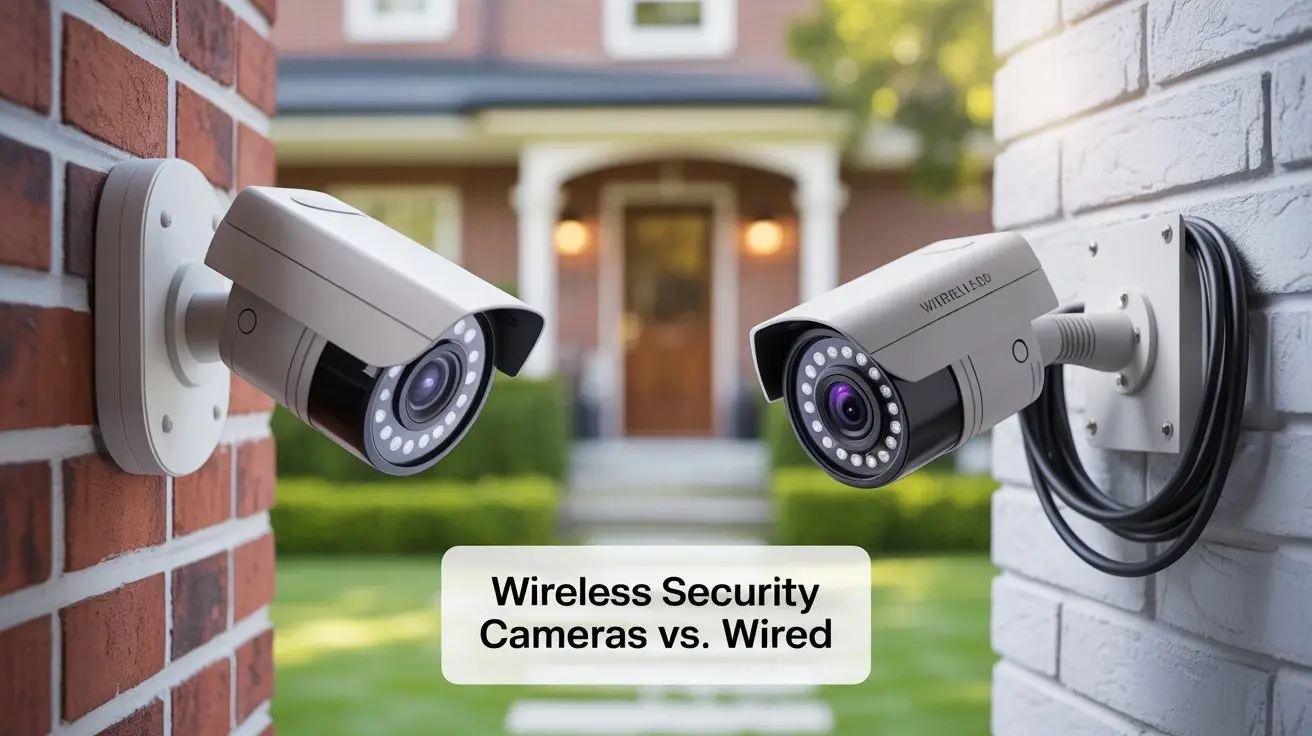
Wired doorbell cameras connect to your home's existing doorbell wiring. This typically involves low-voltage AC power. The primary advantage here is a consistent, uninterrupted power supply, meaning you never have to worry about charging or replacing batteries. This leads to more reliable performance, especially for features that consume more power, like continuous recording or high-frequency Wi-Fi transmissions.
Pros:
- Reliable Power: No battery changes or charging required, ensuring continuous operation.
- Consistent Performance: Less prone to power-related performance issues.
- Often Higher Resolution/Features: Manufacturers can pack more power-hungry features into wired models.
- Potentially Simpler Installation for Existing Wiring: If you have existing doorbell wiring, installation can be straightforward.
Cons:
- Requires Existing Wiring: If your home doesn't have doorbell wiring, installation becomes more complex and may require professional help.
- Less Flexible Placement: You are limited by the location of your existing doorbell transformer and wiring.
- Potential for Transformer Issues: The existing transformer might need upgrading if it's too old or not powerful enough for the new device.
Installation Considerations: For wired installations, you'll typically need to turn off the power at your circuit breaker, remove your old doorbell button, connect the wires to the new doorbell camera, and then restore power. It's advisable to check the voltage requirements of the new doorbell camera against your existing transformer. Many modern wired doorbell cameras are designed to work with standard 16-24V AC transformers.
Wireless Doorbell Cameras
Wireless doorbell cameras are powered by rechargeable batteries. This offers significant flexibility in terms of placement, as they don't rely on existing wiring. They are generally easier to install for most homeowners.
Pros:
- Easy Installation: No need for existing doorbell wiring, making them ideal for renters or older homes.
- Flexible Placement: Can be installed almost anywhere within Wi-Fi range.
- Portability: Can be easily moved or replaced if needed.
Cons:
- Battery Management: Batteries need to be recharged periodically, which can be inconvenient. The frequency depends on usage, motion detection settings, and Wi-Fi signal strength.
- Potential for Missed Events: If the battery dies, the camera stops functioning, potentially missing important events.
- Performance Limitations: Some high-demand features might be limited to conserve battery life.
- Wi-Fi Dependency: Reliant on a strong Wi-Fi signal for both power management and connectivity.
Battery Life and Charging: Battery life can range from a few weeks to several months, depending on the model and usage. Look for cameras with user-replaceable batteries or fast-charging capabilities. Some wireless models also offer optional solar charging panels to extend battery life.
Hybrid Options
Some manufacturers offer hybrid solutions. For instance, a wireless doorbell camera might have the option to be hardwired if existing wiring is available, providing a constant power source and eliminating the need for battery charging. This offers the best of both worlds: flexibility in installation and reliable, continuous power.
Making the Choice
Your choice between wired and wireless should be based on your home's infrastructure and your comfort level with installation. If you have existing doorbell wiring and prefer a set-it-and-forget-it solution, a wired camera is likely the best option. If you're a renter, live in an older home without wiring, or prioritize ease of installation and placement flexibility, a wireless camera is the way to go. By 2025, battery technology has advanced significantly, making wireless options more robust than ever, but the reliability of wired power remains a strong advantage for many.
Connectivity and Installation
The way your doorbell camera connects to your home network and how you install it are critical factors that influence user experience and overall effectiveness. A seamless connection and straightforward installation process can save you time, frustration, and potentially money on professional services.
Wi-Fi Connectivity Requirements
Most smart doorbell cameras connect to your home's Wi-Fi network. This means you need a stable and reasonably strong Wi-Fi signal at your front door. 2.4GHz Wi-Fi is common for its range, though some cameras support 5GHz for potentially faster speeds and less interference. It's advisable to check the Wi-Fi signal strength at your desired installation location using your smartphone. If the signal is weak, you might need to consider a Wi-Fi extender or a mesh network system to ensure reliable connectivity.
Network Security: Ensure your Wi-Fi network is secured with a strong password (WPA2 or WPA3 encryption). This is crucial for protecting your network and the data transmitted by your doorbell camera.
Installation Methods
As discussed in the power section, installation methods largely depend on whether the doorbell is wired or wireless.
Wired Installation
If your home has existing doorbell wiring:
- Turn off power: Locate your home's circuit breaker and switch off the power to your doorbell transformer.
- Remove old doorbell: Unscrew and detach your existing doorbell button. Disconnect the wires.
- Connect new doorbell: Follow the manufacturer's instructions to connect the wires to your new doorbell camera. This usually involves attaching wires to terminals.
- Mount the camera: Secure the mounting bracket to your wall, then attach the doorbell camera.
- Restore power: Turn the power back on at the circuit breaker.
- Configure app: Download the manufacturer's app and follow the on-screen prompts to connect the doorbell camera to your Wi-Fi network and set up your account.
If you don't have existing wiring, you might need to:
- Install a new transformer: This typically involves running low-voltage wires from a transformer (often located near your electrical panel or furnace) to the doorbell location. This is often a job for a qualified electrician.
- Use a plug-in adapter: Some wired doorbell cameras come with plug-in adapters that can be routed to a nearby indoor outlet. This simplifies wiring but might be less aesthetically pleasing.
Wireless Installation
Wireless installation is generally much simpler:
- Charge the battery: Ensure the battery is fully charged before installation.
- Mount the bracket: Screw the mounting bracket to your wall at the desired location.
- Attach the camera: Snap or slide the doorbell camera onto the mounting bracket.
- Configure app: Download the manufacturer's app, create an account, and follow the instructions to connect the doorbell camera to your Wi-Fi network. This often involves scanning a QR code displayed on your phone with the camera.
Considerations for Wireless Mounting: Ensure the mounting location provides a clear line of sight to the area you want to monitor and is within good Wi-Fi range. Some wireless models come with angled mounting plates to help direct the camera's view.
Professional Installation
If you're not comfortable with electrical work or complex mounting, professional installation is a worthwhile investment. Electricians or security system installers can ensure the device is wired correctly, securely mounted, and properly configured. This is especially recommended for wired installations where existing wiring is absent or needs to be upgraded.
App and Software Setup
Once the hardware is installed, the setup process shifts to the accompanying mobile application. This is where you'll connect the camera to your Wi-Fi, set up motion detection zones, configure notification preferences, and manage your storage settings. A user-friendly app with intuitive controls is a significant plus. By 2025, most apps offer a streamlined setup process that guides users through each step, making it accessible even for those less tech-savvy.
Troubleshooting Common Connectivity Issues
If you encounter connectivity problems:
- Check Wi-Fi signal strength: Ensure your router is within range and not obstructed.
- Restart your router and camera: A simple reboot can often resolve temporary glitches.
- Verify Wi-Fi password: Ensure you've entered the correct password.
- Check for interference: Other electronic devices can sometimes interfere with Wi-Fi signals.
- Update firmware: Ensure both your camera and router have the latest firmware installed.
Storage Options: Local vs. Cloud
When your doorbell camera records video, that footage needs to be stored somewhere. The two primary methods are local storage and cloud storage, each with its own set of advantages and disadvantages. Understanding these differences is crucial for privacy, cost, and accessibility.
Cloud Storage
Cloud storage involves storing your recorded video footage on remote servers managed by the manufacturer. This is the most common storage method for smart doorbell cameras.
Pros:
- Accessibility: Footage can be accessed from anywhere with an internet connection, via the mobile app or web portal.
- Off-site Backup: If your home is damaged or the camera is stolen, your recordings are safely stored elsewhere.
- Automatic Updates: The cloud platform is typically managed and updated by the provider.
- Advanced Features: Often unlocks features like AI analytics, extended event history, and higher resolution recordings.
Cons:
- Subscription Fees: Most cloud storage services require a monthly or annual subscription fee, which can add up over time. Pricing varies based on the number of cameras, length of storage, and features offered. By 2025, subscription costs range from $3 to $20+ per month per device or for a family plan.
- Privacy Concerns: Some users may have concerns about their video data being stored on third-party servers.
- Internet Dependency: If your internet connection goes down, you won't be able to access live feeds or recordings.
- Bandwidth Usage: Continuous recording or frequent uploads can consume significant internet bandwidth.
Common Cloud Plans: Many companies offer tiered plans. A basic plan might cover one camera for 7 days of event history, while premium plans cover multiple cameras for 30-60 days of continuous recording or event history.
Local Storage
Local storage involves saving video footage directly to a physical storage medium connected to the doorbell camera itself or your home network.
Types of Local Storage:
- MicroSD Card: Many doorbell cameras have a slot for a microSD card. This is the most common form of local storage for individual devices.
- Network Attached Storage (NAS): Some higher-end systems can record to a NAS device on your home network.
- Base Station/Hub: Certain systems use a dedicated base station that stores footage locally.
Pros:
- No Subscription Fees: Once you purchase the device or SD card, there are no ongoing costs for storage.
- Enhanced Privacy: Your footage stays within your home network, offering greater control and privacy.
- Works Offline: Recordings can still be made even if your internet connection is down (though remote access will be lost).
Cons:
- Limited Capacity: MicroSD cards have finite storage space. When full, older footage is typically overwritten.
- Risk of Loss: If the camera or storage device is stolen or damaged, the footage is lost.
- Less Accessible Remotely: Accessing footage remotely might be more complex or require additional setup (e.g., port forwarding on your router, which has security implications).
- Potential for Overwriting: If not managed properly, important footage can be overwritten before you've had a chance to review or save it.
SD Card Considerations: When choosing a camera with SD card support, check the maximum capacity supported and consider purchasing a high-endurance card designed for continuous recording.
Hybrid Storage Solutions
Some doorbell cameras offer a hybrid approach, allowing for both local and cloud storage. This can be an ideal solution, providing the benefits of both: local backup for privacy and cost savings, with cloud backup for accessibility and off-site protection. For example, a camera might record events locally to an SD card but offer an optional subscription for cloud backup of critical events or longer storage.
Choosing the Right Storage
The best storage option for you depends on your priorities:
- For maximum convenience and accessibility: Cloud storage is usually the best choice, provided you're comfortable with the subscription fees and privacy implications.
- For privacy-conscious users and to avoid ongoing costs: Local storage (especially with an SD card) is preferable.
- For a balance of both: Look for hybrid solutions.
By 2025, the trend is towards more flexible storage options, with manufacturers offering a range of plans and devices that support both local and cloud storage to cater to diverse user needs.
Budget and Pricing
The cost of a doorbell camera can vary significantly, from under $100 for basic models to over $300 for premium devices with advanced features. Setting a budget upfront will help you narrow down your options and avoid overspending. It's also important to consider the total cost of ownership, which includes not only the initial purchase price but also any ongoing subscription fees for cloud storage or advanced features.
Initial Purchase Price
Doorbell cameras can be broadly categorized by price:
- Budget-Friendly ($50 - $150): These models typically offer essential features like 1080p video, basic motion detection, and two-way audio. They might have limitations in night vision quality, field of view, or AI capabilities. Some may rely solely on cloud storage with higher subscription fees.
- Mid-Range ($150 - $250): This is the sweet spot for many consumers, offering a good balance of features and price. You can expect 2K or higher resolution, improved night vision, more advanced motion detection (including person detection), wider fields of view, and often options for both local and cloud storage.
- Premium ($250+): High-end doorbell cameras boast top-tier features such as 4K resolution, advanced AI analytics (like facial recognition), HDR, color night vision, broader integration capabilities, and more generous cloud storage plans.
Ongoing Subscription Costs
As highlighted in the storage section, many smart doorbell cameras rely on cloud storage, which necessitates a recurring subscription fee. These fees can range from approximately $3 to $20 per month per device, or $10 to $30 per month for a family plan covering multiple devices. Factors influencing subscription costs include:
- Storage Duration: How many days of video history you need (e.g., 7 days, 30 days, 60 days).
- Number of Cameras: Plans are often priced per camera or offer discounts for multiple devices.
- Features: Advanced features like AI-powered alerts, continuous recording, or package detection might be exclusive to higher-tier plans.
By 2025, subscription models are becoming increasingly sophisticated, with some manufacturers offering free basic plans with limited features (e.g., motion alerts but no video recording) and paid tiers for full functionality. Always factor these recurring costs into your overall budget.
Installation Costs
If you opt for professional installation, factor in those costs. A basic wired installation by an electrician might range from $100 to $250, depending on your location and the complexity of the job. Wireless installations are generally less expensive if professional help is needed, as they require less technical expertise.
Total Cost of Ownership
When evaluating different doorbell cameras, consider the total cost of ownership over, say, three to five years. A cheaper initial purchase price might be offset by higher subscription fees, and vice versa. For example:
- Camera A: $150 initial cost, $10/month cloud subscription = $150 + ($10 * 36 months) = $510 over 3 years.
- Camera B: $250 initial cost, supports local storage (no subscription), or $5/month cloud subscription = $250 (local) or $250 + ($5 * 36 months) = $430 over 3 years (cloud).
This calculation helps reveal the long-term financial implications of your choice.
Finding Value
To find the best value, look for deals and promotions, especially during major shopping holidays. Consider refurbished models from reputable sellers if you're on a tight budget. Read reviews that specifically address the long-term reliability and hidden costs associated with different brands. By 2025, the market is highly competitive, offering numerous options at various price points, so diligent research is key to securing the best deal for your needs.
Top Doorbell Camera Categories for 2025-26
The doorbell camera market is constantly evolving, with manufacturers focusing on specific niches and feature sets to cater to diverse consumer needs. As we look towards 2025-26, several key categories are expected to dominate, offering distinct advantages for different types of users.
1. The All-Around Performer (Best Value)
These doorbell cameras strike an excellent balance between features, performance, and price. They typically offer 2K resolution, good night vision, reliable motion detection with person detection, two-way audio, and a user-friendly app. They often support both wired and wireless power options and provide flexible storage solutions, including a free basic tier for event alerts and affordable paid plans for video history. These are ideal for most homeowners seeking robust security without breaking the bank.
Key Features: 2K resolution, 160°+ FOV, advanced motion detection (person detection), two-way audio, Wi-Fi connectivity, wired/wireless option, optional cloud storage with free basic tier.
Target User: Homeowners looking for a reliable, feature-rich doorbell camera that offers excellent value for money.
2. The Premium Security Pro (Top-Tier Features)
For those who demand the absolute best in video quality and advanced functionality, these premium models are the top choice. They boast 4K resolution, HDR, color night vision, advanced AI capabilities like facial recognition, and often offer continuous recording options. They integrate seamlessly with high-end smart home systems and come with robust cloud storage plans or advanced local storage solutions. These are for users prioritizing cutting-edge technology and maximum security detail.
Key Features: 4K resolution, HDR, color night vision, advanced AI (facial recognition, package detection), wide dynamic range, premium build quality, extensive smart home integration, robust cloud or advanced local storage.
Target User: Tech enthusiasts, security-conscious homeowners, or those with specific needs for ultra-high detail identification.
3. The Budget-Conscious Choice (Essential Security)
These doorbell cameras focus on delivering core functionality at an affordable price point. They typically offer 1080p resolution, basic motion detection, and two-way audio. While they might lack some of the advanced features of higher-end models, they provide essential security monitoring for those on a tighter budget. They usually rely on cloud storage, so be mindful of the subscription costs.
Key Features: 1080p resolution, basic motion detection, two-way audio, Wi-Fi connectivity, often battery-powered. Usually requires a cloud subscription for video storage.
Target User: Renters, first-time smart home users, or those needing basic front-door monitoring without advanced features.
4. The Wireless Freedom Seeker (Easy Installation)
Designed for maximum convenience and ease of installation, these are typically battery-powered wireless doorbell cameras. They are perfect for renters, older homes without existing wiring, or anyone who wants to avoid complex installation. By 2025, battery life on these models has significantly improved, often lasting several months on a single charge. They offer flexible placement options but require regular battery management.
Key Features: Battery-powered, easy DIY installation, Wi-Fi connectivity, often includes a wireless chime. May have slightly less advanced features to conserve battery.
Target User: Renters, homeowners with no existing doorbell wiring, or those prioritizing simple setup and flexible placement.
5. The Privacy-Focused Option (Local Storage)
For users who are highly concerned about privacy and prefer to avoid cloud-based storage, these doorbell cameras offer robust local storage solutions. This usually means support for microSD cards or integration with Network Attached Storage (NAS) devices. While they provide excellent control over data, remote access might be less seamless compared to cloud-dependent models.
Key Features: MicroSD card slot, NAS support, no mandatory subscription fees for storage, strong encryption. May offer optional cloud backup.
Target User: Privacy-conscious individuals, those who want to avoid recurring fees, or users with existing NAS infrastructure.
6. The Integrated Ecosystem Player (Smart Home Hub Compatible)
These doorbell cameras are designed to work seamlessly within specific smart home ecosystems, such as Apple HomeKit, Google Home, or Amazon Alexa. They offer deep integration, allowing for voice control, automation routines (e.g., turning on lights when motion is detected), and unified control through a single app. If you're already invested in a particular ecosystem, choosing a compatible doorbell camera can significantly enhance your smart home experience.
Key Features: Compatibility with major smart home platforms (Alexa, Google Assistant, HomeKit), advanced automation capabilities, voice control integration.
Target User: Users heavily invested in a particular smart home ecosystem looking for seamless integration.
When choosing a category, consider your primary needs: budget, ease of installation, desired features, and privacy concerns. By 2025-26, the lines between these categories are blurring, with many devices offering a blend of features, but understanding these core distinctions will help you make a more informed decision.
Making Your Final Decision
Choosing the best doorbell camera for your home is a significant decision that impacts your security, convenience, and daily life. By now, you should have a clear understanding of the key features, power options, storage solutions, and budget considerations. The final step involves synthesizing this information and aligning it with your specific needs and home environment.
Recap of Key Considerations:
- Video Quality: Aim for at least 1080p, with 2K or 4K offering superior detail.
- Night Vision: Essential for 24/7 monitoring.
- Motion Detection: Look for customizable zones and person detection to minimize false alerts.
- Two-Way Audio: Crucial for communication with visitors.
- Power Source: Wired for reliability, wireless for flexibility. Consider hybrid options.
- Storage: Cloud for accessibility, local for privacy and cost savings.
- Budget: Factor in both the initial purchase price and any ongoing subscription fees.
- Smart Home Integration: Ensure compatibility with your existing ecosystem.
- Durability & Weather Resistance: Essential for outdoor placement.
Actionable Steps for Your Decision:
- Assess Your Home's Infrastructure: Do you have existing doorbell wiring? What is your Wi-Fi signal strength at the front door? This will heavily influence your power and connectivity choices.
- Define Your Must-Have Features: Prioritize the features that are most important to you. Is it crystal-clear video, advanced AI, long battery life, or seamless smart home integration?
- Set Your Budget: Determine both your upfront spending limit and your acceptable ongoing monthly costs for subscriptions.
- Read Recent Reviews: Look for reviews from 2025-26 that specifically address the performance, reliability, and customer support of the models you're considering. Pay attention to user experiences with battery life, app usability, and notification accuracy.
- Compare Top Contenders: Create a shortlist of 2-3 doorbell cameras that meet your criteria. Use comparison tables (like the one provided earlier) to directly contrast their specifications and pricing.
- Consider Your Installation Comfort Level: Are you a DIY enthusiast, or would you prefer professional installation? This can impact your choice between wired and wireless models.
- Think Long-Term: Consider the total cost of ownership and the manufacturer's track record for software updates and support. A slightly more expensive upfront purchase with no subscription fees might be more economical in the long run.
By meticulously working through these steps, you will be well-equipped to select a doorbell camera that not only meets your security needs but also enhances your home's convenience and your overall peace of mind. The advancements in technology by 2025-26 mean there's a perfect doorbell camera out there for every home and every budget, waiting to be discovered.
Ultimately, the "best" doorbell camera is subjective and depends entirely on your individual requirements. Whether you prioritize cutting-edge technology, budget-friendliness, ease of use, or privacy, careful consideration of the factors discussed in this guide will lead you to a smart and satisfying purchase. Embrace the power of modern technology to secure and simplify your home life.