Clearing codes on your ADT alarm system can resolve common alerts and restore full functionality. This comprehensive guide will walk you through the process, from understanding error codes to performing the reset, ensuring your home security remains robust and reliable. We'll cover various ADT panel types and common scenarios.
Understanding ADT Alarm Codes
ADT alarm systems, like any complex electronic device, can generate error codes to indicate a problem. These codes are designed to help users and technicians quickly identify the source of an issue, whether it's a sensor malfunction, communication problem, or a system configuration error. Understanding what these codes signify is the first crucial step in resolving them. ADT systems utilize a variety of panels, each with its own specific code set and reset procedures. While the underlying principles are similar, the exact method for clearing a code can vary significantly between models. For instance, a code indicating a low battery on a wireless sensor will require a different approach than a code signifying a communication failure with the ADT monitoring center.
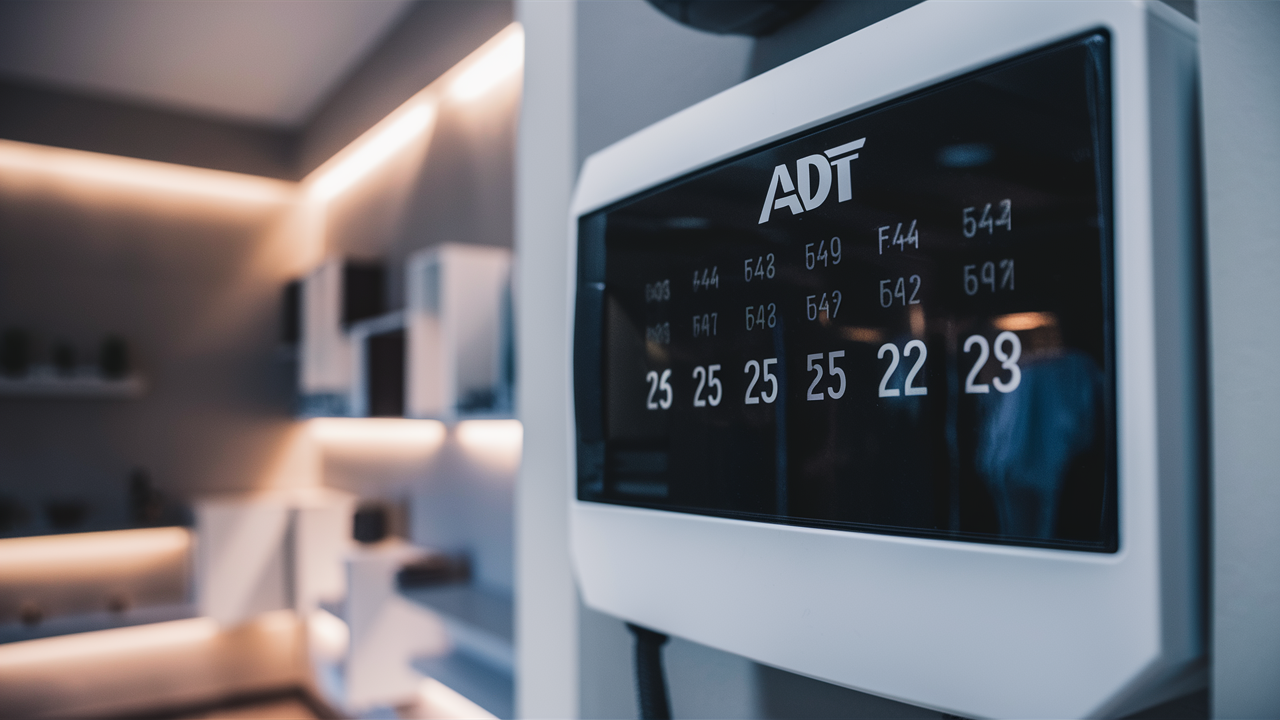
These codes are typically displayed on the system's keypad or a connected mobile app. They can range from simple notifications, like a door or window being left open, to more complex system alerts that might require professional intervention. The primary goal of these codes is to provide immediate feedback on the system's status and to alert you to any potential security vulnerabilities or operational issues. In 2025-26, ADT continues to refine its diagnostic capabilities, offering more detailed and user-friendly code interpretations through their updated app interfaces and smart home integrations. Many users find that a simple power cycle or a specific keypad sequence can resolve transient errors, while others point to underlying hardware or environmental factors that need addressing.
It's important to note that not all codes require immediate action. Some are informational, like a "System Test" code that appears when ADT performs remote diagnostics. However, any code that persists or indicates a critical system failure should be addressed promptly to ensure your home security is not compromised. The ability to clear a code often depends on the nature of the fault. Some codes are automatically cleared once the condition that triggered them is resolved, while others require a manual reset sequence. Understanding this distinction is key to effectively managing your ADT system's alerts.
Common ADT Codes and Their Meanings
ADT alarm systems generate a variety of codes, and knowing the most frequent ones can save you time and potential service calls. These codes are often displayed as alphanumeric sequences or descriptive messages on your keypad. While a full list can be extensive and model-specific, here are some of the most commonly encountered ADT alarm codes and their general meanings, relevant for 2025-26:
| Code/Message | Meaning | Potential Cause | Action |
|---|---|---|---|
| Low Battery (Sensor) | Indicates a wireless sensor is running low on battery power. | Aging battery in a specific sensor. | Replace the sensor battery. The code usually clears after replacement and a system reset. |
| Communication Failure / No AC Power | The system is not communicating with the ADT monitoring center, often due to a power outage or internet disruption. | Power outage, tripped breaker, internet service interruption, or issue with the ADT cellular communicator. | Check your home's power. If using broadband, check your internet. The system should re-establish communication once power/internet is restored. If it persists, contact ADT. |
| Tamper Alert | Indicates that a sensor or the main control panel has been tampered with (e.g., cover removed). | Accidental opening of a device, or attempted unauthorized access. | Ensure all device covers are properly closed and secured. The code typically clears after the tamper condition is resolved and a system reset. |
| Zone Fault / Sensor Malfunction | A specific sensor (zone) is not functioning correctly or is offline. | Sensor damage, wiring issue (for wired sensors), or sensor malfunction. | Identify the faulty zone. Check for obstructions or damage. For wireless sensors, check battery and proximity. May require professional diagnosis. |
| System Test | Indicates that the system is undergoing a scheduled test by ADT. | Routine diagnostic testing by ADT. | No action is usually required. The code typically clears automatically after the test is complete. |
| System Trouble | A general alert indicating a system issue that requires attention. | Various issues, including communication problems, power issues, or internal system faults. | Consult your system manual or contact ADT for specific troubleshooting. |
| Keypad Lockout | The keypad may be locked due to too many incorrect code entries. | Repeated failed attempts to enter the master code. | Wait for the lockout period to expire, or contact ADT for assistance. |
It's important to remember that these are general interpretations. For precise meanings and specific troubleshooting steps related to your ADT panel model, always refer to your system's user manual or the ADT customer portal. In 2025-26, ADT's online resources and mobile app provide detailed explanations for most common codes.
General Steps to Clear ADT Codes
Clearing codes on an ADT alarm system often involves a sequence of actions performed at the keypad. While the exact steps can vary by panel model (e.g., ADT Safewatch, Honeywell Vista, Qolsys), the general principle is to first address the underlying issue causing the code and then perform a system reset. This approach ensures that the code doesn't immediately reappear after clearing.
Here's a breakdown of the typical process:
- Identify the Code: The first step is to note down the exact code or message displayed on your ADT keypad. This is crucial for accurate troubleshooting. If the code is descriptive (e.g., "Low Battery Zone 5"), it directly tells you the problem area. If it's an alphanumeric code (e.g., "E41"), you'll need to consult your user manual or ADT's online resources to decipher its meaning.
-
Address the Underlying Issue: Before attempting to clear the code, you must resolve the problem that triggered it.
- Low Battery: If the code indicates a low battery in a wireless sensor, replace the battery in that specific sensor. Ensure you use the correct battery type as specified by the sensor manufacturer.
- Open Zone: If the code relates to an open door or window (e.g., "System Disarmed - Door Open"), ensure all protected entry points are closed and properly latched.
- Power Issues: For "No AC Power" or "Communication Failure" codes, check your home's main power supply. Ensure the alarm system's transformer is plugged in and the circuit breaker hasn't tripped. For systems with internet backup, check your home's Wi-Fi or router status.
- Tamper Alerts: If a tamper alert appears, ensure all sensor covers and the main panel cover are securely closed and latched.
- Sensor Faults: For zone faults, inspect the specific sensor. For wired sensors, check for loose connections or damaged wires. For wireless sensors, ensure it's within range of the panel and not obstructed.
- Enter Master Code: Most ADT systems require you to enter your master user code to perform system functions, including clearing codes. This is typically a 4-digit code you set during installation.
-
Initiate System Reset/Clear Command: The command to clear codes varies by panel. Common methods include:
- Pressing the "#" or "Clear" Button: After entering your master code, you might need to press the "#" key or a dedicated "Clear" button.
- Entering Master Code Twice: Some systems allow you to clear certain alerts by entering your master code twice in succession.
- Using Specific Function Keys: For more complex systems, you might need to navigate through a menu using function keys (e.g., "Status," "System," "Event Log") and then select an option to clear the fault.
- Power Cycle (Last Resort): In some cases, a full system reset might be necessary. This involves disconnecting the system's backup battery and then unplugging the main transformer. Wait for about 30 seconds to a minute, then reconnect the transformer first, followed by the backup battery. Caution: A power cycle can sometimes cause the system to go into a default state or require re-initialization, so it's often best to consult ADT before attempting this.
- Verify Code is Cleared: After performing the reset sequence, check the keypad to ensure the code or alert message is no longer displayed. Arm and disarm the system to confirm normal operation.
If the code reappears immediately after clearing, it indicates that the underlying issue has not been fully resolved. In such cases, further investigation or professional assistance is required. For instance, a persistent "Zone Fault" might mean the sensor itself is defective and needs replacement, a task often best handled by an ADT technician.
Clearing Codes on Specific ADT Panels
ADT offers a range of alarm systems, and the procedure for clearing codes can differ significantly between them. Understanding the specific model you have is key to executing the correct steps. Here, we'll look at clearing codes on some of the more common ADT panel types prevalent in 2025-26, including older Honeywell-based systems and newer Qolsys platforms.
ADT Safewatch / Honeywell Vista Series (e.g., Vista 15P, Vista 20P)
These systems, often branded by ADT as Safewatch, are known for their robust functionality and alphanumeric keypads. Clearing codes typically involves addressing the fault and then using a specific keypad sequence.
- Identify the Fault: When a fault code appears (e.g., "43 Trouble"), press the "Status" or "*" button to see the zone number associated with the fault.
- Address the Issue: Based on the fault code (e.g., 43 often relates to communication failure, 200 to low battery), resolve the problem as described in the previous section.
- Clear the Fault:
- Enter your Master Code.
- Press the "#" button.
- If the code persists, try entering your Master Code again, followed by the "#" button.
- For some persistent faults, you might need to enter the Master Code, then press "0" (for system reset) and then "#".
- Check Status: Press the "Status" or "*" button again to ensure the fault is cleared.
For example, if you have a "Low Battery" alert for zone 5, you would replace the battery in zone 5's sensor. Then, enter your master code, press '#', and check the status. If the code was for a communication failure, ensure your home has power and internet connectivity before attempting the reset.
ADT Qolsys IQ Panel (e.g., IQ Panel 2, IQ Panel 4)
Qolsys panels are modern, touchscreen systems that offer a more intuitive user experience. Clearing codes is generally more straightforward.
- Identify the Alert: Alerts appear as notifications on the touchscreen. You can usually access a list of active alerts by tapping the notification banner or by navigating to the "System" or "Notifications" section.
- Address the Issue: Resolve the problem indicated by the alert. For example, if a sensor battery is low, the system will often guide you to the specific sensor and prompt for battery replacement.
- Clear the Alert:
- Once the issue is resolved, the alert may clear automatically after a short period.
- If not, navigate to the notification list. You may see an option to "Dismiss," "Clear," or "Acknowledge" the alert.
- For some system-level troubles, you might need to go to Settings > Advanced > System Tests and perform a "Reboot" or "Power Cycle" (this is less common for simple code clearing).
- In some cases, entering your Master Code might be required to dismiss certain alerts.
- Verify: Check the notification list and the main panel screen to confirm the alert has been cleared.
For instance, a "Communication Failure" on a Qolsys panel will likely show an alert. After ensuring your internet is working, the alert might disappear on its own, or you might need to swipe it away from the notification screen. If it's a sensor issue, fixing the sensor (e.g., replacing a battery) should prompt the system to clear the alert.
ADT Command / Control Panels
These systems are also touchscreen-based and share similarities with Qolsys panels, often integrating with smart home devices.
- View Alerts: Access alerts via the main screen or through a dedicated "Alerts" or "Notifications" icon.
- Resolve the Problem: Fix the underlying cause of the alert.
- Clear the Alert:
- Many alerts clear automatically once the condition is resolved.
- If not, tap on the alert and look for a "Clear" or "Dismiss" option.
- For certain system-wide issues, a reboot of the panel might be necessary, accessible through the system settings.
Important Considerations for All Panels:
- User Manual: Always keep your system's user manual handy. It's the definitive source for model-specific codes and clearing procedures.
- ADT Mobile App: If you use the ADT mobile app, you can often view alerts and sometimes even clear them remotely, depending on the system's integration.
- Master Code: Ensure you have your current master user code. If you've forgotten it, you'll need to contact ADT for a reset, which may involve a technician visit.
By understanding your specific panel and following the correct procedure, you can effectively manage and clear most common codes on your ADT alarm system.
Troubleshooting Persistent ADT Codes
Sometimes, clearing an ADT alarm code is not as simple as following a standard procedure. If a code reappears immediately after you've attempted to clear it, or if it simply won't go away, it indicates a more persistent issue that requires deeper troubleshooting. In 2025-26, with increasingly interconnected smart home systems, these persistent codes can sometimes be linked to network issues or complex sensor interactions.
Here’s a systematic approach to troubleshooting persistent ADT codes:
1. Double-Check the Underlying Issue
It's easy to overlook a subtle problem. Re-examine the condition that caused the code:
- Batteries: Are you absolutely sure the new battery is correctly installed and is the right type? Some sensors are very sensitive to battery orientation. Try a different brand of battery if possible.
- Sensors: For a persistent "Zone Fault" or "Tamper," physically inspect the sensor. Is it damaged? Is it loose on its mounting? For door/window sensors, is the magnet aligned correctly with the sensor when the door/window is closed? Sometimes a slight shift in alignment can trigger a fault.
- Wiring (for wired systems): Check for any visible signs of damage to wires leading to the sensor or control panel. Even a small nick in the insulation can cause intermittent faults.
- Connectivity: If the code relates to communication failure, test your home's internet connection independently of the alarm system. Is your Wi-Fi signal strong where the panel is located? Are there any known outages with your internet service provider?
- Environment: Extreme temperatures, humidity, or even vibrations can sometimes affect sensor performance. Ensure sensors are not located in areas prone to such conditions.
2. Perform a Full System Power Cycle
A power cycle can reset the system's internal electronics and clear temporary glitches. This is a more drastic step than a simple keypad reset.
- Disarm the System: Ensure the system is disarmed.
- Locate the Backup Battery: The backup battery is usually located inside the main control panel cabinet.
- Disconnect the Backup Battery: Carefully disconnect the battery terminal from the battery.
- Unplug the Transformer: Locate the power transformer for your ADT system (it's often a small plug-in adapter). Unplug it from the wall outlet.
- Wait: Leave both the battery disconnected and the transformer unplugged for at least 60 seconds. This allows all residual power to drain from the system.
- Reconnect:
- First, plug the power transformer back into the wall outlet.
- Then, reconnect the backup battery terminal.
- Observe: The system will reboot. This may take a few minutes. Once it's fully back online, check if the code has cleared. You may need to re-enter your master code or re-arm the system.
Note: A power cycle can sometimes cause the system to lose its time/date settings or specific configurations. For some advanced systems, it might even trigger a "System Restore" prompt. If you are uncomfortable performing this, it's best to contact ADT.
3. Check the Event Log
Most ADT systems maintain an event log that records system activity, including faults and trouble conditions. Accessing this log can provide more detailed information about when the fault occurred and if it's a recurring issue.
- Consult your user manual for instructions on how to access the event log on your specific panel model.
- Look for entries corresponding to the time the code appeared. This might give you clues about what action or event triggered it.
4. Bypass the Faulty Zone (Temporary Solution)
If a specific zone is causing a persistent fault and you need to arm the system, you can often temporarily bypass that zone. This tells the system to ignore that sensor for the current arming cycle.
- When arming the system, you will usually be prompted to bypass any open or faulted zones.
- Alternatively, there might be a "Bypass" function available on your keypad. You'll typically need to enter your master code, select the zone you want to bypass, and confirm.
Caution: Bypassing a zone means that area is no longer protected. This should only be a temporary measure until the zone can be properly repaired or replaced.
5. Consult ADT's Resources
ADT provides extensive online support, including FAQs, troubleshooting guides, and video tutorials for various system models. Searching their knowledge base for your specific error code and panel model can often yield helpful solutions.
6. Consider System Age and Component Lifespan
Alarm system components, like any electronic device, have a lifespan. If your system is several years old (e.g., 7-10 years or more), persistent issues could indicate that components like the main control board, sensors, or even the keypads are beginning to fail. In such cases, upgrading your system might be a more cost-effective long-term solution than continuous repairs.
If you've exhausted these troubleshooting steps and the code persists, it's highly probable that a hardware failure or a more complex system configuration issue is at play, requiring professional diagnosis from an ADT technician.
Preventing Future ADT Codes
Proactive maintenance and understanding your ADT system's needs are key to minimizing the occurrence of error codes. By implementing a few preventative measures, you can ensure your system runs smoothly and reliably, reducing the need for frequent troubleshooting and service calls. This is especially relevant in 2025-26 as smart home ecosystems become more complex, requiring vigilant oversight.
Regular Battery Replacement for Wireless Devices
Wireless sensors are convenient but rely on batteries that eventually deplete. The most common code relates to low battery warnings.
- Scheduled Replacement: Instead of waiting for a "Low Battery" alert, consider replacing batteries in your wireless sensors proactively. Most wireless sensors use common coin-cell or AA/AAA batteries that typically last 2-5 years. Check your user manual for the recommended lifespan and battery type for each sensor.
- Keep Spares: Maintain a small stock of the correct battery types on hand.
- Label Devices: When replacing batteries, consider labeling the sensor or its location with the date of replacement. This helps track their age.
Maintain Proper Sensor Placement and Alignment
Physical factors can cause sensors to malfunction or trigger false alarms.
- Door/Window Sensors: Ensure the two parts of the sensor (the magnet and the sensor body) are properly aligned and within the recommended proximity when the door or window is closed. A slight shift due to house settling or accidental bumping can cause a fault.
- Motion Detectors: Avoid placing motion detectors where they can be triggered by pets (unless they are pet-immune models), moving curtains, heat sources (like vents or direct sunlight), or rapidly changing light conditions.
- Environmental Factors: Keep sensors clean and free from dust, cobwebs, or obstructions that could interfere with their operation.
Ensure Stable Power and Connectivity
Communication failures and "No AC Power" alerts are often linked to external factors.
- Backup Power: Ensure your main electrical panel has a reliable circuit breaker for your alarm system and that it's not overloaded. Consider having a dedicated circuit for your security system if possible.
- Internet Stability: If your ADT system uses broadband for communication or smart home integration, ensure your home Wi-Fi network is stable and has adequate signal strength throughout the house, especially near the panel. Regularly check your internet service provider for any known issues.
- Surge Protection: Use surge protectors for your alarm system's transformer and your internet router to protect against power surges and spikes.
Regular System Testing
ADT recommends periodic system testing to ensure all components are functioning correctly and communicating with the monitoring center.
- Scheduled Tests: Most ADT systems have a built-in test mode or can be put into test mode by contacting ADT. This allows you to trigger sensors and keypads without sending an alarm signal to the monitoring center.
- Frequency: Test your system at least quarterly, or more frequently if you've made any changes to your home's network or added new devices.
- Check Event Log: After testing, review the event log for any anomalies or error messages.
Keep System Software Updated
For modern ADT systems like the Qolsys IQ Panel or Command panels, software updates are crucial. These updates often include bug fixes, performance enhancements, and improved security protocols that can prevent future issues.
- Automatic Updates: Many systems are configured for automatic updates. Ensure your system is connected to Wi-Fi and has this feature enabled.
- Manual Updates: If automatic updates are not enabled, check your system's settings or the ADT app periodically for available updates and install them as recommended.
Avoid Unauthorized Modifications
Unless you are a trained ADT technician, avoid attempting to open control panels, tamper with internal wiring, or make significant configuration changes without consulting ADT. Unauthorized modifications can lead to system malfunctions and void warranties.
By incorporating these preventative habits into your routine, you can significantly reduce the likelihood of encountering error codes on your ADT alarm system, ensuring consistent and reliable home security.
When to Call ADT Support
While many ADT alarm codes can be resolved with basic troubleshooting, there are specific situations where contacting ADT support is the most effective, and sometimes only, course of action. Knowing when to escalate the issue ensures you don't waste time on DIY fixes that are beyond your scope and that your system's security integrity is maintained. For 2025-26, ADT's support channels have been enhanced with AI-driven diagnostics and more direct technician dispatch options.
Persistent and Unidentified Codes
If you've followed all the troubleshooting steps outlined previously, including performing a power cycle and consulting your user manual, and the code still persists or you cannot identify its meaning, it's time to call ADT. This is especially true for complex alphanumeric codes that don't have clear explanations in your documentation.
Communication Failure That Doesn't Resolve
If your system repeatedly shows "Communication Failure" or "No AC Power" even after you've confirmed your home has power and your internet is working, there might be an issue with the ADT-provided communicator (cellular or broadband module) or the connection to the monitoring center. ADT technicians can test and diagnose these specific components.
System Malfunctions After Power Outages or Storms
While systems are designed to withstand power fluctuations, severe electrical events like lightning strikes or prolonged, unstable power can sometimes damage sensitive alarm components. If your system behaves erratically after such an event, professional assessment is recommended.
False Alarms That Cannot Be Stopped
If your alarm is triggering false alarms frequently, and you've ruled out simple causes like open doors, pets, or faulty sensors (that you can identify and fix), ADT support can help diagnose the root cause. This might involve recalibrating sensors, checking for environmental interference, or identifying issues with the main panel.
Keypad or Panel Unresponsiveness
If your keypad is completely unresponsive, frozen, or displaying critical errors that prevent you from interacting with the system (e.g., arming, disarming, or accessing menus), ADT support will likely need to dispatch a technician to diagnose or replace the faulty hardware.
When You've Forgotten Your Master Code
For security reasons, ADT cannot provide your master code over the phone. If you've forgotten it, you will need to schedule a service appointment for a technician to reset it. This is a critical security measure to prevent unauthorized access.
Suspected Hardware Failure
If you suspect a specific component (e.g., a motion detector, a door sensor, or the main control panel) has failed, and you cannot replace it yourself or the replacement doesn't resolve the issue, ADT support can arrange for a technician to diagnose and replace the faulty part.
System Upgrades or Additions
If you wish to add new sensors, upgrade your system, or integrate it with other smart home devices beyond what you can do yourself, contacting ADT is necessary. They can advise on compatible equipment and schedule professional installation.
Security Concerns or Tampering Evidence
If you have any reason to believe your system has been tampered with or compromised, contact ADT immediately. They can guide you on securing your system and dispatch a technician if necessary.
How to Contact ADT Support
- Phone: The primary method is to call ADT's customer service line. You can usually find this number on your monthly bill, on your ADT equipment, or by searching their official website.
- ADT App: The ADT mobile app often provides direct access to support features, including chat or the ability to schedule a service call.
- Online Portal: ADT's customer portal on their website may offer troubleshooting guides, FAQs, and options to request support.
When you call, have your account number and system details (panel model, specific error codes) ready. This will help the support representative assist you more efficiently. Remember, ADT's expertise is invaluable for complex issues, ensuring your home security system remains a reliable shield.
In conclusion, clearing codes on your ADT alarm system is a manageable task for most common issues, empowering you to maintain your system's functionality. By understanding the nature of ADT codes, following specific reset procedures for your panel, and knowing when to seek professional help, you can ensure your home security remains robust and dependable. Regular maintenance and prompt attention to alerts are your best defense against persistent problems.