Discover the straightforward methods to disarm your ADT home alarm system, whether you're a new homeowner, a temporary user, or facing an unexpected situation. This guide provides clear, actionable steps to ensure you can manage your security system with confidence and avoid unnecessary alerts.
Understanding ADT Home Alarm Systems
ADT is a leading provider of home security solutions, offering a range of systems designed to protect residences from intrusions, fires, and other emergencies. Understanding the basics of how these systems operate is crucial for effective management, including the process of disarming them. ADT systems typically consist of a central control panel, various sensors (door/window contacts, motion detectors, glass break sensors), and often a siren. When an alarm event is triggered, the system communicates with the ADT monitoring center, which then initiates a response protocol. This protocol usually involves attempting to contact the homeowner or designated emergency contacts before dispatching authorities.
The primary method of interacting with an ADT system is through its control panel. This panel serves as the brain of the operation, allowing users to arm, disarm, and check the status of the system. Most ADT systems also offer remote access through mobile applications, providing convenience and enhanced control from virtually anywhere. Knowing your specific ADT system model can be beneficial, as features and disarming procedures can vary slightly between different generations and configurations. For instance, older systems might rely solely on the keypad, while newer ones integrate smart home technology and voice control.
The security code, often referred to as the user code or master code, is the key to disarming the system. This code is unique to each user and is set up during the installation process. It's vital to keep this code confidential to prevent unauthorized access. ADT systems are designed with multiple user codes, allowing homeowners to grant access to family members, trusted friends, or service providers while maintaining a master code for primary control. Understanding the different types of user codes and their access levels can help manage your home security more effectively. For example, a permanent user code might be assigned to a family member, while a temporary or guest code could be issued for a cleaner or a visiting relative.
In 2025-26, ADT continues to innovate, offering enhanced features like professional monitoring, cellular backup for communication, and integration with smart home devices such as smart locks and thermostats. This interconnectedness means that disarming your alarm might also affect other connected devices, such as unlocking doors or disengaging smart lighting. Awareness of these integrations is part of a comprehensive understanding of your ADT system. The complexity of modern security systems necessitates clear instructions for everyday use, especially for critical functions like disarming.
ADT System Components Overview
An ADT home alarm system is a network of interconnected devices designed to detect and deter threats. The central hub is the control panel, which houses the main keypad and processing unit. This is where you'll input your security code to arm or disarm the system. Sensors are strategically placed throughout the home. Door and window sensors trigger an alarm when a protected opening is breached. Motion detectors sense movement within a designated area, and glass break sensors detect the sound frequency of breaking glass.
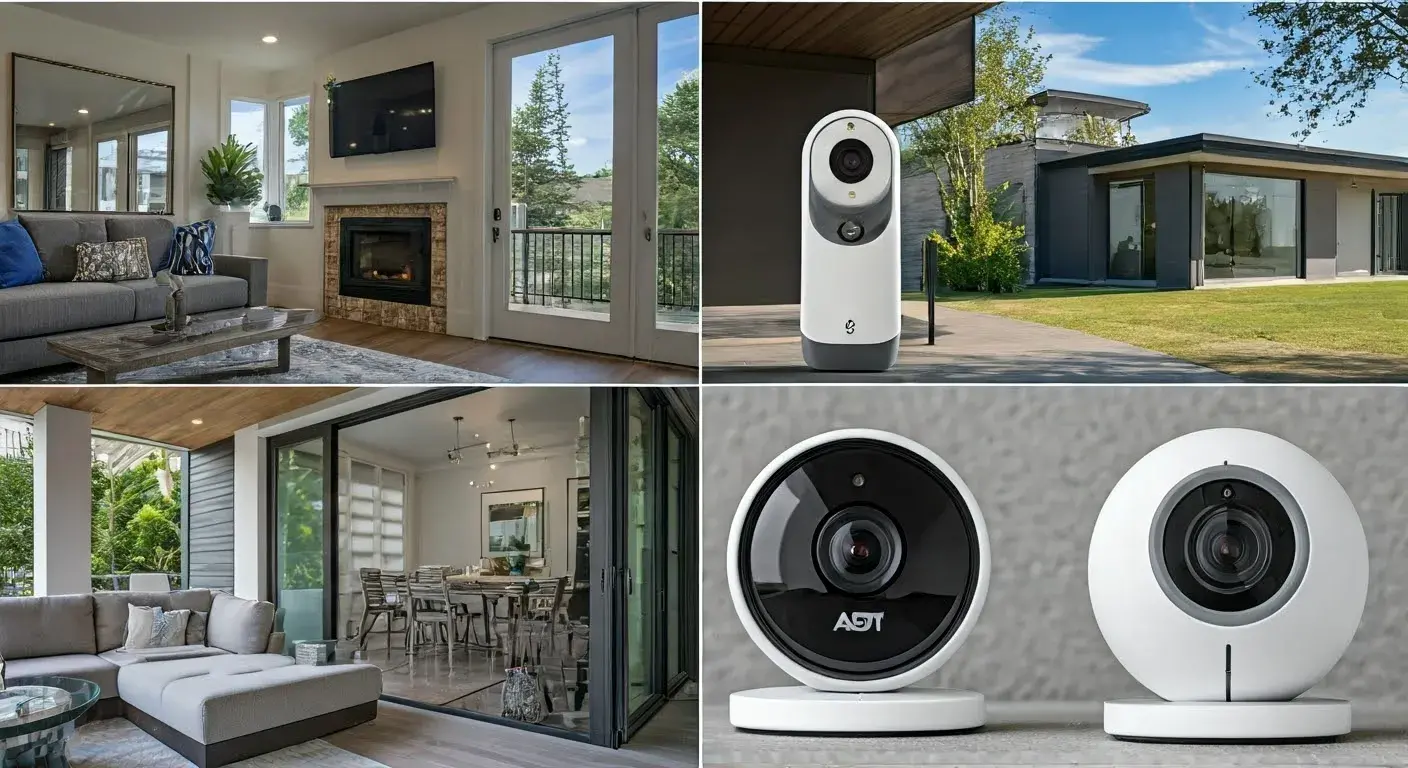
Beyond these core components, ADT systems can include environmental sensors like smoke detectors, carbon monoxide detectors, and flood sensors. These are crucial for comprehensive home safety, alerting you to dangers beyond intrusion. Many ADT systems also feature security cameras, both indoor and outdoor, which can be integrated into the system for visual verification of alarm events. Key fobs and mobile apps provide alternative methods for arming and disarming, offering convenience and flexibility. Cellular communicators ensure that your system can still send alerts to ADT's monitoring center even if your home's internet or landline is cut off.
The Role of the Security Code
The security code is the cornerstone of your ADT system's operation. It's a numerical sequence that acts as your personal key to the system. When you enter this code at the control panel, the system verifies your identity and grants or denies access to its functions. For disarming, entering the correct code signals the system that you are authorized to deactivate the alarm. If the wrong code is entered repeatedly, the system may lock down temporarily or trigger a tamper alert, depending on its programming.
ADT systems typically allow for multiple user codes. The master code is the primary code, usually set by the installer and known only to the primary homeowner. Additional user codes can be created for family members, with varying levels of access. For example, a user code might be able to arm and disarm the system but not change settings. Temporary codes can be programmed for guests or service providers, often with an expiration date or time limit. This granular control is a significant advantage for managing household access and maintaining security. Understanding how to manage these codes, including how to change them, is an essential part of ADT system ownership.
Common ADT Disarming Scenarios
Disarming an ADT alarm system is a routine task for most homeowners. However, specific situations can arise where knowing how to disarm the system is particularly important. These scenarios range from everyday use to unexpected events. By understanding these common situations, users can be better prepared to manage their security system effectively and avoid false alarms.
Daily Entry and Exit
The most frequent scenario for disarming an ADT system is when you arrive home. Upon entering your home, you typically have a set "entry delay" period – usually between 30 and 60 seconds – to disarm the system before it sounds an alarm. This delay is designed to give you enough time to enter your security code without triggering a false alarm. Similarly, when leaving your home, you will arm the system and have an "exit delay" to leave the premises before the system becomes fully active.
For example, if you arrive home at 5:00 PM and your entry delay is 30 seconds, you have until 5:00:30 PM to enter your code and disarm the system. If you fail to do so within this timeframe, the alarm will activate. This is a critical window to remember. The exit delay functions similarly, allowing you to leave after arming the system without it immediately triggering. Understanding these delays is fundamental to the daily operation of your ADT system.
Handling False Alarms
False alarms can occur for various reasons, such as a pet triggering a motion sensor, a door or window being left ajar, or an accidental system activation. When a false alarm occurs, the immediate priority is to disarm the system as quickly as possible to prevent unnecessary dispatch of emergency services. This typically involves entering your security code at the control panel. If you are unable to disarm it promptly, ADT monitoring personnel will follow their protocol, which may involve calling you to verify the alarm.
In 2025-26, ADT's systems often incorporate features to help mitigate false alarms. This can include "safe word" verification during calls from the monitoring center, allowing you to verbally confirm that it's a false alarm. However, the primary method of stopping an active alarm is still disarming the system at the keypad or via the mobile app. Many municipalities also impose fines for frequent false alarms, making prompt disarming even more important. Learning to identify the cause of a false alarm can help prevent future occurrences.
Temporary Access for Guests or Service Providers
Granting temporary access to your home is a common need, whether for a visiting family member, a pet sitter, a cleaner, or a repair person. ADT systems allow for the creation of secondary user codes, which can be programmed with specific limitations. You can set these codes to be active only during certain hours or days, or they can be temporary codes that expire after a set period.
When providing a guest or service provider with access, you would typically give them a specific user code and instruct them on how to arm and disarm the system. For instance, you might give a cleaner a code that is active only between 9 AM and 5 PM on weekdays. They would use this code to disarm the system upon arrival and rearm it upon departure. It's crucial to change or delete these temporary codes once they are no longer needed to maintain the security of your home. ADT's mobile app often facilitates easy management of these user codes.
Power Outages and System Behavior
ADT home alarm systems are designed to operate even during power outages. They are equipped with a backup battery that can power the system for a significant period, typically several hours. During a power outage, the system will usually continue to function normally, and you can disarm it using your security code as usual. The control panel might indicate that it is running on battery power.
If the power outage is prolonged and the backup battery depletes, the system may eventually shut down. In such a scenario, the system will likely be inactive and unable to be disarmed or armed. Once power is restored, the system will automatically switch back to AC power and recharge the battery. If you are away from home during a power outage and the battery fails, the system will be offline. ADT's cellular backup ensures that even if your home internet or landline is down due to a power outage, the monitoring center can still be alerted if an alarm is triggered.
Disarming Your ADT System: Step-by-Step
Disarming your ADT home alarm system is a fundamental operation that every user should be proficient in. The process is generally straightforward, but it requires adherence to specific steps to ensure it is done correctly and efficiently. This section will guide you through the most common methods of disarming your ADT system, covering both the traditional keypad method and modern app-based disarming.
Using the ADT Keypad
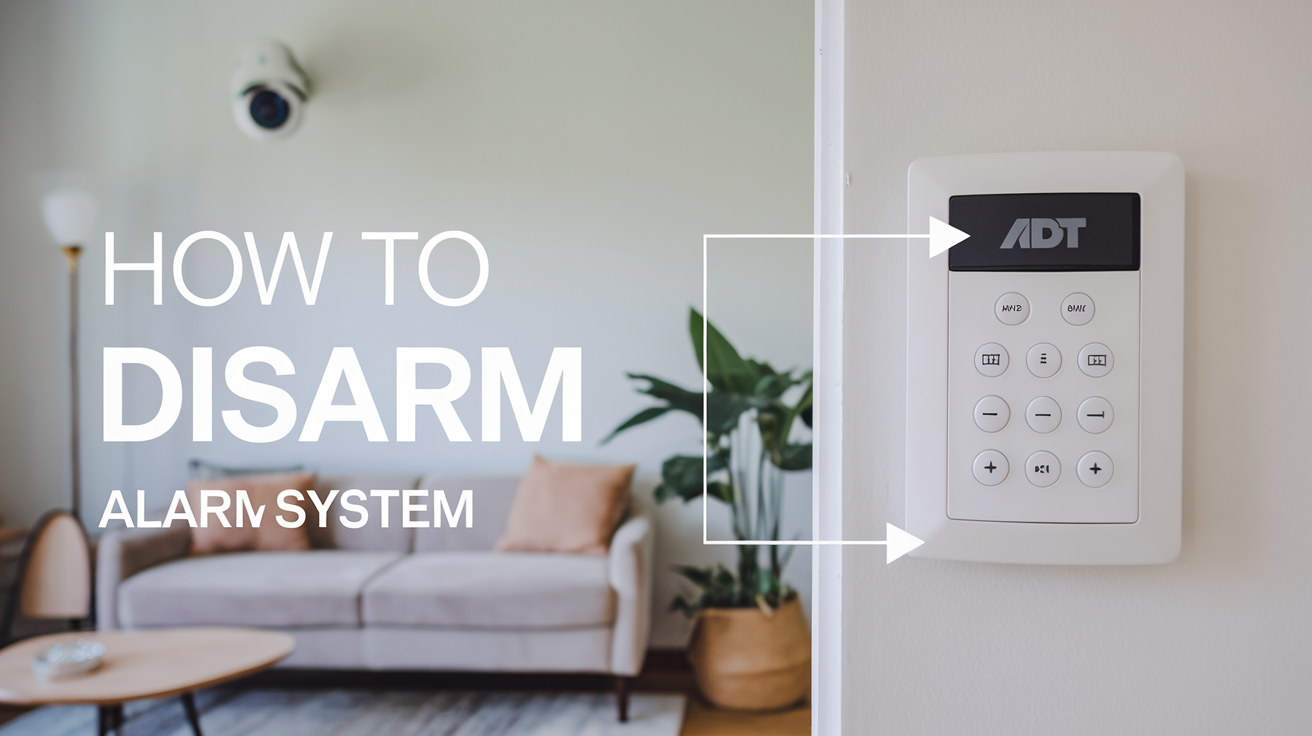
The ADT control panel keypad is the primary interface for managing your alarm system. Disarming the system via the keypad is the most common method and is essential to know, especially if you encounter issues with other methods.
- Enter your security code: Locate the keypad on your ADT control panel. You will see a series of numbers, typically 0-9, along with other function keys like 'Arm', 'Disarm', 'Stay', 'Away', and 'Bypass'. Press the number keys to enter your unique 4-digit or 6-digit security code.
- Press the 'Disarm' button: After entering your security code, you will need to press the 'Disarm' button. This button is usually clearly labeled. On some systems, simply entering the correct code might automatically disarm the system, especially if it's in an "entry delay" state. However, it's good practice to confirm by pressing 'Disarm' if available.
- Confirm system status: The keypad display will then indicate that the system is disarmed. This might be a message like "System Disarmed" or a light that changes from red (armed) to green (disarmed). You may also hear a confirmation beep or chime.
Important Considerations for Keypad Disarming:
- Entry Delay: Remember that if you've just entered your home and the system is in an "entry delay" mode, you must enter your code and press 'Disarm' within the allotted time (usually 30-60 seconds) to prevent the alarm from sounding.
- Correct Code: Ensure you are using the correct user code. If you enter the wrong code multiple times, the system may lock down or trigger a tamper alert.
- System Variations: While the general process is similar, the exact button layout and confirmation messages can vary slightly depending on your specific ADT system model (e.g., ADT Command, ADT Pulse, older systems). Consult your ADT user manual for model-specific instructions.
Using the ADT Mobile App
For many ADT customers, the mobile app offers a convenient and modern way to disarm their alarm system remotely or even when they are close to the control panel. This requires that you have an ADT system that supports app integration, such as ADT Command or ADT Pulse, and that you have set up your account.
- Open the ADT App: Launch the ADT app on your smartphone or tablet. Ensure you are logged into your account with your registered username and password.
- Navigate to the system status: Once logged in, you should see an overview of your security system's status. This typically displays whether the system is armed (Away or Stay) or disarmed.
- Tap the 'Disarm' button: Look for a prominent 'Disarm' button or icon. Tapping this button will initiate the disarming process. You may be prompted to enter your security code within the app for an additional layer of security, or you might need to use biometric authentication (fingerprint or facial recognition) if enabled.
- Confirm disarming: The app will provide confirmation that the system has been successfully disarmed. The status indicator on the app will change to reflect this.
Important Considerations for App Disarming:
- Internet Connection: The app relies on an internet connection (Wi-Fi or cellular data) to communicate with your ADT system. If your home internet is down, you'll need to rely on the keypad.
- App Updates: Ensure your ADT app is always updated to the latest version for optimal performance and security.
- Account Security: Protect your app login credentials as you would your security code. Enable two-factor authentication if available.
Using Key Fobs and Other Devices
Some ADT systems come with key fobs, which are small, portable devices that allow you to arm and disarm your system with the press of a button, much like a car key fob. This offers a quick and convenient alternative to using the keypad or app, especially when you're in a hurry.
- Locate the 'Disarm' button on the fob: ADT key fobs typically have buttons for 'Arm Away', 'Arm Stay', and 'Disarm'. Identify the 'Disarm' button.
- Press the 'Disarm' button: Press and hold the 'Disarm' button for a few seconds. The system will usually provide audible or visual confirmation (e.g., a beep, a flashing light on the control panel) that it has been disarmed.
Important Considerations for Key Fob Disarming:
- Range: Key fobs have a limited range. You need to be within proximity of your home and the control panel for it to work.
- Battery: The key fob has its own battery. If the battery is low, the fob may not function correctly.
- Lost Fobs: If you lose a key fob, it's crucial to have ADT deactivate it from your system immediately to prevent unauthorized access.
Troubleshooting ADT Disarming Issues
While ADT systems are generally reliable, you might occasionally encounter issues when trying to disarm your alarm. These problems can range from simple user errors to more complex system malfunctions. This section addresses common troubleshooting steps to help you resolve disarming problems quickly and effectively.
Incorrect Security Code Entry
The most common reason for being unable to disarm your system is entering the wrong security code. ADT systems are programmed to prevent unauthorized access, so repeated incorrect entries will cause the system to lock down.
Solution:
- Verify the Code: Double-check that you are entering the correct code. Codes are typically 4 or 6 digits.
- Wait for Reset: If you've entered the wrong code too many times, the system will likely enter a lockout mode. You will need to wait a specific period (often 5-15 minutes) before you can attempt to enter the code again. Check your system's manual for the exact lockout duration.
- Contact ADT: If you are unsure of your correct security code, or if the lockout persists, you will need to contact ADT customer support. They can help you verify your identity and provide you with your correct code or assist in resetting it.
System Malfunctions or Errors
Occasionally, the ADT system itself might experience a malfunction, preventing you from disarming it. This could be due to a faulty component, a software glitch, or a communication error.
Solution:
- Check for Error Messages: Look at the control panel display for any error codes or messages. These can often provide clues about the nature of the problem. Consult your ADT user manual to interpret these codes.
- Reboot the System (with caution): In some cases, a simple reboot might resolve a temporary glitch. This usually involves turning off the main power to the control panel (often by unplugging it or flipping a circuit breaker) and then removing the backup battery. Wait a minute or two, then reconnect the battery and power. Caution: This process can be complex and may require specific knowledge of your system's wiring. If you are unsure, do not attempt this.
- Contact ADT Support: For most system malfunctions, the best course of action is to contact ADT's technical support. They can remotely diagnose many issues and schedule a technician visit if necessary.
Issues with ADT Mobile App or Key Fob
Problems disarming via the mobile app or key fob can stem from connectivity issues, low batteries, or device malfunctions.
Solution:
-
Mobile App:
- Ensure your smartphone has a stable internet connection (Wi-Fi or cellular data).
- Check if the ADT app is updated to the latest version.
- Try logging out and logging back into the app.
- If the problem persists, try disarming using the keypad as a backup.
-
Key Fob:
- Ensure you are within the effective range of the control panel.
- Check the battery in the key fob. If it's low, replace it. Your ADT manual will specify the battery type.
- If the fob is damaged or unresponsive, it may need to be replaced.
ADT Monitoring Center Interference
In rare cases, communication issues with the ADT monitoring center might affect your ability to disarm the system, especially if the system is trying to communicate an alarm event.
Solution:
- Wait and Retry: Sometimes, temporary network congestion can cause delays. Wait a few minutes and try disarming again.
- Contact ADT Directly: If you suspect an issue with the monitoring connection or if the system is behaving erratically, contact ADT customer service directly. They can check the status of your system's communication with the monitoring center.
Advanced ADT System Management
Beyond basic arming and disarming, ADT systems offer a range of advanced features for enhanced control, customization, and security. Understanding these capabilities can help you tailor your system to your specific needs and lifestyle. These features are particularly relevant for users who want to maximize the benefits of their ADT investment.
Managing User Codes and Permissions
ADT systems allow you to create and manage multiple user codes, each with specific permissions. This is crucial for household management and security.
Creating New User Codes:
- Access your control panel or the ADT mobile app.
- Navigate to the 'User Management' or 'Codes' section.
- Select the option to add a new user.
- Assign a unique code (usually 4-6 digits) and a name to the user.
- Define the user's permissions:
- Master User: Full control, including adding/deleting other users and changing system settings.
- Standard User: Can arm and disarm the system.
- Guest/Temporary User: Can arm and disarm, often with time restrictions.
- Save the new user code.
Deleting or Modifying User Codes:
- Follow steps 1 and 2 above.
- Select the user code you wish to modify or delete.
- Choose the 'Edit' or 'Delete' option.
- For deletion, confirm your action. For editing, adjust permissions or the code itself.
Best Practices:
- Regularly review your user codes and delete any that are no longer needed.
- Avoid using easily guessable codes (e.g., 1234, your birthdate).
- Assign different codes to different individuals for better accountability.
Customizing System Settings
Your ADT system can be customized to suit your preferences and household routines. This includes adjusting entry/exit delays, chime settings, and alarm notifications.
Adjusting Entry and Exit Delays:
- These delays are the grace periods you have to disarm the system upon entry or leave the premises after arming.
- Access the 'System Settings' or 'Installer Settings' (requires a master code or installer access) via the control panel or app.
- Locate the 'Entry Delay' and 'Exit Delay' options.
- Adjust the time in seconds as needed. Common settings are 30-60 seconds for entry and 60 seconds for exit.
Chime Settings:
- Many ADT panels can be set to chime whenever a door or window is opened while the system is disarmed. This is a useful feature for monitoring activity within the home.
- Find the 'Chime' setting in the system's menu and enable or disable it, or select different chime sounds.
Alarm Notifications:
- Configure how you receive alerts from your ADT system, especially if you have a smart home integration. This can include push notifications to your phone, email alerts, or even text messages.
- These settings are usually managed within the ADT mobile app under 'Notifications' or 'Alerts'.
Integrating with Smart Home Devices
Modern ADT systems, like ADT Command and ADT Pulse, can integrate with a variety of smart home devices, creating a more cohesive and automated home environment.
Common Integrations:
- Smart Locks: Arm or disarm your ADT system when you lock or unlock your smart door.
- Smart Lights: Have lights turn on or off automatically when the alarm is armed or disarmed.
- Thermostats: Adjust your thermostat settings remotely or have them change based on your alarm status.
- Voice Assistants: Control your ADT system using voice commands via compatible devices like Amazon Alexa or Google Assistant (requires specific setup and security protocols).
Setup Process:
- Ensure your ADT system is compatible with the smart home devices you wish to integrate.
- Follow the instructions provided by ADT and the smart device manufacturer. This often involves linking accounts through the ADT app or a third-party platform.
- Configure automation rules (e.g., "If alarm is disarmed, then turn on living room lights").
Using the ADT App for Remote Control
The ADT mobile app is a powerful tool for managing your security system from anywhere. Beyond disarming, it offers a suite of features for remote control and monitoring.
Key Features:
- Arm/Disarm System: Control your alarm status remotely.
- View System Status: Check if your system is armed or disarmed, and see which zones are active.
- Receive Alerts: Get instant notifications for alarm events, system arming/disarming, and other important activities.
- View Camera Feeds: If you have ADT cameras, stream live video or review recorded footage directly from the app.
- Manage User Codes: Add, delete, or modify user codes on the go.
- Access Event History: Review a log of all system activity, including who armed/disarmed the system and when.
Tips for Effective App Use:
- Keep your app updated.
- Enable push notifications for critical alerts.
- Secure your app login with a strong password and enable two-factor authentication if available.
ADT System Maintenance and Updates
Just like any electronic system, your ADT home alarm requires occasional maintenance and updates to ensure it functions optimally and remains secure. Proactive maintenance can prevent issues and extend the lifespan of your equipment. Staying informed about updates is also crucial for leveraging the latest features and security patches.
Battery Maintenance
Your ADT control panel has a backup battery that powers the system during power outages. Sensors and other wireless components may also have batteries.
Control Panel Battery:
- The backup battery in the control panel typically lasts 3-5 years.
- Your ADT system will usually provide a low battery warning on the control panel display and/or send an alert to your mobile app when the battery needs replacement.
- It is recommended to have ADT or a certified technician replace the control panel battery to ensure proper installation and system compatibility.
Sensor Batteries:
- Wireless sensors (door/window contacts, motion detectors) use smaller batteries that can last 1-3 years, depending on usage and environmental factors.
- Similar to the main panel, sensors will typically indicate a low battery status.
- Replacing sensor batteries is often a simpler DIY task. Consult your ADT manual for instructions on how to access and replace the battery in each sensor type. Always use the recommended battery type.
Software and Firmware Updates
ADT regularly releases software and firmware updates for its control panels and associated devices. These updates are vital for several reasons:
Benefits of Updates:
- New Features: Updates often introduce new functionalities and improve existing ones, enhancing user experience.
- Security Enhancements: Updates patch vulnerabilities and strengthen the system's security against potential threats.
- Bug Fixes: They resolve known issues and glitches that may affect system performance.
- Compatibility: Updates ensure your system remains compatible with newer smart home devices and ADT services.
How Updates are Handled:
- Many ADT systems, particularly newer ones like ADT Command, can receive automatic over-the-air (OTA) updates when connected to your home Wi-Fi.
- In some cases, you might be prompted to approve an update, or an ADT technician might perform updates during a service visit.
- It's important to ensure your system has a stable internet connection if it relies on OTA updates.
Regular System Testing
Periodically testing your ADT alarm system ensures all components are functioning correctly and that the system is communicating properly with the ADT monitoring center.
How to Test Your System:
- Notify ADT: Before testing, contact ADT's customer service or monitoring center to inform them that you will be testing your system. This prevents them from dispatching emergency services unnecessarily. They will usually put your account in "test mode."
- Test Sensors: Arm your system in "Stay" mode. Then, open each protected door and window one by one. The system should indicate that the zone is open. If you have motion detectors, you might need to arm in "Away" mode and then trigger the motion sensor (ensure you do this safely and without causing a real alarm).
- Test Siren: Some systems allow you to test the siren. Follow your system's manual for this specific function.
- Test Communication: After testing, contact ADT again to confirm that the test signals were received and that your system is communicating properly.
Frequency: It is recommended to perform a full system test at least once every 6-12 months.
Cleaning and Physical Inspection
Physical inspection and cleaning of your ADT equipment are simple yet effective maintenance steps.
Control Panel and Keypads:
- Gently wipe down the control panel and keypads with a soft, dry cloth.
- For stubborn smudges, use a cloth slightly dampened with water or an electronics-safe cleaner. Avoid spraying liquids directly onto the panel.
- Ensure vents are not blocked by dust or debris, as this can affect cooling.
Sensors:
- Periodically check that sensors are securely mounted and haven't been dislodged.
- Dust can accumulate on motion sensor lenses, potentially affecting their performance. Gently clean them with a dry cloth.
- Ensure that doors and windows close properly against their respective sensors.
Security Best Practices with ADT
Maximizing the effectiveness of your ADT home alarm system involves more than just knowing how to disarm it. Implementing strong security practices ensures your system provides the best possible protection for your home and family. These practices cover everything from code management to emergency preparedness.
Protecting Your Security Code
Your security code is the primary key to your ADT system. Keeping it confidential is paramount.
Do's:
- Choose a code that is not easily guessable (avoid birthdays, anniversaries, simple sequences like 1234).
- Memorize your code; do not write it down near the keypad or in easily accessible places.
- Change your code periodically, especially if you suspect it may have been compromised.
- Use different codes for different users and assign appropriate permissions.
Don'ts:
- Share your master code with anyone you don't fully trust.
- Use the same code for your alarm system and other accounts (e.g., email, banking).
- Leave the control panel accessible to visitors who do not need access.
Managing User Access Effectively
The ability to manage multiple user codes is a powerful feature of ADT systems. Use it wisely.
For Family Members: Assign unique codes and educate them on proper usage. Ensure they know how to arm and disarm the system correctly.
Understanding Alarm Response Protocols
Knowing how ADT responds to an alarm event can help you manage situations and avoid unnecessary panic.
When an Alarm Triggers:
- The ADT system sends a signal to the ADT monitoring center.
- ADT will attempt to contact you or your designated emergency contacts using the phone numbers on file. This is often done via automated calls or live operators.
- During the call, you may be asked for a "safe word" or to verify your identity to confirm it's a false alarm.
- If ADT cannot reach you, or if they receive a confirmed alarm, they will dispatch the appropriate emergency services (police, fire department) to your location.
Your Role:
- Keep your contact information with ADT up-to-date.
- Familiarize yourself with the "safe word" or verification procedure.
- If you accidentally trigger an alarm, disarm the system immediately and then call ADT to inform them.
Combining ADT with Other Security Measures
Your ADT alarm system is a critical component of your home security, but it works best when complemented by other measures.
Physical Security:
- Ensure all doors and windows have sturdy locks.
- Consider reinforcing entry points like doors and frames.
- Trim bushes and trees around your home to eliminate hiding spots.
Lighting:
- Install motion-activated exterior lighting to deter potential intruders.
- Keep entryways well-lit.
Awareness:
- Be aware of your surroundings.
- Educate your family on security best practices.
Smart Home Integration: As discussed earlier, integrating your ADT system with smart locks, cameras, and lighting can create a more robust and responsive security ecosystem. For example, smart cameras can provide visual verification of alarm events, helping ADT respond more effectively.
By implementing these best practices, you can ensure your ADT home alarm system provides the highest level of security and peace of mind for you and your loved ones.
In conclusion, understanding how to disarm your ADT home alarm system is a fundamental skill for any user. Whether you're dealing with daily entry, a false alarm, or providing temporary access, knowing the steps for keypad, app, or key fob disarming is essential. Troubleshooting common issues like incorrect codes or system malfunctions can be managed with prompt attention and by knowing when to contact ADT support. Furthermore, leveraging advanced features like user code management and smart home integration can significantly enhance your system's utility and security. Regular maintenance, including battery checks and software updates, ensures your system's reliability. By combining these operational and maintenance practices with robust security best practices, such as protecting your code and managing user access, you can effectively utilize your ADT system for comprehensive home protection. Always refer to your specific ADT system's user manual for detailed instructions tailored to your model.