Discover the most effective and straightforward methods to disarm your ADT alarm system, whether you're a new homeowner, a frequent traveler, or simply need to temporarily bypass your security. This comprehensive guide provides clear, step-by-step instructions and essential tips to ensure you can manage your ADT system with confidence and ease.
Understanding Your ADT System
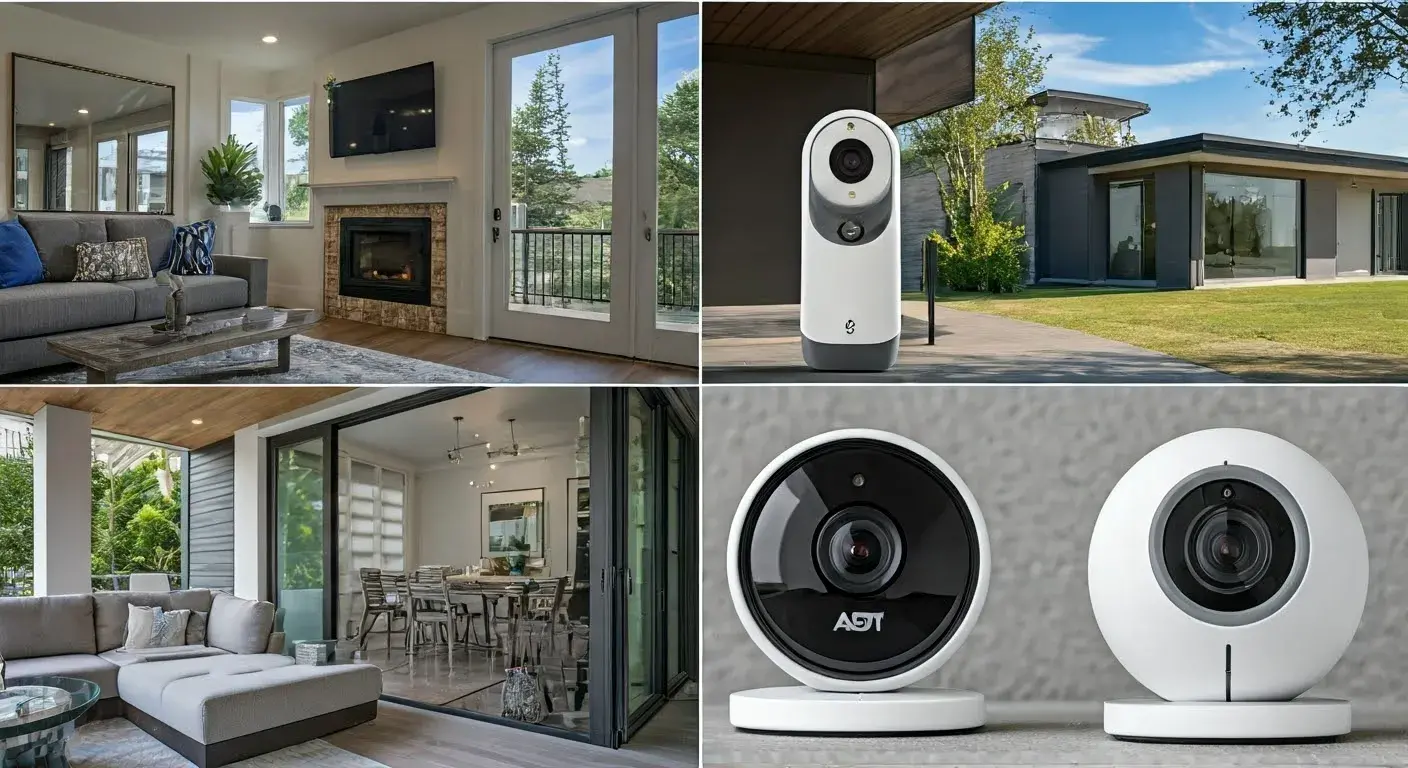
ADT is a leading provider of home security solutions, offering a range of systems designed to protect your property and loved ones. At the core of most ADT installations is a central control panel, often referred to as the keypad. This panel serves as the primary interface for arming and disarming your system, receiving alerts, and managing settings. Understanding the basic components of your ADT system is crucial for effective operation. These typically include the control panel, various sensors (door/window contacts, motion detectors, glass break sensors), and sometimes security cameras. The system communicates with ADT's monitoring center, which is a 24/7 service ensuring that any triggered alarms are promptly addressed. For 2025-26, ADT continues to integrate smart home technology, allowing for more sophisticated control and interaction with your security system. Knowing your specific system model (e.g., ADT Command, ADT Safewatch) can help in finding precise instructions, but the general principles of disarming remain consistent across most ADT installations.
Key Components of an ADT System
Before delving into disarming, it's beneficial to have a foundational understanding of the hardware you're working with. This knowledge empowers you to troubleshoot more effectively and utilize your system to its full potential.
- Control Panel (Keypad): The central hub where you interact with the system. It displays system status, allows for code entry, and often has buttons for emergency services.
- Sensors: These are the eyes and ears of your security system.
- Door/Window Sensors: Detect when a door or window is opened.
- Motion Detectors: Sense movement within a protected area.
- Glass Break Sensors: Detect the sound frequency of breaking glass.
- Key Fob: A portable remote control for arming and disarming the system without needing to access the keypad.
- ADT Mobile App: For smart systems, this app provides remote control and monitoring capabilities from your smartphone or tablet.
- Cameras: Integrated security cameras for visual monitoring and recording.
ADT System Types and Their Interfaces
ADT offers various system packages, and while the core functionality of disarming is similar, the user interface might differ slightly. For instance, newer systems like ADT Command feature touchscreen interfaces, while older models might rely on traditional button keypads. Understanding your specific system type is the first step in ensuring you're using the correct disarming procedure.
In 2025-26, ADT's focus is on integrated smart home security. This means many systems are now app-controlled, offering a seamless experience for users who prefer digital interaction. The underlying technology, however, still relies on a unique user code or a designated key fob for deactivation. For those with older, non-connected systems, the keypad remains the primary tool. Regardless of the interface, the fundamental principle of disarming involves providing a valid authorization to the system to prevent it from signaling an alarm event.
Disarming Your ADT Alarm Via Keypad
The most common method for disarming an ADT alarm system is through the central keypad. This process is designed to be quick and intuitive, ensuring you can secure your home without unnecessary delay. The exact steps may vary slightly depending on your ADT system model, but the general procedure involves entering your unique user code.
Step-by-Step Guide to Keypad Disarming
When your ADT alarm is sounding or you are entering your home and need to disarm it, follow these steps:
- Approach the Keypad: Locate your ADT alarm keypad. These are typically installed near main entry points, such as the front door or garage door.
- Enter Your User Code: Press the "Disarm" or "Off" button (this may vary by model, sometimes it's simply the first button you press). Then, enter your unique 4-digit or 6-digit user code. Each user on the system usually has their own code, which can be helpful for tracking who armed or disarmed the system.
- Wait for Confirmation: After entering your code, the keypad should display a confirmation message, such as "System Disarmed," or emit a beep. If the system does not disarm, or if you hear a continuous alarm sound, do not panic. Proceed to the troubleshooting section.
Understanding Different Keypad Modes
ADT keypads often have different modes. When disarming, you are typically exiting "Away" or "Stay" arming modes.
- Away Mode: This mode is used when no one is home. All sensors, including motion detectors, are active.
- Stay Mode: This mode is used when you are home but want to secure entry points. Motion detectors are usually deactivated in this mode to allow free movement within the house.
What to Do If the Keypad Doesn't Respond
It's important to have a backup plan if the primary method of disarming fails. If you enter your code and the system does not disarm, or if the keypad is unresponsive, there are a few immediate actions you can take:
- Double-Check Your Code: Ensure you are entering the correct code. Codes can sometimes be mistyped, especially under stress.
- Check Power: Verify that the keypad has power. Look for any indicator lights or a display screen. If the keypad is blank, there might be a power issue with the system.
- Consult Your System Manual: Refer to your specific ADT system's user manual for model-specific troubleshooting steps.
- Contact ADT: If you are unable to disarm the system, your next step should be to contact ADT customer support. They can often guide you through a remote disarming process or dispatch a technician if necessary.
Disarming Your ADT Alarm Via Mobile App
For homeowners with ADT's smart security systems, the mobile app offers a convenient and modern way to manage your alarm. The ADT Control app (or similar branded apps depending on your system) allows you to arm, disarm, and monitor your system from virtually anywhere, provided you have an internet connection. This feature is particularly useful for busy individuals, those who travel frequently, or when you need to grant temporary access to your home.
Steps to Disarm Using the ADT Mobile App
Using the ADT mobile app to disarm your system is a straightforward process:
- Open the ADT App: Launch the ADT Control app on your smartphone or tablet.
- Log In: Enter your ADT account credentials. This usually involves a username and password, and potentially a two-factor authentication step for added security.
- Navigate to System Status: Once logged in, you should see the current status of your security system. This typically includes options to "Arm Away," "Arm Stay," and "Disarm."
- Tap "Disarm": Select the "Disarm" option. The app may prompt you for additional confirmation, such as a PIN or biometric authentication (fingerprint/face ID), depending on your app settings.
- Confirm Disarming: The app will update to show that the system has been disarmed. You may also receive a push notification confirming the action.
Benefits of App-Based Disarming
The ADT mobile app offers several advantages:
- Remote Access: Disarm your system from miles away, perfect for letting in service providers or family members without being home.
- Real-Time Notifications: Receive instant alerts about system status changes, including when it's armed or disarmed.
- Activity Log: Review a history of system events, including who armed or disarmed the system and when.
- User Management: In some cases, you can manage user codes and permissions directly through the app.
Troubleshooting App Disarming Issues
If you encounter problems disarming your system via the app, consider the following:
- Internet Connectivity: Ensure both your smartphone and your ADT system's hub have a stable internet connection.
- App Updates: Make sure you are using the latest version of the ADT app. Outdated versions can sometimes cause compatibility issues.
- Account Login: Double-check your username and password. If you've forgotten them, use the app's password recovery feature.
- System Synchronization: Occasionally, there might be a slight delay in the app reflecting the system's status. If the app shows "disarmed" but the keypad is still active, try disarming via the keypad as a backup.
- ADT Server Issues: In rare cases, ADT's servers might be experiencing temporary issues. If the problem persists, contact ADT support.
For 2025-26, ADT is heavily invested in app integration, so these tools are designed for reliability. However, always have a backup method, like the keypad, readily available.
Disarming Your ADT Alarm With Key Fob
For ultimate convenience, many ADT systems come equipped with a key fob. This small, portable device allows you to arm and disarm your system with the press of a button, eliminating the need to remember codes or interact directly with the keypad. It's an ideal solution for quick entry and exit, especially when your hands are full.
How to Use Your ADT Key Fob
Using an ADT key fob is typically very simple:
- Locate the Disarm Button: Your key fob will have buttons for arming and disarming. The disarm button is usually clearly marked, often with an "Off" or "Disarm" icon.
- Press the Disarm Button: When you are within range of your ADT system (usually within 50-100 feet, depending on the model and environmental factors), press the disarm button.
- Confirm Disarming: The key fob may provide a visual or audible confirmation, such as a light blinking or a beep. The ADT keypad inside your home should also indicate that the system has been disarmed, often with a chime or a change in display.
Key Fob Features and Considerations
ADT key fobs can vary in their functionality. Some basic fobs only offer arm and disarm functions, while more advanced models might include:
- Panic Buttons: Dedicated buttons to trigger an immediate alarm for police or medical emergencies.
- Two-Way Communication: Some newer fobs can confirm the system's status back to the user.
- Multiple User Codes: While the fob itself is a single device, it's linked to the system's user codes, allowing ADT to track who disarmed the system if multiple fobs are programmed.
It's important to keep your key fob in a secure location when not in use, as it can be used by unauthorized individuals to disarm your system if found. For 2025-26, ADT is enhancing the security of these devices, but user vigilance remains paramount.
Lost or Malfunctioning Key Fob
If you lose your ADT key fob or if it stops working, here's what you should do:
- Report Loss Immediately: Contact ADT immediately to report a lost key fob. They can then deactivate the lost fob and prevent it from being used to disarm your system.
- Order a Replacement: ADT can provide you with a replacement key fob. You may need to schedule a technician to program the new fob to your system, or it might be something you can do yourself following specific instructions.
- Troubleshoot Malfunctions: If the key fob isn't working, try replacing the battery. If that doesn't resolve the issue, it may be malfunctioning and require replacement.
- Use Alternative Methods: Until you have a working key fob, rely on your keypad or mobile app to arm and disarm your system.
Troubleshooting Common ADT Disarming Issues
Even with advanced technology, security systems can sometimes present challenges. Understanding common issues and their solutions can save you time and stress when trying to disarm your ADT alarm. Whether it's a false alarm, a system error, or a simple user mistake, being prepared is key.
False Alarms and How to Prevent Them
False alarms are a common nuisance. They can be triggered by pets, environmental factors, or user error. When a false alarm occurs, it's crucial to disarm the system correctly to avoid unnecessary dispatch of emergency services and potential fines.
- Pet Interference: Ensure motion detectors are installed at a height and angle that avoids detection of pets, or use pet-immune sensors.
- Environmental Factors: Strong drafts, open windows near sensors, or even insects crawling on sensors can sometimes trigger alarms.
- User Error: Forgetting to disarm the system in time, or entering the wrong code, are frequent causes.
If a false alarm occurs, disarm the system immediately using your code, key fob, or app. If you accidentally trigger an alarm, contact ADT's monitoring center directly using your verbal password to cancel the dispatch. For 2025-26, ADT is improving false alarm reduction through smarter sensor technology and user education.
System Errors and Error Codes
ADT keypads often display error codes when there's a problem with the system. These codes can indicate issues ranging from low battery in a sensor to a communication failure with the monitoring center.
Common Error Code Scenarios:
| Error Code/Indicator | Possible Cause | Action to Take |
|---|---|---|
| "Low Battery" on a sensor | The battery in a specific sensor is depleted. | Contact ADT for battery replacement or follow self-replacement guide if applicable. |
| "No AC Power" or "System Power Failure" | The main power to the control panel is interrupted. | Check your home's circuit breaker. The system has a backup battery. |
| "Communication Failure" | The system cannot communicate with the ADT monitoring center. | Check your home's internet or phone line connection. Contact ADT. |
| Keypad unresponsive | Power issue or keypad malfunction. | Check power. If still unresponsive, contact ADT. |
Always refer to your ADT system's manual for a complete list of error codes and their meanings. For 2025-26, ADT is implementing more proactive diagnostics to alert users to potential issues before they cause disarming problems.
What to Do When the System Won't Disarm
This is one of the most stressful scenarios. If you've tried your code, key fob, and app, and the system remains armed or continues to alarm:
- Stay Calm: Panicking will not help.
- Verify Your Code: Ensure you are entering the correct code slowly and deliberately.
- Check for Physical Obstructions: Make sure no doors or windows that are supposed to be closed are actually ajar, as this can prevent disarming.
- Bypass Zones (If Applicable): Some systems allow you to bypass specific zones that might be causing the issue. Consult your manual for this procedure.
- Contact ADT Support Immediately: If none of the above works, your primary action is to call ADT's customer support. They have the ability to remotely troubleshoot and, in many cases, disarm the system from their end. Have your account number and verbal password ready.
When to Contact ADT Support
While this guide aims to empower you to handle most ADT alarm disarming situations independently, there are specific circumstances where contacting ADT support is the best and most efficient course of action. Knowing when to escalate is as important as knowing how to troubleshoot.
Situations Requiring Immediate ADT Contact
Do not hesitate to reach out to ADT if you encounter any of the following:
- System Malfunctions: If your system is behaving erratically, displaying persistent error codes you cannot resolve, or if you cannot disarm it using any of the standard methods.
- Security Concerns: If you suspect your system has been compromised, or if you receive an alert about an event you don't understand and cannot verify.
- Lost or Stolen Equipment: If your key fob, control panel, or any other component is lost or stolen.
- Moving or Relocating: If you are moving to a new home and need to transfer or deactivate your service.
- System Upgrades or Changes: If you wish to upgrade your system, add new sensors, or change your service plan.
- Billing or Account Inquiries: For any questions related to your monthly bill, service agreement, or account details.
How to Contact ADT Support Effectively
To ensure a smooth and efficient interaction with ADT support, be prepared:
- Have Your Account Information Ready: This includes your account number, the primary account holder's name, and your verbal password. This is crucial for verifying your identity and allowing them to access your system details.
- Describe the Issue Clearly: Be specific about the problem you are experiencing. For example, instead of saying "my alarm isn't working," say "I am trying to disarm my system using my code, but it's not responding, and the keypad shows error code E45."
- Note Any Error Codes: If your keypad displays an error code, write it down and report it to the representative.
- Know Your System Model: If possible, identify your ADT system model (e.g., ADT Command, Safewatch Pro 3000). This can help the support agent provide more targeted assistance.
- Be Patient: During peak times, you may experience a wait.
ADT's customer service is available 24/7 for emergency support. For non-urgent matters, you can often find support resources on their website or through the ADT app. For 2025-26, ADT is enhancing its digital support channels, including AI-powered chatbots and expanded online knowledge bases.
ADT System Maintenance and Best Practices
Proactive maintenance and adherence to best practices are essential for ensuring your ADT alarm system functions reliably and securely. Regular checks and proper usage can prevent many common issues, including those that might prevent you from disarming your system when needed.
Regular System Checks and Testing
ADT recommends periodic checks of your security system to ensure all components are working correctly. This is not just for optimal performance but also for your peace of mind.
- Test Your System Monthly: Most ADT systems have a self-test mode. You can usually initiate this through the keypad or the mobile app. This test sends a signal to the ADT monitoring center to confirm communication is active. Remember to inform ADT that you are testing your system to avoid an unnecessary dispatch.
- Check Sensor Batteries: Many ADT sensors run on batteries. The system will usually alert you when a battery is low, but it's good practice to be aware of sensor battery life, especially for older sensors.
- Inspect Keypads and Devices: Ensure keypads are clean and responsive. Check that motion detectors and door/window sensors are securely mounted and free from obstructions.
Best Practices for User Codes and Access
Managing user codes and access to your system is critical for security.
- Use Strong, Unique Codes: Avoid easily guessable codes like birthdays or sequential numbers.
- Do Not Share Your Master Code: The master code (usually the primary user code) should be kept confidential.
- Assign Unique Codes to Family Members: This allows you to track who arms and disarms the system, and you can easily disable a code if a family member moves out or a key fob is lost.
- Regularly Review User Codes: Periodically review who has access to your system and remove any unnecessary user codes.
- Secure Key Fobs: Treat key fobs like keys to your home. Do not leave them in plain sight in your car or unattended.
Understanding ADT's Monitoring Service
Your ADT system is connected to a professional monitoring service. Understanding how this works is key to proper operation and disarming.
- 24/7 Monitoring: ADT professionals are always watching, ready to respond to alarms.
- Verbal Password: You will have a verbal password that you must provide to ADT operators when canceling an alarm or verifying your identity. Keep this password secure.
- Emergency Dispatch: If an alarm is confirmed and cannot be canceled, ADT will dispatch the appropriate emergency services (police, fire, medical).
For 2025-26, ADT is enhancing its monitoring capabilities with AI-driven threat assessment and faster response protocols, making system management even more robust.
Advanced ADT Security Features and Disarming
ADT systems are increasingly incorporating advanced features that enhance security and offer more sophisticated control, including nuanced ways of managing disarming. Understanding these can help you leverage your system's full potential.
Smart Home Integration and Remote Management
For 2025-26, ADT's smart home integration is a major focus. This allows your security system to work seamlessly with other smart devices in your home, such as smart locks, lights, and thermostats. This integration can affect how you disarm your system.
- Geofencing: Some systems can automatically disarm when your smartphone enters a predefined "safe zone" around your home. This requires location services to be enabled on your app.
- Smart Lock Integration: You can often program your ADT system to disarm automatically when you unlock a compatible smart lock using your smartphone or a keypad code.
- Voice Control: With integrations like Amazon Alexa or Google Assistant, you might be able to disarm your system using voice commands, though this often requires an extra security step like a voice PIN.
Note: Voice command disarming is a feature that requires careful setup and is often restricted to prevent accidental disarming.
Customizable Arming and Disarming Schedules
Many modern ADT systems allow you to set custom schedules for arming and disarming. This is particularly useful for businesses or for households with predictable routines.
- Automated Arming/Disarming: You can program the system to automatically arm at night and disarm in the morning, or to follow specific business hours.
- User-Specific Schedules: Some advanced systems allow you to set different schedules for different users.
To set up these features, you will typically need to access the system's advanced settings through the ADT Control app or the main control panel interface.
Security Protocols for Disarming
ADT employs multiple layers of security to protect your system from unauthorized access. These protocols are designed to ensure that only authorized individuals can disarm the alarm.
- Unique User Codes: As mentioned, each user has a distinct code.
- Two-Factor Authentication (2FA): For app access and sometimes for remote disarming requests, 2FA adds an extra layer of security, requiring a second form of verification (e.g., a code sent to your phone).
- Encryption: Communication between your ADT system, the app, and ADT's servers is encrypted to prevent interception.
- Tamper Detection: ADT devices are designed with tamper detection to alert you if someone tries to physically interfere with the system.
For 2025-26, ADT continues to innovate in cybersecurity, ensuring that your system remains protected against evolving threats. Understanding these advanced features can lead to a more convenient and secure home environment.
In conclusion, disarming your ADT alarm is a fundamental operation that can be accomplished through several reliable methods: the keypad, the mobile app, or a key fob. Each method offers convenience and security, with the choice often depending on your personal preference and the specific ADT system you have installed. Understanding your system's components, following step-by-step instructions, and knowing how to troubleshoot common issues are vital for smooth operation. Always prioritize security by keeping your codes confidential and reporting any lost equipment immediately. For advanced users, leveraging smart home integration and customizable schedules can further enhance both convenience and protection. Remember, when in doubt or facing persistent issues, ADT's professional support is readily available to assist you 24/7. By staying informed and practicing good system management, you can ensure your ADT alarm system provides the robust security and peace of mind it's designed to deliver.