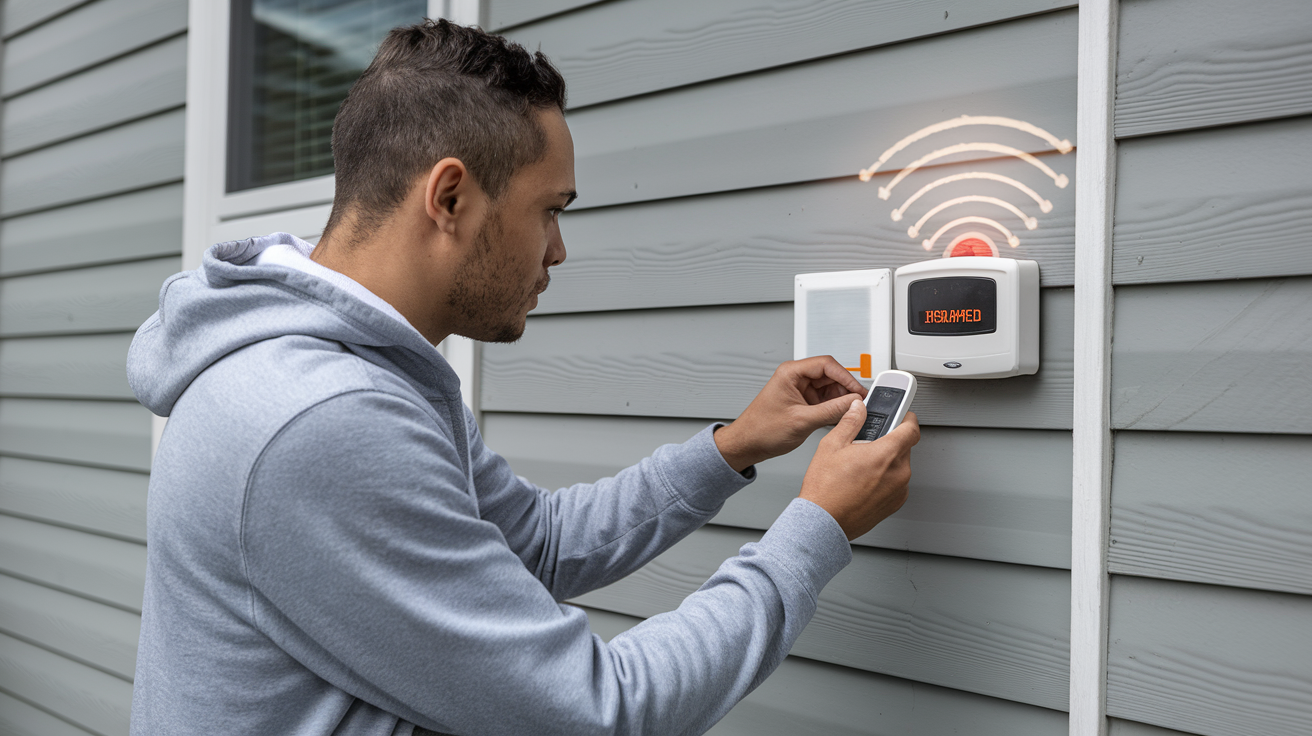
Discover effective methods for disabling home alarm systems without the code. This guide provides clear, actionable steps for homeowners facing alarm malfunctions or needing to bypass a system temporarily, ensuring you regain control of your home's security swiftly and safely.
Understanding Home Alarm Systems
Home alarm systems are designed to protect properties by detecting unauthorized entry and alerting homeowners or authorities. Modern systems are sophisticated, often incorporating multiple layers of security, including motion sensors, door/window contacts, glass break detectors, and even environmental sensors like smoke and carbon monoxide detectors. The central control panel is the brain of the system, managing all connected devices and responding to triggers. A security code, often referred to as a user code or master code, is the primary method for arming and disarming the system. Without this code, the system remains in its armed state, potentially leading to false alarms or an inability to access your own home if it triggers.
Understanding the basic components of your alarm system is crucial before attempting any form of bypass or disarming. Most systems consist of:
- Control Panel: The main unit that processes signals from sensors and communicates with the user and/or monitoring station.
- Keypad: The interface for arming, disarming, and programming the system. This is where the security code is entered.
- Sensors: Devices that detect intrusion (motion sensors), opening of entry points (door/window contacts), or specific events (glass break detectors, smoke detectors).
- Siren/Audible Alarm: The device that emits a loud sound to deter intruders and alert occupants and neighbors.
- Communication Module: Transmits alarm signals to a central monitoring station or directly to the homeowner via phone line, cellular, or internet.
The complexity of these systems varies significantly. Older, simpler alarm systems might be easier to bypass than newer, professionally installed and monitored smart home security systems. For instance, a basic wired system might have a main power source that can be cut, whereas a wireless system often relies on battery backups and encrypted communication, making physical tampering more difficult and less effective.
In 2025-26, the home security market continues to see a surge in DIY and professionally installed smart systems. According to recent industry reports, the global smart home security market is projected to reach over $70 billion by 2027, with an increasing emphasis on integrated solutions that connect with other smart devices. This means more homeowners are likely to encounter systems with mobile app control, remote access, and advanced encryption, which inherently makes bypassing them without a code more challenging.
Understanding the specific brand and model of your alarm system is the first step towards finding a viable solution. Many manufacturers, such as ADT, Vivint, SimpliSafe, and Ring, have distinct system architectures and bypass protocols. Knowing whether you have a wired or wireless system, its age, and its primary communication method will significantly inform the approach you might take.
Types of Home Alarm Systems and Their Vulnerabilities
To effectively address the question of how to disarm a home alarm without a code, it's essential to differentiate between the types of systems commonly found in homes:
Wired Systems
These systems rely on physical wires connecting the control panel to sensors and keypads. While generally considered reliable, they can be vulnerable to power interruption. Cutting the main power supply to the house might disable some components, but most systems have battery backups designed to keep them operational for several hours.
Wireless Systems
These systems use radio frequencies to communicate between sensors and the control panel. They offer greater flexibility in installation but can be susceptible to jamming (though this is often illegal and difficult for average users) or battery depletion. Tampering with the control panel or removing its battery often triggers a tamper alarm and signals the monitoring station.
Smart Home Integrated Systems
These are the most advanced, often featuring app-based control, remote access, and integration with other smart devices. They typically employ robust encryption and multiple communication channels, making them the most difficult to bypass without proper credentials. Disabling these often requires manufacturer intervention or a complete system reset, which may not be possible without professional assistance.
DIY vs. Professionally Installed Systems
DIY systems, like SimpliSafe or Ring Alarm, are often designed with user-friendly interfaces and accessible troubleshooting guides. Professionally installed systems, such as those from ADT or Vivint, can have more complex configurations and may require technician intervention for significant changes or bypasses.
The choice of system significantly impacts the feasibility and method of disarming without a code. For 2025-26, the trend towards interconnected smart home security means that understanding network protocols and potential software vulnerabilities is becoming increasingly relevant, although direct exploitation by homeowners is rare and often requires specialized knowledge.
Common Bypass Methods for Home Alarms
When faced with a situation where the security code is unavailable or forgotten, homeowners often seek methods to temporarily disable or bypass their alarm system. It's important to preface this section by stating that these methods are typically for legitimate owners of the property who have lost or forgotten their code, or are experiencing a system malfunction. Attempting to bypass an alarm system on a property you do not own or have permission to access is illegal.
The effectiveness of any bypass method is highly dependent on the specific alarm system model, its installation, and its configuration. Older, simpler systems are generally more susceptible to basic bypass techniques than modern, sophisticated smart security systems. For 2025-26, most high-end systems are designed with tamper-proof features and robust communication protocols to prevent unauthorized disarming.
Power Interruption Techniques
One of the most common initial approaches to disabling an electronic device is to cut its power. For a home alarm system, this typically involves two main sources of power:
1. Disconnecting the Main Power Supply
Most alarm systems draw power from the household's electrical supply. Locating the circuit breaker that controls the alarm system's power outlet or the main panel itself and switching it off can disable the system. However, this is rarely a complete solution.
- Locate the Breaker: Identify the circuit breaker in your home's electrical panel that powers the alarm system. It might be labeled "Alarm," "Security," or be part of a general "Basement" or "Utility Room" circuit. If unsure, you may need to systematically switch breakers off and on, checking the alarm panel for power loss.
- Turn Off the Breaker: Once identified, flip the breaker to the "Off" position.
- Limitations: This method is often insufficient because most alarm systems are equipped with a backup battery. The battery will take over when the main power is cut, keeping the system operational and potentially still triggering alarms if sensors are tripped.
2. Disabling the Backup Battery
To overcome the backup battery, you typically need to access the main control panel. This is where the system's battery is housed. For many systems, this panel is installed in a discreet location, such as a closet, basement, or attic, and secured with screws or a lock.
- Locate the Control Panel: This is the central hub of the alarm system. It's usually a metal or plastic box.
- Open the Panel: You might need a specific tool or a screwdriver to open the panel. Some panels have a key lock.
- Disconnect the Battery: Inside, you will find a rechargeable battery, often a sealed lead-acid (SLA) type. Disconnect the wires leading to the battery terminals. Be cautious, as there may be other electrical components.
- Limitations: Simply disconnecting the battery will not disarm the system if it's currently armed and has main power. Furthermore, many modern systems are designed to detect battery disconnection and will report a "tamper" or "system fault" to the monitoring station, which can be treated as an active alarm.
System Reset and Master Code Exploitation
For systems that cannot be easily bypassed through power interruption, a system reset or the use of a master code might be considered. However, these methods are often more complex and system-specific.
1. Master Code and User Codes
Every alarm system has a master code, which is a higher-level code than regular user codes. It can typically arm, disarm, and program the system. If the user code is forgotten, but the master code is known, disarming is straightforward.
- Enter Master Code: At the keypad, enter the master code followed by the "Disarm" or "Off" command.
- Limitations: The master code is often kept by the installer or the primary account holder. If this is also lost or unknown, this method is not applicable.
2. Factory Reset (System Default Code)
Some alarm systems can be reset to their factory default settings. This often reverts the system to a default code that can then be used to disarm it. However, this process varies greatly by manufacturer and model, and often requires specific technical knowledge or access to the control panel.
- Consult Manual: The system's installation manual is the best source for information on performing a factory reset.
- Technical Procedure: This might involve specific button sequences on the control panel, removing and reinserting a jumper, or entering a specific code sequence while the system is powered off and then on again.
- Limitations: Performing a factory reset will erase all custom settings, including user codes, sensor configurations, and communication settings. It might also trigger a "system fault" or "tamper" alert if not done correctly. For professionally installed systems, the manufacturer or installer may have locked out this function.
3. Utilizing Installer Codes
Similar to master codes, installer codes provide a higher level of access, allowing for system programming and maintenance. If an installer code is known or can be discovered (e.g., through default code lists for specific models), it can be used to disarm the system or even reset user codes.
- Research Default Codes: For some older or common systems, default installer codes might be available online.
- Limitations: Most professional installers change default codes for security reasons. Attempting to guess installer codes can lock out the system or trigger tamper alerts.
It's crucial to note that attempting to bypass or tamper with an alarm system without proper knowledge can lead to permanent damage to the system, false alarms, and potential legal repercussions. For 2025-26, with the prevalence of smart, interconnected systems, these basic bypass methods are becoming less effective. Manufacturers are continually enhancing security features to prevent unauthorized access.
Troubleshooting and Temporary Disablement
When faced with a home alarm system that has triggered unexpectedly, or when the security code is inaccessible, homeowners often need to find ways to temporarily disable the system to prevent further disturbances or false alarms. This section focuses on practical troubleshooting steps and temporary disablement techniques that can be employed by the legitimate owner of the property.
It is vital to emphasize that these methods are intended for legitimate property owners who have forgotten their code, are experiencing a system malfunction, or are in a situation where immediate disarming is necessary due to an emergency or accidental trigger. Unauthorized access or tampering with security systems is illegal and carries severe penalties.
Dealing with False Alarms
False alarms are a common nuisance. They can be triggered by a variety of factors, including pets, environmental changes (like drafts or extreme temperature fluctuations), faulty sensors, or even user error. If your alarm triggers and you know the code but are unsure of the cause, the first step is to disarm it.
- Disarm Immediately: If you know the code, enter it at the keypad to disarm the system.
- Identify the Trigger: Check the system's event log (if accessible) or observe which sensor was activated. This will help pinpoint the cause.
- Troubleshoot the Sensor: For example, if a motion sensor is the culprit, ensure pets are not triggering it, or consider repositioning it. If a door/window sensor is faulty, check its alignment and connection.
If the alarm triggers and you *do not* know the code, the situation becomes more complex. The immediate goal is to stop the siren and notify any monitoring service if applicable.
1. Silencing the Siren
The loud siren is often the most disruptive aspect of an alarm. While it cannot be permanently disabled without disarming the system, you can often silence it temporarily.
- Locate the Siren: Sirens are typically located externally (on the roofline or side of the house) or internally within the control panel or a dedicated sounder.
- Temporary Silence: Many systems have a "Siren Silence" function that can be activated via a specific button press on the keypad or by entering the code. If the code is unknown, this is not an option.
- Physical Disconnection (Advanced): In some cases, if the siren is easily accessible and wired separately, physically disconnecting its power source might silence it. However, this often triggers a tamper alarm at the control panel and may require specialized tools and knowledge. This is generally not recommended for the average user.
2. Contacting the Monitoring Company (If Applicable)
If your system is monitored, the monitoring station will receive the alarm signal. When an alarm triggers, they will typically attempt to contact you using pre-arranged contact numbers. If you are the homeowner and have forgotten the code, you will need to provide your "safe word" or "passcode" to verify your identity and inform them of the situation.
- Be Prepared to Verify: Have your account information and safe word ready.
- Explain the Situation: Inform them that the alarm has triggered, you are the homeowner, and you have forgotten the code. They may be able to guide you through a temporary disarming procedure or dispatch a technician.
- Limitations: The monitoring company's primary role is to respond to alarms. They may not be able to provide direct bypass instructions for security reasons, but they can often facilitate professional assistance.
Temporary Disablement for Maintenance or Relocation
Sometimes, you might need to temporarily disable your alarm system for legitimate reasons, such as performing renovations, painting, or moving out of a property. If you have lost the code, this can be challenging.
1. Disconnecting Power and Battery (Revisited for Temporary Use)
As discussed earlier, disconnecting the main power and the backup battery is a common method to completely shut down the system. For temporary disablement, this is often the most practical approach if the code is unknown.
- Procedure:
- Turn off the circuit breaker powering the alarm system.
- Locate the control panel.
- Open the panel and disconnect the backup battery.
- (Optional but recommended for full disablement) If the control panel has a transformer that plugs into a wall outlet, unplug it.
- Duration: This will keep the system powered down until you reconnect the battery and power supply.
- Considerations: Remember that when you restore power, the system will likely reboot and may default to an armed state or require re-entry of codes.
2. Using System Reset (When Code is Lost)
If you have lost the code and need to re-establish control, a system reset might be necessary. This is a more drastic step that erases all custom settings and returns the system to its default state.
- Consult Manual: The procedure for a factory reset is specific to the alarm system model. You will need to consult the user manual or the manufacturer's website.
- Common Reset Methods:
- Default Code: After a reset, the system might revert to a default code (e.g., 1234, 0000, or a code specified in the manual).
- Jumper/Button Reset: Some systems have a physical button or jumper on the circuit board that, when manipulated during power-up, initiates a reset.
- Installer/Master Code Reset: If you can gain access via an installer or master code (even if it's a default one), you might be able to reset user codes directly.
- Consequences: A factory reset will erase all programmed user codes, zone configurations, and potentially communication settings. You will need to reprogram the system from scratch.
3. Professional Assistance
For many homeowners, especially those with professionally installed and monitored systems, the most reliable and safest way to deal with a lost code or a malfunctioning alarm is to contact the installation company or a qualified security technician.
- Benefits: Professionals have the knowledge, tools, and access codes to diagnose issues, reset systems, and reprogram them without causing damage. They can also advise on the best course of action based on the specific system.
- Cost: While this may involve a service fee, it often saves time, prevents potential damage, and ensures the system is correctly reconfigured.
In 2025-26, with the increasing complexity of smart home security, relying on professional support for significant system changes or troubleshooting is becoming the norm. While basic power disconnection might work for very old systems, modern systems are designed to be more resilient to such attempts.
Advanced Techniques and Considerations
While basic methods like power interruption and system resets are often discussed, advanced techniques for disarming home alarm systems without a code are generally complex, system-specific, and often require specialized knowledge. For the average homeowner, these methods are either impractical, illegal, or highly risky. This section explores some of these advanced considerations and provides context for their limited applicability.
It is crucial to reiterate that any attempt to bypass or disarm an alarm system on a property that is not legally yours, or without explicit permission, is a criminal offense. The information provided here is for educational purposes and to illustrate the complexities of modern security systems, primarily for legitimate owners facing technical challenges.
Understanding System Architecture
Modern alarm systems are not monolithic. They consist of interconnected components that communicate using various protocols. Understanding this architecture is key to understanding potential vulnerabilities, however limited.
1. Control Panel and Logic Board
The control panel is the central processing unit. It receives signals from sensors, processes them based on programmed logic (including the security code), and triggers actions like sounding the siren or sending signals to a monitoring station. Advanced tampering might involve directly interacting with the logic board, but this requires intimate knowledge of the specific board's design and programming.
2. Communication Protocols
Systems communicate with the outside world (monitoring stations, mobile apps) via phone lines, cellular networks, or IP (internet). Encryption is commonly used to secure these communications. For 2025-26, protocols like AES-256 encryption are standard for cellular and IP communications, making interception and manipulation extremely difficult without sophisticated equipment and expertise.
3. Sensor Communication (Wired vs. Wireless)
- Wired Sensors: These are physically connected to the control panel. Tampering might involve cutting wires, but this usually triggers a tamper alarm.
- Wireless Sensors: These communicate via radio frequencies. While theoretically susceptible to jamming or spoofing, modern systems use rolling codes and frequency hopping to mitigate these risks. Jamming is also illegal in most jurisdictions.
Exploiting Software Vulnerabilities (Theoretical)
In the realm of cybersecurity, software vulnerabilities are often exploited. While alarm systems are designed to be secure, theoretical exploits could exist, though they are rarely accessible to the average user.
1. Default Passwords and Backdoors
As mentioned, default installer or master codes can be a vulnerability. However, reputable installers and manufacturers strongly advise changing these immediately. Some older or poorly designed systems might have hardcoded backdoors, but these are increasingly rare.
2. Firmware Exploits
Like any computer system, alarm panels run firmware. Theoretically, vulnerabilities in this firmware could be exploited. However, exploiting such vulnerabilities typically requires physical access to the panel and specialized tools to upload malicious code or manipulate its operation. This is far beyond the scope of typical home security troubleshooting.
3. Network Exploits (for IP-connected Systems)
Smart home security systems connected to the internet can be vulnerable to network attacks. If the system's network interface is not properly secured (e.g., weak Wi-Fi password, unpatched router), an attacker might gain access. However, even with network access, bypassing the alarm's core security functions (like requiring a code) often requires further, highly specific exploits.
Physical Tampering and Bypass (High Risk)
Direct physical interaction with the system components can sometimes lead to a bypass, but it's fraught with risks.
1. Disabling Tamper Switches
Most control panels and keypads have tamper switches. These are designed to detect if the unit is opened or removed from its mounting. When activated, they trigger an alarm. Advanced users might attempt to bypass these switches, but this requires modifying the hardware and can easily damage the system.
2. Circuit Board Manipulation
Directly manipulating the circuitry on the control board is a highly technical endeavor. This might involve shorting specific pins, desoldering components, or attempting to read data directly from memory chips. This is typically the domain of highly skilled electronics engineers or security researchers, not homeowners.
The Role of Professional Installation and Monitoring
For systems installed by professionals (like ADT, Vivint, Brinks), there are often layers of security and access control that make bypassing extremely difficult for end-users.
- Proprietary Systems: Many professional systems use proprietary hardware and software that are not publicly documented.
- Remote Access Control: Installers maintain remote access capabilities, which can be used for diagnostics and updates. This access is secured and generally not available to the end-user for bypass purposes.
- Monitoring Station Intervention: The monitoring station acts as an intermediary. They follow strict protocols for alarm events and verification, making it difficult to circumvent their response.
In 2025-26, the trend is towards even more integrated and secure systems. Manufacturers are investing heavily in cybersecurity for their alarm platforms. Therefore, relying on advanced, non-standard bypass techniques is increasingly unlikely to be successful and carries significant risks.
For legitimate owners facing a lost code situation with a professionally installed system, the most practical and recommended course of action remains contacting the service provider for assistance. They can guide you through the proper procedures, which may involve technician visits, system resets, or code changes, ensuring your system remains secure and functional.
Legal and Ethical Implications
The act of disarming a home alarm system, particularly without the proper code or authorization, carries significant legal and ethical weight. It is paramount to understand these implications before attempting any bypass methods. This section outlines the key considerations for homeowners and the broader societal impact of unauthorized access to security systems.
The primary distinction lies between legitimate homeowners dealing with forgotten codes or system malfunctions versus individuals attempting to bypass security systems on properties they do not own or have permission to access. The former is a matter of technical troubleshooting and user rights, while the latter constitutes a criminal act.
Legality of Bypassing Alarm Systems
1. Unauthorized Access and Trespassing
Attempting to disarm an alarm system on a property that is not yours, or without the explicit consent of the owner, is considered unauthorized access. Depending on the jurisdiction and circumstances, this can fall under charges of trespassing, attempted burglary, or even breaking and entering.
- Criminal Intent: Law enforcement will assess intent. If an alarm is bypassed as part of a criminal act (e.g., theft), the penalties will be severe.
- Property Rights: Security systems are installed to protect property. Interfering with them without authorization infringes upon the property owner's rights.
2. Vandalism and Property Damage
Many bypass methods, especially those involving physical tampering, can damage the alarm system or the property itself. Causing such damage can lead to charges of vandalism or destruction of property, in addition to any charges related to unauthorized access.
- Cost of Repair: The perpetrator may be held liable for the full cost of repairing or replacing the damaged security system and any related property damage.
3. False Alarms and Public Nuisance
Improperly attempting to disarm a system, or causing it to malfunction, can result in numerous false alarms. In many municipalities, excessive false alarms can lead to fines for the property owner. If the bypass attempt is made by someone other than the owner, it can still lead to the owner facing penalties.
- Strain on Emergency Services: Frequent false alarms divert valuable resources from police and fire departments, impacting their ability to respond to genuine emergencies.
Ethical Considerations for Homeowners
Even for legitimate homeowners, there are ethical considerations when dealing with alarm system bypasses.
1. Responsibility of Ownership
As a homeowner, you are responsible for the security of your property and the proper functioning of your alarm system. This includes keeping track of codes, maintaining the system, and understanding its operation.
2. Potential for Accidental Triggering
When attempting to bypass or disable a system without full knowledge, there's a risk of accidentally triggering it, leading to a false alarm and potential fines or unwanted attention from authorities.
3. Security of Neighbors and Community
A malfunctioning or improperly bypassed alarm system can create a false sense of security or, conversely, cause unnecessary disturbances in the neighborhood. Maintaining a functional security system contributes to community safety.
4. Data Privacy and System Integrity
Modern smart alarm systems collect data. Tampering with these systems could compromise data privacy or corrupt system logs, which might be important for insurance purposes or future troubleshooting.
The Role of Professional Assistance
Given the legal and ethical ramifications, seeking professional assistance is often the most responsible approach when faced with an alarm system issue, especially if the code is lost.
- Legal Compliance: Professional security technicians are trained to work within legal frameworks and adhere to safety protocols.
- System Integrity: They can diagnose issues and perform necessary actions (like resets or code changes) without damaging the system or compromising its security.
- Avoiding Penalties: By using professionals, homeowners avoid the risks of accidental damage, false alarms, and potential legal repercussions associated with DIY bypass attempts.
Statistics and Trends (2025-26)
As of 2025-26, the home security industry continues to integrate advanced cybersecurity measures. This means that systems are becoming more resilient to unauthorized access, both physical and digital. Consequently, the likelihood of successful, non-destructive bypasses by untrained individuals is decreasing.
- Increased Monitoring: Professional monitoring services are becoming more sophisticated, with faster response times and better verification protocols.
- Smart System Integration: The rise of smart home security means that systems are often interconnected with other devices, creating a more complex ecosystem that is harder to tamper with discreetly.
- Legal Enforcement: Law enforcement and judicial systems are increasingly aware of the complexities of digital security and are equipped to prosecute unauthorized access and tampering with alarm systems.
In conclusion, while the desire to regain control of one's home security is understandable, attempting to disarm an alarm system without the proper code can lead to significant legal trouble and ethical dilemmas. For legitimate homeowners, prioritizing safe, legal, and professional solutions is always the recommended path. For individuals considering unauthorized access, the severe legal consequences and ethical implications should serve as a strong deterrent.
Conclusion
Navigating the complexities of a home alarm system when the security code is unavailable can be a stressful experience. This comprehensive guide has explored various facets of understanding, troubleshooting, and addressing situations where disarming your alarm without the code is necessary. We've delved into the common bypass methods, emphasizing the importance of identifying your system type and acknowledging the limitations and risks associated with each approach, from power interruption to system resets. Furthermore, we've highlighted the critical legal and ethical implications, underscoring that while legitimate homeowners may face technical challenges, unauthorized tampering carries severe consequences.
For 2025-26, the landscape of home security is increasingly sophisticated, with advanced encryption and interconnected smart systems making traditional bypass methods less effective and potentially more damaging. The most reliable and responsible course of action for legitimate property owners encountering a lost code or system malfunction is to consult their alarm system's manual, contact their service provider, or engage a qualified security technician. These professionals can safely and effectively reset codes, diagnose issues, and ensure your system is restored to full functionality, protecting your home and avoiding legal pitfalls. Prioritizing safety, legality, and professional guidance will always be the most prudent strategy when dealing with your home's security.