Obtaining an alarm certificate from ADT is a common requirement for homeowners seeking potential discounts on their insurance policies. This guide provides a comprehensive, step-by-step approach to acquiring your ADT alarm certificate efficiently, ensuring you meet all necessary criteria and leverage this valuable document for maximum benefit.
What is an ADT Alarm Certificate?
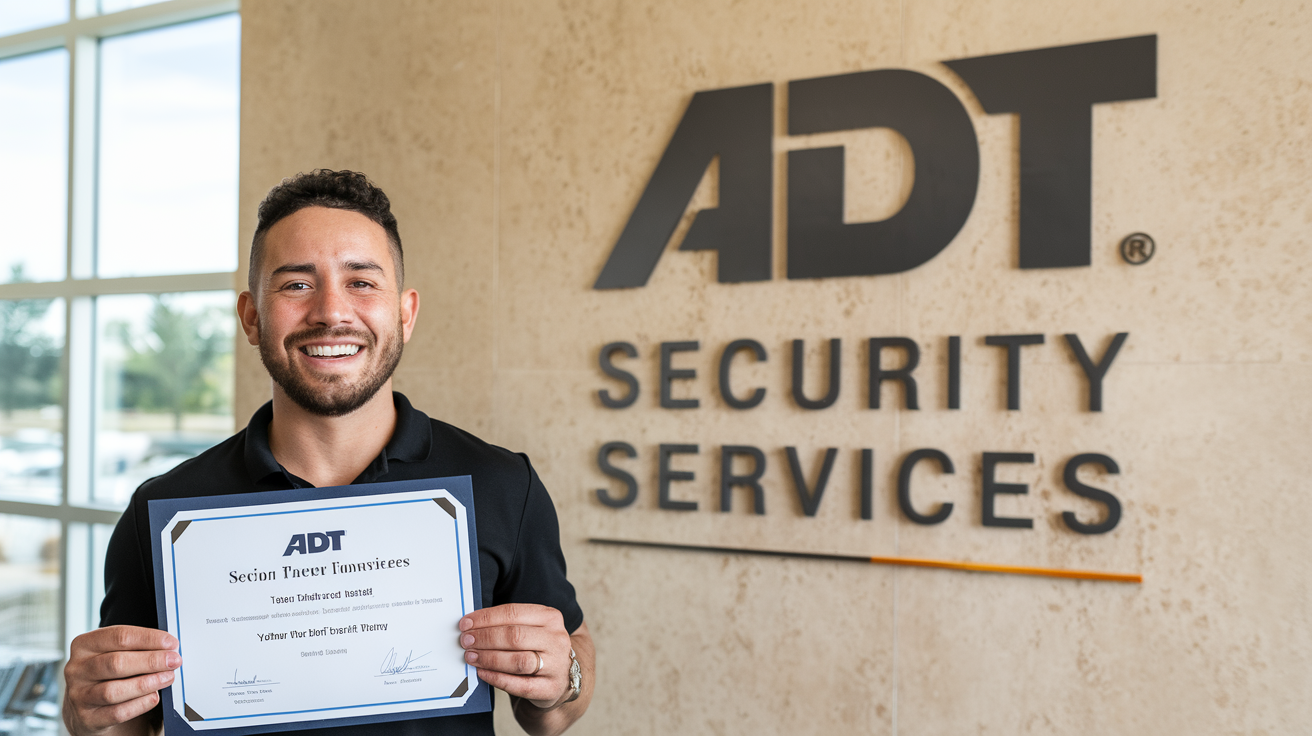
An ADT alarm certificate, often referred to as a "certificate of monitoring" or "proof of alarm system," is an official document issued by ADT that verifies you have an active and monitored security system installed at your property. This certificate typically details the type of system, its monitoring status, and the subscriber's information. Its primary purpose is to serve as evidence for insurance providers, demonstrating that your home is protected by a professional security system, which can lead to reduced insurance premiums. In 2025-26, the emphasis on verified security measures continues to grow, making these certificates more crucial than ever for homeowners.
Why Do You Need an ADT Alarm Certificate?
The primary driver for obtaining an ADT alarm certificate is the potential for significant savings on homeowner's insurance premiums. Many insurance companies offer discounts to policyholders who have installed and actively use monitored security systems. These discounts are based on the premise that a monitored alarm system reduces the risk of theft, fire, and other damages, thereby lowering the likelihood of an insurance claim. According to industry surveys from 2025, homeowners with monitored alarm systems can see discounts ranging from 5% to 20% on their annual premiums, depending on the insurer and the specifics of the system. Beyond insurance, the certificate can also be useful for:
- Property Valuations: In some cases, having a professional security system documented can positively impact property appraisals.
- Rental Agreements: Landlords may require proof of a security system for tenant applications or as part of lease agreements.
- Community Requirements: Certain homeowner associations (HOAs) or neighborhood watch programs might request this documentation for participation in security initiatives.
- Peace of Mind: Having official documentation reinforces the security of your home and can provide an extra layer of reassurance.
The proactive step of acquiring this certificate ensures you are fully leveraging the benefits of your ADT investment.
Eligibility Criteria for an ADT Alarm Certificate
To be eligible for an ADT alarm certificate, certain conditions must generally be met. These criteria ensure that the system is active, monitored, and meets the standards expected by insurance companies and ADT itself. As of 2025-26, the typical requirements include:
- Active ADT Service: Your ADT security system must be currently active and under a service agreement with ADT. This means your account must be in good standing, with all payments up to date.
- Monitored System: The certificate is typically issued for systems that are professionally monitored by ADT's central station. Basic DIY systems or those with only self-monitoring capabilities may not qualify for the same level of insurance discounts or for a formal certificate.
- System Functionality: While not always explicitly checked for the certificate issuance, insurance companies will often verify that the system is operational. ADT's monitoring ensures this ongoing functionality.
- Installation Verification: For some insurance companies, proof of professional installation by ADT may be beneficial, though the certificate itself usually suffices.
- Account Holder Status: The request for the certificate must come from the primary account holder or an authorized representative.
It's important to note that specific requirements can vary slightly based on your ADT service package and your insurance provider's policies. Always confirm with both parties to ensure you meet all expectations.
How to Request Your ADT Alarm Certificate
Requesting your ADT alarm certificate is a straightforward process, primarily handled through ADT's customer service channels. Following these steps will ensure a smooth and efficient acquisition of your document.
Step 1: Gather Your ADT Account Information
Before contacting ADT, it's essential to have your account details readily available. This will expedite the verification process and ensure you can provide the necessary information quickly. Key pieces of information to have include:
- Your Full Name: As it appears on your ADT account.
- Your ADT Account Number: This is usually found on your monthly bills or in your online ADT portal.
- Service Address: The full address where the ADT system is installed.
- Phone Number Associated with the Account: The primary contact number.
- Email Address: The one linked to your ADT account.
- Any recent invoice or contract details: This can sometimes help if you can't immediately recall your account number.
Having this information organized will make your interaction with ADT much more efficient.
Step 2: Contact ADT Customer Service
ADT offers several channels for customer service. The most direct ways to request your certificate are:
- Phone: Call ADT's customer service line. The primary number is typically 1-800-ADT-ASAP (1-800-238-2727). Be prepared for potential wait times, especially during peak hours.
- Online Portal/Chat: Log in to your ADT customer account online. Many ADT customers can find options to request documents or initiate service requests through their online portal. Some may also offer live chat support, which can be a convenient way to get your request processed without a lengthy phone call.
- Email: While less common for immediate requests, ADT might provide a customer support email address. However, this method is generally slower.
For the quickest resolution, calling directly or using the online chat feature is often recommended.
Step 3: Specify Your Request
Once you are connected with an ADT representative, clearly state that you need an "alarm certificate" or "certificate of monitoring" for your home insurance. Be specific about the purpose of the document, as this can sometimes help the representative understand your needs better and provide the most relevant information. For instance, you might say, "I need an official ADT alarm certificate to provide to my homeowner's insurance company for a potential discount."
Step 4: Provide Necessary Details
The ADT representative will likely ask you to confirm the information you gathered in Step 1 to verify your identity and account. This typically includes your full name, account number, and service address. They may also ask for the email address where you would like the certificate sent, or confirm the mailing address on file.
Step 5: Confirm Delivery Method
ADT can usually provide the certificate in a few ways:
- Email: This is often the fastest method. The certificate will be sent as a PDF attachment, which you can then print or forward to your insurance company.
- Mail: If you prefer a physical copy or if your insurance company requires it, ADT can mail the certificate to your service address or another specified address. This method will take longer due to postal delivery times.
- Download from Portal: Some customers might be able to download a standard certificate directly from their ADT online account dashboard.
Confirm which method you prefer and ensure the representative has the correct contact information for that delivery method.
Step 6: Follow Up If Necessary
ADT aims to process these requests promptly. However, if you do not receive your certificate within the timeframe provided by the representative (e.g., 2-3 business days for email, 7-10 business days for mail), do not hesitate to follow up. Refer to your initial service request or any reference number provided. You can call ADT customer service again and reference your previous interaction.
Alternative Methods for Obtaining Your Certificate
While direct contact with ADT customer service is the most common and recommended method, there might be alternative avenues depending on your specific ADT service plan and local regulations.
- ADT Authorized Dealers: If you initially purchased your ADT system through an authorized dealer, they might be able to assist you in obtaining a certificate. They often have direct lines to ADT's support systems.
- ADT Mobile App: Some security companies are integrating more self-service features into their mobile applications. Check your ADT app for any "document request" or "account services" sections that might allow you to initiate the certificate request.
- Insurance Broker/Agent: Your insurance agent may have specific forms or procedures for verifying alarm system installations. While they cannot issue the ADT certificate, they might be able to guide you on what specific information ADT needs to include on the certificate for their approval.
- ADT Online Account Management: As mentioned, many providers are enhancing their online portals. Log in to your ADT account at adt.com and navigate through the "My Account" or "Support" sections. Look for options related to "Certificates," "Proof of Service," or "Insurance Verification."
Always prioritize the official ADT channels for accuracy and authenticity of the document.
What Information is Included on an ADT Alarm Certificate?
An ADT alarm certificate is designed to provide essential details that insurance companies require to validate your security system. While the exact format can vary slightly, most certificates will include the following key information:
- Subscriber Information: Your full name and the service address where the alarm system is installed.
- ADT Company Information: Official ADT branding, contact details, and possibly a license number.
- System Type: A general description of the security system installed (e.g., residential alarm system, fire monitoring, etc.).
- Monitoring Status: Confirmation that the system is actively monitored by ADT's central station. This is a critical piece of information for insurance providers.
- Date of Installation/Activation: The date the system was installed or activated, which can be relevant for insurance policies that have tiered discounts based on system age or type.
- Certificate Issue Date: The date the certificate was generated.
- Unique Identification Number: A reference or certificate number for tracking purposes.
- Signature/Authorization: An authorized signature or stamp from ADT, verifying the document's authenticity.
Some certificates might also include details about specific components like smoke detectors or carbon monoxide sensors if they are part of your monitored package, as these can also contribute to insurance discounts. Always review the certificate upon receipt to ensure all information is accurate and complete.
Troubleshooting Common Issues
While the process of obtaining an ADT alarm certificate is generally smooth, you might encounter a few common issues. Here’s how to address them:
Certificate Not Received
If you've requested a certificate and haven't received it within the expected timeframe (e.g., 3-5 business days for email, 10-14 business days for mail), the first step is to check your spam or junk mail folder for the email version. If it's not there, or if you opted for mail delivery and it hasn't arrived, contact ADT customer service again. Provide them with the date of your original request and any reference number you might have received. They can re-issue the certificate or investigate the delivery issue.
Incorrect Information on Certificate
It's crucial that the information on your certificate is accurate. If you notice any errors (e.g., wrong address, incorrect name, missing details), contact ADT customer service immediately. Clearly explain the inaccuracies and provide the correct information. They will need to generate a corrected certificate. Ensure you specify that the correction is needed for insurance purposes to emphasize the urgency.
Difficulty Contacting ADT
Long wait times on the phone are a common frustration with many large companies. If you're having trouble reaching ADT via phone, try their online chat feature if available through your ADT account portal. You can also try calling at different times of the day, as some hours might be less busy. If all else fails, consider sending a formal written request via certified mail to ADT's corporate customer service department, though this is a much slower method. Remember that your ADT contract might specify communication channels or escalation procedures.
For any issues, maintaining a polite and persistent demeanor with customer service representatives is key. Having your account details readily available will also speed up the resolution process.
Tips for Maximizing Insurance Discounts
Simply having an ADT alarm system and obtaining the certificate is a great start, but here are some additional tips to ensure you're getting the maximum possible discount from your homeowner's insurance provider in 2025-26:
- Understand Your Policy: Read your homeowner's insurance policy carefully or speak directly with your insurance agent. Ask specifically about discounts for security systems, fire alarms, and carbon monoxide detectors. Some policies might have specific requirements for what constitutes a "monitored" system.
- Provide the Certificate Promptly: Once you receive your ADT alarm certificate, submit it to your insurance company as soon as possible. Don't delay, as discounts are often applied from the date the documentation is received.
- Highlight Additional Features: If your ADT system includes features like professional monitoring for fire, carbon monoxide, or flood detection, make sure this is clearly stated on the certificate or mentioned to your insurance provider. These additional layers of protection can sometimes qualify for higher discounts.
- Regular System Maintenance: Ensure your ADT system is regularly serviced and functioning correctly. Insurance companies may require proof of ongoing maintenance or may re-verify system status periodically. A well-maintained system reduces risk, which is the basis for the discount.
- Bundle Services: Sometimes, bundling your homeowner's insurance with other policies from the same provider (e.g., auto insurance) can lead to additional discounts, independent of your alarm system.
- Inquire About Other Discounts: Beyond the alarm system, ask about other potential discounts such as for having a newer roof, updated electrical systems, or being part of a neighborhood watch program.
- Shop Around: Periodically compare quotes from different insurance providers. While ADT provides the system, insurance rates can fluctuate. A new quote might reveal a provider offering better rates or more comprehensive discounts for monitored security systems.
By being proactive and informed, you can effectively leverage your ADT security system to reduce your insurance costs significantly.
ADT vs. Competitors: Certificate Process Comparison
When considering a home security provider, the ease of obtaining essential documentation like an alarm certificate is a factor. ADT, being one of the largest and most established providers, generally offers a streamlined process. However, comparing it to competitors can highlight potential differences.
| Feature | ADT | Competitor A (e.g., Vivint) | Competitor B (e.g., SimpliSafe - DIY focus) |
|---|---|---|---|
| Primary Request Method | Phone, Online Portal, Chat | Phone, Online Portal, Dedicated App Features | Online Portal, Email (less direct phone support for this specific item) |
| Speed of Delivery (Email) | Typically 1-3 business days | Typically 1-2 business days | Can vary, often within 2-4 business days |
| Availability of Downloadable Certificate | Possible via online portal for some users | Often available directly through the app/portal | Generally available via online account |
| Customer Service Accessibility | 24/7 phone support, but can have wait times. Online chat available. | 24/7 support, often praised for responsiveness. | Support hours may be more limited, but often efficient for specific queries. |
| Information Included | Standard details (name, address, monitoring status, system type). | Similar to ADT, may include more detailed system component information. | Focuses on core monitoring details. May be less detailed for DIY systems. |
| Cost for Certificate | Generally free for active customers. | Generally free for active customers. | Typically free, especially for self-service requests. |
Analysis: ADT's process is robust and reliable, leveraging its extensive customer service infrastructure. CoVivintors like Vivint often match or exceed ADT in responsiveness and app integration. DIY-focused providers like SimpliSafe excel in self-service options through their online platforms, which can be very efficient if you are comfortable navigating digital tools. For most users, ADT provides a dependable and accessible method for obtaining their alarm certificate, ensuring they can secure insurance discounts without undue hassle. The key is always to check your specific provider's portal or contact their support directly for the most accurate process.
Future Trends in Alarm Certificates
The landscape of home security and its integration with insurance is continuously evolving. In 2025-26 and beyond, we can anticipate several trends impacting how alarm certificates are issued and utilized:
- Digitalization and Blockchain: Expect a move towards fully digital certificates, potentially secured using blockchain technology. This would enhance security, prevent fraud, and allow for instant verification by insurance companies without manual submission.
- Automated Verification: Insurance providers may develop systems that can automatically verify alarm system status directly with security companies, reducing the need for physical certificates altogether. This would require robust data-sharing agreements and APIs between providers and insurers.
- Smart Home Integration: As smart home devices become more prevalent, alarm certificates might evolve to encompass a broader range of connected safety features, such as smart locks, leak detectors, and advanced fire suppression systems, potentially leading to more nuanced discount structures.
- Data Analytics and Risk Assessment: Insurers will likely leverage more data analytics to assess the true risk reduction provided by different types of security systems. This could lead to personalized discounts based on the specific technology, monitoring level, and even the geographical location of the property.
- Increased Standardization: There may be a push for greater standardization in the information required on alarm certificates across different security providers, making it easier for insurance companies to process them consistently.
- Cybersecurity Focus: With the rise of cyber threats, the security and integrity of the data used for these certificates will become paramount. Providers will need to demonstrate strong cybersecurity measures to assure insurers and consumers.
These trends suggest a future where obtaining proof of security will be more seamless, integrated, and data-driven, ultimately benefiting homeowners by potentially offering more accurate and accessible insurance discounts.
Conclusion
Securing an alarm certificate from ADT is a vital step for any homeowner looking to benefit from reduced insurance premiums and enhanced peace of mind. By understanding the purpose of the certificate, its eligibility requirements, and the straightforward process for obtaining it, you can efficiently acquire this valuable document. Remember to gather your account information, contact ADT through your preferred channel—be it phone or their online portal—and clearly state your request. Always review the certificate for accuracy and submit it promptly to your insurance provider. Troubleshooting common issues like delayed delivery or incorrect information is manageable with persistent follow-up. By proactively managing your ADT service and its documentation, you not only maximize potential insurance savings, which can be substantial in 2025-26, but also reinforce your commitment to a secure home environment. Embrace these steps to ensure your ADT investment continues to pay dividends.