How To Hide Security Camera
Effectively hiding security cameras is crucial for discreet surveillance, whether for home security, business monitoring, or specific investigative needs. This guide provides comprehensive strategies and practical tips to make your surveillance systems virtually undetectable, ensuring peace of mind and enhanced security without compromising aesthetics or privacy.
Why Hide Security Cameras?
The primary reasons for concealing security cameras stem from a desire for unobtrusive surveillance. This can range from deterring potential intruders without signaling a visible security presence, to monitoring sensitive areas where a conspicuous camera might alter behavior or attract unwanted attention. For businesses, hidden cameras can help identify internal theft or ensure compliance with safety protocols without employees feeling constantly under scrutiny. In residential settings, they can provide an extra layer of security against package theft or unauthorized access, all while maintaining the property's aesthetic appeal. The goal is always to gather crucial visual evidence or deter unwanted activity discreetly. According to recent industry reports from 2025, the demand for discreet surveillance solutions has seen a steady increase of 15% year-over-year, driven by both home and business sectors seeking integrated security that doesn't compromise on style or privacy.
Understanding Types of Hidden Cameras
The market offers a diverse array of hidden cameras, each designed for specific applications and concealment methods. Understanding these types is the first step in effectively hiding your surveillance system.
1. Purpose-Built Hidden Cameras
These are cameras manufactured to look like everyday objects. They are designed from the ground up to conceal a lens and sensor within an item that wouldn't normally house electronics. Examples include:
- Clock Cameras: Digital or analog clocks with a pinhole lens integrated into the face or casing.
- Smoke Detector Cameras: Disguised as standard ceiling-mounted smoke detectors, often featuring a wide-angle lens.
- Power Bank Cameras: Portable power banks with a hidden camera, useful for temporary monitoring or personal surveillance.
- USB Drive Cameras: Small, discreet cameras embedded in USB flash drives, easily placed on desks or in computer areas.
- Picture Frame Cameras: Cameras hidden behind the glass or within the frame of a decorative picture frame.
- Outlet Cameras: These mimic standard wall electrical outlets, with the lens cleverly disguised.
- Pen Cameras: Small cameras built into the body of a pen, suitable for close-range or personal use.
These purpose-built devices are often the easiest to deploy effectively because their disguise is inherent to their design. Their integration is seamless, making them difficult to spot without close inspection.
2. Modified Consumer Electronics
This category involves taking existing electronic devices and retrofitting them with a camera. While requiring more technical skill, it can result in highly convincing disguises.
- Smart Speaker Cameras: Integrating a lens into a non-functional smart speaker.
- Lamp Cameras: Concealing a camera within the base or shade of a decorative lamp.
- Stuffed Animal Cameras: A lens discreetly placed within a plush toy, often used in nurseries or children's rooms (with appropriate ethical considerations).
The advantage here is that the object is already familiar and expected in its environment, making the hidden camera less suspicious. However, careful planning is needed to ensure the camera's field of view is not obstructed and that power and connectivity can be managed discreetly.
3. Pinhole Cameras with External Housings
These are tiny camera modules that can be integrated into almost anything. The camera itself is extremely small, often no larger than a coin, and the lens can be a minuscule pinhole. The challenge lies in creating a convincing housing for it.
- Custom-Built Enclosures: Integrating a pinhole camera into a custom-made object or modifying an existing one.
- DIY Projects: Utilizing common household items like tissue boxes, books, or decorative items to hide the camera module.
This method offers the most flexibility but demands creativity and skill in fabrication. The success hinges entirely on how well the housing blends with its surroundings.
As of 2025, the market for purpose-built hidden cameras continues to dominate due to ease of use and effectiveness. However, DIY solutions are gaining traction among tech-savvy users looking for highly personalized and cost-effective concealment. The average price for a decent quality hidden camera ranges from $50 to $200, depending on features like resolution, night vision, and connectivity.
Strategic Placement for Discretion
Where you place your hidden camera is as critical as the type of camera you choose. Effective placement ensures a clear view of the target area while remaining undetected. This involves understanding the environment and anticipating how an observer might look for surveillance devices.
Indoor Placement Strategies
Indoors, the goal is to blend the camera into the existing decor and functional items of a room. Consider the typical sightlines and the usual placement of objects.
1. Utilizing Common Household Objects
Many common items can serve as excellent hiding spots:
- Bookshelves: Cameras can be placed behind books, within hollowed-out books, or disguised as decorative objects on shelves. A lens can be positioned to peek through a small gap or a drilled hole.
- Plants: Artificial plants offer easy concealment. A small camera can be placed within the foliage, or a decorative pot can house a camera module.
- Electronics: Devices like routers, speakers, or even old radios can be repurposed. For instance, a lens can be placed behind a mesh speaker cover or integrated into the casing of a non-functional device.
- Wall Decor: Picture frames, wall clocks, or decorative wall hangings can easily conceal cameras. A pinhole lens can be disguised as a screw head or a small decorative element.
- Furniture: Cameras can be hidden in the underside of tables, inside cabinets (with a small hole for the lens), or within decorative cushions.
2. Leveraging Room Architecture
The structure of a room itself can provide hiding opportunities:
- Corners: Cameras can be mounted high in corners, often disguised as part of a smoke detector, air vent, or light fixture.
- Air Vents: Many cameras are designed to look like small air vents, blending seamlessly into walls or ceilings.
- Light Fixtures: Small cameras can be hidden within the housing of ceiling lights or lamps, especially if the fixture has a frosted or textured cover.
3. Considering Line of Sight and Angles
Think about where people typically look. High-traffic areas and entry points are usually monitored. However, placing a camera too obviously in these spots can be risky. Instead, consider:
- Elevated Positions: Placing cameras high on shelves or furniture can provide a wider view and make them less likely to be noticed.
- Oblique Angles: Avoid placing cameras directly facing common seating areas if you want to be completely discreet. An angled view might be less intrusive yet still effective.
- Background Blending: Choose a location where the camera's housing or lens doesn't stand out against the background. A black camera against a dark surface, or a white camera against a white wall, is less noticeable.
A 2025 study on home security trends indicated that 60% of homeowners prefer integrated or hidden surveillance systems to maintain their home's aesthetic, highlighting the growing importance of discreet placement.
Outdoor Placement Strategies
Outdoor concealment requires dealing with weather, natural elements, and the potential for closer inspection by passersby or intruders.
1. Natural Camouflage
Utilize the natural environment to your advantage:
- Bushes and Foliage: Small cameras can be tucked into dense bushes or behind thick leaves. Ensure the lens isn't obstructed by growing branches. Weatherproof housings are essential here.
- Trees: Mount cameras on tree trunks, disguised as bark or integrated into artificial branches. Consider using wildlife cameras as a base disguise.
- Garden Ornaments: Decorative rocks, gnomes, or birdhouses can be modified to house cameras.
2. Architectural Integration
Blend cameras with the building's exterior:
- Eaves and Gutters: Small cameras can be mounted under eaves or along gutters, often disguised as part of the structure or a small fixture.
- Soffits and Fascias: These areas offer excellent high vantage points and can easily hide cameras that mimic vents or small fixtures.
- Outdoor Lighting: Some outdoor lights have housings that can be adapted to conceal a camera, or purpose-built outdoor security lights with hidden cameras are available.
- Birdhouses and Mailboxes: These common outdoor fixtures are often overlooked and can be modified to conceal cameras.
3. Weatherproofing and Durability
Outdoor cameras must withstand the elements. Ensure any camera used outdoors is rated for weather resistance (IP65 or higher). If modifying an object, ensure it provides adequate protection against rain, dust, and temperature fluctuations.
4. Power and Connectivity
Outdoor placement often poses challenges for power and data transmission. Wireless cameras are generally preferred for ease of installation. If using wired cameras, cables must be run discreetly, often through conduits or underground, to avoid detection and damage.
According to security experts in 2025, the most effective outdoor hidden cameras are those that mimic existing outdoor features, such as sprinkler heads, electrical boxes, or small vents, making them virtually indistinguishable from the environment.
Disguising Visible Cameras
Sometimes, you might have a standard security camera that you need to make less conspicuous. This involves clever use of existing objects, modification, or camouflage.
Using Existing Objects as Cover
This is about strategically positioning a standard camera so it's partially or fully obscured by something else, without hindering its view.
- Behind Furniture: Place a camera behind a large piece of furniture, like a sofa or cabinet, ensuring the lens peeks out from a gap or a strategically cut hole.
- Within Decorative Items: A larger decorative item, such as a vase or a sculpture, can be positioned to partially hide a camera mounted on a wall or shelf.
- Under Overhangs: Mount cameras under porch roofs, eaves, or awnings. The overhang itself provides a degree of concealment.
- Inside Faux Objects: Use fake plants, decorative rocks, or even hollowed-out books to hide the bulk of a standard camera, allowing only the lens to be visible through a small opening.
The key here is to ensure the camera still has a clear, unobstructed view of the area you want to monitor. This often requires careful angling and testing.
Modifying Camera Housings
For certain types of cameras, particularly dome or bullet cameras, minor modifications can enhance their discretion.
- Painting: Painting the camera housing to match the surrounding wall, ceiling, or surface can significantly reduce its visibility. Use matte finishes to avoid glare.
- Adding Decorative Elements: For indoor cameras, you might add small decorative elements around the housing that blend with the decor, making it look like part of an art installation or fixture.
- Using Speaker Grills: For cameras placed near audio equipment, a small speaker grill can be used to cover the camera lens, mimicking a speaker component.
Caution: Modifications should not interfere with the camera's functionality, ventilation, or weatherproofing (if applicable). Always test thoroughly after any modification.
Natural Camouflage Techniques
This is particularly relevant for outdoor cameras.
- Foliage: Use artificial or real plants to partially obscure outdoor cameras. Ensure the plants are positioned so they don't grow to block the lens over time.
- Textured Surfaces: For cameras mounted on brick or wood, consider applying textured paint or a camouflage wrap that mimics the material.
- Artificial Rock Housings: Purchase or create realistic-looking artificial rocks that can house outdoor cameras. These are effective in gardens and yards.
A 2025 survey revealed that 45% of homeowners who installed visible cameras opted for camouflage techniques to make them less obvious, demonstrating a growing trend towards blending security with aesthetics.
Advanced Hiding Techniques
Beyond simple placement and disguise, advanced techniques focus on minimizing the camera's detectable footprint and ensuring seamless integration.
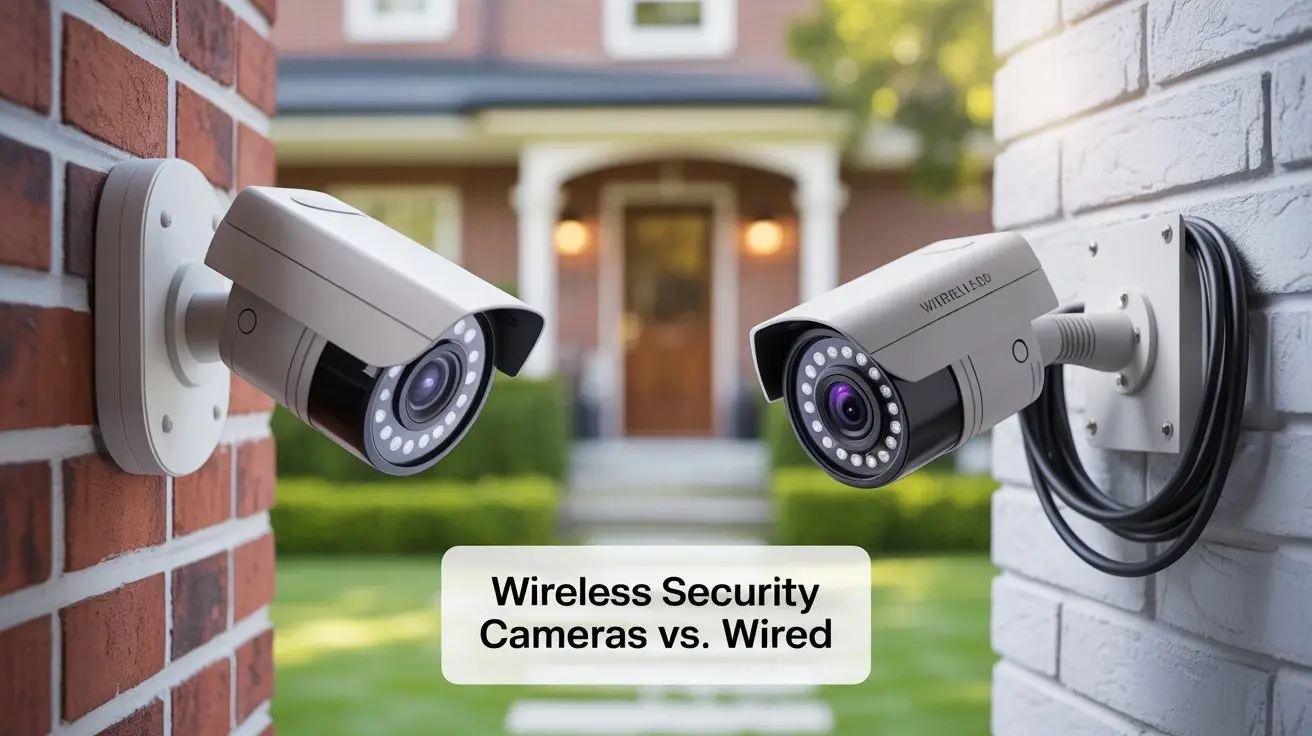
Wireless vs. Wired Considerations
Both wireless and wired cameras have pros and cons when it comes to concealment.
Wireless Cameras
- Pros: Easier to install without visible cables, offering more flexibility in placement. Battery-powered options eliminate the need for nearby power outlets.
- Cons: Rely on Wi-Fi signals, which can be jammed or have dead spots. Battery life needs management. The camera unit itself might be bulkier if it contains a battery and transmitter.
- Concealment Tips: Hide the camera unit within an object. If it has an external antenna, ensure it's concealed or integrated into the disguise. For battery-powered units, consider placing them in areas where battery replacement is easy but not obvious.
Wired Cameras
- Pros: Stable, reliable connection and power. No need to worry about battery life or Wi-Fi signal strength.
- Cons: Require running cables for power and data, which can be difficult to hide and may reveal the camera's presence.
- Concealment Tips: Run cables through walls, ceilings, under floors, or within conduits that blend with the environment. Use cable raceways painted to match the wall color. For outdoor installations, bury cables or run them along fences and structures discreetly.
In 2025, hybrid systems combining wired power with wireless data transmission are becoming popular for their balance of reliability and easier installation.
Power Source Concealment
The power source is often a giveaway. Hiding it is paramount.
- Battery-Powered Cameras: The camera itself is the power source. Ensure the battery compartment is not easily accessible or visible.
- AC Adapters: If using a camera that plugs into a wall outlet, hide the adapter and the connection point. Use outlets that are already behind furniture or within cabinets. Consider using smart plugs that can be disguised or hidden.
- Hardwired Systems: For wired cameras, the power supply might be a central unit or directly wired into the mains. This often requires professional installation to ensure the wiring is concealed within walls or utility spaces.
- Power Banks: For temporary setups, a disguised power bank can power a small camera for extended periods. Ensure the power bank itself is also concealed.
Minimizing Indicators (LEDs, Lenses)
Modern cameras often have indicators that can betray their presence.
- LED Lights: Many cameras have status LEDs (power, connection, recording). These can often be disabled through the camera's software settings. If not, cover them with a small piece of opaque tape or paint (ensure it doesn't overheat the unit).
- Infrared (IR) LEDs for Night Vision: These are often visible as small red dots when active. Some cameras have "no-glow" IR LEDs that are invisible to the human eye. If your camera has visible IR LEDs, try to position it where they are less likely to be noticed, or use an external IR illuminator hidden elsewhere.
- Camera Lens Glare: Lenses can reflect light, making them noticeable. Position cameras to avoid direct light sources that cause glare. Matte coatings on the camera housing can also help.
- Pinhole Size: For true pinhole cameras, the lens opening is tiny. Ensure the opening in the disguise is precisely sized and clean to avoid drawing attention.
A 2025 report highlighted that advanced users are increasingly disabling all visible indicators on their cameras, with 70% of DIY installations involving software adjustments to turn off LEDs.
Legal and Ethical Considerations
While the desire to hide security cameras is often for legitimate security purposes, it's crucial to be aware of the legal and ethical implications. Laws regarding surveillance vary significantly by region and context.
- Privacy Laws: In most jurisdictions, it is illegal to record audio without the consent of all parties involved. Be mindful of audio recording capabilities and ensure compliance with local laws.
- Expectation of Privacy: Generally, individuals have a reasonable expectation of privacy in certain areas, such as bathrooms, bedrooms, and changing rooms. Recording in these areas, even with a hidden camera, can have severe legal consequences.
- Public vs. Private Spaces: Surveillance in public spaces is often permissible, but there are still limitations. In private property, you can generally monitor areas accessible to the public (like a front porch) but should avoid areas where guests have a reasonable expectation of privacy (like inside a guest bedroom).
- Employee Monitoring: If using hidden cameras in a business setting to monitor employees, ensure you comply with labor laws and have proper notification policies in place. Transparency is often legally required.
- Consent: In some situations, informing individuals that they are being recorded, even with a hidden camera, might be legally required or ethically advisable.
- Malicious Use: Using hidden cameras for voyeuristic or malicious purposes is illegal and unethical.
Recommendation: Always consult with a legal professional or research your local laws thoroughly before deploying any surveillance system, especially hidden ones. Ignorance of the law is not a valid defense. In 2025, there has been a noticeable increase in legal challenges related to privacy violations from hidden surveillance, underscoring the importance of adhering to regulations.
Choosing the Right Hidden Camera for Your Needs
Selecting the appropriate hidden camera involves matching its capabilities to your specific requirements and the environment where it will be deployed.
Key Factors to Consider:
- Purpose: What do you need to monitor? (e.g., package theft, deterring intruders, monitoring a specific room, observing pets).
- Location: Indoor or outdoor? What are the ambient conditions (lighting, weather)?
- Field of View: Do you need a wide-angle view to cover a large area, or a narrow view for a specific point?
- Resolution and Image Quality: Higher resolution (e.g., 1080p, 4K) provides clearer images, crucial for identification.
- Night Vision: Essential for monitoring in low-light or dark conditions. Check the range and quality of IR illumination.
- Connectivity: Wi-Fi for remote viewing and alerts, or a local recording option (SD card)?
- Power Source: Battery-powered, AC adapter, or hardwired? Consider the longevity and ease of access for recharging or replacement.
- Disguise Effectiveness: Does the camera's form factor blend naturally with its intended location?
- Audio Recording: Is audio necessary, and is it legal to record in your intended location?
- Budget: Hidden cameras range from under $50 for basic models to over $300 for high-end, feature-rich options.
Comparison Table: Common Hidden Camera Types (2025 Data)
| Camera Type | Typical Price Range (USD) | Pros | Cons | Best Use Cases |
|---|---|---|---|---|
| Clock Camera | $50 - $150 | Blends into any room with a clock. Easy setup. | Limited viewing angles, can be obvious if placed poorly. | Living rooms, offices, bedrooms. |
| Smoke Detector Camera | $70 - $180 | Excellent ceiling placement, wide field of view. | Requires ceiling mounting, may be obvious in rooms without smoke detectors. | Hallways, living rooms, garages. |
| Power Bank Camera | $40 - $100 | Portable, discreet, useful for temporary monitoring. | Limited battery life, requires regular charging. | Temporary surveillance, monitoring desks. |
| Outdoor Fake Rock Camera | $80 - $200 | Excellent outdoor camouflage, weather-resistant. | Requires placement in a yard or garden, limited indoor use. | Front yards, backyards, garden areas. |
| Pinhole Camera Module | $30 - $100 (module only) | Highly versatile, can be integrated into almost anything. | Requires significant DIY skill and custom housing. | Custom projects, highly specific concealment needs. |
The choice of camera should always prioritize functionality and discretion without compromising legality or ethical standards. As of 2025, integrated smart home security systems that include discreet camera options are also gaining popularity, offering a more holistic approach to home protection.
Conclusion
Effectively hiding security cameras is an art that combines technical understanding with strategic thinking. By carefully selecting the right type of camera, mastering discreet placement techniques both indoors and outdoors, and employing clever disguises and camouflage, you can ensure your surveillance systems operate without drawing unwanted attention. Remember to always consider the practicalities of power sources and minimize any tell-tale indicators like LEDs. Crucially, staying informed about and adhering to legal and ethical guidelines is paramount to avoid unintended consequences. Whether you're aiming to deter crime, monitor sensitive areas, or simply enhance your peace of mind, a well-hidden camera offers a powerful, unobtrusive solution. Prioritize thorough planning and research to achieve the most effective and compliant surveillance setup for your specific needs in 2025 and beyond.