Securing your home with an ADT alarm system is a crucial step towards peace of mind. This guide will meticulously detail how to set your ADT alarm when leaving, ensuring your property remains protected. We cover various methods, from standard arming to smart features, providing clear, actionable steps for every user.
Understanding Your ADT System
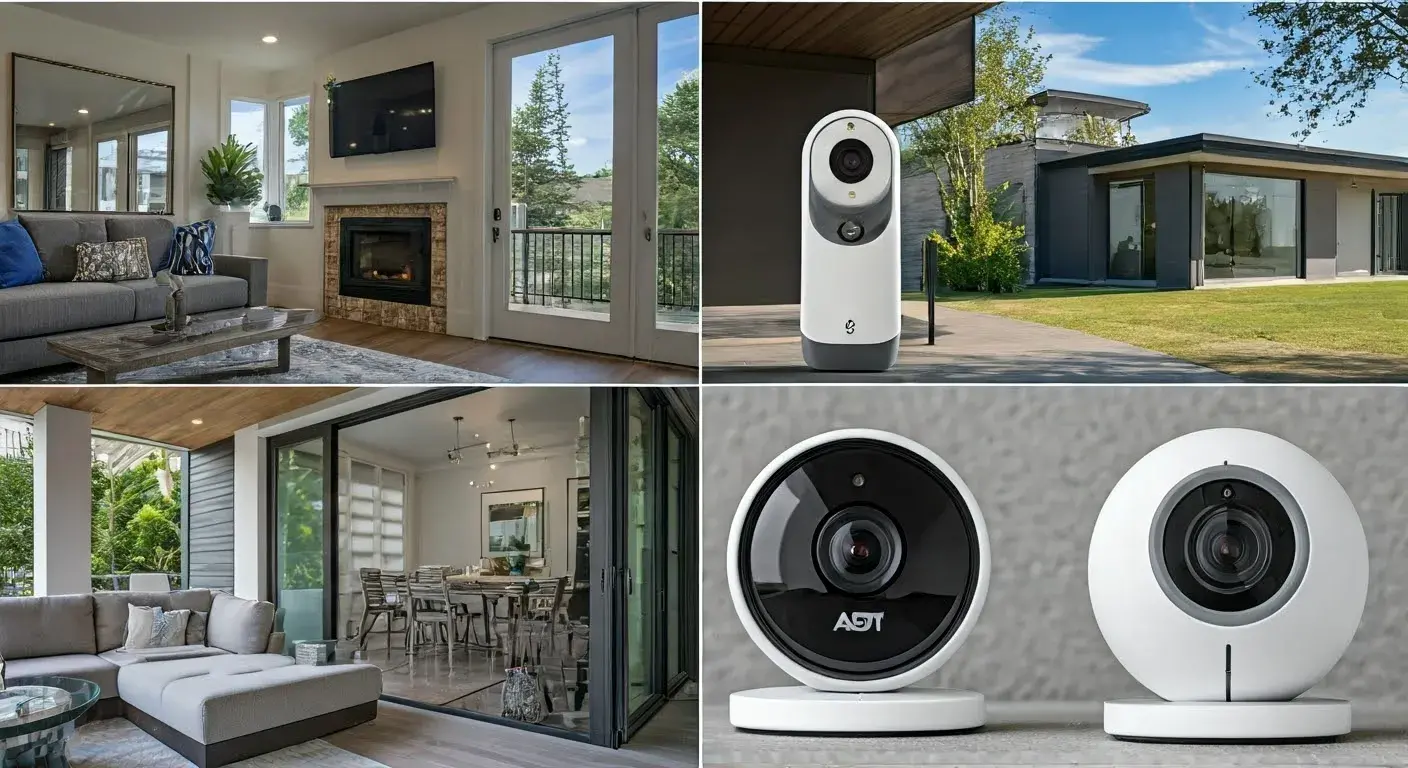
ADT offers a range of security systems, each with unique features and operational nuances. Before diving into how to set your alarm, it's essential to have a foundational understanding of your specific ADT setup. Most ADT systems consist of a central control panel (the keypad), various sensors (door/window contacts, motion detectors, glass break sensors), and potentially cameras and smart home devices. The control panel is your primary interface for arming and disarming the system. Knowing your system's model and its capabilities is the first step to effectively securing your home when you leave. For instance, older systems might rely solely on the keypad, while newer ADT Command and Control systems integrate seamlessly with mobile apps and voice assistants. Understanding the different types of sensors and how they communicate with the panel is also vital. For example, a motion detector might be configured to only activate in 'Away' mode, while a door sensor would trigger the alarm in both 'Stay' and 'Away' modes if breached. This knowledge empowers you to make informed decisions about arming your system.
The Central Control Panel: Your Command Center
The ADT control panel, often referred to as the keypad, is the brain of your security system. It's where you'll input your unique user code to arm, disarm, and manage system settings. Most keypads feature a display screen that provides system status updates, zone information, and error messages. Familiarize yourself with the layout of your specific keypad model. Common buttons include 'Arm Away,' 'Arm Stay,' 'Disarm,' 'Emergency' (Police, Fire, Medical), and function keys. The 'Arm Away' function typically arms all sensors, including interior motion detectors, while 'Arm Stay' usually bypasses interior motion detectors to allow you to move freely within your home while it's armed. Understanding these fundamental differences is key to correctly setting your alarm when leaving. The panel also displays system status, such as 'Ready to Arm,' 'System Armed,' or 'Fault' if a sensor is not functioning correctly.
Types of Sensors and Their Functions
ADT systems utilize a variety of sensors to detect intrusions. Understanding what each sensor does helps you grasp why certain arming modes are recommended.
- Door and Window Sensors: These are typically two-part magnetic sensors. When a door or window is opened, the magnetic contact is broken, triggering the alarm. These are crucial for perimeter security.
- Motion Detectors: These sensors detect movement within a room using infrared technology. They are often used to secure larger areas or hallways. Their sensitivity and placement are critical for effective use.
- Glass Break Sensors: These sophisticated sensors listen for the specific sound frequency of breaking glass, providing an additional layer of security for windows.
- Environmental Sensors: While not directly related to intrusion, ADT also offers smoke detectors, carbon monoxide detectors, and flood sensors that integrate with your system for comprehensive home safety.
The configuration of these sensors within your system determines how it behaves when armed. For example, if a motion detector is placed in a high-traffic area, it's generally advisable to use the 'Arm Away' mode when leaving to ensure it's active.
Setting Your ADT Alarm Using the Keypad
The most traditional and perhaps most common method of setting your ADT alarm when leaving is through the central control panel keypad. This process is straightforward but requires adherence to specific steps to ensure the system is armed correctly and to avoid false alarms. The primary goal is to arm the system in a mode that provides adequate security for your home while you are away, typically the 'Arm Away' mode. This ensures all sensors, including motion detectors, are active.
Step-by-Step Guide to Arming in 'Away' Mode
Arming your ADT system in 'Away' mode is the standard procedure when no one will be inside the home. This mode activates all sensors, including interior motion detectors, ensuring comprehensive protection.
- Ensure the System is Ready: Before arming, check the keypad display. It should indicate "Ready to Arm" or a similar message. If it shows any faults (e.g., a window open, sensor malfunction), you must address these issues first. Open doors or windows will typically prevent the system from arming or will trigger an immediate alarm.
- Initiate Arming: Press the 'Arm Away' button on your keypad. Some systems may require you to press 'Mode' or 'Function' first, followed by 'Arm Away.' Consult your system's manual if unsure.
- Enter Your User Code: You will be prompted to enter your 4-digit user code. This is your personal code that identifies you to the system.
- Exit Delay: Once your code is entered, the system will begin an exit delay. This is a pre-programmed time (usually 30-120 seconds) during which you can leave the premises. The keypad will typically beep or flash to indicate the exit delay is active. Make sure to exit through your designated exit door before the delay expires.
- Confirmation: After the exit delay expires, the system will announce "System Armed" or display it on the screen. The beeping will stop, and the 'Armed' light will illuminate. Your home is now protected.
Understanding Exit and Entry Delays
Exit and entry delays are crucial features designed to prevent accidental alarms and allow for normal operation of the system.
- Exit Delay: This is the period after you initiate arming (usually 'Arm Away') that allows you to leave the house. During this time, the system is armed, but it will not trigger an alarm if a sensor is tripped (e.g., if you accidentally leave a door ajar). It's imperative to exit the property before the exit delay expires.
- Entry Delay: This is the period after you enter the house and trigger a sensor (e.g., opening the front door) that allows you to disarm the system before an alarm is sounded. You must enter your user code at the keypad within this time frame. If you fail to disarm the system within the entry delay, it will sound the alarm and notify ADT's monitoring center.
The length of these delays is programmable and can often be adjusted by your ADT technician or through advanced system settings. For setting your ADT alarm when leaving, the exit delay is the most relevant.
What to Do If the System Doesn't Arm
If your ADT system fails to arm, it's usually due to an open zone or a system fault.
- Check the Keypad Display: The display will usually indicate which zone is causing the problem (e.g., "Front Door Open," "Motion Fault").
- Secure All Entry Points: Ensure all doors and windows are closed and locked.
- Bypass Faulty Zones (Temporary): If you must leave and cannot immediately resolve the issue, you can often bypass individual zones. This means the system will arm, but the bypassed zone will not be monitored. To bypass a zone, you typically press the 'Bypass' button, then enter the zone number, and confirm. However, bypassing zones compromises your security, so this should be a temporary measure.
- Contact ADT Support: If the issue persists or you are unsure how to resolve it, contact ADT customer support for assistance.
Using the ADT Control App for Remote Arming
For users with ADT Command and Control systems, the ADT Control app offers a modern and convenient way to manage your security. This app allows you to arm and disarm your system remotely from your smartphone or tablet, providing ultimate flexibility. This is particularly useful if you forget to arm your system after leaving or if you need to grant access to someone remotely. The ability to set your ADT alarm when leaving extends beyond the physical keypad with this powerful tool.
Setting Up and Navigating the ADT Control App
Before you can use the app, it needs to be properly set up and linked to your ADT account.
- Download the App: Search for "ADT Control" in your device's app store (iOS or Android) and download it.
- Login: Use the username and password provided by ADT or created during your system setup. If you've forgotten your credentials, there's usually a "Forgot Password" option.
- System Status: The main screen of the app typically displays the current status of your security system (e.g., "Disarmed," "Armed Away," "Armed Stay").
- Arming Options: You will see clear buttons for "Arm Away" and "Arm Stay." Tapping these will initiate the arming process, similar to using the keypad.
Arming Your System Remotely
Arming your ADT system remotely is as simple as a few taps on your smartphone.
- Open the App: Launch the ADT Control app on your mobile device.
- Select Arming Mode: Tap the "Arm Away" button. This is the recommended mode when leaving your home unoccupied.
- Confirmation: The app will usually ask for confirmation and may require your app login credentials or biometric authentication (fingerprint/face ID) for security.
- System Response: Once confirmed, the app will send the command to your ADT system. You will receive a notification confirming that the system has been armed. The app will update to reflect the new "Armed Away" status.
This feature is invaluable for peace of mind. For instance, if you're already at work and realize you forgot to arm your alarm, you can simply open the app and arm it remotely, ensuring your home is protected. This directly addresses the user's need for a reliable method to set their ADT alarm when leaving, even when they are no longer physically present.
Receiving Notifications and Alerts
The ADT Control app also provides real-time notifications for various system events. This includes:
- System armed or disarmed
- Alarm events
- Sensor activity (e.g., door opened)
- System faults or low battery alerts
- Camera activity (if applicable)
Configuring these notifications ensures you are always informed about what's happening at your property. You can customize which alerts you receive to avoid being overwhelmed while still staying informed about critical events.
Voice Commands and Smart Home Integration
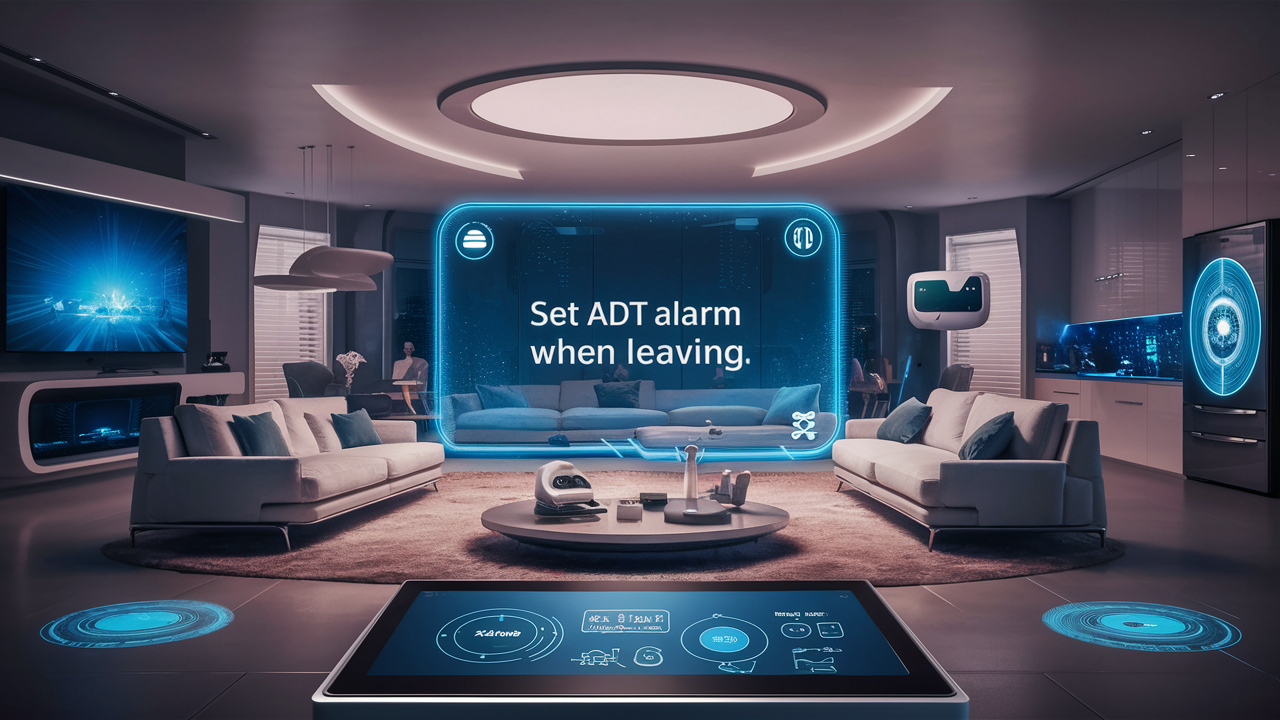
Modern ADT systems, particularly those integrated with platforms like Alexa or Google Assistant, allow for voice-activated arming. This adds another layer of convenience, especially when you're juggling multiple tasks as you prepare to leave. Integrating your ADT system with your smart home ecosystem can streamline your departure routine significantly.
Arming with Amazon Alexa or Google Assistant
If your ADT system is linked to a compatible smart home hub and voice assistant, you can arm your system using simple voice commands.
- Ensure Integration: Verify that your ADT system is linked to your Alexa or Google Assistant account. This usually involves enabling the ADT skill or action within the respective voice assistant app and linking your ADT account.
-
Use Specific Commands: Common commands include:
- "Alexa, tell ADT to arm my system in Away mode."
- "Hey Google, ask ADT to arm my system."
- "Alexa, tell ADT to arm my system in Stay mode."
- Voice Verification: For security, voice assistants often require a voice PIN or a specific phrase to confirm arming commands, especially for 'Away' mode. Ensure you have set this up during the integration process.
- Confirmation: The voice assistant will confirm that the command has been sent to your ADT system, and you may receive a notification through the ADT Control app as well.
This hands-free method is incredibly useful. Imagine your hands are full with bags as you head out the door; a simple voice command can secure your home without you needing to put anything down. This is a significant advancement in how to set your ADT alarm when leaving.
Creating Smart Home Routines for Departure
You can further enhance your departure routine by creating smart home routines that combine multiple actions, including arming your ADT system.
-
Example Routine (Alexa): You could create a routine named "Leaving Home." When you say, "Alexa, I'm leaving," the routine could:
- Turn off all smart lights
- Adjust the thermostat
- Lock smart doors
- Arm your ADT system in 'Away' mode
- Example Routine (Google Home): Similarly, a Google Home routine triggered by "Hey Google, I'm leaving" could perform the same sequence of actions.
These routines automate your departure, ensuring that all security and home management tasks are handled with a single command or action. This level of integration makes managing your ADT system seamless and intuitive.
Security Considerations for Voice Control
While convenient, voice control requires careful consideration of security.
- Secure Your Voice Assistant: Ensure your voice assistant device is not easily accessible to unauthorized individuals who might try to issue commands.
- Use Strong PINs: If your ADT system requires a voice PIN for arming, make sure it's a strong, unique code that isn't easily guessed.
- Review Permissions: Regularly check the permissions granted to the ADT skill or action within your voice assistant app to ensure they are appropriate.
By implementing these safeguards, you can enjoy the benefits of voice control without compromising your home security.
ADT Alarm Modes Explained: Stay vs. Away
Understanding the difference between 'Stay' and 'Away' modes is fundamental to effectively using your ADT alarm system, especially when deciding how to set your ADT alarm when leaving. Each mode offers a different level of protection tailored to whether someone will be inside the home. Choosing the correct mode ensures your system protects you as intended without causing unnecessary alarms.
'Arm Stay' Mode: For When You're Home
The 'Arm Stay' mode is designed for situations where you are inside the house but want to secure the perimeter. This mode typically arms all exterior sensors (doors, windows) but bypasses interior motion detectors.
- Purpose: To protect against intruders who might try to enter through doors or windows while you are home and moving around freely.
- How it Works: When you arm in 'Stay' mode, the system acknowledges that movement may occur inside the house. Therefore, interior motion detectors are deactivated. However, if a door or window is opened, the system will trigger an alarm after the entry delay.
- When to Use:
- At night, while you are sleeping.
- When you are home during the day but want to secure the perimeter.
- If you have pets that would trigger a motion detector in 'Away' mode.
It's important to note that 'Arm Stay' is not the correct mode for when you are leaving your home unoccupied.
'Arm Away' Mode: For When You're Leaving
The 'Arm Away' mode is the standard setting for when your home will be empty. This mode activates all sensors in your system, including interior motion detectors, to provide the highest level of security.
- Purpose: To detect any intrusion, whether it occurs at the perimeter or within the interior of the home.
- How it Works: When you arm in 'Away' mode, all sensors are active. If any sensor is triggered (a door opens, a window breaks, or motion is detected inside), the system will sound the alarm after the entry delay expires.
- When to Use:
- When you are leaving your home for any period (work, vacation, errands).
- When the house is completely unoccupied.
This is the primary mode you will use when answering "How To Set Adt Alarm When Leaving ?". It ensures that every potential entry point and interior space is monitored.
Choosing the Right Mode for Different Scenarios
The decision between 'Stay' and 'Away' depends entirely on occupancy.
| Scenario | Recommended Mode | Explanation |
|---|---|---|
| Leaving for work | Arm Away | Home is unoccupied, all sensors need to be active. |
| Going to bed | Arm Stay | You are home, but exterior doors/windows need monitoring. Interior motion detectors are bypassed. |
| Home alone during the day | Arm Stay | Secures perimeter while allowing free movement inside. |
| Family vacation | Arm Away | Home is completely vacant, maximum security required. |
| Expecting a visitor who needs to enter before you arrive | Disarmed (or temporary access code) | Arming is not appropriate. Consider a temporary code for the visitor. |
Properly selecting the arming mode is crucial for effective security and avoiding false alarms.
Common ADT Alarm Setting Scenarios
Real-world situations often present unique challenges when it comes to setting your ADT alarm. Understanding how to adapt your system's settings for these common scenarios ensures continuous protection. Whether it's a quick trip to the store or a longer vacation, there's a correct way to arm your system.
Scenario 1: Quick Trip to the Store
You're heading out for an hour or two. The house will be empty.
- Action: Arm the system in 'Away' mode using your keypad or the ADT Control app.
- Considerations: Ensure your exit delay is sufficient for you to leave without rushing. If you're using the app, you can arm it as you pull away from the driveway.
Scenario 2: Family Going on Vacation
The entire household will be away for an extended period.
- Action: Arm the system in 'Away' mode.
- Considerations:
- Check Sensor Batteries: Ensure all sensors have healthy batteries. Low batteries can cause system faults.
- Inform ADT (Optional but Recommended): For extended absences, you might inform ADT's monitoring center of your travel dates.
- Vacation Mode (If Available): Some systems have a 'Vacation Mode' that can randomize lights or provide other deterrents. Check your system's capabilities.
- Test the System: Before leaving, perform a system test to confirm all sensors are functioning correctly.
Scenario 3: Someone Staying Home (e.g., Pet Sitter, Guest)
You are away, but someone else is in the house.
- Action: The system should be armed in 'Stay' mode.
- Considerations:
- Provide a Guest Code: Assign a unique user code to the pet sitter or guest. This allows them to disarm and re-arm the system without using your primary code and provides an audit trail of their activity.
- Educate the Guest: Ensure the guest understands how to arm and disarm the system, particularly the difference between 'Stay' and 'Away' modes if they need to leave and re-enter. Explain the entry and exit delays.
- Motion Detector Placement: If the guest will be sleeping, ensure they are aware of motion detector locations and advise them to avoid triggering them if the system is accidentally armed in 'Away' mode.
Scenario 4: Receiving Deliveries or Service Personnel
You need to grant temporary access to your home.
- Action: Disarm the system.
- Considerations:
- Use Temporary Codes: If your system supports it, create a temporary user code that expires after a certain time or number of uses.
- Stay Present (If Possible): If you can be home when they arrive, you can disarm the system, let them in, and then re-arm it after they leave.
- Remote Arming/Disarming: If you have the ADT Control app, you can disarm the system remotely when they arrive and re-arm it after they depart.
Scenario 5: Accidental Alarm While Arming
You accidentally trigger an alarm while trying to set your ADT alarm when leaving.
- Action: Remain calm. Immediately enter your user code at the keypad or use the ADT Control app to disarm the system within the entry delay period.
- Considerations: If the alarm sounds, ADT's monitoring center will attempt to contact you. Have your verbal password or safe word ready. If you cannot be reached or confirm it's a false alarm, ADT may dispatch authorities. Repeated false alarms can lead to fines from local authorities. Learn from the mistake: ensure all doors are closed, and you exit within the exit delay.
These scenarios highlight the versatility of ADT systems and the importance of understanding their operation for optimal security.
Troubleshooting ADT Alarm Setting Issues
Even with the best intentions, you might encounter issues when trying to set your ADT alarm. Understanding common problems and their solutions can save you time and ensure your home remains protected. Most issues stem from sensor faults, power problems, or user error.
System Not Ready to Arm
This is the most common issue. The keypad will display "Not Ready" or indicate a specific zone that is open or faulted.
- Identify the Fault: Check the keypad display for zone numbers or descriptions (e.g., "Living Room Window," "Front Door").
- Check All Doors and Windows: Ensure every door and window that has a sensor is fully closed and latched. Sometimes a slight gap can prevent the magnetic contact from engaging.
- Check Motion Detectors: Ensure nothing is obstructing the motion detector or causing false triggers (e.g., curtains moving, pets in restricted areas if armed in 'Away' mode).
- Check Other Sensors: Verify that smoke detectors, CO detectors, or glass break sensors are not in a fault state.
- Bypass the Zone (Temporary): If you must leave immediately and cannot resolve the fault, you can bypass the problematic zone. Press 'Bypass,' enter the zone number, and confirm. Remember to address the bypassed zone later.
- Power Issues: Check if the main panel or any keypads have lost power. Ensure the transformer is plugged in and the battery backup is functional.
Keypad Unresponsive
If the keypad is completely blank or doesn't respond to touch or button presses.
- Check Power: Ensure the keypad is receiving power. Check the main control panel for any power indicator lights. Verify the transformer is plugged in and the circuit breaker for the alarm system hasn't tripped.
- Battery Backup: The main panel has a backup battery. If this battery is dead or disconnected, it can affect keypad operation.
- Loose Connections: In rare cases, a wire connection might be loose. This typically requires a technician.
- System Reboot: Sometimes, a simple system reboot can resolve minor glitches. This usually involves unplugging the transformer and removing the backup battery from the main panel, waiting a minute, and then reconnecting them. Consult your manual or ADT support before attempting this.
False Alarms Occur After Arming
An alarm triggers even though no intrusion has occurred.
- Review Sensor Activity: Check the event log on your keypad or app to see which sensor triggered the alarm.
- Motion Detector Sensitivity: If a motion detector is triggering falsely, its sensitivity might be too high, or it might be pointed at a heat source (like a vent) or a window with direct sunlight. Adjust placement or sensitivity.
- Pets: Ensure pets are not triggering motion detectors. Consider pet-immune motion detectors or ensure they are placed out of pet pathways.
- Environmental Factors: Strong drafts, flying insects, or even large curtains moving can sometimes trigger motion detectors.
- Faulty Sensors: A sensor might be malfunctioning. If this is a recurring issue, contact ADT for a replacement.
- Incorrect Arming Mode: Ensure you are using 'Stay' mode when people are home and 'Away' mode when the house is empty. Arming in 'Away' mode with pets or people inside is a common cause of false alarms.
ADT Control App Not Connecting
You can't arm or disarm your system remotely via the app.
- Check Internet Connection: Ensure your home's Wi-Fi network is working correctly. The ADT Control app relies on an internet connection to communicate with your system.
- Check System Power: Verify that your ADT control panel is powered on and connected to the internet (if it's a hardwired connection).
- App Updates: Make sure you have the latest version of the ADT Control app installed on your device.
- ADT Server Status: Occasionally, ADT's servers might experience temporary outages. Check ADT's official communication channels or social media for any reported issues.
- Re-login: Try logging out of the app and logging back in.
- Contact ADT Support: If none of these steps resolve the issue, contact ADT customer support.
By systematically troubleshooting these common issues, you can maintain the reliability of your ADT system and ensure you can always set your ADT alarm when leaving.
Best Practices for ADT Alarm Usage
Maximizing the effectiveness of your ADT security system goes beyond simply knowing how to set your ADT alarm when leaving. Implementing a few key best practices ensures your system provides optimal protection and reliability. These habits contribute to a safer home and fewer false alarms.
Regular System Testing
Just like any electronic system, your ADT alarm needs occasional checks to ensure it's functioning correctly.
- Frequency: It's recommended to test your system at least once a month.
- Procedure:
- Contact ADT: Call ADT's test line or inform the monitoring center that you will be testing your system. This prevents them from dispatching emergency services unnecessarily.
- Test Sensors: Arm the system in 'Test' mode (if available) or 'Stay' mode. Then, open doors, windows, or trigger motion detectors one by one to confirm they register on the keypad and send signals.
- Test Communication: Ensure the system communicates with the monitoring center.
- End Test Mode: Remember to take the system out of test mode and inform ADT that testing is complete.
Regular testing can identify potential issues, such as weak sensor batteries or communication problems, before they lead to a real security breach or false alarm.
Keep Your User Codes Secure
Your user codes are the keys to your security system.
- Unique Codes: Assign unique codes to family members and trusted individuals. Avoid using easily guessable codes like birthdays or sequential numbers.
- Never Share: Do not share your master code with anyone outside your immediate household.
- Change Codes Periodically: Especially if you suspect a code has been compromised or if someone moves out, change all user codes.
- Temporary Codes: Utilize temporary or guest codes for service providers or visitors who only need short-term access.
Educate All Household Members
Everyone who lives in the home should understand how to operate the ADT system.
- Arming and Disarming: Ensure everyone knows how to arm and disarm the system correctly, including the difference between 'Stay' and 'Away' modes.
- Entry and Exit Delays: Explain the purpose and duration of these delays.
- Emergency Procedures: Teach them how to use the panic buttons (if applicable) and what to do in case of an alarm.
- What to Do in Case of False Alarm: Instruct them on how to disarm the system quickly and what to say if ADT calls.
Maintain Your Equipment
Proper maintenance ensures the longevity and reliability of your ADT system.
- Battery Replacement: Replace sensor batteries when indicated by the system or during your regular testing. Most ADT systems will alert you to low batteries.
- Keep Sensors Clean: Dust and debris can interfere with sensor operation. Gently clean sensors as needed.
- Check Wiring: Ensure that wires to keypads and the main panel are not damaged or loose.
Utilize Advanced Features
If your ADT system supports them, take advantage of features like the ADT Control app, smart home integration, and custom user codes. These features enhance convenience and security. For example, using the app to set your ADT alarm when leaving provides an extra layer of assurance and control.
Understand ADT's Monitoring Services
Know how ADT's monitoring center operates. Understand their protocol for alarm events, how they will contact you, and what information they require to verify your identity. This knowledge is crucial during an actual emergency.
By adhering to these best practices, you can ensure your ADT alarm system is a robust and reliable guardian of your home, providing peace of mind whether you are home or away.
Future of ADT Alarm Systems: 2025-26 Trends
The landscape of home security is continuously evolving, and ADT is at the forefront of integrating new technologies to enhance user experience and protection. Looking ahead to 2025-26, several key trends are shaping the future of ADT alarm systems, focusing on greater intelligence, seamless integration, and proactive security measures. These advancements will further refine how users interact with their systems, including setting their ADT alarm when leaving.
Enhanced AI and Machine Learning Integration
Artificial intelligence (AI) and machine learning (ML) are poised to play an even more significant role.
- Smarter Threat Detection: AI algorithms will enable systems to better distinguish between genuine threats and false alarms. For example, AI-powered cameras could analyze behavior patterns to identify suspicious activity before an intrusion occurs.
- Predictive Maintenance: ML can analyze system performance data to predict potential component failures (like sensor batteries) before they happen, allowing for proactive maintenance.
- Personalized Security: Systems will learn user habits and preferences, automatically adjusting settings or providing tailored security recommendations.
Advanced Biometric Authentication
Beyond traditional PIN codes and even fingerprint scanners, expect more sophisticated biometric authentication methods.
- Facial Recognition: Integrated cameras with advanced facial recognition could automatically disarm the system when authorized residents arrive home or require confirmation for specific actions.
- Voice Biometrics: More robust voice recognition technology will enhance the security of voice-activated arming and disarming.
Greater Integration with the Internet of Things (IoT)
ADT's commitment to smart home integration will deepen, connecting your security system with a wider array of IoT devices.
- Automated Security Workflows: Imagine your system automatically locking all doors, closing garage doors, and arming in 'Away' mode when it detects your car leaving the driveway (using geofencing).
- Energy Management Integration: Security systems will work more closely with smart thermostats and lighting to optimize energy usage when the home is unoccupied, further enhancing the 'leaving home' routine.
- Health and Wellness Monitoring: Integration with wearable health devices could trigger emergency alerts if a fall or medical issue is detected.
Proactive Security and Threat Prevention
The focus is shifting from reactive alarm response to proactive threat prevention.
- Early Warning Systems: Leveraging AI and external data (like local crime trends), systems might provide early warnings about potential risks in the neighborhood.
- Deterrence Technologies: Advanced systems may incorporate more sophisticated deterrents, such as integrated lighting systems that activate when suspicious activity is detected or even audio warnings.
Enhanced User Experience and Customization
User interfaces will become even more intuitive and customizable.
- Simplified Controls: Whether through apps, voice assistants, or advanced keypads, controlling your system will become even easier. Setting your ADT alarm when leaving will be a seamless part of your daily routine.
- Personalized Dashboards: Users will have greater control over what information is displayed on their security dashboards and the types of notifications they receive.
These trends indicate a future where ADT alarm systems are not just about detecting intrusions but are intelligent, integrated hubs that proactively protect and manage your home environment, making security more convenient and effective than ever before.
Mastering how to set your ADT alarm when leaving is fundamental to leveraging your home security system effectively. Whether you prefer the tactile feedback of a keypad, the convenience of a mobile app, or the hands-free ease of voice commands, ADT provides multiple pathways to ensure your home is protected. Remember to choose the appropriate mode ('Stay' or 'Away') based on whether your home will be occupied, always secure your exit within the designated delay, and consider utilizing advanced features like remote arming and smart home integration for ultimate peace of mind. Regular testing and maintenance are key to the system's reliability. By following these guidelines and staying informed about evolving technologies, you can ensure your ADT system remains a robust defense for your property.