Discover the essential steps to safely and effectively silence your home's fire alarm. This guide provides clear, actionable instructions for various scenarios, ensuring you can address false alarms or temporary situations without compromising your home's safety. Learn when and how to temporarily disarm your system and the critical importance of re-enabling it.
Understanding Your Home Fire Alarm System
Home fire alarm systems are a critical component of modern home safety, designed to detect the presence of fire and alert occupants. Understanding how these systems work, the different types available, and why they might activate is the first step in knowing how to manage them, especially when faced with a false alarm. The primary goal of any fire alarm is to provide early warning, giving residents precious time to escape safely. In 2025, the National Fire Protection Association (NFPA) reported that working smoke alarms cut the risk of dying in a home fire by half. This statistic underscores the importance of these devices and why their operation, including how to temporarily silence them, needs to be understood by every homeowner.
Modern fire alarm systems can range from simple, standalone smoke detectors to sophisticated, interconnected systems that may also include carbon monoxide detection and even integration with smart home technology. Each type has its own operational nuances and methods for silencing or resetting. It's vital to identify the specific type of system installed in your home to ensure you are following the correct procedure. Incorrectly disabling a fire alarm can have severe consequences, leaving your home unprotected in the event of a genuine emergency. Therefore, the focus should always be on temporary silencing for nuisance alarms, followed by prompt re-activation or investigation of the cause.
Components of a Fire Alarm System
A typical home fire alarm system, whether a single unit or part of a larger network, usually comprises several key components:
- Detection Mechanism: This is the core of the alarm, responsible for sensing smoke, heat, or flames. Different types of detectors use different technologies (e.g., ionization, photoelectric, heat).
- Audible Alarm: A loud siren or horn that sounds when the detector is triggered. The sound is designed to be heard throughout the home, even by sleeping occupants.
- Visual Alarms (Optional): Some systems, especially those designed for individuals with hearing impairments, may also include flashing strobe lights.
- Power Source: Alarms are typically powered by household electricity, with a battery backup to ensure operation during power outages. This dual power source is crucial for continuous protection.
- Interconnection: In modern homes, smoke alarms are often interconnected. This means if one alarm detects smoke, all alarms in the system will sound simultaneously, providing a more immediate and widespread alert.
- Control Panel (for advanced systems): More complex security or fire alarm systems might have a central control panel that allows for system arming, disarming, and status monitoring.
How Alarms Communicate
The communication method between alarms varies. Older systems might use hardwired connections, where each alarm is physically wired to the others and to the home's electrical system. Newer systems often utilize wireless technology, allowing for easier installation and integration, especially in existing homes. This wireless communication typically uses radio frequencies. When one interconnected alarm detects smoke, it sends a signal to all other connected alarms, triggering them to sound. This interconnectedness is a significant safety feature, ensuring that an early detection in one part of the house alerts everyone, regardless of their location. Understanding this interconnectedness is key to knowing why silencing one alarm might not silence the entire system if they are all linked.
Types of Home Fire Alarms
The method for switching off a fire alarm at home can depend significantly on the type of detector installed. Recognizing the type of alarm you have is the first step towards correctly silencing it. The most common types are smoke alarms, but heat alarms and combination smoke/CO alarms also exist, each with slightly different operational characteristics.
Smoke Alarms
Smoke alarms are the most prevalent type of fire detection device in homes. They are designed to detect the presence of smoke particles in the air. There are two primary types of smoke detection technology:
- Ionization Alarms: These alarms are generally more responsive to fast-flaming fires, which produce smaller smoke particles. They work by using a small amount of radioactive material to ionize the air between two electrically charged plates. When smoke enters the chamber, it disrupts the flow of ions, triggering the alarm.
- Photoelectric Alarms: These alarms are typically more responsive to slow, smoldering fires, which produce larger smoke particles. They work by using a light beam. In a normal state, the light beam is not directed at a sensor. When smoke enters the chamber, it scatters the light beam, causing it to hit the sensor and trigger the alarm.
Many modern smoke alarms are dual-sensor, meaning they incorporate both ionization and photoelectric technologies to provide a broader range of detection capabilities.
Heat Alarms
Heat alarms are less common in living areas than smoke alarms but are often found in areas where smoke alarms might be prone to false alarms, such as kitchens or garages. They detect rapid increases in temperature or a high ambient temperature.
- Fixed Temperature Heat Alarms: These trigger when the temperature reaches a specific, pre-set point (e.g., 135°F or 57°C).
- Rate-of-Rise Heat Alarms: These trigger when the temperature rises rapidly over a short period, regardless of the actual temperature.
Heat alarms are not as effective as smoke alarms for providing early warning in most fire scenarios, as fire often produces smoke long before it generates dangerous heat levels.
Combination Smoke and Carbon Monoxide Alarms
These devices offer dual protection, detecting both smoke from fires and carbon monoxide (CO) gas, a colorless, odorless, and deadly gas produced by incomplete combustion. These units often have different audible alerts for smoke versus CO to help occupants distinguish between the two dangers. Silencing a combination alarm might require specific steps depending on whether it's detecting smoke or CO.
Interconnected Systems
As mentioned, many homes feature interconnected alarms. These can be wired or wireless. When one unit is triggered, it sends a signal to all other units in the network, causing them all to sound. This is a critical safety feature, but it also means that silencing one alarm might not stop the entire system from sounding if the trigger is still active. For these systems, you often need to silence the primary alarm that detected the issue, or in some cases, the system may have a master silencing feature.
Common Reasons for Fire Alarm Activation
Understanding why your fire alarm is going off is crucial. Most activations are not due to actual fires but are nuisance alarms caused by environmental factors or system malfunctions. Addressing the root cause is essential for preventing future false alarms and ensuring the system's reliability. In 2025, studies suggest that over 50% of home smoke alarm activations are false alarms. Identifying the reason helps determine the appropriate action, whether it's a simple fix or requires professional attention.
Cooking Smoke and Steam
This is by far the most common cause of nuisance alarms. Smoke produced during cooking, especially when frying, broiling, or toasting, can easily trigger ionization smoke alarms. Similarly, steam from boiling water or cooking can set off photoelectric alarms.
- Prevention: Ensure good ventilation when cooking. Use exhaust fans, open windows, and avoid positioning smoke alarms too close to the kitchen or bathroom.
- Temporary Fix: If cooking smoke triggers the alarm, ventilate the area by opening windows and using fans. The alarm should reset once the smoke clears.
Steam from Showers and Baths
Similar to cooking, steam from hot showers or baths can trigger photoelectric smoke alarms, especially if the bathroom is located near a smoke detector.
- Prevention: Ensure bathrooms are well-ventilated with exhaust fans. If alarms are consistently triggered by bathroom steam, consider relocating the alarm further from the bathroom door or installing a heat alarm in the bathroom itself.
Dust and Insects
Accumulated dust or small insects can enter the detection chamber of a smoke alarm and interfere with its sensors, leading to false alarms.
- Prevention: Regularly clean your smoke alarms. Vacuum the vents gently or use a can of compressed air to blow out dust.
- Fix: Cleaning the alarm often resolves this issue.
Humidity and Condensation
High humidity levels, especially in bathrooms or areas prone to condensation, can sometimes trigger smoke alarms, particularly photoelectric types.
- Prevention: Ensure good ventilation in humid areas.
Power Fluctuations and Low Batteries
Most alarms are hardwired with battery backup. Power surges or brownouts can sometimes cause alarms to chirp or sound briefly. A low battery is also a common culprit, usually indicated by a specific chirping pattern rather than a full alarm sound. However, in some older or malfunctioning units, a failing battery might cause unexpected full alarms.
- Fix: Replace batteries regularly (at least once a year, or when chirping occurs). If the alarm is hardwired, ensure it's properly connected and that there are no electrical issues in the home.
Faulty or Expired Alarms
Smoke alarms have a limited lifespan, typically 10 years from the date of manufacture. After this period, their sensors can become less reliable, leading to false alarms or failure to detect smoke.
- Prevention: Check the manufacture date on your alarms and replace them every 10 years.
- Fix: If an alarm is old or consistently malfunctions, it needs to be replaced.
Environmental Factors
Other environmental factors like strong drafts from open windows, aerosols (hairspray, air fresheners), or even fumes from certain cleaning products can sometimes trigger sensitive smoke alarms.
- Prevention: Avoid spraying aerosols directly near alarms. Ensure alarms are not located in drafty areas.
How to Switch Off a Fire Alarm at Home
When your fire alarm sounds due to a non-emergency, the primary goal is to silence it quickly and safely. The method for doing so depends on the type of alarm and whether it's a standalone unit or part of an interconnected system. It is crucial to remember that silencing the alarm is a temporary measure; the underlying cause must be addressed, and the alarm should be re-enabled as soon as possible.
Silencing a Single Standalone Alarm
For a single, non-interconnected smoke alarm that has been triggered by cooking smoke, steam, or other non-fire causes:
- Identify the Trigger: Quickly assess the situation. Is there actual smoke or fire? If not, proceed with silencing.
- Press the Silence/Hush Button: Most modern smoke alarms have a large button on the face of the unit, often labeled "Test/Silence" or "Hush." Press and hold this button for a few seconds. This will typically silence the audible alarm for a set period (e.g., 5-15 minutes). The alarm will usually remain in a "hushed" mode, and may chirp or have a flashing light to indicate it's temporarily disabled.
- Ventilate the Area: While the alarm is hushed, open windows and doors, or use a fan to clear the air of smoke or steam.
- Wait for Reset: Once the air is clear, the alarm should automatically reset itself after the hush period expires and resume normal operation. If it continues to alarm, the trigger might still be present, or the unit may be faulty.
Silencing an Interconnected System
Interconnected alarms present a slightly more complex challenge because one triggered alarm will activate all others.
- Identify the Source Alarm: Try to determine which alarm initiated the sequence. Often, the originating alarm will have a more rapidly flashing light than the others.
- Press the Silence Button on the Source Alarm: Go to the alarm that you believe initiated the sequence and press its "Test/Silence" or "Hush" button. This should silence all alarms in the interconnected system for the designated hush period.
- If Source is Unclear or Unreachable: If you cannot identify the source alarm, or if it's inaccessible, you may need to press the silence button on any of the sounding alarms. In many systems, pressing the button on any interconnected unit will silence the entire network.
- Ventilate and Monitor: As with standalone alarms, ventilate the area to clear the air. Keep an eye on all alarms to ensure they don't re-trigger.
Important Note: If you cannot silence the alarms using the button, or if they continue to sound after silencing, it may indicate a system malfunction or a more serious issue.
Silencing Alarms with a Central Control Panel
If your home fire alarm system is integrated into a larger security system with a central control panel (common in newer smart homes or professionally installed systems):
- Access the Panel: Go to the main control panel.
- Identify the Alarm Event: The panel should indicate that a fire alarm has been triggered.
- Follow Panel Prompts: The panel will likely have a "Silence" or "Hush" button or a sequence of buttons to press. Follow the on-screen instructions or user manual for your specific system. This might involve pressing a "Silence Alarms" button or confirming the event.
- Disarm System (if applicable): In some integrated systems, you might need to disarm the entire security system to silence the alarms. However, be cautious, as this could also disarm other security features.
- Investigate: After silencing, the panel may still show a "Fire Alarm" event. You will need to investigate the cause and potentially reset the system through the panel.
Disabling Via Power Source (As a Last Resort)
This method should only be used if the alarm cannot be silenced via its button and is causing extreme distress or if you are certain there is no fire and need to temporarily stop the noise while you find a solution. This is generally not recommended as it leaves your home unprotected.
- For Hardwired Alarms:
- Locate the Circuit Breaker: Find the circuit breaker that controls the power to your smoke alarms. This is often labeled "Smoke Detectors," "Alarms," or may be on a general lighting circuit.
- Turn Off the Breaker: Flip the corresponding breaker to the "Off" position. This will cut power to the hardwired alarms.
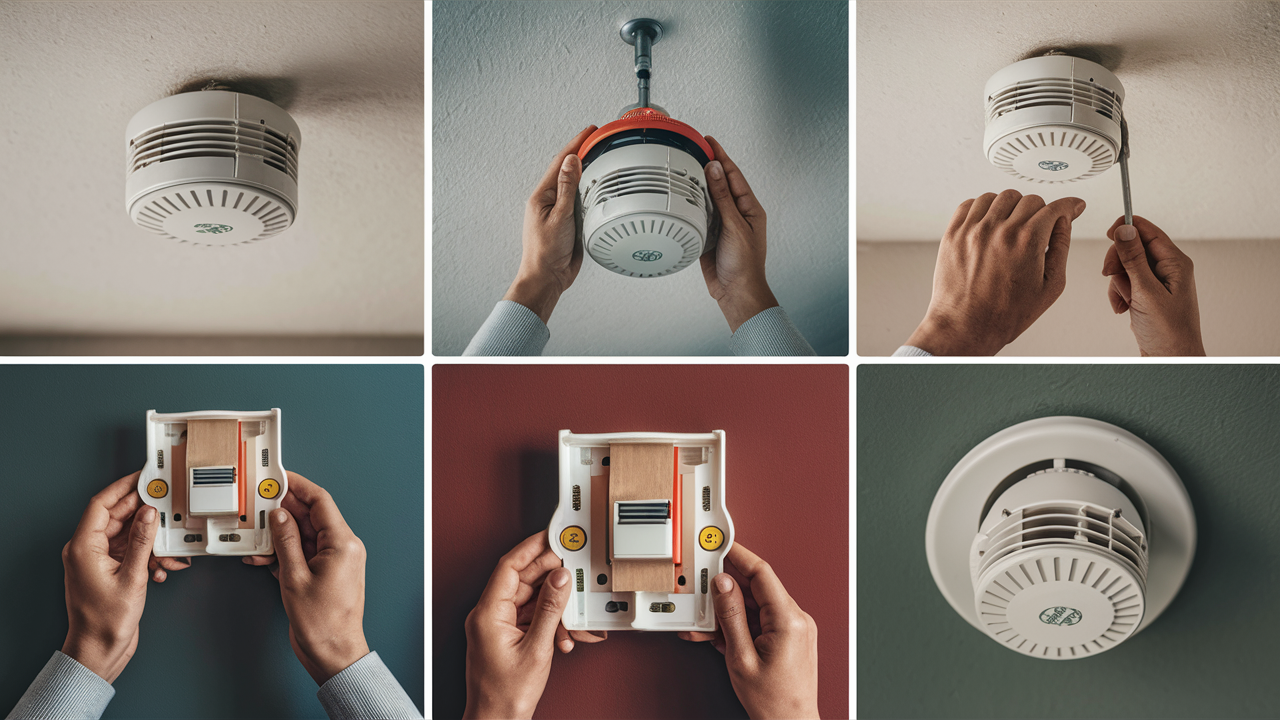
- Remove Battery Backup: Even after cutting mains power, the alarms will still have battery backup. You will need to open the alarm unit (usually by twisting it off its mounting bracket) and remove the battery.
- For Battery-Only Alarms:
- Remove the Battery: Simply open the alarm unit and remove the battery.
CRITICAL: If you resort to this method, make a clear note to yourself to restore power and re-insert the battery as soon as possible after the nuisance alarm has passed and the area is clear. Failure to do so leaves your home vulnerable.
Temporary Disabling Procedures
Temporary disabling is a common requirement for situations like cooking, showering, or performing maintenance that might temporarily trigger an alarm. The key is to ensure the disabling is indeed temporary and that the system is restored to full functionality promptly.
Using the Hush Feature
The "Hush" or "Silence" button is the primary and safest method for temporary disabling.
- Duration: Most hush features silence the alarm for approximately 5 to 15 minutes. This is usually enough time for smoke or steam to dissipate.
- Automatic Reset: After the hush period, the alarm automatically resets and returns to its normal monitoring state.
- Re-activation: If the condition that triggered the alarm persists (e.g., heavy smoke from cooking), the alarm will re-activate. This is a safety feature to prevent prolonged silencing of a potentially dangerous situation.
- Interconnected Systems: In interconnected systems, the hush feature on one alarm silences all connected alarms for the set duration.
Example: You're cooking bacon, and the smoke alarm starts beeping. You press the "Hush" button. The alarm stops. You open a window to ventilate. After 10 minutes, the air is clear, and the alarm returns to normal operation without you needing to do anything further.
Disabling Specific Alarms in Interconnected Systems
Sometimes, one alarm in an interconnected system might be overly sensitive or located in a problematic area (e.g., too close to a kitchen). While replacing it is the best long-term solution, temporary measures might be needed.
- Identify the Problematic Alarm: Observe which alarm consistently triggers falsely.
- Temporary Removal (Use with Extreme Caution): If you are absolutely certain there is no fire and need to stop a persistent nuisance alarm from an interconnected system while you await a permanent fix, you might consider temporarily removing the battery from that specific unit *after* silencing the entire system via the hush button.
- Consequences: Removing a battery from one unit in a hardwired interconnected system might still allow the other units to function, but the removed unit will not be able to alert others if it detects a problem. If it's a wireless system, removing the battery might isolate it completely.
- Re-installation: It is imperative to re-install the battery and re-enable the alarm as soon as possible.
Recommendation: It is generally safer to silence the entire system using the hush button and ventilate rather than attempting to disable individual units within an interconnected setup, unless you are fully aware of the system's specific behavior and risks.
Using a Dedicated Alarm Silencing Device
Some advanced smart home fire alarm systems offer dedicated remote silencing devices or smartphone app functionality.
- App Control: If your alarms are Wi-Fi enabled and integrated into a smart home ecosystem, you can often silence them directly from a smartphone app. The app will usually indicate the cause of the alarm and allow you to hush it remotely.
- Remote Silencers: Certain commercial or high-end residential systems may have a separate remote control or wall-mounted device specifically for silencing alarms.
These methods offer convenience and are generally safe, provided the system is properly configured and maintained.
Permanent Removal or Replacement
While the focus of this guide is on switching off alarms temporarily, it's crucial to address situations where permanent removal or replacement is necessary.
When to Replace an Alarm
Smoke alarms do not last forever. Their sensors degrade over time, and their effectiveness diminishes.
- Expiration Date: All smoke alarms have a manufacturing date. They should be replaced approximately 10 years from this date. Check the label on the back or side of the unit.
- Persistent False Alarms: If an alarm frequently triggers false alarms despite regular cleaning and checking for environmental causes, it is likely faulty and needs replacement.
- Damage: Any physical damage to the alarm unit, such as cracks or visible corrosion, warrants immediate replacement.
- End of Battery Life (for sealed units): Some alarms have sealed batteries designed to last the life of the unit (around 10 years). When these expire, the entire alarm must be replaced.
How to Replace an Alarm
Replacing a smoke alarm is a relatively straightforward process.
- Purchase a New Alarm: Ensure you buy a certified alarm (e.g., UL listed) that meets your local building codes. It's often best to replace with the same type or a compatible model, especially for interconnected systems.
- Turn Off Power (for hardwired): If replacing a hardwired alarm, turn off the power to the circuit at the breaker box first.
- Remove Old Alarm: Twist the old alarm counter-clockwise to detach it from its mounting bracket. If it's hardwired, disconnect the wiring harness. If it's battery-powered, remove the battery.
- Install New Alarm: Connect the wiring harness (if applicable) and attach the new alarm to the mounting bracket. Insert a fresh battery.
- Test the New Alarm: Press the "Test" button on the new alarm to ensure it sounds correctly.
- Restore Power (for hardwired): Turn the power back on at the breaker box. Test the alarm again.
- Test Interconnected System: If it's part of an interconnected system, test the new alarm to ensure it triggers the others and that they trigger it.
Permanent Removal and Its Risks
Permanently removing a fire alarm, even if it's a nuisance, is strongly discouraged and can be illegal in some jurisdictions. Fire alarms are mandated for safety.
- Legal Implications: In many areas, building codes require functional smoke detectors. Removing them can lead to fines or legal issues, especially if a fire occurs.
- Safety Hazard: The most significant risk is leaving your home unprotected. A fire can start at any time, and without an alarm, occupants may not be alerted until it's too late to escape.
- Insurance Issues: In the event of a fire, insurance companies may deny claims if it's found that safety devices like smoke alarms were deliberately disabled or removed.
If you are experiencing persistent nuisance alarms, the correct course of action is always to troubleshoot, clean, or replace the faulty unit, not to remove it permanently.
Crucial Safety Considerations
Handling fire alarms, especially when silencing them, requires a clear head and a focus on safety. Incorrect actions can have dire consequences.
Always Verify No Fire Exists
Before pressing any silence button or attempting to disable an alarm, take a moment to quickly assess your surroundings.
- Smell for Smoke: Is there any unusual odor?
- Look for Visible Smoke or Flames: Check common areas and near the alarm.
- Listen for Other Sounds: Are there crackling noises?
If there is any indication of a real fire, do not attempt to silence the alarm. Evacuate immediately and call emergency services from a safe location. Your life is more important than a sounding alarm.
Understand Your System
Knowing the type of alarms you have (ionization, photoelectric, dual-sensor, interconnected, wireless, hardwired) and how they are configured is paramount.
- Read the Manual: Keep the user manual for your fire alarm system in a safe place. It will detail specific silencing and resetting procedures.
- Labeling: If you have a complex system, consider labeling circuit breakers for alarms and any control panels.
Re-enable Alarms Promptly
The "Hush" feature is designed to be temporary. If you had to resort to more drastic measures like removing a battery or turning off a breaker:
- Make it a Priority: As soon as the nuisance condition has passed, make it your top priority to restore power and re-insert batteries.
- Test After Re-enabling: After restoring the alarm, test it using the "Test" button to ensure it's functioning correctly.
Leaving alarms disabled is a significant safety risk. According to the NFPA, in 2025, nearly 60% of home fire deaths occurred in homes without working smoke alarms. This highlights the critical need for these devices to be functional at all times.
Involve All Household Members
Ensure everyone in your household knows:
- What the fire alarm sounds like.
- What the low-battery chirp sounds like.
- Where the nearest exits are.
- What to do in case of a real fire (evacuation plan).
- How to briefly silence a nuisance alarm if they are the one present and the situation is clearly not a fire.
Educating your family can prevent panic and ensure a coordinated response during an emergency or a false alarm.
Avoid Tampering
Never intentionally damage or tamper with a fire alarm. This compromises its function and can lead to legal and safety repercussions. If an alarm is consistently problematic, it needs professional attention or replacement.
Fire Alarm Maintenance and Best Practices
Regular maintenance is key to ensuring your fire alarm system functions correctly when you need it most. Proactive care can prevent nuisance alarms and ensure reliable detection.
Regular Testing
Test your smoke alarms at least once a month.
- How to Test: Press and hold the "Test" button on each alarm for at least 5 seconds. The alarm should sound loudly.
- Interconnected Systems: When testing one alarm in an interconnected system, all alarms should sound.
- Record Keeping: Consider keeping a log of when you test and replace batteries to ensure you're up-to-date.
Battery Replacement
For alarms that use replaceable batteries:
- Frequency: Replace batteries at least once a year. A good reminder is when you change your clocks for daylight saving time.
- Battery Type: Use only the battery type recommended by the manufacturer.
- Sealed Batteries: If your alarm has a sealed battery designed to last 10 years, do not attempt to remove or replace it; the entire unit must be replaced when the battery expires or the alarm reaches its 10-year lifespan.
Cleaning Alarms
Dust and debris can accumulate inside the alarm's sensing chamber, leading to false alarms or reduced sensitivity.
- Frequency: Clean your alarms every 6 months.
- Method: Use a vacuum cleaner with a soft brush attachment to gently vacuum the vents and exterior of the alarm. You can also use a can of compressed air to blow out any dust from the sensing chamber.
Placement Considerations
Proper placement is crucial for effective detection and minimizing nuisance alarms.
- NFPA Recommendations: Install smoke alarms on every level of the home, inside each bedroom, and outside each sleeping area.
- Avoid Problem Areas: Do not install smoke alarms in kitchens (unless specifically designed for kitchens and placed at least 10 feet from cooking appliances), bathrooms with showers, or near heating vents, as steam, humidity, and air currents can cause false alarms.
- Interconnected Placement: Ensure interconnected alarms are strategically placed so that a fire in any part of the house will be detected and alert everyone.
Understanding Alarm Indicators
Most alarms have indicator lights (LEDs) that provide status information.
- Normal Operation: Usually a slow, intermittent flash (e.g., once every 40-60 seconds).
- Alarm: A rapid flashing light, often red, accompanied by the audible siren.
- Hush Mode: May show a different flashing pattern or a slower flash.
- Low Battery: Typically a chirp sound and a flashing light pattern.
- Malfunction: May have a specific chirp or light pattern indicating a fault. Consult your manual.
When to Call Professionals
While many fire alarm issues can be resolved by homeowners, there are times when professional assistance is necessary.
Complex Systems
If you have a sophisticated, professionally installed fire alarm or integrated security system, troubleshooting and silencing can be complex.
- Smart Home Integration: Issues with Wi-Fi connectivity, app malfunctions, or complex zoning might require a technician.
- Hardwired Systems: If you suspect electrical faults with hardwired systems, it's best to consult an electrician or a fire alarm specialist.
Persistent False Alarms
If you've cleaned your alarms, checked for environmental triggers, replaced batteries, and the alarms continue to go off without cause, the system may be faulty.
- System Malfunction: A persistent malfunction could indicate a problem with the sensors, wiring, or the main control unit.
- Aging System: If your system is nearing its 10-year lifespan, it may be time for a complete replacement, which a professional can handle.
Unclear Activation Causes
If your alarm goes off, and you cannot identify any plausible reason (no smoke, no steam, no dust, no power issues), it's wise to have it inspected.
- Sensor Issues: The internal sensors might be failing or contaminated in a way that isn't easily cleaned.
- Environmental Contamination: In rare cases, airborne particles from construction or specific industrial chemicals could trigger alarms.
After a Real Fire Event
Even after a minor fire incident that triggered alarms, it's recommended to have your system inspected.
- Damage Assessment: Alarms might have been damaged by heat, smoke, or water, even if they appear functional.
- System Integrity: Professionals can ensure the entire system is safe and effective following an event.
Installation and Upgrades
For new installations, upgrades, or when replacing an entire system, professional installation ensures compliance with codes and optimal performance.
- Code Compliance: Professionals are knowledgeable about current fire safety codes and regulations.
- System Design: They can design a system tailored to your home's layout and specific safety needs.
In summary, while basic silencing and maintenance are homeowner tasks, persistent issues, complex systems, or post-fire inspections are best left to qualified professionals to ensure your home's safety is never compromised.
Conclusion
Effectively managing your home fire alarm system, including knowing how to switch it off when necessary, is a vital aspect of home safety. We've explored the different types of alarms, common triggers for false alarms, and detailed, step-by-step methods for silencing alarms, from using the simple "Hush" button to understanding the implications of power disconnection. Remember, the primary objective is always to ensure your home is protected. Temporary silencing is a tool for managing nuisance alarms, not for disabling protection. Always prioritize identifying the cause of an alarm and promptly re-enabling your system. Regular testing, cleaning, and timely replacement of alarms are non-negotiable practices that significantly contribute to your family's safety. By staying informed and proactive, you can confidently manage your fire alarm system, ensuring it serves its critical purpose of providing life-saving early warnings when they are truly needed.