Discover the most effective and safe methods to silence your home's fire alarm when it triggers unnecessarily. This guide provides clear, step-by-step instructions for various alarm types, ensuring you can quickly regain peace without compromising safety. Learn to identify false alarms and prevent future occurrences.
Understanding Your Home Fire Alarm System
Home fire alarm systems are critical safety devices designed to alert occupants of a potential fire. Understanding the different types of alarms and how they function is the first step to effectively managing them, especially when they sound without an actual emergency. Most modern homes are equipped with interconnected smoke alarms, which communicate with each other. When one alarm detects smoke or heat, it triggers all other connected alarms in the house, ensuring everyone is alerted regardless of the fire's location.
Types of Smoke Detectors
There are two primary types of smoke detection technology used in residential settings:
- Photoelectric Detectors: These alarms use a light beam. When smoke enters the chamber, it scatters the light beam, triggering the alarm. They are generally more effective at detecting slow, smoldering fires.
- Ionization Detectors: These alarms use a small amount of radioactive material to ionize the air between two electrically charged plates. When smoke particles enter the chamber, they disrupt the flow of ions, triggering the alarm. They are typically faster at detecting fast-flaming fires with smaller smoke particles.
Combination Alarms
Many newer homes and updated systems feature combination alarms that detect both smoke and carbon monoxide (CO). These devices offer dual protection but can also have multiple triggers for their alarms. Understanding which sensor is being activated is crucial for diagnosing the cause of the alarm. For instance, a CO alarm might sound due to a malfunctioning furnace, while a smoke alarm might be triggered by cooking fumes.
Interconnected Systems
Modern fire alarm systems are often interconnected, meaning if one unit activates, all units in the house will sound. This is a significant safety feature but can also mean a false alarm in one area can disrupt the entire household. These systems can be wired or wireless. Wired systems rely on electrical wiring, while wireless systems use radio frequencies to communicate. The method of silencing can sometimes differ slightly between these two types.
Power Sources
Home smoke alarms are typically powered in one of two ways:
- Battery-Powered: These alarms run solely on batteries. They are easier to install but require regular battery checks and replacements.
- Hardwired: These alarms are connected to your home's electrical system. Most hardwired alarms also have a battery backup in case of a power outage. The presence of a battery backup means you might need to address both the electrical connection and the battery to fully disable a hardwired alarm.
Knowing your alarm's power source is essential for understanding how to silence it effectively and safely.
Common Causes of False Fire Alarms
False fire alarms are a common nuisance and can be caused by a variety of factors, most of which are not related to an actual fire. Identifying the root cause is key to silencing the alarm and preventing future occurrences.
Cooking Fumes and Steam
This is by far the most frequent cause of false alarms. Smoke from cooking, especially from burnt food or high-heat cooking methods like broiling or frying, can easily trigger smoke detectors. Similarly, excessive steam from cooking, showering, or even a hot bath can sometimes set off sensitive alarms, particularly photoelectric ones.
Humidity and Aerosols
High levels of humidity, such as those found in bathrooms or kitchens during peak usage, can sometimes mimic smoke and trigger an alarm. Aerosol sprays, including hairspray, air fresheners, and cleaning products, can also cause false alarms if sprayed directly at or near a smoke detector. The fine particles in these sprays can be misinterpreted as smoke.
Dust and Insects
Accumulated dust inside the alarm's sensing chamber can interfere with its operation and lead to false alarms. Small insects or spiders that crawl into the alarm can also trigger it. Regular cleaning of your smoke detectors is crucial to prevent this.
Low Batteries
Most smoke alarms emit a chirping sound to indicate a low battery. However, in some models, a critically low battery can cause the alarm to sound continuously or intermittently, mimicking a full alarm. This is often a distinct pattern from a full fire alarm, but it can be confused.
Power Surges or Fluctuations
For hardwired alarms, power surges, brownouts, or even minor fluctuations in the electrical supply can sometimes cause the alarm to activate. This is more common in older homes or areas with unstable power grids.
Alarm Malfunction or End of Lifespan
Smoke detectors have a limited lifespan, typically around 10 years. After this period, their sensors can become less reliable, leading to increased false alarms or failure to detect actual fires. Alarms can also malfunction due to age or manufacturing defects.
Proximity to Heat Sources
Heat detectors, which are less common in general living areas but sometimes used in garages or kitchens, can be triggered by heat from ovens, furnaces, or even direct sunlight if poorly positioned. While smoke detectors are designed to differentiate between smoke and heat, extremely rapid temperature changes or proximity to a heat source can sometimes lead to activation.
Improper Installation
Installing smoke alarms too close to kitchens, bathrooms, or heating appliances can increase the likelihood of false alarms. The National Fire Protection Association (NFPA) recommends specific placement guidelines to minimize these issues.
How to Turn Off a Home Fire Alarm: Step-by-Step Guides
When your fire alarm sounds, the immediate priority is to determine if there is a real fire. If it's a false alarm, silencing it safely and effectively is crucial. The method depends on the type of alarm and its power source.
General Steps for Any Alarm
Before attempting to silence, always perform a quick visual check of your home for any signs of smoke or fire. If you suspect a real fire, evacuate immediately and call emergency services. If no fire is evident, proceed with silencing.
Step 1: Identify the Triggering Alarm
In interconnected systems, one alarm will usually have a flashing light indicating it's the source of the alarm. Identify this unit.
Step 2: Locate the Silence/Hush Button
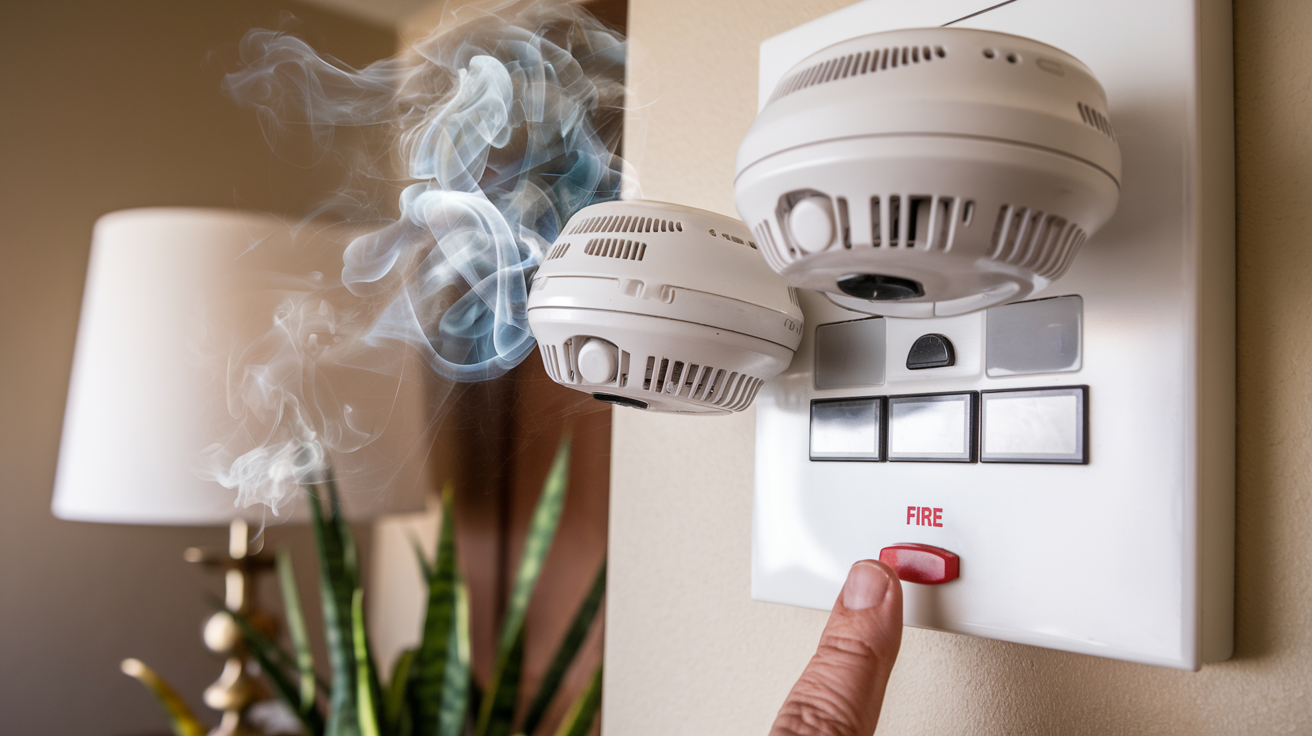
Most smoke alarms have a large button on the front, often labeled "Test/Silence" or "Hush."
Step 3: Press and Hold the Button
Press and hold this button for a few seconds. This should temporarily silence the alarm for a period (typically 5-15 minutes). The alarm may sound again if the condition that triggered it persists.
Specific Methods by Alarm Type
1. Battery-Powered Smoke Alarms
These are the simplest to manage for false alarms.
- Press the Silence Button: Locate the "Test/Silence" button on the unit and press and hold it for 10-15 seconds. This usually silences the alarm temporarily.
- Remove the Battery: If the alarm continues or you need to silence it for an extended period, you will need to remove the battery. Most battery-powered alarms have a battery compartment on the back or side. Open it, remove the battery, and the alarm will stop. For 9-volt batteries, you might need to twist the unit off its mounting bracket to access the compartment.
- Replace the Battery: Once the false alarm cause is addressed, remember to replace the battery promptly.
2. Hardwired Smoke Alarms (with Battery Backup)
These systems require a few more steps.
- Press the Silence Button: As with battery-powered alarms, press and hold the "Test/Silence" button on the primary alarm unit. This often silences all interconnected alarms.
- Turn Off Power at the Breaker: If pressing the button doesn't work or the alarm is persistent, you'll need to cut power to the alarms. Locate your home's electrical panel and find the breaker that controls the smoke detectors. It might be labeled "Smoke Detectors," "Alarms," or "Lighting." Flip the breaker to the OFF position.
- Remove Battery Backup: Even after turning off the power, hardwired alarms with battery backups will continue to sound if the battery is still in place. Open the battery compartment (usually on the back) and remove the battery.
- Restore Power: Once the alarm is silenced and the cause is addressed, you can restore power by flipping the breaker back ON. If the battery was removed, the alarm will likely remain silent until a new battery is installed.
3. Interconnected Wireless Alarms
These systems can be silenced similarly to hardwired ones, but without the breaker step.
- Press the Silence Button: Locate the "Test/Silence" button on the primary alarm and press and hold it. This should silence all interconnected units.
- Remove Battery: If the alarm persists, you will need to remove the battery from each unit. Wireless alarms typically have a battery compartment accessible from the back or side.
- Replace Batteries: Ensure all batteries are replaced with fresh ones once the issue is resolved.
4. Combination Smoke/CO Alarms
These alarms may have different buttons or indicators for smoke versus CO.
- Identify the Alarm Type: Check if the alarm is sounding due to smoke or CO. The display or indicator lights may provide this information.
- Press the Silence Button: Use the "Silence" or "Hush" button. For CO alarms, this function is often referred to as "Mute." For combination alarms, the button might silence both, or you may need to press it for a longer duration to silence a CO alert.
- Address the Specific Threat: If it's a CO alarm, immediately ventilate the area and investigate potential CO sources (furnace, gas appliances). If it's a smoke alarm, follow the steps for battery-powered or hardwired alarms.
Important Considerations
- Temporary Silence: Remember that the "Hush" or "Silence" button typically provides only temporary relief. The alarm will reset after a short period, and if the triggering condition (e.g., smoke, steam) is still present, it will sound again.
- Battery Replacement: Always replace batteries with the type recommended by the manufacturer. Using incorrect batteries can impair performance or cause the alarm to malfunction.
- Alarm Lifespan: If your alarms are older than 10 years, consider replacing them entirely, as they may be prone to false alarms and may not function correctly in a real fire. According to 2025 safety standards, replacement every decade is highly recommended.
Troubleshooting Persistent False Alarms
When your fire alarm repeatedly sounds without a clear cause, it's more than just an annoyance; it can lead to complacency and a reduced response to genuine emergencies. Persistent false alarms require a systematic approach to identify and resolve the underlying issue.
Step 1: Thorough Inspection of the Area
Even if you don't see smoke, re-examine the area around the alarm.
- Cooking Appliances: Are you cooking something that might produce more smoke than usual? Is the toaster oven or broiler on?
- Steam Sources: Is there excessive steam from a shower, bath, or humidifier near the alarm?
- Air Vents: Is the alarm too close to a heating or cooling vent? Strong airflow can sometimes carry dust or particles that trigger the sensor.
- Windows and Doors: Are windows or doors open, allowing dust or pollen to enter and potentially trigger the alarm?
Step 2: Clean the Smoke Detector
Dust and small insects are common culprits.
- Vacuum: Use the soft brush attachment of your vacuum cleaner to gently vacuum around and into the vents of the smoke detector. This removes accumulated dust.
- Compressed Air: For a more thorough cleaning, use a can of compressed air to blow out any dust or debris from the sensing chamber. Aim the nozzle into the vents and give short bursts.
- Wipe Exterior: Gently wipe the exterior of the alarm with a slightly damp cloth, ensuring no water enters the unit.
Important Note: Never use cleaning solutions or water directly on the smoke detector.
Step 3: Check Battery Status
Even if your alarm isn't chirping, a weak battery can cause erratic behavior.
- Replace Batteries: The most straightforward solution is to replace the batteries in all interconnected alarms with fresh, high-quality alkaline or lithium batteries (as recommended by the manufacturer). Do this for all units in the system, not just the one that sounds.
- Check Battery Type: Ensure you are using the correct battery type specified by the alarm manufacturer.
Step 4: Test and Reset the Alarm
Sometimes, a simple reset can clear a glitch.
- Press and Hold Test/Silence Button: Press and hold the test button for at least 15-20 seconds. This can sometimes reset the unit.
- Power Cycle (Hardwired Alarms): If you have hardwired alarms, turn off the power to the alarms at the circuit breaker. Then, remove the battery backup from each unit. Wait for about a minute, then reinstall the battery backup and turn the power back on at the breaker.
Step 5: Consider Alarm Placement
If the false alarms persist, the alarm might be in an inappropriate location.
- Kitchens: Alarms should be at least 10 feet away from cooking appliances.
- Bathrooms: Alarms should be at least 3 feet away from bathrooms to avoid steam.
- Garages: Avoid placing alarms in garages where exhaust fumes or temperature fluctuations can occur, unless it's a specific type of alarm designed for such environments.
- Near Vents: Ensure alarms are not directly in the path of air vents.
If relocation is necessary, ensure you install the alarm in a compliant location according to manufacturer and NFPA guidelines.
Step 6: Check for End-of-Life Indicators
Most smoke detectors have a lifespan of about 10 years.
- Manufacturing Date: Look for a manufacturing date printed on the back or side of the alarm. If it's more than 10 years old, it's time for replacement.
- Replacement Schedule: Even if they haven't reached 10 years, some alarms may start to malfunction. If troubleshooting doesn't resolve persistent false alarms, replacement is the safest option.
Step 7: Examine Interconnected System Wiring (Hardwired)
Faulty wiring between interconnected hardwired alarms can cause false alarms. This is a more complex issue.
- Loose Connections: Ensure all wire connections at the alarm and junction boxes are secure.
- Damaged Wires: Check for any signs of frayed or damaged wiring.
If you suspect wiring issues, it is highly recommended to consult a qualified electrician.
Preventing Future False Alarms
Proactive measures are the most effective way to prevent the nuisance and potential danger of false fire alarms. By understanding the common triggers and implementing simple maintenance routines, you can significantly reduce the likelihood of your alarm sounding unnecessarily.
Strategic Placement of Alarms
Proper placement is paramount. Follow these guidelines based on NFPA recommendations and manufacturer instructions:
- General Living Areas: Install smoke alarms on every level of the home, inside each bedroom, and outside sleeping areas.
- Avoid High-Moisture/Steam Areas: Keep alarms at least 3 feet away from bathrooms, showers, and kitchens to prevent steam from triggering them.
- Distance from Cooking Appliances: Place alarms at least 10 feet away from kitchens and cooking appliances.
- Avoid Direct Airflow: Do not install alarms directly in front of air conditioning, heating, or ceiling fan vents, as drafts can carry dust and particles.
- Consider Heat Detectors: In areas like garages or kitchens where smoke and steam are common, consider using a heat detector instead of a smoke detector, as they are less prone to false alarms from non-fire sources.
Regular Cleaning and Maintenance
A clean alarm is a reliable alarm.
- Monthly Testing: Test your smoke alarms monthly by pressing the test button. This confirms they are functioning and helps you familiarize yourself with their sound.
- Annual Cleaning: At least once a year, clean your smoke alarms thoroughly. Use a vacuum cleaner with a soft brush attachment to remove dust from the vents and casing. Use compressed air to blow out any remaining debris from the sensing chamber.
- Battery Replacement: Replace batteries at least once a year, or immediately when the low-battery chirp is heard. Many people find it easiest to do this when they change their clocks for daylight saving time. Always use the battery type recommended by the manufacturer.
Addressing Cooking-Related Triggers
Cooking is the leading cause of false alarms.
- Ventilation: Use your range hood fan when cooking, especially when frying, broiling, or using high heat. Ensure the fan is vented to the outside, not just recirculating air.
- Open Windows: If possible, open a window slightly when cooking, particularly if you are prone to burning food.
- Cook Smarter: Be mindful of cooking times and temperatures to avoid burning food.
- Alarm Upgrade: Consider installing photoelectric alarms in kitchens, as they are less sensitive to cooking fumes than ionization alarms. Alternatively, use combination alarms with a "hush" feature that can temporarily silence them.
Managing Humidity and Aerosols
- Ventilate Bathrooms: Ensure bathrooms are well-ventilated during and after showers or baths.
- Avoid Direct Spraying: Never spray aerosols (hairspray, air fresheners, insecticides) directly at or near a smoke detector.
Understanding Alarm Lifespan
Smoke detectors have a finite lifespan.
- Check Manufacture Date: Most smoke alarms need to be replaced every 10 years. Check the manufacturing date on the back of the unit.
- Replace When Necessary: Do not hesitate to replace older alarms, even if they seem to be working. Malfunctioning older alarms are a significant safety risk.
Smart Home Integration
Consider upgrading to smart smoke detectors.
- Remote Notifications: These alarms connect to your home Wi-Fi and can send alerts to your smartphone when smoke is detected, or even when a false alarm is triggered.
- Remote Silencing: Many smart alarms allow you to silence them remotely via an app, which is incredibly convenient for cooking-related false alarms.
- Diagnostic Information: They often provide diagnostic information, helping you pinpoint potential issues.
Educate Household Members
Ensure everyone in your home knows:
- How to identify a false alarm versus a real fire.
- How to silence the alarm temporarily.
- What to do in case of a real fire (evacuation plan).
When to Call Professionals
While many fire alarm issues can be resolved with basic troubleshooting, certain situations warrant the expertise of a professional. Knowing when to escalate is crucial for ensuring your safety and the integrity of your fire detection system.
Persistent False Alarms After Troubleshooting
If you have followed all the troubleshooting steps—cleaning, battery replacement, resetting, checking placement—and your alarms continue to trigger falsely, there might be a deeper issue.
- Internal Malfunction: The alarm's internal components may be failing.
- Sensor Issues: The smoke or CO sensing mechanism could be faulty.
- Environmental Factors: Unusual environmental factors you haven't identified might be at play.
In such cases, a qualified electrician or a fire alarm technician can diagnose the problem accurately.
Suspected Wiring Problems (Hardwired Systems)
For hardwired interconnected systems, electrical issues are a common cause of persistent false alarms.
- Intermittent Power: Problems with the electrical circuit, loose connections, or faulty wiring can cause alarms to activate erratically.
- Crossed Wires: In complex systems, incorrect wiring can lead to signal interference.
Electrical work should only be performed by a licensed electrician. Tampering with wiring can be dangerous and may void warranties.
Installation of New Systems or Complex Upgrades
If you are installing a new fire alarm system, upgrading an old one, or installing interconnected alarms in a newly renovated home, professional installation is highly recommended.
- Compliance: Professionals ensure the system is installed according to local building codes and NFPA standards.
- Correct Interconnection: They can ensure all interconnected alarms are wired or paired correctly for reliable communication.
- Optimal Placement: Experts can advise on the best placement for maximum effectiveness and minimal false alarms.
System-Wide Failures
If multiple alarms in your system fail simultaneously, or if the system shows error codes you cannot decipher, it might indicate a central issue.
- Control Panel Issues: If your system includes a central control panel, it may require professional servicing.
- Power Supply Problems: A failure in the main power supply to the alarm system could trigger widespread issues.
Unusual Alarm Sounds or Patterns
While most alarms have distinct sounds for low battery, smoke, or CO, any unusual or inconsistent sounds should be investigated.
- Beeping Patterns: If the alarm beeps in a pattern not described in the manual, it could indicate a specific fault.
- Intermittent Activation: Alarms that activate randomly without any apparent cause might be failing.
Carbon Monoxide (CO) Alarm Concerns
If your combination alarm is sounding for CO, it's a serious matter.
- Immediate Ventilation: While you should ventilate the home, a persistent CO alarm, even after ventilation, requires immediate professional inspection of potential CO sources like furnaces, water heaters, or gas stoves.
- Sensor Degradation: CO sensors also have a lifespan and can fail, leading to false alarms or failure to detect CO.
What to Look for in a Professional
- Licensed Electrician: For electrical wiring issues.
- Certified Fire Alarm Technician: For specialized fire alarm system diagnostics and repairs.
- Reputable Company: Choose a company with good reviews and a proven track record.
- Clear Estimates: Always ask for a detailed estimate before authorizing work.
Investing in professional help when needed ensures your fire safety system is reliable and effective, providing peace of mind for you and your family.
Regulatory Context and Safety Standards (2025-26)
The landscape of fire safety regulations is continuously evolving to enhance public safety. For 2025-26, several key standards and recommendations from organizations like the National Fire Protection Association (NFPA) and governmental bodies remain critical for homeowners. Understanding these guidelines ensures your fire alarm system not only functions correctly but also meets current safety benchmarks.
NFPA 72: National Fire Alarm and Signaling Code
NFPA 72 is the cornerstone of fire alarm standards in the United States. Key provisions relevant to residential alarms include:
- Smoke Alarm Placement: Mandates smoke alarms inside each sleeping room, outside each sleeping area, and on every level of the home, including basements. For new construction, interconnected alarms are often required.
- Alarm Lifespan: Recommends replacement of smoke alarms every 10 years from the date of manufacture. This is a critical guideline to prevent reliance on aging, potentially faulty devices.
- Interconnection: For new installations, alarms should be interconnected so that if one sounds, all sound. This ensures all occupants are alerted promptly.
- Power Source: Requires that smoke alarms be either hardwired with battery backup or, for existing homes where hardwiring is difficult, utilize long-life batteries (e.g., 10-year sealed batteries).
International Residential Code (IRC)
Building codes, such as the IRC, often incorporate NFPA standards and may have specific local requirements. For 2025-26, these codes generally reinforce the need for:
- Smoke Alarm Requirements in New Construction: Stricter requirements for interconnected, hardwired smoke alarms with battery backup in new homes.
- CO Alarm Requirements: Increasingly, building codes mandate the installation of carbon monoxide alarms in new and renovated homes, often requiring combination smoke/CO alarms.
Consumer Product Safety Commission (CPSC) Recommendations
The CPSC provides guidance to consumers on fire safety, emphasizing:
- Regular Testing and Maintenance: Encouraging monthly testing and annual cleaning of smoke alarms.
- Battery Replacement: Advising on the importance of timely battery replacement.
- Alarm Replacement: Highlighting the 10-year replacement rule for smoke alarms.
State and Local Regulations
It's important to note that state and local jurisdictions may have regulations that are more stringent than federal standards. Homeowners should be aware of and comply with their local fire codes. For instance, some states may require specific types of alarms or have different placement rules.
Statistics and Trends (2025-26 Outlook)
Data from recent years and projections for 2025-26 continue to show the life-saving impact of working smoke alarms:
- Reduced Fatalities: Homes with working smoke alarms have significantly lower rates of fire-related deaths. According to recent studies, the presence of a working smoke alarm can reduce the risk of dying in a home fire by nearly half.
- Interconnected Alarms Effectiveness: Interconnected alarms are proving particularly effective in alerting occupants, especially in larger homes or during nighttime hours.
- Smart Home Technology Adoption: The adoption of smart smoke and CO alarms is increasing, driven by their convenience, remote notification capabilities, and ease of silencing false alarms.
- Focus on CO Safety: There is a growing emphasis on CO detection, with regulations and consumer awareness campaigns highlighting the dangers of this silent killer.
Compliance and False Alarms
While regulations aim to improve safety, they also indirectly address false alarms by promoting proper installation, maintenance, and the use of appropriate alarm types. For example, recommending photoelectric alarms in kitchens or smart alarms with remote silencing features helps mitigate common causes of false alarms without compromising safety.
Staying informed about these regulations and standards ensures that your home fire alarm system is not only compliant but also provides the highest level of protection for your household.
In conclusion, understanding how to turn off your home fire alarm involves identifying the alarm type, its power source, and the reason for the trigger. Always prioritize safety by first confirming there is no actual fire. For battery-powered alarms, removing the battery is the direct method. For hardwired systems, turning off the breaker and then removing the battery backup is necessary. Persistent false alarms often stem from cooking, steam, dust, or aging units, and can be prevented with regular cleaning, proper placement, and timely replacement. If issues persist, don't hesitate to call a professional. Your home's fire safety system is paramount, and ensuring it functions correctly, while minimizing nuisance alarms, is key to protecting your loved ones.