How To Turn Off A Fire Alarm At Home?
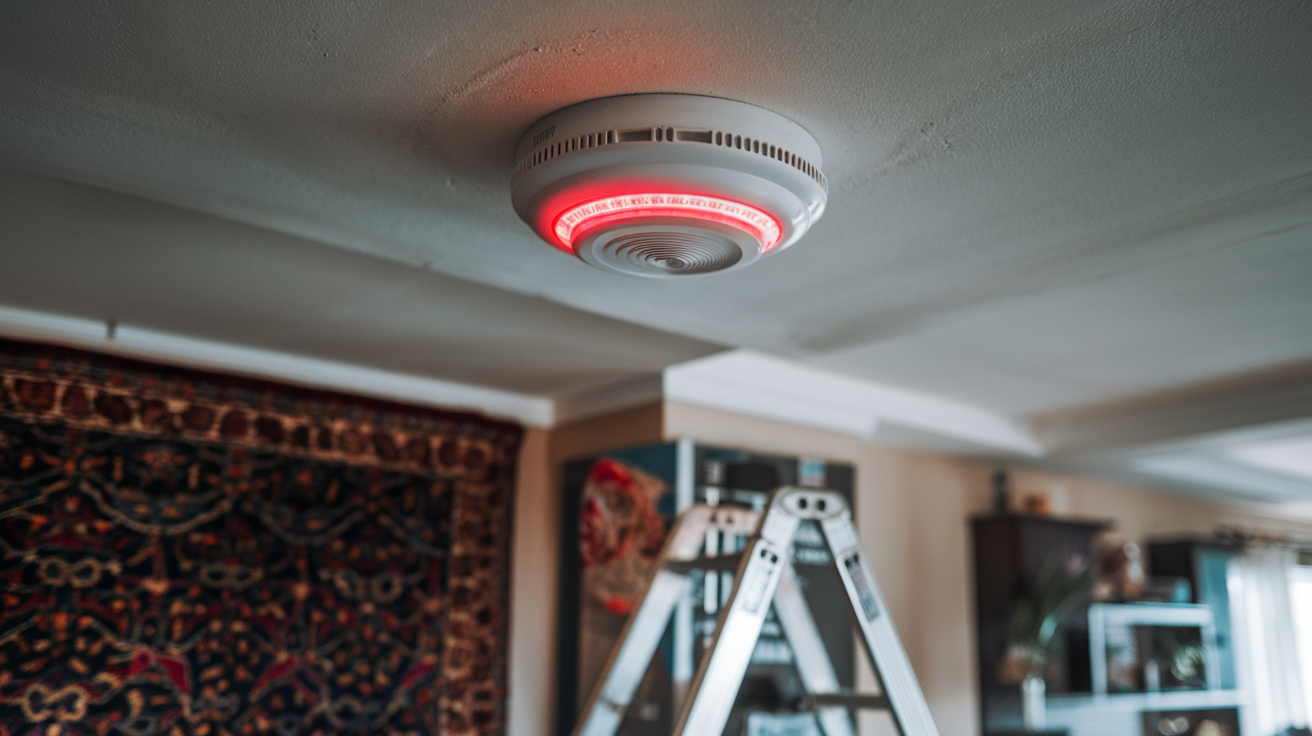
Discover the essential steps to safely and effectively silence a home fire alarm, whether it's a false alarm or a genuine emergency. This guide provides clear, actionable instructions for various alarm types, ensuring you can regain peace of mind quickly and confidently.
Understanding Your Home Fire Alarm System
In 2025-26, home safety remains a paramount concern for homeowners. Fire alarm systems are a critical component of this safety net, designed to alert occupants to the presence of smoke or dangerous levels of carbon monoxide. Understanding the different types of alarms and their functionalities is the first step towards effectively managing them, especially when faced with a sudden, loud siren. Most modern homes are equipped with either standalone smoke alarms, carbon monoxide (CO) alarms, or combination units that detect both. Interconnected systems, where one alarm triggers all others, are also increasingly common, providing a more robust warning across the entire residence. The technology behind these devices has advanced significantly, with photoelectric and ionization sensors being the most prevalent for smoke detection, and electrochemical sensors for CO. Each type has its strengths and weaknesses, and knowing which is installed in your home can aid in troubleshooting and silencing. For instance, photoelectric sensors are generally better at detecting smoldering fires, while ionization sensors excel at detecting fast-flaming fires. CO alarms, on the other hand, are specifically calibrated to detect the odorless, colorless gas produced by incomplete combustion. Understanding these nuances can help you differentiate between a potential emergency and a nuisance alarm, guiding your response and ensuring you don't unnecessarily disrupt your household or call emergency services when not required. The National Fire Protection Association (NFPA) reports that in 2023, the latest full year for which data is widely available, U.S. fire departments responded to an estimated 1.3 million fires. Of these, home fires accounted for 491,000 incidents. Smoke alarms were present in 39% of reported home fires and failed to operate in 21% of these fires, often due to dead batteries or missing alarms. This underscores the importance of maintaining these devices. By 2025-26, the expectation is that alarm functionality and connectivity will be even more sophisticated, with smart home integration becoming standard in many new installations.
Types of Home Alarms
The landscape of home safety devices has diversified significantly. By 2025-26, homeowners will likely encounter a range of alarm technologies, each with specific purposes and operational characteristics. Understanding these distinctions is crucial for effective management and troubleshooting.
Standalone Smoke Alarms
These are the most basic form of smoke detection. They operate independently, meaning if one unit sounds, it doesn't necessarily trigger others. They are powered either by batteries or hardwired into the home's electrical system, often with a battery backup. Battery-only models are simpler to install but require regular battery checks. Hardwired alarms offer greater reliability as they don't depend on battery life, but they necessitate professional installation and still benefit from a battery backup for power outages.
Standalone Carbon Monoxide (CO) Alarms
Designed exclusively to detect carbon monoxide, these alarms are vital for homes with fuel-burning appliances like furnaces, water heaters, fireplaces, and gas stoves. CO is a silent killer, and these devices provide the only audible warning of its presence. Like smoke alarms, they can be battery-operated or hardwired, with battery backup being a common feature for hardwired units.
Combination Smoke and CO Alarms
These units offer dual protection, sensing both smoke and carbon monoxide. They are increasingly popular due to their convenience and space-saving design. They operate on the same principles as their standalone counterparts but integrate both detection technologies. This means a single device can alert you to two distinct, life-threatening hazards. Their interconnectedness in modern systems means a smoke detection event can trigger the CO alarm function on other units, and vice versa, ensuring comprehensive coverage.
Interconnected Alarm Systems
In 2025-26, interconnected alarms are becoming the norm for enhanced safety. These systems link multiple alarms throughout the house. When one alarm detects a hazard, it sends a signal to all other connected alarms, causing them to sound simultaneously. This is particularly beneficial in larger homes or those with multiple levels, ensuring that an alert is heard no matter where occupants are located. Interconnection can be achieved through hardwiring or wirelessly via radio frequency (RF) signals, offering flexibility in installation and upgrades.
How Alarms Work (Briefly)
Understanding the basic mechanisms helps in identifying false alarms. Ionization smoke alarms have a small amount of radioactive material that ionizes the air between two electrically charged plates, creating a current. When smoke enters the chamber, it disrupts this current, triggering the alarm. Photoelectric smoke alarms use a beam of light. In a dark chamber, the light does not hit the sensor. When smoke enters, it scatters the light, directing it onto the sensor and activating the alarm. CO alarms use an electrochemical sensor that reacts with CO to produce a small electrical current, which is then measured and triggers the alarm when a dangerous level is reached.
Identifying the Cause of the Alarm
The immediate priority when a fire alarm sounds is to determine if there is an actual emergency. This involves a quick but thorough assessment of your surroundings. In 2025-26, rapid identification can save precious time and prevent unnecessary panic. Start by listening carefully. Does the alarm sound continuous or intermittent? Are there any unusual smells, like burning or gas? Visually scan the area around the alarm that is sounding, and if it's an interconnected system, check all rooms, especially kitchens, bathrooms, and areas with fuel-burning appliances. Common culprits for false alarms include cooking fumes, steam from showers, dust, insect activity, and low battery power. If you detect smoke or a burning smell, or if you cannot immediately identify a non-emergency cause, treat it as a genuine fire. In such cases, evacuate everyone immediately and call emergency services from a safe location. If you can pinpoint a clear, non-threatening cause, such as burnt toast or steam, you can then proceed to silence the alarm. Remember, when in doubt, always err on the side of caution. The NFPA's 2023 data indicated that in fires where smoke alarms were present but did not operate, 73% of the time the batteries were dead, and 27% of the time the alarm was missing or had been disconnected. This highlights the critical nature of proper maintenance and immediate assessment.
Assessing the Situation
Your first action upon hearing an alarm should be a rapid situational assessment. This is crucial for differentiating between a genuine emergency and a nuisance trigger. In 2025-26, quick, decisive action is key to safety.
Visual and Olfactory Checks
Immediately look for any signs of smoke or flames. Check the immediate vicinity of the sounding alarm, as well as common problem areas like the kitchen, bathroom, and utility room. Simultaneously, use your sense of smell. Are there any unusual odors, such as burning plastic, electrical wires, or gas? The absence of these indicators can suggest a false alarm, but it's not definitive proof.
Auditory Clues
Listen to the nature of the alarm. Is it a continuous, piercing shriek, or does it have a pattern? Some alarms have different sounds for smoke versus carbon monoxide, or a specific chirp for low battery. Understanding these sounds, as detailed in your alarm's manual, can provide valuable clues. For instance, a rapid, continuous sounding is typically a fire alert, while a pulsing sound might indicate a CO issue or a malfunction.
Checking Common Trigger Points
Common false alarm triggers are often found in specific areas. In the kitchen, burnt food or excessive steam from cooking can set off smoke detectors. In bathrooms, steam from hot showers or baths can have the same effect. Dust accumulation within the alarm sensor or even small insects entering the device can also cause it to malfunction. If you have recently completed DIY projects involving dust or paint, these can also be culprits.
When to Evacuate Immediately
If you see smoke or flames, smell a strong burning odor, or cannot immediately identify a clear, non-emergency cause for the alarm, your priority is evacuation. Do not attempt to silence the alarm if you suspect a fire. Your safety and the safety of your household are paramount. Follow your pre-determined fire escape plan. Once you are safely outside, call emergency services (911 in the US and Canada, or your local equivalent) from a safe distance. For 2025-26, emphasis on having a practiced evacuation plan cannot be overstated, as it significantly reduces the time it takes to safely exit a burning building.
How to Turn Off a Smoke Alarm
Once you've confirmed a false alarm and identified the likely cause, the next step is to silence the smoke alarm. The method for silencing varies depending on the type of alarm and its power source. For battery-powered alarms, simply removing the battery is often the quickest solution, though this renders the device inoperable until the battery is replaced. For hardwired alarms, there's usually a silence button on the unit itself. Pressing and holding this button for a few seconds should temporarily mute the alarm. If the alarm is interconnected, silencing one unit might silence all connected alarms, or you may need to silence each one individually. Some advanced systems allow silencing through a smartphone app. It's crucial to remember that silencing is often a temporary measure. The alarm will likely reset itself after a period or when the condition that triggered it is removed. If the alarm continues to sound after these steps, or if you are unsure, consult your alarm's user manual or consider temporary deactivation by following specific instructions for your model, while ensuring you replace batteries or restore power as soon as possible to maintain protection. For 2025-26, many new alarms feature smart technology that allows for remote silencing via an app, which is a significant convenience when dealing with minor cooking-related triggers.
Silencing Battery-Powered Smoke Alarms
These are the most straightforward to silence, but also the ones most prone to nuisance alarms due to battery issues.
Using the Silence Button (if available)
Many modern battery-powered alarms have a large "hush" or "test/silence" button. Pressing this button firmly for a few seconds will usually silence the alarm temporarily. This is the preferred method as it doesn't require disabling the unit entirely. The alarm will typically sound again after a short period (e.g., 5-15 minutes) or when the smoke clears.
Removing the Battery
If there's no silence button, or if it doesn't work, the most direct way to silence a battery-powered alarm is to remove its battery. Most alarms have a battery compartment on the back or side. You may need a screwdriver to open it. Once the battery is removed, the alarm will stop sounding. Important: This completely disables the alarm. You must replace the battery immediately after the false alarm situation has passed to restore protection.
Silencing Hardwired Smoke Alarms
Hardwired alarms are connected to your home's electrical system, providing continuous power. They usually have a battery backup for power outages.
Using the Silence Button
Similar to battery-powered units, hardwired alarms typically have a "hush" or "test/silence" button. Press and hold this button for several seconds to temporarily silence the alarm. This is the first step to try. The alarm will usually reset itself once the triggering condition is gone or after a set period.
Disabling Power at the Breaker Box
If the silence button doesn't work, or if you need to silence multiple interconnected alarms, you can temporarily turn off the power to the smoke alarms at your home's circuit breaker panel. Locate the breaker labeled "Smoke Detectors," "Alarms," or a similar designation, and switch it to the "Off" position. Caution: Ensure you know which breaker controls the alarms. If you are unsure, consult an electrician. Remember that this will also disable the battery backup if present, so it's a temporary measure. After the false alarm is resolved, restore power at the breaker and test the alarms.
Removing the Battery Backup
Even when hardwired, most alarms have a backup battery. If the main power is off, or if you're trying to silence a persistent alarm, you may need to remove this backup battery as well. This is usually located in a separate compartment on the alarm unit.
Interconnected Systems
In an interconnected system, silencing one alarm may silence all. If you press the silence button on the primary alarm that triggered, it might mute all others. If not, you may need to press the silence button on each sounding unit. If using the breaker box method, turning off the main breaker for the alarms should silence all interconnected units.
How to Turn Off a Carbon Monoxide Alarm
Carbon monoxide (CO) alarms are designed to detect a dangerous gas, so silencing them requires careful consideration. If the alarm is sounding and you suspect CO is present, evacuate immediately and call emergency services. If you've confirmed it's a false alarm (e.g., a temporary surge in CO from a malfunctioning appliance that has since been corrected, or a known nuisance trigger like a recently used vehicle idling near an intake vent), you can proceed to silence it. The process is similar to silencing smoke alarms. Most CO alarms have a "silence" or "reset" button. Pressing and holding this button for a few seconds should temporarily mute the alarm. For battery-powered CO alarms, removing the battery will silence it. For hardwired units, you can use the silence button, turn off the breaker, or remove the backup battery. It's crucial to understand that CO alarms are designed to be sensitive. If the alarm sounds again shortly after silencing, or if you have any lingering doubts about air quality, do not hesitate to evacuate and contact professionals. The NFPA reports that in 2023, U.S. fire departments responded to an estimated 80,500 non-fire incidents involving carbon monoxide. This highlights the importance of these alarms and the need for proper response. By 2025-26, smart CO detectors will offer even more sophisticated diagnostics and remote silencing capabilities.
Silencing Battery-Powered CO Alarms
Similar to smoke alarms, battery-powered CO alarms are silenced by either using a dedicated button or removing the battery.
Using the Silence/Reset Button
Most CO alarms feature a prominent button labeled "Silence," "Test/Silence," or "Reset." Press and hold this button for several seconds. This should temporarily mute the alarm. The alarm will typically resume normal operation after the CO levels return to safe levels or after a set period.
Removing the Battery
If the button method fails or is not available, the battery can be removed. Locate the battery compartment, which is usually on the back or side of the unit. Remove the battery to stop the alarm. Remember to replace the battery immediately once the situation is resolved to ensure continuous monitoring.
Silencing Hardwired CO Alarms
Hardwired CO alarms are connected to your home's power supply and typically have a battery backup.
Using the Silence/Reset Button
Press and hold the "Silence" or "Reset" button for a few seconds. This is the primary method for temporarily silencing the alarm. It's effective for temporary spikes in CO or minor disturbances.
Disabling Power at the Breaker Box
If the alarm is persistent or the button doesn't work, you can turn off the circuit breaker that powers the CO alarms. Identify the correct breaker in your electrical panel and switch it off. This will cut power to the alarm, silencing it. Remember to restore power once the issue is addressed.
Removing the Battery Backup
If the alarm continues to sound after the breaker is off, or if you need to ensure it's completely silenced, remove the backup battery. This is usually located in a separate compartment.
Understanding CO Alarm Indicators
Many CO alarms have different sounds or flashing lights to indicate specific issues. A continuous alarm is a critical alert. A chirping sound might indicate a low battery or a malfunction. Some alarms will display a digital reading of CO levels. Familiarize yourself with your specific model's indicators to better understand the situation before attempting to silence it.
How to Turn Off Combination Smoke and CO Alarms
Combination alarms offer the convenience of detecting both smoke and carbon monoxide, but silencing them can sometimes be more complex. The general principles remain the same: identify the cause, and then use the appropriate silencing method. If you suspect a fire or high CO levels, evacuate immediately. If it's a false alarm (e.g., cooking fumes or steam), locate the "hush" or "test/silence" button on the unit. Pressing and holding this button should temporarily silence both smoke and CO detection. For battery-powered combination alarms, removing the battery is an option, but again, this disables the unit. For hardwired combination alarms, you can use the silence button, switch off the relevant breaker, or remove the backup battery. Some interconnected systems might require silencing each unit individually, while others can be silenced from a central unit or via a smart home app. By 2025-26, these combination alarms are expected to have even more refined features, including advanced diagnostics and user-friendly silencing options through mobile applications, making them easier to manage during nuisance alarms.
Silencing Battery-Powered Combination Alarms
These units combine smoke and CO detection in a single battery-operated device.
Using the Silence/Test Button
Press and hold the main "Silence" or "Test/Silence" button for several seconds. This is designed to mute both smoke and CO alerts temporarily. The alarm will typically reset once the triggering condition is no longer present.
Removing the Battery
As a last resort, or if the button doesn't work, remove the battery. This will immediately stop the alarm but also deactivate the device. Ensure the battery is replaced promptly.
Silencing Hardwired Combination Alarms
These are connected to mains power and usually have a battery backup.
Using the Silence/Test Button
Press and hold the "Silence" or "Test/Silence" button. This is the primary method to temporarily quiet the alarm, whether it's triggered by smoke or CO. The alarm should automatically reset after a period or when the hazard is cleared.
Disabling Power at the Breaker Box
If the alarm is persistent, locate the circuit breaker controlling the alarms and switch it off. This will silence all hardwired units in the system, including interconnected ones.
Removing the Battery Backup
If the alarm continues after the main power is cut, remove the backup battery. This ensures the unit is completely inactive.
Smart Combination Alarms
Many newer combination alarms integrate with smart home systems. If you have one of these, you may be able to silence the alarm through a dedicated mobile app. This offers a convenient way to manage nuisance alarms, especially those caused by cooking, without having to physically access the alarm unit.
Troubleshooting Persistent or Unresponsive Alarms
Sometimes, fire alarms can be persistent, sounding repeatedly even after attempts to silence them, or they may become unresponsive altogether. In 2025-26, understanding these issues is key to maintaining a functional safety system. A persistent alarm might indicate a lingering environmental trigger (e.g., high humidity, dust, or a faint smoke source you can't immediately detect) or a fault within the alarm unit itself. If the alarm is unresponsive, it could be due to a dead battery, a tripped breaker, or a complete device failure. For persistent alarms, try cleaning the unit gently with a vacuum cleaner's brush attachment to remove dust and debris. Ensure the area around the alarm is well-ventilated. If it's a hardwired unit, check the breaker. For unresponsive alarms, verify the battery is correctly installed and functional, or replace it with a new one. If the unit is hardwired, ensure the breaker is on. If cleaning, battery replacement, and breaker checks don't resolve the issue, the alarm unit itself may be faulty and require replacement. Most smoke and CO alarms have a lifespan of 8-10 years; check the manufacturing date on the back of the unit. Older alarms are prone to malfunction and should be replaced. Never ignore a persistent or unresponsive alarm, as it compromises your home's safety.
Persistent Alarms
These alarms continue to sound or activate frequently, even after initial silencing attempts.
Cleaning the Alarm Unit
Dust, cobwebs, and small insects can accumulate inside the alarm's sensing chamber, causing false triggers. Gently vacuum the alarm using a soft brush attachment. For stubborn debris, you can use a can of compressed air to blow out the sensor vents. Ensure the alarm is powered off or the battery is removed before cleaning.
Checking Environmental Factors
High humidity, steam, or minor cooking fumes can trigger alarms. Ensure proper ventilation in kitchens and bathrooms. If the alarm is located near a vent or window that might be drawing in dust or fumes, consider relocating it if possible (though this may require professional help for hardwired units).
Resetting the Unit
After cleaning or addressing environmental factors, try resetting the alarm. For battery-powered units, remove the battery, wait 30 seconds, then reinsert it. For hardwired units, turn off the breaker, remove the battery, wait 30 seconds, reinsert the battery, and then turn the breaker back on. Test the alarm afterward.
Unresponsive Alarms
These alarms fail to sound when tested or do not respond to silencing attempts.
Checking Power Source
Battery-Powered: Ensure the battery is correctly installed and is not expired. Try a brand-new, high-quality battery. Sometimes, a loose battery connection can cause unresponsiveness.
Hardwired: Verify that the circuit breaker for the alarms is in the "On" position. Check if other devices on the same circuit are working. If the breaker is tripped, reset it. If it trips again immediately, there may be an electrical fault requiring professional attention.
Testing the Unit
Most alarms have a test button. Press and hold this button to ensure the unit is functioning. If it doesn't sound, it's likely faulty. If the unit is hardwired and has a battery backup, test it with both AC power and battery power.
Checking the Age of the Alarm
Smoke and CO alarms have a limited lifespan, typically 8-10 years. Check the manufacturing date on the back of the unit. If it's older than 10 years, it should be replaced regardless of its current functionality. By 2025-26, replacement schedules are heavily emphasized by safety organizations.
Preventing Future False Alarms
False alarms can be a significant nuisance, leading to complacency and potentially causing people to ignore real alerts. By 2025-26, proactive prevention strategies are more important than ever. The most common cause of false alarms is cooking fumes and steam. To mitigate this, ensure your kitchen smoke alarm is a photoelectric type, which is less sensitive to cooking particles than ionization alarms, or consider installing a photoelectric-only alarm in the kitchen. Always use the exhaust fan when cooking, especially when frying or broiling. For bathrooms, ensure adequate ventilation to dissipate steam quickly. Regularly clean your smoke detectors to prevent dust buildup. If you have a hardwired system, ensure it's properly installed and maintained. Consider alarms with advanced features like escape notification, which provides a voice warning before the loud siren, giving occupants a chance to identify the cause. For CO alarms, ensure fuel-burning appliances are regularly serviced by professionals to prevent CO leaks. Understanding the placement of alarms is also key; avoid placing smoke alarms too close to kitchens or bathrooms where steam and fumes are common. By implementing these preventative measures, you can significantly reduce the occurrence of false alarms and ensure your safety system remains reliable when it matters most.
Kitchen-Specific Strategies
Kitchens are notorious for false alarms due to cooking.
Choosing the Right Alarm Type
Photoelectric smoke alarms are generally recommended for kitchens as they are less prone to nuisance alarms from cooking fumes and steam compared to ionization alarms. Alternatively, consider a dual-sensor alarm that combines both technologies for broader detection.
Proper Ventilation
Always use your range hood or exhaust fan when cooking, especially when frying, broiling, or using high heat. Ensure the fan is powerful enough to vent fumes effectively. Open windows if necessary to improve air circulation.
Alarm Placement
Install smoke alarms at least 10 feet away from cooking appliances. If an alarm is still frequently triggered by cooking, consider relocating it or using a specialized kitchen alarm.
Bathroom and Laundry Room Considerations
Steam and humidity can trigger alarms.
Ventilation
Ensure bathrooms and laundry rooms have proper exhaust fans that are used consistently during and after showering, bathing, or using the washing machine. This helps to quickly dissipate steam and humidity.
Alarm Placement
Similar to kitchens, keep smoke alarms at least 10 feet away from shower stalls, bathtubs, and laundry appliances.
Maintenance and Cleaning
Regular upkeep is essential.
Routine Cleaning
Dust and debris are common culprits for false alarms. Vacuum your smoke alarms gently at least twice a year, or more often if you live in a dusty environment. Use a soft brush attachment and compressed air to clear vents.
Battery Replacement Schedule
For battery-powered alarms, replace batteries at least once a year, or when the low-battery chirp sounds. Many people use a "change your clocks, change your batteries" approach (e.g., during daylight saving time changes) as a reminder.
Testing Regularly
Test all smoke and CO alarms monthly by pressing the test button. This ensures they are functioning correctly and helps you become familiar with their sounds.
Advanced Alarm Features
Modern alarms offer features to reduce nuisance alerts.
Smart Alarms with Remote Silencing
Many smart alarms can be silenced via a smartphone app, allowing you to quickly turn off nuisance alarms from cooking without having to physically reach the unit. By 2025-26, this feature is becoming increasingly common.
Voice Alerts
Some alarms provide voice warnings (e.g., "Fire in the kitchen") before sounding the loud siren. This can help occupants quickly identify the location and cause of the alarm, potentially preventing unnecessary panic or enabling quicker silencing of a false alarm.
When to Call Professionals
While most fire alarm issues can be resolved with basic troubleshooting, there are specific situations where calling a professional is essential. In 2025-26, recognizing these boundaries is crucial for safety and compliance. If you are unsure about how to safely disable a hardwired alarm system, or if you suspect an electrical fault in your home's wiring related to the alarms, contact a qualified electrician. If your carbon monoxide alarm sounds and you have any concerns about potential CO exposure, even after silencing it, call your local gas utility or fire department non-emergency line for an inspection. Persistent alarms that cannot be resolved through cleaning, battery replacement, or breaker resets may indicate a deeper system malfunction that requires expert diagnosis. Furthermore, if your alarms are older than 10 years, they should be replaced, and if you are not comfortable performing this yourself, an electrician or a specialized fire safety technician can handle the installation. For complex interconnected systems or smart home integrations, professional installation and troubleshooting ensure optimal performance and safety. Never hesitate to seek professional help when dealing with potential life-safety equipment; it's an investment in your home's security and your family's well-being.
Electrical Issues
Problems with your home's electrical system can affect alarm functionality.
Uncertainty with Breakers
If you are unsure which circuit breaker controls your smoke or CO alarms, or if you suspect an electrical fault causing the breaker to trip repeatedly, contact a licensed electrician. Tampering with electrical systems without proper knowledge can be dangerous.
Hardwired System Malfunctions
If your hardwired alarms are not receiving power, or if you suspect wiring issues within the system, an electrician is needed to diagnose and repair the problem safely.
Carbon Monoxide Concerns
CO alarms are critical for detecting a silent killer.
Persistent CO Alarms
If your CO alarm sounds and you cannot immediately identify a clear, temporary cause, or if it sounds repeatedly, contact your local gas utility company or fire department's non-emergency line. They can perform tests to detect CO leaks from appliances or your home's structure.
Suspected CO Poisoning
If anyone in your household experiences symptoms of CO poisoning (headache, dizziness, nausea, confusion), evacuate the premises immediately and call emergency services (911 or your local equivalent). Do not re-enter until cleared by emergency responders.
Alarm System Age and Replacement
Alarms have a finite lifespan.
Expired Alarms
Most smoke and CO alarms need replacement every 8-10 years. Check the manufacturing date on the back of your units. If they are nearing or past their expiration, schedule a replacement. Professionals can ensure proper installation and disposal of old units.
Complex System Upgrades
If you are upgrading to a new, more advanced interconnected system or smart alarms, a professional installer can ensure seamless integration and correct setup, maximizing your safety coverage.
Persistent Nuisance Alarms
When basic troubleshooting fails.
Recurring False Alarms
If you've tried cleaning, checking ventilation, and replacing batteries, but your alarms continue to trigger falsely, the unit itself may be faulty. A professional can diagnose whether the unit needs replacement or if there's an underlying environmental issue.
In conclusion, knowing how to turn off a fire alarm at home is a vital skill for any homeowner. Whether it's a brief cooking mishap or a more persistent issue, understanding the different types of alarms and their silencing mechanisms empowers you to act quickly and effectively. Always prioritize safety by first assessing the situation for genuine threats before attempting to silence an alarm. For battery-powered units, removing the battery or using the silence button are common methods. Hardwired alarms offer similar options with the addition of breaker control. Remember that silencing is often temporary, and addressing the root cause is crucial. Regular maintenance, including cleaning and battery replacement, along with strategic placement, can significantly reduce the frequency of false alarms. For complex electrical issues, persistent CO concerns, or when alarms exceed their lifespan, don't hesitate to call a qualified professional. By staying informed and proactive, you can ensure your home remains a safe haven, protected by reliable and responsive fire alarm systems in 2025-26 and beyond.