Encountering a blaring home fire alarm can be a stressful experience. This guide provides clear, step-by-step instructions on how to safely and effectively silence your home fire alarm, addressing common scenarios and offering practical solutions for immediate relief and long-term prevention.
Understanding Your Home Fire Alarm System
Before we delve into the 'how-to' of silencing a fire alarm, it's crucial to understand the different types of alarms you might encounter in a modern home. This knowledge empowers you to take the correct action, preventing unnecessary panic or damage. As of 2025, the market offers a range of devices, each with specific operational characteristics.
Types of Fire Alarms
Home fire alarms primarily fall into two main categories based on their sensing technology: ionization and photoelectric. Many modern alarms are dual-sensor, combining both technologies for enhanced detection capabilities. Understanding which type you have can sometimes offer clues as to why it might be alarming.
Ionization Alarms
Ionization alarms are generally more responsive to fast-flaming fires, which produce smaller smoke particles. They work by using a small amount of radioactive material to ionize the air between two electrically charged plates. When smoke particles enter the chamber, they disrupt the flow of ions, triggering the alarm. While effective, they can be more prone to nuisance alarms from cooking fumes.
Photoelectric Alarms
Photoelectric alarms are typically better at detecting slow-burning fires that produce larger smoke particles. These alarms use a light beam. When smoke enters the chamber, it scatters the light beam onto a sensor, activating the alarm. They are less likely to be triggered by cooking, but can sometimes be set off by steam or dust.
Dual-Sensor Alarms
As the name suggests, dual-sensor alarms incorporate both ionization and photoelectric technologies. This provides a broader detection range and can reduce the likelihood of false alarms while maintaining high sensitivity to different fire types. These are becoming increasingly common in new installations and upgrades.
Carbon Monoxide Detectors
It's important to distinguish fire alarms from carbon monoxide (CO) detectors, although many modern devices are combination units. CO detectors sense the presence of this odorless, colorless, and deadly gas, which is a byproduct of incomplete combustion. While a CO alarm sounding is equally urgent, the silencing methods might differ, and the primary concern is gas poisoning, not fire.
The Importance of Interconnected Systems
In 2025, most new homes and many renovated older homes feature interconnected fire alarm systems. This means that if one alarm detects smoke or fire, all connected alarms in the house will sound. This is a critical safety feature, ensuring that everyone in the home is alerted, regardless of where the fire originates. However, it also means that silencing one alarm might not stop the entire system from sounding if the trigger is still active elsewhere.
Interconnected systems can be wired (hardwired) or wireless. Hardwired systems are connected via electrical wiring, often with a battery backup. Wireless systems communicate via radio frequency. Understanding your system's connectivity is key to effective silencing.
Wired vs. Wireless Interconnection
Wired systems are generally considered more reliable, as they don't depend on battery life for their primary communication. However, installation can be more complex. Wireless systems offer easier installation and flexibility but require regular battery checks and can be susceptible to interference, though this is rare with modern technology. The silencing procedure might vary slightly depending on the interconnection method.
Why Alarms Sound
Understanding the triggers for your fire alarm is fundamental to knowing how to silence it, and more importantly, how to prevent false alarms. The most common reasons for an alarm sounding are:
- Actual fire or smoke detected.
- Cooking fumes or burnt food.
- Steam from showers or cooking.
- Dust or insects entering the alarm chamber.
- Low battery (often indicated by chirping, but sometimes a full alarm).
- Power surges or outages (especially for hardwired units with battery backup).
- Device malfunction or end-of-life.
As of 2025, manufacturers recommend replacing alarms every 10 years, regardless of functionality, as their sensors degrade over time. This is a critical point to remember for long-term safety and reliability.
Temporary Silencing: The Quick Fix
When a fire alarm sounds unexpectedly, your first instinct is to silence it. This section focuses on temporary silencing methods that provide immediate relief, allowing you to investigate the cause. It's crucial to remember that temporary silencing is just that – temporary. The underlying issue must be addressed.
The "Hush" or "Silence" Button
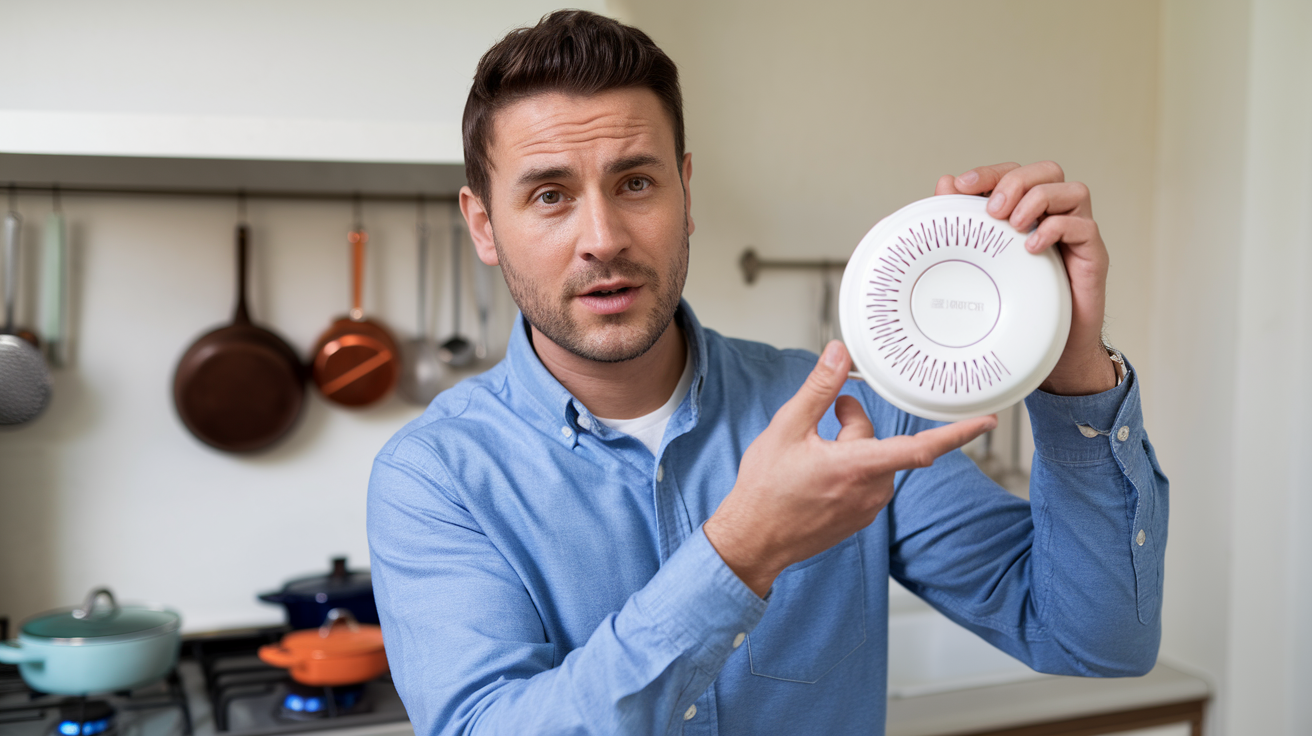
Most modern fire alarms, whether standalone or interconnected, feature a prominent button on the unit itself, often labeled "Hush," "Silence," or "Test/Silence." This is your primary tool for temporary silencing.
How to use it:
- Locate the button: It's usually a large, central button.
- Press and hold: Press and hold the button for a few seconds. The duration can vary by manufacturer, so a quick press might not be enough.
- Listen for confirmation: The alarm should stop sounding and may emit a brief beep or chirp to confirm it has entered silence mode.
Important considerations:
- Silence duration: This mode typically lasts for 5 to 15 minutes, depending on the model. This gives you time to clear smoke or identify the cause without the alarm continuously blaring.
- Re-activation: If the condition that triggered the alarm persists (e.g., smoke is still present), the alarm will automatically re-activate after the silence period expires.
- Interconnected systems: If you have an interconnected system, pressing the hush button on the alarming unit should silence all connected units. However, if the trigger is strong, multiple units might continue to sound or re-activate quickly.
Using a Ladder or Step Stool
Accessing the alarm unit is often necessary to press the hush button. Ensure you use a sturdy ladder or step stool and have someone spot you if possible, especially if the alarm is on a high ceiling. Safety first is paramount.
Ventilation as a Silencing Method
In cases where the alarm was triggered by smoke or steam (e.g., cooking, shower), increasing ventilation can help clear the air and naturally silence the alarm. This is often done in conjunction with pressing the hush button.
Steps:
- Open windows and doors to allow fresh air to circulate.
- Turn on exhaust fans (kitchen hood fan, bathroom fan).
- Use portable fans to direct air out of the house.
Once the air is clear, the alarm should stop on its own, or you can press the hush button to silence it while the air clears.
Addressing the Source of the Alarm
The most effective way to silence an alarm is to remove the trigger. If you've burnt toast, open a window and fan the air. If it's steam, ventilate the bathroom. If it's dust, gently clean the area around the alarm (but avoid spraying directly into it).
Battery Power vs. Hardwired Systems
If your alarm is battery-powered, a low battery can sometimes trigger a full alarm, though more commonly it results in intermittent chirping. If you suspect a low battery is the cause of a full alarm (which is less common but possible), replacing the battery is the solution. For hardwired alarms with battery backup, power fluctuations can also be a cause.
Battery Replacement
If you're certain the alarm is not detecting smoke or CO and you suspect a battery issue, replacing the battery is a straightforward process. Most alarms have a battery compartment that slides or snaps open. Always use the type of battery recommended by the manufacturer. After replacing the battery, test the alarm using the test button.
Power Cycling (for Hardwired Alarms)
For hardwired alarms, sometimes a power surge or a temporary electrical issue can cause a malfunction. You can try power cycling the unit:
- Turn off the circuit breaker that supplies power to the smoke detectors.
- Remove the battery from each alarm unit.
- Wait for at least 30 seconds to allow the units to fully discharge.
- Reinsert the battery into each unit.
- Turn the circuit breaker back on.
This process resets the alarm and can clear minor electronic glitches. If the alarm continues to sound after this, it indicates a more significant issue.
When Temporary Silence Isn't Enough
If the alarm continues to sound after pressing the hush button, or if it re-activates immediately, it suggests a persistent problem. In such cases, you might need to consider more drastic temporary measures, such as temporarily removing the battery (for battery-powered units) or, in rare, urgent situations with hardwired units, temporarily disconnecting power at the breaker. However, these actions should only be taken if you are absolutely certain there is no fire and you are prepared to immediately address the alarm's fault.
Permanent Deactivation: When and How
Permanent deactivation of a fire alarm is a serious step and should only be considered under specific circumstances. It is generally not recommended due to the significant reduction in fire safety it entails. However, there are situations where it might be necessary, and understanding the process is crucial. As of 2025, building codes in most regions strongly discourage or prohibit the permanent disabling of functioning smoke alarms without replacement.
Circumstances Warranting Deactivation
The primary reasons for considering permanent deactivation are:
- Persistent Nuisance Alarms: If an alarm is repeatedly triggering false alarms due to its location (e.g., too close to a kitchen or bathroom) and cannot be resolved through relocation or other troubleshooting, and a replacement with a more suitable type is not immediately feasible.
- End-of-Life Devices: If a unit is malfunctioning, beyond repair, and is awaiting replacement. However, it's generally better to replace it immediately.
- Temporary Removal During Construction/Renovation: In some very specific scenarios, alarms might need to be temporarily removed to prevent damage from dust or paint. However, they should be reinstalled or replaced as soon as the work is complete.
It is critical to understand that deactivating a fire alarm significantly increases the risk to life and property.
Methods for Permanent Deactivation
1. Removing the Battery (Battery-Powered Alarms)
This is the simplest method for standalone battery-powered alarms.
- Locate the alarm unit.
- Open the battery compartment. This usually involves twisting the unit off its base or sliding open a cover.
- Remove the battery.
- Dispose of the battery properly.
The alarm will no longer function. For interconnected battery-powered alarms, this will only silence that specific unit, but if it's the only one causing issues and you plan to replace it, it might be a temporary solution.
2. Disconnecting Power and Removing Battery (Hardwired Alarms)
For hardwired alarms with battery backup, you need to address both power sources.
- Turn off the circuit breaker that powers the smoke detectors. Verify it's off by testing a light on that circuit.
- Remove the alarm unit from its mounting bracket. This usually involves twisting it counter-clockwise.
- Disconnect the wiring harness that connects the alarm to the house wiring.
- Remove the backup battery from the alarm unit.
- Store the disconnected wiring harness safely to prevent accidental contact.
- Secure the opening where the alarm was mounted if necessary.
This completely disconnects the alarm from power. Remember to cap off the wires properly if you are not immediately replacing the unit, to prevent electrical hazards.
3. Tamper-Resistant Features
Some modern alarms have tamper-resistant features that prevent easy removal of batteries or the unit itself. If you encounter these, consult the manufacturer's manual for specific instructions on deactivation or removal.
Legal and Safety Implications
In many jurisdictions, it is illegal to tamper with or disable smoke alarms. Building codes mandate the presence and functionality of these devices. If you are deactivating an alarm because it's faulty, you have a legal and moral obligation to replace it promptly. Failure to do so can result in fines, voided insurance claims, and, most importantly, put lives at risk.
According to the National Fire Protection Association (NFPA) in their 2025 statistics, homes with working smoke alarms reduce the risk of dying in a fire by nearly half. Disabling these devices negates this crucial protection.
Replacing Deactivated Alarms
Permanent deactivation should always be a temporary measure. Once a device is deactivated, a replacement should be installed as soon as possible. When purchasing replacements, consider:
- Type: Dual-sensor alarms are generally recommended for comprehensive protection.
- Interconnection: Ensure new alarms are compatible with your existing system (wired or wireless).
- Power Source: Opt for hardwired alarms with battery backup for the best reliability.
- Location: Install alarms according to manufacturer and local code recommendations (e.g., on every level, inside and outside sleeping areas).
A comprehensive guide on fire alarm maintenance and prevention will further detail best practices for ensuring your home remains protected.
Troubleshooting False Alarms
False alarms are a common nuisance and can lead to complacency. Understanding the common causes and how to troubleshoot them is key to maintaining a reliable fire alarm system. As of 2025, manufacturers are continually improving sensor technology to reduce false alarms, but user error and environmental factors remain significant contributors.
Common Culprits for False Alarms
As discussed earlier, several factors can trigger a fire alarm when no fire is present. Let's delve deeper into troubleshooting these:
1. Cooking Fumes and Steam
This is by far the most frequent cause of false alarms. Smoke from burnt food, even if minor, can trigger ionization alarms. Steam from cooking or showering can trigger photoelectric alarms.
Troubleshooting Steps:
- Ventilation: Always use your range hood fan when cooking. Open kitchen windows. Ensure bathrooms are well-ventilated during and after showers.
- Alarm Placement: If an alarm is consistently triggered by cooking, it might be too close to the kitchen. Ideally, alarms should be at least 10 feet (3 meters) away from cooking appliances. For photoelectric alarms, ensure they are not placed directly in bathrooms where steam is prevalent.
- Hush Button: Use the hush button immediately when cooking fumes start to set off the alarm, and ensure good ventilation.
2. Dust and Insects
Accumulated dust or small insects entering the alarm's sensing chamber can mimic smoke particles, triggering the alarm.
Troubleshooting Steps:
- Regular Cleaning: Gently vacuum the exterior of your smoke alarms monthly using a soft brush attachment.
- Deep Cleaning (Caution!): If you suspect dust inside the chamber, you can try carefully blowing compressed air into the vents. Never spray liquids or insert objects into the alarm. If dust is a persistent issue, consider replacing the unit, especially if it's older.
- Insect Screens: Some newer alarms have improved insect screens.
3. Humidity and Condensation
High humidity, especially in bathrooms or near kitchens, can lead to condensation forming inside the alarm, triggering a false alarm.
Troubleshooting Steps:
- Ventilation: Ensure adequate ventilation in areas prone to high humidity.
- Alarm Placement: Avoid installing alarms in areas with extreme humidity fluctuations.
- Consider specialized alarms: For bathrooms, consider a combination smoke/CO alarm that is designed to be more resistant to steam, or ensure it's placed sufficiently far from the shower.
4. Power Surges and Fluctuations
For hardwired alarms, electrical surges or brownouts can sometimes cause temporary malfunctions or trigger alarms.
Troubleshooting Steps:
- Battery Backup: Ensure the battery backup is functional. This provides a buffer against minor power interruptions.
- Surge Protectors: Consider using surge protectors for sensitive electronics, though smoke alarms are typically designed to withstand typical power fluctuations.
- Power Cycling: As detailed in the "Temporary Silencing" section, power cycling the hardwired system can resolve glitches caused by electrical issues.
5. Low Battery Chirping vs. Full Alarm
Most alarms chirp intermittently (e.g., every 30-60 seconds) to signal a low battery. However, in some models, a critically low battery can trigger a full alarm. This is less common but possible.
Troubleshooting Steps:
- Replace Batteries Regularly: Follow the manufacturer's recommendation, typically annually or when chirping occurs.
- Test After Replacement: Always test the alarm after replacing batteries.
6. Alarm Malfunction or End-of-Life
Fire alarms have a limited lifespan, typically 10 years. After this period, their sensors degrade, leading to reduced effectiveness and increased false alarms.
Troubleshooting Steps:
- Check Manufacture Date: Most alarms have a date of manufacture printed on them. If it's over 10 years old, it's time for replacement.
- Replace Immediately: If an alarm is malfunctioning, consistently false alarming, or is beyond its lifespan, replace it immediately.
Resetting the Alarm
After addressing the cause of a false alarm, you may need to reset the alarm. This is typically done by pressing and holding the "Hush/Silence" button for a longer duration (often 15-20 seconds) or by power cycling the unit (for hardwired alarms).
When to Call a Professional
If you've tried all troubleshooting steps and the alarm continues to false alarm, or if you are uncomfortable performing any of the steps, it's time to call a qualified electrician or a fire alarm specialist. They can diagnose complex issues, especially with interconnected systems, and ensure your safety.
Maintenance and Prevention for a Quieter Home
Proactive maintenance is the cornerstone of a reliable fire alarm system and a home free from unnecessary alarms. By implementing a regular maintenance schedule, you not only ensure the safety of your household but also minimize the chances of disruptive false alarms. The 2025-2026 period emphasizes a more integrated approach to home safety, where regular checks are as important as the initial installation.
The Importance of a Regular Testing Schedule
Testing your fire alarms regularly is the single most important maintenance task. This ensures that the detection, signaling, and power systems are all functioning correctly.
Recommended Testing Frequency:
- Monthly: Test each alarm using the built-in test button. This should take less than a minute per alarm.
- Annually: Perform a more thorough check, including cleaning and battery replacement if applicable.
How to Test:
- Press and hold the "Test/Silence" button on each alarm for at least 5 seconds.
- The alarm should emit a loud, continuous sound.
- If an alarm fails to sound, or sounds weak, troubleshoot it immediately. This might involve replacing batteries, cleaning, or replacing the unit itself.
Battery Replacement Strategy
For battery-powered and hardwired alarms with battery backup, battery replacement is critical.
- Frequency: Replace batteries at least once a year. A common practice is to do this when you change your clocks for daylight saving time.
- Battery Type: Always use the battery type recommended by the manufacturer. Using the wrong type can affect performance or even damage the unit.
- Quality Batteries: Invest in high-quality alkaline or lithium batteries for longer life and reliability.
- Test After Replacement: Always test the alarm after replacing the batteries.
Cleaning Your Fire Alarms
As discussed in troubleshooting, dust and debris can impair alarm function. Regular cleaning is essential.
- Monthly: Gently vacuum the exterior of the alarm using a soft brush attachment.
- Annually: For a more thorough clean, you can use a can of compressed air to blow dust out of the vents. Hold the can upright and spray in short bursts from a distance of about 6-8 inches. Do not insert any objects into the alarm.
Understanding Alarm Lifespan
Fire alarms do not last forever. Their sensors degrade over time, making them less effective and more prone to false alarms. As of 2025, the generally accepted lifespan for smoke alarms is 10 years.
- Check the Manufacture Date: Most alarms have a date of manufacture stamped on the back or side.
- Replacement Schedule: If your alarms are approaching or have passed their 10-year mark, replace them immediately. It's best practice to replace all alarms in your home at the same time to ensure consistent protection.
- Record Keeping: Consider writing the installation or replacement date on the alarm with a permanent marker to easily track its age.
Strategic Placement for Prevention
Proper placement of alarms is crucial for both effectiveness and preventing nuisance alarms. Refer to your local fire department guidelines and the manufacturer's instructions.
General Guidelines (2025-26):
- Every Level: Install alarms on every level of your home, including basements.
- Inside Sleeping Areas: Place alarms inside each bedroom.
- Outside Sleeping Areas: Install alarms in the hallway or common area adjacent to bedrooms.
- Living Areas: Consider alarms in living rooms or dens, especially if they have a sleeping area.
- Avoid Problem Areas: Keep alarms at least 10 feet (3 meters) away from kitchens and bathrooms to minimize false alarms from cooking fumes and steam. Avoid areas with high humidity or potential for dust accumulation (e.g., near vents).
Interconnected System Maintenance
For interconnected systems, maintenance is even more critical.
- Test All Units: When testing monthly, ensure that when one alarm is activated, all others sound.
- Compatibility: If replacing a unit in an interconnected system, ensure the new unit is compatible with your existing system (e.g., same brand and model series for hardwired, or compatible wireless protocol).
- Professional Checks: For complex hardwired systems, consider having a qualified electrician perform an annual inspection.
Educating Your Household
Ensure everyone in your home knows what a fire alarm sounds like, what to do when it sounds (evacuate!), and how to use the hush button for temporary silencing if needed. Understanding the difference between a smoke alarm and a carbon monoxide alarm is also vital.
By adhering to these maintenance and prevention strategies, you can significantly reduce the likelihood of false alarms and ensure your fire detection system is always ready to protect your home and loved ones. This proactive approach is a key component of modern home safety, aligned with recommendations from fire safety organizations worldwide for 2025-26.
Dealing with Advanced and Interconnected Systems
Modern homes increasingly feature advanced fire alarm systems, including interconnected networks, smart home integration, and combination smoke and carbon monoxide detectors. While these systems offer enhanced safety, they can also present unique challenges when it comes to silencing or troubleshooting. As of 2025, smart home technology is making these systems more intuitive but also more complex.
Interconnected Systems: The 'All Sound' Scenario
As previously mentioned, interconnected alarms mean that a trigger in one unit activates all others. This is a critical safety feature but requires careful handling during silencing.
Troubleshooting Interconnected Alarms:
- Identify the Source: If multiple alarms are sounding, try to identify which unit initiated the alarm. This is often the unit with a flashing red light or the one closest to the source of smoke/odor.
- Silence the Initiating Unit: Pressing the hush button on the initiating unit should silence the entire system.
- Address the Cause: If the system re-activates, the trigger is still present. You must find and eliminate the source (e.g., clear smoke, extinguish a small fire).
- System Reset: After the event, a full system reset might be necessary. For hardwired systems, this involves turning off the circuit breaker, removing batteries from all units, waiting 30 seconds, reinserting batteries, and turning the breaker back on.
Combination Smoke and Carbon Monoxide Alarms
These dual-function devices are becoming standard in many homes. They have separate indicators and sounds for smoke detection versus carbon monoxide detection.
Silencing Combination Alarms:
- Smoke Alarm Sound: A loud, continuous, repeating alarm (e.g., "BEEP-BEEP-BEEP"). Silenced by the "Hush/Silence" button, or by clearing smoke.
- Carbon Monoxide Alarm Sound: A different pattern, often a pulsing alarm (e.g., "BEEP-BEEP-BEEP-BEEP"). Silenced by the "Hush/Silence" button, or by ventilating the area and identifying the CO source.
- Interconnected CO Alarms: If interconnected, a CO alarm in one unit will trigger CO alarms in others.
- Urgency: A CO alarm requires immediate evacuation and ventilation, as CO is a dangerous gas.
Refer to your specific model's manual for the exact sounds and silencing procedures.
Smart Home Integrated Alarms
Smart alarms connect to your home Wi-Fi network, allowing for remote notifications via smartphone apps, voice control, and integration with other smart devices.
Silencing Smart Alarms:
- Physical Button: The "Hush/Silence" button on the unit still works.
- App Control: Most smart alarm apps allow you to silence the alarm remotely from your phone. This is incredibly useful if you're away from home and receive a notification.
- Voice Assistants: Some systems integrate with voice assistants (like Alexa or Google Assistant) allowing you to say, "Alexa, silence the smoke alarm."
- Remote Notifications: The primary benefit is receiving alerts on your phone, allowing you to assess the situation before taking action.
Troubleshooting Smart Alarms:
- Connectivity Issues: Ensure your Wi-Fi is stable. If the alarm loses connection, it may revert to local alarm mode or chirp.
- App Updates: Keep the alarm's firmware and the associated app updated.
- Battery Backup: Smart alarms also have battery backups. Ensure these are functional.
Hardwired Systems with Battery Backup
These are the most common type of interconnected system in modern construction. They rely on household electricity but have a battery to ensure operation during power outages.
Troubleshooting Specifics:
- Power Outages: During a power outage, the alarms will run on battery. If the batteries are old, they may not have enough power, leading to chirping or even a full alarm.
- Circuit Breaker Issues: If a circuit breaker trips for the smoke alarm circuit, the alarms will run solely on battery. If the batteries are weak, this can cause problems.
- Wiring Faults: In rare cases, a fault in the wiring between units can cause issues. This requires professional diagnosis.
When to Call a Professional for Advanced Systems
Given the complexity of interconnected and smart home systems, professional help is often necessary for advanced troubleshooting.
- Persistent False Alarms: If you cannot identify or resolve the cause of repeated false alarms.
- System Malfunctions: If alarms are not communicating correctly, or if one unit is consistently causing issues.
- Installation or Upgrade: For new installations or when replacing units in an interconnected system, ensuring compatibility and proper wiring is best left to professionals.
- Electrical Issues: If you suspect electrical problems are affecting the hardwired system.
Fire safety professionals and licensed electricians have the tools and expertise to diagnose and repair complex fire alarm systems, ensuring they function correctly and reliably, providing the utmost protection for your home in 2025 and beyond.
Conclusion
Effectively managing your home fire alarm system, from silencing a sudden alert to preventing future disturbances, is a vital aspect of home safety. We've explored the nuances of different alarm types, the immediate steps for temporary silencing using the hush button and ventilation, and the critical considerations for permanent deactivation, emphasizing its limited applicability and significant safety implications. Understanding common triggers like cooking fumes, dust, and humidity is key to troubleshooting false alarms, while a robust maintenance schedule—including regular testing, battery replacement, and cleaning—is paramount for ensuring your alarms function reliably. For advanced interconnected and smart systems, we've outlined specific strategies to manage their unique complexities. Remember, the primary goal of a fire alarm is to protect lives; therefore, any action taken should prioritize its continued functionality. Always consult your alarm's manual and local fire safety guidelines. If in doubt, seek professional assistance. By staying informed and proactive, you can ensure your home remains a safe haven, protected by a well-maintained and responsive fire alarm system.