How To Turn On Voice On Adt Alarm System ?
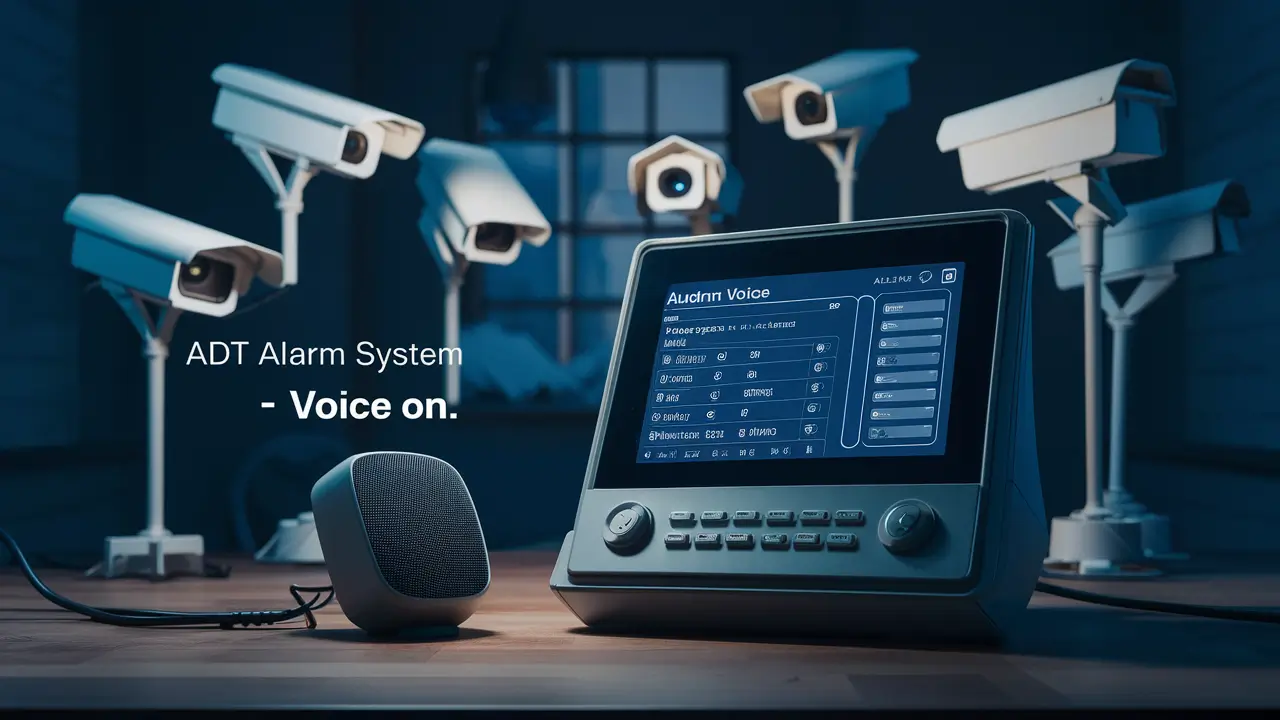
Discover how to effortlessly enable voice control on your ADT alarm system. This comprehensive guide provides step-by-step instructions and troubleshooting tips to ensure your ADT system responds to your voice commands, enhancing convenience and security. Learn to activate this smart feature for seamless home automation.
Understanding ADT Voice Control
ADT, a leader in home security, has been at the forefront of integrating smart technology to enhance user experience and system functionality. Voice control represents a significant leap forward, allowing homeowners to interact with their security systems in a more intuitive and hands-free manner. This feature, often powered by integration with popular voice assistants like Amazon Alexa or Google Assistant, transforms a traditional alarm system into a responsive, intelligent component of a smart home ecosystem.
The core concept behind ADT voice control is to provide users with the ability to arm or disarm their system, check its status, and even trigger specific actions using simple voice commands. This is particularly beneficial when your hands are full, you're multitasking, or you simply prefer the convenience of vocal interaction. For instance, you can say, "Alexa, arm ADT in stay mode," or "Hey Google, is my ADT system armed?" without needing to physically interact with the control panel or a mobile app.
In 2025-26, the demand for seamless smart home integration continues to surge. Reports indicate that over 60% of households with smart home devices utilize voice assistants for daily tasks. ADT's commitment to this trend means their systems are designed to be compatible with these evolving user preferences. The voice control feature isn't just a gimmick; it's a functional enhancement that can streamline your daily routines and provide an additional layer of accessibility to your home security.
However, it's crucial to understand that "turning on voice" for an ADT system isn't a single, universal switch. It typically involves a process of integration with a third-party voice assistant platform. This means that the voice control capabilities are often facilitated through services like ADT Command, ADT Control, or specific compatible smart home hubs. The exact steps and requirements can vary depending on the ADT equipment you have installed and the smart home ecosystem you are part of. This guide aims to demystify this process, providing clarity on how to activate and utilize these voice-enabled features effectively.
The Role of Voice Assistants
Voice assistants, such as Amazon Alexa and Google Assistant, are the primary conduits through which ADT alarm systems can respond to voice commands. These digital assistants are designed to understand natural language and execute tasks based on user prompts. For ADT systems, this means that the voice assistant acts as an interpreter, translating your spoken words into commands that your ADT system can understand and act upon.
The integration process typically involves linking your ADT account or system to your chosen voice assistant's platform. This is usually done through a dedicated skill or action within the voice assistant's app. Once linked, the voice assistant can communicate with your ADT system, enabling features like arming, disarming, and status checks. For example, when you say, "Alexa, tell ADT to disarm the system," Alexa processes your request, verifies your identity (often through a voice PIN), and then sends the disarm command to your ADT panel.
The effectiveness and breadth of voice control depend heavily on the specific ADT system model and the capabilities offered by the integrated voice assistant. Newer ADT systems, like those utilizing the ADT Command platform, are often designed with native smart home integration in mind, making voice control a more seamless experience. Older systems might require additional hardware or specific configurations to achieve similar functionality.
ADT Command and ADT Control: Key Platforms
ADT Command and ADT Control are two of ADT's flagship platforms that offer advanced smart home integration, including robust voice control capabilities.
- ADT Command: This is ADT's most advanced security and smart home platform. It features a sleek, modern touchscreen interface and is built for seamless integration with a wide range of smart devices, including voice assistants. Systems utilizing ADT Command are generally designed from the ground up to support voice control features, often requiring less complex setup compared to older systems.
- ADT Control: This platform provides a comprehensive mobile app-based experience for managing your ADT system. It allows for remote control, automation, and integration with other smart devices. While ADT Command often has a more integrated hardware approach, ADT Control leverages the power of the mobile app to facilitate communication with voice assistants and other smart home devices.
For users with these platforms, enabling voice control usually involves navigating through the ADT Control app or the ADT Command interface to link with their preferred voice assistant (e.g., Alexa, Google Assistant). The specific steps will be detailed in the subsequent sections. Understanding which platform you have is the first step in successfully activating voice commands for your ADT system.
Preparing Your ADT System for Voice Activation
Before you can begin issuing voice commands to your ADT alarm system, several preparatory steps are essential. These ensure that your system is compatible, properly configured, and securely linked to your chosen voice assistant. Skipping these crucial steps can lead to frustration and an inability to activate voice features.
The primary prerequisite is having a compatible ADT system. As mentioned, ADT Command and ADT Control systems are designed for modern smart home integration. If you have an older ADT system, you might need to consult with ADT to determine if an upgrade or specific integration module is necessary. Generally, systems that support remote access via the ADT Control app are more likely to be compatible with voice assistants.
Secondly, you'll need an active ADT account with remote access enabled. This allows the system to communicate with external services, including voice assistant platforms. If you're unsure whether your account has remote access, contacting ADT customer support is the best course of action. They can verify your account status and guide you through enabling this feature if it's not already active.
A stable and reliable home Wi-Fi network is also non-negotiable. Both your ADT system (if it's a Wi-Fi enabled model) and your voice assistant devices (like smart speakers or displays) rely on a strong internet connection to communicate. Ensure your Wi-Fi signal is robust in the areas where your ADT panel and voice assistant devices are located. Slow or intermittent connections can lead to commands not being processed correctly or at all.
Finally, you must have a compatible voice assistant device and account set up. This means owning an Amazon Echo device for Alexa or a Google Nest device for Google Assistant, and having the corresponding Alexa or Google Home app installed and configured on your smartphone or tablet. This app is where you'll manage the skills or actions that link your ADT system to your voice assistant.
Checking System Compatibility
The most critical preparation step is confirming your ADT system's compatibility with voice control. ADT's newer systems, particularly those managed through the ADT Control app, are designed for this.
- ADT Command & ADT Control Users: If you can access and control your system via the ADT Control mobile app, your system is very likely compatible. Look for features within the app that mention "integrations" or "smart home connections."
- Older Systems: For older ADT systems (e.g., those not managed by ADT Control), compatibility can be more complex. Some systems might require a specific communicator module or may not be directly compatible with voice assistants without significant upgrades. It is highly recommended to contact ADT support directly. They can identify your system model and inform you about its voice control capabilities or upgrade options.
ADT's website also provides resources that can help you identify compatible equipment. However, a direct conversation with an ADT representative is often the most accurate way to confirm compatibility for your specific installation.
Ensuring Remote Access is Enabled
Remote access is the backbone of smart home integration for ADT. It's what allows your system to communicate with the cloud and, subsequently, with your voice assistant.
- Via ADT Control App: If you have the ADT Control app, remote access is typically enabled by default. You should be able to arm, disarm, and check your system's status from anywhere using your smartphone.
- Verification: To verify, simply try controlling your system using the ADT Control app when you are away from home. If you can successfully make changes or view the status, remote access is active.
- Activation: If remote access is not active, you will need to contact ADT. They may need to provision this service on your account or ensure your system's communicator is properly configured and connected to the ADT network. This process might involve a technician visit in some cases.
Setting Up Your Wi-Fi Network
A robust Wi-Fi network is fundamental for any smart home device, including your ADT system and voice assistant.
- Signal Strength: Ensure your Wi-Fi router provides a strong signal to your ADT control panel and your voice assistant devices. Consider Wi-Fi extenders or a mesh network if you have a large home or areas with weak coverage.
- Network Security: Use a strong, unique password for your Wi-Fi network and ensure it's secured with WPA2 or WPA3 encryption. This is crucial for both system performance and security.
- Router Compatibility: Most modern ADT systems and voice assistants are compatible with standard Wi-Fi frequencies (2.4 GHz and 5 GHz). However, if you have an older router, ensure it supports current Wi-Fi standards.
Voice Assistant Device Setup
This step involves ensuring your chosen voice assistant is ready to connect.
- Amazon Alexa: If you're using Alexa, ensure your Amazon Echo device is set up, connected to your Wi-Fi, and linked to your Amazon account. Download the Alexa app and familiarize yourself with its interface.
- Google Assistant: For Google Assistant, ensure your Google Nest device (or compatible Android device) is set up and connected to your Wi-Fi. Download the Google Home app and ensure your Google account is linked.
- Account Linking: The process of linking your ADT system will be done within these respective apps, so having them ready is key.
Once these preparatory steps are completed, you'll be well-equipped to proceed with the actual activation of voice control for your ADT system.
Step-by-Step Guide to Turning On Voice Features
Activating voice control for your ADT alarm system involves linking your ADT account with your chosen voice assistant's platform. The exact process can vary slightly depending on whether you use Amazon Alexa or Google Assistant, and the specific ADT system you have. This guide provides a general, detailed walkthrough for both major platforms, assuming you have completed the preparation steps outlined previously.
The core of the integration process lies in enabling a specific "skill" for Alexa or an "action" for Google Assistant. These are essentially third-party applications that allow the voice assistant to communicate with your ADT system. ADT provides these official integrations to ensure a secure and functional connection.
Important Note: For security reasons, disarming your ADT system via voice command typically requires a voice PIN. This is an extra layer of protection to prevent unauthorized individuals from disarming your system with simple voice commands. You will be prompted to set this PIN during the integration process.
For Amazon Alexa Users
This section details how to enable voice control for your ADT system using Amazon Alexa.
- Open the Alexa App: Launch the Amazon Alexa app on your smartphone or tablet.
- Navigate to Skills & Games: Tap on "More" in the bottom right corner, then select "Skills & Games."
- Search for the ADT Skill: In the search bar at the top, type "ADT" and press enter. Look for the official ADT skill (it will likely be branded with ADT's logo).
- Enable the Skill: Tap on the ADT skill and then tap the "Enable to Use" button.
- Link Your ADT Account: You will be redirected to a login page. Here, you need to enter your ADT customer login credentials (the same ones you use for the ADT Control app or the ADT customer portal). This step links your ADT account to the Alexa skill.
- Authorize Access: After logging in, you will be asked to authorize Alexa to access certain information and control capabilities of your ADT system. Review the permissions and tap "Allow."
- Set Your Voice PIN: This is a critical security step. You will be prompted to create a 4-digit voice PIN. This PIN will be required whenever you attempt to disarm your ADT system using Alexa. Choose a PIN that is easy for you to remember but difficult for others to guess. Do not use sequential numbers or easily guessable combinations.
- Discover Devices: Once your account is linked and the PIN is set, Alexa will begin discovering devices associated with your ADT account. You should see your ADT system listed as a controllable device.
-
Test Voice Commands: Now you can start using voice commands. Try commands like:
- "Alexa, arm ADT in stay mode."
- "Alexa, arm ADT in away mode."
- "Alexa, what is the status of my ADT system?"
- "Alexa, disarm ADT." (This will prompt Alexa to ask for your voice PIN.)
If you encounter issues, ensure your ADT system is connected to the internet and your ADT account details are correct. Re-linking the skill is often a good troubleshooting step.
For Google Assistant Users
This section details how to enable voice control for your ADT system using Google Assistant.
- Open the Google Home App: Launch the Google Home app on your smartphone or tablet.
- Navigate to Add Device: Tap the "+" icon in the top left corner of the home screen.
- Set Up Device: Select "Set up device."
- Works with Google: Under the "Works with Google" section, tap on the option to link a new service.
- Search for ADT: In the search bar, type "ADT" and select the official ADT service.
- Link Your ADT Account: You will be prompted to log in with your ADT customer credentials (the same ones used for the ADT Control app or customer portal).
- Authorize Access: After logging in, review the permissions requested by Google Assistant to control your ADT system and tap "Allow" or "Authorize."
- Set Your Voice PIN: Similar to Alexa, Google Assistant requires a voice PIN for disarming your system. You will be prompted to create a 4-digit PIN. This PIN is essential for security and will be requested by Google Assistant before disarming.
- Assign Devices (Optional but Recommended): You may be asked to assign your ADT system to a specific "Home" or "Room" within your Google Home setup. This helps Google Assistant understand context.
-
Test Voice Commands: Once linked, you can start using voice commands with your Google Assistant devices. Try commands like:
- "Hey Google, arm ADT in stay mode."
- "Hey Google, arm ADT in away mode."
- "Hey Google, is my ADT system armed?"
- "Hey Google, disarm ADT." (This will prompt Google Assistant to ask for your voice PIN.)
Ensure your ADT system is online and that you've entered your ADT login details correctly. If the link fails, try unlinking and relinking the ADT service in the Google Home app.
General Tips for Voice Command Usage
Regardless of the voice assistant you use, here are some tips for optimal voice command experience:
- Speak Clearly: Enunciate your commands clearly and at a moderate pace.
- Use Specific Phrasing: While voice assistants are becoming more advanced, using the exact phrasing as provided by ADT or your voice assistant's documentation can improve recognition. For example, "Arm ADT" is generally better than just "Arm."
- Know Your PIN: Keep your voice PIN readily accessible but secure. You'll need it for disarming.
- System Status Checks: Regularly use commands like "What is the status of my ADT system?" to stay informed.
- Troubleshooting: If a command doesn't work, try repeating it. If it consistently fails, check your internet connection, ensure the ADT skill/action is still enabled, and verify your ADT account is active.
By following these steps, you should be able to successfully integrate your ADT alarm system with your preferred voice assistant, unlocking a new level of convenience and control.
Troubleshooting Common Voice Control Issues
While the integration of ADT voice control is generally straightforward, users can sometimes encounter issues. These problems can range from commands not being recognized to the system failing to link properly. This section addresses common troubleshooting scenarios and provides practical solutions to get your voice control working smoothly again.
The most frequent culprits behind voice control malfunctions are connectivity problems, incorrect login credentials, or issues with the voice assistant's skill or action. Security settings, such as an incorrect voice PIN, can also prevent disarming. Understanding these potential pitfalls is key to resolving them efficiently.
It's important to approach troubleshooting systematically. Start with the simplest solutions and gradually move to more complex ones. Often, a simple reboot of devices or re-linking of accounts can resolve many common problems.
Voice Commands Not Recognized or Ignored
This is perhaps the most common complaint. Several factors can contribute to this:
- Microphone Issues: Ensure the microphone on your voice assistant device (e.g., Amazon Echo, Google Nest) is not muted. Check if other voice commands to different services are working.
- Network Connectivity: Both your ADT system and your voice assistant device need a stable internet connection. Check your Wi-Fi signal strength and router status. Reboot your router and modem if necessary.
- Incorrect Phrasing: While voice assistants are smart, they sometimes require specific phrasing. Refer to the ADT documentation or the voice assistant app for the exact commands. For example, instead of "Arm my house," try "Arm ADT in away mode."
- Background Noise: Excessive background noise can interfere with voice recognition. Try issuing commands in a quieter environment.
- ADT Skill/Action Disabled: The ADT skill (Alexa) or action (Google Assistant) might have been accidentally disabled. Re-enable it through the respective app.
Failure to Link ADT Account
If you're unable to link your ADT account to your voice assistant, the issue often lies with the credentials or the linking process itself.
- Incorrect Login Credentials: Double-check that you are using the correct username and password for your ADT account. These are the same credentials used for the ADT Control app or the customer portal.
- Account Lockout: Repeated failed login attempts might have temporarily locked your ADT account. Wait a while and try again, or contact ADT support to check your account status.
- Outdated ADT App: Ensure you have the latest version of the ADT Control app installed on your mobile device.
- Server Issues: Occasionally, the ADT servers or the voice assistant's servers might be experiencing issues. Try linking again after a few hours.
- Re-link the Skill/Action: If the link was previously successful but is now broken, try disabling and then re-enabling the ADT skill/action in your voice assistant app.
Disarming System Fails (Voice PIN Issues)
This is a critical security feature designed to prevent unauthorized disarming.
- Incorrect Voice PIN: Ensure you are entering the correct 4-digit voice PIN when prompted. The voice PIN for disarming is separate from your ADT system's user codes.
- Voice PIN Not Set: If you haven't set a voice PIN during the initial setup, you won't be able to disarm via voice. You'll need to re-link the ADT skill/action and follow the prompts to set a voice PIN.
- Voice Assistant Not Understanding PIN: Sometimes, the voice assistant might struggle to understand the spoken PIN. Speak the digits clearly and distinctly.
- System Not Responding to Disarm Command: If the PIN is correct but disarming still fails, it could be a broader communication issue between the voice assistant and ADT. Check general connectivity and the status of the ADT skill/action.
System Status Not Updating Correctly
If your voice assistant reports an incorrect status for your ADT system (e.g., says it's armed when it's disarmed, or vice versa), this indicates a synchronization problem.
- Delayed Synchronization: There can sometimes be a slight delay in synchronization between your ADT system and the voice assistant's servers. Wait a minute or two and ask again.
- Force Device Discovery: In the Alexa or Google Home app, try forcing a device discovery. This prompts the app to re-sync with your connected devices.
- Check ADT Control App: Always cross-reference the status reported by your voice assistant with the status shown in your ADT Control app. The ADT Control app is the definitive source of truth for your system's current state.
- Re-link the Service: As a last resort, unlinking and re-linking the ADT service can often resolve persistent synchronization issues.
ADT System Not Responding at All
If none of your voice commands are working, it suggests a more fundamental connection issue.
- Check ADT System Power: Ensure your ADT control panel is powered on and functioning normally.
- Check ADT System Internet Connection: If your ADT system relies on an internet connection (most do for smart features), verify that it's online. Check the ADT Control app for any system alerts related to connectivity.
- Restart Devices: Try rebooting your ADT control panel (if possible and safe to do so, consult ADT documentation), your voice assistant device, and your Wi-Fi router.
- Contact ADT Support: If you've exhausted these troubleshooting steps and your system is still unresponsive to voice commands, it's time to contact ADT customer support. There might be an issue with your ADT service or hardware that requires professional attention.
By systematically working through these troubleshooting steps, you can resolve most common issues that prevent your ADT alarm system from responding to voice commands, restoring the convenience and functionality you expect.
Advanced Voice Control Integrations and Benefits
Beyond basic arming and disarming, integrating your ADT alarm system with voice control opens up a world of advanced possibilities and significant benefits for homeowners. As smart home technology continues to evolve, so do the ways we can interact with our security systems. In 2025-26, the focus is increasingly on creating a truly automated and responsive living environment, and voice control plays a pivotal role in this.
The primary advantage of voice control is unparalleled convenience. Imagine being able to secure your home with a simple verbal command as you're rushing out the door, or checking if the system is armed from the comfort of your bed without reaching for your phone. This hands-free operation is invaluable in numerous daily scenarios.
Furthermore, voice control enhances accessibility. For individuals with mobility challenges, or those who find using mobile apps or control panels difficult, voice commands offer a more inclusive way to manage their home security. This democratization of technology is a key trend in the smart home market.
The integration extends beyond just ADT. When your ADT system is linked to a voice assistant, it can become part of broader smart home routines. This means your security system can interact with other smart devices, creating automated sequences that enhance both convenience and security.
Creating Smart Home Routines and Automations
This is where voice control truly shines. By linking your ADT system with voice assistants like Alexa or Google Assistant, you can create custom routines that involve multiple devices.
- "Good Morning" Routine: When you say, "Hey Google, good morning," your lights could turn on, the thermostat could adjust, and your ADT system could disarm (after voice PIN verification).
- "Good Night" Routine: Saying, "Alexa, good night," could arm your ADT system in "stay" mode, turn off all lights, and lock smart doors.
- "Leaving Home" Routine: A command like, "Hey Google, I'm leaving," could arm your ADT system in "away" mode, turn off all connected lights, and adjust the thermostat to an energy-saving setting.
- "Welcome Home" Routine: Upon arriving home and disarming your system (via voice or app), a routine could be triggered to turn on specific lights, adjust the temperature, and even play your favorite music.
These routines are configured within the Alexa or Google Home app. You define the trigger (the voice command or time of day) and the sequence of actions that follow, including arming/disarming your ADT system. This level of automation makes your home more responsive to your lifestyle.
Integration with Other Smart Devices
Your ADT system, when voice-enabled, can work in concert with other smart devices for enhanced security and convenience.
- Smart Lighting: If your ADT system is armed in "away" mode, you can configure lights to turn on randomly at night, deterring potential intruders. You can also verbally control lights when you disarm the system upon arrival.
- Smart Locks: Integrate your ADT system with smart locks. For instance, when you arm your system in "away" mode, all connected smart locks automatically secure. When you disarm, specific doors might unlock.
- Smart Thermostats: Automate your thermostat settings based on your ADT system's armed status. When the system is armed "away," the thermostat can enter an energy-saving mode.
- Smart Cameras: While ADT often has its own camera ecosystem, integration with compatible third-party cameras via voice assistants can allow you to verbally request a live feed from a specific camera after disarming your system. "Hey Google, show me the front door camera."
These integrations create a cohesive smart home experience where your security system is not just a standalone component but an active participant in your home's automation.
Benefits of Voice Control for ADT Systems
The advantages of enabling voice control for your ADT system are numerous and impact daily life significantly.
- Enhanced Convenience: Hands-free operation is the most immediate benefit. It simplifies daily tasks and provides quick access to your security system's functions.
- Increased Accessibility: Voice control makes smart home technology more accessible to a wider range of users, including the elderly and individuals with disabilities.
- Streamlined Automation: As part of smart home routines, voice control allows for sophisticated automation sequences that enhance comfort, energy efficiency, and security.
- Improved Situational Awareness: Quickly asking for your system's status ("Alexa, is ADT armed?") provides immediate peace of mind without needing to find your phone or go to the panel.
- Modern Living Experience: Embracing voice control aligns your home security with the latest trends in smart home technology, making your living space more modern and responsive.
- Potential for Faster Response: In certain scenarios, a quick voice command might be faster than navigating through a mobile app, especially for simple actions like arming the system.
As of 2025-26, smart home adoption continues to grow, with voice control being a leading driver. ADT's commitment to integrating with these technologies ensures that their systems remain relevant and highly functional for the modern homeowner. By leveraging these advanced integrations, you can transform your ADT alarm system into a central hub for a more convenient, secure, and automated home.
Voice Control Security Considerations
While the convenience of voice control for your ADT alarm system is undeniable, it's imperative to address the associated security implications. Introducing voice commands into your home security ecosystem adds new layers that require careful consideration to prevent potential vulnerabilities. In 2025-26, with the proliferation of smart devices, understanding and mitigating these risks is more critical than ever.
The primary concern revolves around unauthorized access. While ADT systems employ robust security measures, the nature of voice interaction introduces unique challenges. Unlike a physical key or a complex app login, a voice command can potentially be overheard and replicated, or a voice assistant device could be compromised. Therefore, implementing strong security practices is not optional but essential.
ADT and voice assistant providers have implemented several safeguards, but user vigilance and proper configuration play a significant role in maintaining a secure system. This section will delve into the key security considerations and provide actionable advice to ensure your voice-controlled ADT system remains a secure asset for your home.
Understanding the Risks
It's important to be aware of the potential security risks associated with voice-controlled alarm systems:
- Eavesdropping and Voice Mimicry: While sophisticated, voice assistants can sometimes be tricked by similar-sounding voices or background noise. There's a theoretical risk of someone learning your voice commands or PIN.
- Compromised Voice Assistant Devices: If your smart speaker or display is compromised through malware or unauthorized access, it could potentially be used to issue commands to your ADT system.
- Accidental Arming/Disarming: Misheard commands or accidental activation of voice assistants could lead to your system being armed or disarmed unintentionally, creating security gaps or false alarms.
- Weak Voice PINs: Using easily guessable voice PINs significantly weakens the security of the disarming function.
- Account Security: The security of your ADT account and your voice assistant account is paramount. If either is compromised, it can lead to unauthorized control of your alarm system.
Implementing Strong Security Practices
To mitigate these risks, follow these best practices:
- Use a Strong, Unique Voice PIN: This is the most crucial step for disarming. Choose a 4-digit PIN that is not easily guessable (avoid birthdays, anniversaries, sequential numbers like 1234 or 0000). Regularly change your voice PIN.
- Enable Two-Factor Authentication (2FA): Ensure 2FA is enabled for both your ADT account and your voice assistant account (Amazon, Google). This adds an extra layer of security, requiring a second verification step beyond just a password.
- Secure Your Wi-Fi Network: Use a strong, unique password for your home Wi-Fi and ensure it's encrypted with WPA2 or WPA3. This prevents unauthorized access to your home network, which could be a gateway to compromising connected devices.
- Limit Voice Assistant Device Access: Treat your smart speaker or display as you would any other connected device. Be mindful of who has physical access to these devices, as they could potentially interact with them.
- Review Voice Assistant Permissions: Regularly check the permissions granted to the ADT skill or action within your voice assistant app. Ensure it only has access to the necessary functions.
- Be Cautious with Sensitive Commands: While convenient, avoid issuing commands related to highly sensitive actions when others might be present or able to overhear, especially if you haven't yet set a robust voice PIN.
- Regularly Update Software: Keep the firmware of your ADT system, voice assistant devices, and router up to date. Manufacturers release updates to patch security vulnerabilities.
- Disable Voice Control if Not in Use: If you find you are not using voice control frequently or are concerned about security, you can always disable the ADT skill/action in your voice assistant app.
- Educate Household Members: Ensure all members of your household understand how voice control works, the importance of the voice PIN, and safe usage practices.
ADT's Security Measures
ADT and its technology partners implement several security features to protect your voice-controlled system:
- Voice PIN for Disarming: As detailed, this is a primary security measure to prevent unauthorized disarming.
- Secure Account Linking: The process of linking your ADT account to voice assistants uses secure authentication protocols to protect your credentials.
- Encrypted Communication: Data transmitted between your ADT system, ADT servers, and voice assistant platforms is typically encrypted to prevent interception.
- Limited Command Scope: Voice assistants are generally designed to only allow control over specific, pre-defined functions of your ADT system, limiting the potential for malicious actions. For example, you typically cannot change system settings or bypass critical security protocols via voice.
By combining ADT's built-in security features with your own proactive security practices, you can enjoy the convenience of voice control for your alarm system without compromising the safety and security of your home. Always prioritize security when integrating any new technology into your home.
In conclusion, mastering how to turn on voice on your ADT alarm system involves understanding the integration process with voice assistants like Alexa or Google Assistant. By preparing your system, following the step-by-step guides for linking your accounts, and being aware of potential troubleshooting steps, you can unlock a new level of convenience and automation. Advanced integrations allow your ADT system to work seamlessly with other smart devices, creating sophisticated routines. Crucially, always prioritize security by using strong voice PINs, enabling two-factor authentication, and securing your home network. With these measures in place, you can confidently enjoy the benefits of a voice-controlled ADT security system, enhancing both your comfort and peace of mind in your smart home.