Transform your outdated smartphone into a powerful, budget-friendly security camera. This guide details how to repurpose an old phone for home surveillance, offering a smart, cost-effective alternative to expensive dedicated systems. Discover the simple steps to set up your DIY security solution and gain peace of mind.
What is a Phone Security Camera?
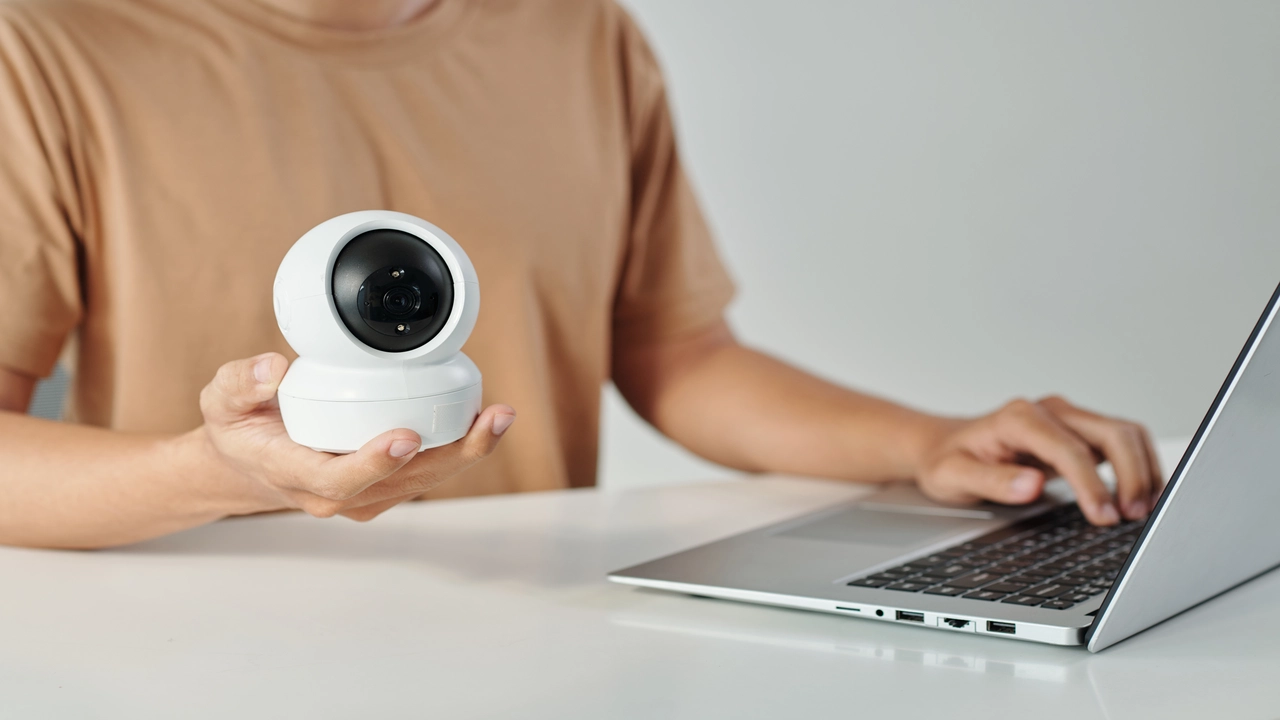
A phone security camera is essentially an old smartphone that has been converted into a dedicated surveillance device. Instead of sitting idle in a drawer, it utilizes its built-in camera, Wi-Fi connectivity, and specialized apps to stream live video, record footage, and send alerts to your current device. This transforms a piece of obsolete technology into a functional, albeit basic, home monitoring system, offering a surprisingly robust solution for those looking to enhance their home security without significant investment.
Why Use an Old Phone as a Security Camera?
The appeal of repurposing an old phone as a security camera lies in its undeniable cost-effectiveness and simplicity. In 2025, the global smart home security market is projected to reach over $70 billion, with dedicated systems often costing hundreds of dollars. For individuals seeking a more economical approach, an old phone presents a compelling alternative. Many households have at least one dormant smartphone gathering dust, making the hardware cost virtually zero. Furthermore, the setup process is generally less complex than installing traditional wired systems.
Cost Savings
The most significant advantage is the financial aspect. Purchasing a single Wi-Fi security camera can range from $30 for a basic indoor model to $200 or more for outdoor cameras with advanced features. When you consider setting up multiple cameras for comprehensive coverage, the costs quickly escalate. Using an old phone eliminates this expense entirely. The primary costs involved are typically related to a suitable security camera app (many offer free tiers) and potentially a small investment in accessories like a stand or charger.
Environmental Friendliness
Repurposing old electronics is a sustainable practice. In 2024, electronic waste (e-waste) continues to be a growing global concern, with millions of tons generated annually. By giving your old phone a new lease on life as a security camera, you contribute to reducing e-waste and prolonging the lifespan of electronic devices. This eco-conscious approach aligns with growing consumer demand for sustainable solutions.
Simplicity and Accessibility
For many, the technical barrier to entry for setting up a dedicated security system can be intimidating. Using an old phone often involves downloading an app and following straightforward on-screen instructions. The interface of most security camera apps is designed to be user-friendly, making it accessible even for those with limited technical expertise. You don't need to be a DIY expert to get a phone camera up and running.
Flexibility and Portability
Unlike hardwired systems, a phone camera can be easily moved from one location to another. If you need to monitor a different area temporarily, or if you move to a new residence, your phone camera can come with you without complex reinstallation. This portability is a significant advantage for renters or those who need adaptable surveillance solutions.
Learning Opportunity
For tech enthusiasts or those interested in home automation, converting an old phone into a security camera can be a fun and educational project. It provides hands-on experience with mobile app technology, network connectivity, and basic surveillance principles. This can be a stepping stone to understanding more complex smart home systems.
Current Statistics on Home Security Needs (2025-26)
As of 2025, concerns about home security remain high. A recent survey indicated that over 60% of homeowners consider security a top priority. The increasing prevalence of package theft, burglaries, and the desire to monitor children or pets remotely are driving demand for accessible surveillance solutions. While professional systems are popular, a significant segment of the population, particularly younger demographics and budget-conscious individuals, are actively seeking DIY and affordable alternatives. This trend suggests a robust market for solutions like repurposing old phones.
Choosing the Right Security Camera App
The core of your phone security camera setup relies on the software. Numerous apps are available, each offering different features, pricing models, and compatibility. Selecting the right app is crucial for a smooth and effective experience. When evaluating apps, consider the following factors:
Key Features to Look For:
- Live Streaming: Essential for real-time monitoring.
- Motion Detection: Triggers recording or alerts when movement is detected.
- Cloud Storage: Allows you to save recordings remotely, accessible from anywhere.
- Local Storage: Option to save footage directly to the phone's memory or an SD card.
- Two-Way Audio: Enables communication through the camera phone.
- Alerts/Notifications: Push notifications to your primary device when events occur.
- Night Vision: Utilizes the phone's camera capabilities or software enhancements for low-light conditions.
- Multiple Camera Support: Ability to manage several phone cameras from one interface.
- Cross-Platform Compatibility: Access from both Android and iOS devices.
- User-Friendly Interface: Easy navigation and setup.
Popular App Options (2025-26):
Here's a comparison of some leading apps that allow you to turn your old phone into a security camera:
| App Name | Platform Compatibility | Key Features | Pricing Model | Ease of Use | Notes |
|---|---|---|---|---|---|
| AlfredCamera Home Security | Android, iOS | Live streaming, motion detection, cloud storage, two-way talk, night vision, alerts. | Free (with ads and limited features), Premium subscription for advanced features. | Very High | One of the most popular and user-friendly options. Offers a good free tier. |
| IP Webcam | Android | Live streaming (various resolutions), motion detection, local storage, FTP upload, audio recording. | Free (with ads), Paid version removes ads and unlocks more features. | High | More technical users might appreciate the extensive customization options. |
| Manything | Android, iOS | Motion detection, cloud recording (limited free), live streaming, alerts. | Free (limited cloud storage), Paid plans for more storage and features. | High | Focuses on reliable motion detection and cloud recording. |
| AtHome Camera | Android, iOS, Windows, Mac | Live streaming, motion detection, cloud storage, two-way audio, scheduled recording. | Free (with ads), Premium subscription for ad-free and enhanced features. | High | Good cross-platform support, making it versatile. |
| WardenCam | Android, iOS | Motion detection, cloud storage, scheduled recording, two-way talk. | Free (limited features), Paid version unlocks full functionality. | High | Solid all-around performer with a focus on security. |
Recommendation: For most users, AlfredCamera is an excellent starting point due to its ease of use, robust free tier, and comprehensive features. If you require more advanced control or specific network integrations, IP Webcam or AtHome Camera might be better suited.
Step-by-Step Setup Guide
Setting up your old phone as a security camera is a straightforward process. Follow these steps to get your DIY surveillance system operational:
Step 1: Prepare Your Old Phone
- Factory Reset (Recommended): To ensure optimal performance and remove personal data, perform a factory reset on the old phone. This will give you a clean slate.
- Connect to Wi-Fi: Ensure the phone is connected to your home Wi-Fi network. A stable internet connection is crucial for streaming and remote access.
- Charge the Battery: Fully charge the phone's battery. You will likely need to keep it plugged in continuously, so ensure the charging port is functional.
- Disable Sleep Mode: Go into the phone's display settings and disable or extend the screen timeout to prevent it from turning off frequently.
- Grant Permissions: The security camera app will require permissions for the camera, microphone, storage, and network access. Ensure these are granted.
Step 2: Install the Security Camera App
On your old phone (the "camera" device), go to your device's app store (Google Play Store for Android, App Store for iOS) and download your chosen security camera app. For example, if you chose AlfredCamera, search for it and install it.
Step 3: Set Up the App on the Camera Phone
- Open the app on the old phone.
- Follow the on-screen prompts to set up the device as a "Camera."
- You will likely need to create an account or log in with an existing one. This account will be used to link your camera phone to your primary device.
- Configure basic settings like motion detection sensitivity, recording quality, and notification preferences within the app.
Step 4: Install the App on Your Primary Device
On your current smartphone or tablet (the "viewer" device), download the same security camera app from its respective app store. Log in using the same account credentials you created or used on the camera phone.
Step 5: Connect and View
Once logged in on your primary device, you should see your old phone listed as a connected camera. You can now access the live stream, review recorded footage (if applicable), and configure settings remotely.
Step 6: Mount and Position
Find a suitable location for your old phone camera. Use a phone mount, tripod, or even a makeshift stand to position it securely. Ensure the camera has a clear view of the area you want to monitor.
Step 7: Continuous Power
For continuous operation, it's essential to keep the old phone plugged into a power source. Ensure the charging cable and adapter are in good working condition. Consider using a long charging cable to provide flexibility in placement.
Troubleshooting Common Issues
- No Connection: Verify both devices are on the same Wi-Fi network and that the internet connection is stable. Restart your router and both phones.
- App Crashing: Ensure the app is updated to the latest version. Clear the app's cache and data. If the problem persists, uninstall and reinstall the app.
- Poor Video Quality: Check the Wi-Fi signal strength. Adjust the recording resolution in the app settings. Ensure the camera lens is clean.
- Motion Detection Not Working: Increase motion detection sensitivity in the app settings. Ensure there are no obstructions in the camera's view. Check app permissions.
- Battery Draining (if not plugged in): Ensure the phone is set to airplane mode if you don't need calls/texts, and disable unnecessary background apps. However, continuous charging is recommended.
Strategic Placement for Maximum Coverage
The effectiveness of your DIY security camera hinges on its placement. A well-positioned camera can deter potential intruders, capture crucial evidence, and provide a comprehensive overview of your property. Consider these strategic tips:
Indoor Placement:
- Entry Points: Position cameras to monitor front doors, back doors, and accessible windows. This is the first line of defense.
- High-Traffic Areas: Place cameras in living rooms, hallways, or common areas where activity is most frequent.
- Valuable Areas: If you have specific areas with valuables, consider placing a camera to monitor them.
- Pet/Child Monitoring: Position cameras at a height suitable for observing pets or children playing.
- Avoid Direct Sunlight: Direct sunlight can overexpose the image, making it difficult to see details.
- Discreet Placement: Consider placing cameras in less obvious locations to avoid drawing attention to them.
Outdoor Placement (Use Caution):
While possible, using an old phone outdoors requires significant protection from the elements. Consider placing it under a covered porch or in a weather-resistant enclosure. Direct outdoor exposure is generally not recommended for unprotected smartphones.
- Overlooking Driveways/Garages: Monitor vehicle access points.
- Yard Entrances: Keep an eye on who enters your property.
- Height and Angle: Mount cameras at a height that provides a good field of view but is not easily accessible for tampering. Aim the camera downwards to capture faces and avoid excessive sky.
Mounting Solutions:
To ensure stability and optimal angles, consider these mounting options:
- Tripods: Small, flexible tripods offer great adjustability.
- Phone Mounts: Many versatile mounts are available, including those with suction cups, clamps, or adhesive bases.
- Wall Mounts: Specialized mounts can be attached to walls for a more permanent setup.
- DIY Solutions: Get creative! Use strong tape, custom-built stands, or even repurposed household items. Ensure the phone is secure and won't fall.
Leveraging Advanced Features
Beyond basic live streaming, many security camera apps offer advanced features that can significantly enhance your surveillance capabilities. By understanding and utilizing these, you can get more out of your repurposed phone.
Motion Detection Zones
Some apps allow you to define specific areas within the camera's field of view where motion detection should be active. This is incredibly useful for reducing false alerts. For instance, you can set a zone to ignore movement from a passing car on the street while still alerting you to someone approaching your front door.
Scheduled Recording
If you only need surveillance during specific times (e.g., when you're at work or on vacation), you can often schedule recordings. This saves storage space and battery power by only activating the camera when needed.
Two-Way Audio
This feature allows you to speak through the old phone's speaker from your primary device. It's useful for deterring unwanted visitors, speaking to pets, or communicating with family members. Ensure the app and phone support this feature.
Night Vision
While not true infrared night vision like dedicated cameras, many apps use software enhancements to improve visibility in low-light conditions. Some phones have better low-light camera performance than others. Look for apps that offer a "night mode" or similar feature.
Remote Access and Control
The primary benefit of these apps is the ability to access your camera feed and settings from anywhere with an internet connection. This means you can check in on your home while on vacation, at work, or even just in another room.
Integration with Other Smart Home Devices (Limited)
While less common for DIY phone cameras, some advanced apps might offer limited integration with other smart home platforms. This is typically more prevalent with dedicated smart cameras, but it's worth checking the app's capabilities.
Cloud vs. Local Storage
Cloud Storage: Recordings are uploaded to remote servers. This is convenient for access from anywhere and protects footage if the camera device is stolen or damaged. However, it often requires a subscription and relies on a stable internet connection.
Local Storage: Recordings are saved directly to the old phone's internal memory or an SD card. This is free and doesn't require a constant internet connection for recording, but the footage is lost if the device is compromised.
Many apps offer a hybrid approach, allowing you to choose or combine storage methods.
Powering and Connecting Your Camera Phone
Reliable power and a stable internet connection are the cornerstones of a functional phone security camera. Neglecting these can lead to intermittent service and missed events.
Continuous Power Solutions
- Original Charger: Use the phone's original charger and cable. Ensure the cable is not frayed and the adapter is functional.
- Long Charging Cables: Invest in a longer USB cable (e.g., 6-10 feet) to provide flexibility in camera placement, allowing you to reach power outlets without restricting positioning.
- Power Banks (Temporary Use): While not ideal for long-term, a fully charged power bank can provide backup power during short outages or if you need to temporarily relocate the camera.
- Dedicated USB Wall Adapters: Ensure the adapter provides sufficient power output (e.g., 2A or higher) for consistent charging, especially if the phone is actively streaming or recording.
- Avoid Overheating: While plugged in, phones can generate heat. Ensure the phone is placed in a well-ventilated area to prevent overheating, which can degrade battery life and performance.
Ensuring Stable Wi-Fi Connectivity
- Proximity to Router: Place the camera phone as close to your Wi-Fi router as possible to ensure a strong signal.
- Wi-Fi Extenders/Mesh Systems: If your home has Wi-Fi dead zones, consider using a Wi-Fi extender or a mesh Wi-Fi system to improve coverage in the camera's location.
- Dedicated Network (Advanced): For enhanced security and stability, consider setting up a separate Wi-Fi network for your IoT devices, including your camera phone.
- Router Settings: Ensure your router's firmware is up to date. Some routers allow you to prioritize traffic for specific devices, which can help ensure smooth video streaming.
- Test Connection Speed: Run a speed test on the old phone to confirm adequate upload and download speeds for reliable streaming.
Data Usage Considerations
Streaming video, especially at higher resolutions, can consume significant data. If you have a limited mobile data plan (which is unlikely for a home Wi-Fi setup, but worth noting if using cellular data), be mindful of usage. Most security camera apps are designed to work over Wi-Fi, minimizing reliance on cellular data.
Security and Privacy Considerations
While repurposing an old phone is cost-effective, it's crucial to address security and privacy concerns to protect your data and your home.
Securing Your Account
- Strong Passwords: Use strong, unique passwords for the security camera app account. Avoid using easily guessable information.
- Two-Factor Authentication (2FA): If the app supports 2FA, enable it. This adds an extra layer of security by requiring a second form of verification (e.g., a code from your primary phone) to log in.
- Log Out When Not in Use: On your primary viewing device, log out of the security camera app when you are not actively monitoring.
Protecting the Camera Phone Itself
- Physical Security: Ensure the old phone is placed in a location where it cannot be easily stolen or tampered with.
- Screen Lock: Even though it's a dedicated camera, enable a screen lock (PIN, pattern) on the old phone as an added precaution.
- Regular Updates: While older phones may not receive frequent OS updates, ensure the security camera app itself is always updated to the latest version, as these often include security patches.
Network Security
- Secure Your Wi-Fi: Use WPA2 or WPA3 encryption for your home Wi-Fi network. Change your router's default password.
- Guest Network: Consider using a guest network for your security camera if your router supports it. This isolates the camera from your main network.
- Firewall: Ensure your router's firewall is enabled.
Privacy of Footage
- Understand App Policies: Familiarize yourself with the privacy policy of the security camera app you choose. Understand how your data and footage are stored and used.
- Limit Recording Areas: Be mindful of privacy when positioning cameras. Avoid pointing them into neighboring properties or private areas within your home if not necessary.
- Delete Unnecessary Footage: Regularly review and delete any recorded footage that is no longer needed, especially if using local storage.
Data Encryption
Look for apps that explicitly mention end-to-end encryption for video streams and stored footage. This ensures that only you can access and view the content.
Alternatives to Using an Old Phone
While using an old phone is a fantastic DIY solution, it's not the only option for budget-conscious home security. Here are some alternatives to consider:
Dedicated Budget Wi-Fi Cameras
Many manufacturers now offer affordable Wi-Fi security cameras that are specifically designed for surveillance. These often come with features like built-in night vision, weatherproofing (for outdoor models), and more robust mobile apps.
- Pros: Designed for purpose, often better image quality, dedicated features like IR night vision.
- Cons: Still requires a purchase, can be more complex to set up than some phone apps.
- Price Range (2025): $30 - $100 per camera.
Webcams with Streaming Software
If you have a spare webcam, you can use software like OBS Studio or dedicated webcam streaming apps to turn it into a basic surveillance feed. This often requires a computer to be running continuously.
- Pros: Can offer good video quality, flexible software options.
- Cons: Requires a dedicated computer to be on, less portable, setup can be more technical.
- Price Range: Free (software) + cost of webcam if you don't already own one.
DIY Raspberry Pi Security Camera
For the more technically inclined, a Raspberry Pi combined with a camera module can create a highly customizable and powerful DIY security camera system. This offers immense flexibility but requires significant technical knowledge.
- Pros: Highly customizable, low power consumption, very affordable hardware.
- Cons: Steep learning curve, requires programming and Linux knowledge.
- Price Range (2025): $50 - $100 for the kit.
Security Camera Systems (Entry-Level)
Even entry-level dedicated security camera systems (often with 2-4 cameras and a DVR/NVR) are becoming more affordable. These offer a more integrated solution but come with a higher initial cost.
- Pros: Integrated system, often higher quality recording, local storage options.
- Cons: Higher upfront cost, less flexible than individual cameras.
- Price Range (2025): $150 - $300 for basic kits.
The choice depends on your budget, technical skill, and specific needs. For many, the old phone remains the most accessible and cost-effective entry point into home surveillance.
Conclusion: Your DIY Security Solution
Repurposing an old smartphone into a functional security camera is an ingenious and highly practical solution for enhancing home surveillance on a budget. By leveraging readily available technology and free or low-cost apps, you can achieve peace of mind without the hefty price tag of dedicated systems. The process, from selecting the right app to strategic placement and ensuring continuous power, is accessible to most users. Remember to prioritize security by using strong passwords and keeping your apps updated. This DIY approach not only saves money but also contributes to a more sustainable future by reducing electronic waste. Embrace this smart, cost-effective strategy and transform your unused tech into a vigilant guardian for your home.