How To View Neighbors Security Camera
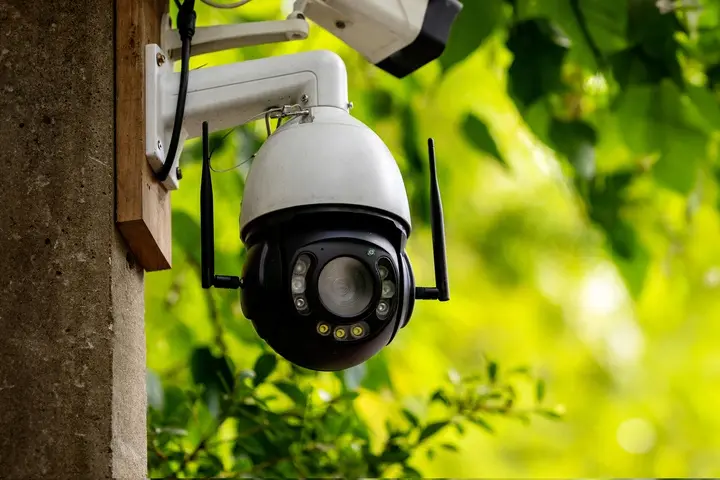
Understanding how to view a neighbor's security camera, while often a sensitive topic, is frequently driven by genuine concerns for safety and property protection. This guide explores the legal and ethical considerations, along with the technical possibilities and limitations, to provide a comprehensive overview for 2025-26.
Understanding the Legality and Ethics
The question of "How To View Neighbors Security Camera" immediately plunges into a complex intersection of privacy laws, property rights, and ethical considerations. In most jurisdictions, directly accessing or viewing a neighbor's private security camera footage without their explicit consent is illegal and a serious invasion of privacy. This is protected under various statutes, including those related to trespass, unauthorized access to computer systems, and invasion of privacy torts. The expectation of privacy in one's home and immediate surroundings is a cornerstone of legal systems worldwide.
However, the nuances arise when considering public spaces, shared property lines, or situations where a camera might inadvertently capture activity that has a direct impact on your property or safety. It's crucial to distinguish between what is legally permissible and what is ethically sound. While a camera might be pointed at your driveway, its primary purpose is likely to monitor the neighbor's property. Viewing it without permission crosses a significant legal and ethical boundary.
The legal landscape is continually evolving, especially with the proliferation of smart home devices and advanced surveillance technology. For 2025-26, understanding these laws is more critical than ever. Many regions have specific regulations regarding the placement and scope of surveillance cameras, particularly those that may capture footage of public areas or adjacent private properties. Ignorance of these laws is generally not accepted as a defense.
Privacy Expectations in Residential Areas
In residential settings, there is a widely recognized expectation of privacy. This extends to backyards, windows, and any area where a reasonable person would expect not to be under constant observation by their neighbors. The placement of security cameras must respect these boundaries. Cameras designed to monitor exclusively one's own property and not intrude upon the privacy of others are generally permissible. However, cameras that are angled to capture a neighbor's activities, living spaces, or private areas can lead to legal challenges.
The Concept of "Reasonable Expectation of Privacy"
The legal concept of "reasonable expectation of privacy" is central to these discussions. This means that individuals have a right to privacy in places where they can reasonably expect to be free from observation. For instance, while a person might expect to be seen by a neighbor walking on the sidewalk in front of their house, they would not reasonably expect to be recorded by a camera while inside their living room or tending to their garden in their backyard. The placement and field of view of a security camera are key factors in determining whether this expectation is violated.
Ethical Considerations Beyond Legality
Even if a technical loophole existed, or if a camera's placement was borderline, the ethical implications of viewing a neighbor's private security footage without consent are significant. It erodes trust within a community, fosters suspicion, and can lead to strained relationships. In a neighborhood context, maintaining good relationships is often as important for safety and well-being as any surveillance system.
Ethically, one should always consider the intent behind seeking this information. Is it out of genuine concern for personal safety due to specific, documented incidents, or is it driven by curiosity, suspicion, or a desire to pry into a neighbor's private life? The former might warrant exploring legal and community-based solutions, while the latter is generally considered intrusive and unacceptable.
Technical Possibilities and Limitations
From a purely technical standpoint, accessing a neighbor's security camera feed without their permission is highly challenging and, in most secure setups, virtually impossible without resorting to illegal hacking. Modern security camera systems are designed with security features to prevent unauthorized access. These typically include:
- Encrypted Feeds: Most reputable security camera brands employ end-to-end encryption for their video streams, making it impossible for unauthorized parties to intercept and view the footage.
- Password Protection: Camera systems require strong, unique passwords for access. Default passwords are often changed during setup, and guessing or brute-forcing these is a criminal offense.
- Network Security: Cameras are usually connected to a secure home network (Wi-Fi or wired) that is protected by its own password and firewall.
- Cloud Storage and Apps: Footage is often stored on secure cloud servers or accessed via proprietary mobile applications that require authenticated login credentials.
Common Misconceptions and Myths
There are many misconceptions about how easily one can access neighbor's camera feeds. These often stem from fictional portrayals in movies or sensationalized online articles. The reality is that attempting to bypass these security measures would involve sophisticated hacking techniques, which are illegal and carry severe penalties.
Exploiting Vulnerabilities (Illegal and Risky)
While it's technically possible for skilled hackers to exploit vulnerabilities in older or poorly secured camera systems, this is not something an average individual can do. Such actions constitute cybercrime. Even if a vulnerability were found, exploiting it to view a neighbor's private footage would be a criminal act, leading to potential fines and imprisonment. For 2025-26, cybersecurity measures for IoT devices, including security cameras, are becoming increasingly robust, making such exploits even harder.
What is Technically Feasible (Legally and Ethically)?
The only technically feasible and legally permissible ways to view footage that might be relevant to your property involve your own security cameras or publicly available information.
- Installing Your Own Cameras: The most straightforward and legal approach is to install your own security cameras strategically placed to monitor your property. You can angle them to capture any activity occurring at your property line or on your driveway. Ensure your cameras are not pointed into your neighbor's private areas.
- Publicly Accessible Cameras: Some businesses or public institutions might have publicly accessible camera feeds (e.g., traffic cameras, some public square cameras). These are not private security cameras and are available for public viewing.
- Shared Footage (with Consent): If a specific incident occurs that is captured by your neighbor's camera, the only legal and ethical way to access that footage is if your neighbor voluntarily shares it with you. This is often done in cases of a crime, property damage, or an accident.
Limitations of Neighboring Cameras
It's essential to understand that your neighbor's camera is designed to monitor *their* property. While it might inadvertently capture a portion of your property, its primary function and legal justification are for their own security. You have no inherent right to access its feed or recordings. The limitations are dictated by privacy laws and the security features implemented by the camera owner.
For example, if a neighbor's camera is pointed directly at your front door, and you are concerned about package theft, you cannot legally access their footage to check. Your recourse is to install your own camera that covers your doorstep.
| Method | Legality | Ethicality | Technical Feasibility (for average user) |
|---|---|---|---|
| Directly hacking/accessing neighbor's camera feed | Illegal (Cybercrime, trespass, invasion of privacy) | Highly Unethical | Extremely Difficult / Impossible (Requires advanced hacking skills) |
| Asking neighbor to share footage (if relevant incident) | Legal (with consent) | Ethical | Easy |
| Installing your own security cameras | Legal (if not infringing on neighbor's privacy) | Ethical | Easy to Moderate |
Alternative Approaches for Safety and Information Gathering
Given the legal and ethical constraints, and the technical difficulties of accessing a neighbor's camera, focusing on alternative, legitimate methods for enhancing your own safety and gathering relevant information is the most productive path. These approaches respect privacy while effectively addressing concerns.
Installing Your Own Comprehensive Security System
This is the most recommended and effective solution. Investing in your own security cameras allows you to monitor your property precisely as you see fit, without infringing on anyone else's privacy. For 2025-26, the market offers a wide range of options, from simple Wi-Fi cameras to sophisticated multi-camera systems with AI analytics.
Key Features to Consider for Your System (2025-26):
- Resolution: Aim for at least 1080p (Full HD), with 2K or 4K offering superior detail for identifying faces or license plates.
- Field of View (FOV): Wider FOV covers more area, but can distort edges. Choose based on the area you need to monitor.
- Night Vision: Essential for 24/7 surveillance. Infrared (IR) is standard, but color night vision technology is improving rapidly.
- Motion Detection & Alerts: Smart motion detection that can differentiate between people, vehicles, and animals reduces false alarms. Real-time alerts to your phone are crucial.
- Storage Options: Local storage (SD card, NVR/DVR) or cloud storage. Cloud storage offers remote access and backup but usually involves a subscription fee.
- Two-Way Audio: Allows you to speak and listen through the camera, useful for deterring intruders or communicating with visitors.
- Weather Resistance: If cameras are for outdoor use, ensure they have an appropriate IP rating (e.g., IP65 or higher).
- Integration: Compatibility with smart home systems (e.g., Alexa, Google Home) can enhance convenience.
When installing your own cameras, ensure they are pointed towards your property. If a neighbor's activities are impacting your property (e.g., they are constantly leaving trash on your lawn), position your camera to capture that specific behavior on your property. Avoid pointing cameras directly into their windows or private backyard spaces.
Documenting Incidents and Building a Case
If you are experiencing issues with a neighbor (e.g., harassment, property damage, suspicious activity), direct observation and recording through your own cameras are key. However, documentation goes beyond just video evidence.
Steps for Effective Documentation:
- Keep a Logbook: Record dates, times, and details of any incidents. Be objective and factual.
- Gather Witness Testimonies: If other neighbors or visitors witness incidents, ask if they would be willing to provide a statement.
- Take Photos: Document any physical damage to your property.
- Communicate (Carefully): If appropriate and safe, try to have calm, documented conversations with your neighbor about the issues. Keep records of these interactions.
- Report to Authorities: For criminal activity or serious disturbances, contact the police. For ongoing disputes that don't involve immediate danger, consider mediation services or consulting with a legal professional.
This comprehensive documentation can be invaluable if you need to involve law enforcement, homeowners' associations, or legal counsel. It demonstrates a pattern of behavior and provides concrete evidence.
Leveraging Community Resources and Communication
In many communities, there are established channels for addressing neighborly disputes and enhancing collective security.
Options Include:
- Homeowners' Associations (HOAs): If you live in a community with an HOA, familiarize yourself with its rules and regulations regarding property maintenance, noise, and security. HOAs often have a formal process for handling disputes.
- Neighborhood Watch Programs: These programs foster communication and vigilance among neighbors. They can be an excellent way to share information about suspicious activity and look out for one another without resorting to intrusive surveillance. Check if your area has an active program or consider starting one.
- Community Mediation Services: Many local governments offer free or low-cost mediation services to help neighbors resolve disputes amicably. A neutral third party can facilitate communication and help find mutually agreeable solutions.
Open, respectful communication with your neighbor, if possible, can sometimes resolve issues before they escalate. However, this should only be pursued if you feel safe doing so. If the situation is hostile, focus on documentation and official channels.
Legal Frameworks and Precedents (2025-26)
The legal landscape surrounding surveillance and privacy is dynamic, with ongoing court cases and legislative updates shaping how these issues are handled. As of 2025-26, several key legal principles and precedents continue to guide decisions regarding neighbor security cameras.
Federal and State Privacy Laws
While there isn't a single federal law that explicitly prohibits viewing a neighbor's security camera, various federal and state laws can apply. These include:
- Electronic Communications Privacy Act (ECPA): Prohibits the intentional interception of wire, oral, or electronic communications. This could apply if someone were to intercept a live video stream.
- Computer Fraud and Abuse Act (CFAA): Makes it illegal to access a computer system without authorization. Attempting to hack into a security camera system would fall under this act.
- State Invasion of Privacy Laws: Most states have laws that protect individuals from unreasonable intrusion into their private affairs. This can include laws against eavesdropping or surreptitious surveillance.
- Trespass Laws: Physically entering a neighbor's property to install or tamper with a camera, or even to gain a vantage point for illicit viewing, can be considered trespass.
Case Law Developments (2025-26 Trends)
Recent court decisions, particularly those from 2024 and early 2025, have continued to emphasize the "reasonable expectation of privacy." For instance, a homeowner might have a claim if a neighbor's camera is so positioned that it captures intimate details of their daily life within their home or private backyard. The courts generally distinguish between cameras that monitor public areas or the owner's property versus those that intrude significantly into a neighbor's private life.
Example Scenario (Hypothetical 2025 Ruling): A homeowner installs a camera on their roof that has a wide-angle lens, capturing not only their driveway but also the interior of their neighbor's master bedroom through an uncurtained window. A court would likely find this to be an invasion of privacy, even if the primary intent was to monitor the property line. The "reasonable expectation of privacy" in one's bedroom is exceptionally high.
Conversely, if a camera is positioned to monitor a shared fence line or a driveway that is frequently used by both parties, and it only captures incidental views of the neighbor's property, legal challenges might be less successful. However, the intent and the degree of intrusion remain critical factors.
The Role of Intent and Scope
Legal interpretations often hinge on the intent behind the camera's placement and its scope of surveillance. Was the camera intentionally angled to spy on a neighbor, or is its current position a result of standard installation practices for monitoring one's own property?
Intentional Intrusion vs. Incidental Capture
- Intentional Intrusion: If evidence suggests a neighbor deliberately positioned a camera to record your private activities, this strengthens a claim for invasion of privacy.
- Incidental Capture: If a camera captures a neighbor's property as a byproduct of monitoring the owner's property (e.g., a wide-angle camera on a corner lot), it might be viewed differently. However, the owner still has a responsibility to minimize such intrusion.
The scope of the camera's view is also crucial. A camera that captures only a small, insignificant portion of a neighbor's yard is less likely to be deemed an invasion of privacy than one that provides a clear view into their living room or bathroom.
Navigating HOA Rules and Local Ordinances
Beyond state and federal laws, many local municipalities and homeowners' associations have specific ordinances or covenants that regulate the installation and use of surveillance equipment. These can impose stricter requirements than general privacy laws.
Common HOA Regulations:
- Placement Restrictions: HOAs may dictate where cameras can be installed (e.g., not on the front-facing side of the house, not pointing directly at neighboring properties).
- Notification Requirements: Some HOAs might require residents to notify neighbors or the HOA board before installing new surveillance systems.
- Camera Type Restrictions: In rare cases, HOAs might have rules about the type or visibility of cameras.
It is always advisable to check your HOA's governing documents and any local ordinances related to surveillance before installing cameras. Failure to comply can result in fines or mandatory removal of the equipment.
Ethical Dilemmas in Neighborhood Surveillance
The proliferation of security cameras in residential areas has created a complex ethical landscape. While the intention is often to enhance safety, the widespread use of surveillance raises significant ethical questions about privacy, trust, and the nature of community interaction.
The "Chilling Effect" on Behavior
One of the primary ethical concerns is the "chilling effect" that constant surveillance can have on individual behavior and freedom. When people know they are being watched, they may alter their actions, becoming less spontaneous and more self-conscious. This can stifle open expression and create an atmosphere of suspicion rather than community.
Impact on Social Interaction:
The constant presence of cameras can make neighbors feel like they are under scrutiny, potentially hindering casual interactions and fostering a sense of unease. This can erode the informal social fabric that makes neighborhoods feel welcoming and safe.
The Balance Between Security and Privacy
Finding the right balance between legitimate security needs and the fundamental right to privacy is an ongoing ethical challenge. While cameras can deter crime and aid in investigations, they can also lead to over-surveillance and a loss of personal freedom.
Balancing Acts:
- Necessity: Is the surveillance truly necessary, or is it an overreaction?
- Proportionality: Is the level of surveillance proportionate to the perceived threat?
- Minimization: Are steps taken to minimize the intrusion into the privacy of others?
Ethically, individuals should consider whether their surveillance practices are intrusive and whether less intrusive alternatives exist. The goal should be to enhance safety without creating an environment of constant monitoring and suspicion.
Data Security and Misuse of Footage
Even when cameras are installed legally and ethically, there are ethical considerations regarding the security and use of the footage. Who has access to the recordings? How is this data stored and protected? What happens if the footage is misused?
Ethical Responsibilities:
- Secure Storage: Footage should be stored securely to prevent unauthorized access.
- Limited Access: Access to recordings should be restricted to the homeowner and, if necessary, law enforcement or legal representatives.
- Purpose Limitation: Footage should only be used for its intended purpose (e.g., security) and not for personal vendettas, gossip, or to pry into neighbors' lives.
- Disposal: Old footage should be securely deleted once it is no longer needed.
The ethical responsibility extends to ensuring that the technology used for security does not become a tool for harassment or invasion of privacy. For 2025-26, with increasing data breaches, the ethical imperative for robust data security practices is paramount.
The Ethics of "Passive" Surveillance
Sometimes, cameras are installed with the primary intent of monitoring one's own property, but their wide field of view means they passively capture a significant amount of neighboring activity. Ethically, even if not intentionally intrusive, the passive capture of private moments raises questions.
Considerations for Passive Surveillance:
- Minimizing Capture: Can the camera's angle be adjusted to reduce the amount of neighboring property captured?
- Blurring/Masking: Some advanced systems allow for masking or blurring specific areas within the camera's view.
- Awareness: Homeowners should be aware of what their cameras are capturing and consider the ethical implications.
While legal frameworks may not always penalize incidental capture, ethical considerations suggest that individuals should strive to be good neighbors and respect privacy as much as possible, even when using security technology.
Best Practices for Homeowners and Community Safety
Enhancing home and neighborhood safety is a shared responsibility. By adopting best practices, homeowners can effectively protect their property and deter crime while maintaining positive relationships with their neighbors and respecting privacy.
Strategic Placement of Your Own Cameras
The most effective and ethical approach to surveillance is through your own well-placed security cameras. Focus on areas that are most vulnerable or critical to your property.
Key Areas to Cover:
- Entry Points: Front door, back door, garage doors, and any accessible windows.
- Driveways and Garages: To monitor vehicles and activity around them.
- Perimeter: Key sections of your property line, especially those facing public areas or common pathways.
- Vulnerable Areas: Any spots that offer concealment for potential intruders.
When positioning cameras, always ensure they are directed towards your property. If a camera needs to capture activity at the edge of your property, consider using a narrower field of view or adjusting the angle to minimize the view into your neighbor's yard.
Maintaining Secure and Private Footage
The footage captured by your cameras is sensitive information. It's crucial to manage it responsibly.
Steps for Secure Footage Management:
- Strong Passwords: Use unique, strong passwords for your camera system and Wi-Fi network. Change default passwords immediately.
- Regular Updates: Keep your camera firmware and network security software updated to patch vulnerabilities.
- Limited Access: Only share footage when absolutely necessary (e.g., with law enforcement after a crime) and with the explicit consent of anyone whose privacy might be affected, if applicable.
- Secure Storage: If using cloud storage, ensure the provider has robust security measures. If using local storage (NVR/DVR), secure the device itself.
- Data Retention Policy: Set a reasonable retention period for your footage (e.g., 7-30 days) and ensure older footage is automatically overwritten or securely deleted.
Fostering Positive Neighborly Relations
A strong, trusting relationship with your neighbors is one of the best deterrents to crime and dispute. Proactive communication and mutual respect are key.
Tips for Good Neighborly Relations:
- Introduce Yourself: When moving into a new neighborhood, take the time to meet your neighbors.
- Be Considerate: Be mindful of noise levels, property upkeep, and shared spaces.
- Communicate Openly: If an issue arises, try to discuss it calmly and respectfully with your neighbor first, before escalating.
- Participate in Community Events: Engage in neighborhood gatherings or initiatives to build a sense of community.
- Offer Help: Small gestures of kindness, like collecting mail for a neighbor on vacation, can go a long way.
Knowing When and How to Involve Authorities
While it's important to try and resolve issues amicably, there are times when involving external parties is necessary.
When to Seek External Help:
- Criminal Activity: If you witness or suspect a crime, contact the police immediately.
- Harassment or Threats: If you feel threatened or are being harassed, report it to law enforcement.
- Property Damage: For significant property damage, involve the police and your insurance company.
- Ongoing Disputes: If direct communication fails and the dispute is impacting your quality of life, consider mediation services or consulting an attorney.
- HOA Violations: For issues that violate HOA rules, follow the established complaint procedure.
When reporting issues, provide clear, factual information and any evidence you have gathered. This will help authorities address the situation effectively.
By prioritizing your own security through well-placed cameras, managing footage responsibly, fostering positive relationships, and knowing when to seek help, you can create a safer and more harmonious living environment for everyone.
In conclusion, directly viewing a neighbor's security camera without consent is legally prohibited and ethically unsound. The focus should always be on enhancing your own property's security through legitimate means, such as installing your own cameras, and fostering positive community relations. Understanding the legal frameworks and ethical considerations is paramount in navigating these sensitive issues for a safer, more respectful neighborhood.