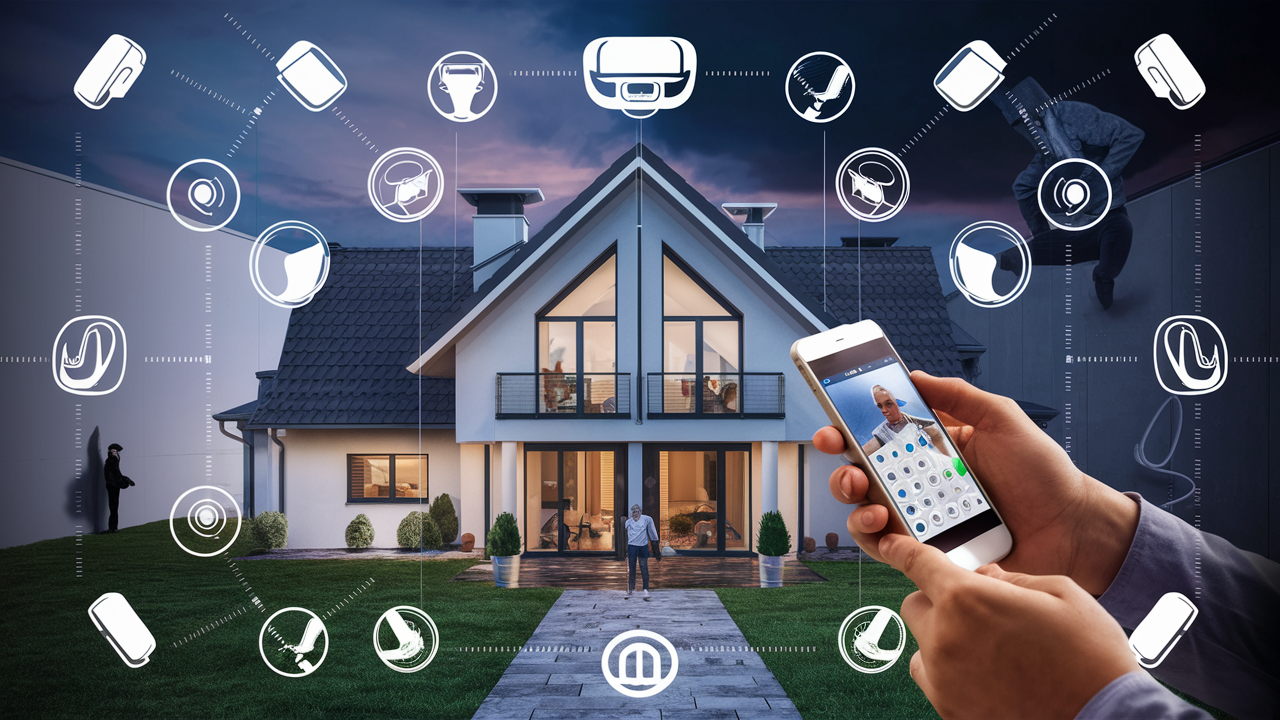
Deciding if a home alarm system is a worthwhile investment involves weighing potential benefits against costs. For many homeowners, the peace of mind, enhanced security, and potential insurance discounts offered by a robust system make it a compelling choice in today's world.
What Exactly is a Home Alarm System?
A home alarm system, often referred to as a security system or burglar alarm, is a network of devices designed to detect unauthorized entry into a building or property. These systems typically include sensors that detect motion, opening of doors and windows, or the breaking of glass. When an intrusion is detected, the system can trigger an audible alarm, alert a monitoring center, or send notifications directly to the homeowner's smartphone. Modern systems often integrate with smart home technology, allowing for remote control and monitoring via mobile apps. They are a cornerstone of home security, aiming to deter criminals, alert occupants, and summon help when needed.
The Evolving Threat Landscape (2025-26)
The landscape of home security threats is constantly evolving, and understanding these trends is crucial for assessing the value of a home alarm system. In 2025-26, several key factors are shaping the risks homeowners face:
- Sophisticated Burglary Tactics: While traditional break-ins persist, some criminal elements are employing more sophisticated methods. This can include techniques to bypass rudimentary security measures, such as "lock bumping" or "relay attacks" for keyless entry systems. The presence of a visible alarm system, even if not fully sophisticated, acts as a significant deterrent.
- Rise in Package Theft: With the continued growth of e-commerce, porch piracy remains a persistent problem. While not a direct "break-in," the theft of valuable packages from doorsteps can lead to financial loss and frustration. Modern alarm systems, especially those with integrated video doorbells and cameras, can help monitor and record these events.
- Cybersecurity Threats to Smart Homes: As homes become more connected, the risk of cyber intrusions increases. While not directly related to physical break-ins, compromised smart home devices could potentially be exploited to gain information about a home's occupancy or even disable security features. Robust home alarm systems often come with their own secure network protocols.
- Increased Urbanization and Density: In more densely populated areas, the proximity of homes can sometimes make them perceived as easier targets. A well-functioning alarm system can differentiate a home from others that may appear less protected.
- Varying Regional Crime Rates: While national crime statistics offer a general overview, local crime rates can fluctuate significantly. Homeowners in areas with higher reported burglary rates will naturally find the investment in an alarm system more compelling. According to recent FBI data projections for 2025, areas with increased economic disparity or transient populations may see a rise in property crimes.
- The "Work From Home" Effect: The continued prevalence of remote work means more people are at home during traditional working hours. This can act as a deterrent in itself, but it also means that a home alarm system can provide immediate notification if an intruder attempts to gain entry while someone is present, offering a crucial layer of personal safety.
Understanding these contemporary threats underscores the ongoing relevance and potential necessity of a home alarm system. It's not just about preventing a single type of crime, but about building a layered defense against a range of potential security vulnerabilities.
Key Benefits of Home Alarm Systems
The decision to invest in a home alarm system often hinges on the tangible benefits it provides. These advantages extend beyond mere property protection, contributing to overall well-being and financial prudence. Here are the primary benefits:
- Deterrence of Criminal Activity: This is arguably the most significant benefit. Visible alarm system components, such as yard signs, window stickers, and outdoor cameras, act as powerful deterrents. Burglars often seek the easiest targets, and a home that appears protected is less appealing. Studies consistently show that homes with alarm systems are less likely to be targeted for burglary. In 2025, surveys indicate that over 60% of burglars admit they would avoid a property with a visible security system.
- Enhanced Peace of Mind: Knowing that your home and loved ones are protected provides invaluable peace of mind. This is especially true when you are away from home, whether on vacation, at work, or simply out for the evening. The ability to remotely monitor your home or receive alerts can significantly reduce anxiety.
- Faster Emergency Response: When an alarm is triggered, professional monitoring services can quickly dispatch emergency services (police, fire department, or medical personnel). This rapid response can be critical in minimizing damage, apprehending perpetrators, and ensuring the safety of occupants. Self-monitored systems can also provide immediate alerts to homeowners, enabling them to take swift action.
- Protection Against Fire and Environmental Hazards: Many modern alarm systems offer integrated smoke detectors, carbon monoxide detectors, and even water leak sensors. These features provide a comprehensive safety net, alerting you to dangers that extend beyond intrusion, potentially saving lives and preventing significant property damage.
- Potential for Insurance Discounts: Many insurance companies offer discounts on homeowner's insurance premiums for properties equipped with a monitored alarm system. The reasoning is that a secure home is a lower risk, leading to fewer claims. These discounts can help offset the cost of the system over time. Discounts can range from 5% to 20% depending on the insurer and the system's capabilities.
- Remote Monitoring and Control: With the advent of smart home technology, most modern alarm systems can be controlled and monitored remotely via smartphone apps. This allows you to arm or disarm the system, view live camera feeds, receive notifications, and even control other smart devices from anywhere in the world.
- Evidence for Law Enforcement: Systems with integrated cameras can record footage of any attempted or successful intrusions. This video evidence can be invaluable for law enforcement in identifying and prosecuting suspects, and for insurance claims.
- Increased Property Value: A well-maintained and modern home security system can be an attractive feature for potential buyers, potentially increasing your property's resale value.
These benefits collectively contribute to a safer, more secure, and more comfortable living environment, making the investment in a home alarm system a decision with far-reaching positive implications.
Types of Home Alarm Systems
Choosing the right home alarm system involves understanding the different types available, each with its own set of features, installation requirements, and monitoring options. As of 2025-26, the market offers a diverse range of solutions to suit various needs and budgets.
Wired Systems
Wired alarm systems have been the traditional choice for many years. They rely on physical wires connecting all the components (sensors, control panel, keypads) to a central hub.
- Pros: Generally considered very reliable and less susceptible to wireless interference. They often offer a robust and permanent installation.
- Cons: Installation can be more complex and invasive, often requiring drilling through walls and ceilings. This makes them less suitable for renters or those who prefer not to alter their home's structure. Upgrades and additions can also be more challenging.
Wireless Systems
Wireless systems have become increasingly popular due to their ease of installation and flexibility. Components communicate with the central hub via radio frequencies or Wi-Fi.
- Pros: Simple and quick to install, with minimal disruption to your home. Components can be easily relocated or added. Ideal for renters and homeowners who want a less intrusive setup. Many wireless systems integrate seamlessly with smart home ecosystems.
- Cons: Can be susceptible to wireless interference, though modern systems have improved significantly in this regard. Batteries in wireless sensors need periodic replacement. Some argue they are slightly less secure against sophisticated signal jamming, though this is rare for typical residential threats.
DIY (Do-It-Yourself) Systems
These systems are designed for easy self-installation by the homeowner. They typically consist of wireless components that are pre-programmed and can be set up with minimal technical knowledge. They often come with mobile apps for control and monitoring.
- Pros: Significantly lower upfront costs as you save on professional installation fees. High degree of flexibility in choosing components and placement. Many offer self-monitoring options, eliminating monthly fees.
- Cons: Requires some time and effort for installation and setup. Troubleshooting may fall entirely on the homeowner. The quality and reliability can vary widely between brands.
Professionally Installed and Monitored Systems
These are typically more comprehensive systems installed by trained technicians from a security company. They are usually connected to a 24/7 professional monitoring center.
- Pros: Professional installation ensures optimal placement and functionality. 24/7 monitoring provides immediate dispatch of emergency services. Often come with advanced features and robust warranties.
- Cons: Higher upfront costs and ongoing monthly monitoring fees. Less flexibility in terms of system customization once installed.
Smart Home Integrated Systems
These systems go beyond traditional security, integrating with other smart home devices like smart locks, thermostats, lighting, and voice assistants. They are controlled via a central hub or a smartphone app.
- Pros: Offers a unified control experience for all your smart devices. Can automate security responses (e.g., lights turn on when motion is detected). Enhanced convenience and functionality.
- Cons: Can be more complex to set up and manage. Potential for increased vulnerability if cybersecurity measures are not robust. Can be more expensive than standalone alarm systems.
Monitoring Options:
- Self-Monitoring: The system sends alerts directly to your smartphone. You are responsible for contacting emergency services. This is common with DIY systems and can eliminate monthly fees.
- Professional Monitoring: A third-party company monitors your system 24/7. If an alarm is triggered, they verify the emergency and dispatch appropriate services. This typically involves a monthly fee but offers a higher level of security and responsiveness.
The choice between these types depends on your budget, technical comfort level, whether you rent or own, and the desired level of security and convenience.
Cost Considerations: Installation, Monitoring, and Beyond
Understanding the financial implications of a home alarm system is crucial for determining its overall worth. Costs can vary significantly based on the type of system, the provider, the features included, and the monitoring plan selected. As of 2025-26, here's a breakdown of typical expenses:
Upfront Costs
These are the initial expenses incurred when purchasing and installing the system.
- Equipment Purchase: This includes the control panel, sensors (door/window, motion, glass break), cameras, keypads, and any other accessories. For DIY systems, this can range from $200 to $800 for a basic setup, while professional systems can cost $500 to $2,000 or more for a comprehensive package.
- Installation Fees: Professionally installed systems often incur installation fees, which can range from $100 to $500, depending on the complexity of the installation and the company's pricing structure. DIY systems, by definition, have no installation fees, but require your time.
- Activation Fees: Some security companies may charge a one-time activation fee to set up your account and connect your system to their monitoring center. This can be anywhere from $0 to $100.
Ongoing Costs
These are the recurring expenses associated with maintaining and operating the alarm system.
- Monthly Monitoring Fees: This is the most common ongoing cost, especially for professionally monitored systems. Fees typically range from $25 to $60 per month. The price often depends on the level of service, features like video monitoring, and cellular backup. Self-monitored systems generally have no monthly fees, but you might pay for cloud storage for video footage.
- Battery Replacements: Wireless systems require batteries for their sensors. These typically need replacement every 1-3 years, costing $5-$20 per battery depending on the type.
- Maintenance and Repairs: While most systems come with warranties, out-of-warranty repairs or replacements for faulty components can incur additional costs.
- Software Updates and Subscriptions: Some advanced features, particularly those related to smart home integration or enhanced video analytics, might require ongoing subscription fees.
- Internet/Cellular Backup: If your system relies on cellular backup for communication with the monitoring center (a crucial feature for preventing line cutting), there might be an additional small fee for this service, often bundled into the monitoring cost.
Potential Savings
It's important to consider the potential financial benefits that can offset the costs:
- Homeowner's Insurance Discounts: As mentioned, most insurance providers offer discounts for homes with alarm systems. These can range from 5% to 20% off your annual premium, which can amount to significant savings over time.
- Reduced Risk of Loss: The primary "saving" is the prevention of financial loss due to burglary, vandalism, or fire. The cost of replacing stolen goods, repairing damage, or dealing with the aftermath of a major incident far outweighs the cost of an alarm system.
- Reduced Utility Costs (Smart Home Integration): Some smart home integrated alarm systems can help manage energy consumption through smart thermostats and lighting controls, leading to minor savings on utility bills.
Example Cost Scenario (2025-26)
Let's consider a mid-range wireless system with professional monitoring:
- Upfront Equipment & Installation: $700
- Monthly Monitoring Fee: $40
- Annual Cost: ($40/month * 12 months) + $700 = $480 + $700 = $1180 for the first year.
- Subsequent Years: $480 (assuming no new equipment purchases).
Compare this to a DIY system with self-monitoring:
- Upfront Equipment: $400
- Monthly Fee: $0 (plus potential cloud storage for cameras, say $10/month = $120/year)
- Annual Cost: $400 + $120 = $520 for the first year.
- Subsequent Years: $120.
The "worth" is then calculated by comparing these costs against the perceived risk and the potential financial and emotional impact of a security breach.
Is a Home Alarm System Worth It? A Cost-Benefit Analysis
To definitively answer "Is a home alarm system worth it?", we must conduct a thorough cost-benefit analysis, considering both tangible and intangible factors. As of 2025-26, the scales are increasingly tipping in favor of these systems for a majority of homeowners.
Tangible Benefits vs. Costs
Costs:
- Initial Investment: Ranging from a few hundred dollars for DIY kits to over a thousand for professional installations.
- Monthly Fees: Typically $25-$60 for professional monitoring, or lower for self-monitoring with potential cloud storage fees.
- Maintenance: Battery replacements, occasional repairs.
Tangible Benefits:
- Insurance Discounts: A consistent saving, often ranging from 5% to 20% annually. For a homeowner paying $1,500 annually for insurance, a 10% discount saves $150 per year. Over 5 years, this is $750 saved.
- Prevention of Property Loss: The average burglary loss in 2025 is estimated to be around $2,500, not including the emotional toll and inconvenience. A single prevented burglary can justify the system's cost for several years.
- Prevention of Fire/Water Damage: The cost of repairing significant fire or water damage can easily run into tens or hundreds of thousands of dollars. Integrated detectors in an alarm system can prevent such catastrophic losses.
- Reduced Utility Costs (Smart Systems): While often minor, smart thermostats and lighting can contribute to energy savings.
Intangible Benefits
These are harder to quantify but are often the most compelling reasons for homeowners to invest:
- Peace of Mind: This is paramount. Knowing your family and possessions are protected, especially when you're away, is invaluable. This psychological benefit reduces stress and improves quality of life.
- Personal Safety: An alarm system can alert you to intruders while you are home, providing an opportunity to escape or take defensive measures. This is particularly critical for vulnerable individuals.
- Deterrence Factor: The psychological impact on potential criminals is significant. A visible system makes your home a less attractive target, reducing the likelihood of an incident occurring in the first place.
- Community Security: While not a direct benefit to the individual homeowner, a neighborhood with a higher rate of alarm system adoption can contribute to overall lower crime rates.
When is it MOST Worth It?
A home alarm system is almost certainly worth it if you:
- Live in an area with higher-than-average crime rates.
- Own valuable assets or have a home with a high perceived value.
- Travel frequently or are often away from home.
- Have a family with children or elderly members who may be more vulnerable.
- Own pets that could be left unattended.
- Have experienced a break-in or know someone who has.
- Want the added security of fire, CO, or water leak detection.
- Can secure a significant insurance discount.
When Might it be LESS Critical (but still beneficial)?
Even in lower-risk areas, a basic system can still offer significant benefits:
- For basic deterrence and peace of mind.
- If you opt for a low-cost DIY system with self-monitoring.
- If you have strong community watch programs and a very low crime rate.
The ROI Calculation
The return on investment (ROI) for a home alarm system isn't solely financial. It's a blend of financial savings (insurance, prevented losses) and intangible gains (peace of mind, safety). If the annual cost of monitoring and maintenance is less than the potential insurance discount plus the average cost of a single burglary, the financial ROI is positive. However, the true ROI is often measured in the avoidance of a traumatic event and the continuous feeling of security.
In 2025-26, with evolving threats and increasingly affordable technology, the question is less "Is it worth it?" and more "Which system is the right fit for my needs and budget?" For most, the answer leans heavily towards "yes."
Factors Influencing Your Decision
Deciding whether a home alarm system is worth the investment is a personal one, influenced by a variety of factors unique to your circumstances. Beyond the general benefits, consider these specific elements:
Your Location and Neighborhood Crime Statistics
This is perhaps the most significant factor. Research local crime data. Are burglaries, car break-ins, or vandalism common in your area? Websites like the FBI's Uniform Crime Reporting (UCR) program or local police department statistics can provide valuable insights. Even in generally safe neighborhoods, certain streets or blocks might have higher incident rates. A visible alarm system can be a strong deterrent in areas with even moderate crime risk.
Your Home's Vulnerability
Consider the physical characteristics of your home. Does it have multiple entry points? Are there easily accessible windows on the ground floor? Is your home isolated or part of a dense urban environment? Homes with more potential entry points or those that are less visible from the street might benefit more from an alarm system. For instance, a home with large, accessible backyards or multiple ground-floor windows is a more attractive target for opportunistic burglars.
Your Lifestyle and Travel Habits
If you and your family travel frequently, work long hours away from home, or have a second property, an alarm system becomes increasingly valuable. The ability to monitor your home remotely and receive immediate alerts when you're not there provides crucial reassurance. Even if you work from home, an alarm system can offer protection if an intruder attempts to enter while you are occupied in another part of the house.
Your Family Composition and Vulnerability
The presence of children, elderly individuals, or individuals with disabilities in your household can elevate the importance of a robust security system. An alarm can provide immediate notification and facilitate faster emergency response, potentially saving lives. The psychological comfort for these vulnerable individuals knowing they are protected is a significant, albeit intangible, benefit.
The Value of Your Possessions
If you own a significant collection of art, jewelry, electronics, or other high-value items, protecting them from theft becomes a more pressing concern. The cost of replacing these items can far exceed the investment in an alarm system. Furthermore, many insurance policies require adequate security measures for high-value items.
Your Insurance Provider's Policies and Discounts
As previously mentioned, homeowner's insurance discounts are a tangible financial benefit. Contact your insurance provider to understand the specific requirements for a discount and the percentage they offer. In some cases, the annual savings on premiums can significantly offset the cost of monitoring fees.
Your Budget and Financial Priorities
While security is paramount, it's essential to consider your budget. DIY systems offer a more affordable entry point. Determine how much you are willing to spend upfront and on monthly fees. Compare the cost of an alarm system against other home improvement or security measures you might be considering.
Your Technical Comfort Level
Are you comfortable setting up and managing technology, or do you prefer a hands-off, professionally managed solution? DIY systems require more user involvement, while professionally installed and monitored systems offer a more streamlined experience. Consider your own aptitude and patience when choosing between these options.
The Desire for Smart Home Integration
Do you envision your security system as part of a larger smart home ecosystem? If you want to integrate your alarm with smart locks, lights, thermostats, and voice assistants for added convenience and automation, look for systems that offer robust smart home compatibility. This often comes with a higher price tag and potentially more complex setup.
Peace of Mind as a Priority
For many, the primary driver is not the quantifiable financial benefit, but the intangible benefit of peace of mind. If the thought of potential security breaches causes you significant anxiety, the investment in an alarm system can be well worth it, regardless of other factors.
By carefully evaluating these factors, you can make an informed decision about whether a home alarm system is the right investment for your specific needs and circumstances in 2025-26.
Installation and Setup: A Step-by-Step Overview
Installing a home alarm system, whether DIY or professionally done, involves several key stages. While professional installers handle the intricacies, understanding the process can empower DIYers and provide clarity for those opting for professional services. Here’s a general overview of the installation and setup process, applicable to most modern wireless systems as of 2025-26:
Phase 1: Planning and Component Placement
- Assess Your Home's Vulnerabilities: Walk through your home and identify all potential entry points: doors, windows (especially on the ground floor), basement access, and any other access points.
- Determine Sensor Placement:
- Door/Window Sensors: Place one part of the sensor on the frame and the other on the door or window itself. Ensure they align when closed.
- Motion Sensors: Install in high-traffic areas, corners of rooms, or hallways. Mount them high on walls (typically 6-8 feet) to cover a wide area and avoid pets triggering them (many have pet-immune settings). Avoid placing them directly facing heat sources or windows that get direct sunlight.
- Glass Break Sensors: Place in rooms with multiple windows or large panes of glass. They are designed to detect the specific frequency of breaking glass.
- Keypads: Typically installed near the main entry/exit points for easy arming and disarming.
- Control Panel/Hub: This is the brain of the system. It should be placed in a secure, central location, ideally out of sight but accessible for maintenance. Ensure it has a power source and, if using cellular backup, good signal reception.
- Cameras: Position indoor cameras to monitor main living areas or entry points. Outdoor cameras should be placed to cover approaches to doors and windows, ensuring they are weather-resistant and have a clear field of view.
- Map Out Wiring (for Wired Systems): If you're installing a wired system, this phase involves planning the route for all cables to minimize disruption and ensure a clean installation.
Phase 2: Installation of Components
- Mounting Sensors:
- Most wireless sensors use strong adhesive backing. Clean the surface thoroughly before application. For added security, some systems allow for screw mounting.
- Ensure the two parts of a door/window sensor are within the manufacturer's specified range when the door/window is closed.
- Installing the Control Panel/Hub:
- Securely mount the control panel to the wall using the provided hardware.
- Connect it to a power outlet. If it has a backup battery, ensure it's properly installed.
- Connect it to your home network (Wi-Fi or Ethernet) if required.
- Installing Keypads: Mount keypads near entry points using adhesive or screws.
- Installing Cameras:
- Follow manufacturer instructions for mounting. Outdoor cameras may require drilling for power or mounting brackets.
- Ensure they are connected to power and your home network (Wi-Fi).
- Wiring (for Wired Systems): This is the most labor-intensive part, involving running wires through walls, ceilings, or conduits to connect all components to the central panel.
Phase 3: System Configuration and Testing
- Powering Up: Turn on the control panel and allow it to boot up.
- Pairing Wireless Devices: Follow the system's instructions (usually via a mobile app or the control panel interface) to "pair" each sensor and device with the hub. This typically involves pressing a button on the sensor or entering a code.
- Naming Devices: Assign descriptive names to each sensor (e.g., "Front Door," "Living Room Window," "Hallway Motion") for easy identification in alerts.
- Configuring Settings:
- Entry/Exit Delays: Set the time you have to leave the house after arming and to disarm the system upon entry.
- Alarm Sounds: Configure siren volume and duration.
- Notification Preferences: Set up how you want to receive alerts (push notifications, email, SMS).
- User Codes: Create unique PIN codes for family members.
- Pet Settings: If applicable, configure motion sensor sensitivity to ignore pets.
- Testing All Components: This is a critical step.
- Arm the system in "Test Mode" (if available) or a low-sensitivity mode.
- Open each door and window to ensure the sensors trigger.
- Walk in front of motion sensors to confirm they detect movement.
- Test any other sensors (glass break, smoke detectors).
- If professionally monitored, inform the monitoring center that you are testing the system.
- Connecting to Monitoring Service (if applicable): If you have professional monitoring, the installation company will guide you through the activation process and ensure the system communicates correctly with their center.
Phase 4: User Training and Ongoing Maintenance
- Learn System Operation: Ensure all users understand how to arm/disarm the system, what different alerts mean, and what to do in case of a false alarm.
- Regular Testing: Periodically test the system (monthly is recommended) to ensure all components are functioning correctly.
- Battery Replacement: Keep track of battery life for wireless sensors and replace them proactively.
- Software Updates: Ensure your system's firmware and app are kept up-to-date for security and functionality.
- Camera Cleaning: Clean outdoor camera lenses regularly for optimal image quality.
While this overview covers the general process, always refer to the specific installation manual provided by your alarm system manufacturer for detailed instructions and safety precautions.
Choosing the Right System for You
With the array of home alarm systems available in 2025-26, selecting the one that best fits your needs requires a thoughtful approach. It's not a one-size-fits-all decision. Here's a guide to help you navigate the options and make an informed choice:
1. Assess Your Security Needs and Risks
Start by honestly evaluating your situation:
- Location: What are the crime rates in your area?
- Home Type: Apartment, house, condo? Renting or owning?
- Home Features: Number of entry points, size of property, potential vulnerabilities.
- Occupancy: How often is the home empty? Who lives there?
- Valuables: Do you have high-value items that need extra protection?
- Specific Concerns: Are you more worried about break-ins, fire, or environmental hazards?
2. Determine Your Budget
Establish a clear budget for both upfront costs (equipment, installation) and ongoing expenses (monthly monitoring fees). This will help narrow down your options significantly.
3. Decide on Monitoring Type: Self vs. Professional
- Self-Monitoring: Ideal if you're budget-conscious, technically savvy, and comfortable being the first responder. You'll receive alerts on your phone and need to contact emergency services yourself. This is common with DIY systems.
- Professional Monitoring: Offers 24/7 oversight from a dedicated center. They verify alarms and dispatch authorities, providing a higher level of security and peace of mind, but at a recurring cost. This is standard with professionally installed systems.
4. Consider System Type: Wired vs. Wireless vs. Hybrid
- Wired: Most secure and reliable if installed properly, but installation is invasive and costly. Best for new constructions or major renovations.
- Wireless: Easy to install, flexible, and ideal for renters or existing homes. The most popular choice today.
- Hybrid: Some systems offer a mix, allowing for both wired and wireless components.
5. Evaluate Installation Options: DIY vs. Professional
- DIY: Lower upfront cost, greater flexibility, and you control the installation process. Requires time, effort, and some technical aptitude.
- Professional: Ensures correct installation, often comes with warranties and support, but incurs higher upfront costs.
6. Research Brands and Providers
Look into reputable companies. Consider:
- Reputation and Reviews: Check online reviews, customer testimonials, and ratings from consumer watchdog groups.
- Equipment Quality: Are the sensors durable? Is the control panel user-friendly?
- Customer Service: How responsive and helpful is their support team?
- Contract Terms: For professionally monitored systems, carefully review contract lengths, cancellation policies, and any hidden fees.
7. Prioritize Features
Beyond basic intrusion detection, what features are important to you?
- Video Surveillance: Indoor/outdoor cameras, doorbell cameras, night vision, two-way audio.
- Smart Home Integration: Compatibility with Alexa, Google Assistant, Apple HomeKit, smart locks, lights, etc.
- Environmental Sensors: Smoke, CO, water leak, flood detection.
- Mobile App Functionality: Ease of use, remote control capabilities, notification customization.
- Cellular Backup: Essential for maintaining monitoring if your internet goes down.
- Battery Backup: For the control panel to keep the system running during power outages.
8. Get Multiple Quotes
If opting for a professional system, get quotes from at least three different companies. Compare not just the price, but also the equipment offered, the monitoring services, and the contract terms.
9. Read the Fine Print
Before signing any contract, thoroughly read all terms and conditions, especially regarding:
- Contract length and renewal terms.
- Cancellation fees.
- Warranty coverage for equipment.
- Response times for monitoring services.
- Privacy policies for data collected (especially video).
Example Scenarios:
- For Renters on a Budget: A DIY wireless system with self-monitoring (e.g., Ring Alarm, SimpliSafe basic package) is likely the best fit.
- For Homeowners Prioritizing Peace of Mind: A professionally installed and monitored system with cellular backup and integrated smart home features (e.g., ADT, Vivint) might be ideal, provided the budget allows.
- For Tech-Savvy Homeowners: A highly customizable DIY system that integrates deeply with a smart home ecosystem (e.g., Abode, Hubitat with security sensors) could be appealing.
By following these steps, you can confidently select a home alarm system that provides the right balance of security, convenience, and cost-effectiveness for your specific needs.
Conclusion: Making the Final Decision
The question "Is a home alarm system worth it?" consistently leads to a resounding "yes" for a vast majority of homeowners in 2025-26. The evolving threat landscape, coupled with increasingly sophisticated and accessible security technologies, makes these systems an indispensable component of modern home safety. The tangible benefits, including significant insurance discounts and the prevention of costly property damage and theft, offer a clear financial return. More importantly, the intangible benefits of enhanced peace of mind and personal safety are invaluable, contributing to a higher quality of life for you and your family.
When evaluating the investment, consider your specific location's crime statistics, your home's vulnerabilities, your family's needs, and your personal lifestyle. Whether you opt for a robust, professionally monitored system or a more budget-friendly DIY solution with self-monitoring, the core function of deterrence, detection, and notification remains critical. Remember to factor in both upfront and ongoing costs, and always research providers thoroughly. Ultimately, the security and well-being of your home and loved ones are paramount, making a well-chosen home alarm system a wise and often essential investment in today's world.