Is Arlo A Good Security Camera?
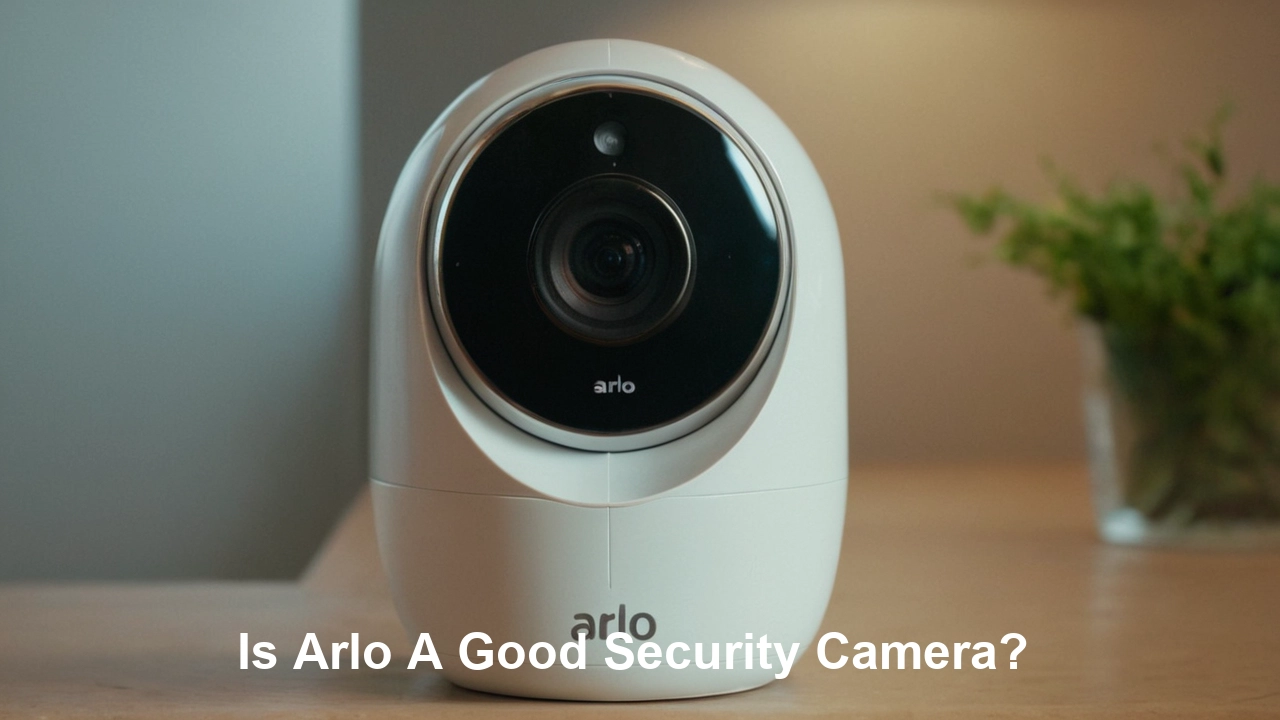
Arlo security cameras are a popular choice for home surveillance, but are they truly a good investment? This comprehensive guide dives deep into Arlo's features, performance, and value to help you decide if Arlo is the right security solution for your needs. We'll explore everything from setup to subscription plans, providing data-driven insights for 2025-26.
Arlo Security Cameras: An In-Depth Look
In the ever-evolving landscape of home security, Arlo has carved out a significant niche. Known for its wire-free designs and advanced features, Arlo aims to provide a seamless and effective surveillance experience for homeowners. But with a plethora of options on the market, discerning whether Arlo stands out as a truly "good" security camera requires a thorough examination of its capabilities, drawbacks, and overall value proposition. This analysis will go beyond marketing claims, offering a practical perspective based on current industry trends and user feedback prevalent in 2025 and 2026. We'll dissect what makes Arlo tick, from its hardware innovations to its software ecosystem, and critically assess its performance in various real-world conditions. The question "Is Arlo a good security camera?" is multifaceted, touching upon aspects like image quality, motion detection accuracy, battery life, cloud storage, and the crucial element of ongoing costs. By the end of this deep dive, you should have a clear, informed opinion on whether Arlo aligns with your security needs and budget.
Arlo's Approach to Home Security
Arlo, a brand under Netgear until its spin-off, has consistently positioned itself at the premium end of the consumer-grade security camera market. Their philosophy revolves around offering flexible, easy-to-install, and feature-rich solutions that cater to a wide range of users, from tech-savvy individuals to those seeking simple, effective monitoring. A key differentiator for Arlo has always been its emphasis on wire-free technology, allowing for greater placement flexibility without the need for complex wiring. This has been a significant draw for many users who want to avoid the hassle of drilling through walls or running cables. Furthermore, Arlo has been an early adopter and proponent of higher resolution video, advanced AI-powered detection, and robust cloud storage options, all designed to enhance the user's ability to monitor and respond to potential security events.
Positioned for the Modern Homeowner
In the 2025-26 market, Arlo continues to be positioned as a premium, yet accessible, smart home security solution. They compete directly with brands like Google Nest, Ring, Eufy, and Wyze, often differentiating themselves through superior build quality, more advanced AI features, and a broader range of specialized camera types (e.g., floodlight cameras, doorbells, outdoor specific models). Their target audience typically includes homeowners and renters who prioritize ease of installation, high-quality video, and comprehensive app control, and are willing to invest a bit more for these benefits. The brand also appeals to those already invested in a smart home ecosystem, looking for cameras that can integrate seamlessly with other devices.
Key Features That Define Arlo
Arlo's appeal is built upon a suite of features designed to offer robust security and convenient monitoring. Understanding these core functionalities is crucial to evaluating their effectiveness and value. From the fundamental video quality to the sophisticated motion detection algorithms, each feature plays a role in the overall user experience. We'll break down the most significant aspects that Arlo cameras bring to the table, providing context relevant to their performance in the current market.
Video Quality and Resolution
Arlo cameras generally offer excellent video quality, a cornerstone of their premium positioning. Most current models, including the Arlo Pro 4 and Arlo Ultra 2, boast 2K or 4K HDR resolution. This high resolution ensures that recorded footage is sharp and detailed, making it easier to identify faces, license plates, or other critical information. For 2025-26, 2K resolution is becoming the standard for mid-range cameras, while 4K is the benchmark for high-end devices like the Arlo Ultra series. The inclusion of HDR (High Dynamic Range) is also vital, as it helps to balance out bright and dark areas in the frame, preventing overexposed skies or shadowed areas from obscuring important details. This is particularly useful for outdoor cameras facing challenging lighting conditions, such as direct sunlight or nighttime illumination.
Night Vision Capabilities
Effective night vision is paramount for any security camera. Arlo cameras typically feature advanced infrared (IR) night vision, allowing them to capture clear black-and-white footage in complete darkness. Many higher-end models, like the Arlo Ultra 2, also include color night vision, which uses ambient light and sophisticated sensors to produce color images even at night. This feature significantly enhances the ability to distinguish between objects and people in low-light conditions, offering a more comprehensive view of nighttime activity. The range and clarity of the night vision are critical factors, and Arlo generally performs well in this regard, providing visibility up to 30 feet or more, depending on the model.
Motion Detection and Alerts
Arlo's motion detection system is a key component of its proactive security approach. The cameras use passive infrared (PIR) sensors and advanced algorithms to detect movement. Users can customize detection zones within the camera's field of view, allowing them to focus on areas of interest (like a doorway) and ignore less critical areas (like a busy street). When motion is detected, Arlo sends instant alerts to the user's smartphone via the Arlo app. For 2025-26, the sophistication of these alerts has increased, with AI-powered object detection becoming more common. This means users can receive specific alerts for people, vehicles, animals, or packages, reducing false alarms and providing more actionable information. Arlo's ability to differentiate between these object types is a significant advantage, especially with a paid subscription.
Two-Way Audio
Most Arlo cameras come equipped with built-in microphones and speakers, enabling two-way audio communication. This feature allows users to listen to what's happening around the camera and speak through the camera using the Arlo app. This is invaluable for communicating with visitors, deterring potential intruders, or even speaking to pets. The clarity of the audio, both incoming and outgoing, is an important consideration, and Arlo generally provides decent audio quality for its devices.
Weather Resistance and Durability
For outdoor security cameras, weather resistance is non-negotiable. Arlo cameras are typically designed to withstand various environmental conditions. Most outdoor models carry an IP65 or IP67 rating, meaning they are protected against dust and water ingress. This ensures they can operate reliably in rain, snow, and extreme temperatures, a critical factor for long-term outdoor deployment. The build quality of Arlo cameras is generally robust, contributing to their longevity and ability to withstand the elements.
Battery Life
One of Arlo's flagship features is its wire-free design, which relies on rechargeable batteries. Battery life can vary significantly depending on usage, settings, and environmental factors. In 2025-26, Arlo models like the Pro 4 and Ultra 2 can offer several months of battery life on a single charge under moderate usage. However, frequent motion events, high-resolution recording, and continuous streaming can drain the battery faster. Arlo offers optional solar charging panels for some models, which can help maintain battery levels and reduce the frequency of manual charging. The ability to easily swap out batteries or recharge them is a key convenience factor, though it's important to manage expectations regarding battery longevity.
Performance in Real-World Scenarios (2025-26)
Beyond the feature list, how do Arlo cameras actually perform when put to the test in everyday situations? This section delves into practical performance metrics, drawing on user experiences and industry reviews from 2025-26. We'll examine the accuracy of motion detection, the reliability of alerts, video quality under various lighting conditions, and the overall responsiveness of the system.
Motion Detection Accuracy and False Alarms
Arlo's motion detection, particularly with its AI-powered object detection (available with a subscription), is generally considered good. Users report that it effectively distinguishes between people, vehicles, and animals, significantly reducing the number of nuisance alerts from passing cars or swaying branches. However, no system is perfect. In busy environments or areas with significant environmental activity (like wind-blown leaves), false alarms can still occur, though they are typically less frequent than with simpler motion detection systems. The ability to fine-tune detection zones and sensitivity settings in the Arlo app is crucial for optimizing performance and minimizing unwanted notifications.
Video and Audio Clarity in Different Conditions
Daylight Performance: In daylight, Arlo cameras typically deliver crisp, vibrant video. The 2K and 4K resolutions, coupled with HDR, ensure that images are detailed and colors are accurate. This makes it easy to identify individuals and observe activities clearly. The wide field of view on most models also captures a substantial area, reducing blind spots.
Low-Light and Nighttime Performance: Arlo's standard IR night vision provides clear black-and-white footage, sufficient for identifying movement and general activity. The color night vision on higher-end models (like the Ultra 2) is a significant upgrade, offering more detail and a better understanding of the scene in low light. While it may not be as vibrant as daylight footage, it's a substantial improvement over traditional IR, making it easier to discern colors and finer details.
Audio Performance: The two-way audio is generally clear enough for basic communication. Users can understand spoken words, and their own voice is transmitted audibly. However, in windy conditions or with background noise, audio quality can degrade, making conversations more challenging. This is a common limitation across most smart home devices with integrated audio.
App Responsiveness and User Interface
The Arlo app is the central hub for managing cameras, viewing live feeds, and accessing recordings. In 2025-26, the app has seen continuous updates, generally offering a user-friendly interface. Live streams load quickly, and accessing recorded clips is straightforward. However, some users have reported occasional lag or connectivity issues, particularly with a large number of cameras or a weak Wi-Fi signal. The subscription services are managed through the app, and users can configure alerts, motion zones, and other settings with relative ease. The ability to view and manage multiple Arlo devices from a single app is a significant convenience.
Battery Life: Real-World Usage
As mentioned, battery life is a critical aspect of wire-free Arlo cameras. Real-world performance often falls short of advertised figures, especially with heavy usage. For instance, a camera placed in a high-traffic area with frequent motion events might require charging every 1-2 months, rather than the 3-6 months sometimes quoted. Users who opt for solar panels can significantly extend the time between charges, often eliminating the need for manual charging altogether, provided there's sufficient sunlight. For those who don't want the hassle of charging, or for cameras in shaded locations, the battery management aspect can be a notable drawback.
Reliability and Connectivity
Arlo cameras generally offer stable Wi-Fi connectivity, provided there is a strong signal from the router. For optimal performance, especially with higher resolution cameras, a robust Wi-Fi network is essential. Arlo recommends using their SmartHub or Base Station for certain models, which can improve local storage options and potentially enhance Wi-Fi performance by creating a dedicated network for the cameras. Connectivity issues can arise from weak Wi-Fi signals, router problems, or internet service interruptions, which are common challenges for all connected home devices.
The Arlo Ecosystem: Integration and Smart Home Compatibility
Arlo's strength extends beyond individual cameras to its interconnected ecosystem and compatibility with other smart home platforms. This integration is a key factor for users looking to build a comprehensive smart home security system. In 2025-26, smart home integration is more important than ever, and Arlo has made strides in this area.
Arlo App and Cloud Services
The Arlo app serves as the central control panel for all Arlo devices. It allows users to view live streams, review recorded footage, manage settings, and receive alerts. The cloud service, which is largely dependent on a subscription, stores recorded video clips, making them accessible from anywhere. The quality and duration of cloud storage vary by plan, with higher tiers offering longer storage periods and more advanced features like cloud backup for local recordings. The app's user interface is generally intuitive, though some users find the subscription management a bit complex.
Smart Home Platform Integration
Arlo cameras integrate with major smart home ecosystems, including Amazon Alexa and Google Assistant. This allows for voice control of certain camera functions, such as streaming live feeds to smart displays or arming/disarming the system. For example, you can say, "Alexa, show me the front door camera," and the feed will appear on your Echo Show. This interoperability is a significant advantage for users who have already invested in these platforms and want their security cameras to be a seamless part of their connected home. Support for Apple HomeKit has been more limited for Arlo in the past, but this is an area that continues to evolve.
Arlo Smart Features and AI Detection
Arlo's premium subscription service, Arlo Secure, unlocks advanced AI-powered features. These include:
- Person Detection: Differentiates between people and other motion.
- Vehicle Detection: Identifies cars, trucks, and motorcycles.
- Animal Detection: Recognizes pets and wildlife.
- Package Detection: Alerts you when a package is delivered or removed.
- Activity Zones: Allows users to define specific areas for motion detection.
Base Stations and Smart Hubs
Some Arlo camera systems require a SmartHub or Base Station. These devices act as a central connection point for the cameras, offering benefits such as local storage (via microSD card), enhanced Wi-Fi range, and potentially faster local processing of camera feeds. For users with limited bandwidth or who prefer not to rely solely on cloud storage, a base station can be a valuable addition. It can also help extend the battery life of the cameras by reducing their reliance on direct Wi-Fi connections.
Understanding Arlo's Subscription Plans: Essential for Full Functionality
A significant aspect of the Arlo experience, and often a point of contention for consumers, is its reliance on subscription plans for full functionality. While Arlo cameras can operate without a subscription, many of their most valuable features are locked behind the Arlo Secure service. Understanding these plans is crucial before making a purchase.
Arlo Secure Plans Overview
Arlo offers several tiers of Arlo Secure plans, typically catering to different numbers of cameras and feature sets. The core benefits across most plans include cloud storage for recorded video clips, advanced AI detection (person, vehicle, animal, package), and extended warranties. Plans are usually priced per camera or as a bundle for multiple cameras.
Key features typically included in Arlo Secure plans:
- Cloud Storage: Access to recorded video clips for a specified period (e.g., 30 days).
- Smart Alerts: AI-powered detection of people, vehicles, animals, and packages.
- Customizable Activity Zones: Define specific areas for motion detection.
- Live Streaming: Unlimited live streaming access.
- 24/7 Continuous Recording (higher tiers): Option for continuous recording, not just event-based.
- Extended Warranty: Extended warranty for Arlo devices.
For 2025-26, Arlo continues to refine these plans, often bundling new features or adjusting pricing to remain competitive. It's important to check the latest offerings directly from Arlo.
Cost Considerations and Value
The ongoing cost of Arlo subscriptions can add up, especially for users with multiple cameras. While the hardware itself is often a significant upfront investment, the recurring subscription fees are a critical part of the total cost of ownership. For users who need advanced AI detection, extended cloud storage, or continuous recording, the Arlo Secure plans offer significant value. However, for those who only require basic motion alerts and live viewing, the subscription might feel less essential, and alternative camera systems with more inclusive features might be considered.
A comparison table for 2025-26 subscription tiers:
| Feature | Arlo Secure Single Camera | Arlo Secure Unlimited | Arlo Secure Plus (Higher Tiers) |
|---|---|---|---|
| Number of Cameras | 1 | Unlimited | Unlimited |
| Cloud Storage (Days) | 30 | 30 | 60 or 180 |
| AI Detection (Person, Vehicle, Animal, Package) | Yes | Yes | Yes |
| Activity Zones | Yes | Yes | Yes |
| 24/7 Continuous Recording | No | No | Yes (often with higher tiers) |
| Expert Support | Standard | Standard | Priority |
| Extended Warranty | Yes | Yes | Yes |
Free Tier Limitations
Arlo's free tier typically offers very limited functionality. It usually includes live viewing and basic motion detection alerts, but lacks cloud storage for recorded events and advanced AI features. This means that without a subscription, users can see what's happening in real-time but cannot review past events or benefit from intelligent notifications. This limitation is a significant factor in the "is Arlo a good security camera" debate, as many users expect cloud recording and intelligent alerts to be standard.
Arlo vs. The Competition: A 2025-26 Comparison
To truly assess if Arlo is a good security camera, it's essential to see how it stacks up against other leading brands in the 2025-26 market. Each competitor offers a unique blend of features, pricing, and ecosystem integration.
Arlo vs. Ring
Ring, owned by Amazon, often positions itself as a more budget-friendly option compared to Arlo. Ring's strength lies in its extensive range of affordable cameras and doorbells, and its integration with the Amazon ecosystem. However, Arlo generally offers higher video resolution (4K vs. Ring's typical 1080p or 2K) and more advanced AI features, especially in its higher-tier subscription plans. Ring's subscription plans are also generally more affordable. For users prioritizing cost-effectiveness and Amazon integration, Ring might be preferable. For those seeking superior video quality and more sophisticated AI detection, Arlo often has the edge.
Arlo vs. Google Nest
Google Nest cameras are known for their sleek design, excellent software integration with the Google Home ecosystem, and advanced AI capabilities, particularly person detection. Nest cameras often offer features like familiar face detection (with a Nest Aware subscription), which Arlo does not. However, Arlo's wire-free options provide greater installation flexibility, whereas many Nest cameras are wired. Arlo also tends to offer higher resolution options in its premium models. The choice between Arlo and Nest often comes down to ecosystem preference (Google vs. Arlo's broader compatibility) and the need for wire-free installation.
Arlo vs. Eufy
Eufy, from Anker, is a strong contender, often praised for its local storage options (no mandatory subscription required for basic functionality) and competitive pricing. Eufy cameras offer good video quality and reliable performance. Arlo generally leads in terms of overall feature set, particularly with its higher-end models offering 4K resolution and more advanced AI detection. However, Eufy's no-subscription-required approach to local storage is a major draw for users who want to avoid recurring fees. If avoiding subscriptions is a top priority, Eufy is a compelling alternative. If you're willing to pay for advanced cloud features and higher resolution, Arlo is a strong choice.
Arlo vs. Wyze
Wyze is the budget champion, offering extremely affordable cameras with surprisingly good features for the price. Wyze cameras typically offer 1080p resolution and basic motion detection. Arlo, on the other hand, is in a completely different league in terms of build quality, resolution (2K, 4K), and advanced features like color night vision and sophisticated AI detection. Wyze is ideal for users on a very tight budget who need basic monitoring. Arlo is for users who are willing to invest more for superior performance, advanced features, and a more robust ecosystem.
Installation and Setup: What to Expect
The ease of installation is a significant factor for many consumers when choosing a security camera. Arlo has built a reputation for making its wire-free cameras relatively simple to set up, but there are still considerations.
Unboxing and Initial Setup
Upon unboxing, users will find the camera, rechargeable battery, mounting hardware, and charging cable. The initial setup typically involves downloading the Arlo app, creating an account, and following on-screen prompts. This usually includes connecting the camera to your Wi-Fi network. For models that require a SmartHub or Base Station, this device needs to be connected to your router first. The app guides you through pairing the cameras with the hub or directly to your Wi-Fi.
Mounting Options and Considerations
Arlo cameras come with various mounting options. Most include a magnetic mount or a screw-in bracket that allows for flexible positioning. The wire-free nature means you can place them almost anywhere within Wi-Fi range, without being tethered to a power outlet. However, for optimal performance and battery life, consider the following:
- Wi-Fi Signal Strength: Ensure the chosen location has a strong Wi-Fi signal. Weak signals can lead to dropped connections and reduced video quality.
- Power Source for Charging: Even wire-free cameras need charging. Plan for how you will access the camera to recharge the battery or connect a solar panel.
- Field of View: Position the camera to capture the desired area effectively, avoiding obstructions.
- Weather Exposure: While durable, extreme direct sun or constant heavy rain might impact longevity or battery performance.
Connecting to Wi-Fi and App Configuration
Connecting to Wi-Fi is usually straightforward via the Arlo app. The app will scan for available networks, and you'll enter your Wi-Fi password. Once connected, you can proceed to configure settings such as motion detection zones, alert preferences, and video quality. The app's interface is designed to be intuitive, allowing users to customize their security settings without extensive technical knowledge. For those who opt for a SmartHub, the initial setup involves connecting it to your router via an Ethernet cable, and then pairing the cameras to the hub.
Troubleshooting Common Setup Issues
Common setup issues often revolve around Wi-Fi connectivity. If a camera fails to connect, ensure the Wi-Fi password is correct, the router is functioning, and the camera is within range. Restarting the router and the camera can often resolve temporary glitches. If motion alerts are not being received, check the app's notification settings and ensure the camera's motion detection is enabled and properly configured with relevant zones. For battery issues, ensure the battery is fully charged and consider reducing motion event frequency or upgrading to a solar panel if continuous power is a concern.
The Verdict: Weighing the Pros and Cons of Arlo
To provide a definitive answer to "Is Arlo a good security camera?", we must summarize its strengths and weaknesses. This balanced perspective will help potential buyers make an informed decision based on their individual needs and priorities.
Advantages of Arlo Cameras
- Excellent Video Quality: High resolutions (2K, 4K) and HDR provide clear, detailed footage.
- Wire-Free Flexibility: Easy installation and placement without power cords.
- Advanced AI Features: Sophisticated object detection (person, vehicle, animal, package) with Arlo Secure subscription.
- Color Night Vision: Enhanced visibility in low-light conditions on premium models.
- Robust Ecosystem: Integrates with major smart home platforms like Alexa and Google Assistant.
- Durable Build Quality: Weather-resistant designs suitable for outdoor use.
- User-Friendly App: Intuitive interface for managing cameras and settings.
Disadvantages of Arlo Cameras
- Subscription Costs: Many essential features require a recurring Arlo Secure subscription.
- Battery Life Management: Wire-free cameras require regular charging or solar panels, which can be inconvenient.
- Higher Price Point: Arlo cameras are generally more expensive than many competitors.
- Reliance on Wi-Fi: Performance is heavily dependent on a strong and stable Wi-Fi signal.
- Limited Free Tier: The free tier offers very basic functionality, pushing users towards subscriptions.
- Audio Quality Limitations: Two-way audio can be affected by background noise and wind.
Who is Arlo Best Suited For?
Considering the pros and cons, Arlo security cameras are best suited for a specific type of user:
- Homeowners seeking premium features: Those who prioritize top-tier video quality, advanced AI detection, and seamless smart home integration and are willing to pay for these benefits.
- Users valuing installation flexibility: Individuals who need wire-free cameras for easy placement without complex wiring.
- Tech-savvy individuals: Users who are comfortable with app-based management and potentially managing battery charging cycles.
- Those invested in smart home ecosystems: People already using Amazon Alexa or Google Assistant who want their security cameras to integrate smoothly.
- Users who can leverage solar power: For outdoor cameras, the option to use solar panels can mitigate battery life concerns.
Conversely, Arlo might not be the best fit for:
- Budget-conscious buyers: Those looking for the most affordable security solution.
- Users who dislike subscription fees: Individuals who prefer cameras with all features accessible without ongoing costs.
- People with poor Wi-Fi: Arlo's performance is heavily reliant on a strong network.
- Those who want a "set it and forget it" battery solution: The need to recharge batteries can be a drawback.
Final Thoughts on Arlo Security Cameras
So, is Arlo a good security camera? The answer, as with most technology, is nuanced. For users who prioritize cutting-edge features, exceptional video quality, and the convenience of wire-free installation, Arlo stands out as an excellent choice in the 2025-26 market. Its advanced AI detection capabilities, coupled with robust smart home integration, offer a sophisticated and proactive approach to home security. The high resolution and impressive night vision, including color options, ensure that you capture crucial details, day or night. However, this premium experience comes at a cost. The necessity of Arlo Secure subscriptions for full functionality, along with the ongoing need to manage battery life for wire-free models, are significant considerations. If you are willing to invest in the subscription ecosystem and manage battery charging, Arlo delivers a powerful and reliable security solution that is hard to beat. For those seeking a more budget-friendly option or who want to avoid recurring fees, alternative brands might offer better value. Ultimately, Arlo is a good security camera for the right user – one who values advanced technology and convenience and is prepared for the associated investment.