Deciding between Vivint and ADT for home security can be a tough choice, as both offer robust systems. This comprehensive guide breaks down their features, costs, and services to help you determine which is truly better for your needs in 2025-2026.
Vivint vs. ADT: A High-Level Overview
When it comes to comprehensive home security, Vivint and ADT are two of the most recognized names in the industry. Both companies offer professional monitoring, a wide range of equipment, and advanced smart home integration capabilities. However, they cater to slightly different customer needs and preferences. Vivint often appeals to those seeking a seamless, integrated smart home experience with its proprietary ecosystem and professional installation as standard. ADT, with its long-standing reputation and extensive network, is a formidable choice for those prioritizing established reliability and a broad spectrum of service options, including DIY-friendly components for some packages. Understanding the nuances of their offerings in 2025-2026 is crucial for making an informed decision.
Key Features: What Do They Offer?
Both Vivint and ADT provide a robust suite of features designed to protect homes and families. The core offerings revolve around intrusion detection, environmental hazard monitoring, and smart home control. However, the way these features are packaged, integrated, and priced can differ significantly.
Intrusion Detection
At the heart of any security system is its ability to detect unauthorized entry. Both Vivint and ADT excel here, offering a variety of sensors:
- Door and Window Sensors: These are essential for monitoring entry points. Both companies offer reliable magnetic contact sensors.
- Motion Detectors: Advanced motion detectors with pet-friendliness are available from both, reducing false alarms. Vivint's motion detectors are often integrated with their smart hub, allowing for more nuanced responses. ADT offers similar capabilities, often through partnerships with leading smart home brands.
- Glass Break Sensors: These detect the sound frequency of breaking glass, providing an early warning before an intruder enters.
Environmental Hazard Monitoring
Beyond intrusion, safety extends to environmental threats. Both providers offer solutions for:
- Smoke and Carbon Monoxide Detectors: Integrated detectors that alert both homeowners and the monitoring center in case of fire or dangerous gas levels. Vivint's systems often feature sleek, modern designs for these detectors. ADT offers both proprietary and compatible third-party detectors.
- Water Leak Sensors: Placed near water heaters, sinks, or washing machines, these sensors can prevent significant water damage by alerting you to leaks early.
- Freeze Sensors: Ideal for colder climates, these can detect drops in temperature that could lead to burst pipes.
Smart Home Integration
In 2025-2026, smart home capabilities are a major selling point. Both Vivint and ADT have heavily invested in this area, though with different approaches:
- Vivint's Integrated Ecosystem: Vivint is renowned for its deeply integrated smart home platform. Their system often includes smart locks, thermostats, lighting control, and even garage door openers, all managed through their proprietary app and smart hub. This offers a very cohesive user experience.
- ADT's Open Platform and Partnerships: ADT offers robust smart home integration, often leveraging partnerships with popular brands like Google Nest, Amazon Alexa, and others. This can provide more flexibility for users who already have or prefer specific smart home devices. ADT's Command and Control panels are central to their smart home offerings.
Video Surveillance
Video capabilities are crucial for both deterrence and evidence. Both companies offer indoor and outdoor cameras:
- Vivint Cameras: Known for their high-definition quality, night vision, and two-way audio. Their doorbell camera is a popular option. Vivint's cloud storage plans are typically bundled with their service packages.
- ADT Cameras: ADT offers a range of cameras, including doorbell, indoor, and outdoor options. Their video storage is usually part of their monthly service plans, with varying retention periods.
Equipment and Technology: Smart Home Integration
The hardware and underlying technology are where Vivint and ADT often diverge most noticeably. Vivint has built its brand around a proprietary, all-in-one smart home system, while ADT offers a more modular approach, often integrating with third-party devices.
Vivint's Proprietary System
Vivint’s strength lies in its cohesive ecosystem. When you opt for Vivint, you’re typically getting a suite of devices designed to work seamlessly together, managed by their central Smart Hub.
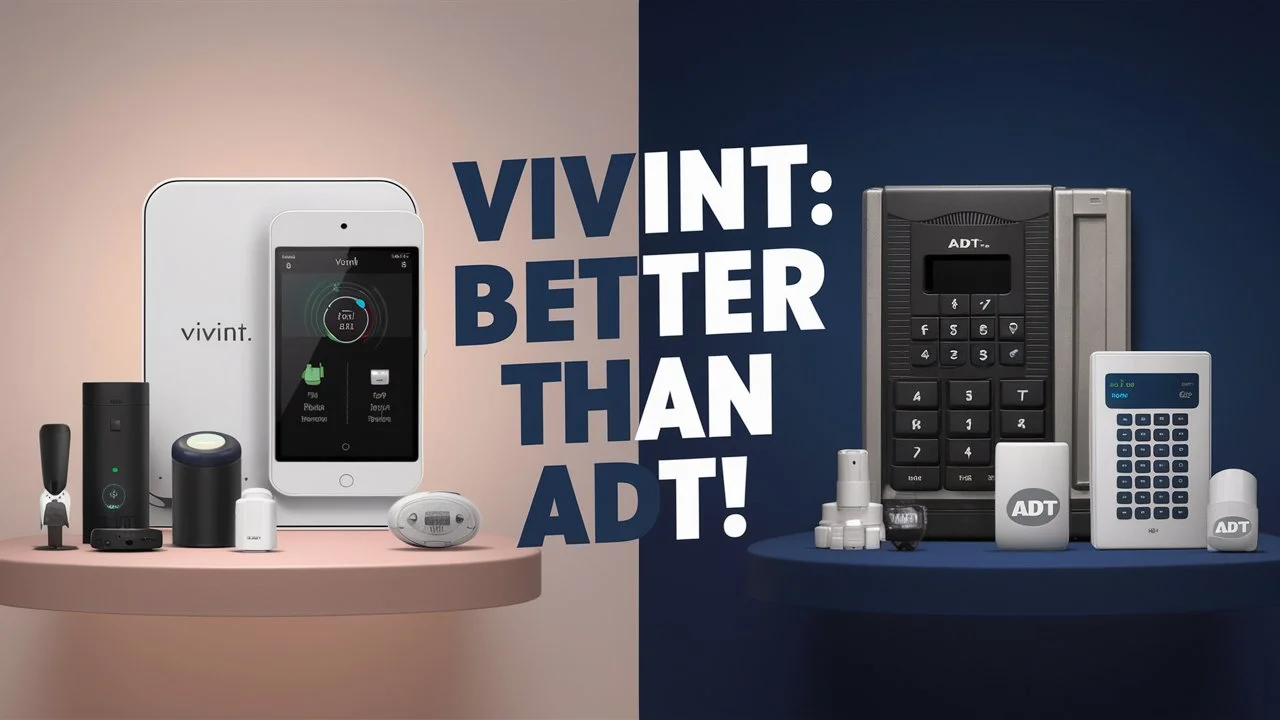
- Vivint Smart Hub: This is the brain of the Vivint system. It’s a touchscreen panel that controls security, smart home devices, and provides system status. It’s designed to be intuitive and user-friendly.
- Integrated Smart Home Devices: Vivint offers its own branded smart locks, thermostats, lighting, and even garage door openers. This integration means that features like arming the system can trigger specific lighting scenes or thermostat adjustments automatically. For example, arming the system at night could dim the lights and adjust the thermostat to an energy-saving mode.
- Professional Installation Focus: Vivint exclusively uses professional installers. This ensures that all devices are optimally placed and configured, and the user receives thorough training. This is a significant differentiator for those who prefer not to handle setup themselves.
- Mobile App: The Vivint app is highly regarded for its robust features, allowing remote control of security, cameras, and smart home devices. It provides real-time alerts and the ability to view live camera feeds.
ADT's Flexible Approach
ADT, being a much older and larger company, has a broader range of equipment options and a more open approach to smart home integration, often partnering with leading tech companies.
- ADT Command and Control Panels: ADT offers modern touchscreen panels that serve as the central hub. These panels are capable of integrating with a wide array of smart home devices.
- Third-Party Device Compatibility: ADT’s systems are designed to work with popular smart home brands. This means if you already own Nest thermostats, Philips Hue lights, or Amazon Echo devices, ADT can often integrate them into your security ecosystem. This offers greater flexibility for customization.
- Professional Installation and DIY Options: While ADT primarily offers professional installation, they have also introduced more DIY-friendly packages in recent years, particularly through their ADT Self-Managed and ADT+ offerings. This caters to a wider range of customer preferences and technical comfort levels.
- Mobile App: ADT's mobile app allows for remote monitoring and control of the security system, cameras, and integrated smart home devices. The features and user experience can vary slightly depending on the specific ADT package chosen.
Technology Comparison (2025-2026)
In terms of cutting-edge technology, both are competitive. Vivint’s strength is in its tightly controlled, proprietary ecosystem, ensuring a smooth and unified experience. ADT’s strength is in its adaptability and compatibility with the broader smart home market, offering choice and integration with existing devices. For users who want a single, elegant solution for all their smart home and security needs, Vivint often shines. For users who want to pick and choose their smart home components and integrate them with a reliable security backbone, ADT offers more flexibility.
Monitoring Services: Professional vs. DIY
The core of any security system's value lies in its monitoring service. Both Vivint and ADT offer professional 24/7 monitoring, but their approaches and the nuances of their services can be important considerations.
Vivint's Professional Monitoring
Vivint exclusively offers 24/7 professional monitoring through its own monitoring centers. This means that when an alarm is triggered, trained professionals assess the situation and dispatch emergency services if necessary.
- Dedicated Monitoring Centers: Vivint operates its own state-of-the-art monitoring facilities, ensuring direct control over the response process.
- Response Protocol: Upon alarm activation, monitoring agents will attempt to contact the homeowner to verify the emergency. If they cannot reach the homeowner or if the situation is confirmed, they will dispatch the appropriate authorities (police, fire department, medical services).
- Cellular Backup: Vivint systems are equipped with cellular backup, meaning they can continue to communicate with the monitoring center even if your home internet or landline is disrupted. This is a critical feature for reliable protection.
- No True DIY Option: It’s important to note that Vivint does not offer a self-monitoring option. All systems require a professional monitoring subscription.
ADT's Monitoring Options
ADT, with its extensive history, offers a more varied approach to monitoring, catering to different customer needs.
- ADT 24/7 Professional Monitoring: This is ADT’s flagship service, utilizing a network of professionally staffed monitoring centers. These centers are highly rated for their response times and reliability.
- ADT Command & Control: This system offers enhanced features for professional monitoring, including advanced communication protocols and integration with smart home devices for a more comprehensive response.
- ADT+ (DIY and Pro-Hybrid): For customers seeking more control or a potentially lower cost, ADT+ offers a hybrid approach. While it can be professionally installed, it also supports self-monitoring capabilities, allowing users to receive alerts and manage their system via the app without necessarily paying for full professional dispatch on every event. However, for critical emergencies, professional monitoring is still the recommended and available option.
- Cellular Backup: Like Vivint, ADT systems typically include cellular backup to ensure continuous communication with monitoring centers, even during internet outages.
- Response Times: ADT is known for its rapid response times, a key factor in emergency situations. Their large network and experienced personnel contribute to this.
Comparison of Monitoring Services
For customers who want the peace of mind that comes with knowing trained professionals are always watching, both Vivint and ADT deliver excellent professional monitoring. Vivint's approach is singular and focused on this model. ADT offers this core service but also provides a pathway for those who might want to self-monitor certain aspects or have a more hands-on approach with ADT+.
In 2025-2026, the emphasis on rapid, intelligent dispatch is paramount. Both companies invest heavily in their monitoring infrastructure and training. The choice here often comes down to whether you prefer an all-professional model (Vivint) or one that offers more flexibility in how you interact with your system’s alerts (ADT, particularly with ADT+).
Installation and Support: Getting Started and Staying Protected
The installation process and ongoing customer support are critical components of the home security experience. How easy is it to get set up, and what happens when you need help?
Vivint's Professional Installation and Support
Vivint is committed to a premium, hands-off experience for its customers, which starts with installation.
- Mandatory Professional Installation: Vivint systems are exclusively installed by Vivint’s own certified technicians. This ensures that every component is optimally placed, configured, and tested. The technician will also walk you through the system's features and how to use the app.
- Benefits of Professional Installation: This approach guarantees a seamless setup, reduces the likelihood of user error, and ensures the system is optimized for your home’s layout. It's ideal for those who want a fully functional system without the hassle of DIY setup.
- Customer Support: Vivint offers 24/7 customer support. They are generally well-regarded for their responsiveness and helpfulness, addressing technical issues, service questions, and system troubleshooting.
- Vivint’s In-Home Service: For more complex issues, Vivint often dispatches technicians to your home, reinforcing their commitment to a high level of service.
ADT's Installation and Support Options
ADT offers a more varied approach to installation and support, reflecting its broad customer base.
- Professional Installation: ADT’s traditional model involves professional installation by their certified technicians. This ensures proper setup and integration of all components.
- ADT+ (Self-Managed/Hybrid): With ADT+, customers have the option for professional installation or a more guided DIY setup. This provides flexibility for those comfortable with technology.
- Customer Support: ADT provides 24/7 customer support through various channels, including phone, chat, and email. Their support network is extensive, drawing on decades of experience.
- Service Calls: Like Vivint, ADT can dispatch technicians for in-home service when needed. The availability and speed of these calls can sometimes depend on your location and the specific service plan.
- Online Resources: ADT offers a wealth of online resources, including FAQs, setup guides, and video tutorials, which can be helpful for troubleshooting common issues.
Installation and Support Comparison
If you prefer a completely hands-off, expertly managed installation and setup, Vivint’s mandatory professional installation is a significant advantage. It ensures a high standard from day one. ADT offers this professional service as well, but their introduction of ADT+ provides a valuable alternative for those who prefer more control over the installation process or want to explore self-management options. In terms of ongoing support, both companies are well-equipped to handle customer needs, with 24/7 availability being standard. Vivint’s focus on a unified, premium experience often translates to a very polished support interaction, while ADT’s vast network offers broad accessibility.
Pricing and Contracts: Understanding the Costs
The financial aspect is often a deciding factor. Understanding the equipment costs, monthly monitoring fees, and contract terms is crucial.
Vivint Pricing and Contracts
Vivint’s pricing model is typically structured around a combination of equipment financing and monthly monitoring fees, often requiring a long-term contract.
- Equipment Costs: Vivint’s equipment is often financed over the term of the contract. This means you don’t pay a large upfront cost for the hardware, but it’s factored into your monthly payments. The total cost of equipment can vary significantly based on the size and complexity of your system.
- Monthly Monitoring Fees: These fees cover the 24/7 professional monitoring service, app access, and cloud storage for cameras. Vivint’s monthly fees are generally in the mid-to-high range, reflecting their premium service and integrated smart home features. Expect fees to start around $30-$40 per month for basic security and go up significantly with added cameras and smart home devices.
- Contract Length: Vivint typically requires a 4-year contract for its systems. While this can spread out equipment costs, it’s a significant commitment. Early termination fees can be substantial.
- Installation Fee: While equipment is financed, there might be an initial installation fee, though this can sometimes be waived during promotions.
ADT Pricing and Contracts
ADT’s pricing is also multifaceted, with options that can influence upfront costs and monthly fees.
- Equipment Costs: ADT offers various packages. Some require upfront payment for equipment, while others finance it over the contract term. The cost can range from a few hundred dollars for basic packages to several thousand for advanced smart home integrations.
- Monthly Monitoring Fees: ADT’s monthly fees are competitive, often starting around $28-$35 per month for basic security and increasing with features like video monitoring and smart home automation. ADT+ might offer slightly different pricing structures.
- Contract Length: Traditional ADT contracts are typically 3-year terms. ADT+ might offer shorter terms or even month-to-month options in some cases, providing more flexibility.
- Installation Fee: ADT often charges an installation fee, which can vary. Promotions sometimes include free installation.
- Customer Guarantees: ADT is known for offering customer guarantees, such as a money-back guarantee and a life of the contract price guarantee, which can add value and security to the investment.
Pricing and Contract Comparison (2025-2026)
In terms of upfront costs, Vivint's financing model for equipment can make it more accessible initially compared to some of ADT's packages that require significant upfront hardware payments. However, Vivint’s longer contract term (4 years vs. ADT’s typical 3 years) means a longer commitment and potentially higher total cost over time. ADT often offers more flexibility with contract lengths, especially with newer offerings like ADT+.
Monthly fees for comparable systems are often similar, with Vivint potentially being slightly higher due to its integrated smart home features being standard. It’s essential to get detailed quotes from both providers, factoring in the exact equipment you need and the monthly service costs, to compare the true long-term value.
Example Cost Comparison (Illustrative for 2025-2026):
| Feature | Vivint (Estimated) | ADT (Estimated) |
|---|---|---|
| Basic System (Panel, 2 Door/Window Sensors, 1 Motion) | $0 upfront (financed) + $35-$45/month (4-yr contract) | $100-$300 upfront + $28-$40/month (3-yr contract) |
| System with 2 Cameras & Smart Lock | $0 upfront (financed) + $50-$65/month (4-yr contract) | $300-$600 upfront + $45-$60/month (3-yr contract) |
| Contract Length | 4 years | 3 years (traditional), potentially shorter/monthly with ADT+ |
| Installation | Professional only | Professional or DIY (ADT+) |
Customer Reviews and Reputation: What Users Say
Understanding the experiences of existing customers provides valuable insights into the real-world performance of Vivint and ADT.
Vivint Customer Feedback
Vivint generally receives positive reviews, particularly for its modern technology and integrated smart home features. Customers often praise:
- Sleek Equipment and User-Friendly Interface: The modern design of the Vivint Hub and the intuitive mobile app are frequently highlighted.
- Seamless Smart Home Integration: Users appreciate how well their security system works with smart locks, thermostats, and lighting.
- Professional Installation Experience: The thoroughness and professionalism of Vivint’s installation technicians are often commended.
However, some common criticisms include:
- Long Contract Terms: The mandatory 4-year contract is a significant drawback for some, leading to concerns about early termination fees.
- Higher Monthly Costs: Compared to some DIY systems or basic professional monitoring, Vivint can be more expensive, especially when adding multiple cameras or advanced smart home features.
- Proprietary System Limitations: While integrated, the proprietary nature means less flexibility to mix and match with non-Vivint smart home devices.
ADT Customer Feedback
ADT, with its long history, has a vast customer base, and reviews are more varied, reflecting its diverse offerings.
Positive feedback often centers on:
- Brand Recognition and Trust: Many customers feel secure with ADT due to its established reputation and long presence in the market.
- Reliable Monitoring: The 24/7 professional monitoring is consistently rated as dependable.
- Wide Range of Equipment and Services: ADT’s ability to cater to different needs, from basic security to advanced smart home integration, is appreciated.
- Customer Guarantees: Features like the money-back guarantee and price protection are valued.
Common criticisms include:
- Inconsistent Customer Service: Some users report varying experiences with customer support, with occasional long wait times or unresolved issues.
- Upfront Equipment Costs: Certain ADT packages can have substantial upfront hardware costs.
- Older Technology in Some Packages: While ADT offers modern systems, some older packages might feel less cutting-edge compared to Vivint's dedicated smart home focus.
- Contract Terms: While typically shorter than Vivint's, the 3-year contract can still be a commitment for some.
Reputation Comparison
In 2025-2026, Vivint is often seen as the more modern, tech-forward option, appealing to those who want a seamless smart home experience. ADT, while also investing in new technology, carries the weight of its legacy and is often chosen for its long-standing reliability and brand trust. Vivint tends to attract a slightly younger, tech-savvier demographic, while ADT appeals to a broader range of homeowners, including those who prioritize established security brands.
Who is Vivint Best For?
Vivint is an excellent choice for homeowners who prioritize a fully integrated, cutting-edge smart home experience alongside their security system. If you are looking for a system where your security, lighting, thermostat, locks, and even garage door can all work together seamlessly through a single app and interface, Vivint excels.
- Tech-Savvy Homeowners: Individuals who want the latest in smart home automation and are comfortable with a connected ecosystem.
- Those Seeking a Premium, All-Inclusive Solution: Homeowners who prefer a professionally designed and installed system with all components working in harmony.
- Users Who Value Convenience: If you want to avoid the hassle of DIY installation and prefer a system that is set up and explained by experts.
- Homeowners Willing to Commit: Those who are comfortable with a longer-term contract (typically 4 years) in exchange for financed equipment and a comprehensive service package.
- Families Prioritizing Ease of Use: The intuitive interface of the Vivint app and smart hub makes it easy for all family members to operate.
Vivint’s strength is in delivering a unified, high-tech experience. For instance, a homeowner might use Vivint’s mobile app to disarm their system, which then automatically turns on specific lights, adjusts the thermostat to their preferred temperature, and unlocks the smart lock, all in one automated sequence. This level of integration is a key selling point.
Who is ADT Best For?
ADT is a strong contender for a wide range of homeowners, particularly those who value brand recognition, a long history of reliability, and flexible options.
- Homeowners Prioritizing Established Reliability: Individuals who trust a brand with decades of experience in the security industry.
- Those Seeking Flexibility in Equipment and Integration: Homeowners who want to integrate their security system with existing smart home devices from various brands (e.g., Google Nest, Amazon Alexa).
- Budget-Conscious Consumers (with options): While ADT can be premium, their various packages and the newer ADT+ offering can sometimes provide more cost-effective solutions, especially if upfront equipment costs are manageable or if self-monitoring is a consideration.
- Homeowners Who Prefer Shorter Contract Terms: ADT's traditional contracts are often 3 years, and ADT+ may offer even more flexibility, appealing to those who don't want to be locked in for too long.
- Individuals Seeking Robust Guarantees: ADT's customer guarantees, such as their money-back guarantee and life of contract price protection, offer additional peace of mind.
- Those Open to DIY or Hybrid Solutions: With ADT+, homeowners can choose professional installation or a more guided DIY setup, catering to different comfort levels with technology.
For example, a homeowner who already has a collection of smart lights and a smart thermostat from different manufacturers might find ADT’s ability to integrate these into a security system particularly appealing. They can leverage their existing investments while adding a layer of professional security monitoring.
Making Your Final Decision
Choosing between Vivint and ADT ultimately depends on your individual priorities, budget, and desired level of smart home integration. Both companies offer robust, professionally monitored security solutions that are among the best in the industry for 2025-2026.
Consider Vivint if:
- You want a highly integrated, all-in-one smart home and security system.
- You prefer a seamless, professionally installed and managed experience.
- You value modern design and cutting-edge, proprietary technology.
- You are comfortable with a 4-year contract and financed equipment.
Consider ADT if:
- You prioritize brand trust and a long history of reliability.
- You want flexibility in choosing your smart home devices and integrating them.
- You prefer shorter contract terms or are interested in self-monitoring options (with ADT+).
- You appreciate strong customer guarantees and a wide range of service plans.
Key Steps to Decide:
- Assess Your Needs: What specific security features are most important? How important is smart home integration?
- Determine Your Budget: Consider both upfront costs and monthly fees over the contract term.
- Get Detailed Quotes: Contact both Vivint and ADT for personalized quotes based on your home and desired equipment.
- Read Recent Reviews: Look for the most up-to-date customer feedback for both companies.
- Understand Contract Terms: Pay close attention to contract length, cancellation policies, and any hidden fees.
By carefully weighing these factors against your personal requirements, you can confidently select the home security provider that best suits your needs and provides the optimal balance of security, convenience, and technology for your home in 2025-2026.
In conclusion, the question of "Is Vivint better than ADT?" doesn't have a single universal answer. Both are top-tier providers with distinct strengths. Vivint shines for its seamless, integrated smart home ecosystem and professional installation, making it ideal for tech-forward homeowners seeking a premium, all-in-one solution. ADT, with its long-standing reputation and flexible offerings, appeals to those who value established reliability, brand trust, and the ability to integrate with a wider range of smart home devices, including newer DIY-friendly options. Your final decision should be guided by your specific needs, budget, and preference for contract terms and integration flexibility. Thoroughly evaluating personalized quotes and understanding contract details will empower you to make the best choice for your home's security and smart living experience.