When considering home security, the question "Is Vivint good?" is paramount. This comprehensive guide dives deep into Vivint's offerings, evaluating its reputation, features, costs, and customer service to help you make an informed decision for your home protection needs in 2025-26.
Vivint: A Comprehensive Overview
Vivint Smart Home is a prominent player in the residential security and smart home automation market. Established with a vision to integrate security, convenience, and energy management, Vivint has built a reputation for offering a premium, all-in-one solution. Unlike many DIY security systems, Vivint emphasizes professional installation and a highly integrated ecosystem of devices. This approach aims to provide a seamless user experience, where security, lighting, climate control, and entertainment can be managed from a single interface, typically a touchscreen panel or a mobile app.
In the competitive landscape of 2025-26, Vivint positions itself as a high-end provider, often catering to homeowners who seek robust security features coupled with advanced smart home capabilities. The company's business model revolves around a monthly subscription service that includes professional monitoring, cloud storage for video footage, and access to their integrated smart home platform. This model requires a commitment, often through multi-year contracts, which is a significant consideration for potential customers. Understanding Vivint's core philosophy – that of a fully integrated, professionally managed smart home experience – is crucial when evaluating whether it aligns with individual needs and budgets.
Key Features and Technology
Vivint's strength lies in its comprehensive suite of features and its commitment to cutting-edge technology. The system is designed to be more than just a burglar alarm; it's a central hub for managing various aspects of a smart home.
Core Security Components
At its heart, Vivint offers a robust security system that includes:
- Door and Window Sensors: These detect unauthorized entry and immediately alert the monitoring center and the homeowner.
- Motion Detectors: Advanced sensors that can differentiate between pets and intruders, minimizing false alarms.
- Glass Break Sensors: Specifically designed to detect the sound of breaking glass, providing an additional layer of protection for windows.
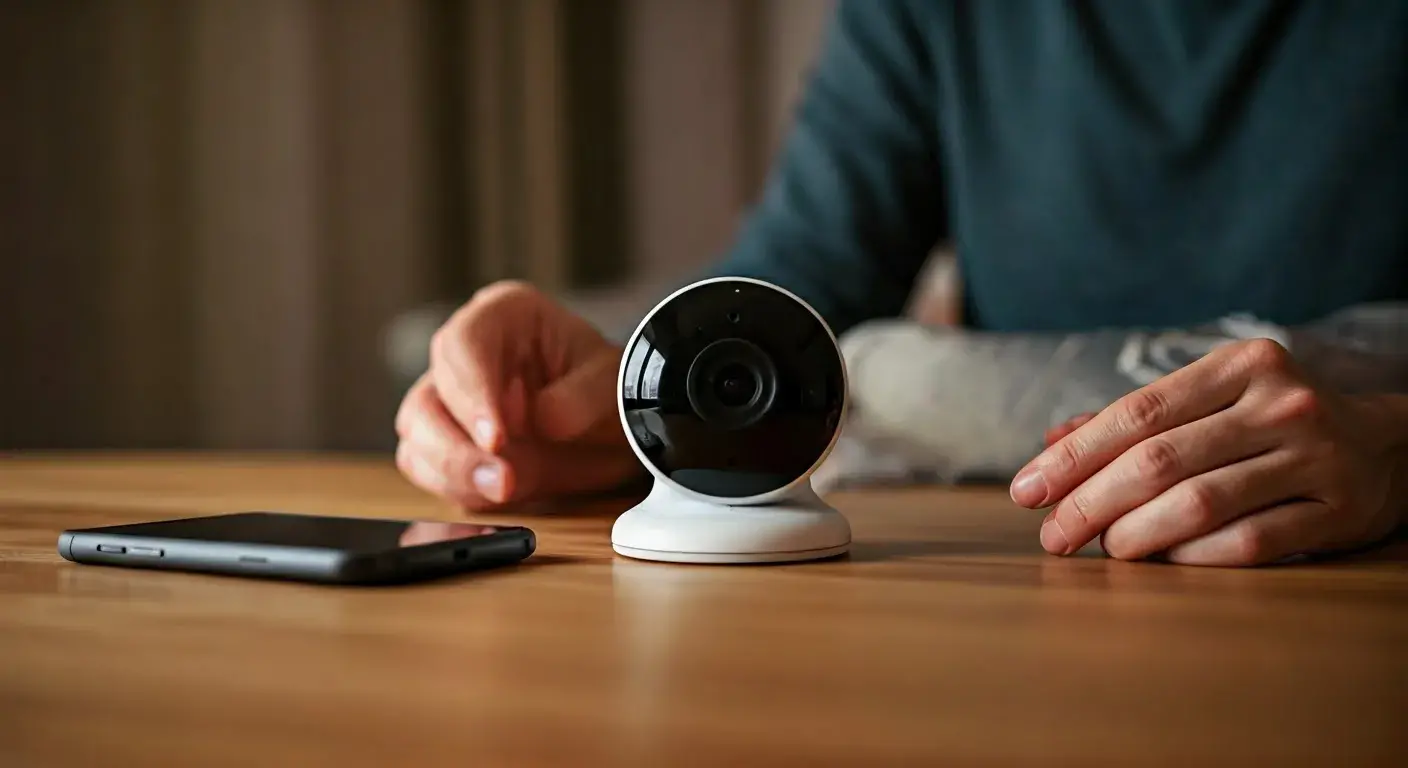
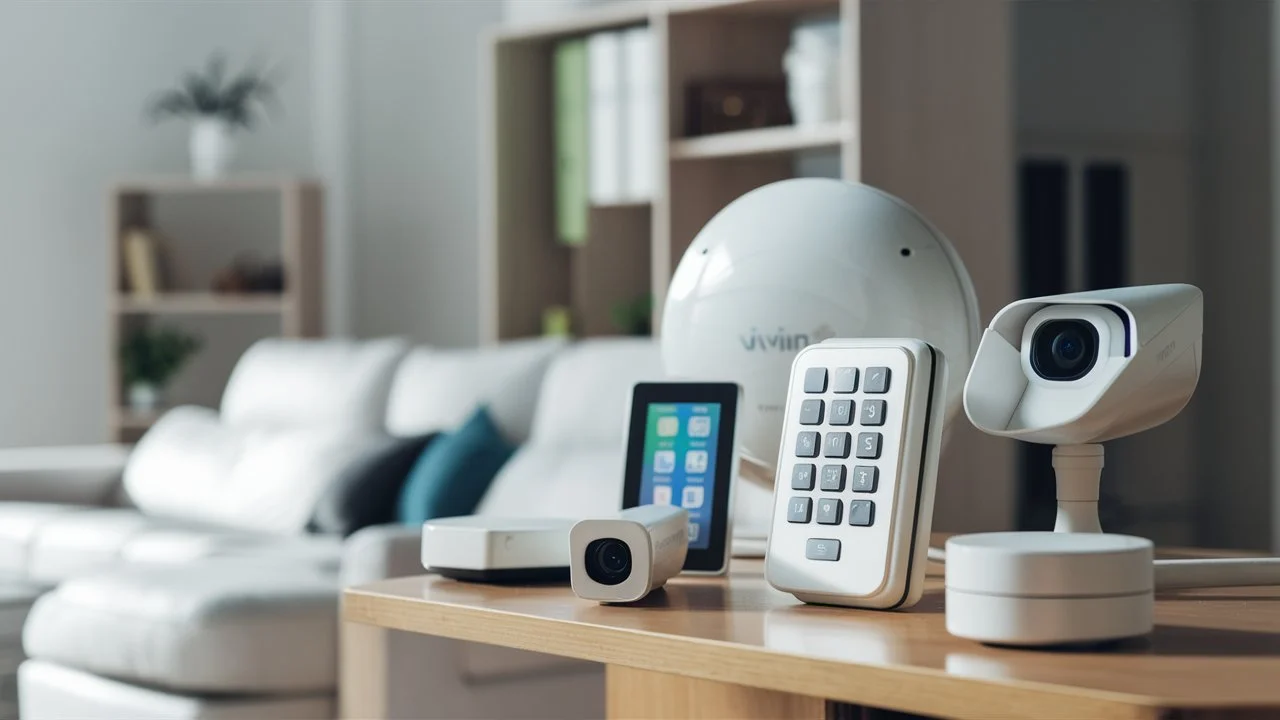
- Security Cameras: Vivint offers a range of indoor, outdoor, and doorbell cameras with features like HD resolution, night vision, two-way audio, and motion detection. These are integral to the smart home experience, allowing remote viewing and recording.
- Key Fobs and Keypads: For easy arming and disarming of the system, both remotely and at the home.
Smart Home Integration
This is where Vivint truly differentiates itself. The system seamlessly integrates with a variety of smart home devices, creating a connected living environment.
- Smart Thermostats: Control your home's temperature remotely, optimize energy usage, and integrate with security modes (e.g., setting back the temperature when the system is armed).
- Smart Lighting: Schedule lights to turn on/off, control them remotely, and integrate them with security events (e.g., lights turning on when motion is detected).
- Smart Locks: Grant temporary access to guests, lock/unlock doors remotely, and receive notifications about door activity.
- Garage Door Control: Open or close your garage door from anywhere using the Vivint app.
- Voice Control: Integration with popular voice assistants like Amazon Alexa and Google Assistant allows for hands-free control of security and smart home devices.
The Vivint Smart Hub
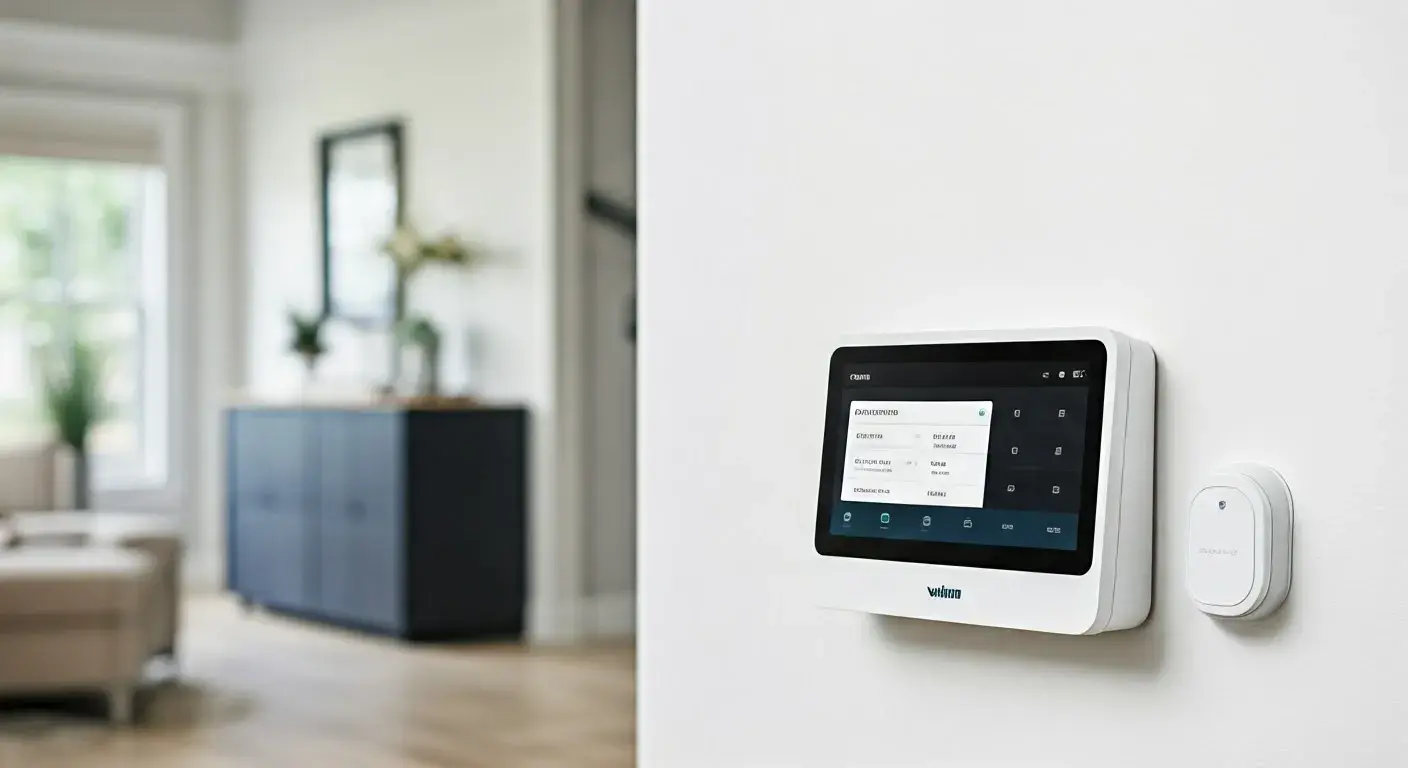
The central control panel, often a sleek touchscreen tablet, serves as the brain of the Vivint system. It provides an intuitive interface for managing all connected devices, viewing camera feeds, arming/disarming the system, and accessing customer support. This panel is also the gateway to advanced features like custom automation rules (e.g., "if the front door opens after 10 PM, turn on the porch light").
Mobile App Functionality
The Vivint mobile app is a critical component, offering comprehensive control and monitoring capabilities on the go. Users can:
- Arm and disarm their system.
- View live and recorded video from security cameras.
- Control smart locks, lights, and thermostats.
- Receive custom alerts and notifications.
- Access customer support.
In 2025-26, Vivint continues to invest in its platform, with updates often bringing enhanced AI capabilities for its cameras (e.g., better person detection, package detection) and more sophisticated automation possibilities.
Installation and Setup: Professional vs. DIY
One of the most significant distinctions between Vivint and many other home security providers is its mandatory professional installation. This approach has both pros and cons that potential customers should carefully consider.
The Vivint Professional Installation Experience
Vivint technicians are trained to install and configure the entire system, ensuring all components are working correctly and integrated seamlessly. This process typically involves:
- Site Assessment: The technician will assess your home's layout and recommend the optimal placement for sensors, cameras, and the control panel.
- Device Placement and Mounting: They will expertly mount sensors, cameras, and other devices, ensuring they are secure and optimally positioned for performance.
- System Configuration: The control panel and all connected devices are configured, including Wi-Fi setup, user profiles, and smart home integrations.
- System Testing: A thorough test of all components is conducted to ensure they are functioning as expected and communicating with the monitoring center.
- Customer Walkthrough: The technician will provide a comprehensive demonstration of how to use the system, including the control panel and mobile app, answering any questions you may have.
This hands-on approach ensures that the system is set up correctly from the start, minimizing the chances of technical glitches or performance issues that can arise from improper DIY installation. For many users, this peace of mind and the assurance of a professionally configured system are significant advantages.
Pros of Professional Installation
- Expertise: Ensures optimal placement and configuration for maximum effectiveness.
- Time-Saving: Frees up the homeowner's time and effort.
- Reduced Errors: Minimizes the risk of installation mistakes that could compromise security or functionality.
- System Integration: Guarantees that all smart home components work together seamlessly.
- Warranty Assurance: Often required to maintain the warranty on equipment.
Cons of Professional Installation
- Scheduling: Requires coordinating with a technician's availability, which can sometimes lead to delays.
- Cost: While often bundled into the overall package, there can be an upfront installation fee.
- Less Flexibility: Homeowners have less direct control over the installation process itself.
Comparison with DIY Systems
Many competitors, such as Ring Alarm or SimpliSafe, offer DIY installation. These systems are designed for easy self-setup, often with peel-and-stick sensors and straightforward app-guided instructions. While DIY can be more convenient for those who are tech-savvy and prefer to save on installation costs, it carries the risk of incorrect setup, which could lead to system malfunctions or security vulnerabilities. Vivint's commitment to professional installation underscores its premium positioning and focus on a flawless user experience.
Monitoring Services: What You Get
A cornerstone of any reputable home security system is its monitoring service. Vivint offers 24/7 professional monitoring, which is a critical component of its value proposition.
24/7 Professional Monitoring
When a security event is triggered (e.g., a door sensor is tripped, a motion detector is activated), the Vivint system sends an alert to a central monitoring station staffed by trained professionals. These agents then follow a protocol, which typically includes:
- Verification: They attempt to verify the alarm by contacting the homeowner via phone.
- Dispatch: If the alarm is confirmed as a genuine emergency, or if they cannot reach the homeowner, they will dispatch the appropriate emergency services (police, fire department, or medical personnel).
- Information Relay: They provide crucial information to emergency responders, such as the nature of the emergency, the location, and any relevant details from the homeowner.
This rapid response capability is vital for deterring intruders, mitigating damage from fires or medical emergencies, and ensuring the safety of occupants.
Cellular Backup
Vivint systems utilize cellular communication for transmitting alerts to the monitoring center. This is a significant advantage over systems that rely solely on Wi-Fi or landlines. Cellular backup ensures that the system can still communicate even if the internet connection is down or the phone line is cut – a common tactic employed by burglars. This redundancy provides a higher level of reliability for the monitoring service.
Video Monitoring and Storage
For customers with Vivint cameras, the monitoring service extends to video. Vivint typically offers cloud storage for recorded video clips triggered by motion detection or other events. The amount of storage and the retention period can vary based on the specific plan. This allows homeowners to review footage of incidents, provide evidence if needed, and keep an eye on their property remotely. In 2025-26, cloud storage solutions are becoming more robust, with options for higher resolution recording and longer retention periods becoming standard.
Smart Deterrence Features
Vivint's system includes features designed for "smart deterrence." For instance, if an outdoor camera detects motion, the system can automatically activate a light or even trigger a warning message through the camera's speaker, potentially scaring off intruders before they attempt to breach the home. This proactive approach is a key selling point for many users.
Customer Support Integration
The monitoring service also acts as a conduit for customer support. Users can often initiate contact with Vivint support through their control panel or mobile app, especially in non-emergency situations. This integrated approach simplifies the process of getting help or reporting issues.
Pricing and Contracts: Understanding the Investment
Vivint's pricing structure is a critical factor for many potential customers and is often a point of discussion in reviews. The company generally operates on a model that involves equipment financing and a monthly service fee, often tied to a multi-year contract.
Equipment Costs
Vivint offers a range of equipment packages, from basic security setups to comprehensive smart home integrations. The cost of this equipment is typically spread out over the term of the contract or can be purchased upfront. Packages can include:
- Smart Hub (touchscreen panel)
- Door and window sensors
- Motion detectors
- Indoor and outdoor cameras
- Video doorbell
- Smart locks
- Smart thermostats
The total cost of equipment can range from several hundred to over a thousand dollars, depending on the chosen components.
Monthly Service Fees
The core of Vivint's revenue comes from its monthly subscription service. This fee covers:
- 24/7 professional monitoring
- Cellular backup
- Cloud video storage (for a specified number of cameras and retention period)
- Access to the Vivint app and smart home platform
- Ongoing software updates and technical support
Monthly fees typically start around $30-$40 for basic security monitoring and can increase significantly as more smart home devices and cameras are added. For example, a comprehensive package with multiple cameras and advanced smart home features might cost upwards of $60-$80 per month.
Contract Terms
Vivint is known for its multi-year contracts, commonly 3 to 5 years. These contracts are often structured to finance the cost of the equipment.
- Pros of Contracts: Lower upfront equipment costs, spreading the investment over time.
- Cons of Contracts: Commitment can be restrictive for those who move frequently or prefer flexible month-to-month options. Early termination fees can be substantial.
It's crucial for potential customers to thoroughly understand the contract terms, including the total cost over the contract period, early termination fees, and what happens to the equipment if they decide to move. Some competitors offer month-to-month monitoring without long-term contracts, which can be appealing to certain customer segments.
Example Pricing Scenario (Hypothetical for 2025-26)
Consider a mid-tier package for a typical suburban home:
| Component | Estimated Cost |
|---|---|
| Smart Hub | Financed over 42 months ($15/month) |
| 3 Door/Window Sensors | Financed over 42 months ($5/month) |
| 1 Motion Detector | Financed over 42 months ($5/month) |
| 1 Outdoor Camera | Financed over 42 months ($15/month) |
| Total Equipment Monthly: | $40/month |
| Monitoring & Smart Home Service (incl. 1 camera cloud storage) | $45/month |
| Total Monthly Payment: | $85/month |
| Contract Term: | 42 Months |
This is a simplified example, and actual pricing will vary based on specific equipment choices, promotions, and location. It highlights the need to factor in both equipment and service costs over the entire contract duration.
Customer Reviews and Reputation
Understanding customer sentiment is vital when evaluating "Is Vivint good?". Vivint generally receives a mix of reviews, reflecting its premium positioning and specific business model.
Common Praises
Customers who are satisfied with Vivint often highlight:
- Seamless Integration: The interconnectedness of security and smart home devices is frequently praised. The ability to control lights, thermostats, locks, and security from a single app or panel is a major draw.
- Professional Installation: Many appreciate the convenience and assurance of having the system professionally installed and configured correctly.
- Responsive Monitoring: The 24/7 professional monitoring service is often cited as reliable and efficient during emergencies.
- User-Friendly Interface: The Vivint Smart Hub and mobile app are generally considered intuitive and easy to navigate.
- High-Quality Equipment: Vivint's devices are often described as robust and aesthetically pleasing.
Common Criticisms
Conversely, Vivint also faces common criticisms:
- Contract Length and Fees: The mandatory multi-year contracts and the associated early termination fees are a frequent point of contention. Customers sometimes feel locked in.
- Cost: Vivint is generally more expensive than DIY security systems, both in terms of monthly fees and the overall cost over the contract term.
- Customer Service Variability: While many have positive interactions, some reviews mention long wait times or difficulty resolving issues with customer support.
- Equipment Ownership: In many contract structures, the equipment is financed, meaning customers don't own it outright until the contract is fulfilled, which can be an issue if they move.
- Upselling: Some customers report feeling pressured to purchase additional equipment or services.
Reputation in the Industry
Vivint consistently ranks among the top home security and smart home providers. They have received awards for innovation and customer service from various industry publications. However, like any company with a significant customer base and a contract-heavy model, they also have a substantial number of negative reviews, particularly concerning contract terms and pricing.
For 2025-26, Vivint continues to refine its offerings, focusing on enhancing its smart home capabilities and improving its app experience. While the core model remains, the company is likely to adapt to market demands for more flexible options, though long-term contracts are expected to persist as a core part of their strategy.
Vivint vs. Competitors: A Comparative Look
To truly answer "Is Vivint good?", it's essential to see how it stacks up against other leading home security and smart home providers. The competitive landscape in 2025-26 is diverse, offering various approaches to security and automation.
Vivint vs. DIY Systems (e.g., SimpliSafe, Ring Alarm)
This is the most common comparison.
| Feature | Vivint | SimpliSafe / Ring Alarm |
|---|---|---|
| Installation | Mandatory Professional | DIY (self-install) |
| Monitoring | 24/7 Professional (cellular backup) | Optional 24/7 Professional (often cellular backup available) or Self-Monitoring |
| Smart Home Integration | Extensive, highly integrated ecosystem | Growing, but often less seamless than Vivint |
| Contracts | Typically 3-5 years | Often month-to-month or shorter terms, some offer no-contract options |
| Pricing | Higher monthly fees, financed equipment | Lower monthly fees, equipment purchased upfront or financed over shorter terms |
| Equipment | Proprietary, high-quality | Proprietary, good quality, often more affordable |
| Customer Support | Integrated, professional installation | Phone/chat support, community forums |
Key Takeaway: DIY systems are generally more affordable and flexible, ideal for budget-conscious individuals or those comfortable with self-installation. Vivint offers a premium, integrated experience with professional oversight, which comes at a higher cost and with less flexibility.
Vivint vs. Other Integrated Systems (e.g., ADT Command, Brinks Home)
These companies often have similar business models to Vivint, emphasizing professional installation and monitoring.
- ADT Command: ADT is a long-standing leader in the security industry. ADT Command offers a similar integrated smart home experience with professional installation and monitoring. Pricing and contract structures are often comparable to Vivint, with both companies vying for the premium market segment.
- Brinks Home: Brinks also provides professional installation and 24/7 monitoring. They have a reputation for solid security but may not always match Vivint's level of smart home integration depth. Pricing can be competitive, and contract terms vary.
Key Takeaway: When comparing Vivint to other established security providers with professional installation, the choice often comes down to specific package offerings, current promotions, and the nuances of their smart home integration capabilities. It's worth getting quotes from multiple providers in this category.
Vivint vs. Smart Home Platforms (e.g., Google Nest, Amazon Alexa Ecosystem)
While Vivint integrates with platforms like Google Assistant and Alexa, it's not a direct competitor in the same way. These platforms focus more on smart home control and less on dedicated, professionally monitored security.
- Google Nest/Amazon Alexa: These ecosystems excel at controlling a wide array of third-party smart devices, voice commands, and personalized automation. However, they typically lack the built-in 24/7 professional monitoring and the robust, interconnected security hardware that Vivint offers. While you can get smart cameras and sensors, they are usually self-monitored or rely on third-party services for alerts.
Key Takeaway: If your primary need is robust, professionally monitored security with integrated smart home features, Vivint is a strong contender. If your focus is primarily on smart home automation and you're comfortable with self-monitoring security aspects, ecosystems like Google Nest or Amazon Alexa might suffice.
Who is Vivint Best For?
Given its features, pricing, and service model, Vivint is best suited for a specific type of homeowner. Understanding these ideal customer profiles can help you determine if Vivint aligns with your needs.
The Tech-Savvy Homeowner Seeking Integration
Individuals who are enthusiastic about smart home technology and want a truly integrated experience will find Vivint appealing. If you envision a home where your security system, lighting, thermostat, locks, and entertainment systems all work together seamlessly, Vivint's platform is designed for you. The ability to control everything from a single interface and create custom automations is a major draw.
Homeowners Prioritizing Convenience and Professionalism
For those who prefer to outsource complex installations and want the assurance of professional setup, Vivint is an excellent choice. If you don't have the time, inclination, or technical expertise to install and configure a DIY system, Vivint's professional installation service removes that burden. The peace of mind that comes with a professionally managed system is a significant benefit.
Those Seeking Comprehensive Security and Smart Home Features
Vivint offers a robust security foundation complemented by a wide array of smart home devices. If you're looking for more than just basic intrusion detection – perhaps including advanced video surveillance, smart climate control, and automated lighting – Vivint provides a comprehensive package. The 24/7 professional monitoring adds an extra layer of security that many homeowners value.
Homeowners with a Higher Budget
Vivint is generally a premium product with a corresponding price tag. Homeowners who have a larger budget for home security and automation, and who are willing to commit to a longer-term contract, will find Vivint to be a worthwhile investment. The higher monthly fees reflect the integrated technology, professional services, and quality of equipment.
Homeowners Who Value a Unified Ecosystem
If you want a single provider for your security and smart home needs, rather than piecing together different brands and services, Vivint offers that unified approach. This can simplify management and troubleshooting, as all components are designed to work together under one system.
Making the Decision: Is Vivint Right for You?
The question "Is Vivint good?" doesn't have a universal yes or no answer. It’s a question that requires introspection about your specific needs, priorities, and budget. Vivint excels in providing a highly integrated, professionally installed, and monitored smart home and security system. Its strengths lie in its seamless ecosystem, advanced technology, and the convenience of professional setup and support.
However, this premium experience comes with a commitment. The multi-year contracts, higher monthly fees, and financed equipment are significant considerations. If flexibility, lower upfront costs, or month-to-month options are paramount, Vivint might not be the ideal fit. In such cases, exploring DIY systems like SimpliSafe or Ring Alarm could be more appropriate.
Ultimately, Vivint is a strong contender for homeowners who prioritize a sophisticated, all-in-one smart home and security solution and are willing to invest in a premium, professionally managed service. Weigh the benefits of its integrated technology and professional support against the costs and contract terms. For many, the answer to "Is Vivint good?" will be a resounding yes, provided it aligns with their lifestyle and financial expectations for 2025-26. Thoroughly review their current packages and contract details to ensure it's the right choice for your peace of mind.
This comprehensive analysis aims to equip you with the knowledge needed to make an informed decision. Vivint offers a compelling package for those seeking a high-end, integrated home security and smart home experience.