Key Features of Home Security Systems Smart
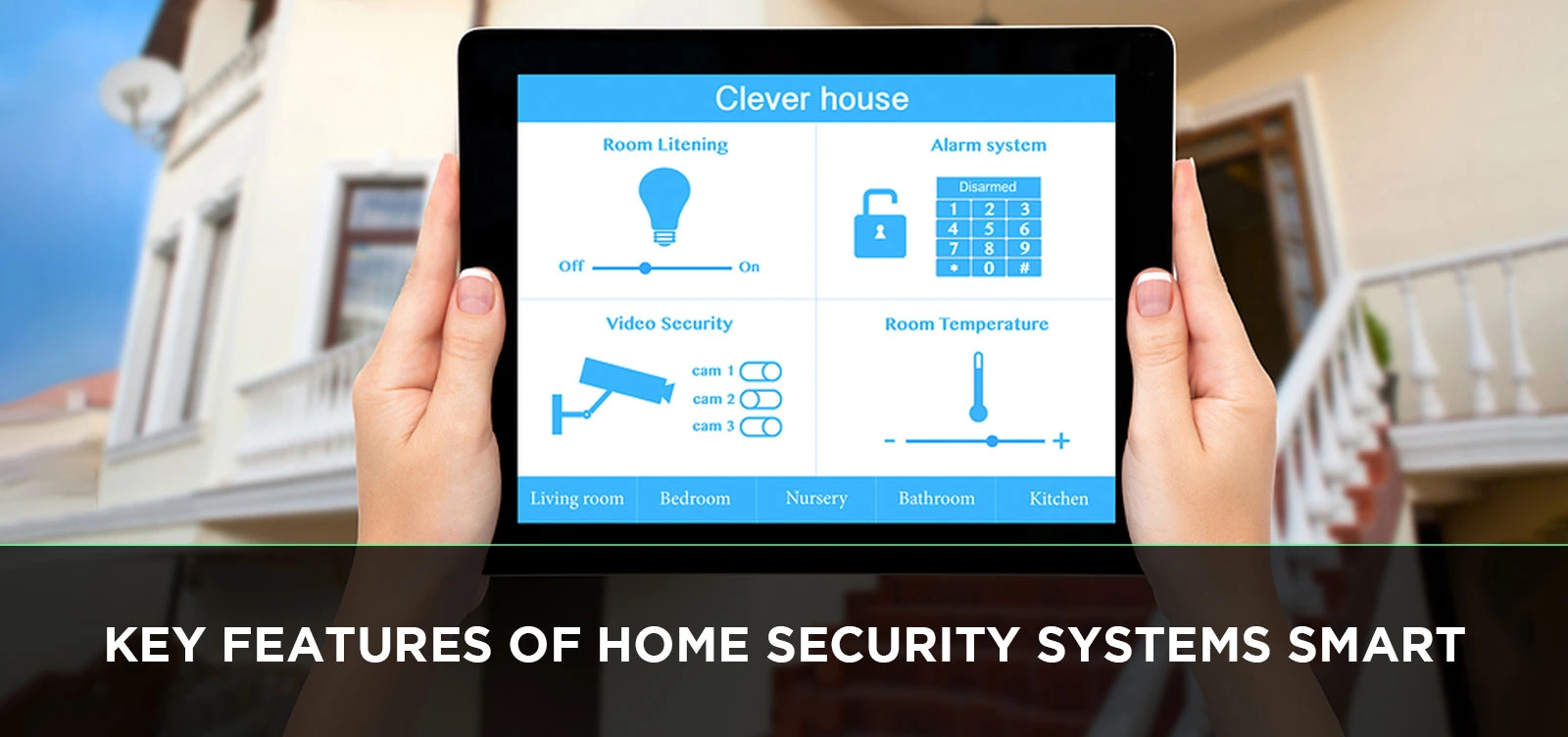
Unlock unparalleled peace of mind with the latest advancements in smart home security. This guide delves into the essential features of modern home security systems, empowering you to make informed decisions for a safer, more connected living space in 2025 and beyond.
Understanding Smart Home Security Systems
In the rapidly evolving landscape of home safety, smart home security systems have moved beyond simple alarm triggers. They represent a sophisticated, interconnected network designed to protect your property, monitor activity, and provide real-time control and alerts directly to your smartphone or other smart devices. These systems leverage the power of the internet of things (IoT) to offer a proactive and integrated approach to home protection, distinguishing them significantly from traditional, standalone security solutions. As we navigate 2025 and look towards 2026, the definition of a secure home is intrinsically linked to its intelligence and connectivity.
The primary objective of a smart security system is to deter potential intruders, detect unauthorized access, and provide immediate notification to homeowners and, if subscribed, to professional monitoring services. However, the "smart" aspect elevates this functionality. It means your security system can communicate with other devices in your home, learn your routines, and offer features that enhance convenience alongside security. This includes remote access, video surveillance with intelligent analytics, automated responses to security events, and seamless integration with other smart home ecosystems like lighting, thermostats, and voice assistants. The intelligence embedded within these systems is what truly sets them apart, offering a level of awareness and control previously unimaginable.
The market for smart home security is experiencing robust growth, driven by increasing consumer awareness of security threats and the desire for convenient, integrated home management. According to industry projections for 2025-2026, the global smart home security market is expected to continue its upward trajectory, with a significant portion of households adopting at least one smart security device. This surge is fueled by falling prices, improved user interfaces, and a growing ecosystem of compatible devices. Homeowners are no longer just looking for a siren; they're seeking a comprehensive shield that offers visibility, control, and intelligent automation. Understanding the key features is paramount to selecting a system that not only meets current needs but also adapts to future technological advancements and evolving security landscapes.
Core Features of Smart Home Security Systems
At the heart of any effective smart home security system lie a set of fundamental features that provide the essential layers of protection and control. These are the building blocks upon which more advanced functionalities are built, and they are critical for any homeowner looking to enhance their property's safety. Understanding these core components will help you evaluate different systems and ensure you're getting the foundational security you need.
1. Smart Sensors: The Eyes and Ears of Your Home
Smart sensors are the primary detection mechanisms within a security system. Unlike their traditional counterparts, smart sensors are wirelessly connected to a central hub and communicate data to your smartphone in real-time. They are designed to detect specific types of events that indicate a potential security breach or hazard.
- Door and Window Sensors: These are perhaps the most common type of sensor. They consist of two parts, typically a magnet and a sensor. When the door or window is closed, the magnet keeps the sensor in a closed state. When the door or window is opened, the magnet is moved away, breaking the circuit and triggering an alert. Smart versions send this alert instantly to your app.
- Motion Sensors: These devices use infrared technology to detect movement within a designated area. Advanced smart motion sensors often incorporate pet-friendliness, meaning they can distinguish between human movement and that of smaller animals, reducing false alarms. Some utilize dual-technology (passive infrared and microwave) for enhanced accuracy.
- Glass Break Sensors: These specialized sensors listen for the specific acoustic frequency of breaking glass. This is crucial for detecting forced entry through windows without triggering door sensors.
- Environmental Sensors: While not strictly for intrusion detection, these are vital for comprehensive home safety. Smart smoke detectors, carbon monoxide detectors, and water leak sensors can alert you to fire, toxic gas, or flooding, sending notifications to your phone even when you're away.
The intelligence of these sensors lies in their connectivity and the data they provide. Instead of just sounding a siren, they can tell you *which* door or window was opened, or *where* motion was detected, allowing for more informed responses. For 2025-26, expect even more sophisticated sensor technology, including AI-powered anomaly detection that can learn typical patterns and flag unusual activity.
2. Smart Cameras: Visual Surveillance and Evidence
Smart security cameras have revolutionized home monitoring, offering live video feeds, recording capabilities, and intelligent event detection. They provide a visual layer of security, allowing you to see what's happening at your property in real-time and review footage if an incident occurs.
- Indoor Cameras: Placed inside your home, these are useful for monitoring pets, children, or as a deterrent against internal threats. Features often include night vision, two-way audio, and motion-triggered recording.
- Outdoor Cameras: Designed to withstand the elements, outdoor cameras are crucial for monitoring entry points, driveways, and perimeters. They often come with enhanced weatherproofing, wider fields of view, and more robust night vision capabilities.
- Doorbell Cameras: These integrate a camera, microphone, and speaker into a doorbell unit. They allow you to see, hear, and speak to visitors at your door from anywhere via your smartphone, acting as a first line of defense and a convenience feature.
Key smart features of cameras include:
- High-Definition Resolution: 1080p or higher is standard, providing clear images.
- Night Vision: Infrared LEDs illuminate the area in low light conditions.
- Motion Detection Alerts: Receive notifications when movement is detected. Advanced systems offer customizable motion zones and person detection to reduce false alarms.
- Two-Way Audio: Communicate with visitors or deter intruders through your smartphone app.
- Cloud or Local Storage: Footage can be stored online or on a local device (like an SD card or NVR) for later review. For 2025-26, cloud storage with advanced AI analysis is becoming increasingly popular.
The ability to receive live video feeds and alerts directly to your mobile device is a cornerstone of smart security, offering unparalleled situational awareness. For instance, if a door sensor is triggered, you can immediately pull up the feed from a nearby camera to verify the situation.
3. Smart Hub/Base Station: The Brain of the Operation
The smart hub, or base station, is the central control unit of the security system. It acts as the communication bridge between all your sensors, cameras, and your home's Wi-Fi network, and ultimately, your smartphone. It processes signals from sensors and dispatches commands.
- Connectivity: Connects to your home's router via Wi-Fi or Ethernet.
- Wireless Communication: Communicates wirelessly with all connected sensors and devices using protocols like Z-Wave, Zigbee, or proprietary RF frequencies.
- Battery Backup: Most hubs have a built-in battery to ensure continued operation during power outages.
- Cellular Backup: Higher-end systems offer cellular backup, ensuring the system can still communicate with monitoring services if your home internet goes down.
The hub is crucial for system functionality. Without it, sensors would be isolated and unable to trigger alarms or send notifications. Its reliability and the robustness of its wireless communication protocols directly impact the overall performance and responsiveness of the security system.
4. Mobile App and Remote Access: Control from Anywhere
The smartphone application is the primary interface for users to interact with their smart security system. It provides remote access and control over all system components, transforming your phone into a powerful security command center.
- Arming/Disarming: Remotely arm or disarm your system from anywhere in the world.
- Real-time Alerts: Receive instant notifications for triggered sensors, detected motion, or camera events.
- Live Video Feeds: View live streams from your security cameras.
- Event History: Review a log of all system events, including sensor triggers and arming/disarming times.
- System Customization: Adjust settings, create user codes, and manage connected devices.
The intuitiveness and feature set of the mobile app are critical for user experience. A well-designed app makes managing your home security effortless and provides peace of mind by keeping you informed and in control, no matter your location. This is a key differentiator for smart systems over older, non-connected alarms.
5. Professional Monitoring (Optional but Recommended)
While many smart systems offer self-monitoring through app notifications, professional monitoring services provide an added layer of security. This involves a team of trained professionals who receive alerts from your system and can dispatch emergency services (police, fire department) if necessary.
- 24/7 Oversight: Constant monitoring ensures that an alert is always acted upon.
- Emergency Dispatch: Trained operators verify alarms and contact the appropriate authorities.
- Reduced Response Times: Professional services often have established protocols for faster emergency response.
- False Alarm Reduction: Monitoring centers can often verify alarms before dispatching, reducing the likelihood of fines for false alarms.
The integration of professional monitoring with smart systems offers the best of both worlds: the convenience and control of a smart system, coupled with the reliability of expert oversight. For 2025-26, many providers are offering flexible monitoring plans that can be activated or deactivated as needed, adding to the system's adaptability.
Advanced Features and Integrations
Beyond the core functionalities, smart home security systems are increasingly incorporating advanced features and integrating with other smart devices to create a truly intelligent and automated home environment. These features enhance convenience, provide deeper insights, and offer more sophisticated protection mechanisms.
1. Smart Home Automation and Routines
The true power of a smart security system lies in its ability to integrate with other smart home devices and automate actions based on security events or user schedules. This creates a more responsive and efficient home environment.
- Lighting Control: When an alarm is triggered, the system can be programmed to turn on all lights inside and outside the house, deterring intruders and improving visibility for cameras. Conversely, when the system is armed, lights can automatically turn off.
- Smart Lock Integration: Arming the system can automatically lock all smart doors. If an alarm is triggered, the system can be set to unlock doors for emergency services or for occupants to escape.
- Thermostat Adjustments: In case of a fire alarm, the thermostat can be set to turn off to prevent spreading flames or to a safe temperature.
- Voice Assistant Integration: Control your system using voice commands through platforms like Amazon Alexa or Google Assistant. You can arm/disarm the system (often with a voice PIN for security), check camera feeds, or ask about system status.
These automations, often referred to as "routines" or "scenes," allow for personalized security responses. For example, a "Goodnight" routine could arm the perimeter sensors, lock doors, and turn off lights. A "Leaving Home" routine could do the same and adjust the thermostat.
2. AI-Powered Video Analytics
Artificial intelligence is transforming security cameras from simple recording devices into intelligent surveillance tools. AI-powered analytics can significantly reduce false alarms and provide more actionable insights from video footage.
- Person Detection: Differentiates between people, animals, and vehicles, sending alerts only when a person is detected in a specified zone. This is a significant upgrade from basic motion detection.
- Package Detection: Alerts you when a package is delivered or removed from your doorstep.
- Facial Recognition: Some advanced systems can recognize familiar faces, distinguishing between family members and strangers, and sending alerts accordingly.
- Activity Zones: Define specific areas within a camera's field of view to monitor for motion, ignoring activity elsewhere to reduce irrelevant notifications.
- Sound Detection: Beyond breaking glass, some systems can detect other unusual sounds like alarms from other devices or shouting.
For 2025-26, AI analytics are becoming standard in mid-to-high-end systems, offering a more refined and less intrusive security monitoring experience. This technology helps users focus on genuine threats rather than nuisance alerts.
3. Geofencing Technology
Geofencing uses your smartphone's GPS to create a virtual boundary around your home. When your phone crosses this boundary, the system can automatically perform actions.
- Automatic Arming/Disarming: The system can automatically arm itself when you leave the geofenced area and disarm when you return. This prevents you from forgetting to arm your system or accidentally leaving it armed when you're home.
- Location-Based Alerts: Receive notifications when specific family members enter or leave the geofenced area.
This feature adds a layer of convenience and ensures your home is protected even when you're preoccupied. It's a subtle but powerful aspect of smart security that automates a common user task.
4. Smart Lighting and Smart Plugs
While not exclusively security devices, smart lights and smart plugs can be integrated into a security system to enhance deterrence and provide a more dynamic response to events.
- Deterrence: Program lights to turn on and off randomly when you're away, mimicking occupancy.
- Illuminating Entry Points: Automatically turn on porch lights or hallway lights when motion is detected near an entrance, improving visibility for cameras and deterring potential intruders.
- Controlling Appliances: Smart plugs can be used to control lights, fans, or other devices that can be integrated into security routines.
The synergy between lighting and security is a key aspect of a well-rounded smart home strategy, making your property appear occupied and more secure.
5. Advanced Connectivity Options
Reliable communication is paramount for any security system. Smart systems offer various connectivity options to ensure continuous operation.
- Wi-Fi: The primary connection for most smart devices and hubs.
- Ethernet: A wired connection for the hub, offering greater stability.
- Cellular Backup: A crucial feature that allows the system to communicate with monitoring services via a cellular network if the home internet connection fails. This is a standard offering in professionally monitored systems.
- Battery Backup: For the hub and often individual sensors, ensuring functionality during power outages.
The combination of Wi-Fi with cellular backup and battery power provides a robust and resilient security solution, critical for maintaining protection during emergencies.
6. Two-Way Audio and Remote Communication
This feature, often integrated into doorbell cameras and indoor cameras, allows for real-time voice communication between the user and individuals at the camera's location.
- Screening Visitors: Speak to delivery personnel or unexpected visitors without opening the door.
- Deterring Intruders: Communicate directly with someone attempting to breach your home, alerting them that they've been seen and recorded.
- Communicating with Family: Check in with children or pets, or leave messages for family members.
This interactive capability adds a significant layer of control and communication to the security system, making it more than just a passive observer.
Choosing the Right Smart Security System for You
Selecting the ideal smart home security system involves carefully considering your specific needs, budget, and technical comfort level. With a plethora of options available, a structured approach will ensure you invest in a solution that provides optimal protection and usability. Here’s a breakdown of factors to evaluate:
1. Assess Your Security Needs
Begin by identifying what you want to protect and what specific risks you want to mitigate. Consider the size and layout of your home, the number of entry points, and whether you have valuable assets or vulnerable occupants.
- Apartment vs. House: An apartment might only require a few door/window sensors and a camera, while a larger house will need more comprehensive coverage, potentially including outdoor cameras and motion sensors in key areas.
- Pets and Children: If you have pets, look for systems with pet-immune motion sensors. If you have children, consider features like remote arming/disarming and activity alerts for their comings and goings.
- Specific Concerns: Are you worried about package theft? A doorbell camera is essential. Concerned about elderly parents? Remote monitoring and two-way audio become more important.
For 2025-26, the trend is towards highly customizable systems that allow users to build their own kits or select modular components to perfectly match their requirements.
2. DIY vs. Professional Installation
Smart security systems generally fall into two installation categories:
- DIY (Do-It-Yourself): These systems are designed for easy self-installation, often involving peel-and-stick sensors and straightforward hub setup. They are typically more affordable upfront and offer greater flexibility. Examples include Ring Alarm, SimpliSafe, and Abode.
- Professional Installation: These systems require an installer to set up the hub, sensors, cameras, and wiring. They often offer more complex integrations and robust hardware, but come with higher initial costs. Companies like ADT and Vivint primarily offer this service.
Your comfort level with technology and the complexity of your home will dictate which option is best. DIY is great for renters or those on a budget, while professional installation can be beneficial for larger homes or if you prefer a hands-off approach.
3. Monitoring Options: Self vs. Professional
This is a critical decision that impacts both cost and response effectiveness.
- Self-Monitoring: You receive alerts directly on your smartphone and are responsible for contacting emergency services. This is the most budget-friendly option, often with no monthly fees or optional low-cost cloud storage.
- Professional Monitoring: A third-party company monitors your system 24/7. They verify alarms and dispatch authorities. This typically involves a monthly subscription fee, ranging from $10 to $60+ per month, depending on the provider and features. For 2025-26, many systems offer hybrid models where you can activate professional monitoring on demand.
For maximum security, professional monitoring is highly recommended, especially if you travel frequently or have a higher-value property. It ensures that an alert is always acted upon, even if you miss the notification.
4. System Compatibility and Ecosystem
Consider how the security system integrates with your existing smart home devices and platforms.
- Smart Home Platforms: Does the system work with Amazon Alexa, Google Assistant, Apple HomeKit, or IFTTT? This allows for voice control and cross-device automation.
- Other Smart Devices: If you already have smart lights, thermostats, or locks, ensure they are compatible with your chosen security system for seamless integration.
A system that plays well with others creates a more cohesive and intelligent smart home experience, enhancing both security and convenience.
5. Costs: Upfront and Ongoing
Smart security systems have various cost structures.
- Hardware Costs: The initial purchase price of the hub, sensors, cameras, and other components. DIY systems often have lower hardware costs than professionally installed ones.
- Subscription Fees: Monthly fees for professional monitoring, cloud video storage, and advanced app features. Some systems offer tiered plans.
- Installation Fees: For professionally installed systems.
Be sure to factor in all potential costs when comparing systems. For 2025-26, many providers are offering flexible subscription models, including month-to-month options, which can be appealing for users who want to avoid long-term contracts.
6. Ease of Use and User Interface
A system is only effective if it's easy to use. Evaluate the mobile app's intuitiveness, the clarity of alerts, and the simplicity of arming/disarming.
- App Design: Is the app well-organized and easy to navigate?
- Alert Clarity: Do you understand what each alert means at a glance?
- Setup Process: Is the initial setup straightforward?
Read reviews and, if possible, try out demo versions of apps to gauge their usability. A clunky interface can lead to frustration and potentially compromised security if users avoid interacting with the system.
7. Reputation and Customer Support
Research the company behind the security system. Look for reviews regarding their reliability, customer service, and data security practices.
- Company History: How long has the company been in business?
- Customer Reviews: What do existing customers say about their experience with the product and support?
- Data Privacy: Understand how your data (especially video footage) is stored and protected.
Reliable customer support is crucial, especially if you encounter technical issues. For 2025-26, data privacy is a growing concern, so choose providers with transparent and robust security policies.
By systematically evaluating these factors, you can narrow down your options and select a smart home security system that aligns perfectly with your lifestyle and provides the peace of mind you deserve. Consider a system like Google Nest Secure (if still supported) or explore newer integrated solutions that offer comprehensive protection.
The Future of Smart Home Security
The evolution of smart home security is relentless, with advancements in artificial intelligence, connectivity, and integration promising even more sophisticated and seamless protection for homeowners. As we look towards 2026 and beyond, several key trends are poised to shape the future of how we secure our homes.
1. Hyper-Personalized AI and Predictive Security
Artificial intelligence will move beyond simple detection to predictive capabilities. Systems will learn individual household patterns, identifying anomalies that deviate from the norm with greater accuracy. This could include detecting unusual activity at specific times of day, recognizing the presence of unknown vehicles, or even predicting potential security risks based on environmental factors or local crime data. For instance, a system might alert you to an unusual pattern of activity at your back gate before any breach occurs.
2. Enhanced Biometric Authentication
While voice commands are common, the future will likely see increased use of biometric authentication for sensitive actions like disarming the system or accessing recorded footage. This could include fingerprint scanners integrated into control panels or door locks, or even advanced facial recognition that verifies authorized users upon entry. This offers a higher level of security than traditional PIN codes.
3. Seamless Integration with Smart City Infrastructure
As smart cities become more prevalent, home security systems may integrate with broader urban safety networks. This could involve sharing anonymized data with local authorities for faster emergency response, or receiving alerts about neighborhood-specific threats. The concept of a "connected community" will extend to security, fostering a more collective approach to safety.
4. Advanced Drone and Robotic Integration
While still in early stages for consumer markets, the potential for autonomous drones or robots to assist in security is significant. Imagine a system that can deploy a drone to survey your property perimeter if an unusual motion is detected outdoors, providing aerial surveillance and deterring potential intruders. This could offer a dynamic and proactive response to security events.
5. Greater Emphasis on Data Privacy and Cybersecurity
As systems become more interconnected and collect more personal data, the focus on data privacy and cybersecurity will intensify. Expect more robust encryption standards, transparent data usage policies, and user controls over data sharing. Companies will need to demonstrate strong security protocols to build and maintain consumer trust in 2025-26 and beyond.
6. Energy Efficiency and Sustainability
Future smart security devices will likely be designed with greater energy efficiency in mind, utilizing low-power communication protocols and advanced battery technologies to reduce their environmental impact and operational costs. This aligns with the broader trend towards sustainable smart homes.
7. Matter and Thread Protocol Adoption
The widespread adoption of connectivity standards like Matter and Thread will simplify device compatibility and interoperability. This means that security devices from different manufacturers will be able to communicate and work together more seamlessly, creating more robust and flexible smart home ecosystems. This will make it easier to build comprehensive security solutions without being locked into a single brand.
These future trends highlight a shift towards security systems that are not only more intelligent and responsive but also more integrated into our daily lives and the broader technological landscape. The goal is to create a proactive, predictive, and personalized security experience that offers unparalleled peace of mind.
Conclusion
In conclusion, the key features of smart home security systems in 2025-26 revolve around intelligent detection, seamless connectivity, remote control, and advanced automation. From sophisticated sensors and AI-powered cameras to intuitive mobile apps and integration with the broader smart home ecosystem, these systems offer a level of protection and convenience far beyond traditional alarms. Understanding the core functionalities like smart sensors, cameras, and hubs, alongside advanced features such as AI analytics and geofencing, is crucial for making an informed decision.
Choosing the right system requires a careful assessment of your personal security needs, budget, and preference for DIY versus professional installation and monitoring. Prioritizing compatibility, ease of use, and a reputable provider will ensure a system that not only protects your home but also enhances your lifestyle. As technology continues to advance, expect even more predictive, personalized, and integrated security solutions that will redefine home safety for years to come. Investing in a smart home security system is an investment in your peace of mind and the long-term safety of your loved ones and property.