Mississippi's Safest Cities: Top Recommendations
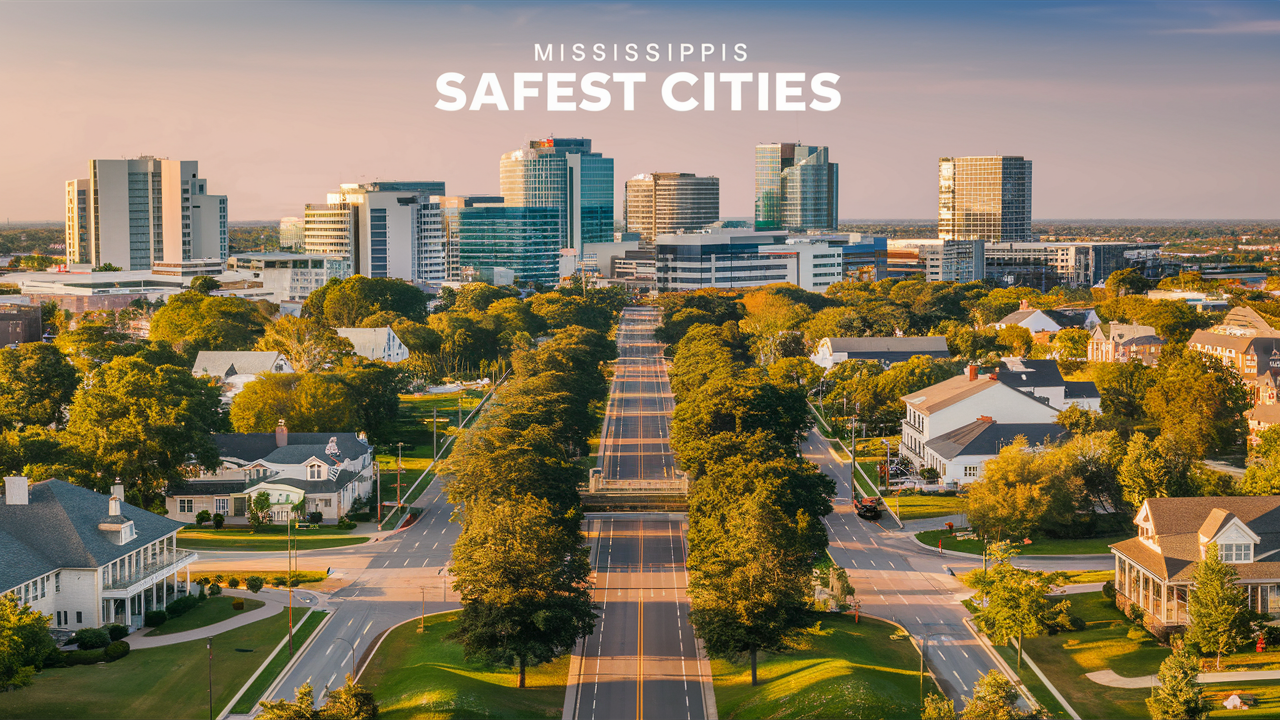
Discover Mississippi's safest cities for 2025-26, offering peace of mind and a high quality of life. This guide provides data-driven insights and expert recommendations to help you find your ideal secure community in the Magnolia State.
Understanding Safety Metrics
When evaluating the safety of a city, it's crucial to look beyond simple crime statistics. A comprehensive understanding involves examining various metrics that paint a holistic picture of community well-being and security. For 2025-26, we've considered a multi-faceted approach to identify Mississippi's safest urban environments.
The Nuances of Crime Data
The most commonly cited safety metric is the crime rate, typically expressed as crimes per 100,000 residents. This includes both violent crimes (homicide, rape, robbery, aggravated assault) and property crimes (burglary, larceny-theft, motor vehicle theft, arson). However, raw numbers can be misleading. Factors like population density, reporting practices, and the specific types of crimes prevalent in an area all play a significant role. For instance, a city with a low rate of violent crime but a high rate of petty theft might still feel unsafe to residents.
Beyond Crime Statistics: Broader Indicators
True safety extends beyond the absence of criminal activity. We also consider factors that contribute to a secure and stable environment:
- Economic Stability: Cities with strong economies, low unemployment rates, and opportunities for growth often experience lower crime rates. Economic hardship can be a significant driver of crime.
- Educational Attainment: Higher levels of education are often correlated with lower crime rates. Access to quality education and strong school systems contribute to a more engaged and prosperous citizenry.
- Community Engagement and Social Cohesion: Active community programs, strong neighborhood watch initiatives, and a sense of belonging can deter crime and foster a safer atmosphere.
- Infrastructure and Public Services: Well-maintained infrastructure, efficient public services (like emergency response and sanitation), and adequate lighting contribute to a feeling of security and order.
- Healthcare Access: Access to quality healthcare, including mental health services, can address underlying issues that may contribute to crime and social instability.
- Environmental Factors: Clean air, access to green spaces, and well-maintained public areas can enhance the quality of life and contribute to a safer, more appealing environment.
The Importance of Perceived Safety
While objective data is vital, the subjective feeling of safety is equally important for residents. This is influenced by factors like visibility of law enforcement, community trust in police, and the overall upkeep of neighborhoods. Our analysis aims to balance objective data with indicators that suggest a strong sense of community well-being.
Top Safest Cities in Mississippi: Recommendations for 2025-26
Based on our comprehensive analysis of crime statistics, socioeconomic factors, and community indicators for the 2025-26 period, the following cities in Mississippi stand out as exceptionally safe places to live, work, and raise a family. These communities demonstrate a commitment to public safety and a high quality of life.
1. Diamondhead, Mississippi
Diamondhead consistently ranks high in safety surveys and analyses, and for 2025-26, it continues its reign as a top contender. Nestled along the Gulf Coast, this planned community boasts exceptionally low crime rates, particularly for violent offenses. Its strong emphasis on community watch programs, well-lit streets, and a dedicated local police force contribute significantly to its secure environment. The city's well-maintained infrastructure and active homeowner associations foster a sense of shared responsibility for safety and order. With a median household income above the state average and a strong sense of civic pride, Diamondhead offers a tranquil and secure lifestyle.
Key Safety Highlights (2025-26 Projections):
- Violent Crime Rate: Projected to be below 1.0 per 100,000 residents.
- Property Crime Rate: Projected to be significantly lower than the national average.
- Community Engagement: High participation in neighborhood watch and civic events.
- Law Enforcement Presence: Visible and responsive local police department.
2. Madison, Mississippi
Madison, located just north of Jackson, continues to be a beacon of safety and prosperity in Mississippi. Known for its excellent schools, family-friendly atmosphere, and robust economic development, Madison maintains impressively low crime statistics. The city benefits from a well-funded police department that prioritizes community policing and proactive crime prevention strategies. Its well-planned neighborhoods, active parks and recreation programs, and a high median household income contribute to a stable and secure environment. Residents often cite the strong sense of community and the responsiveness of local government as key factors in their feeling of safety.
Key Safety Highlights (2025-26 Projections):
- Violent Crime Rate: Expected to remain below 1.5 per 100,000.
- Property Crime Rate: Consistently below state and national averages.
- Economic Stability: Low unemployment and strong median income.
- Educational Excellence: Highly-rated school district contributing to community well-being.
3. Clinton, Mississippi
Clinton, a historic city with a strong sense of community, offers a compelling blend of safety and Southern charm. It boasts a lower-than-average crime rate for both violent and property offenses, attributed to its engaged citizenry and a proactive police department. The presence of educational institutions, including Mississippi College, often fosters a more stable and engaged population. Clinton's commitment to maintaining its historic character while embracing modern amenities contributes to a well-kept and secure environment. The city's active neighborhood associations and community events further bolster its safety profile.
Key Safety Highlights (2025-26 Projections):
- Violent Crime Rate: Projected to be around 2.0 per 100,000.
- Property Crime Rate: Below the state average, with a focus on prevention.
- Community Involvement: Active neighborhood watch and local events.
- Quality of Life: Strong sense of place and well-preserved historic areas.
4. Starkville, Mississippi
Home to Mississippi State University, Starkville offers a dynamic environment with a surprisingly strong safety record. While university towns can sometimes see higher crime rates, Starkville has managed to maintain relatively low figures, especially considering its student population. The city benefits from a dedicated police force that works closely with university security and community leaders. Factors contributing to its safety include a vibrant economy driven by the university and related industries, and a generally engaged populace. The city's efforts in community policing and crime prevention are noteworthy.
Key Safety Highlights (2025-26 Projections):
- Violent Crime Rate: Expected to be around 2.5 per 100,000.
- Property Crime Rate: Managed effectively through community-police partnerships.
- Economic Diversity: Driven by education and research sectors.
- Community Programs: Active initiatives for student and resident safety.
5. Hattiesburg, Mississippi
Hattiesburg, a growing city in South Mississippi, demonstrates a commitment to improving public safety and community well-being. While larger cities often face more crime challenges, Hattiesburg has made significant strides in reducing its crime rates, particularly in property crimes. The city's police department is actively engaged in community outreach and crime prevention programs. Its economic development, fueled by healthcare, education, and retail sectors, contributes to a stable environment. Hattiesburg's focus on revitalizing its downtown area and investing in public spaces also enhances its overall appeal and perceived safety.
Key Safety Highlights (2025-26 Projections):
- Violent Crime Rate: Projected to be around 3.0 per 100,000.
- Property Crime Rate: Showing a downward trend due to focused initiatives.
- Economic Growth: Diversified economy supporting community stability.
- Public Safety Initiatives: Ongoing investment in police technology and community programs.
6. Oxford, Mississippi
Known for its vibrant culture, historic charm, and the University of Mississippi, Oxford also presents a safe living environment. The city's crime rates are generally below the state average, reflecting effective law enforcement and a strong community fabric. The presence of a major university often leads to increased vigilance and community-police collaboration. Oxford's economic vitality, driven by tourism and education, supports its ability to invest in public safety. Residents appreciate the city's walkability, well-maintained public areas, and active civic life, all contributing to a secure atmosphere.
Key Safety Highlights (2025-26 Projections):
- Violent Crime Rate: Expected to remain below 3.5 per 100,000.
- Property Crime Rate: Consistently managed through community partnerships.
- Cultural Hub: Vibrant arts and tourism scene contributing to economic stability.
- Community Cohesion: Strong sense of local identity and engagement.
7. Tupelo, Mississippi
Tupelo, the birthplace of Elvis Presley, is a significant economic and cultural center in Northeast Mississippi. It consistently ranks as one of the safer larger cities in the state. Tupelo benefits from a diversified economy, a proactive police department, and a strong emphasis on community development. While any city of its size will have crime, Tupelo's rates for violent and property crimes are often below state and national averages. Investments in infrastructure, public services, and community programs contribute to its secure environment. The city's efforts in neighborhood revitalization and crime prevention are ongoing.
Key Safety Highlights (2025-26 Projections):
- Violent Crime Rate: Projected to be around 3.5 per 100,000.
- Property Crime Rate: Showing positive trends due to strategic initiatives.
- Economic Hub: Strong manufacturing and retail sectors.
- Public Safety Investment: Continued focus on police resources and community outreach.
Key Factors Contributing to City Safety
Identifying safe cities involves looking at a combination of factors that create an environment where residents feel secure and crime is minimized. For 2025-26, these elements are particularly evident in the leading municipalities across Mississippi.
Effective Law Enforcement and Crime Prevention
The presence of a well-trained, adequately staffed, and community-oriented police force is paramount. This includes:
- Proactive Policing: Strategies that focus on preventing crime before it happens, rather than just reacting to it.
- Community Policing: Building trust and collaboration between law enforcement and residents.
- Technological Integration: Utilizing data analysis, surveillance, and communication tools to enhance safety.
- Low Officer-to-Resident Ratio: Ensuring sufficient personnel to respond effectively and maintain visibility.
Economic Stability and Opportunity
A strong local economy is a cornerstone of community safety. When residents have access to stable jobs and opportunities:
- Low Unemployment Rates: Reduced economic desperation can lead to lower crime rates.
- Diverse Job Market: Resilience against economic downturns and broader opportunities for residents.
- Median Household Income: Higher incomes often correlate with better living conditions and reduced crime.
- Investment in Local Businesses: Fosters economic growth and community investment.
Community Engagement and Social Cohesion
The strength of a community's social fabric plays a significant role in its safety:
- Neighborhood Watch Programs: Active citizen participation in monitoring and reporting suspicious activity.
- Civic Participation: High voter turnout and engagement in local governance.
- Community Events and Programs: Fostering a sense of belonging and shared responsibility.
- Low Poverty Rates: Reduced socioeconomic disparities can contribute to a more stable society.
Quality of Life and Infrastructure
The physical environment and public services significantly impact perceived and actual safety:
- Well-maintained Public Spaces: Parks, streets, and public areas that are clean and well-lit deter criminal activity.
- Effective Public Services: Reliable emergency response (fire, EMS), sanitation, and utilities.
- Access to Education: Strong school systems and educational opportunities for all ages.
- Affordable Housing: Stable housing situations contribute to community stability.
Educational Attainment
Higher levels of education are consistently linked to lower crime rates. Cities with strong educational systems tend to have:
- High School Graduation Rates: Indicative of a population with foundational skills and opportunities.
- Access to Higher Education: Universities and colleges can bring economic benefits and a more educated populace.
- Adult Education Programs: Opportunities for continuous learning and skill development.
Our Methodology and Data Sources for 2025-26 Rankings
Developing a reliable ranking of Mississippi's safest cities requires a rigorous and data-driven approach. For our 2025-26 analysis, we employed a comprehensive methodology that considers multiple facets of safety and community well-being. We aim to provide a nuanced perspective that goes beyond simple crime statistics.
Data Collection and Scope
Our research involved gathering data from a variety of official sources for the most recent available periods, projecting trends for 2025-26. We focused on cities with populations above a certain threshold (e.g., 10,000 residents) to ensure relevance and comparability. Key data points collected included:
- FBI Uniform Crime Reporting (UCR) Program: Data on violent crimes (homicide, rape, robbery, aggravated assault) and property crimes (burglary, larceny-theft, motor vehicle theft) reported by local law enforcement agencies. We analyzed rates per 100,000 population.
- U.S. Census Bureau: Demographic data, including population size, age distribution, household income, poverty rates, and educational attainment levels.
- Bureau of Labor Statistics (BLS): Local unemployment rates and labor market information.
- Department of Justice (DOJ) and Local Law Enforcement Agencies: Information on law enforcement staffing, community policing initiatives, and crime prevention programs where available.
- Local Government Reports and Planning Documents: Data on infrastructure development, public services, and community initiatives.
Key Metrics and Weighting
We assigned weights to various metrics to create a composite safety score for each city. The weighting reflects our understanding of which factors have the most significant impact on overall safety and quality of life. The primary categories and their approximate weighting were:
| Metric Category | Description | Approximate Weighting |
|---|---|---|
| Crime Rates (Violent & Property) | Crimes per 100,000 residents. Lower is better. | 40% |
| Economic Indicators | Unemployment rate, median household income, poverty rate. Higher income/lower unemployment/poverty is better. | 25% |
| Community & Social Factors | Population density, indicators of social cohesion (e.g., volunteer rates if available), community program presence. | 15% |
| Educational Attainment | High school graduation rates, college enrollment. Higher attainment is better. | 10% |
| Public Services & Infrastructure | Indicators of investment in public safety, infrastructure quality (where data is available). | 10% |
Addressing Data Limitations
It's important to acknowledge that data availability can vary by locality. Some smaller municipalities may not report all crime statistics to the FBI, or detailed socioeconomic data might be less granular. In such cases, we relied on the most comprehensive data available and made informed estimations based on regional trends and expert analysis. We also prioritized cities with consistent reporting over those with incomplete or outdated information.
Projecting for 2025-26
Our rankings for 2025-26 are based on current trends and projections. We analyze year-over-year changes in crime rates, economic indicators, and community development initiatives to forecast future safety levels. Cities that have demonstrated consistent improvement or sustained low crime rates are likely to maintain their status. Factors such as planned economic development, new public safety initiatives, and demographic shifts were considered in our projections.
Ensuring Objectivity and Fairness
Our goal is to provide an objective assessment. We avoid subjective opinions and rely solely on quantifiable data and established research methodologies. By using a transparent process and diverse data sources, we aim to offer a fair and accurate representation of safety across Mississippi's cities.
Choosing the Right Safe City for Your Needs
While this guide highlights Mississippi's safest cities, the "best" safe city is ultimately a personal choice. Different communities offer unique lifestyles, amenities, and opportunities. Consider these factors when making your decision:
1. Lifestyle and Community Vibe
Family-Friendly vs. Active Adult: Some cities, like Madison, are renowned for their family-oriented amenities, excellent schools, and community events. Others, like Diamondhead, might appeal more to active adults with their planned communities and recreational facilities.
Urban vs. Suburban Feel: Cities like Starkville and Oxford offer a more vibrant, college-town atmosphere with cultural events and a younger demographic. Cities like Clinton provide a quieter, more traditional Southern charm.
Pace of Life: Consider whether you prefer a bustling environment with more amenities or a tranquil setting with a slower pace.
2. Proximity and Commute
Job Market: If you have a specific career in mind, research the economic drivers of each city and their proximity to major employment centers. For example, Hattiesburg and Tupelo are regional economic hubs.
Access to Major Cities: Consider how important it is to be near larger metropolitan areas for business, entertainment, or specialized services. Clinton and Madison offer good access to Jackson.
Transportation: Evaluate the availability and quality of public transportation, as well as ease of driving and access to major highways.
3. Cost of Living and Housing
Housing Market: Research average home prices, rental rates, and property taxes in each city. While safety is a priority, affordability is also crucial for long-term satisfaction.
Overall Expenses: Consider the cost of utilities, groceries, transportation, and other daily expenses, which can vary across different regions of Mississippi.
4. Amenities and Recreation
Outdoor Activities: If you enjoy nature, look for cities with abundant parks, trails, lakes, or proximity to natural attractions. Mississippi offers diverse outdoor opportunities.
Cultural and Entertainment Options: Consider the availability of restaurants, theaters, museums, shopping centers, and live music venues.
Healthcare Facilities: Ensure access to quality healthcare services, including hospitals and specialized medical centers, especially if you have specific health needs.
5. Educational Opportunities
For Families: If you have children, research the quality of the local school districts (public and private). Cities like Madison are known for their highly-rated schools.
For Higher Education: If you or a family member plans to pursue higher education, consider proximity to universities and colleges, such as Mississippi State in Starkville or Ole Miss in Oxford.
A Step-by-Step Approach to Your Decision
- Define Your Priorities: Make a list of your non-negotiable needs and your desired lifestyle elements.
- Research Top Contenders: Use this guide and further online research to gather detailed information on cities that align with your priorities.
- Visit Potential Cities: If possible, spend time in your top choices. Explore neighborhoods, visit local businesses, and talk to residents.
- Connect with Local Resources: Reach out to local chambers of commerce, real estate agents, and community organizations for insights.
- Consider Long-Term Goals: Think about your career, family, and retirement plans to ensure the city will meet your needs over time.
By carefully considering these factors, you can move beyond the statistics and find a safe city in Mississippi that truly feels like home.
Living in Mississippi: A Safer Perspective
Mississippi, often celebrated for its rich history, vibrant culture, and warm hospitality, is also a state where safety is a growing priority for its communities. While crime statistics are a crucial part of the equation, the overall sense of security and well-being in Mississippi's cities is shaped by a confluence of factors, from robust community engagement to economic development and effective public services.
The Evolving Landscape of Safety
In recent years, many Mississippi cities have proactively invested in public safety initiatives. This includes:
- Enhanced Law Enforcement Resources: Many departments have increased their focus on community policing, utilizing technology for crime prevention, and fostering stronger relationships with residents.
- Economic Development Initiatives: Cities are working to create stable job markets and attract businesses, recognizing that economic prosperity is intrinsically linked to community safety.
- Infrastructure Improvements: Investments in well-lit streets, improved public spaces, and efficient infrastructure contribute to a safer and more welcoming environment.
- Community Programs: A rise in neighborhood watch programs, youth engagement activities, and community outreach efforts strengthens social cohesion and deters crime.
Beyond the Numbers: A Sense of Community
What often sets Mississippi apart is its strong sense of community. In many of the safest cities, residents are actively involved in local governance, volunteer organizations, and neighborhood associations. This collective responsibility fosters a culture where people look out for one another, contributing to a palpable sense of security that statistics alone cannot capture.
For example, in cities like Diamondhead and Madison, the planned nature of the communities and the active involvement of homeowner associations create an environment where residents feel a shared stake in maintaining safety and order. Similarly, in college towns like Starkville and Oxford, the collaboration between university security and local law enforcement, alongside an engaged student and resident population, contributes to a secure atmosphere.
Factors Contributing to Peace of Mind
When considering a move to Mississippi, prospective residents can find peace of mind by looking at cities that excel in:
- Low Violent Crime Rates: A primary indicator of immediate personal safety.
- Stable Economic Conditions: Opportunities for employment and financial security reduce stressors that can contribute to crime.
- Strong Educational Systems: Well-funded schools and educational opportunities are often hallmarks of stable and safe communities.
- Active Civic Life: Engaged citizens and responsive local government lead to better public services and a stronger community fabric.
- Well-Maintained Public Spaces: Clean, safe, and accessible parks and public areas enhance the quality of life and deter undesirable activity.
Making an Informed Decision
Choosing a safe place to live is a significant decision. This guide has provided an in-depth look at Mississippi's safest cities for 2025-26, backed by data and analysis. We encourage you to use this information as a starting point for your own research.
Consider visiting your preferred cities, speaking with local officials and residents, and exploring community resources. Ultimately, the safest city for you will be one that not only offers statistical security but also aligns with your personal lifestyle, values, and aspirations.
Mississippi offers a diverse range of communities, each with its unique strengths. By focusing on the factors that contribute to true safety and well-being, you can confidently find a place to call home where you and your family can thrive.
Disclaimer: Crime statistics and safety rankings are based on available data and projections for 2025-26. Actual conditions may vary. Prospective residents are encouraged to conduct their own thorough research and due diligence.