Nanny Cam: Ensuring Safety and Peace of Mind
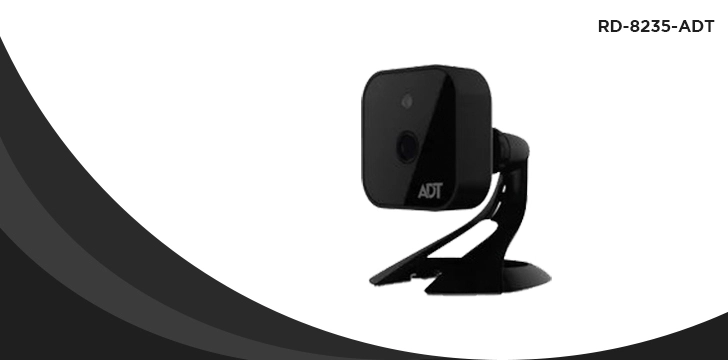
Nanny cams offer a powerful solution for parents seeking to ensure their child's safety and gain peace of mind when they can't be present. This guide explores how these discreet devices provide essential oversight, covering features, legalities, and best practices for their effective and ethical use in modern households.
What Are Nanny Cams and Why Use Them?
In today's fast-paced world, many parents juggle demanding careers, leaving them with limited time to spend with their children. This often necessitates hiring external help, such as nannies or babysitters, to care for young ones. While most childcare providers are trustworthy and dedicated, concerns about a child's well-being and safety can linger. This is where nanny cams, also known as hidden cameras or surveillance devices, emerge as a crucial tool for parents. A nanny cam is essentially a discreet recording device designed to monitor activities within a home, particularly in areas where children are present. Their primary purpose is to provide parents with an objective record of their child's care, ensuring their safety, well-being, and adherence to agreed-upon routines.
The decision to use a nanny cam is often driven by a desire for transparency and accountability. Parents want to ensure their child is being treated with kindness, attention, and proper care. In 2025, statistics from the National Association for Childcare Providers indicate that approximately 35% of parents who employ nannies or babysitters utilize some form of surveillance, a figure that has steadily increased over the past decade. This trend highlights a growing societal reliance on technology to bridge the gap between parental presence and the need for professional childcare. Beyond safety, nanny cams can also offer insights into a child's daily interactions, developmental milestones, and even help resolve disputes by providing factual evidence of events.
The benefits extend beyond just monitoring the caregiver. Nanny cams can also be invaluable in understanding a child's behavior when parents are away, identifying potential developmental issues, or simply offering a visual connection to a child throughout the day. For parents who travel frequently or work long hours, the ability to check in remotely provides immense psychological comfort. The overarching goal is not to foster an atmosphere of distrust, but rather to create a system of checks and balances that prioritizes the child's security and the parents' peace of mind. Understanding the various types of nanny cams, their features, and the associated legal and ethical implications is paramount for responsible and effective use.
Types of Nanny Cams: A Comprehensive Overview
The market for nanny cams has exploded, offering a diverse range of devices designed to blend seamlessly into any home environment. These cameras vary in form factor, functionality, and price point, catering to different needs and budgets. Understanding these distinctions is crucial for selecting the most appropriate device for your specific situation.
Disguised Nanny Cams
These are perhaps the most common type, designed to look like everyday household objects. Their stealth is their primary advantage, making them difficult to detect.
- Clock Radios/Alarm Clocks: Many digital alarm clocks now incorporate hidden cameras. They are typically placed on a nightstand or dresser, offering a good vantage point of a bedroom or play area.
- Smoke Detectors: Nanny cams disguised as smoke detectors are ideal for placement on ceilings, providing a wide field of view. They are less suspicious than other objects as they are a standard fixture in most homes.
- Power Adapters/USB Chargers: These are extremely discreet as they are often plugged into wall outlets. They can be placed in living rooms, kitchens, or offices.
- Picture Frames: A camera hidden within a seemingly innocent picture frame can monitor a shelf or desk area.
- Pens and Small Appliances: For more targeted monitoring, cameras disguised as pens or even small items like air fresheners or USB drives are available.
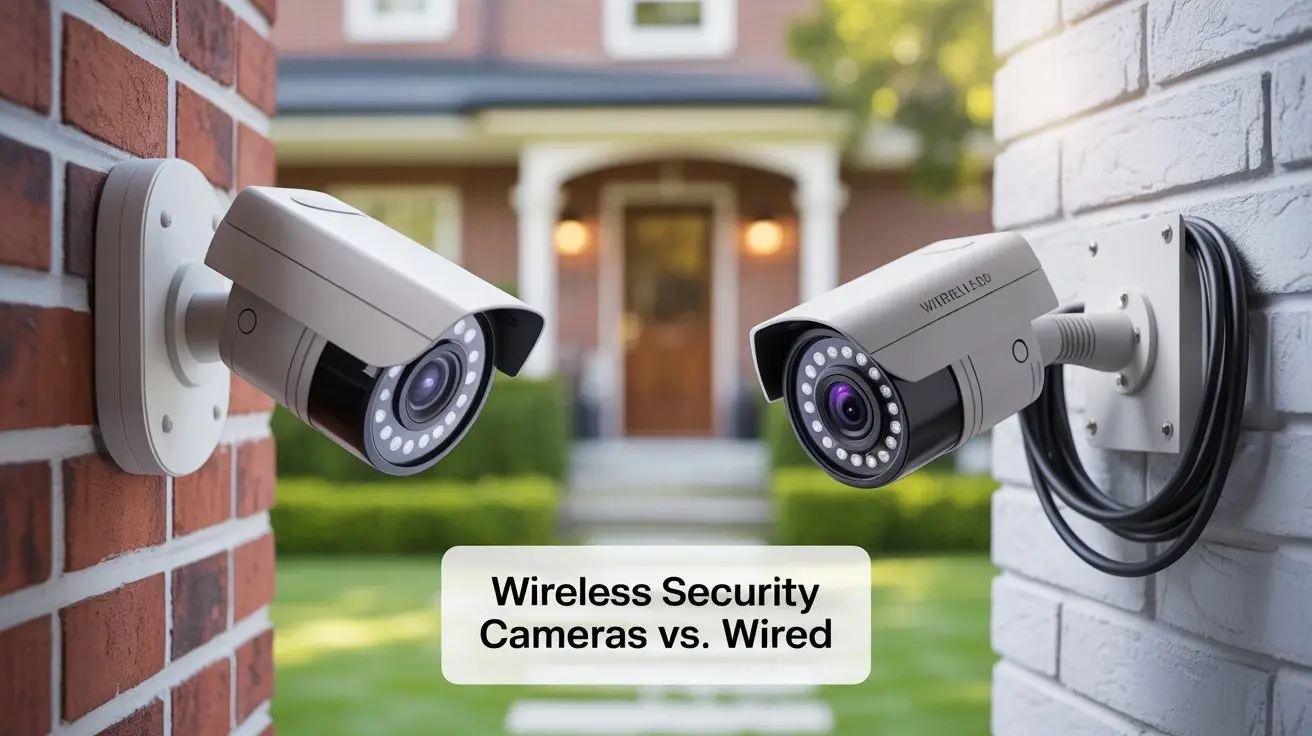
Wireless vs. Wired Nanny Cams
The choice between wireless and wired systems significantly impacts installation and functionality.
- Wireless Nanny Cams: These transmit data wirelessly (Wi-Fi or Bluetooth) to a receiver, smartphone, or cloud storage. They offer flexibility in placement and easier setup. However, they can be susceptible to signal interference and may require regular battery charging or replacement.
- Wired Nanny Cams: These connect directly to a recording device or monitor via cables. They generally offer more stable connections and can provide continuous power, but installation can be more complex, requiring cable management.
Indoor vs. Outdoor Nanny Cams
While most nanny cams are designed for indoor use, outdoor options are also available for monitoring entryways, yards, or play areas.
- Indoor Nanny Cams: These are designed for typical home environments and come in various disguised forms.
- Outdoor Nanny Cams: These are built to withstand weather conditions and often feature night vision and motion detection capabilities. They are less common for nanny surveillance but can be used to monitor external play areas.
Features and Capabilities
Beyond their physical form, nanny cams differ in their technological capabilities.
- Resolution: Higher resolutions (e.g., 1080p, 4K) provide clearer images and better detail.
- Night Vision: Infrared (IR) LEDs allow the camera to record in low-light or complete darkness.
- Motion Detection: This feature triggers recording only when movement is detected, saving storage space and battery life. Alerts can often be sent to a smartphone.
- Audio Recording: The ability to record audio is a critical feature, though it's essential to be aware of local laws regarding audio surveillance.
- Remote Viewing: Wi-Fi enabled cameras allow users to view live feeds or recorded footage from anywhere via a smartphone app or web browser.
- Storage Options: Footage can be stored on SD cards, internal memory, or cloud-based services. Cloud storage offers convenience and off-site backup but often comes with a subscription fee.
- Field of View (FOV): A wider FOV captures more of the room.
In 2025, advancements in AI are also leading to nanny cams with features like facial recognition and activity zone monitoring, allowing for more intelligent surveillance. For instance, a camera might be programmed to only alert parents when a specific individual (the nanny) enters a particular area, reducing false alarms. The sheer variety ensures that there's a nanny cam solution for almost any scenario, from monitoring a nursery to keeping an eye on a playroom or even a pet.
Key Features to Look For in a Nanny Cam
Selecting the right nanny cam involves more than just picking a device that looks inconspicuous. Several key features significantly impact its effectiveness, usability, and your overall peace of mind. Prioritizing these features based on your specific needs will ensure you invest in a solution that truly serves its purpose.
Video Quality and Resolution
The clarity of the video feed is paramount. In 2025, standard resolutions for effective nanny cams are at least 1080p (Full HD). Higher resolutions like 2K or 4K offer even greater detail, allowing you to clearly identify faces, actions, and even subtle cues. This is crucial for capturing important moments or identifying potential issues. A low-resolution camera might render faces blurry, making it difficult to discern who is interacting with your child or what specific actions are being taken.
Night Vision Capabilities
Children often sleep during the day, and nighttime care is also a concern for some parents. Nanny cams equipped with infrared (IR) night vision allow for clear recording in complete darkness without emitting any visible light. Look for cameras with a good range of night vision (e.g., 20-30 feet) and ensure the IR LEDs are not visible, as this would defeat the purpose of a hidden camera. The ability to see what's happening in a dimly lit room or a darkened nursery is indispensable.
Audio Recording Functionality
While video captures visual events, audio provides crucial context. The ability to record clear audio allows you to hear conversations, cries, laughter, and the general atmosphere of the room. However, it is absolutely critical to be aware of and comply with all local and state laws regarding audio recording. In many jurisdictions, it is illegal to record audio conversations without the consent of at least one party. Ensure your chosen camera's audio capabilities align with legal requirements.
Motion Detection and Alerts
Continuous recording can quickly fill up storage space and make reviewing footage tedious. Motion detection is a highly valuable feature that conserves storage and battery life by only recording when movement is detected. More advanced systems offer customizable motion detection zones, allowing you to ignore irrelevant movement (like pets or swaying curtains) and focus on critical areas. Instant alerts sent to your smartphone when motion is detected provide real-time awareness, enabling you to check the feed immediately.
Field of View (FOV)
The FOV determines how much of the room the camera can capture. A wider FOV (e.g., 120-150 degrees) is generally preferable as it covers a larger area, reducing blind spots. If you need to monitor a specific, small area, a narrower FOV might suffice, but for general room surveillance, a wider lens is more effective.
Connectivity and Remote Access
For maximum convenience and peace of mind, Wi-Fi enabled nanny cams with remote viewing capabilities are highly recommended. This allows you to access live video feeds, review recorded footage, and receive alerts from your smartphone, tablet, or computer, regardless of your location. Ensure the associated app is user-friendly, reliable, and offers robust security features to protect your privacy.
Storage Options
Consider how you want to store your recordings. Common options include:
- MicroSD Cards: Convenient for local storage, but capacity is limited, and cards can be lost or damaged.
- Internal Memory: Some cameras have built-in storage, but this is usually less capacious than SD cards.
- Cloud Storage: Offers off-site backup and easy access from any device. However, it typically requires a monthly subscription fee and raises concerns about data privacy.
For redundancy, a system that supports both local (SD card) and cloud storage can be ideal.
Discreet Design and Ease of Placement
The primary function of a nanny cam is to be undetected. Choose a device that blends naturally into your home's decor and can be placed strategically to provide an optimal view without being obvious. Consider the power source – battery-powered devices offer flexibility but require recharging, while plug-in devices offer continuous power but limit placement options.
Battery Life (for wireless models)
If you opt for a wireless, battery-powered nanny cam, battery life is a critical factor. Look for devices that offer extended battery life or quick charging capabilities. Some models can operate continuously when plugged in, offering the best of both worlds.
By carefully evaluating these features, you can select a nanny cam that not only meets your surveillance needs but also integrates seamlessly and ethically into your home environment.
Legal and Ethical Considerations for Nanny Cam Use
The use of nanny cams, while offering significant benefits for parental oversight, is also a complex area governed by legal statutes and ethical considerations. It is imperative for parents to understand these regulations to avoid potential legal repercussions and to ensure they are acting responsibly and respectfully towards their employees and their children.
Federal and State Laws on Surveillance
The legality of nanny cams primarily revolves around privacy laws, particularly concerning audio and video recording. While federal law generally permits video recording in private areas where there is no reasonable expectation of privacy, state laws can vary significantly.
- Video Recording: In most US states, it is legal to record video in areas of your home that are not considered private (e.g., living rooms, kitchens, playrooms). However, recording in private areas like bathrooms or bedrooms where individuals have a reasonable expectation of privacy may be illegal without consent.
- Audio Recording: This is where regulations become much stricter. Many states are "two-party consent" states, meaning it is illegal to record a conversation without the knowledge and consent of all parties involved. Other states are "one-party consent," where only one party needs to consent. It is crucial to research your specific state's laws regarding audio recording. Many nanny cams come with audio recording capabilities, but using them without understanding the law can lead to severe penalties.
Informing Your Nanny
Transparency is key. While not always legally mandated in every jurisdiction, it is considered best practice and often legally prudent to inform your nanny that they are being recorded. This can be done through a written agreement or a clear verbal disclosure. Failing to inform can lead to a breach of trust and potential legal challenges, especially if the nanny later claims they were unaware of the surveillance.
A written policy outlining the use of surveillance devices, including the types of cameras, their locations, and the purpose of recording, can prevent misunderstandings. This policy should be reviewed and signed by the nanny as part of their employment agreement. In 2025, many employment contracts now explicitly include clauses about surveillance.
Privacy Expectations
Even with consent, it's important to respect the privacy of your nanny. Avoid placing cameras in areas where your nanny would have a reasonable expectation of privacy, such as bathrooms or changing areas. The focus should always be on the safety and well-being of the child, not on intrusive surveillance of the caregiver's personal activities.
Data Security and Storage
If your nanny cam records footage, you are responsible for securing that data. Ensure your Wi-Fi network is secure, use strong passwords for your camera's app and cloud storage, and be mindful of who has access to the recordings. Regularly delete footage that is no longer needed, adhering to any data retention policies you may have established.
Ethical Considerations
Beyond legalities, consider the ethical implications of using a nanny cam. While intended for safety, constant surveillance can create an environment of distrust and anxiety for both the nanny and potentially the child. It's a tool to be used judiciously and with clear boundaries. The goal should be to ensure safety, not to micromanage or create an oppressive atmosphere.
Example Scenario: A parent in California (a two-party consent state) installs a nanny cam with audio recording in the living room without informing their nanny. The nanny later discovers the audio recording and, feeling their privacy was violated, files a lawsuit. The parent could face significant fines and legal penalties. If the parent had informed the nanny and obtained their consent, this situation would likely have been avoided.
In 2025, resources like the National Association of Nannies (NAN) and various legal aid websites provide up-to-date information on nanny cam laws. Consulting with a legal professional specializing in employment law in your state is highly recommended to ensure full compliance.
Choosing the Right Nanny Cam for Your Needs
With a plethora of nanny cam options available, selecting the perfect device can feel overwhelming. The best camera for one family might not be suitable for another. A thoughtful approach, considering your specific circumstances, priorities, and budget, will guide you to the most effective solution. Here’s a breakdown of how to make an informed decision:
Assess Your Primary Concerns
What is the main reason you are considering a nanny cam? Is it general safety monitoring, ensuring specific care routines are followed, or observing interactions with a new caregiver? Your primary concern will dictate the features you prioritize.
- General Safety: A wide-angle lens, good resolution, and motion detection are key.
- Specific Routines: Clear video and audio are essential, along with reliable recording.
- New Caregiver: Discreet design and remote viewing offer peace of mind during the initial adjustment period.
Determine Placement Strategy
Where do you intend to place the camera? This decision influences the type of disguised camera you'll need and its field of view.
- Living Room/Playroom: A smoke detector, clock, or picture frame camera can work well. A wider field of view is beneficial.
- Nursery: A discreet camera disguised as a baby monitor accessory or an object on a shelf might be suitable. Ensure it doesn't interfere with actual baby monitoring equipment.
- Kitchen/Common Areas: Power adapter cameras or small, unobtrusive devices are good choices.
Consider the power source. If placement is far from an outlet, a battery-powered or rechargeable option is necessary.
Budget Considerations
Nanny cams range from under $50 to several hundred dollars. Determine your budget upfront. While expensive models often offer advanced features, many affordable options provide excellent core functionality.
- Budget-Friendly (<$100): Basic models with decent resolution, motion detection, and SD card storage.
- Mid-Range ($100-$250): Enhanced features like better night vision, wider FOV, Wi-Fi connectivity, and sometimes cloud storage options.
- Premium (>$250): High-resolution (4K), advanced AI features, longer battery life, and more robust cloud integration.
Remember to factor in potential subscription costs for cloud storage.
Feature Prioritization
Revisit the key features discussed earlier and rank them based on your needs:
- Must-Have: Essential features like clear video, audio (if legally permissible and desired), and reliable recording.
- Highly Desirable: Features that significantly enhance usability, such as motion detection, night vision, and remote viewing.
- Nice-to-Have: Advanced features that offer added convenience but aren't critical, like AI analytics or longer battery life.
Ease of Use and Setup
Consider your technical proficiency. Some nanny cams are plug-and-play, while others require more complex setup involving app downloads, Wi-Fi configuration, and firmware updates. If you're not tech-savvy, opt for user-friendly models with clear instructions and good customer support.
Brand Reputation and Reviews
Research brands and read customer reviews. Look for reputable manufacturers known for quality and reliability. Pay attention to reviews that discuss ease of setup, video quality, battery life, and customer service experiences. Websites like Consumer Reports and tech review sites often provide objective assessments.
Legal Compliance Check
Before purchasing, double-check that the camera's features (especially audio recording) comply with your local and state laws. If in doubt, choose a model that allows you to disable audio recording or consult with a legal professional.
Example Scenario: A family in a small apartment needs to monitor a playroom and nursery. They have a moderate budget and prioritize discreetness and remote viewing. They might opt for a Wi-Fi enabled clock radio camera for the living area and a small, disguised USB charger camera for the nursery, ensuring both have clear 1080p video and motion alerts sent to their phones.
By systematically evaluating these factors, you can narrow down your choices and confidently select a nanny cam that provides the security and peace of mind you seek.
Installation and Setup: A Step-by-Step Guide
Proper installation and setup are crucial for ensuring your nanny cam functions correctly and remains discreet. While specific steps may vary depending on the model, this guide outlines a general process. Always refer to your camera's user manual for detailed instructions.
Step 1: Unboxing and Initial Inspection
Carefully unbox your nanny cam and all its accessories. Check for any physical damage. Familiarize yourself with the components, including the camera itself, power adapter, mounting hardware (if applicable), and any included cables or SD cards.
Step 2: Charging or Connecting Power
- Battery-Powered Cameras: If your camera is battery-powered, ensure the battery is fully charged before proceeding. This might involve plugging it into a wall charger or a USB port for several hours.
- Plug-in Cameras: Connect the camera to its power adapter and plug it into a wall outlet. Choose an outlet that is not easily visible and allows for discreet cable management.
Step 3: Inserting Storage Media (if applicable)
If your camera uses a MicroSD card for storage, insert it into the designated slot. Ensure the card is formatted correctly (usually FAT32) according to the camera's instructions. Some cameras may require formatting via their app or software.
Step 4: Connecting to Your Network (for Wi-Fi Cameras)
This is often the most technical step. For Wi-Fi enabled cameras:
- Download the App: Search for the camera manufacturer's app in your smartphone's app store (iOS or Android) and install it.
- Create an Account: Open the app and create a user account. This is usually required for remote access and management.
- Add Device: Follow the app's prompts to add a new device. This typically involves selecting your camera model.
- Connect to Wi-Fi: The app will guide you through connecting the camera to your home Wi-Fi network. This often involves scanning a QR code displayed on your phone with the camera, or manually entering your Wi-Fi network name (SSID) and password. Ensure you are connecting to a 2.4GHz network, as many smart devices do not support 5GHz.
- Firmware Update: Once connected, the app may prompt you to update the camera's firmware. It's crucial to perform these updates for security and performance improvements.
Step 5: Configuring Camera Settings
Once the camera is connected and operational, use the app to configure its settings:
- Video Resolution: Select the desired video quality (e.g., 1080p).
- Motion Detection: Enable and adjust motion sensitivity. Set up motion zones if available to focus on specific areas.
- Alerts: Configure push notifications to your smartphone when motion is detected.
- Audio: If your camera has audio capabilities, decide whether to enable it, ensuring compliance with local laws.
- Recording Schedule: Set up continuous recording or schedule recordings based on specific times or events.
- Night Vision: Ensure night vision is set to automatic or manual, depending on your needs.
Step 6: Strategic Placement
This is where discretion is key. Consider the following:
- Height and Angle: Place the camera at a height that provides a good view of the area without being easily noticeable. Aim for an angle that captures the main activity zones.
- Disguise: Ensure the camera is integrated naturally into its surroundings. For disguised cameras, check that no wires or unusual features are visible.
- Field of View: Test the camera's field of view to ensure it covers the intended area without significant blind spots.
- Power Source: Ensure the power cord is hidden or neatly managed. If battery-powered, ensure it's placed where it won't be easily bumped or discovered.
- Avoid Direct Light: Position the camera so it's not directly facing windows or bright lights, which can wash out the image.
Step 7: Testing and Monitoring
After placement, perform thorough testing:
- Live View: Check the live feed from your smartphone to confirm the camera is positioned correctly and the view is clear.
- Motion Detection: Walk through the monitored area to trigger motion detection and ensure you receive alerts promptly.
- Recording Playback: Review recorded footage to verify video and audio quality, and check if recordings are being saved as expected.
- Night Vision Test: Test the camera's performance in low-light conditions.
Step 8: Informing Your Nanny (Crucial Step)
As discussed in the legal section, it is vital to inform your nanny about the presence of the nanny cam. This can be done verbally and reinforced with a written policy signed by both parties. Be open and honest about the purpose of the camera – to ensure child safety and provide peace of mind.
Example Scenario: A parent installs a nanny cam disguised as a smoke detector. They first charge the device, insert a 64GB MicroSD card, download the manufacturer's app, and connect it to their home Wi-Fi. They then adjust the motion detection sensitivity and set up push notifications. Finally, they mount the camera on the ceiling in the main play area, ensuring the wiring is concealed within the ceiling space, and then inform their nanny about the camera's presence.
By following these steps, you can ensure your nanny cam is set up correctly, functions reliably, and contributes to a safe and secure environment for your child.
Best Practices for Nanny Cam Usage
Using a nanny cam effectively and ethically goes beyond just installation. Implementing best practices ensures you maximize the benefits while minimizing potential downsides. These practices focus on transparency, responsible monitoring, and maintaining a healthy relationship with your caregiver.
Prioritize Transparency and Communication
This cannot be stressed enough. Always inform your nanny that they are being recorded. This fosters trust and avoids legal complications. Discuss the camera's purpose – child safety and well-being – and its limitations. A clear, written policy that both parties sign is the most professional approach.
Example: "We are installing a camera in the living room to ensure [Child's Name]'s safety when we are not present. This camera will record video and audio, and we want to be transparent with you about its presence and purpose."
Focus on Child Safety, Not Micromanagement
The primary goal of a nanny cam is to ensure your child's safety and proper care. Avoid using the camera to micromanage your nanny's every move, scrutinize their breaks, or monitor their personal phone calls. This creates a hostile work environment and erodes trust.
Respect Privacy Boundaries
Only place cameras in areas where there is no reasonable expectation of privacy for the nanny. This means avoiding bathrooms, bedrooms (unless specifically for child observation and with explicit consent), and changing areas. Ensure the camera's field of view is focused on the child's activities and common areas, not private spaces.
Regularly Review Footage
Don't just set it and forget it. Periodically review the recorded footage. This allows you to:
- Confirm that your child is being cared for appropriately.
- Identify any potential issues or concerns early on.
- Gain insights into your child's behavior and development.
- Ensure the camera is functioning correctly.
In 2025, many apps allow for quick review of motion-triggered events, making this process more efficient.
Secure Your Recordings
Protect the privacy of the recordings. Ensure your Wi-Fi network is secure with a strong password. Use strong, unique passwords for your camera's app and any cloud storage accounts. Limit access to the footage to authorized individuals only. Regularly delete footage that is no longer needed.
Maintain and Update Your Equipment
Periodically check your nanny cam's functionality. Ensure batteries are charged (if applicable), connections are secure, and firmware is up-to-date. Outdated firmware can pose security risks.
Use Audio Responsibly and Legally
As emphasized before, be acutely aware of your local laws regarding audio recording. If audio recording is illegal in your state without consent, disable this feature. Even if legal, consider whether it's truly necessary and whether it contributes to a respectful environment.
Be Prepared to Discuss Findings
If you observe something concerning, approach the situation calmly and professionally. Use the footage as a basis for a constructive conversation with your nanny, rather than an accusatory one. The goal is to resolve issues and improve care, not to punish.
Consider Alternatives and Supplements
A nanny cam is a tool, not a complete solution. It should supplement, not replace, other essential aspects of childcare management, such as:
- Thorough vetting and background checks of caregivers.
- Clear communication of expectations and routines.
- Building a relationship of mutual respect with your nanny.
- Regular check-ins and feedback.
Know When to Discontinue Use
Once you have established a strong, trusting relationship with a reliable caregiver, you may find that the nanny cam is no longer necessary. Consider discontinuing its use or moving it to a less prominent location if it no longer serves a critical purpose, to foster a more relaxed environment.
By adhering to these best practices, you can leverage the benefits of nanny cams to enhance your child's safety and your own peace of mind, while also maintaining a positive and professional relationship with your childcare provider.
Troubleshooting and Maintenance Tips
Even the most advanced technology can encounter issues. Proactive maintenance and knowing how to troubleshoot common problems will ensure your nanny cam continues to function reliably. Here are some tips to keep your device in optimal working order:
Common Troubleshooting Scenarios
No Video Feed / Camera Offline
- Check Power: Ensure the camera is plugged in and receiving power, or that the battery is charged.
- Check Wi-Fi: Verify that your home Wi-Fi network is working. Try rebooting your router and modem.
- Restart Camera: Turn the camera off and then back on.
- Re-pair Device: If using a Wi-Fi camera, you may need to remove and re-add the device in the app.
- Signal Strength: If the camera is far from the router, the Wi-Fi signal might be weak. Consider a Wi-Fi extender or moving the router closer.
Poor Video Quality (Blurry, Pixelated)
- Clean Lens: Gently clean the camera lens with a soft, lint-free cloth.
- Lighting: Ensure adequate lighting in the area. If using night vision, check if it's activating correctly.
- Resolution Settings: Confirm that the camera is set to the desired resolution in the app.
- Network Bandwidth: For Wi-Fi cameras, a slow internet connection can impact video quality.
Motion Detection Not Working / False Alarms
- Adjust Sensitivity: Lower the motion detection sensitivity if you're getting too many false alarms. Increase it if it's not detecting movement.
- Motion Zones: If your camera supports motion zones, ensure they are configured correctly to focus on important areas and exclude irrelevant ones (e.g., pets, curtains).
- Obstructions: Check for any objects that might be blocking the camera's view of movement.
Audio Issues (No Sound, Poor Quality)
- Enable Audio: Ensure the audio recording feature is enabled in the camera's settings and that it complies with local laws.
- Check Microphone: Ensure the microphone opening on the camera is not blocked.
- Restart Camera: Sometimes a simple restart can resolve audio glitches.
- App Settings: Verify audio settings within the associated app.
SD Card Not Recognized / Recording Errors
- Format Card: Ensure the SD card is formatted correctly (usually FAT32). Use the camera's app or software to format it if possible.
- Compatible Card: Verify that the SD card is compatible with your camera model and class (e.g., Class 10 or higher).
- Card Capacity: Ensure the card is not full and that the camera supports its capacity.
- Replace Card: SD cards can wear out over time; try a different card.
Regular Maintenance Tips
Keep Firmware Updated
Manufacturers regularly release firmware updates to improve performance, add features, and patch security vulnerabilities. Check the camera's app or manufacturer's website periodically for updates and install them promptly.
Clean the Lens
Dust, fingerprints, and smudges on the camera lens can significantly degrade video quality. Gently clean the lens with a soft, microfiber cloth at least once a month, or more often if needed.
Check Power Connections
Ensure all power cables are securely connected. For plug-in cameras, periodically check that the adapter is firmly seated in the outlet and the camera.
Monitor Storage Space
If using local storage (SD card), monitor the available space. Set up the camera to overwrite old footage automatically or manually clear the card when it gets full. For cloud storage, ensure your subscription is active and that you have enough storage allocated.
Review Security Settings
Periodically review your Wi-Fi password and the passwords for your camera's app and cloud storage. Change them if you suspect any security breaches or if you haven't updated them in a while.
Test Functionality Regularly
Don't wait for a problem to arise. Once a month, perform a quick test of the camera's core functions: check the live feed, trigger motion detection, and review a short recording. This helps catch issues early.
Consult the User Manual and Support
Your camera's user manual is your best resource for specific troubleshooting steps and maintenance advice. If you encounter persistent issues, contact the manufacturer's customer support for assistance.
By incorporating these troubleshooting and maintenance practices, you can ensure your nanny cam remains a reliable tool for monitoring your child's safety and providing you with peace of mind.
The Future of Nanny Cam Technology
The evolution of nanny cam technology is rapid, driven by advancements in artificial intelligence, miniaturization, and connectivity. As we look towards 2025 and beyond, several trends are poised to shape the future of these surveillance devices, making them more intelligent, integrated, and user-friendly, while also presenting new ethical considerations.
AI-Powered Analytics and Smart Alerts
The biggest leap forward will undoubtedly be in artificial intelligence. Future nanny cams will move beyond simple motion detection to sophisticated event recognition. Imagine cameras that can:
- Differentiate between people and pets: Reducing false alarms and focusing alerts on relevant human activity.
- Recognize specific individuals: Alerting parents only when an unauthorized person enters a restricted area, or confirming the nanny's presence.
- Analyze behavior: Detecting unusual patterns like excessive crying, falls, or aggressive interactions, and sending proactive alerts.
- Voice and sound recognition: Identifying specific sounds like a baby crying for food versus a cry of distress, or recognizing keywords in conversations (with appropriate legal compliance).
These AI capabilities will transform nanny cams from passive recorders into active safety assistants.
Enhanced Integration with Smart Home Ecosystems
Nanny cams will become more deeply integrated into broader smart home ecosystems. This means seamless compatibility with platforms like Google Home, Amazon Alexa, and Apple HomeKit. Users will be able to control cameras, view feeds, and receive alerts through their existing smart home hubs and voice assistants. This integration will also enable more complex automations, such as turning on lights when motion is detected in a nursery at night.
Improved Wireless Connectivity and Power Solutions
Expect continued improvements in wireless technology, offering more stable connections and faster data transfer speeds, even in challenging environments. Furthermore, advancements in battery technology and energy harvesting could lead to nanny cams with significantly longer battery life or even self-sustaining power solutions, reducing the need for frequent charging or complex wiring.
Miniaturization and More Discreet Designs
As technology shrinks, nanny cams will become even smaller and more integrated into everyday objects. We may see cameras embedded in smart home sensors, decorative items, or even clothing, making them virtually undetectable. This will raise new challenges in terms of transparency and ethical use.
Cloud Computing and Edge AI
While cloud processing will continue to be important for data storage and complex AI analysis, there will be a growing trend towards "edge AI." This means that some AI processing will occur directly on the camera device itself. Edge AI offers several advantages: reduced latency for faster alerts, enhanced privacy as less raw data is sent to the cloud, and continued functionality even if the internet connection is temporarily lost.
Augmented Reality (AR) Integration
While still in its nascent stages for consumer surveillance, AR could eventually play a role. Imagine viewing a live feed through your smartphone and seeing AR overlays that highlight detected motion zones, identify individuals, or even provide contextual information about events. This could offer a more intuitive way to interact with surveillance data.
Increased Focus on Privacy and Security
As surveillance technology becomes more powerful, so too will the demand for robust privacy and security measures. Future nanny cams will likely feature enhanced end-to-end encryption, more transparent data handling policies, and advanced cybersecurity features to protect against hacking and unauthorized access. Regulations surrounding data privacy will also likely become more stringent.
Example of Future Use: A parent leaves their child with a new nanny. The nanny cam, equipped with AI, detects the nanny entering the child's room. It then analyzes the interaction, noting the nanny's tone of voice and the child's response. If the AI detects signs of distress or neglect, it sends an immediate, detailed alert to the parent's phone, including a short video clip of the flagged event. The parent can then decide whether to remotely check in or contact the nanny directly.
The future of nanny cam technology promises greater intelligence and convenience, but it also underscores the importance of ethical considerations and robust legal frameworks to ensure these powerful tools are used responsibly for the ultimate benefit of child safety and parental peace of mind.
In conclusion, nanny cams represent a significant advancement in home security and childcare oversight. By understanding the diverse types of devices, prioritizing essential features, adhering to legal and ethical guidelines, and implementing best practices for installation and usage, parents can leverage this technology to ensure their child's safety and well-being. The continuous evolution of nanny cam technology, particularly with AI integration, promises even more sophisticated solutions in the future. Ultimately, a nanny cam is a tool that, when used thoughtfully and responsibly, can provide invaluable peace of mind in the demanding journey of modern parenting.