An Honest Review of ADT Home Security
Considering ADT for your home security needs? This honest review dives deep into ADT's services, costs, pros, and cons, equipping you with the facts to make an informed decision in 2025-26. We explore whether ADT truly offers the peace of mind it promises.
Introduction to ADT Home Security
In the ever-evolving landscape of home protection, ADT stands as a titan, a name synonymous with security for decades. But in 2025-26, with a plethora of smart home devices and DIY security options flooding the market, is ADT still the gold standard? This comprehensive review aims to provide an unbiased, honest assessment of ADT Home Security. We'll dissect their offerings, from installation and monitoring to pricing and customer service, helping you determine if their established reputation translates into superior value and peace of mind for your specific needs. We understand you're looking for a detailed breakdown, not just marketing fluff, and that's precisely what this review delivers.
ADT's Core Services and Technology
ADT offers a robust suite of services designed to cover various aspects of home security. Their strength lies in their integrated approach, combining hardware, professional installation, and 24/7 professional monitoring. While they offer a range of packages, the core components typically revolve around intrusion detection, environmental hazard monitoring, and smart home integration.
Intrusion Detection Systems
At the heart of any ADT system are the sensors that detect unauthorized entry. These include:
- Door and Window Sensors: These magnetic contact sensors trigger an alarm when a door or window is opened.
- Motion Detectors: Placed strategically within the home, these sensors detect movement, often using passive infrared (PIR) technology. Advanced models may include pet immunity to prevent false alarms.
- Glass Break Sensors: These listen for the specific frequency of breaking glass, providing an additional layer of protection for windows.
Environmental Hazard Monitoring
Beyond intrusion, ADT systems can also monitor for common household dangers:
- Smoke and Carbon Monoxide Detectors: Integrated detectors that alert both homeowners and ADT monitoring centers to fire or dangerous CO levels.
- Water Leak Sensors: Placed near water heaters, washing machines, or in basements, these can detect early signs of leaks, preventing significant water damage.
- Freeze Sensors: Useful in colder climates, these can alert homeowners to dangerously low temperatures that could lead to burst pipes.
Smart Home Integration and Control
ADT has significantly embraced smart home technology, allowing for a more connected and convenient security experience. Their systems can integrate with:
- Smart Thermostats: Control your home's temperature remotely and potentially save on energy costs.
- Smart Lighting: Schedule lights to turn on and off to simulate occupancy, deterring potential intruders.
- Smart Locks: Remotely lock or unlock your doors, grant temporary access to guests, and receive notifications when doors are opened or closed.
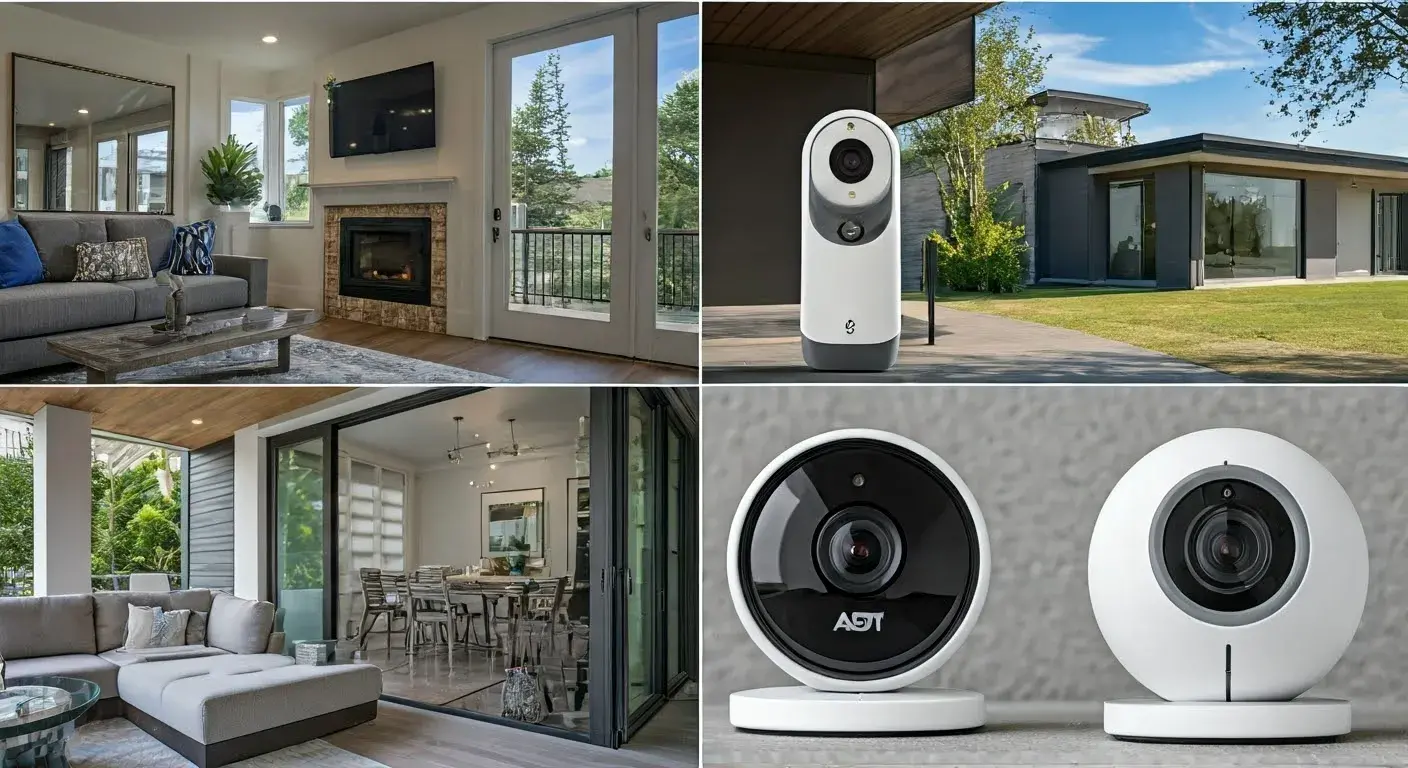
- Video Doorbells and Security Cameras: Monitor your property in real-time, receive alerts for motion detection, and communicate with visitors from anywhere via a smartphone app. ADT offers its own line of cameras and integrates with some third-party options.
The ADT Control app (or ADT+ app for newer systems) is the central hub for managing these devices. Users can arm/disarm their system, view camera feeds, receive notifications, and control connected smart home devices from their smartphones or tablets. This level of control is a significant draw for many homeowners seeking a modern security solution.
The ADT Command and Control Panel
The physical interface for most ADT systems is the Command or Control panel. These touchscreen panels serve as the central brain of the security system. They allow users to arm and disarm the system, view event history, check sensor status, and often control integrated smart home devices. The interface is generally user-friendly, designed for quick access to essential functions. For 2025-26, ADT is increasingly focusing on wireless, Wi-Fi-enabled panels that offer more flexibility in placement and easier integration with other smart home ecosystems.
The ADT Installation Experience
One of ADT's defining features is its reliance on professional installation. Unlike many DIY systems, ADT technicians handle the entire setup process, from equipment placement to system activation and customer training. This can be a significant advantage for those who prefer not to deal with technical setup or want to ensure their system is installed optimally.
What to Expect During Installation
The installation process typically involves the following steps:
- Pre-Installation Consultation: Before the technician arrives, you might have a consultation (in-person or virtual) to discuss your security needs and desired equipment placement.
- Equipment Placement: The technician will work with you to determine the best locations for sensors, cameras, the control panel, and any other devices. They will ensure optimal coverage and functionality.
- Wiring and Mounting: For wired components, the technician will run wires discreetly. For wireless devices, they will mount sensors and detectors securely.
- System Configuration: The technician will connect the system to your home's Wi-Fi network (if applicable) and configure all sensors and devices.
- Testing: A thorough test of all components will be conducted to ensure they are working correctly and communicating with the ADT monitoring center.
- Customer Training: The technician will walk you through how to use the system, including arming/disarming, understanding alerts, and using the mobile app. They will answer any questions you may have.
Pros and Cons of Professional Installation
Pros:
- Expertise: Technicians are trained to install systems correctly, ensuring optimal performance and minimizing the risk of errors.
- Convenience: You don't have to worry about the technical aspects of setup.
- System Optimization: Professionals can advise on the best placement of sensors for maximum coverage and effectiveness.
- Warranty Assurance: Professional installation often ensures that your equipment warranty remains valid.
Cons:
- Cost: Professional installation typically incurs an upfront fee, which can range from a few hundred dollars depending on the system complexity.
- Scheduling: You need to schedule an appointment and be present for the installation, which might require taking time off work.
- Less Flexibility: If you decide later to move a sensor or add a new one, you might need to schedule another service call and potentially pay additional fees.
In 2025-26, ADT is also exploring hybrid models, where some simpler installations might be partially DIY-assisted, but the core, complex systems still rely on professional hands. It's crucial to clarify the installation process and associated costs during your sales consultation.
Understanding ADT's 24/7 Monitoring
The cornerstone of ADT's value proposition is its 24/7 professional monitoring. When an alarm is triggered, it's not just a siren that sounds; it's a signal sent to one of ADT's dedicated monitoring centers, staffed by trained professionals who are ready to respond around the clock.
How ADT Monitoring Works
When a sensor is tripped (e.g., a door opens unexpectedly, motion is detected, or a smoke alarm sounds), the ADT system sends an alert to the nearest ADT monitoring center. The monitoring center operator will then:
- Verify the Alarm: The operator will attempt to contact you via phone to verify if the alarm is a false alarm or a genuine emergency. This often involves a pre-determined security password or passphrase.
- Dispatch Emergency Services: If they cannot reach you, or if you confirm an emergency, the operator will dispatch the appropriate authorities – police, fire department, or medical services – to your home.
- Provide Information: The operator will relay crucial information to the dispatched services, such as the type of alarm, the location within the home, and any known details about the situation.
Monitoring Center Capabilities (2025-26)
ADT operates multiple monitoring centers across the country, designed with redundancy and advanced technology to ensure continuous operation. Key features include:
- Redundant Power and Communications: Ensuring that operations continue even during power outages or network disruptions.
- Highly Trained Operators: Staff are trained in emergency protocols, de-escalation techniques, and specific response procedures for various types of emergencies.
- Integration with Smart Home Devices: In cases of detected video, operators may be able to view camera feeds to help assess the situation before dispatching, leading to more informed responses. This capability is growing significantly in 2025-26.
- Cellular Backup: Most ADT systems include cellular backup, meaning that even if your home internet or landline is cut, the alarm signal can still reach the monitoring center. This is a critical feature for reliable security.
The Importance of Professional Monitoring
While DIY systems can send alerts to your phone, professional monitoring offers a crucial advantage: a human being is actively managing the emergency response. This is particularly valuable when:
- You are away from home: You might not see or hear a notification immediately.
- You are incapacitated: In a medical emergency or during a home invasion, you may be unable to respond to alerts.
- You are unsure of the situation: A professional can help you assess the risk and decide on the best course of action.
The peace of mind that comes from knowing trained professionals are watching over your home 24/7 is a primary reason many consumers opt for services like ADT. However, it's also the most significant recurring cost associated with their systems.
ADT Pricing, Contracts, and Fees (2025-26)
Understanding ADT's pricing structure is crucial, as it often involves more than just the monthly monitoring fee. ADT typically operates on a contract basis, and the total cost can vary significantly based on the equipment chosen, installation fees, and the specific monitoring plan selected.
Typical Cost Breakdown
1. Equipment Costs: While ADT offers financing options for equipment, the initial purchase price can be substantial if you opt for a comprehensive package. Basic kits might start in the hundreds, while advanced systems with multiple cameras and smart home integrations can cost upwards of $1,000-$2,000 or more.
2. Installation Fees: As mentioned, professional installation comes with a fee. This can range from $100 to $500 or more, depending on the complexity of the installation and any promotional offers.
3. Monthly Monitoring Fees: This is the recurring cost for the 24/7 professional monitoring service. These fees typically range from $30 to $60 per month, depending on the package and features. Higher tiers often include video monitoring, smart home integration, and enhanced customer support.
4. Contract Length: ADT traditionally requires customers to sign a contract, often for 2-3 years. Early termination fees can be significant if you break the contract. In 2025-26, while contracts are still prevalent, ADT is offering some more flexible month-to-month options in certain markets or for specific packages, though these usually come at a higher upfront equipment cost.
Example Pricing Scenarios (Illustrative for 2025-26)
To give you a clearer picture, here are a couple of hypothetical scenarios:
Scenario A: Basic Security Package
- Equipment: 1 Control Panel, 2 Door/Window Sensors, 1 Motion Detector
- Installation Fee: $299 (with a promotional discount)
- Monthly Monitoring: $39.99 (standard intrusion monitoring)
- Contract: 36 months
- Estimated Total Cost (First Year): $1,000 - $1,200 (including installation and 12 months of monitoring)
Scenario B: Smart Home Security Package
- Equipment: 1 Command Panel, 3 Door/Window Sensors, 1 Motion Detector, 1 Video Doorbell, 2 Indoor Cameras
- Installation Fee: $499
- Monthly Monitoring: $59.99 (includes video monitoring and smart home integration)
- Contract: 36 months
- Estimated Total Cost (First Year): $2,000 - $2,500 (including installation and 12 months of monitoring)
Note: These are illustrative examples. Actual pricing will vary based on location, specific promotions, and chosen equipment. It is essential to get a personalized quote from ADT.
Understanding Contracts and Fees
Early Termination Fees (ETFs): If you cancel your contract before its term ends, ADT may charge an ETF. This is often a percentage of the remaining contract value. Always read the contract carefully to understand these terms.
Moving Policy: ADT typically has a policy for customers who move. You may be able to transfer your service to a new home, often with a new installation fee and potentially a new contract term. If you move and don't transfer service, you may still be subject to ETFs.
Promotions: ADT frequently offers promotions, such as free equipment or discounted installation, especially when bundling with other services or signing longer contracts. These can significantly reduce the upfront cost but should be weighed against the long-term commitment.
For 2025-26, the trend is towards more transparent pricing, but the core model of equipment purchase/financing, installation fees, and monthly monitoring under contract remains dominant. Always ask for a detailed breakdown of all costs involved.
ADT vs. The Competition: A Comparative Look
ADT operates in a highly competitive market. Understanding how it stacks up against other major players is crucial for making an informed choice. Competitors generally fall into two categories: traditional security companies with professional installation and monitoring, and DIY smart home security providers.
ADT vs. Other Traditional Providers (e.g., Vivint, Brinks Home)
These companies offer a similar service model to ADT, emphasizing professional installation and 24/7 monitoring. Key differences often lie in:
- Equipment Design and Technology: Vivint, for instance, is often praised for its sleek, modern equipment and user-friendly interface, sometimes perceived as more advanced than ADT's older offerings. However, ADT has been rapidly upgrading its Command and Control platforms.
- Pricing and Contracts: Pricing structures can vary. Some competitors might offer slightly lower monthly fees or more flexible contract terms. Vivint, for example, often bundles equipment costs into the monthly fee, making upfront costs lower but potentially increasing the overall cost over time.
- Customer Service Reputation: While ADT has a vast customer base, its sheer size can sometimes lead to longer wait times or less personalized service compared to smaller competitors. Customer service experiences can be subjective and vary by region.
- Smart Home Integration: Competitors like Vivint have heavily invested in their own smart home ecosystems. ADT has been catching up, integrating with popular third-party devices and offering its own smart home solutions.
ADT vs. DIY Smart Home Security (e.g., SimpliSafe, Ring Alarm, Abode)
This is where the contrast is most stark. DIY systems offer:
- Lower Upfront Costs: Equipment is typically purchased outright, often with no installation fees.
- No Long-Term Contracts: Most DIY systems offer month-to-month monitoring or even self-monitoring options (receiving alerts on your phone without professional dispatch).
- Flexibility: Easy to install, move, and expand. You can add sensors as needed without scheduling a technician.
- Potential for Lower Monthly Fees: Professional monitoring plans for DIY systems are often significantly cheaper than those from traditional providers, sometimes as low as $10-$20 per month.
However, DIY systems come with their own trade-offs:
- Requires User Setup: You are responsible for installation and troubleshooting.
- Reliance on Home Wi-Fi: While some offer cellular backup, the primary connection is often Wi-Fi, which can be less reliable than a dedicated cellular connection.
- No Professional Installation Guarantee: While generally straightforward, improper installation could lead to system failures.
- Less Comprehensive Support: While customer support is available, it's not the same as having a dedicated professional monitor your system in real-time.
Comparison Table (Illustrative for 2025-26)
| Feature | ADT | Vivint | SimpliSafe (DIY) |
|---|---|---|---|
| Installation | Professional (Required) | Professional (Required) | DIY (Self-install) |
| Monitoring | 24/7 Professional | 24/7 Professional | Optional 24/7 Professional ($15-$25/mo) or Self-Monitoring |
| Contracts | Typically 2-3 years | Typically 4-5 years (equipment financed) | No contract required for monitoring |
| Upfront Costs | Moderate to High (Equipment + Installation) | Low to Moderate (Equipment often financed into monthly cost) | Low (Equipment purchase) |
| Smart Home Integration | Good, improving integration with popular brands | Excellent, proprietary ecosystem | Good, supports Alexa, Google Assistant, Z-Wave, Zigbee |
Ultimately, the choice between ADT and its competitors depends on your priorities. If you value the highest level of professional oversight, don't mind a contract, and want a system managed by experts, ADT or Vivint might be suitable. If you're tech-savvy, budget-conscious, and prefer flexibility, a DIY system like SimpliSafe or Ring Alarm could be a better fit. For more insights into specific competitors, you can explore our detailed comparison of home security providers.
The Good, The Bad, and The Honest: ADT's Pros and Cons
Every security system has its strengths and weaknesses. After reviewing ADT's services, technology, and pricing, here's a balanced look at what makes ADT a compelling choice for some, and a less ideal option for others.
The Pros of Choosing ADT
- Established Reputation and Reliability: ADT has been in the security business for over a century. This long history translates into a deep understanding of security needs and a proven track record of reliability. Their infrastructure is robust, and their monitoring centers are designed for resilience.
- 24/7 Professional Monitoring: This is ADT's strongest selling point. Having trained professionals ready to respond to emergencies at any hour provides a significant level of security and peace of mind that self-monitoring cannot match.
- Professional Installation: For those who want their system set up correctly without the hassle, ADT's professional installation ensures optimal placement and functionality. It removes the guesswork and potential for user error.
- Comprehensive Security Solutions: ADT offers a wide range of sensors and devices, covering not just intrusion but also environmental hazards like fire, CO, and water leaks. Their integration with smart home technology is also expanding, offering convenience and enhanced control.
- Cellular Backup: ADT systems typically include cellular backup, ensuring that your alarm signal can still reach the monitoring center even if your home internet or landline is down. This is a critical component of a reliable security system.
- Broad Coverage: With a vast network of technicians and monitoring centers, ADT services are available in most parts of the United States.
The Cons of Choosing ADT
- High Upfront Costs: The combination of equipment purchase/financing and professional installation fees can make the initial investment substantial.
- Long-Term Contracts: ADT's reliance on multi-year contracts can be a deterrent for consumers who prefer flexibility or are unsure about their long-term needs. Early termination fees can be costly.
- Potentially Higher Monthly Fees: Compared to DIY systems or even some other traditional providers, ADT's monthly monitoring fees can be on the higher side, especially when factoring in advanced features like video monitoring.
- Customer Service Variability: While many customers have positive experiences, ADT's large scale means that customer service quality can vary. Some users report long wait times or difficulties resolving issues.
- Less Customization for DIY Enthusiasts: If you enjoy tinkering with smart home devices and prefer to set up your own system, ADT's mandatory professional installation might feel restrictive.
- Equipment Can Feel Dated (in some packages): While ADT is modernizing, some older packages or equipment might not feel as cutting-edge as newer, sleeker offerings from competitors.
Balancing the Scales
The decision to go with ADT hinges on whether the benefits of their professional, established service outweigh the costs and contractual obligations. For homeowners who prioritize a hands-off, expertly managed security solution and are willing to commit to a contract, ADT remains a strong contender. For those who value flexibility, lower upfront costs, and are comfortable with a more hands-on approach, alternative solutions might be more appealing. It's a trade-off between comprehensive, managed security and cost-effective, flexible solutions.
Real Customer Experiences and Reviews
While marketing materials and feature lists provide a snapshot, real customer experiences offer invaluable insights into the day-to-day reality of using ADT. Online reviews, forums, and customer feedback platforms paint a mixed but generally positive picture, with common themes emerging regarding installation, service, and monitoring.
Common Praises from Customers
- Peace of Mind: The most frequently cited benefit is the sense of security and peace of mind that comes with knowing ADT is monitoring their home. Many customers feel more secure, especially when traveling or at work.
- Effective Monitoring: Numerous reviews highlight instances where the ADT monitoring center successfully dispatched emergency services, preventing potential burglaries or responding to fires effectively. The quick response times in genuine emergencies are often praised.
- Professional and Courteous Technicians: Many customers report positive experiences with ADT installation technicians, describing them as knowledgeable, efficient, and respectful of their homes.
- Reliable System Performance: For the most part, customers find the ADT systems to be reliable, with sensors and the control panel functioning as expected.
- User-Friendly App: The ADT Control/ADT+ app is generally well-received for its ease of use in arming/disarming the system, checking status, and controlling smart home devices remotely.
Common Criticisms and Concerns
- Contractual Issues: A significant number of complaints revolve around contract terms, early termination fees, and difficulties when trying to cancel service or move. Some customers feel they were not fully informed about the contract details during the sales process.
- Customer Service Wait Times: Like many large companies, ADT can experience long wait times for customer support, which can be frustrating when dealing with urgent issues.
- Upfront and Monthly Costs: While many understand the cost of professional monitoring, some customers feel the overall expense (equipment, installation, and monthly fees) is higher than anticipated or higher than comparable services.
- Upselling Tactics: Some reviews mention aggressive sales tactics or upselling of additional equipment and services during the sales or installation process.
- Technical Glitches or Equipment Failures: While generally reliable, some users report occasional technical glitches, sensor malfunctions, or issues with connectivity, which can sometimes require service calls.
- Moving Policies: The process and cost associated with transferring service to a new home can be a point of contention for some customers.
Navigating Reviews
When evaluating customer feedback for ADT in 2025-26, it's important to consider:
- Source of the Review: Are they from verified customers? What is the date of the review?
- Specifics of the Complaint/Praise: Does the review detail a specific issue or positive experience that is relevant to your needs?
- Resolution of Issues: Did the customer mention if ADT resolved their problem?
A balanced perspective suggests that ADT provides a solid, reliable security service for those who fit their model. However, potential customers should be diligent in understanding all terms and conditions, particularly regarding contracts and fees, to avoid common pitfalls reported by others. For a deeper dive into user sentiment, exploring platforms like the Better Business Bureau (BBB), Trustpilot, and various consumer review websites can offer a broader view.
Is ADT the Right Choice for Your Home?
After dissecting ADT's services, pricing, and customer feedback, the crucial question remains: is ADT the optimal home security solution for *your* specific situation? The answer is rarely a simple yes or no, but rather a consideration of your priorities, budget, and comfort level with technology and contracts.
Consider ADT If:
- You prioritize professional, hands-off security: You want experts to handle installation, monitoring, and response, and you prefer not to manage the technical aspects yourself.
- Peace of mind is paramount: The 24/7 professional monitoring is a non-negotiable feature for you, and you value the assurance that trained professionals are watching over your home.
- You have a larger budget: You are comfortable with the upfront costs of equipment and installation, as well as the ongoing monthly fees, and see it as a worthwhile investment in security.
- You are committed to a long-term solution: You are okay with signing a multi-year contract and understand the terms and potential early termination fees.
- You want comprehensive environmental monitoring: You are interested in integrated smoke, CO, and water leak detection in addition to intrusion security.
- You are looking for a reputable, established brand: You prefer to go with a company that has a long history and a widespread presence.
Consider Alternatives If:
- You are budget-conscious: You are looking for lower upfront costs and more affordable monthly monitoring fees.
- You prefer flexibility and no long-term contracts: You want the freedom to change your security provider or system at any time without penalty.
- You are tech-savvy and enjoy DIY projects: You are comfortable installing and managing your own security system, including troubleshooting.
- You primarily need basic intrusion detection: You don't require extensive smart home integration or environmental monitoring from your security provider.
- You want to integrate with a specific smart home ecosystem: You may find that some DIY providers offer deeper integration with platforms like Google Home or Amazon Alexa than ADT's current offerings.
- You have experienced poor customer service with large companies: You are wary of potential long wait times or impersonal support.
Key Questions to Ask Yourself:
Before making a final decision, ask yourself:
- What is my absolute maximum budget for upfront costs and monthly fees?
- How important is professional monitoring versus self-monitoring or app-based alerts?
- Am I comfortable signing a 2-3 year contract? What are the implications if I move or want to cancel?
- What specific features are essential for my home security (e.g., cameras, environmental sensors, smart home control)?
- How much time and effort am I willing to invest in setting up and maintaining my security system?
By honestly answering these questions and weighing them against the pros and cons of ADT and its competitors, you can make a well-informed decision that best suits your home and lifestyle in 2025-26.
Conclusion: Final Thoughts on ADT Home Security
ADT remains a formidable player in the home security market, offering a robust, professionally managed system backed by a century of experience. For homeowners who prioritize comprehensive security, expert installation, and the unwavering peace of mind that comes with 24/7 professional monitoring, ADT presents a compelling, albeit often costly, solution. Their commitment to reliable technology and rapid emergency response is a significant draw. However, the traditional model of long-term contracts and higher associated costs means ADT is not the universal answer. Consumers seeking greater flexibility, lower upfront investment, or a more hands-on approach may find better fits with the growing array of DIY smart home security systems available in 2025-26. Ultimately, ADT is an excellent choice for those who value established reliability and managed security above all else, provided they fully understand and are comfortable with the contractual obligations and pricing structure. Thoroughly evaluating your personal needs against ADT's offering is the key to securing your home effectively.