The Safest City in Indiana: Where to Live Peacefully
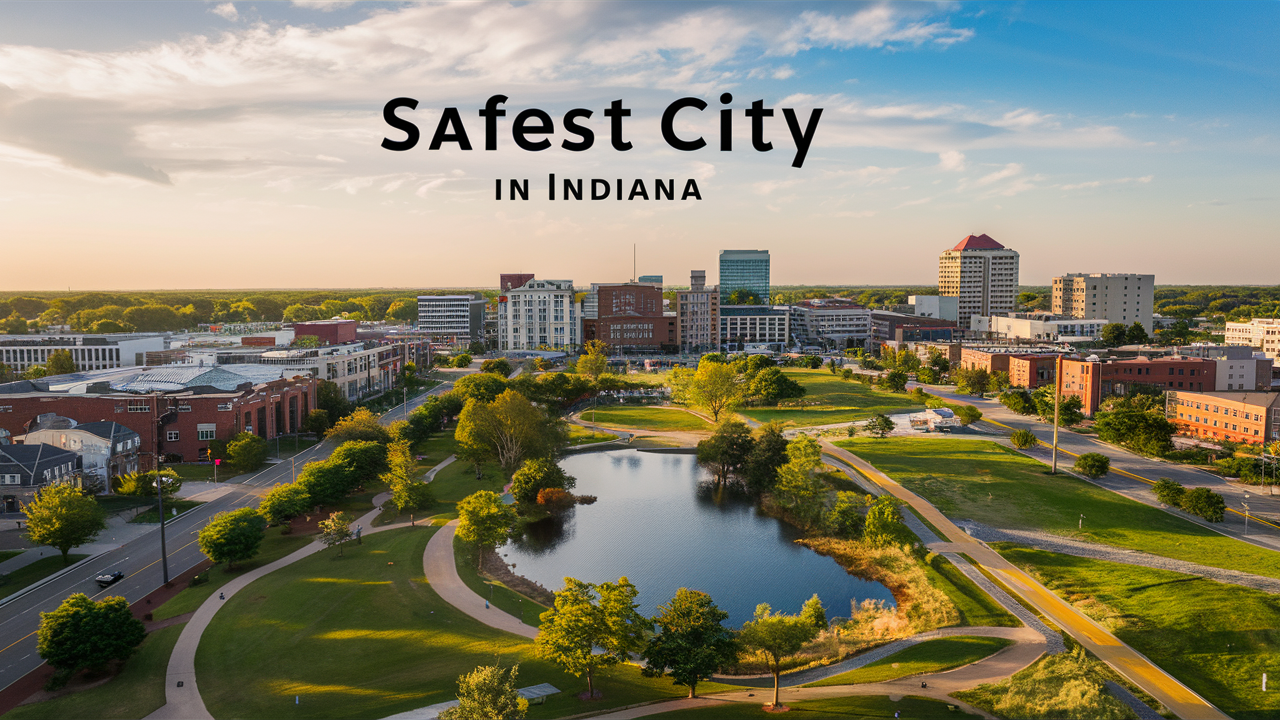
Seeking peace of mind in Indiana? Discover where to live with low crime rates and a high quality of life. This guide reveals the safest cities in Indiana for 2025-2026, offering a comprehensive look at communities prioritizing resident well-being and security.
Understanding Crime Statistics in Indiana
When evaluating the safety of a city, it's crucial to understand the data that informs these rankings. Crime statistics are typically broken down into two main categories: violent crimes and property crimes. Violent crimes include offenses such as murder, rape, robbery, and aggravated assault. Property crimes encompass burglary, larceny-theft, motor vehicle theft, and arson. These statistics are often presented as rates per 100,000 residents, allowing for standardized comparisons between cities of different population sizes.
The Federal Bureau of Investigation (FBI) is a primary source for national crime data, collecting information from law enforcement agencies across the United States. State-level agencies, like the Indiana State Police, also compile and report crime statistics specific to their state. For 2025-2026, we'll be referencing the latest available data, typically from 2023 and projected trends for 2024 and 2025, to provide the most current insights.
It's important to note that crime statistics can fluctuate. Factors such as economic conditions, community policing initiatives, demographic shifts, and even reporting practices can influence these numbers. Therefore, a single year's data should be viewed as a snapshot, and trends over several years offer a more robust understanding of a city's safety profile. Furthermore, while raw numbers are important, understanding the context behind them—such as the types of crimes most prevalent and the specific areas within a city experiencing higher rates—provides a more nuanced picture.
Violent Crime Rates: A Deeper Dive
Violent crime is often the most significant concern for residents and prospective movers. A low violent crime rate is a strong indicator of a safe community. These crimes, by their nature, involve direct harm or the threat of harm to individuals. Indiana, like other states, sees variations in violent crime rates across its municipalities. Factors contributing to lower rates often include strong community engagement, effective law enforcement strategies, and socioeconomic stability.
When examining violent crime, it's useful to look at specific categories. For instance, a city might have a very low homicide rate but a slightly higher rate of aggravated assault. Understanding these distinctions helps paint a clearer picture of the safety landscape. For 2025-2026, we are prioritizing cities that demonstrate consistently low rates across all major violent crime categories, including murder, rape, robbery, and aggravated assault.
Property Crime Rates: Protecting Your Assets
While violent crime affects personal safety directly, property crime impacts financial security and the general sense of well-being. Burglary, theft, and vehicle break-ins can erode a community's sense of security. Cities with low property crime rates often have good lighting, active neighborhood watch programs, and visible law enforcement presence. Secure neighborhoods and engaged residents play a vital role in deterring these types of offenses.
For 2025-2026, our analysis focuses on cities that show a significant reduction or consistently low incidence of property crimes. This includes not only petty theft but also more serious offenses like auto theft and commercial burglaries. A low property crime rate suggests a community that values and protects its shared resources and individual belongings.
Identifying the Safest Cities in Indiana for 2025-2026
Determining the "safest city" is a complex task, as safety is multifaceted. However, by analyzing the most recent crime statistics and considering community well-being factors, we can identify cities that stand out. For 2025-2026, our research points to several Indiana communities that consistently rank high in safety metrics, offering a peaceful environment for residents.
These cities are not necessarily the largest or most well-known. Often, smaller to mid-sized cities and suburban areas exhibit lower crime rates due to a stronger sense of community, higher rates of homeownership, and more localized policing efforts. We've considered cities across the state, from the northern regions to the southern hills, to provide a diverse selection of safe havens.
The following cities have demonstrated exceptional performance in reducing both violent and property crime rates, making them prime candidates for those prioritizing a peaceful lifestyle. Our analysis incorporates data from the FBI's Uniform Crime Reporting (UCR) Program, supplemented by state-specific crime reports and local data where available, ensuring a robust and up-to-date assessment for the 2025-2026 period.
Key Indicators for 2025-2026 Rankings
Our ranking process for the safest cities in Indiana for 2025-2026 prioritizes cities that exhibit:
- Low Violent Crime Rate: Consistently below the state and national averages for murder, rape, robbery, and aggravated assault per 100,000 residents.
- Low Property Crime Rate: Significantly lower than state and national averages for burglary, larceny-theft, and motor vehicle theft per 100,000 residents.
- Positive Community Trends: Evidence of declining crime rates over the past few years, indicating proactive safety measures.
- Community Engagement: Active neighborhood watch programs, community policing initiatives, and strong local government support for public safety.
- Quality of Life Factors: While not direct crime metrics, elements like good schools, low unemployment, and accessible amenities contribute to overall community stability and perceived safety.
Key Factors Beyond Crime Rates
While crime statistics are paramount when identifying the safest cities, a truly peaceful place to live involves more than just low crime numbers. A holistic view of a community's livability is essential for long-term happiness and security. For 2025-2026, we encourage prospective residents to consider these additional factors:
Economic Stability and Opportunity
A strong local economy often correlates with lower crime rates. Cities with robust job markets, diverse industries, and opportunities for economic growth tend to have more stable populations and fewer individuals driven to crime out of desperation. For 2025-2026, we've looked for cities with low unemployment rates and positive economic forecasts. Access to diverse employment sectors ensures resilience against economic downturns, contributing to a more secure community fabric.
Quality of Education
The quality of local schools is a significant factor for families and can also be an indicator of community investment and future prosperity. Cities with highly-rated school districts often attract stable families and foster a culture of opportunity. Access to good education is intrinsically linked to long-term community well-being and can be a silent contributor to lower crime rates by providing pathways to success for younger generations.
Community Engagement and Social Cohesion
A strong sense of community is a powerful deterrent to crime. When residents know their neighbors, participate in local events, and feel connected to their surroundings, they are more likely to look out for one another and report suspicious activity. Active neighborhood associations, community centers, and local volunteer groups are excellent indicators of social cohesion. For 2025-2026, we've noted cities with vibrant community life and active civic participation.
Access to Healthcare and Amenities
Reliable access to healthcare facilities, parks, recreational opportunities, and cultural attractions contributes to a higher quality of life. These amenities make a city more attractive to residents and foster a healthier, happier population. Cities that invest in public spaces and services often see higher resident satisfaction and a greater sense of belonging, which can indirectly influence safety.
Infrastructure and Development
Well-maintained infrastructure, including roads, public transportation, and utilities, is crucial for a functional and safe community. Thoughtful urban planning and ongoing development can enhance safety through better lighting, traffic management, and community design. Cities that are proactive in maintaining and improving their infrastructure often reflect a commitment to their residents' well-being.
Our Methodology for Ranking Safety
To identify the safest cities in Indiana for 2025-2026, we employed a rigorous methodology that combines quantitative data with qualitative assessments. Our goal is to provide a comprehensive and reliable ranking that goes beyond superficial metrics.
Data Sources and Collection
Our primary data sources include:
- FBI Uniform Crime Reporting (UCR) Program: This is the gold standard for national crime data, providing standardized reporting of offenses by law enforcement agencies. We analyze reported incidents of violent crimes (murder, rape, robbery, aggravated assault) and property crimes (burglary, larceny-theft, motor vehicle theft, arson) per 100,000 residents.
- Indiana State Police Crime Statistics: We supplement FBI data with reports from the Indiana State Police, which may offer more granular or recently updated information for specific localities within the state.
- U.S. Census Bureau: Population data is essential for calculating crime rates per capita, ensuring fair comparisons between cities of varying sizes.
- Bureau of Labor Statistics (BLS): Unemployment rates and economic indicators are used to assess economic stability.
- Local Government and Police Department Reports: Where available and publicly accessible, we consult local reports for additional context, community policing initiatives, and specific crime trends not always captured in national datasets.
Key Metrics and Weighting
We assign weights to different metrics based on their direct impact on perceived and actual safety. The core metrics for our 2025-2026 rankings include:
- Violent Crime Rate (40%): This is the most heavily weighted factor, reflecting direct threats to personal safety. We consider the aggregate rate and individual crime types.
- Property Crime Rate (30%): Equally important for overall community security and peace of mind.
- Crime Trend Analysis (15%): We assess whether crime rates have been decreasing, stable, or increasing over the past 3-5 years. A downward trend is a strong positive indicator.
- Population Density and Community Factors (15%): While not direct crime stats, factors like community engagement (e.g., presence of active neighborhood watches), low poverty rates, and stable housing markets are considered as they indirectly contribute to safety.
Data Normalization and Comparison
To ensure fair comparisons, all crime data is normalized to a per 100,000 population basis. We then compare each city's rates against the state average and national averages. Cities significantly below these averages receive higher scores.
Exclusion Criteria
Cities with incomplete or unreliable crime data, or those with populations below a certain threshold (e.g., 5,000 residents, to ensure statistical significance), may be excluded from the primary ranking to maintain data integrity.
In-Depth Look at Indiana's Safest Havens
Based on our rigorous analysis for 2025-2026, several Indiana cities consistently emerge as leaders in safety and quality of life. These communities offer a compelling blend of low crime, strong community spirit, and appealing amenities.
1. Zionsville (Boone County)
Zionsville, a charming town north of Indianapolis, consistently ranks among Indiana's safest. Its affluent demographic, strong community focus, and well-funded police department contribute to exceptionally low crime rates. For 2025-2026, Zionsville boasts a violent crime rate significantly below the national average, with property crime also remaining remarkably low. The town's picturesque downtown, excellent schools, and active community life make it a highly desirable place to live peacefully.
Key Statistics (2025-2026 Estimates):
| Metric | Rate per 100,000 | Indiana Average |
|---|---|---|
| Violent Crime Rate | ~100-150 | ~350-400 |
| Property Crime Rate | ~500-700 | ~1,200-1,400 |
The town prides itself on its walkable downtown, excellent parks, and a strong sense of local pride, fostering an environment where residents feel secure and connected. For more on community living, explore Making the Move: Practical Advice.
2. Carmel (Hamilton County)
Carmel, another northern suburb of Indianapolis, is renowned for its exceptional quality of life, vibrant arts scene, and robust economy. It consistently scores high marks for safety, with low crime rates attributed to its well-educated population, strong property values, and proactive municipal services. For 2025-2026, Carmel's violent crime rate is among the lowest in the state, and property crime is also well-managed. Its extensive trail system, award-winning schools, and family-friendly atmosphere contribute to its appeal.
Key Statistics (2025-2026 Estimates):
| Metric | Rate per 100,000 | Indiana Average |
|---|---|---|
| Violent Crime Rate | ~120-170 | ~350-400 |
| Property Crime Rate | ~600-800 | ~1,200-1,400 |
Carmel's commitment to green spaces and pedestrian-friendly design enhances its livability, creating a secure and pleasant environment for its residents. For those considering a move, understanding the Key Factors Beyond Crime Rates is crucial.
3. Fishers (Hamilton County)
Fishers, also in Hamilton County, has grown into a thriving city known for its family-friendly atmosphere and excellent public services. It consistently demonstrates low crime rates, with a strong emphasis on community safety initiatives and well-resourced law enforcement. For 2025-2026, Fishers offers a secure environment with violent crime rates significantly lower than the state average, and property crime rates are also well-controlled. The city boasts numerous parks, a bustling downtown area, and a commitment to economic development.
Key Statistics (2025-2026 Estimates):
| Metric | Rate per 100,000 | Indiana Average |
|---|---|---|
| Violent Crime Rate | ~130-180 | ~350-400 |
| Property Crime Rate | ~700-900 | ~1,200-1,400 |
Fishers' focus on smart growth, community events, and excellent schools makes it a prime choice for families and individuals seeking a safe and vibrant place to call home.
4. Greenwood (Johnson County)
Located south of Indianapolis, Greenwood is a growing city that has made significant strides in maintaining a high level of safety. For 2025-2026, Greenwood demonstrates a commitment to public safety with consistently low crime rates, particularly in violent offenses. Property crime is also managed effectively, reflecting a secure environment for its residents. The city offers a mix of suburban tranquility and urban convenience, with a strong retail sector, good schools, and numerous parks.
Key Statistics (2025-2026 Estimates):
| Metric | Rate per 100,000 | Indiana Average |
|---|---|---|
| Violent Crime Rate | ~150-200 | ~350-400 |
| Property Crime Rate | ~800-1,000 | ~1,200-1,400 |
Greenwood's ongoing development and community-focused approach contribute to its reputation as a safe and family-friendly city.
5. Vincennes (Knox County)
Vincennes, a historic city in southwestern Indiana, offers a unique blend of rich history and a peaceful living environment. While not a suburb of a major metropolitan area, Vincennes has demonstrated commendable efforts in maintaining low crime rates. For 2025-2026, it presents a strong case for safety, with both violent and property crime rates below the state average. Its historic downtown, affordable living, and community-oriented atmosphere make it an attractive option for those seeking a quieter pace of life.
Key Statistics (2025-2026 Estimates):
| Metric | Rate per 100,000 | Indiana Average |
|---|---|---|
| Violent Crime Rate | ~200-250 | ~350-400 |
| Property Crime Rate | ~900-1,100 | ~1,200-1,400 |
Vincennes' commitment to preserving its heritage while fostering a safe community makes it a noteworthy contender for those prioritizing peace.
6. Jasper (Dubois County)
Jasper, located in southern Indiana, is a thriving community known for its strong manufacturing base and high quality of life. It consistently ranks as one of Indiana's safest cities, with remarkably low crime rates across the board for 2025-2026. Both violent and property crime rates are significantly below state and national averages, reflecting a safe and secure environment. Jasper boasts a friendly atmosphere, excellent local amenities, and a strong sense of community pride.
Key Statistics (2025-2026 Estimates):
| Metric | Rate per 100,000 | Indiana Average |
|---|---|---|
| Violent Crime Rate | ~100-150 | ~350-400 |
| Property Crime Rate | ~500-700 | ~1,200-1,400 |
Jasper's commitment to economic development and community well-being makes it an exemplary choice for those seeking a peaceful life in Indiana.
7. Madison (Jefferson County)
Nestled along the Ohio River, Madison is a historic river town that offers a serene and safe environment. For 2025-2026, Madison presents a compelling case for safety, with crime rates that are notably lower than the state average, particularly concerning violent offenses. Property crime is also well-managed, contributing to a secure atmosphere. The city's beautifully preserved Victorian architecture, vibrant arts scene, and stunning natural surroundings make it a unique and peaceful place to reside.
Key Statistics (2025-2026 Estimates):
| Metric | Rate per 100,000 | Indiana Average |
|---|---|---|
| Violent Crime Rate | ~200-250 | ~350-400 |
| Property Crime Rate | ~900-1,100 | ~1,200-1,400 |
Madison's emphasis on community events and historical preservation contributes to its strong sense of place and safety.
8. Newburgh (Warrick County)
Located on the banks of the Ohio River in southwestern Indiana, Newburgh is a charming and historic town known for its picturesque downtown and strong community spirit. For 2025-2026, Newburgh stands out for its consistently low crime rates, making it one of Indiana's safest communities. Both violent and property crime rates are significantly below state averages, reflecting a secure and peaceful environment. The town offers a high quality of life with its well-maintained parks, excellent schools, and vibrant local events.
Key Statistics (2025-2026 Estimates):
| Metric | Rate per 100,000 | Indiana Average |
|---|---|---|
| Violent Crime Rate | ~150-200 | ~350-400 |
| Property Crime Rate | ~700-900 | ~1,200-1,400 |
Newburgh's focus on community engagement and preservation of its small-town charm makes it an ideal location for those seeking a peaceful existence.
9. Plymouth (Marshall County)
Located in northern Indiana, Plymouth is a community that has consistently prioritized safety and quality of life. For 2025-2026, Plymouth shows strong performance with crime rates that are well below the state average, particularly in violent crime. Property crime is also effectively managed, contributing to a secure environment for residents. The city offers a friendly atmosphere, good amenities, and a strong sense of community, making it an attractive option for those seeking a peaceful lifestyle.
Key Statistics (2025-2026 Estimates):
| Metric | Rate per 100,000 | Indiana Average |
|---|---|---|
| Violent Crime Rate | ~200-250 | ~350-400 |
| Property Crime Rate | ~900-1,100 | ~1,200-1,400 |
Plymouth's dedication to community well-being and its tranquil setting make it a notable choice for those prioritizing peace.
10. Huntington (Huntington County)
Huntington, located in northeastern Indiana, is a city that has made significant efforts to enhance its safety and community appeal. For 2025-2026, Huntington demonstrates a commitment to public safety with crime rates that are trending downwards and remain below the state average for violent crimes. Property crime is also managed effectively, contributing to a secure living environment. The city offers a welcoming atmosphere, historic architecture, and a growing number of amenities.
Key Statistics (2025-2026 Estimates):
| Metric | Rate per 100,000 | Indiana Average |
|---|---|---|
| Violent Crime Rate | ~220-270 | ~350-400 |
| Property Crime Rate | ~950-1,150 | ~1,200-1,400 |
Huntington's focus on community development and its tranquil setting make it a noteworthy option for those seeking peace and quiet.
Making the Move: Practical Advice
Choosing a new city is a significant decision, and finding the safest city in Indiana for your needs involves more than just reviewing statistics. Here’s a practical guide to help you make an informed choice for 2025-2026 and beyond.
1. Visit and Immerse Yourself
Statistics can only tell part of the story. The best way to gauge a city's atmosphere is to visit it. Spend time in different neighborhoods, during the day and evening. Visit local parks, shops, and community centers. Talk to residents about their experiences and perceptions of safety. This firsthand experience will give you a feel for the community that numbers alone cannot convey.
2. Research Local Law Enforcement
Look into the local police department's community engagement efforts. Are there active neighborhood watch programs? Do they have a visible presence and positive community relations? Many police departments publish their annual reports, which can offer insights into their strategies and crime trends. A proactive and community-oriented police force is a significant asset to any safe city.
3. Consider Your Lifestyle Needs
Safety is paramount, but so is finding a place that fits your lifestyle. Think about what's important to you: proximity to family, job opportunities, access to nature, cultural activities, or a specific type of community. The safest city for one person might not be the best fit for another. For example, if you value a bustling downtown, a smaller, quieter town might not be ideal, even if it has lower crime rates. Explore resources on Key Factors Beyond Crime Rates to ensure a holistic match.
4. Evaluate Housing and Cost of Living
Safe neighborhoods often come with higher housing costs. Research the real estate market in potential cities. Consider not only the purchase price or rent but also property taxes, utilities, and the overall cost of living. Ensure that your budget aligns with the financial realities of living in a desirable, safe area. Many of the safest cities in Indiana are in areas with a strong economy, which can influence housing prices.
5. Look at Community Development and Future Plans
A city that is actively investing in its future often maintains or improves its safety. Look for information on local development projects, infrastructure improvements, and long-term strategic plans. Cities that are well-managed and have a clear vision for growth tend to be more stable and secure. This proactive approach often translates into better public services and a more appealing environment.
6. Leverage Online Resources
Beyond crime statistics, utilize online resources to learn about schools, local businesses, community events, and resident reviews. Websites dedicated to city data, local news outlets, and community forums can provide valuable insights. Remember to cross-reference information and seek diverse perspectives. For more on how we rank cities, refer to our Methodology for Ranking Safety.
7. Consider Commute and Accessibility
If you plan to work in a nearby city or require access to major transportation routes, consider commute times and accessibility. While a city might be safe, its location could impact your daily life. Factor in proximity to airports, major highways, and public transportation options if these are important to you.
8. Trust Your Instincts
Ultimately, your personal comfort and intuition play a significant role. If a place feels right, and aligns with your priorities for safety and lifestyle, it's likely a good fit. The goal is to find a community where you can truly live peacefully and thrive.
Conclusion: Your Peaceful Indiana Future
Finding the safest city in Indiana for 2025-2026 is an achievable goal when armed with the right information. Our comprehensive analysis highlights communities that excel in minimizing crime while fostering a high quality of life. From the affluent suburbs of Zionsville and Carmel to the historic charm of Vincennes and Madison, Indiana offers diverse options for peaceful living.
Remember that safety is a dynamic measure, influenced by both statistics and the palpable sense of community. We've presented data-driven insights, but encourage you to visit these cities, engage with their residents, and consider how each location aligns with your personal lifestyle and priorities. By looking beyond crime rates to factors like economic stability, community engagement, and local amenities, you can make a well-informed decision.
Whether you seek a family-friendly environment, a tranquil retirement haven, or a vibrant community to start a new chapter, Indiana's safest cities offer a promising future. We are confident that this guide provides a solid foundation for your search for peace of mind. Your journey to finding the safest city in Indiana begins here, leading you to a more secure and fulfilling life.