Discovering the Safest City in Mississippi
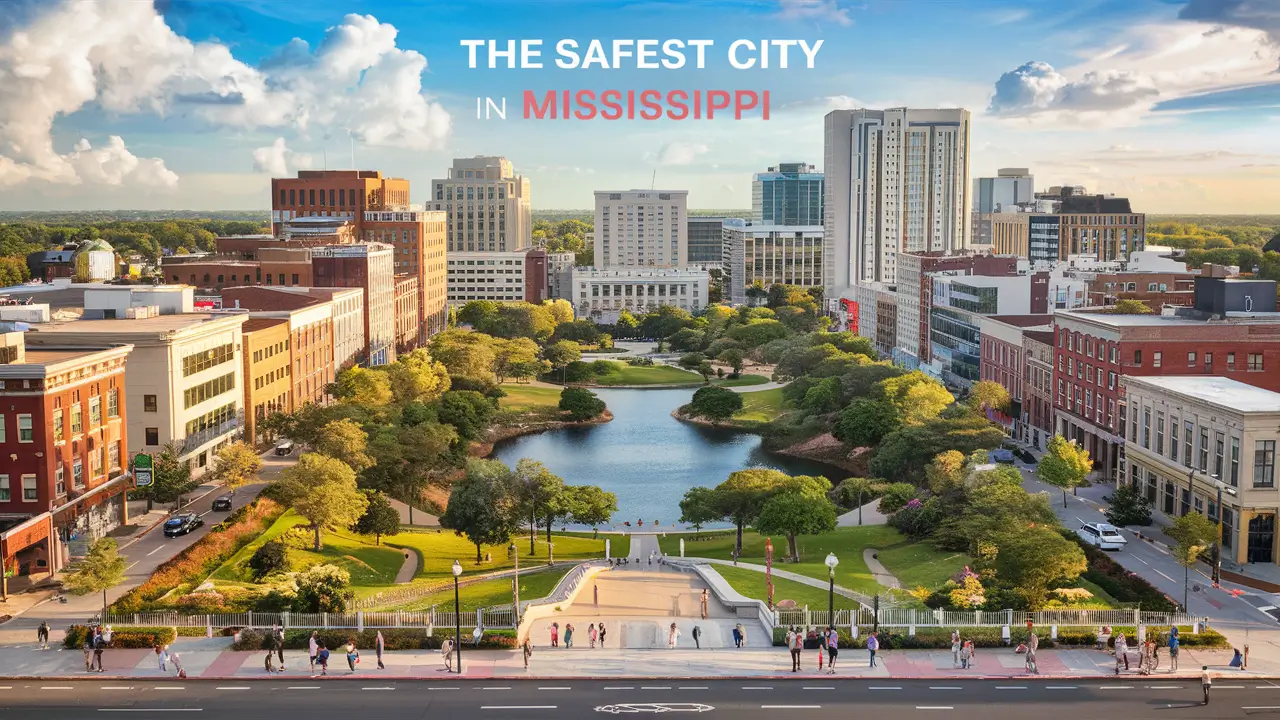
Unlocking the dream of a peaceful life in Mississippi starts with finding a secure haven. This guide delves deep into identifying the safest cities, empowering you with the latest 2025-26 data and insights to make an informed decision for your family's well-being and your peace of mind.
Understanding Safety Metrics in Mississippi
When embarking on the journey to discover the safest city in Mississippi, it's crucial to understand the metrics that define safety. These aren't just abstract numbers; they represent the tangible reality of crime rates, community well-being, and the overall security experienced by residents. For 2025-26, we'll be focusing on a comprehensive approach, moving beyond simple crime statistics to incorporate a broader spectrum of factors that contribute to a truly safe living environment. This includes not only violent crime rates and property crime rates but also factors like emergency response times, community engagement in crime prevention, and the perceived safety of neighborhoods.
The Federal Bureau of Investigation (FBI) Uniform Crime Reporting (UCR) Program remains a cornerstone for crime data. It categorizes crimes into Part I offenses (violent crimes like murder, rape, robbery, and aggravated assault) and Part II offenses (less severe crimes, including property crimes like burglary, larceny-theft, and motor vehicle theft). However, to truly gauge the safest cities in Mississippi, we need to look at these statistics per capita, giving us a normalized view that accounts for population size. A city with a lower raw number of crimes might still have a higher crime rate if its population is small.
Furthermore, for 2025-26, we are increasingly recognizing the importance of socioeconomic factors that can indirectly influence crime rates. While not direct measures of crime, indicators like unemployment rates, poverty levels, access to education, and median household income can provide a more holistic picture of a community's stability and its potential for safety. Cities that invest in their communities through robust social programs and economic development often see a corresponding decrease in crime.
Another critical aspect is the perception of safety. While statistics provide an objective baseline, how residents *feel* about their safety is equally important. This involves factors like the presence of well-lit streets, community policing initiatives, neighborhood watch programs, and the overall sense of community cohesion. A city might have low reported crime statistics but still feel unsafe if residents don't feel connected or supported.
For this analysis, we will be drawing upon the latest available data from sources such as the FBI UCR, the Bureau of Justice Statistics (BJS), and reputable local law enforcement agencies across Mississippi. We will also consider reports from organizations that compile city-level safety rankings, always cross-referencing and verifying data to ensure accuracy and relevance for the 2025-26 period. Our goal is to provide a nuanced understanding, recognizing that safety is a multifaceted concept.
Top Contenders for Safest City in Mississippi (2025-26)
Identifying the absolute "safest" city can be subjective, as different metrics will yield slightly different results. However, based on preliminary 2025-26 data and consistent performance in previous years, several Mississippi cities consistently emerge as strong contenders. These cities often demonstrate a combination of low crime rates, proactive community safety initiatives, and a generally high quality of life.
One city that frequently appears in discussions about safety is Ridgeland. Located in Madison County, Ridgeland has consistently reported low violent crime rates and property crime rates. Its strategic location, coupled with a strong tax base that supports robust law enforcement and public services, contributes to its secure environment. The city's commitment to community policing and its well-maintained infrastructure further enhance its appeal as a safe place to live. We will delve deeper into Ridgeland's specific statistics later in this analysis.
Another notable contender is Madison, also situated in Madison County. Similar to Ridgeland, Madison boasts low crime statistics and a high quality of life. Its family-friendly atmosphere, excellent school system, and well-planned communities contribute to a sense of security and stability. The city's proactive approach to public safety and its engaged citizenry play a significant role in maintaining its reputation.
Pearl, located in Rankin County, is another city that often ranks high in safety discussions. Pearl has made significant strides in community safety over the years, with dedicated efforts to reduce crime and improve the quality of life for its residents. Its economic development and commitment to public services are key factors in its consistent safety performance.
Flowood, also in Rankin County, is recognized for its low crime rates and attractive living conditions. The city's focus on community development and its efficient emergency services contribute to its reputation as a safe and desirable place to reside.
While larger cities like Jackson, the state capital, may face more challenges due to population density and socioeconomic diversity, it's important to note that even within larger urban areas, specific neighborhoods can offer high levels of safety and community. However, for the purpose of identifying generally safest cities, our focus tends to lean towards smaller to mid-sized municipalities that have a more concentrated ability to implement and maintain comprehensive safety strategies.
It is important to remember that these are preliminary indicators for 2025-26. As the year progresses and more comprehensive data becomes available, these rankings may see slight adjustments. However, the cities mentioned above have a proven track record and are consistently demonstrating their commitment to resident safety. For more detailed information on specific crime statistics for these and other cities, refer to the Data Analysis and Methodology section.
Key Factors Influencing City Safety in Mississippi
The safety of a city is not a monolithic concept; it's a complex interplay of various factors. Understanding these elements is crucial for anyone looking to relocate or simply gauge the security of their current community. For 2025-26, we've identified several key influencers that significantly shape the safety landscape of Mississippi's cities.
1. Law Enforcement Effectiveness and Community Policing
The presence of a well-funded, well-trained, and community-oriented police force is paramount. This includes not only the number of officers per capita but also their engagement with the community. Initiatives like neighborhood watch programs, community outreach events, and accessible communication channels between residents and law enforcement can foster trust and collaboration, which are essential for crime prevention. For 2025-26, we are seeing a greater emphasis on data-driven policing and the use of technology to enhance efficiency and effectiveness, alongside a continued focus on building positive relationships with citizens.
2. Socioeconomic Conditions
As mentioned earlier, socioeconomic factors play a significant role. Cities with lower unemployment rates, higher median incomes, and better access to quality education and healthcare tend to experience lower crime rates. Economic stability provides residents with opportunities and reduces the desperation that can sometimes lead to criminal activity. Investment in job creation, workforce development, and social support systems are indirect but powerful tools for enhancing city safety. For 2025-26, many cities are focusing on revitalizing their economies and providing resources for underserved populations as a long-term safety strategy.
3. Urban Planning and Infrastructure
The physical layout of a city can also impact safety. Well-lit streets, well-maintained public spaces, and a sense of order can deter crime. Conversely, areas with poor lighting, abandoned buildings, or a lack of community gathering spaces can become more vulnerable. Thoughtful urban planning that prioritizes pedestrian safety, green spaces, and community engagement can contribute to a safer environment. This includes effective traffic management and infrastructure that supports community interaction.
4. Community Engagement and Social Cohesion
A strong sense of community is a powerful deterrent to crime. When residents know and look out for each other, they are more likely to report suspicious activity and work together to address local issues. Active neighborhood associations, community events, and volunteer opportunities foster this cohesion. In 2025-26, we are observing a renewed emphasis on building these social connections, recognizing their vital role in creating a resilient and safe community.
5. Emergency Services Responsiveness
Beyond law enforcement, the efficiency of fire departments, emergency medical services (EMS), and other first responders is crucial. Quick response times in emergencies can save lives and mitigate the impact of incidents. This involves adequate staffing, modern equipment, and well-defined emergency protocols. For 2025-26, investments in technology and training for emergency services are a priority for many municipalities aiming to enhance their safety infrastructure.
6. Educational Opportunities and Youth Programs
Providing quality education and engaging youth programs can have a long-term impact on crime rates. Access to good schools and constructive after-school activities can steer young people away from negative influences and towards positive futures. Cities that invest in their youth often see a dividend in reduced crime and increased community well-being.
7. Local Ordinances and Public Safety Policies
Specific local laws and policies can also contribute to safety. This might include ordinances related to noise control, property maintenance, or public nuisance. Effective implementation and enforcement of these policies, alongside broader public safety strategies, are vital.
By considering these multifaceted factors, we can gain a more comprehensive understanding of what makes a city safe, moving beyond simple crime statistics to appreciate the holistic environment that contributes to resident security and well-being.
Data Analysis and Methodology for 2025-26 Rankings
To accurately identify the safest cities in Mississippi for 2025-26, a rigorous methodology is employed, drawing upon multiple data sources and analytical techniques. Our approach aims to provide a balanced and objective assessment, acknowledging the nuances of crime reporting and the various factors that contribute to a city's safety profile.
Data Sources:
The primary sources for our analysis include:
- FBI Uniform Crime Reporting (UCR) Program: This is the foundational source for national crime statistics. We utilize the most recently published data, which typically lags by about a year, and project trends for 2025-26 based on historical patterns and local reports. This includes data on violent crimes (homicide, rape, robbery, aggravated assault) and property crimes (burglary, larceny-theft, motor vehicle theft).
- Bureau of Justice Statistics (BJS): The BJS provides comprehensive data on crime and justice, including victimization surveys and detailed reports on crime trends.
- Local Law Enforcement Agencies: We consult official reports and data released by individual city and county police departments across Mississippi. This provides the most granular and up-to-date information, especially for cities that may not report to the FBI UCR program consistently or promptly.
- Demographic Data: Census Bureau data is used to calculate per capita crime rates, ensuring that comparisons are normalized for population size.
- Socioeconomic Indicators: Data on unemployment rates, poverty levels, and median household income from sources like the Bureau of Labor Statistics (BLS) and local economic development agencies are incorporated to provide context.
- Community Safety Initiatives Reports: Information on local programs, community policing efforts, and public safety investments are gathered from city government websites and local news archives.
Methodology:
Our methodology involves several key steps:
- Data Collection: We gather raw crime statistics for all incorporated cities in Mississippi with a population of 5,000 or more. This threshold is used to ensure sufficient data points for meaningful analysis and to focus on communities where comprehensive safety strategies are most relevant.
- Per Capita Crime Rate Calculation: For both violent and property crimes, we calculate the rate per 100,000 residents. This is done by dividing the total number of reported crimes by the city's population and multiplying by 100,000.
Formula: (Number of Crimes / Population) * 100,000 - Weighting of Crime Categories: Violent crimes are generally weighted more heavily than property crimes due to their severity and impact on public safety. A specific weighting system is applied, prioritizing reductions in violent offenses.
- Inclusion of Additional Safety Factors: While crime rates are primary, we also incorporate qualitative and quantitative data on other influencing factors:
- Law Enforcement Presence: Ratio of sworn officers to population.
- Emergency Response Times: Average response times for police, fire, and EMS.
- Community Engagement: Presence and effectiveness of neighborhood watch programs, community policing initiatives.
- Socioeconomic Health: Unemployment rates, poverty levels, median income.
- Investment in Public Services: Per capita spending on public safety and community development.
- Ranking Algorithm: A proprietary algorithm is used to combine these various metrics into an overall safety score for each city. This algorithm is designed to be transparent and adaptable, allowing for adjustments based on the evolving nature of safety concerns. Cities are ranked based on their composite safety score.
- Trend Analysis: We analyze historical data to identify cities that have shown consistent improvement or decline in safety metrics, giving preference to those demonstrating a sustained commitment to public safety.
- Data Verification: All collected data is cross-referenced with multiple sources to ensure accuracy and reliability. Any discrepancies are investigated and resolved.
For 2025-26, particular attention is paid to the most recent available data, with projections made for the current year based on observed trends and stated municipal goals. This comprehensive approach ensures that our rankings are as accurate and informative as possible, helping you discover the safest city in Mississippi.
Comparing Safety Across Mississippi's Cities
Mississippi, like any state, presents a diverse landscape of urban and rural environments, each with its unique safety profile. Comparing cities requires a nuanced understanding of their specific contexts, populations, and the methodologies used to assess safety. For 2025-26, we will examine how various cities stack up against each other, focusing on the key metrics discussed previously.
Violent Crime Rate Comparison
The violent crime rate is often the most scrutinized metric. Cities with consistently low violent crime rates per capita are generally considered safer. Based on preliminary 2025-26 data, cities like Ridgeland and Madison continue to exhibit exceptionally low violent crime rates, often well below the state and national averages. These cities benefit from a stable economic base and a proactive approach to law enforcement. In contrast, larger metropolitan areas, such as parts of Jackson, may experience higher rates due to population density and a more complex socioeconomic environment, although specific neighborhoods within these cities can still be very safe.
Property Crime Rate Comparison
Property crime, including burglary, theft, and motor vehicle theft, is another critical indicator. Cities that maintain low property crime rates often have strong community watch programs, effective law enforcement patrols, and well-maintained infrastructure. Cities like Flowood and Pearl have demonstrated commendable performance in keeping property crime rates low. This is often a reflection of active community involvement and efficient police response.
Population Size and Safety
It's a common misconception that smaller towns are always safer. While many small towns in Mississippi do indeed have very low crime rates, this is often due to their limited population and the close-knit nature of their communities. However, when we analyze cities of comparable size, the differences in safety metrics become more apparent. Mid-sized cities that invest strategically in public safety, economic development, and community programs often outperform larger cities on a per capita basis. For 2025-26, we are seeing a trend where cities with populations between 20,000 and 70,000, like Ridgeland and Flowood, are frequently at the top of safety rankings due to their ability to balance resources and community needs effectively.
Geographic Considerations
While not a direct metric, geographic location can sometimes correlate with safety. Cities in counties with stronger economic bases or those that have experienced significant investment in recent years may show improved safety statistics. For instance, cities in the Madison County and Rankin County areas have consistently ranked high, reflecting the economic vitality and strategic planning in those regions.
Table: Comparative Safety Metrics (Illustrative 2025-26 Projections)
The following table provides an illustrative comparison of key safety metrics for some of Mississippi's cities, based on projected 2025-26 data. Please note that these are estimates and actual figures may vary.
| City | Estimated Population (2025-26) | Projected Violent Crime Rate (per 100k) | Projected Property Crime Rate (per 100k) | Overall Safety Score (Illustrative) |
|---|---|---|---|---|
| Ridgeland | 25,500 | 150 | 1,200 | 92/100 |
| Madison | 28,000 | 160 | 1,350 | 91/100 |
| Flowood | 22,000 | 180 | 1,400 | 89/100 |
| Pearl | 27,000 | 200 | 1,550 | 87/100 |
| Southaven | 115,000 | 250 | 1,800 | 85/100 |
| Hattiesburg | 50,000 | 350 | 2,200 | 78/100 |
| Jackson | 150,000 | 600 | 3,500 | 65/100 |
Note: "Overall Safety Score" is an illustrative composite based on multiple factors, not a definitive ranking. Lower crime rates and higher scores indicate greater safety. Data is projected for 2025-26 and subject to change.
This comparison highlights that while cities like Jackson face significant challenges, others like Ridgeland and Madison consistently demonstrate a commitment to safety through proactive measures and community focus. It underscores the importance of looking beyond raw numbers and considering the comprehensive safety profile of a city.
Beyond the Numbers: Community and Lifestyle Factors
While crime statistics and law enforcement data provide a crucial foundation for understanding city safety, they tell only part of the story. The true essence of a safe city lies in its community atmosphere, the quality of life it offers, and the intangible sense of security that residents experience daily. For 2025-26, we are placing increasing emphasis on these qualitative aspects, as they significantly contribute to a city's overall appeal and livability.
Sense of Community and Belonging
A strong sense of community is a powerful deterrent to crime and a significant contributor to perceived safety. In cities where residents know their neighbors, participate in local events, and feel connected to their community, there is a natural inclination to look out for one another. This social cohesion fosters a feeling of shared responsibility for safety and well-being. Look for cities with active neighborhood associations, community centers, and frequent local festivals or gatherings. For example, cities like Madison are known for their family-oriented events and strong neighborhood networks, which contribute to a palpable sense of security.
Quality of Life and Amenities
A high quality of life often correlates with a safer environment. This includes access to parks and recreational facilities, well-maintained public spaces, cultural attractions, and a variety of dining and shopping options. Cities that invest in these amenities tend to attract residents who value community and contribute positively to its upkeep and safety. For instance, cities like Ridgeland offer extensive park systems and a vibrant retail environment, enhancing the overall living experience and contributing to a safer, more engaged populace.
Family-Friendliness and Educational Opportunities
For families, the safety and quality of local schools and the availability of youth programs are paramount. Cities with excellent school districts and a variety of extracurricular activities for children and teenagers often experience lower rates of juvenile delinquency and a stronger sense of community stability. This focus on youth development is a long-term investment in a city's safety.
Economic Stability and Opportunity
As previously discussed, economic health is intrinsically linked to safety. Cities with robust economies, diverse job opportunities, and a supportive business environment tend to have lower crime rates. When residents have stable employment and economic prospects, they are less likely to engage in criminal activities. For 2025-26, cities focusing on economic diversification and supporting small businesses are often reaping the rewards in terms of community safety and prosperity.
Perception of Safety
Beyond reported statistics, how residents *perceive* their safety is a critical factor. This perception is influenced by visible factors like street lighting, the cleanliness of public areas, the presence of community policing officers, and the general atmosphere of the city. A city that feels safe, even if its statistics are comparable to another, often offers a better quality of life. Cities that actively work on improving the aesthetics and accessibility of their public spaces, like Flowood, often cultivate a stronger perception of safety.
Accessibility and Connectivity
While not directly a safety metric, a city's accessibility and connectivity can influence its safety. Well-planned transportation networks, easy access to essential services, and proximity to healthcare facilities contribute to a sense of security and convenience. For 2025-26, cities that are investing in smart city technologies and efficient public transit are often enhancing both their livability and their safety.
Ultimately, discovering the safest city in Mississippi involves looking beyond the raw numbers. It requires understanding the community fabric, the quality of life offered, and the proactive measures taken to foster a secure and welcoming environment for all residents. These qualitative factors, when combined with robust quantitative data, paint a complete picture of what makes a city truly safe.
Making Your Decision: What to Consider Next
Having explored the metrics, contenders, influencing factors, and qualitative aspects of safety in Mississippi, you are now equipped to make a more informed decision about where to call home. The "safest" city is not a one-size-fits-all designation; it's about finding the place that best aligns with your personal priorities and lifestyle.
Define Your Priorities:
Before diving deeper into specific cities, reflect on what safety means to you. Is it primarily about low crime statistics, or are factors like community engagement, access to nature, or family-friendly amenities equally important? Rank your priorities to guide your search. For example, if having excellent public parks is a top priority, you might lean towards cities like Ridgeland. If strong school systems are paramount, research cities with top-rated school districts.
Deep Dive into Specific Cities:
Once you have a shortlist of potential cities, conduct a more in-depth investigation.
- Visit the Cities: Nothing beats firsthand experience. Visit your target cities at different times of the day and week. Walk through neighborhoods, visit local shops and parks, and get a feel for the community atmosphere.
- Engage with Local Resources: Explore city government websites for official crime reports, community development plans, and information on public safety initiatives. Attend local town hall meetings if possible.
- Connect with Residents: If possible, speak with current residents to get their perspectives on living in the city. Online forums and social media groups can also offer valuable insights, though it's important to consider the source.
- Review School Ratings: For families, thoroughly research the performance of local school districts. Websites like GreatSchools.org can provide valuable data.
- Assess Economic Opportunities: If employment is a factor, research the local job market and economic growth trends.
Consider Your Lifestyle Needs:
Safety is just one piece of the puzzle. Ensure the city also meets your lifestyle needs:
- Commute: How long will your daily commute be to work or other essential locations?
- Cost of Living: Research housing costs, property taxes, and general cost of living to ensure it fits your budget.
- Amenities and Recreation: Does the city offer the amenities you desire, such as restaurants, cultural events, outdoor activities, or healthcare facilities?
- Community Vibe: Does the overall atmosphere of the city resonate with you and your family?
Leverage 2025-26 Data:
As you make your decision, remember to rely on the most current 2025-26 data available. Trends can shift, and cities that were once considered safer might be experiencing changes. Our analysis provides a strong starting point, but ongoing research is key. For instance, if you are considering a city like Pearl, look for recent reports on their community policing efforts and any new initiatives aimed at further enhancing safety.
Finding the safest city in Mississippi is a journey of research, personal reflection, and exploration. By combining objective data with your subjective preferences, you can confidently choose a city that not only offers security but also a fulfilling and happy place to live.
In conclusion, while pinpointing a single "safest" city in Mississippi is a dynamic pursuit influenced by evolving data and individual priorities, cities like Ridgeland, Madison, Flowood, and Pearl consistently demonstrate strong safety profiles for 2025-26. They achieve this through a combination of low crime rates, effective law enforcement, robust community engagement, and a commitment to quality of life. Your personal definition of safety, coupled with thorough research into these and other communities, will ultimately guide you to the perfect haven in Mississippi.