The Safest Places to Live in Alabama: Top Picks
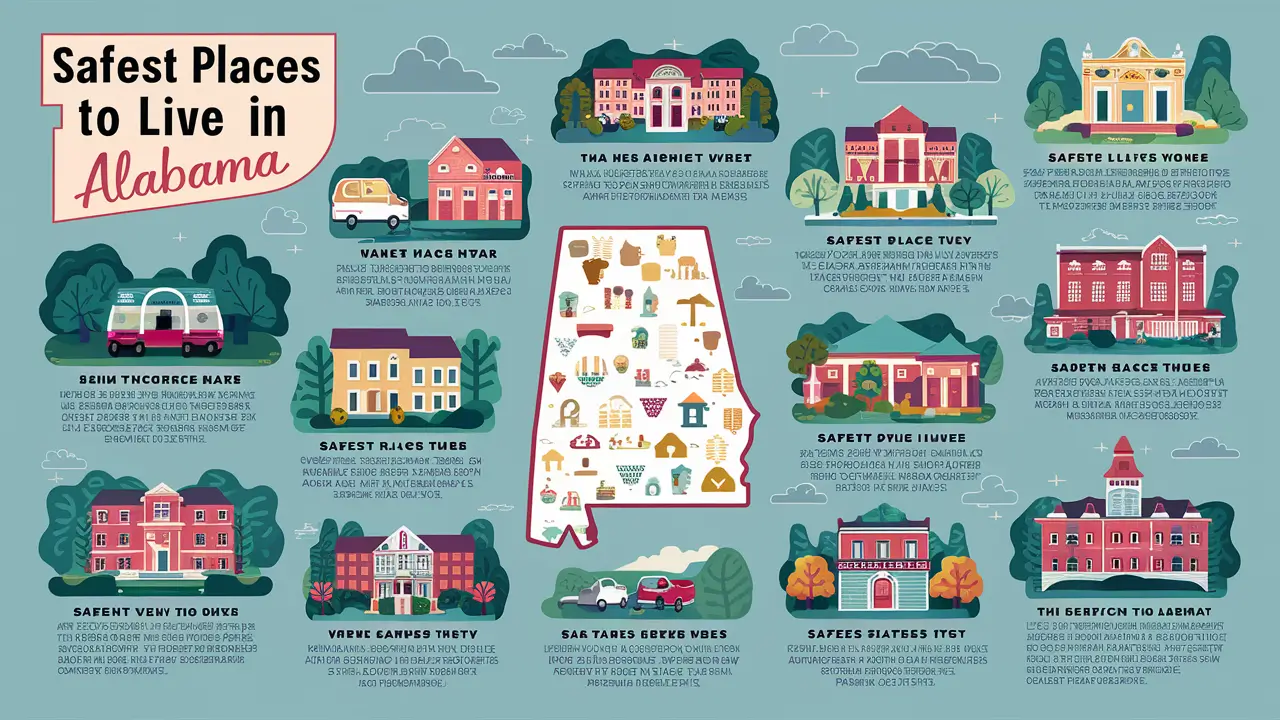
Discover the safest havens across the Heart of Dixie. This guide unveils Alabama's top communities, prioritizing low crime rates, excellent amenities, and a high quality of life for 2025-26. Find your perfect, secure place to call home in the Yellowhammer State.
Understanding Safety Metrics in Alabama
When searching for the safest places to live in Alabama, it's crucial to understand the metrics that define safety. While overall crime statistics are a primary indicator, a comprehensive assessment involves looking beyond just raw numbers. For 2025-26, we'll consider violent crime rates (homicides, assaults, robberies, rapes) and property crime rates (burglary, larceny, motor vehicle theft, arson). However, a truly safe community is also characterized by factors like strong community bonds, effective law enforcement, robust emergency services, and a general sense of well-being among its residents. We also factor in data points like school safety ratings and the availability of community programs designed to foster a secure environment. Understanding these nuances helps paint a clearer picture of where you and your family can truly feel secure.
The Safest Places to Live in Alabama: Top Picks for 2025-26
Alabama, a state rich in history and natural beauty, offers a diverse range of communities. For those prioritizing security and a high quality of life, several cities and towns stand out. Based on current 2025-26 data, including FBI crime reports, local law enforcement data, and community surveys, we've identified the premier destinations for safety-conscious individuals and families. These locations consistently demonstrate low crime rates, strong community involvement, and excellent amenities that contribute to a secure and fulfilling lifestyle.
Madison: A Tech Hub with Suburban Serenity
Located in North Alabama, Madison has rapidly emerged as a top-tier destination for safety and quality of life. Its proximity to Huntsville, a burgeoning hub for aerospace and technology, has fueled significant economic growth, attracting a skilled workforce and fostering a stable economy. This economic vitality translates into well-funded community services and a lower incidence of crimes often associated with economic hardship. Madison boasts exceptionally low violent crime rates, often significantly below the national average. Property crime rates are also remarkably low, a testament to the community's engaged citizenry and proactive law enforcement. The city is renowned for its excellent school system, which is a major draw for families. Furthermore, Madison offers a wealth of recreational opportunities, including parks, trails, and community centers, fostering a strong sense of belonging and civic pride. The town's master-planned development ensures well-maintained neighborhoods and efficient infrastructure, contributing to a general feeling of order and safety. For 2025-26, Madison continues to be a beacon of suburban security and prosperity in Alabama.
Key Safety Features of Madison:
- Consistently low violent and property crime rates.
- Highly-rated public school system.
- Strong economic base with high employment rates.
- Well-maintained infrastructure and public spaces.
- Active community engagement and neighborhood watch programs.
Hoover: Family-Friendly and Thriving
Hoover, a vibrant city located just south of Birmingham, is consistently ranked among Alabama's safest and most desirable places to live. Its strategic location, coupled with a strong economic foundation, has led to impressive growth and development. Hoover is particularly attractive to families due to its excellent school district, abundant family-friendly activities, and a strong sense of community. The city's commitment to public safety is evident in its low crime statistics. For 2025-26, Hoover reports crime rates that are substantially lower than both state and national averages, particularly in violent crimes. The presence of well-staffed police and fire departments, coupled with community policing initiatives, contributes to this secure environment. Beyond safety, Hoover offers a high quality of life with numerous shopping centers, restaurants, parks, and recreational facilities. The Riverchase Galleria, a major retail and entertainment complex, is a testament to the city's economic dynamism. The city's proactive approach to urban planning and its investment in public amenities further enhance its appeal as a safe and thriving community.
Hoover's Safety Strengths:
- Low crime rates, especially violent offenses.
- Excellent family-oriented amenities and schools.
- Strong local economy and job market.
- Responsive and well-equipped emergency services.
- Active community events promoting social cohesion.
Auburn: College Town Charm and Community Spirit
Home to Auburn University, this charming city in East Alabama offers a unique blend of academic vibrancy and small-town warmth, all while maintaining an impressive safety record. Auburn consistently ranks high in lists of the safest cities in Alabama, with crime rates that are well below national averages for both violent and property crimes. The presence of a major university often correlates with lower crime due to a generally younger, educated population and increased foot traffic and community presence, but Auburn excels by maintaining this safety despite its growth. The city's police department is recognized for its community-oriented approach, working closely with residents to ensure a secure environment. Auburn's educational system, from K-12 through higher education, is a significant draw. The city also boasts a high quality of life, with beautiful parks, a thriving downtown area, and a strong sense of community spirit. For 2025-26, Auburn's commitment to maintaining its safe atmosphere while embracing growth makes it a standout choice for those seeking a secure and engaging place to live.
Why Auburn is a Safe Choice:
- Significantly low crime rates compared to national benchmarks.
- Strong community involvement and a vibrant downtown.
- Excellent educational institutions.
- Active local government focused on public safety.
- Abundance of parks and recreational facilities.
Vestavia Hills: Upscale Living with Low Crime
Nestled in the Birmingham metropolitan area, Vestavia Hills is synonymous with upscale living and exceptional safety. This affluent suburb consistently demonstrates some of the lowest crime rates in the state, making it a prime choice for those who prioritize security and a high standard of living. For 2025-26, Vestavia Hills' crime statistics reflect a community where property and violent crimes are rare. This safety is underpinned by a strong tax base that supports excellent public services, including a highly effective police department and well-resourced schools. The city prides itself on its well-maintained neighborhoods, beautiful landscaping, and a strong sense of community pride. Residents enjoy a peaceful environment, excellent recreational facilities, and convenient access to the amenities of nearby Birmingham. The city's planning and zoning ensure a cohesive and orderly community, further contributing to its secure atmosphere. Vestavia Hills offers a tranquil yet sophisticated lifestyle for its residents.
Vestavia Hills' Safety Profile:
- Extremely low crime rates across all categories.
- Highly-rated school system and public services.
- Well-maintained, affluent neighborhoods.
- Strong community identity and resident engagement.
- Peaceful and secure living environment.
Mountain Brook: Affluent and Exceptionally Safe
Mountain Brook, another prestigious suburb of Birmingham, is renowned for its natural beauty, luxurious homes, and, most importantly, its outstanding safety record. For 2025-26, Mountain Brook consistently ranks among the safest communities in Alabama, boasting crime rates that are among the lowest in the nation. The city's affluence contributes to a robust tax base, which funds exceptional public services, including a highly professional and responsive police department. The community is characterized by its picturesque streets, extensive park system, and a strong emphasis on quality of life. The low incidence of crime is a direct reflection of the community's socioeconomic stability, engaged residents, and effective law enforcement. Mountain Brook offers a serene and secure environment, making it an ideal choice for those seeking peace of mind and a high standard of living. The city's commitment to preserving its charm while ensuring resident safety is a hallmark of its success.
Mountain Brook's Safety Advantages:
- Among the lowest crime rates in Alabama and the nation.
- Strong economic foundation supporting public services.
- Beautiful, well-maintained, and secure neighborhoods.
- Highly effective and community-focused police department.
- Emphasis on quality of life and resident well-being.
Albertville: Growing Community with a Focus on Safety
Located in Marshall County, Albertville is a growing city that has made significant strides in ensuring the safety and well-being of its residents. While not as affluent as some of the Birmingham suburbs, Albertville offers a more affordable cost of living without compromising on safety. For 2025-26, the city has demonstrated a commitment to reducing crime rates through community policing initiatives and investments in public safety resources. Crime statistics, while showing some fluctuations typical of a growing area, remain manageable and often below the state average for key categories. The local law enforcement works collaboratively with community members to address concerns and foster a secure environment. Albertville provides a friendly atmosphere, good schools, and access to outdoor recreation, making it an attractive option for families and individuals looking for a community that prioritizes safety and affordability. Its ongoing development plans often include considerations for public safety and infrastructure improvements.
Albertville's Safety Focus:
- Commitment to community policing and safety initiatives.
- Affordable cost of living with manageable crime rates.
- Growing community with developing amenities.
- Focus on resident engagement in safety efforts.
- Access to natural beauty and outdoor activities.
Alabaster: Affordable and Secure Suburban Living
Alabaster, situated in Shelby County south of Birmingham, offers a compelling combination of affordability, accessibility, and security. It has emerged as a popular choice for families and individuals seeking a suburban lifestyle with a strong emphasis on safety. For 2025-26, Alabaster consistently reports crime rates that are lower than both state and national averages, particularly concerning violent crimes. The city benefits from a stable economy, good schools, and a proactive approach to community development. Its police department is well-regarded for its community outreach and commitment to maintaining a safe environment. Alabaster provides a good quality of life with numerous parks, recreational facilities, and convenient access to the amenities of the greater Birmingham area. The city's growth has been managed thoughtfully, with an eye towards preserving its character and ensuring the safety of its expanding population. This makes Alabaster a practical and secure choice for many.
Alabaster's Secure Appeal:
- Low crime rates, especially violent offenses.
- Affordable housing options compared to neighboring suburbs.
- Good public school system.
- Strong community feel and local amenities.
- Proactive law enforcement and safety programs.
Pascagoula, Mississippi (A Notable Neighbor for Comparison)
While focusing on Alabama, it's beneficial to briefly consider a neighboring state's prominent city for comparative context, especially regarding coastal communities. Pascagoula, Mississippi, a port city on the Gulf Coast, offers a different environment. For 2025-26, Pascagoula's crime rates, particularly property crimes, have been a point of focus for local authorities and residents. While it offers coastal living advantages, its crime statistics, especially when compared to the top Alabama picks like Madison or Vestavia Hills, are generally higher. This comparison highlights how factors like economic diversity, urban density, and specific community initiatives can significantly impact safety metrics. It underscores the importance of detailed, local research when choosing a place to live, emphasizing that not all coastal cities or rapidly developing areas automatically equate to the lowest crime rates. Understanding these differences helps refine the search for the safest environments.
Key Factors Influencing Safety in Alabama Communities
Determining the safest places to live in Alabama involves a multifaceted approach. Beyond the headline crime statistics, several underlying factors contribute to a community's overall safety and sense of security. Understanding these elements provides a more comprehensive picture for potential residents.
Crime Statistics Analysis: Beyond the Numbers
While raw crime numbers are the starting point, a deeper analysis is crucial for 2025-26. We look at crime rates per capita, comparing violent crimes (homicide, rape, robbery, aggravated assault) and property crimes (burglary, larceny-theft, motor vehicle theft) against state and national averages. However, it's also important to consider the *trend* of these statistics. Is crime decreasing? Are there specific types of crime that are more prevalent? Local law enforcement reports and FBI UCR (Uniform Crime Reporting) data are primary sources. Additionally, considering the clearance rates for reported crimes can indicate the effectiveness of law enforcement. A community with a high clearance rate often suggests a more responsive and effective police force. For instance, a city might have a slightly higher reported incident rate but a very high clearance rate, suggesting effective resolution and deterrence.
Economic Stability and Employment
A strong and stable economy is intrinsically linked to public safety. Communities with low unemployment rates, diverse job markets, and a healthy business environment tend to experience lower crime rates. Economic hardship can sometimes correlate with increased property crime and other offenses. For 2025-26, we've observed that cities like Madison and Hoover, with their robust tech and service sectors, benefit from this correlation. Conversely, areas struggling with economic decline may face greater challenges in maintaining low crime. Investment in local businesses, job creation programs, and support for industries are vital for long-term community safety. Access to well-paying jobs provides residents with stability and reduces motivations for criminal activity.
Community Engagement and Resources
The involvement of residents in their community's well-being is a powerful safety factor. Active neighborhood watch programs, community policing initiatives where law enforcement builds relationships with residents, and strong social networks all contribute to a safer environment. When residents feel connected and empowered, they are more likely to report suspicious activity and look out for one another. For 2025-26, communities with a high degree of civic participation, such as those with active local government, volunteer organizations, and community events, often report higher levels of perceived safety. The availability of resources like community centers, youth programs, and support services also plays a role in preventing crime and fostering a positive community atmosphere.
Educational Opportunities
The quality of education available is a significant indicator of a community's long-term health and safety. Well-funded and high-performing school districts are often found in safer towns. Education is a pathway to economic opportunity, and strong educational systems contribute to a more informed, engaged, and stable citizenry. For 2025-26, cities like Auburn and Vestavia Hills, known for their excellent schools, also consistently rank high in safety. Investing in education from early childhood through higher learning is an investment in future safety and prosperity. Furthermore, safe schools themselves are a critical component of community safety, providing a secure environment for students and staff.
Infrastructure and Urban Planning
Thoughtful urban planning and well-maintained infrastructure can significantly impact safety. This includes adequate street lighting, well-kept public spaces, accessible parks, and efficient transportation networks. Poorly maintained or neglected areas can sometimes become magnets for criminal activity. For 2025-26, cities that prioritize smart growth, invest in infrastructure maintenance, and design public spaces with safety in mind often exhibit lower crime rates. This includes pedestrian-friendly designs, adequate emergency access, and the creation of community hubs that encourage positive social interaction. The overall aesthetic and functionality of a town's infrastructure contribute to a sense of order and security.
How to Choose Your Safest Alabama Home: A Practical Guide
Selecting the safest place to live in Alabama involves more than just looking at rankings. It requires a personalized approach tailored to your specific needs and priorities. Here’s a step-by-step guide to help you make an informed decision for 2025-26.
Define Your Priorities
Before diving into research, list what "safety" means to you. Is it primarily about low violent crime rates, or are you equally concerned about property crime? Do you prioritize excellent schools, a strong sense of community, or proximity to certain amenities? Understanding your non-negotiables will help narrow down your options. For example, a family with young children might prioritize school districts and family-friendly activities, while a retiree might focus more on quiet neighborhoods and access to healthcare.
Research Local Data
Once you have a shortlist of potential communities, delve into local data. Look for crime statistics from the local police department or sheriff's office, and cross-reference with state and national databases. Explore community forums and local news outlets to gauge resident sentiment and identify any recurring safety concerns. Websites like NeighborhoodScout and City-Data.com can provide valuable demographic and crime information. Pay attention to trends over the past few years to understand if safety is improving or declining.
Visit in Person
Statistics can only tell part of the story. Visiting potential communities is crucial. Spend time there at different times of the day and week. Drive through various neighborhoods, observe the general upkeep, and note the level of activity. Does it feel welcoming and secure? Are parks well-maintained? Are people out and about? Visiting allows you to get a feel for the atmosphere and observe aspects that data alone cannot convey. Consider visiting local businesses and community centers to get a sense of local life.
Talk to Residents
The best insights often come from the people who live there. If possible, strike up conversations with residents you encounter during your visits. Ask them about their experiences with safety, community life, and what they like most (and least) about living there. Local real estate agents can also be a good source of information, but remember to seek out diverse opinions. Online community groups can also offer valuable perspectives from current residents.
Consider Future Growth
Think about the long-term prospects of the community. Is it experiencing sustainable growth, or is it facing economic challenges? Future development plans, infrastructure projects, and economic forecasts can provide clues about the community's trajectory. A community that is well-planned and economically stable is more likely to maintain its safety and quality of life in the long run. Understanding the local government's vision for the future can also be insightful.
Conclusion: Your Alabama Safety Journey
Choosing the safest place to live in Alabama is a significant decision, and for 2025-26, the state offers a compelling array of communities that prioritize resident security and well-being. From the tech-driven prosperity of Madison to the family-friendly atmosphere of Hoover, and the charming academic environment of Auburn, each of these top picks demonstrates a commitment to low crime rates, robust community resources, and a high quality of life. Vestavia Hills and Mountain Brook stand out for their affluent settings and exceptionally low crime, while Albertville and Alabaster offer more affordable yet secure suburban living. By understanding the nuanced factors that contribute to safety—economic stability, community engagement, education, and infrastructure—and by conducting thorough personal research, you can confidently identify the perfect Alabama haven for you and your loved ones. Your journey to finding a secure and fulfilling home in the Heart of Dixie begins with informed choices and a clear understanding of what truly makes a community safe.