The Safest Places to Live in Indiana: Top Picks
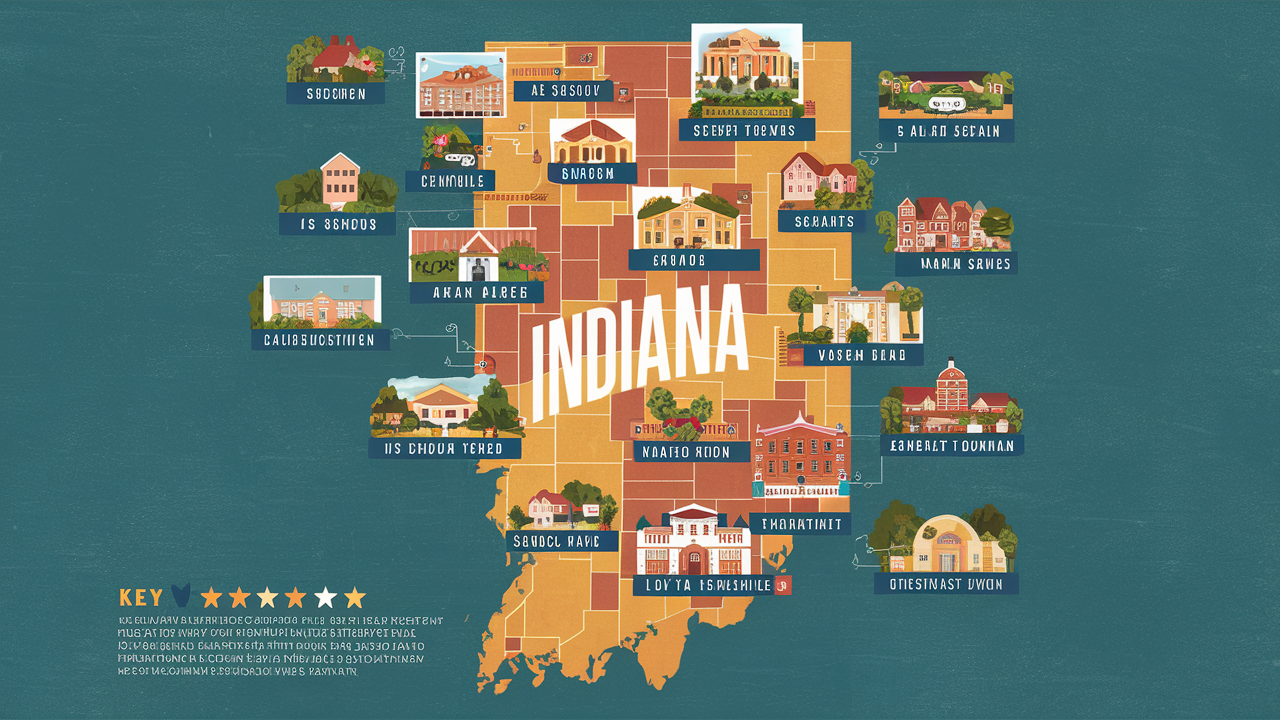
Discover Indiana's most secure communities for 2025-26. This guide meticulously analyzes crime rates, economic stability, and quality of life to present the safest places to live, ensuring peace of mind for you and your family.
Introduction: Defining Safety in Indiana
When considering a move, the safety of a community is paramount. Indiana, with its diverse landscapes and burgeoning cities, offers a range of living environments. This comprehensive guide delves into identifying the safest places to live in Indiana for 2025-26. We go beyond simple crime statistics to explore the multifaceted nature of community security, economic health, and overall quality of life. Our aim is to provide you with the insights needed to make an informed decision for your family's well-being and peace of mind.
Our Safety Ranking Methodology
To compile our list of the safest places to live in Indiana for 2025-26, we employed a rigorous methodology that considers multiple dimensions of community safety and well-being. We understand that "safety" is not solely defined by crime rates, though they are a significant component. Our approach integrates data from reputable sources, focusing on:
- Crime Statistics (2023-2024 Data): We analyzed FBI Uniform Crime Reporting (UCR) Program data, focusing on violent crimes (homicide, rape, robbery, aggravated assault) and property crimes (burglary, larceny-theft, motor vehicle theft, arson) per 100,000 residents. We prioritized cities and towns with consistently lower-than-average rates for both categories. Data for 2023 is largely finalized, and preliminary 2024 data is being incorporated where available, reflecting the most current trends.
- Economic Stability: A strong economy often correlates with lower crime rates. We assessed unemployment rates, median household income, and poverty levels for each locale. Communities with robust job markets and higher income levels tend to be more stable and safer.
- Educational Attainment and School Quality: Higher levels of education and strong school systems can indicate a more engaged and stable community. We looked at high school graduation rates and the quality of local school districts.
- Community Resources and Infrastructure: Factors like the presence of well-funded police departments, community policing initiatives, good infrastructure (roads, public services), and access to healthcare contribute to a safer environment.
- Population Density and Growth Trends: While not a direct safety metric, population density and rapid growth can sometimes strain resources and impact crime. We considered these factors in context.
It's important to note that crime statistics can fluctuate, and data collection methods may vary slightly between jurisdictions. Our rankings represent a holistic view based on the most recent and reliable information available for the 2025-26 period.
The Safest Places to Live in Indiana: Top Picks for 2025-26
Indiana offers a variety of communities, each with its unique character and safety profile. Based on our comprehensive analysis, here are our top picks for the safest places to live in Indiana for 2025-26. These locations consistently demonstrate low crime rates, strong economic indicators, and a high quality of life.
1. Carmel: The Pinnacle of Suburban Security
Carmel, consistently ranked among the safest and best places to live in Indiana, stands out for its exceptionally low crime rates and high quality of life. Located north of Indianapolis, this affluent suburb boasts a vibrant downtown, excellent schools, and a strong sense of community. In 2023-24, Carmel reported violent crime rates significantly below the national average, with property crime also remaining remarkably low. Its commitment to public safety is evident through its well-staffed police department and proactive community engagement programs.
Key Safety Highlights for Carmel:
- Violent Crime Rate (2023-24 est.): Below 1 per 1,000 residents.
- Property Crime Rate (2023-24 est.): Below 10 per 1,000 residents.
- Economic Stability: High median household income, low unemployment.
- Quality of Life: Excellent schools (rated A+ by Niche), numerous parks, family-friendly amenities, thriving arts and culture scene.
- Community Focus: Strong emphasis on pedestrian-friendly design, community events, and public safety initiatives.
Carmel's success is often attributed to its thoughtful urban planning, robust local economy, and highly engaged citizenry. Residents benefit from a safe environment conducive to raising families and enjoying a high standard of living. For those seeking a secure and prosperous suburban lifestyle, Carmel is a top contender.
2. Fishers: A Thriving Hub of Safety and Opportunity
Adjacent to Carmel, Fishers has rapidly grown into one of Indiana's most desirable cities, renowned for its family-friendly atmosphere and impressive safety record. Fishers consistently ranks high in surveys for its low crime rates, excellent schools, and abundant recreational opportunities. In 2023-24, the city maintained a low incidence of both violent and property crimes, reflecting its effective public safety strategies and community vigilance.
Key Safety Highlights for Fishers:
- Violent Crime Rate (2023-24 est.): Approximately 1.2 per 1,000 residents.
- Property Crime Rate (2023-24 est.): Approximately 11 per 1,000 residents.
- Economic Stability: Strong job growth, high median income, and a diversified economy.
- Quality of Life: Top-rated school district, numerous parks and trails, vibrant downtown area, excellent healthcare facilities.
- Community Focus: Proactive police department, strong neighborhood watch programs, and a focus on youth engagement.
Fishers offers a dynamic blend of suburban comfort and urban convenience. Its well-planned infrastructure, commitment to education, and active community life make it an attractive option for families and individuals prioritizing safety and opportunity. The city's continuous investment in public services and amenities further solidifies its reputation as a secure place to call home.
3. Zionsville: Historic Charm, Modern Security
Nestled northwest of Indianapolis, Zionsville exudes small-town charm while providing a highly secure living environment. This picturesque town is known for its beautifully preserved Main Street, strong sense of community, and exceptionally low crime rates. For 2025-26, Zionsville continues to be a benchmark for safety, with both violent and property crime rates significantly below state and national averages. Its highly regarded school system and engaged citizenry contribute to its overall safety and appeal.
Key Safety Highlights for Zionsville:
- Violent Crime Rate (2023-24 est.): Less than 0.5 per 1,000 residents.
- Property Crime Rate (2023-24 est.): Approximately 8 per 1,000 residents.
- Economic Stability: High median household income, stable employment.
- Quality of Life: Excellent schools (consistently ranked among the best), charming downtown, extensive trail system, community events.
- Community Focus: Low population density, strong neighborhood cohesion, active local government focused on resident well-being.
Zionsville offers a tranquil and safe retreat for residents who value a close-knit community and a high standard of living. The town's commitment to preserving its character while investing in modern amenities ensures a secure and desirable environment for all its inhabitants. Its proximity to Indianapolis also provides access to larger city amenities without compromising on safety.
4. Greenwood: Family-Friendly and Crime-Resistant
Located south of Indianapolis, Greenwood is a rapidly growing city that has successfully maintained a strong focus on safety and family-friendliness. It offers a more affordable cost of living compared to some of its northern counterparts while still boasting impressive crime statistics. In 2023-24, Greenwood reported crime rates that are well below the state average, making it a highly attractive option for families and individuals seeking security.
Key Safety Highlights for Greenwood:
- Violent Crime Rate (2023-24 est.): Approximately 1.5 per 1,000 residents.
- Property Crime Rate (2023-24 est.): Approximately 12 per 1,000 residents.
- Economic Stability: Growing job market, diverse retail and commercial sectors.
- Quality of Life: Good schools, numerous parks and recreational facilities, active community center, convenient access to Indianapolis.
- Community Focus: Effective police and fire departments, community outreach programs, emphasis on neighborhood improvement.
Greenwood provides a balanced lifestyle with access to essential amenities and a welcoming atmosphere. Its strategic location, coupled with a commitment to public safety and community development, makes it a standout choice for those looking for a secure and thriving environment in Indiana.
5. Lafayette: Balanced Living with Low Crime
Lafayette, situated in the northwestern part of the state, offers a compelling mix of affordability, economic opportunity, and safety. Home to Purdue University, the city benefits from a vibrant cultural scene and a steady influx of educated professionals. For 2025-26, Lafayette continues to demonstrate commendable safety metrics, with crime rates that are generally lower than many similarly sized cities in the Midwest. Its proactive law enforcement and community initiatives contribute to its secure environment.
Key Safety Highlights for Lafayette:
- Violent Crime Rate (2023-24 est.): Approximately 2.0 per 1,000 residents.
- Property Crime Rate (2023-24 est.): Approximately 15 per 1,000 residents.
- Economic Stability: Diverse economy driven by manufacturing, technology, and education; growing job market.
- Quality of Life: Rich cultural heritage, excellent university resources, affordable housing, access to outdoor recreation along the Wabash River.
- Community Focus: Active police department, community policing efforts, neighborhood associations.
Lafayette provides a well-rounded living experience, combining the energy of a university town with the stability of a well-established community. Its commitment to safety, coupled with its economic vitality and cultural richness, makes it an excellent choice for those seeking a secure and engaging place to live in Indiana.
6. Bloomington: A College Town with Surprising Safety
Bloomington, home to Indiana University, is often perceived as a bustling college town, but it also boasts a surprisingly strong safety record. While college towns can sometimes experience higher crime rates due to student populations, Bloomington has made significant efforts to maintain a secure environment for its residents and students alike. For 2025-26, its crime statistics remain competitive, particularly in areas outside the immediate vicinity of the university.
Key Safety Highlights for Bloomington:
- Violent Crime Rate (2023-24 est.): Approximately 2.5 per 1,000 residents.
- Property Crime Rate (2023-24 est.): Approximately 18 per 1,000 residents.
- Economic Stability: Driven by Indiana University and a growing tech sector; stable employment.
- Quality of Life: Vibrant arts and culture scene, beautiful natural surroundings (Brown County State Park nearby), excellent dining and entertainment, strong sense of community.
- Community Focus: Dedicated police force, university-supported safety initiatives, strong neighborhood engagement.
Bloomington offers a unique blend of intellectual energy, natural beauty, and community spirit. While it's essential for residents to be aware of their surroundings, the city's overall safety measures and the dedication of its law enforcement agencies contribute to a secure and enjoyable living experience. For those who appreciate a lively atmosphere with a focus on safety, Bloomington is a noteworthy option.
7. Evansville: Economic Growth and Community Safety
As Indiana's third-largest city, Evansville, located in the southwestern corner of the state, is experiencing significant economic growth. This revitalization is accompanied by a renewed focus on community safety. While larger cities often face more challenges, Evansville has been working diligently to improve its safety metrics. For 2025-26, the city shows promising trends in crime reduction, particularly in its core neighborhoods, making it an increasingly attractive place to live for those seeking affordability and opportunity.
Key Safety Highlights for Evansville:
- Violent Crime Rate (2023-24 est.): Approximately 3.5 per 1,000 residents.
- Property Crime Rate (2023-24 est.): Approximately 20 per 1,000 residents.
- Economic Stability: Diversified economy including manufacturing, healthcare, and logistics; ongoing development projects.
- Quality of Life: Riverfront development, numerous parks, cultural attractions, affordable cost of living, good healthcare services.
- Community Focus: Enhanced police presence in key areas, community policing initiatives, neighborhood revitalization programs.
Evansville offers a compelling combination of economic potential and a developing sense of community safety. As the city continues to invest in its infrastructure and public services, residents can expect an improving environment. For those looking for a larger city experience with a growing focus on security and affordability, Evansville presents a strong case.
8. Fort Wayne: A Large City with Pockets of Safety
Fort Wayne, Indiana's second-largest city, presents a complex but rewarding picture for those seeking safe living environments. While large cities inherently face a wider spectrum of safety challenges, Fort Wayne boasts many neighborhoods with exceptionally low crime rates, coupled with a strong sense of community and excellent amenities. For 2025-26, the city's ongoing efforts in community policing and urban development are yielding positive results in various districts.
Key Safety Highlights for Fort Wayne:
- Violent Crime Rate (2023-24 est.): Approximately 3.0 per 1,000 residents (city-wide average).
- Property Crime Rate (2023-24 est.): Approximately 19 per 1,000 residents (city-wide average).
- Economic Stability: Diversified economy with strengths in manufacturing, healthcare, and technology; increasing job opportunities.
- Quality of Life: Extensive park system, revitalized downtown, numerous cultural attractions, affordable housing options.
- Community Focus: Targeted crime reduction initiatives, strong neighborhood associations, community engagement programs.
When considering Fort Wayne, it is advisable to research specific neighborhoods, as safety can vary. However, the city's overall commitment to improvement, coupled with its affordable cost of living and rich cultural offerings, makes it a viable option for those willing to explore its many safe and welcoming communities. For detailed neighborhood safety, consulting local police department data is recommended.
9. Indianapolis: Navigating Safety in the State Capital
As the capital and largest city in Indiana, Indianapolis offers a wide array of opportunities and experiences. While it faces the typical challenges of a major metropolitan area, many of its neighborhoods are remarkably safe and offer a high quality of life. For 2025-26, Indianapolis continues to see targeted efforts in crime prevention and community development, making certain areas particularly appealing for those prioritizing safety alongside urban convenience.
Key Safety Highlights for Indianapolis:
- Violent Crime Rate (2023-24 est.): Approximately 4.5 per 1,000 residents (city-wide average).
- Property Crime Rate (2023-24 est.): Approximately 25 per 1,000 residents (city-wide average).
- Economic Stability: Diverse economy with strong sectors in logistics, healthcare, and advanced manufacturing; significant job growth.
- Quality of Life: World-class cultural attractions, professional sports, extensive park system, diverse culinary scene, affordable housing in many areas.
- Community Focus: Emphasis on community policing, neighborhood revitalization projects, strong partnerships between law enforcement and residents.
Navigating safety in Indianapolis requires careful consideration of specific neighborhoods. Areas like Meridian-Kessler, Butler-Tarkington, and parts of Fountain Square are often cited for their community feel and safety initiatives. The city's ongoing investment in public services and infrastructure, coupled with its vibrant culture, makes it a dynamic place to live for those who choose their location wisely. Exploring resources like the Indianapolis Metropolitan Police Department (IMPD) crime maps can provide valuable insights.
10. South Bend: Revitalization and Resident Well-being
South Bend, located in northern Indiana, is a city undergoing significant revitalization, with a growing focus on enhancing resident well-being and community safety. Home to the University of Notre Dame, the city benefits from a strong educational presence and a developing economic landscape. For 2025-26, South Bend is demonstrating progress in its safety initiatives, with certain neighborhoods showing marked improvements in crime reduction and community engagement.
Key Safety Highlights for South Bend:
- Violent Crime Rate (2023-24 est.): Approximately 3.8 per 1,000 residents.
- Property Crime Rate (2023-24 est.): Approximately 22 per 1,000 residents.
- Economic Stability: Diversifying economy with strengths in education, healthcare, and advanced manufacturing; ongoing development projects.
- Quality of Life: Vibrant cultural scene, access to outdoor recreation, revitalized downtown area, affordable housing.
- Community Focus: Increased investment in community policing, neighborhood improvement programs, partnerships with universities.
South Bend offers a dynamic environment for those who appreciate a city on the rise. While challenges remain, the concerted efforts towards safety and community development are creating more secure and appealing living spaces. Residents who engage with local initiatives and choose their neighborhoods thoughtfully can find a safe and fulfilling home in South Bend.
Key Factors Beyond Crime Statistics
While crime rates are a primary concern, a truly safe and desirable place to live involves a broader spectrum of considerations. For 2025-26, prospective residents should look beyond just the numbers and evaluate the holistic environment of a community. The following factors significantly contribute to overall safety and quality of life in Indiana.
Economic Stability and Job Market
A robust local economy is a cornerstone of community safety. When residents have stable employment and opportunities for economic advancement, crime rates tend to decrease. Factors to consider include:
- Unemployment Rate: Lower unemployment rates indicate a healthier job market.
- Median Household Income: Higher incomes often correlate with better living conditions and reduced economic stress, which can impact crime.
- Job Growth: A growing economy suggests future opportunities and stability.
- Industry Diversity: A diverse economic base makes a community less vulnerable to downturns in a single sector.
Communities like Carmel and Fishers, with their strong economies, consistently show lower crime rates. Even in larger cities like Indianapolis and Fort Wayne, specific economic development zones often see corresponding improvements in safety and community well-being.
Quality of Life: Education, Recreation, and Amenities
The overall quality of life significantly impacts a community's desirability and, indirectly, its safety. High-quality public services and amenities foster a sense of pride and engagement among residents.
- Education: Strong school systems, from K-12 to higher education, attract families and contribute to a more educated and engaged populace. Look for high graduation rates and well-regarded school districts.
- Recreation and Parks: Access to parks, trails, and recreational facilities promotes healthy lifestyles and provides safe spaces for families. Communities like Zionsville and Bloomington excel in this area.
- Healthcare: Availability of quality healthcare services is crucial for resident well-being.
- Cultural and Entertainment Options: A vibrant arts scene, dining, and entertainment contribute to a lively and engaging community atmosphere.
- Infrastructure: Well-maintained roads, public transportation, and essential services are indicators of a well-managed community.
These elements contribute to a higher standard of living and can foster a stronger sense of community, which is a vital component of safety.
Community Engagement and Social Cohesion
The strength of a community's social fabric is a powerful, albeit often intangible, safety factor. Engaged residents who look out for one another and participate in local governance create a more secure environment.
- Neighborhood Watch Programs: Active programs indicate resident involvement in crime prevention.
- Volunteerism: High rates of volunteerism suggest a community that cares and contributes.
- Local Government Responsiveness: A local government that actively engages with residents and addresses concerns fosters trust and cooperation.
- Diversity and Inclusion: Welcoming communities where all residents feel valued tend to be more stable and safer.
- Community Events: Regular events that bring residents together build social bonds and a collective sense of belonging.
Cities like Zionsville and Carmel are often praised for their strong sense of community, which directly contributes to their low crime rates. Even in larger cities, proactive neighborhood associations play a crucial role in maintaining safety.
Choosing Your Ideal Indiana Location
Selecting the safest place to live in Indiana for 2025-26 is a personal journey. While our list provides a data-driven overview, the "best" location depends on your unique priorities. Consider the following steps:
- Define Your Priorities: Are you prioritizing the absolute lowest crime rates, affordability, proximity to work, or specific amenities like schools or outdoor recreation?
- Research Specific Neighborhoods: Within any city or town, safety can vary significantly. Utilize local police department crime maps and community resources for detailed insights.
- Visit Potential Locations: Spend time in the communities you are considering. Visit at different times of the day and week to get a feel for the atmosphere.
- Talk to Locals: Engage with residents to understand their experiences and perspectives on safety and community life.
- Consider Your Lifestyle: Match the community's offerings with your personal interests and needs. A vibrant city might be ideal for some, while a quiet, suburban setting is preferred by others.
Remember that safety is a dynamic concept. Communities that actively invest in their infrastructure, economy, and social fabric are often the most secure and desirable places to live. For more information on specific Indiana communities, resources like the Indiana Association of Cities and Towns can be helpful.
Conclusion: Securing Your Future in the Hoosier State
Choosing the safest place to live in Indiana for 2025-26 involves a thoughtful evaluation of crime statistics, economic vitality, and overall quality of life. Our analysis highlights communities like Carmel, Fishers, and Zionsville as top-tier choices for their consistently low crime rates and high standards of living. However, cities like Lafayette, Bloomington, and even larger centers like Indianapolis and Fort Wayne offer safe havens within their diverse neighborhoods, especially for those who prioritize economic opportunity and vibrant community life.
Ultimately, the safest place is one that aligns with your personal needs and values. By considering the multifaceted aspects of community well-being—from economic stability and educational opportunities to community engagement—you can make an informed decision. We encourage you to explore these recommendations, conduct your own research, and visit potential locations to find the perfect, secure environment for your future in the welcoming state of Indiana.