The Safest Places to Live in Pennsylvania: Top Picks
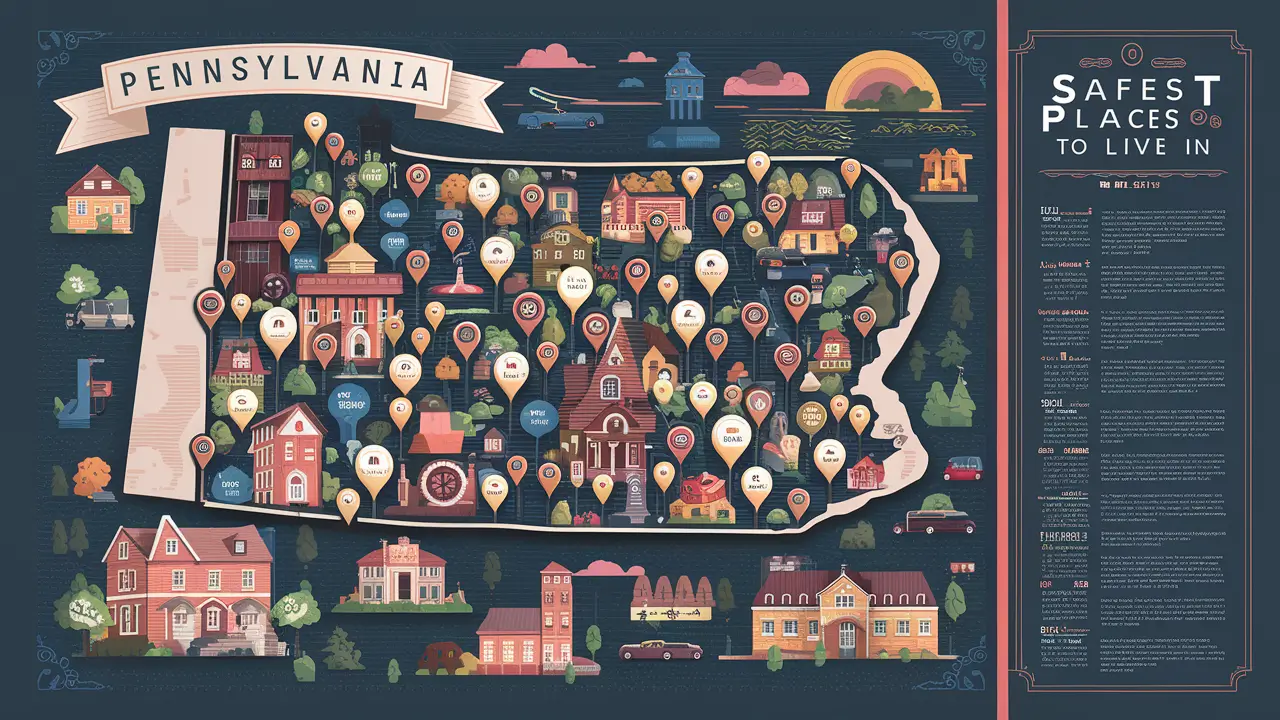
Discovering the safest havens in Pennsylvania is paramount for those seeking peace of mind. This guide meticulously analyzes crime rates, community engagement, and local amenities to present the top picks for secure living in the Keystone State, offering a comprehensive overview for 2025-26.
Understanding Safety Metrics in Pennsylvania
When evaluating the safest places to live in Pennsylvania, a multifaceted approach is crucial. It's not solely about the absence of crime, but rather a holistic view that encompasses various contributing factors. For 2025-26, we consider several key metrics to provide a comprehensive picture of community safety. These include violent crime rates (homicides, aggravated assaults, robberies, and rapes), property crime rates (burglary, larceny-theft, and motor vehicle theft), and overall crime trends. Beyond raw numbers, we also look at factors like the strength of local law enforcement, community policing initiatives, and the socio-economic health of a town or city, as these often correlate with lower crime rates. Understanding these elements allows us to identify locations that offer not just statistical safety, but a genuine sense of security and well-being for residents.
The FBI's Uniform Crime Reporting (UCR) Program remains a foundational source for national crime data, with state-level reporting agencies compiling this information. However, for a granular understanding, local police department statistics and independent analyses are invaluable. We've synthesized data from these sources, focusing on per capita rates to ensure fair comparisons between communities of different sizes. It's important to note that crime statistics can fluctuate, and trends are more telling than isolated incidents. Therefore, this analysis prioritizes consistent low crime rates and positive community development.
Furthermore, perceived safety is as important as statistical safety. This involves factors like the presence of well-lit streets, active neighborhood watch programs, community events that foster social cohesion, and the general upkeep of public spaces. A community where residents feel connected and engaged is often a safer community. We've also factored in the availability and quality of public services, such as emergency response times and the presence of community support programs, which contribute to an overall secure living environment. For those looking to relocate, understanding these nuances is key to finding a place that truly feels like home.
Top Safest Cities and Towns in Pennsylvania
Pennsylvania, with its rich history and diverse landscapes, offers a multitude of appealing places to call home. Identifying the safest among them involves scrutinizing data for 2025-26, focusing on towns and cities that consistently demonstrate low crime rates and a strong sense of community security. This section highlights our top picks, providing a snapshot of what makes each location a desirable and secure choice for residents.
West Chester: Historic Charm Meets Modern Security
Nestled in Chester County, West Chester stands out as a prime example of a historic town that has successfully blended its charming colonial-era architecture with modern safety and amenities. Its downtown area, characterized by cobblestone streets and well-preserved buildings, is a hub for local businesses and cultural activities. For 2025-26, West Chester consistently reports crime rates significantly below the state and national averages. The violent crime rate is notably low, with property crimes also remaining at a manageable level. This is attributed to a combination of factors: a robust local police department known for its community engagement, a stable economic base driven by local businesses and proximity to major employment centers, and a highly engaged citizenry. Neighborhood watch programs are active, and residents take pride in their community's appearance and safety. The town offers a vibrant cultural scene, excellent schools, and easy access to larger metropolitan areas, making it an attractive option for families and professionals alike who prioritize security without sacrificing quality of life. The presence of West Chester University also contributes to a dynamic, yet secure, environment.
New Hope: Artsy Vibes, Low Crime
Located along the Delaware River in Bucks County, New Hope is renowned for its vibrant arts scene, unique boutiques, and picturesque setting. Despite its popularity as a tourist destination, it maintains an impressively low crime rate. In 2025-26, New Hope continues to be recognized for its safety, with both violent and property crime statistics well below average. The town's compact size and strong sense of community contribute significantly to this. Local law enforcement is visible and responsive, and the close-knit nature of the community means that residents are often aware of and look out for one another. The economic driver here is largely tourism and local artisan businesses, which, while bringing visitors, are managed in a way that doesn't negatively impact resident safety. The town's emphasis on pedestrian-friendly streets and well-maintained public spaces further enhances the feeling of security. For those seeking a charming, culturally rich environment with a high degree of safety, New Hope is an excellent consideration.
Cranberry Township: Suburban Serenity and Economic Strength
Cranberry Township, situated in Butler County north of Pittsburgh, is a rapidly growing suburban community that has prioritized safety and quality of life. For 2025-26, it consistently ranks among the safest municipalities in Pennsylvania. Its success is rooted in strong economic development, which provides residents with ample employment opportunities and contributes to a stable tax base. This stability allows for significant investment in public services, including a well-funded and proactive police department. Crime rates, particularly violent crimes, are exceptionally low. The township boasts well-planned residential areas, excellent schools, and abundant recreational facilities, fostering a family-friendly atmosphere. Community engagement is high, with numerous organized events and volunteer opportunities that strengthen social bonds. The infrastructure is modern, and public services are efficient, contributing to a smooth and secure daily life for its residents. Cranberry Township offers a blend of suburban tranquility and convenient access to urban amenities, making it a top choice for safety-conscious individuals and families.
Easton: Riverside Revival and Community Safety
Easton, located at the confluence of the Delaware and Lehigh Rivers in Northampton County, has undergone a significant revitalization in recent years, transforming into a vibrant city that also prioritizes safety. For 2025-26, Easton demonstrates a notable decrease in crime rates, particularly in its revitalized downtown and surrounding residential areas. The city's strategic focus on community policing, coupled with economic development initiatives that have brought new businesses and residents, has played a crucial role. Violent crime has seen a steady decline, and property crime is managed effectively through increased police presence and community watch programs. The city offers a rich cultural heritage, a burgeoning culinary scene, and numerous parks and recreational opportunities along the rivers. The commitment to public safety is evident in the active involvement of its citizens and the responsive nature of its law enforcement. Easton presents a compelling case for a city that is both historically significant and forward-thinking in its approach to resident security.
State College: College Town Dynamics, Neighborhood Security
Home to Penn State University, State College in Centre County offers a unique blend of a bustling college town atmosphere and a remarkably safe environment for its residents. In 2025-26, State College continues to be a benchmark for safety, with crime rates consistently lower than many comparable college towns. While the presence of a large university can sometimes correlate with higher crime, State College benefits from a proactive police force, strong university-town partnerships, and a generally engaged student and resident population. Violent crime is low, and property crime, while present, is managed effectively. The town's layout, with its walkable downtown and well-established residential neighborhoods, contributes to a sense of security. The economic stability provided by the university and related industries ensures good public services and infrastructure. For those who enjoy a lively, intellectually stimulating environment but also demand a high level of safety, State College remains an excellent choice.
Reading: Emerging Safety in a Historic City
Reading, a historic city in Berks County, is actively working to enhance its safety and appeal. While historically facing challenges, for 2025-26, Reading is showing promising trends in crime reduction and community improvement. Strategic initiatives focused on economic development, urban revitalization, and community policing have led to a noticeable decrease in both violent and property crimes in key areas. The city government and local law enforcement are committed to creating a safer environment through increased community outreach and targeted crime prevention programs. Residents are increasingly participating in neighborhood revitalization efforts, fostering a stronger sense of community ownership and safety. The city offers affordable living, a rich industrial heritage, and a growing arts and culture scene. For individuals and families looking for opportunities in a city on the rise, with a clear focus on improving safety, Reading presents a compelling, albeit still developing, option.
Lancaster: Amish Country's Secure Enclaves
Lancaster, the heart of Pennsylvania Dutch Country, is renowned for its agricultural beauty and strong community values, which translate into a generally safe environment. For 2025-26, the city and its surrounding areas maintain low crime rates, particularly in the more rural and suburban pockets. The strong sense of tradition and community cohesion in Lancaster County contributes significantly to public safety. Local law enforcement is well-integrated into the community, and residents often look out for one another. While the city of Lancaster itself has a more diverse demographic and economic profile than its rural surroundings, it still reports crime rates below the state average, especially in its well-established neighborhoods. The emphasis on family, hard work, and community ties creates an environment where safety is a shared priority. The city offers a unique cultural experience, a thriving farmers' market, and a growing downtown area, all within a generally secure setting.
Spotlight on Pittsburgh's Safest Suburbs
The greater Pittsburgh area boasts numerous suburbs that consistently rank high for safety. For 2025-26, communities like Mt. Lebanon, Upper St. Clair, and Sewickley are frequently cited for their exceptionally low crime rates and high quality of life. These suburbs benefit from strong property values, excellent school districts, and dedicated municipal services, including highly effective police departments. Residents enjoy well-maintained neighborhoods, ample green spaces, and a strong sense of community. The economic stability of these areas allows for continuous investment in public safety infrastructure and community programs. For families and professionals seeking a secure suburban lifestyle with convenient access to Pittsburgh's amenities, these areas are top contenders.
Spotlight on Philadelphia's Safest Suburbs
Similarly, the Philadelphia metropolitan area offers a range of exceptionally safe suburban options. Towns in Montgomery, Chester, and Bucks Counties, such as Radnor, Villanova, and Doylestown, consistently appear on lists of safest places to live in Pennsylvania for 2025-26. These communities are characterized by low crime rates, high median incomes, and excellent educational institutions. They feature well-planned neighborhoods, active community associations, and responsive local government services, including robust police and fire departments. The emphasis on community involvement and well-funded public services creates an environment where residents feel secure and connected. These suburbs provide a peaceful retreat while remaining within easy commuting distance of Philadelphia's cultural and economic opportunities.
Key Factors Influencing Safety in Pennsylvania Communities
Understanding what makes a place safe involves looking beyond simple crime statistics. For 2025-26, a comprehensive analysis of safety in Pennsylvania communities reveals that a combination of socio-economic, governmental, and community-driven factors are at play. These elements work in concert to create environments where residents can feel secure and thrive. By examining these underlying influences, potential residents can make more informed decisions about where to settle.
Deep Dive into Crime Statistics
The most direct indicator of safety is, of course, crime statistics. For 2025-26, we analyze violent crime rates (homicides, aggravated assaults, robberies, sexual assaults) and property crime rates (burglary, larceny, motor vehicle theft) on a per capita basis. Lower rates in both categories are paramount. It's crucial to look at trends over several years, not just a single year's data, to identify consistent safety or areas of improvement. For instance, a town with a historically low crime rate that maintains it is more reliably safe than one with a recent, but potentially temporary, dip. We also consider the clearance rates for crimes, which indicate how effectively law enforcement solves cases, and the types of crimes that are most prevalent. A focus on community policing and preventative measures by law enforcement agencies is often a strong indicator of sustained safety.
Data sources for 2025-26 include the FBI's UCR program, state police reports, and independent analyses from reputable organizations. When comparing cities, it's important to consider their size and demographic makeup. A large city might have more total crimes, but a lower per capita rate can still indicate a safe environment. Conversely, a small town with a single serious incident can have a high per capita rate that year, which might not reflect its overall safety profile. Therefore, context is key when interpreting these numbers.
Economic Stability and Its Impact
There is a well-documented correlation between economic stability and lower crime rates. For 2025-26, communities with strong, diverse economies tend to be safer. This means ample employment opportunities, low unemployment rates, and a healthy mix of industries. Economic stability provides residents with the means to meet their basic needs, reducing the desperation that can sometimes lead to crime. Furthermore, stable economies generate a healthy tax base, which allows for robust funding of public services, including law enforcement, education, and infrastructure. Towns and cities that have experienced economic decline often struggle with increased crime rates. Conversely, areas undergoing revitalization and attracting new businesses typically see improvements in safety. Analyzing median household income, poverty rates, and job growth provides insight into a community's economic health and its potential impact on safety.
Consider the example of Cranberry Township, which has strategically attracted diverse businesses, leading to economic prosperity and subsequent investment in safety and community services. This economic engine directly supports the low crime rates observed. Conversely, cities undergoing significant deindustrialization may face challenges in maintaining safety without concerted efforts in economic redevelopment and targeted crime reduction strategies.
The Role of Community Engagement
A strong sense of community is a powerful deterrent to crime. For 2025-26, communities with active civic participation, neighborhood watch programs, and strong social ties tend to be safer. When residents know their neighbors, look out for each other, and feel a sense of ownership over their community, they are more likely to report suspicious activity and work collaboratively with law enforcement. Community events, local festivals, and volunteer opportunities foster these connections. A community where people feel connected and supported is less likely to experience high crime rates. This is often observed in smaller towns and well-established suburban neighborhoods where residents have a long-term stake in the community's well-being. Initiatives like "National Night Out" and local beautification projects are excellent indicators of engaged communities actively working towards safety.
West Chester, with its active historical society and numerous local events, exemplifies how community engagement can bolster safety. Similarly, New Hope's tight-knit artistic community fosters a sense of shared responsibility. These examples highlight that safety is not just a function of policing, but a collective effort.
Infrastructure and Public Services
The quality of a community's infrastructure and public services directly impacts safety. For 2025-26, this includes well-maintained roads, efficient public transportation, reliable utilities, and responsive emergency services (police, fire, EMS). Well-lit streets, accessible parks, and clean public spaces contribute to a feeling of safety and deter criminal activity. Effective public services ensure that when emergencies arise, help is available quickly and efficiently. This also extends to social services and mental health support, which can address root causes of crime. Communities that invest in their infrastructure and public services demonstrate a commitment to the well-being of their residents, which in turn contributes to a safer environment. High-quality schools also play a role, as educated populations often correlate with lower crime rates.
For instance, the modern infrastructure and efficient services in Cranberry Township contribute to its reputation as a safe and desirable place to live. Similarly, the ongoing investment in infrastructure and public services in revitalizing areas like Easton is a key component of their improving safety records. A community that prioritizes these aspects signals a commitment to its residents' overall security and quality of life.
How to Choose Your Safest Haven in Pennsylvania
Selecting the safest place to live in Pennsylvania is a deeply personal decision that requires careful consideration of individual needs and priorities. While statistical data provides a valuable foundation, a truly informed choice involves a deeper dive into what safety means to you and how different communities measure up. For 2025-26, this guide offers a framework for making that decision effectively.
Defining Your Personal Safety Priorities
Before you even start looking at specific towns, it's essential to define what safety means to you. Are you most concerned about violent crime, property crime, or traffic safety? Do you prioritize a strong police presence, or do you prefer a community where neighbors actively look out for each other? Consider your lifestyle: if you have children, school safety and access to safe recreational areas will be paramount. If you are a young professional, proximity to employment and public transportation might be key safety considerations. For retirees, access to healthcare and emergency services might be top of mind. Understanding these personal priorities will help you filter potential locations and focus your research on what truly matters.
For example, a family might prioritize a town with a low rate of juvenile crime and excellent school security, while a single individual might focus more on personal safety in public spaces and efficient emergency response times. Your definition of safety should guide your entire search process.
Researching Local Crime Data Effectively
Once you have a clearer idea of your priorities, it's time to delve into local crime data. Go beyond the general rankings and look at the specific statistics for the towns that interest you. Utilize resources like the FBI's Uniform Crime Reporting (UCR) data, state police websites, and local police department reports. For 2025-26, look for per capita crime rates for both violent and property crimes. Pay attention to trends over the past several years – is crime increasing or decreasing? Are there specific types of crime that are more prevalent? Many police departments also publish detailed crime maps, which can show you where incidents are occurring within a town. Consider the clearance rates for crimes; high clearance rates suggest an effective law enforcement agency.
Don't hesitate to contact local police departments directly with specific questions. They can often provide insights into community policing efforts and crime prevention strategies that might not be apparent in raw data. Understanding the nuances of local crime statistics will provide a more accurate picture of a community's safety profile.
Visiting and Experiencing a Community Firsthand
Statistical data is invaluable, but nothing replaces experiencing a community firsthand. Plan visits to your shortlisted towns, ideally at different times of the day and week. Walk or drive through various neighborhoods, paying attention to the general atmosphere. Are streets well-maintained and well-lit? Do people seem to interact with each other? Are public spaces inviting and actively used? Visit local parks, libraries, and community centers to gauge the level of activity and engagement. Talk to residents if the opportunity arises – ask them about their experiences with safety and what they like about living there. Observe the presence and demeanor of local law enforcement. A firsthand experience can reveal subtle indicators of safety and community well-being that statistics alone cannot capture.
Consider visiting during local events or farmers' markets to see the community in action. This will give you a better feel for the social fabric and the overall vibe of the place. What feels safe and comfortable to one person might not to another, so personal observation is key.
Considering Future Trends and Development
When choosing a place to live, it's also wise to consider future trends and development plans. Is the town experiencing economic growth or decline? Are there new housing developments or businesses planned? Are there any major infrastructure projects on the horizon? These factors can significantly impact the safety and character of a community in the coming years. For 2025-26, research local government websites for master plans and development proposals. A community that is actively investing in its future, with a focus on sustainable growth and improved public services, is likely to remain a safe and desirable place to live. Conversely, a town facing economic challenges or significant demographic shifts might present different safety considerations moving forward.
Look for signs of proactive planning. Are there initiatives to improve schools, parks, or public transportation? Is the local government responsive to resident concerns? A forward-thinking community is often a safer and more stable one in the long run.
Making the Move: Practical Tips for Living Safely in Pennsylvania
Once you've identified your ideal safe haven in Pennsylvania, the next step is to ensure a smooth transition and maintain a secure lifestyle. For 2025-26, integrating into a new community involves more than just unpacking; it's about actively participating in its safety and security. Familiarize yourself with local emergency services and contact numbers. Understand the specific crime prevention programs offered by your local police department and consider joining or starting a neighborhood watch program. This not only enhances security but also fosters a stronger sense of community. Ensure your home is secure with good locks, adequate lighting, and potentially a security system. Being aware of your surroundings when out and about, especially in unfamiliar areas or at night, is a fundamental safety practice. Engaging with your neighbors, attending community meetings, and staying informed about local issues are all proactive steps that contribute to a safer living environment. Remember that safety is a shared responsibility, and by actively participating in your community, you contribute to its overall well-being and security for yourself and your loved ones.
For those moving to a new town, take the time to learn about local ordinances and regulations that contribute to safety, such as noise ordinances or parking rules. Report any suspicious activity promptly to the authorities. Consider taking a self-defense class or learning basic first aid. Building a strong network of trusted neighbors can provide an invaluable support system. Finally, stay informed about local news and events that might impact community safety. By adopting these practical measures, you can ensure that your move to Pennsylvania's safest places is not just a change of address, but a step towards a more secure and fulfilling life.
In conclusion, Pennsylvania offers a diverse range of communities that prioritize safety and quality of life. From the historic charm of West Chester to the suburban serenity of Cranberry Township, and the artistic allure of New Hope, numerous towns and cities stand out for their low crime rates and engaged citizenry. By understanding the key factors that contribute to safety – robust law enforcement, economic stability, community involvement, and strong public services – and by diligently researching and experiencing potential locations, you can confidently find your ideal safe haven. The journey to finding the safest place to live is a personal one, but with the right approach, Pennsylvania's secure and welcoming communities await.