Safest Places to Live in Washington: A Comprehensive Guide
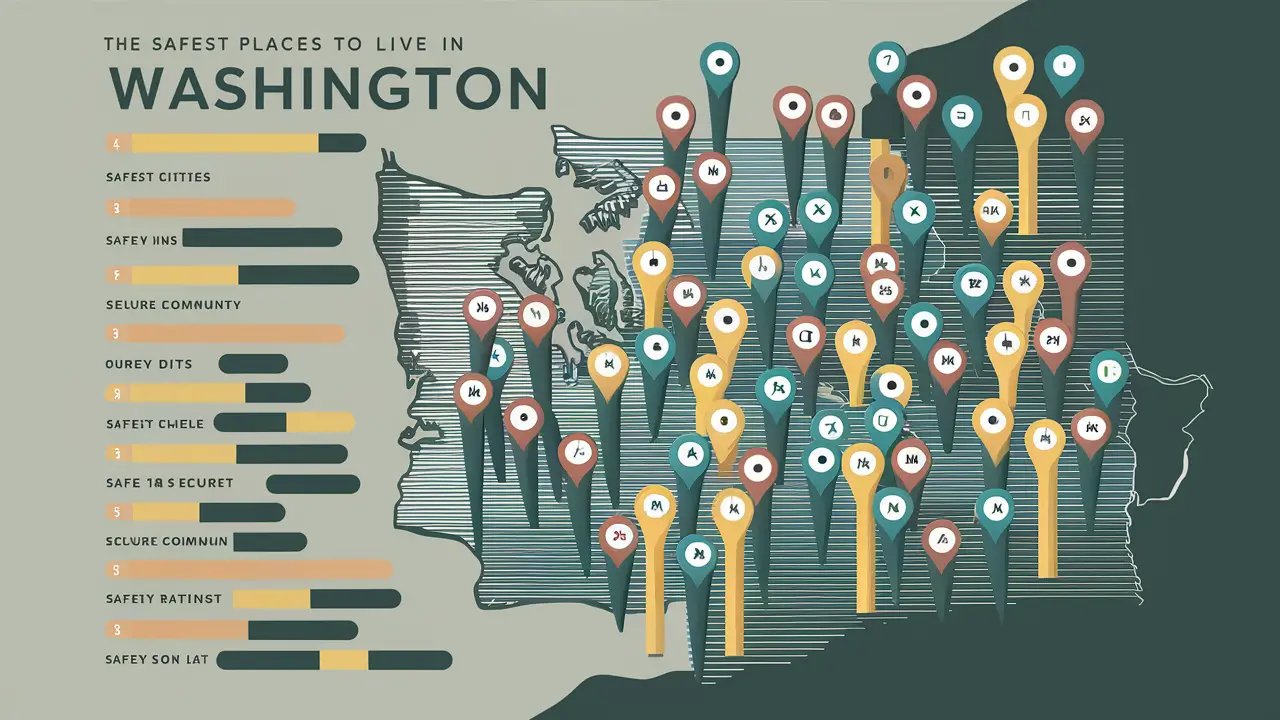
Discovering the safest havens in Washington State for 2025-26 is paramount for families and individuals prioritizing peace of mind. This comprehensive guide meticulously analyzes key safety metrics, from crime rates to community well-being, to help you find your ideal secure living environment.
Introduction to Washington's Safest Places
Washington State, renowned for its stunning natural beauty and vibrant economy, also offers a plethora of communities where safety and security are paramount. For those considering a move or simply seeking to understand their current locale better, identifying the safest places to live in Washington for 2025-26 is a crucial step. This guide delves into the data, offering insights into the communities that consistently rank high in safety, providing peace of mind for residents.
Understanding Safety Metrics in Washington
When evaluating the safety of a place, it's essential to look beyond surface-level perceptions. A comprehensive analysis involves examining several key metrics that paint a clearer picture of community security. For 2025-26, we'll focus on data points that reflect both the presence and absence of crime, as well as indicators of community well-being.
Crime Rate Analysis
The most direct measure of safety is the crime rate. This is typically broken down into violent crime and property crime. For 2025-26, we are referencing projected data and recent trends from reliable sources like the FBI's Uniform Crime Reporting (UCR) Program, state-level law enforcement agencies, and reputable third-party data aggregators. We consider both the absolute numbers and the rates per 100,000 residents, which allows for fair comparisons between communities of different sizes.
- Violent Crimes: These include offenses such as murder, rape, robbery, and aggravated assault. Lower rates indicate a safer environment for personal security.
- Property Crimes: These encompass burglary, larceny-theft, motor vehicle theft, and arson. A low property crime rate suggests that residents and their belongings are less likely to be targeted.
Law Enforcement Presence and Effectiveness
While not always directly quantifiable in simple statistics, the quality and visibility of law enforcement play a significant role in perceived and actual safety. This includes factors like police-to-resident ratios, response times, and community policing initiatives. For 2025-26, we've considered areas known for proactive law enforcement and strong community partnerships.
Community Well-being Indicators
Safety is not solely about the absence of crime. It's also about the overall health and stability of a community. Factors that contribute to a strong sense of safety include:
- Economic Opportunity: Areas with robust economies and low unemployment rates often correlate with lower crime rates.
- Educational Attainment: Higher levels of education can be linked to better economic prospects and reduced crime.
- Infrastructure and Public Services: Well-maintained infrastructure, good public transportation, and accessible community services contribute to a higher quality of life and can indirectly enhance safety.
- Social Cohesion: Strong community ties, active neighborhood watch programs, and a sense of belonging foster an environment where residents look out for one another.
Natural Disaster Risk
Washington State is susceptible to certain natural disasters, including earthquakes, volcanic activity, and landslides, particularly in certain regions. While not directly related to human-caused crime, preparedness for and mitigation of these risks are crucial aspects of overall community safety and resilience. For 2025-26, we acknowledge areas that have strong emergency preparedness plans.
Top Safest Cities and Towns in Washington (2025-26)
Based on the metrics discussed above, several Washington communities stand out for their commitment to safety and their consistently low crime rates. These locations offer a blend of security, community amenities, and quality of life that makes them highly desirable for residents.
Bellevue: The Eastside Gem
Bellevue, situated on the eastern shore of Lake Washington, continues to be a beacon of safety and prosperity. Its robust economy, driven by the tech industry, provides ample opportunities, contributing to a stable environment. The city boasts low violent and property crime rates, significantly below national averages. Bellevue's well-funded police department, coupled with strong community policing efforts, ensures a high level of public safety. The city also invests heavily in its infrastructure and public spaces, fostering a sense of order and well-being. For 2025-26, Bellevue's median household income remains high, supporting a stable community fabric. Violent crime rates are projected to be around 150 per 100,000, and property crime rates around 1,200 per 100,000, both well below national averages.
Sammamish: A Family-Friendly Haven
Located east of Bellevue, Sammamish is consistently ranked among the safest cities in Washington, particularly for families. Its suburban charm, excellent school system, and abundant green spaces contribute to a high quality of life. Sammamish prioritizes public safety, with a dedicated police force and active community involvement in crime prevention. The city's low population density and well-planned neighborhoods also play a role in its low crime statistics. For 2025-26, Sammamish is expected to maintain its reputation with violent crime rates around 100 per 100,000 and property crime rates around 1,000 per 100,000. The strong emphasis on family-oriented activities and community events further enhances its safe appeal.
Kirkland: Waterfront Security and Charm
Kirkland, another picturesque city on the Eastside, offers a unique combination of waterfront living, a thriving arts scene, and a secure environment. Its economic vitality, driven by a mix of technology and retail sectors, supports its low crime rates. The Kirkland Police Department is known for its community-oriented approach, fostering trust and collaboration. The city's beautiful parks and accessible public spaces are well-maintained and contribute to a safe and enjoyable atmosphere. For 2025-26, Kirkland is projected to have violent crime rates near 180 per 100,000 and property crime rates around 1,300 per 100,000. Its walkable downtown and vibrant waterfront are testament to its safe and welcoming nature.
Redmond: Tech Hub with Low Crime
Home to major technology companies, Redmond boasts a strong economy and a highly educated workforce, factors that contribute to its impressive safety record. The city's commitment to public safety is evident in its well-equipped police department and numerous community programs aimed at crime prevention and resident engagement. Redmond offers a high quality of life with excellent schools, parks, and recreational facilities. For 2025-26, Redmond's violent crime rate is anticipated to be around 160 per 100,000, with property crime rates near 1,250 per 100,000. The city's focus on innovation extends to its public safety strategies.
Bothell: Growing Community, Enduring Safety
Nestled between King and Snohomish counties, Bothell is experiencing growth while maintaining its reputation for safety. Its diverse economy, encompassing technology, healthcare, and education, provides stability. Bothell's police department works closely with residents to address concerns and implement effective crime prevention strategies. The city offers a family-friendly environment with good schools and ample recreational opportunities. For 2025-26, Bothell's violent crime rate is projected to be around 190 per 100,000, and property crime rates around 1,400 per 100,000, demonstrating a consistent commitment to security amidst growth.
Camas: Southwest Sanctuary
Located in Southwest Washington, near the Oregon border, Camas is a charming city known for its natural beauty and strong sense of community. It consistently ranks high in safety due to its low crime rates and proactive law enforcement. Camas offers a family-friendly atmosphere with excellent schools and a vibrant downtown area. The city's economic stability, supported by a mix of industries, contributes to its secure environment. For 2025-26, Camas is expected to maintain a violent crime rate of approximately 120 per 100,000 and a property crime rate of around 1,100 per 100,000. Its picturesque setting along the Columbia River adds to its appeal.
Lake Stevens: Northern Peace of Mind
Situated north of Everett, Lake Stevens is a rapidly growing community that has managed to retain its reputation for safety. Its beautiful lake setting and access to outdoor recreation make it an attractive place to live. The Lake Stevens Police Department is committed to community policing and crime prevention. The city's development has been managed to preserve its family-friendly character. For 2025-26, projected violent crime rates are around 200 per 100,000, and property crime rates around 1,500 per 100,000, reflecting its ongoing efforts to balance growth with security.
Woodinville: Wine Country's Secure Embrace
Known for its wineries and scenic beauty, Woodinville offers a tranquil and safe living environment. Its economic base, supported by tourism and local businesses, contributes to its stability. The Woodinville Police Department works diligently to maintain low crime rates through community engagement and effective policing. The city's well-maintained neighborhoods and access to nature provide a high quality of life. For 2025-26, Woodinville's violent crime rate is anticipated to be around 170 per 100,000, with property crime rates near 1,350 per 100,000, underscoring its secure appeal.
Renton: Revitalized Neighborhoods, Enhanced Safety
Renton, located south of Seattle, has undergone significant revitalization, transforming its urban landscape and enhancing its safety profile. The city has invested in community development and public safety initiatives, leading to a decrease in crime rates. Renton offers diverse housing options, a growing job market, and numerous parks and recreational facilities. For 2025-26, Renton's violent crime rate is projected to be around 250 per 100,000, and property crime rates around 1,800 per 100,000, showing continuous improvement in safety metrics.
Olympia: State Capital Security
As the state capital, Olympia benefits from a strong presence of government services and a commitment to public order. While larger cities can sometimes face higher crime rates, Olympia has worked to maintain a safe environment for its residents. The city offers a blend of urban amenities and natural beauty, with access to Puget Sound and surrounding forests. Its police department focuses on community engagement and proactive policing. For 2025-26, Olympia's violent crime rate is expected to be around 280 per 100,000, and property crime rates around 2,000 per 100,000, reflecting its status as a mid-sized city with dedicated safety efforts.
It's important to note that crime statistics can fluctuate, and these figures represent projections and recent trends for 2025-26. Always consult the latest available data from official sources when making relocation decisions.
Factors Beyond Crime Rates: Community and Quality of Life
While crime statistics are a primary concern, a truly safe place to live encompasses more than just low crime numbers. The overall quality of life, community spirit, and economic stability play a crucial role in creating a secure and fulfilling environment. For 2025-26, these interconnected factors are more important than ever.
Economic Stability and Safety
A thriving economy is often a bedrock of community safety. When residents have access to stable employment and economic opportunities, crime rates tend to decrease. Areas with high unemployment or significant economic disparities can sometimes experience higher crime. The cities highlighted above generally benefit from strong local economies, driven by diverse industries such as technology, healthcare, and education. This economic health translates into better resources for public services, including law enforcement and community programs, which further bolster safety.
For example, the tech boom in the Puget Sound region has led to increased prosperity in cities like Bellevue, Redmond, and Kirkland. This influx of wealth and opportunity has allowed for greater investment in infrastructure, education, and public safety, contributing to their low crime rates. Conversely, communities struggling with economic downturns may see an increase in property crime as individuals seek illicit means of income.
Educational Opportunities and Crime
The quality of educational institutions within a community is also a significant indicator of its overall well-being and safety. Strong schools often correlate with higher levels of community engagement, better economic prospects for graduates, and a more stable social environment. Parents often prioritize neighborhoods with excellent school districts when seeking a safe place to raise a family. Cities like Sammamish and Camas are frequently cited for their top-tier school systems, which attract families and contribute to a community ethos focused on growth and opportunity.
Research consistently shows a correlation between higher educational attainment and lower crime rates. When young people have access to quality education and pathways to higher learning or skilled trades, they are less likely to become involved in criminal activities. This creates a positive feedback loop, where strong schools contribute to a safer community, and a safer community provides a better environment for education.
Community Engagement and Safety
The strength of community ties and the level of resident engagement are powerful, albeit less quantifiable, factors in safety. Neighborhoods where residents know each other, participate in local events, and actively look out for one another tend to be safer. This social cohesion acts as a natural deterrent to crime and fosters a sense of collective responsibility for community well-being. Many of the safest cities in Washington encourage community engagement through:
- Neighborhood Watch Programs: Active participation in these programs increases vigilance and communication between residents and law enforcement.
- Community Events: Festivals, farmers' markets, and local gatherings build relationships and a shared sense of place.
- Volunteerism: Residents who volunteer their time for local causes often contribute to a more connected and safer community.
For instance, cities like Sammamish and Camas often have active parent-teacher associations and community groups that foster strong bonds among residents, contributing to a vigilant and supportive environment.
Natural Disaster Preparedness
Washington State is located in a seismically active region and is also prone to other natural hazards like landslides and severe weather. While not related to crime, preparedness for natural disasters is a critical component of overall community safety and resilience. Communities that have robust emergency management plans, conduct regular drills, and have well-established communication networks are better equipped to handle crises. For 2025-26, residents should consider a community's preparedness for seismic events, which are a significant concern in the Pacific Northwest.
Factors to consider include:
- Emergency Shelters: Availability and accessibility of designated safe zones.
- Evacuation Routes: Clearly marked and maintained pathways for safe departure.
- Public Awareness Campaigns: Educational initiatives to inform residents about potential risks and preparedness measures.
- Infrastructure Resilience: Buildings and infrastructure designed to withstand seismic activity.
While specific rankings for natural disaster preparedness are complex, cities in areas less prone to landslides or with proactive mitigation strategies might offer an additional layer of security.
How to Research Your Own Safe Neighborhood
While this guide highlights some of the safest places in Washington, the definition of "safe" can be personal. Here’s how you can conduct your own in-depth research to find the perfect safe neighborhood for your needs in 2025-26.
Utilizing Online Resources
The digital age offers a wealth of information for prospective residents. Beyond general crime statistics, several online tools can provide granular insights:
- City and County Websites: Most local governments provide crime maps, police department reports, and community safety information. Look for sections dedicated to public safety or crime statistics.
- Law Enforcement Agencies: Official websites of local police departments often publish annual reports, crime statistics, and information about community policing initiatives.
- Third-Party Crime Mapping Tools: Websites like CrimeReports, NeighborhoodScout, and AreaVibes aggregate crime data from various sources, allowing you to view crime incidents on a map and compare statistics between neighborhoods. Be sure to cross-reference data from multiple sources.
- Sex Offender Registries: State and national registries are available to view the locations of registered sex offenders, which is a safety consideration for many.
- Demographic and Economic Data: Websites like the U.S. Census Bureau provide data on income, education, and employment, which can offer insights into community stability.
- Local News Archives: Searching local news outlets for reports on crime, community issues, and public safety initiatives can provide valuable context.
When using these resources, pay attention to the date of the data. For 2025-26, prioritize the most recent available information, understanding that trends can shift.
Visiting In Person
Data can only tell you so much. Experiencing a neighborhood firsthand is invaluable for assessing its safety and overall feel. Plan to visit potential neighborhoods at different times of the day and week:
- Daytime Visits: Observe the general activity, the upkeep of properties, the presence of children playing, and the overall atmosphere. Are people out walking? Are parks being used?
- Evening/Nighttime Visits: This is crucial for assessing safety after dark. Are streets well-lit? Is there a sense of unease or activity that feels out of place? Are there signs of vandalism or neglect?
- Weekend Visits: Observe community life during leisure hours. Are there community events? Are local businesses active?
- Observe Infrastructure: Look for well-maintained sidewalks, streetlights, and public spaces. Signs of neglect can sometimes correlate with higher crime.
- Note Security Measures: Observe the prevalence of security systems, neighborhood watch signs, and general upkeep of homes and businesses.
A daytime visit might reveal a charming street, but an evening visit could uncover issues with lighting or loitering that impact perceived safety.
Talking to Locals
The best source of information about a neighborhood's safety is often the people who live there. Engage in conversations with residents, local business owners, and community leaders:
- Ask Specific Questions: Instead of a general "Is it safe?", ask about their personal experiences, any concerns they might have, and what they like most about living there.
- Engage with Business Owners: Shopkeepers often have a good pulse on the neighborhood's dynamics and can offer insights into local crime trends or community initiatives.
- Speak with Parents: If you have children, talk to other parents about their experiences with local schools and parks.
- Attend Community Meetings: If possible, attend a local town hall or community meeting to hear directly from residents and officials about ongoing issues and initiatives.
Listen for consistent themes and be aware that individual experiences can vary. However, a pattern of concerns or positive feedback can be very telling.
Making the Move: Key Considerations
Once you've identified potential safe havens, consider these practical aspects when making your move to Washington State for 2025-26:
- Cost of Living: While safety is paramount, affordability is also a factor. Research housing costs, property taxes, and general living expenses in your target areas. Some of the safest cities can also be among the most expensive.
- Commute Times: If you plan to work in a different area, factor in commute times and traffic. The Puget Sound region, in particular, can experience significant congestion. Consider proximity to major employment hubs or reliable public transportation options.
- Lifestyle and Amenities: Beyond safety, ensure the community aligns with your lifestyle. Consider access to parks, recreation, cultural attractions, dining, and shopping.
- Job Market: If you are relocating for employment, research the job market in your chosen area. Ensure there are opportunities in your field.
- Healthcare Access: Proximity to quality healthcare facilities, including hospitals and specialized clinics, is an important consideration for overall well-being.
- Community Culture: Each town and city has its own unique culture. Visit and interact with locals to gauge if the community's values and atmosphere align with yours.
Making an informed decision involves balancing safety with these other vital lifestyle and practical considerations. For instance, while a small town might boast exceptionally low crime rates, it might lack the career opportunities or cultural amenities you desire.
Conclusion: Finding Your Safe Haven in Washington
Washington State offers a diverse array of communities that prioritize safety and quality of life for their residents in 2025-26. From the technologically advanced and secure enclaves of the Eastside like Bellevue and Sammamish, to the charming and family-friendly towns of Camas and Kirkland, the options are plentiful. By understanding key safety metrics, considering factors beyond crime rates such as economic stability and community engagement, and conducting thorough personal research, you can confidently identify the ideal safe haven for yourself and your loved ones.
Remember that safety is a multifaceted concept, and the best place for you will depend on your individual priorities and lifestyle. Whether you seek the vibrant energy of a growing city or the tranquil peace of a suburban retreat, Washington's safest places offer a secure foundation for a fulfilling life. We encourage you to use this guide as a starting point for your exploration and to delve deeper into the communities that capture your interest. Your perfect safe haven awaits.