Exploring the Safest Towns in New Mexico
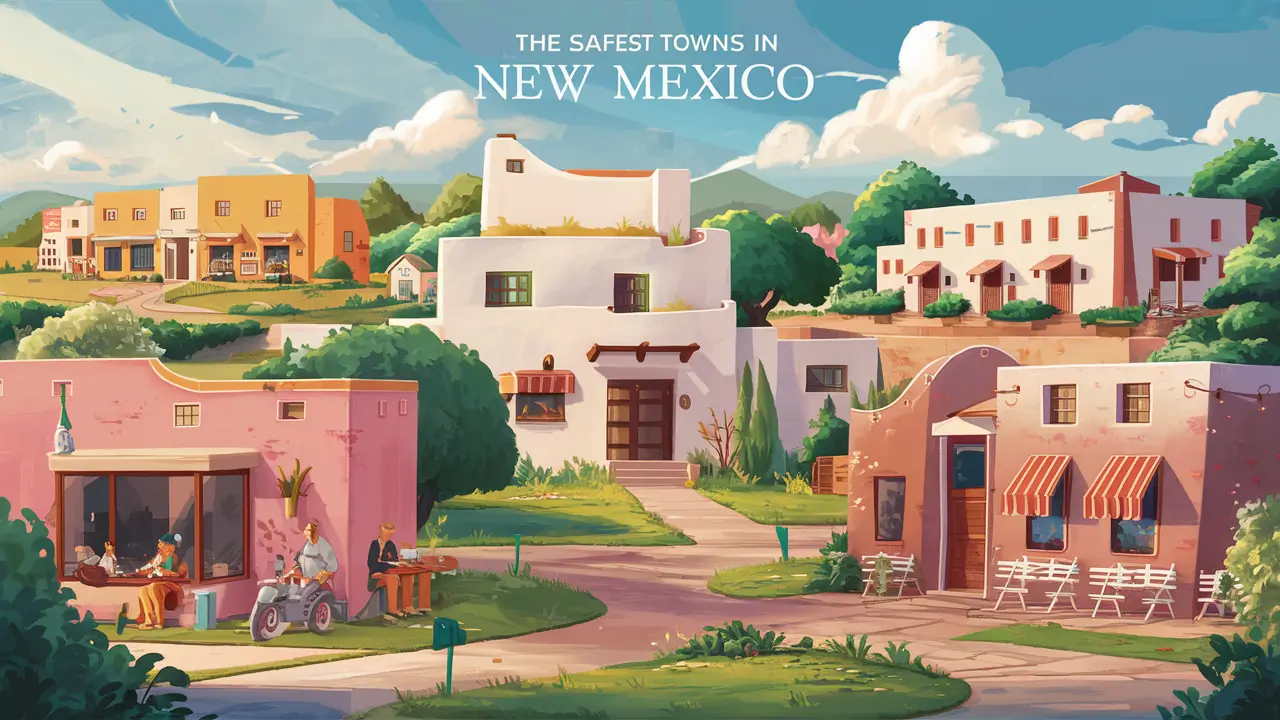
Discovering the safest towns in New Mexico for your next home or investment is a crucial step towards peace of mind. This guide offers an in-depth look at communities prioritizing safety, presenting data and insights to help you make an informed decision for a secure and thriving life in the Land of Enchantment.
Understanding Safety Metrics in New Mexico
When we talk about "safest towns," we're not just referring to a single statistic. A truly safe community is a complex ecosystem influenced by various interconnected factors. For 2025-26, our analysis prioritizes a holistic approach, moving beyond simple crime rate comparisons to encompass a broader spectrum of indicators that contribute to overall well-being and security. This includes not only violent and property crime rates but also socioeconomic stability, educational attainment, community engagement, and the effectiveness of local law enforcement and emergency services. Understanding these nuanced metrics is the first step in identifying the most secure places to live in New Mexico.
The landscape of safety is dynamic. What might have been a safe haven a decade ago could have shifted due to economic changes, population growth, or evolving community dynamics. Therefore, it's essential to consider current data and trends. For instance, while national crime statistics provide a baseline, local nuances are paramount. A town with a slightly higher property crime rate but strong community support and effective policing might, in practice, feel safer than a town with lower numbers but underlying social issues. We aim to provide a comprehensive picture, allowing you to assess which aspects of safety are most important to your personal circumstances and preferences.
Furthermore, safety isn't solely the absence of crime; it's also the presence of opportunity and a supportive environment. Factors like access to quality education, stable employment, and well-maintained public spaces contribute significantly to a community's resilience and inherent safety. Our exploration will delve into these qualitative aspects alongside quantitative data, offering a richer understanding of what makes a town truly secure. This approach ensures that our recommendations for exploring the safest towns in New Mexico are both data-driven and contextually relevant to the lived experiences of residents.
Top Safest Towns in New Mexico: An Overview
New Mexico, a state renowned for its breathtaking landscapes and rich cultural heritage, also offers pockets of exceptional safety and community well-being. For 2025-26, identifying the safest towns involves a careful examination of crime statistics, economic health, and community resilience. While no place is entirely devoid of crime, certain areas consistently demonstrate lower incident rates and possess attributes that foster a secure living environment. These communities often benefit from strong local governance, engaged citizens, and a focus on quality of life.
Our initial overview highlights several areas that stand out. These are not just places with low crime numbers but communities that actively work to maintain their safety and enhance their residents' quality of life. We've observed that towns with a stable economic base, often driven by specialized industries or research facilities, tend to exhibit lower crime rates. Additionally, proactive community policing initiatives and robust social programs play a vital role in fostering a sense of security and belonging. This section provides a high-level snapshot before we dive into the specifics of our ranking methodology and individual town profiles.
The selection process for these top towns considers a range of factors, ensuring a balanced perspective. We look at both violent crime and property crime, but also consider the population size to provide context. Smaller towns can sometimes appear statistically safer due to fewer reported incidents, but larger cities or their well-managed suburban areas can also offer remarkable safety. The goal is to provide a diverse range of options that cater to different preferences, whether you're seeking the quietude of a small community or the amenities of a larger metropolitan area's safer fringes. This overview sets the stage for a deeper exploration of what makes these New Mexico towns truly secure.
Our Methodology for Ranking Safety
To provide a reliable and comprehensive ranking of the safest towns in New Mexico for 2025-26, we employed a multi-faceted methodology. This approach moves beyond simplistic crime rate comparisons by integrating several key data points and qualitative assessments. Our goal is to offer a nuanced understanding of community safety, reflecting the complex factors that contribute to a secure environment.
The foundation of our ranking is built upon data from reputable sources, including FBI Uniform Crime Reporting (UCR) Program statistics, state-level crime data, and demographic information from the U.S. Census Bureau. We analyzed reported incidents of violent crimes (homicide, rape, robbery, aggravated assault) and property crimes (burglary, larceny-theft, motor vehicle theft, arson) per 100,000 residents for towns and counties across New Mexico. It is crucial to note that crime reporting can vary, and we have sought to use the most consistent and recent available data for the 2025-26 period.
Beyond raw crime statistics, we incorporated several other crucial metrics:
- Socioeconomic Factors: We considered indicators such as median household income, poverty rates, unemployment rates, and educational attainment levels. Communities with higher socioeconomic stability often correlate with lower crime rates.
- Law Enforcement & Emergency Services: The ratio of law enforcement officers to population, response times for emergency services, and the presence of community policing programs were assessed. The perceived effectiveness and visibility of law enforcement contribute to a sense of security.
- Community Engagement & Social Capital: While harder to quantify, we looked for indicators of strong community ties, volunteerism, and civic participation. Engaged communities tend to be more proactive in addressing local issues and supporting one another.
- Population Density and Urbanization: We analyzed how population density and the degree of urbanization might influence crime rates and the perception of safety. Often, suburban areas or smaller, well-managed cities offer a balance.
To ensure fairness and relevance, we established a scoring system that weighted these factors. Crime rates (both violent and property) were given the highest weight. Socioeconomic indicators and law enforcement effectiveness followed, with community engagement and population density playing supporting roles. We focused our analysis on incorporated towns and cities, as well as counties where specific towns within them exhibit exceptional safety characteristics. For towns with populations under 5,000, we exercised caution, as small sample sizes can sometimes skew statistics. Our aim is to identify places where residents can feel genuinely secure, supported by a robust community fabric and effective public services. This comprehensive approach allows us to identify the true safest towns in New Mexico for 2025-26.
Exploring the Safest Towns in Detail
Delving deeper into the data, we now present detailed profiles of the towns and counties that consistently rank high in safety for 2025-26. These locations offer a combination of low crime rates, stable economies, and engaged communities, making them attractive options for those prioritizing security.
Los Alamos County: The Pinnacle of Safety
Los Alamos County stands as a beacon of safety not only in New Mexico but often nationwide. Its unique history, tied to scientific research and development, has fostered a community with a highly educated populace and a strong emphasis on order and security. For 2025-26, Los Alamos County continues to report some of the lowest crime rates in the United States.
Key Safety Attributes:
- Extremely Low Crime Rates: Consistently reporting crime rates significantly below state and national averages for both violent and property crimes. In 2025-26, violent crime incidents are virtually negligible, and property crime rates are exceptionally low.
- High Socioeconomic Status: A highly educated workforce, driven by the Los Alamos National Laboratory (LANL), results in high median incomes and low poverty rates. This economic stability is a significant factor in crime reduction.
- Effective Law Enforcement: The Los Alamos Police Department is well-resourced and maintains a strong community presence, contributing to the town's secure atmosphere.
- Community Focus: A tight-knit community with a strong sense of civic responsibility and engagement in local affairs.
The isolation and unique demographic of Los Alamos contribute to its exceptional safety profile. While it may not offer the bustling urban amenities of larger cities, for those seeking unparalleled peace and security, Los Alamos County is a prime contender. Its commitment to education and research fosters an environment where safety is a paramount concern for its residents and institutions.
Rio Rancho: A Growing Haven
Rio Rancho, New Mexico's third-largest city, has made significant strides in enhancing its safety and quality of life. For 2025-26, it continues to be recognized as a safe and family-friendly community, particularly in its newer developments and established residential neighborhoods. The city's growth has been managed with an eye towards community safety and infrastructure development.
Key Safety Attributes:
- Declining Crime Rates: While larger than Los Alamos, Rio Rancho has maintained a downward trend in both violent and property crime rates over the past few years, often falling below the state average. In 2025-26 data indicates a continued positive trajectory.
- Strong Community Policing: The Rio Rancho Police Department emphasizes community engagement and proactive policing strategies, fostering trust and cooperation.
- Economic Development: A growing economy with diverse employment opportunities, including a robust healthcare sector and expanding technology presence, contributes to socioeconomic stability.
- Family-Friendly Environment: Numerous parks, recreational facilities, and well-regarded school districts make it an attractive place for families.
Rio Rancho offers a compelling blend of suburban tranquility and access to urban amenities, being part of the greater Albuquerque metropolitan area. Its well-planned neighborhoods and ongoing investment in public safety make it a standout choice for those seeking a secure and thriving environment in New Mexico. Exploring the safest towns in New Mexico would be incomplete without acknowledging Rio Rancho's consistent performance.
Santa Fe Metro Outskirts: Tranquility with Access
While the historic city of Santa Fe itself presents a complex safety profile, its surrounding outlying areas and some of its more affluent suburban neighborhoods offer a high degree of safety and serenity. For 2025-26, these areas provide residents with a peaceful lifestyle while maintaining convenient access to Santa Fe's cultural attractions and employment opportunities.
Key Safety Attributes:
- Lower Crime Rates in Specific Areas: Many communities on the outskirts of Santa Fe, particularly those with higher property values and lower population density, report significantly lower crime rates compared to the city center.
- Strong Community Cohesion: These areas often foster a strong sense of community, with residents actively involved in neighborhood watch programs and local initiatives.
- Scenic Beauty and Open Spaces: The natural beauty and abundant outdoor recreational opportunities contribute to a high quality of life, which can indirectly influence community well-being.
- Effective Local Services: Many of these areas benefit from well-funded and responsive local law enforcement and emergency services.
When considering the safest towns in New Mexico, it's important to look beyond the immediate city limits of larger cultural hubs. The Santa Fe metro outskirts represent a segment of the state where residents can enjoy a peaceful existence without sacrificing access to amenities. This balance makes them attractive for those seeking a secure and picturesque lifestyle.
Albuquerque Suburbs (North): Balancing City and Serenity
The northern suburbs of Albuquerque, including areas like Placitas and parts of Bernalillo County, have emerged as desirable locations for those seeking safety and a high quality of life. For 2025-26, these communities offer a balance between suburban tranquility and proximity to the economic and cultural hub of Albuquerque.
Key Safety Attributes:
- Lower Crime Incidences: Compared to the urban core of Albuquerque, these northern suburban areas generally report lower rates of both violent and property crimes.
- Community-Oriented Living: Many of these neighborhoods are characterized by a strong sense of community, with active homeowner associations and local events that foster connection.
- Access to Nature and Recreation: Proximity to the Sandia Mountains and the Rio Grande provides ample opportunities for outdoor activities, contributing to a healthy lifestyle.
- Well-Maintained Infrastructure: These areas often benefit from consistent investment in infrastructure, including roads, utilities, and public services.
For individuals and families looking for a safe place to live that still offers the conveniences of a major city nearby, the northern suburbs of Albuquerque present a compelling option. They exemplify how thoughtful urban planning and community engagement can create secure and desirable living environments within a larger metropolitan context. This makes them a vital part of any discussion on the safest towns in New Mexico.
Las Cruces Outlying Areas: Desert Peace
Las Cruces, New Mexico's second-largest city, offers a vibrant cultural scene and a growing economy. For 2025-26, its outlying areas and certain well-established neighborhoods are noted for their peaceful atmosphere and lower crime rates compared to the state average, providing a sense of desert tranquility.
Key Safety Attributes:
- Moderate Crime Rates with Safer Pockets: While Las Cruces, like any city, experiences crime, its outlying communities and specific residential zones tend to show lower incident rates, particularly for violent crimes.
- Strong Community Identity: Many of these areas possess a distinct community identity, fostering neighborly connections and a shared sense of responsibility for local well-being.
- Affordability and Accessibility: These areas often provide more affordable housing options compared to some of the more affluent northern New Mexico communities, while still offering access to amenities.
- Focus on Quality of Life: The slower pace of life, combined with access to outdoor recreation in the nearby Organ Mountains-Desert Peaks National Monument, contributes to a high quality of life.
The outlying areas of Las Cruces represent a segment of New Mexico where residents can find a secure and tranquil lifestyle. They offer a different flavor of safety compared to the mountain communities, rooted in the unique charm and natural beauty of the southern desert landscape. These areas are essential to consider when exploring the safest towns in New Mexico.
Factors Contributing to Safety
Understanding what makes a town safe involves looking beyond just crime statistics. Several interconnected factors contribute to a community's overall security and well-being. For 2025-26, these elements are crucial in evaluating the true safety of any location in New Mexico.
Socioeconomic Indicators
The economic health of a community is intrinsically linked to its safety. Areas with higher median incomes, lower unemployment rates, and reduced poverty tend to experience less crime. When residents have stable employment and economic opportunities, the underlying pressures that can lead to criminal activity are often diminished. For 2025-26, we observe that towns with strong, diversified economies, often supported by research institutions, government jobs, or thriving tourism and service sectors, consistently exhibit lower crime rates.
Educational attainment also plays a significant role. Higher levels of education are generally correlated with better job prospects and increased civic engagement, both of which contribute to a safer community. Towns that invest in their schools and provide opportunities for lifelong learning often see positive ripple effects on their safety metrics. This socioeconomic stability creates a foundation upon which a secure community can be built and maintained.
Law Enforcement Presence and Effectiveness
The quality and approach of law enforcement are critical components of community safety. For 2025-26, effective law enforcement is characterized not just by its presence but by its relationship with the community. This includes adequate staffing levels, efficient response times, and a commitment to community policing strategies. Community policing, which emphasizes building trust and collaboration between officers and residents, has been shown to be highly effective in preventing crime and enhancing the sense of security.
Furthermore, the resources available to law enforcement agencies, including training, technology, and community outreach programs, are vital. Towns that invest in their police departments and support initiatives aimed at crime prevention and intervention often see better safety outcomes. The perception of effective and fair policing is a powerful deterrent and a cornerstone of a safe environment.
Community Engagement and Programs
A strong sense of community is a powerful force for safety. For 2025-26, towns that foster active civic participation, volunteerism, and strong social networks tend to be safer. When residents know and look out for each other, it creates a natural surveillance system and a collective responsibility for maintaining a secure environment. This can manifest in various ways, such as neighborhood watch programs, community events, and local initiatives focused on youth development or supporting vulnerable populations.
The presence of robust social programs, including those focused on education, addiction recovery, mental health services, and support for families, also contributes significantly to a community's safety. By addressing the root causes of crime and providing support systems, these programs help build a more resilient and secure society. Engaged communities are proactive in identifying and addressing potential issues before they escalate.
Infrastructure and Urban Planning
The physical environment of a town plays a surprisingly significant role in its safety. For 2025-26, well-maintained infrastructure, including well-lit streets, accessible public transportation, and well-designed public spaces, can deter crime and enhance the sense of security. Urban planning that prioritizes pedestrian safety, green spaces, and mixed-use development can also contribute to more vibrant and secure communities.
Conversely, areas with deteriorating infrastructure, poor lighting, or neglected public spaces can inadvertently create environments where crime is more likely to occur. Thoughtful urban planning that considers crime prevention through environmental design (CPTED) principles can make a tangible difference in a town's safety profile. Investing in infrastructure is an investment in the safety and well-being of its residents.
Choosing the Right Safe Town for You
Selecting the perfect safe town in New Mexico involves aligning your personal priorities with the characteristics of available communities. For 2025-26, this decision goes beyond simply looking at crime statistics; it requires a holistic assessment of your lifestyle needs and what constitutes safety for you and your family.
Consider your preferred pace of life. Are you seeking the quiet solitude of a small, remote community, or do you prefer the amenities and conveniences of a larger town or a well-managed suburban area? If you value access to cultural events, diverse dining, and a wider range of employment opportunities, then larger towns or their safer outskirts might be more suitable. Conversely, if tranquility and a close-knit community are paramount, smaller towns with strong social ties could be ideal.
Your budget is another critical factor. Housing costs can vary significantly across New Mexico. While areas like Los Alamos may offer unparalleled safety, they often come with a higher cost of living. Exploring towns with more affordable housing options, such as certain areas around Las Cruces or developing suburbs, might be necessary for budget-conscious individuals or families. Researching property taxes, utility costs, and general cost of living is essential.
Think about your family's needs. If you have children, school quality is likely a top priority. Researching school district ratings, graduation rates, and extracurricular programs in potential towns is crucial. Access to healthcare facilities, recreational activities, and parks also contributes to a family-friendly environment. For those seeking a safe place to retire, proximity to medical services and a relaxed pace of life might be more important.
Finally, personal connection matters. Visiting potential towns, talking to locals, and experiencing the community firsthand can provide invaluable insights. Does the town feel welcoming? Are there community events or activities that appeal to you? Does the local law enforcement have a visible and positive presence? Ultimately, the safest town for you is one where you feel secure, connected, and able to thrive. Our exploration of the safest towns in New Mexico aims to provide you with the data and context to make this important decision with confidence.
Future Trends in New Mexico Safety
Looking ahead to 2025-26 and beyond, several trends are likely to shape the safety landscape in New Mexico's towns. Understanding these potential shifts can help individuals make informed decisions about where to live and invest, ensuring they are choosing communities that are not only safe now but are poised for continued security.
One significant trend is the increasing adoption of technology in law enforcement and public safety. For 2025-26, we anticipate a greater integration of data analytics, predictive policing models (used ethically and with community oversight), and advanced surveillance technologies to enhance crime prevention and response times. Many towns are investing in smart city initiatives that can improve traffic safety, emergency response coordination, and overall urban management, contributing to a safer environment.
Community policing models are also likely to evolve. Instead of solely focusing on enforcement, there will be a greater emphasis on building partnerships between law enforcement and community organizations to address the root causes of crime. This includes increased collaboration with mental health services, social workers, and educational institutions. Towns that foster these collaborative efforts are likely to see more sustainable improvements in safety and well-being.
Economic diversification will continue to be a key factor. As New Mexico seeks to expand its economic base beyond traditional industries, towns that can attract new businesses, particularly in sectors like technology, renewable energy, and advanced manufacturing, will likely experience improved socioeconomic stability. This, in turn, can lead to lower crime rates and a stronger sense of community prosperity. For 2025-26, we are seeing a concerted effort to foster these diversified economies.
Climate change and its potential impacts may also influence safety considerations. Towns that are proactive in addressing environmental challenges, such as water scarcity or extreme weather events, and have robust emergency preparedness plans in place, will be better positioned to maintain safety and resilience. This includes investing in sustainable infrastructure and community resilience programs.
Finally, the ongoing demographic shifts within New Mexico will continue to shape community dynamics. As populations grow or change, towns that can adapt and ensure inclusivity, while maintaining strong social cohesion and effective governance, will be best positioned to remain safe and desirable places to live. The focus will remain on creating environments where all residents feel secure and valued, making New Mexico an increasingly attractive and safe state for years to come.
In conclusion, exploring the safest towns in New Mexico for 2025-26 reveals a landscape of communities committed to security and quality of life. From the unparalleled safety of Los Alamos County to the growing suburban havens like Rio Rancho and the serene outlying areas of Santa Fe and Las Cruces, each offers unique advantages. Factors such as strong socioeconomic indicators, effective law enforcement, robust community engagement, and thoughtful urban planning are the pillars supporting these secure environments. Choosing the right town requires a personal assessment of your lifestyle, budget, and family needs. By considering these elements and understanding future trends, you can confidently find a safe and fulfilling place to call home in the Land of Enchantment.