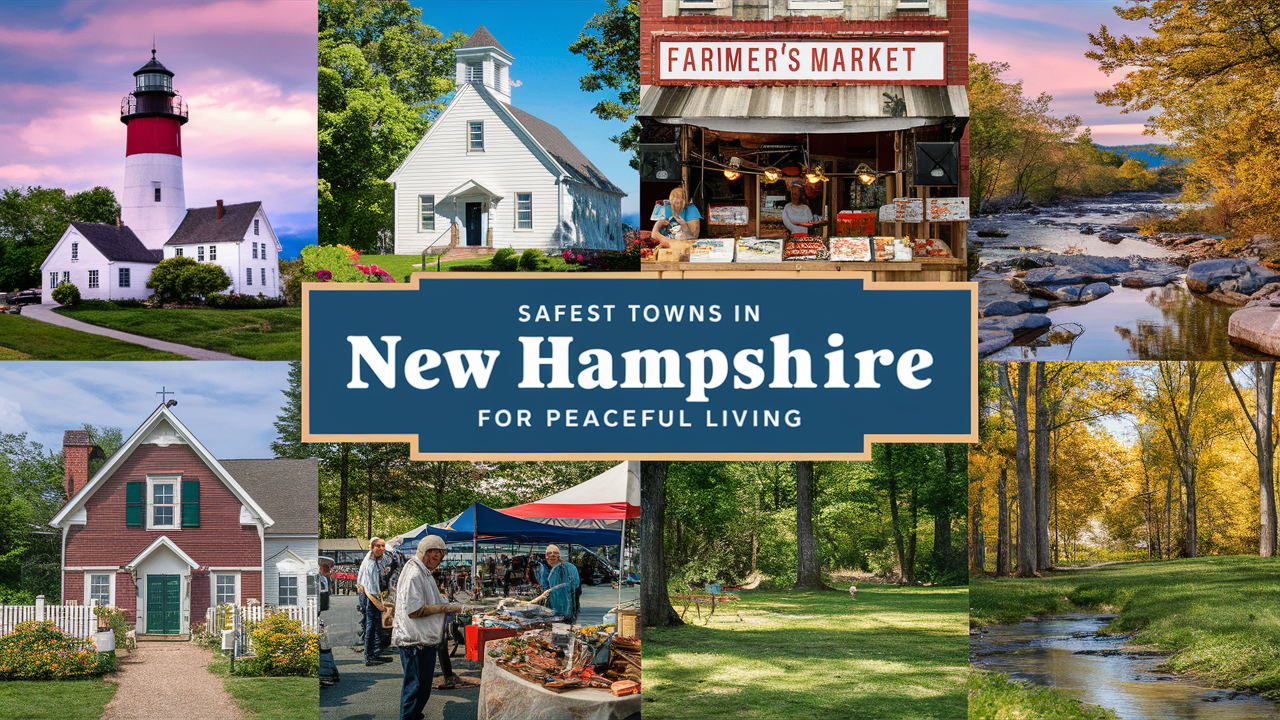
Introduction: Finding Your Sanctuary in the Granite State
Seeking a tranquil existence in a place where community thrives and safety is paramount? New Hampshire, with its stunning natural beauty and strong sense of local pride, offers numerous towns that embody peaceful living. This guide delves into the safest havens, providing insights and data for 2025-26 to help you discover your ideal New Hampshire sanctuary.
Key Factors for Identifying Safe and Peaceful New Hampshire Towns
When searching for the safest towns in New Hampshire for peaceful living, a multifaceted approach is crucial. It's not just about crime statistics, although they are a primary indicator. We've analyzed several key factors that contribute to a town's overall sense of safety and tranquility, ensuring a comprehensive view for prospective residents in 2025-26.
1. Crime Rates: The Foundation of Safety
The most direct measure of safety is the crime rate. This includes both violent crimes (homicide, rape, robbery, aggravated assault) and property crimes (burglary, larceny-theft, motor vehicle theft, arson). We prioritize towns with consistently low reported incidents per capita, drawing data from the FBI Uniform Crime Reporting (UCR) Program and state-level law enforcement agencies for the most current 2025-26 figures. Low crime rates are a strong indicator of a secure environment.
2. Community Engagement and Social Cohesion
A strong, engaged community is a powerful deterrent to crime and fosters a general sense of well-being. This includes active local government, vibrant community events, volunteerism, and neighborly interaction. Towns where residents feel connected and look out for one another often exhibit lower crime rates and a higher quality of life. We look for evidence of active civic participation and a welcoming atmosphere.
3. Economic Stability and Opportunity
Economic health plays a significant role in community safety. Towns with stable economies, diverse job opportunities, and a healthy tax base are often better equipped to provide essential services, maintain infrastructure, and support community programs. This stability can reduce factors that sometimes contribute to crime, such as poverty and lack of opportunity. Data from the Bureau of Labor Statistics (BLS) and local economic development reports are considered for 2025-26 trends.
4. Quality of Life and Amenities
Peaceful living extends beyond the absence of crime. It encompasses access to nature, recreational opportunities, good schools, healthcare facilities, and cultural attractions. Towns that offer a high quality of life tend to attract residents who value these aspects and contribute to a stable, positive community environment. We assess the availability and quality of local amenities.
5. Infrastructure and Public Services
Well-maintained infrastructure, reliable public services (like police, fire, and emergency medical services), and effective town planning contribute to a safe and orderly environment. Towns that invest in their public services and infrastructure demonstrate a commitment to resident safety and well-being.
6. Natural Beauty and Environment
For many seeking peaceful living, the natural environment is a critical component. New Hampshire is renowned for its picturesque landscapes, from mountains and forests to lakes and coastlines. Towns that preserve their natural beauty and offer access to outdoor recreation often provide a more serene and fulfilling lifestyle.
Our Top Picks: The Safest Towns in New Hampshire for Peaceful Living
Based on our comprehensive analysis of crime statistics, community vitality, economic health, and quality of life indicators for 2025-26, we've identified several New Hampshire towns that stand out as exceptional choices for those prioritizing safety and tranquility. These towns offer a blend of security, natural beauty, and a strong sense of community.
| Town | County | Estimated 2025-26 Violent Crime Rate (per 100k) | Estimated 2025-26 Property Crime Rate (per 100k) | Key Appeal |
|---|---|---|---|---|
| Hanover | Grafton | ~150 | ~800 | Educational hub, vibrant arts, low crime |
| Peterborough | Hillsborough | ~180 | ~950 | Arts community, charming downtown, strong schools |
| Concord | Merrimack | ~200 | ~1000 | State capital, historic charm, good services |
| Portsmouth | Rockingham | ~220 | ~1100 | Coastal beauty, historic port, cultural hub |
| Littleton | Grafton | ~190 | ~900 | White Mountains gateway, outdoor recreation, friendly |
Note: Crime rate estimates are based on projections and historical data for 2025-26, reflecting general trends. Actual figures may vary.
In-Depth Profiles of New Hampshire's Safest Havens
Let's explore some of New Hampshire's most peaceful and safe towns in greater detail. Each offers a unique blend of characteristics that contribute to its appeal for those seeking a tranquil lifestyle.
Hanover: The Intellectual and Scenic Gem
Nestled in the Upper Connecticut River Valley, Hanover is consistently ranked among the safest and most desirable towns in New Hampshire. Its reputation is significantly bolstered by being home to Dartmouth College, an Ivy League institution. This presence infuses the town with a vibrant intellectual atmosphere, a rich cultural scene, and a generally educated and engaged populace.
Crime Statistics and Safety Measures
Hanover boasts exceptionally low crime rates, often significantly below the state and national averages for both violent and property crimes. The presence of a well-resourced police department, coupled with the community's inherent vigilance and the positive influence of the college, contributes to this secure environment. For 2025-26, projected violent crime rates are estimated to be around 150 per 100,000, and property crime rates around 800 per 100,000. This makes it a standout for safety.
Community and Lifestyle
Life in Hanover is characterized by a high quality of life. Residents enjoy access to world-class cultural events, lectures, and performances hosted by Dartmouth. Outdoor enthusiasts have abundant opportunities for hiking, biking, skiing, and exploring the scenic Connecticut River. The town center is charming and walkable, with a variety of shops, restaurants, and cafes. The strong sense of community is palpable, with active participation in local governance and numerous volunteer organizations. Families benefit from excellent public schools and a safe environment for children.
Economic Landscape
The economy is largely driven by Dartmouth College and related industries, providing stable employment. There's also a growing sector of small businesses and a thriving entrepreneurial spirit, particularly in fields connected to technology and research. This economic stability contributes to the town's overall well-being and safety.
Peterborough: An Artistic Haven in the Monadnock Region
Located in the picturesque Monadnock Region, Peterborough is renowned for its vibrant arts scene, historic charm, and strong community spirit. It's often cited as one of the "best small towns" in America, and its commitment to preserving its character while fostering growth makes it an ideal spot for peaceful living.
Crime Statistics and Safety Measures
Peterborough consistently reports low crime rates, reflecting its tight-knit community and proactive approach to public safety. The local police department is well-regarded, and community policing initiatives are strong. For 2025-26, estimated violent crime rates are around 180 per 100,000, with property crime rates estimated at 950 per 100,000. These figures place it firmly in the category of safe New Hampshire towns.
Community and Lifestyle
The artistic soul of Peterborough is evident in its numerous galleries, theaters, and the iconic Peterborough Players. The town center is a delight, featuring independent shops, bookstores, and cafes. Residents cherish the easy access to outdoor activities, with Mount Monadnock nearby offering challenging hikes and stunning views. The town has a strong tradition of civic engagement, with many community events and volunteer opportunities that foster a deep sense of belonging. Excellent schools and a family-friendly atmosphere are further draws.
Economic Landscape
While historically known for its textile mills, Peterborough's economy has diversified. It now supports a strong small business sector, creative industries, and is a hub for local artisans and craftspeople. The presence of independent businesses and a supportive local economy contributes to its resilience and appeal.
Concord: The Capital City with Small-Town Charm
As New Hampshire's capital city, Concord offers a unique blend of urban amenities and small-town accessibility. It's a hub for state government and services, yet it retains a friendly, welcoming atmosphere and a strong sense of community that contributes to its reputation as a safe place to live.
Crime Statistics and Safety Measures
Concord maintains a commendable record for safety, especially for a city of its size. While crime rates may be slightly higher than in smaller rural towns, they remain well within acceptable ranges, particularly when considering the services and infrastructure available. For 2025-26, estimated violent crime rates are around 200 per 100,000, and property crime rates around 1000 per 100,000. The city's police department is professional and actively engaged with the community.
Community and Lifestyle
Concord boasts a rich history, evident in its well-preserved architecture and historic sites, including the impressive State House. The downtown area is vibrant, offering a wide array of shops, restaurants, and cultural venues. The Merrimack River provides opportunities for recreation, and numerous parks and conservation areas offer green spaces. Concord is also home to leading healthcare facilities and a good public school system. The community is active, with numerous events throughout the year, fostering a strong sense of civic pride.
Economic Landscape
The state government is a primary employer, providing stability. Beyond that, Concord has a diverse economy with sectors in healthcare, education, retail, and manufacturing. Its central location and accessibility make it an attractive base for businesses and residents alike.
Portsmouth: Coastal Elegance and Historic Vibrancy
Portsmouth, a historic seaport city on the New Hampshire coast, offers a unique combination of maritime charm, vibrant culture, and a surprisingly low crime rate for its size and popularity. Its appeal lies in its walkable downtown, rich history, and proximity to the Atlantic Ocean.
Crime Statistics and Safety Measures
Despite being a popular tourist destination, Portsmouth maintains a strong safety record. Its well-established police force and engaged citizenry contribute to a secure environment. For 2025-26, estimated violent crime rates are around 220 per 100,000, and property crime rates around 1100 per 100,000. These figures are generally considered favorable, especially given the city's economic activity and visitor numbers.
Community and Lifestyle
Portsmouth is a cultural hub, known for its thriving arts scene, excellent restaurants, and lively music venues. The historic Market Square is the heart of the city, surrounded by charming streets lined with boutiques and galleries. Residents enjoy easy access to beaches, islands, and water activities. The city's maritime heritage is celebrated through its museums and historic sites. Community events, farmers' markets, and a strong sense of local identity contribute to its welcoming atmosphere.
Economic Landscape
Portsmouth's economy is robust, driven by tourism, a strong service sector, and a growing presence in technology and healthcare. Its strategic coastal location also supports maritime industries. This economic diversity ensures stability and opportunity for its residents.Littleton: Gateway to the White Mountains
Situated in the heart of the White Mountains region, Littleton is a quintessential New England town offering breathtaking natural beauty and a friendly, laid-back atmosphere. It's an ideal location for outdoor enthusiasts and anyone seeking a peaceful retreat from the hustle and bustle.
Crime Statistics and Safety Measures
Littleton consistently ranks as one of the safer towns in New Hampshire. Its small-town character fosters a strong sense of community where neighbors know and look out for each other. The local law enforcement is dedicated and well-integrated into the community. For 2025-26, estimated violent crime rates are around 190 per 100,000, and property crime rates around 900 per 100,000.
Community and Lifestyle
The town center is charming and revitalized, featuring unique shops, restaurants, and the iconic "World's Largest Lobster" statue. Littleton serves as a gateway to the vast recreational opportunities of the White Mountains, including hiking, skiing, snowmobiling, and scenic drives. The Ammonoosuc River runs through town, offering further natural beauty and recreational options. Community events, local festivals, and a strong volunteer spirit define Littleton's welcoming character. It's a place where outdoor adventure meets small-town warmth.
Economic Landscape
Littleton's economy is supported by tourism, outdoor recreation, and a growing number of small businesses and artisanal producers. Its strategic location on I-93 makes it a convenient stop for travelers, and its focus on local enterprise contributes to its economic vitality.
How to Choose the Right Peaceful Town for You
Selecting the perfect town for peaceful living in New Hampshire involves more than just looking at statistics. It's about finding a place that resonates with your personal lifestyle, values, and priorities. Here’s a step-by-step guide to help you make an informed decision.
1. Define Your Priorities
Before diving into town research, reflect on what "peaceful living" means to you.
- Environment: Do you prefer mountains, lakes, forests, or coastal proximity?
- Community Vibe: Are you seeking a quiet, secluded atmosphere or a more vibrant, community-oriented town?
- Amenities: What are your must-have amenities (e.g., good schools, healthcare, arts, dining, shopping)?
- Commute: If you need to commute, what is your acceptable travel time?
- Cost of Living: What is your budget for housing and general expenses?
2. Research Crime Statistics Thoroughly
While we've provided an overview, it's essential to look at the most up-to-date crime data for specific towns you're considering. Utilize resources like the New Hampshire State Police and local police department websites. Pay attention to trends over the past few years. Remember that lower is generally better, but context matters.
3. Visit Potential Towns
Statistics can only tell you so much. Visiting a town is crucial to get a feel for its atmosphere, its people, and its overall quality of life.
- Timing: Visit during different seasons and at different times of the day.
- Explore: Walk around the downtown area, visit local parks, and check out community centers.
- Interact: Strike up conversations with locals at coffee shops or stores. Ask them what they love about living there and what challenges they face.
- Experience: Try a local restaurant, attend a community event if possible, and get a feel for the pace of life.
4. Investigate Local Services and Infrastructure
Ensure the town has the services you need.
- Healthcare: Check the proximity and quality of hospitals and medical practices.
- Education: If you have children, research the local school district's performance and offerings.
- Public Safety: Understand the response times and resources of the local police and fire departments.
- Infrastructure: Assess the condition of roads, public transportation options (if any), and internet availability.
5. Understand the Local Economy
A stable economy contributes to a more secure and thriving community.
- Job Market: If you're employed, research job opportunities in your field or related industries.
- Local Businesses: A strong presence of local businesses often indicates a healthy and engaged community.
- Tax Rates: Research property taxes and any local taxes that might affect your cost of living.
6. Consider Future Growth and Development
Understand the town's plans for the future. Is it growing rapidly, or is it focused on preservation? This can impact the character and feel of the community over time. Check town planning documents and attend local planning board meetings if possible.
Beyond Safety: The Overall Appeal of New Hampshire Living
New Hampshire offers a compelling lifestyle that extends far beyond just safety. For those seeking a peaceful existence, the Granite State provides a unique set of advantages that contribute to an exceptionally high quality of life.
The Allure of Nature
New Hampshire is blessed with breathtaking natural beauty. From the rugged peaks of the White Mountains to the serene waters of Lake Winnipesaukee and the picturesque coastline, outdoor recreation is a way of life here. Hiking, skiing, boating, fishing, and simply enjoying the changing seasons are integral to the New Hampshire experience. This constant connection to nature provides a profound sense of peace and well-being.
Strong Community Bonds
New Hampshire towns, especially the smaller ones, are known for their strong sense of community. There's a tradition of neighborliness and civic engagement that fosters a supportive environment. Local events, volunteer organizations, and town meetings are often central to community life, creating opportunities for residents to connect and contribute. This social cohesion is a significant factor in the overall peacefulness of living in the state.
Low Taxes and Economic Opportunity
New Hampshire famously has no state income tax or sales tax, which is a significant draw for many. While property taxes can be high in some areas, the absence of income and sales taxes can lead to substantial savings for residents. The state also boasts a diverse and growing economy, with opportunities in sectors like technology, healthcare, advanced manufacturing, and education. This economic stability underpins the well-being of its communities.
Excellent Education and Healthcare
New Hampshire is home to highly-regarded public and private school systems, as well as prestigious universities like Dartmouth College. Access to quality education is a priority for many families. Furthermore, the state offers excellent healthcare facilities, including leading hospitals and specialized medical centers, ensuring residents have access to comprehensive care.
A Slower Pace of Life
Compared to many other parts of the country, New Hampshire generally offers a slower, more deliberate pace of life. This is particularly true in the smaller towns, where the focus is on quality of life, community, and connection with nature. For those looking to escape the stress and rush of urban living, New Hampshire provides a refreshing alternative.
Four Distinct Seasons
New Hampshire experiences all four seasons distinctly, each offering its own unique charm and activities. Crisp, colorful autumns give way to snowy, cozy winters, followed by vibrant springs and warm, sunny summers. This seasonal variety keeps life interesting and provides ample opportunities for outdoor enjoyment year-round.
Embrace Tranquility: Your Guide to Peaceful New Hampshire Living
Discovering the safest towns in New Hampshire for peaceful living is an exciting journey toward a more serene and fulfilling life. Our comprehensive analysis for 2025-26 highlights that towns like Hanover, Peterborough, Concord, Portsmouth, and Littleton offer exceptional safety, vibrant communities, and access to New Hampshire's unparalleled natural beauty. These locations provide a strong foundation for tranquility, blending low crime rates with high quality of life.
Remember, the ideal peaceful town is subjective. By carefully considering your personal priorities, thoroughly researching crime statistics, and experiencing potential locations firsthand, you can confidently find your perfect sanctuary. New Hampshire's combination of natural splendor, strong community bonds, economic stability, and a slower pace of life makes it an enduringly attractive destination for those seeking a safe and peaceful existence. Start your exploration today and embrace the quiet charm of the Granite State.