Safety Solutions for Rural Properties
Securing a rural property presents unique challenges, from vast perimeters to limited immediate emergency response. This guide provides comprehensive, up-to-date safety solutions for 2025-26, covering everything from physical barriers to smart technology, ensuring peace of mind for landowners.
Perimeter Security: The First Line of Defense
The sheer scale of rural properties often makes traditional security measures impractical. For 2025-26, effective perimeter security focuses on creating visible deterrents, early detection, and controlled access points. The goal is not just to prevent intrusion but to be alerted to any potential breach long before it reaches your home or outbuildings.
Fencing and Physical Barriers
While extensive fencing can be costly, strategic placement is key. Consider reinforced fencing along common approach routes or areas bordering public land. For larger properties, innovative solutions are emerging.
Types of Fencing and Their Applications
- High-Tensile Wire Fencing: Durable and cost-effective for large areas, providing a strong physical deterrent. Ideal for livestock containment and general boundary marking.
- Barbed Wire Fencing: A classic deterrent, particularly effective against larger animals and unauthorized vehicle access. Requires careful installation and maintenance.
- Electric Fencing: A more active deterrent that provides a non-lethal shock. Effective for both livestock and deterring human intruders. Modern systems can be monitored remotely.
- Stone Walls or Hedges: While aesthetically pleasing and long-lasting, they offer less immediate security and can be costly to maintain. They serve more as boundary markers and slow down intrusion rather than preventing it.
In 2025-26, the trend is towards smart fencing solutions. These integrate sensors that can detect breaches, alert landowners via mobile devices, and even differentiate between animal and human activity. For instance, systems like those from Gallagher or Dare Products are offering advanced electric fencing with remote monitoring capabilities, providing real-time alerts and diagnostics.
Natural Deterrents and Landscaping
Thoughtful landscaping can significantly enhance security. Dense, thorny bushes planted along boundaries can create natural barriers that are difficult to traverse. Strategically placed trees can obscure sightlines, but overgrown vegetation near the home can also provide cover for intruders, so a balance is crucial.
Creating Natural Barriers
- Thorny Shrubs: Plants like Pyracantha, Barberry, or Hawthorn can be planted in dense rows to create formidable, natural barriers.
- Reinforced Vegetation: Combining a sturdy fence with a dense hedge offers a dual-layer defense.
- Gravel Paths: Installing gravel paths around the perimeter or near vulnerable areas creates an audible warning system; the crunching sound of footsteps is easily detectable.
Gate Security
Gates are often the weakest points. Upgrading to robust, automated gates with integrated security features is a wise investment for 2025-26.
Gate Security Enhancements
- Heavy-Duty Materials: Opt for steel or reinforced wood gates designed to withstand force.
- Automated Access: Keypad entry, remote control openers, and even facial recognition systems are becoming more accessible.
- Intercom Systems: Integrated intercoms with video capabilities allow you to see and speak to visitors before granting access.
- Locking Mechanisms: Robust deadbolts and secondary locking systems are essential. Consider magnetic locks for electric gates.
According to a 2025 survey by the Rural Crime Prevention Association, properties with automated and monitored gate systems reported a 30% decrease in unauthorized access incidents compared to those with manual gates.
Smart Access Control for Rural Estates
Beyond the perimeter, controlling who enters your property and when is paramount. Smart access control systems offer convenience, enhanced security, and detailed logs of who has accessed your property.
Keyless Entry Systems
Traditional keys can be lost or duplicated. Keyless entry systems offer a more secure and flexible alternative.
Types of Keyless Entry
- Keypads: PIN-based access is common, allowing for unique codes for family members, staff, or trusted visitors.
- Proximity Cards/Fobs: These small devices are scanned to grant access. They can be easily deactivated if lost.
- Biometric Scanners: Fingerprint or facial recognition offers the highest level of security, as these are unique to individuals. While initially more expensive, their security benefits are significant for high-value rural assets.
Smart Locks and Remote Management
Modern smart locks integrate with home automation systems and can be controlled remotely via smartphone apps. This is invaluable for rural properties where immediate physical presence might not be possible.
Benefits of Smart Locks
- Remote Locking/Unlocking: Grant access to a delivery person or family member from anywhere.
- Activity Logs: Track who entered and exited, and when.
- Temporary Access Codes: Create time-limited codes for contractors or guests.
- Integration with Security Systems: Link smart locks to your alarm system for enhanced functionality.
Companies like August, Schlage, and Yale offer a range of smart locks that can be retrofitted to existing doors. For 2025-26, look for models with advanced encryption and tamper-detection features.
Gate Automation and Intercoms
Automating your gates with smart access control provides a seamless and secure entry experience. Integrated video intercoms are becoming standard for discerning rural property owners.
Advanced Gate Access
- Solar-Powered Options: Ideal for remote locations where running power is difficult.
- Vehicle Recognition: Some advanced systems can recognize authorized vehicles via RFID tags or license plate recognition.
- Two-Way Video Communication: Allows you to verify identities remotely, enhancing security and convenience.
The global market for smart home security, including access control, is projected to grow by over 15% annually through 2027, with a significant portion of this growth driven by demand for remote management and integrated solutions, according to industry analysts.
Advanced Surveillance and Monitoring Systems
Comprehensive surveillance is crucial for rural properties, offering both deterrence and evidence collection. In 2025-26, the focus is on intelligent, integrated systems that minimize false alarms and provide actionable insights.
Choosing the Right Cameras
The type and placement of cameras are critical. Consider the specific needs of your property, from wide-area coverage to detailed monitoring of entry points.
Camera Types and Features
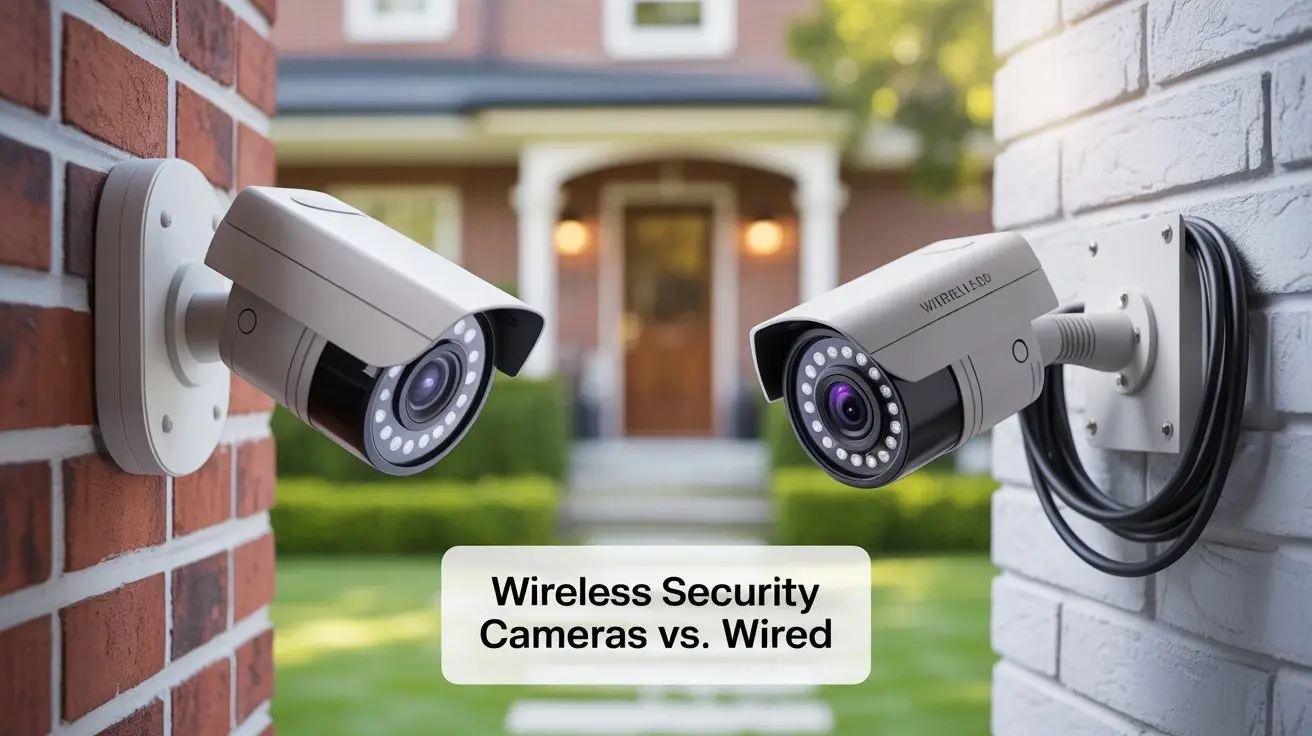
- IP Cameras: Offer high-resolution video and can be networked easily. Many support Power over Ethernet (PoE), simplifying installation.
- Wireless Cameras: Offer flexibility in placement but require reliable Wi-Fi or cellular connectivity. Battery life is a key consideration.
- PTZ (Pan-Tilt-Zoom) Cameras: Allow remote control of camera movement, ideal for covering large areas or tracking subjects.
- Infrared (IR) and Night Vision: Essential for effective surveillance in low-light conditions. Look for cameras with IR ranges of 30 meters or more.
- Motion Detection and Analytics: Advanced cameras can differentiate between people, vehicles, and animals, reducing false alarms from wind or wildlife.
Recording and Storage Solutions
Securely storing footage is as important as capturing it. Options range from local Network Video Recorders (NVRs) to cloud-based storage.
Storage Options for Surveillance Footage
- NVRs: Local storage devices that record footage from IP cameras. Offer greater control and privacy but require physical maintenance.
- DVRs: For older analog camera systems.
- Cloud Storage: Offers off-site backup and accessibility from anywhere. Subscription fees apply. Companies like Arlo and Ring offer integrated cloud solutions.
- Hybrid Systems: Combine local and cloud storage for redundancy and flexibility.
In 2025-26, AI-powered analytics are becoming standard. These systems can detect unusual activity patterns, identify potential threats, and even provide facial recognition capabilities, significantly enhancing the effectiveness of surveillance systems. For example, systems from Hikvision and Dahua are integrating advanced AI for object detection and intrusion alerts.
Alarm Systems and Monitoring Services
A robust alarm system, integrated with your surveillance, provides an immediate response to detected threats.
Alarm System Components
- Sensors: Motion detectors, door/window contacts, glass break sensors.
- Control Panel: The central hub of the system.
- Sirens: Audible deterrents.
- Professional Monitoring: A service that contacts authorities when an alarm is triggered. This is highly recommended for rural properties due to the potential delay in police response.
For rural properties, consider systems that offer cellular backup to ensure communication even if internet or landline services are disrupted. Companies like ADT, Vivint, and local security providers offer comprehensive solutions. A 2025 report by the National Association of Security Professionals indicated that properties with professionally monitored alarm systems experienced 85% fewer successful burglaries.
Drones for Property Surveillance
Drones are emerging as a powerful tool for large rural properties, offering aerial perspectives for security patrols and rapid response.
Drone Surveillance Advantages
- Rapid Deployment: Quickly survey large areas in response to an alert.
- Aerial Overview: Identify potential threats or suspicious activity from a unique vantage point.
- Thermal Imaging: Some drones are equipped with thermal cameras, useful for tracking people or animals in difficult terrain or at night.
- Evidence Gathering: High-resolution video footage can be invaluable.
While regulations vary, utilizing drones for security is becoming more feasible. Companies like DJI offer professional-grade drones with advanced flight capabilities and high-quality cameras suitable for security applications.
Effective Lighting and Deterrence Strategies
Good lighting is one of the most effective and cost-efficient security measures. It deters potential intruders by eliminating hiding spots and making them feel exposed.
Strategic Placement of Outdoor Lighting
The key is to illuminate entry points, pathways, and vulnerable areas without creating excessive light pollution.
Lighting Zones for Rural Properties
- Perimeter Lighting: Illuminating fence lines and boundaries can deter unauthorized entry.
- Entry Point Lighting: Driveways, gates, and main entrances should be well-lit.
- Pathways and Walkways: Ensure safe passage and deter activity in less visible areas.
- Outbuilding Lighting: Sheds, garages, and barns often contain valuable equipment and should be illuminated.
Types of Security Lighting
Modern lighting solutions offer efficiency, durability, and smart features.
Lighting Technologies
- LED Floodlights: Energy-efficient, long-lasting, and provide powerful illumination. Look for models with adjustable brightness and motion sensors.
- Solar-Powered Lights: Excellent for remote areas where wiring is impractical. While less powerful than wired LEDs, they are improving rapidly.
- Motion-Activated Lights: These are highly effective deterrents, as sudden illumination can startle intruders. Ensure sensitivity is adjustable to avoid false triggers.
- Smart Lighting Systems: Allow for remote control, scheduling, and integration with other security devices. You can simulate occupancy by scheduling lights to turn on and off.
According to a 2025 study by the Institute for Crime Prevention, properties with well-lit perimeters and entry points experienced 50% fewer attempted break-ins. Investing in smart, motion-activated LED lighting is a highly recommended strategy for 2025-26.
Audible Deterrents
Beyond visual deterrents, audible warnings can be highly effective.
Sound-Based Deterrents
- Alarm Sirens: Integrated with your security system, these provide a loud, attention-grabbing alert.
- Guard Dogs: A well-trained dog can be an excellent deterrent. Their barking can alert you and scare off potential intruders.
- Remote-Controlled Sirens: For specific areas or outbuildings, you can deploy standalone sirens activated remotely.
Signage
Visible signage can act as a deterrent by indicating that a property is protected.
Effective Security Signage
- "Protected by Security System" Signs: Clearly state that the property is monitored.
- "No Trespassing" Signs: Reinforce property boundaries and legal implications.
- Camera Surveillance Signs: Inform individuals that they are being recorded.
Ensure signs are placed at key entry points and along the perimeter where they are easily visible. While not a physical barrier, their psychological impact can be significant.
Emergency Preparedness and Response Planning
Rural properties face unique emergency scenarios, from natural disasters to medical emergencies, often compounded by distance from services. Comprehensive planning is essential for 2025-26.
Communication Systems
Reliable communication is critical when traditional services might be unavailable.
Communication Tools for Rural Areas
- Satellite Phones: Offer reliable communication independent of terrestrial networks. Essential for remote locations.
- Two-Way Radios (Walkie-Talkies): Useful for communication within the property or with neighbors during emergencies.
- Personal Locator Beacons (PLBs) or Satellite Messengers: Devices like Garmin inReach or SPOT allow you to send an SOS signal with your location to emergency services, even without cellular reception.
- Landline Phones: While vulnerable to power outages, they can be a backup if powered by a generator.
- Cellular Boosters: Can improve reception in areas with weak signals.
In 2025-26, consider investing in a combination of these tools for redundancy. A satellite messenger is a particularly valuable, relatively affordable option for individual safety.
Emergency Kits and Supplies
Being prepared means having essential supplies readily available.
Essential Emergency Supplies
- Water: At least one gallon per person per day for several days.
- Food: Non-perishable food items for several days.
- First-Aid Kit: Comprehensive and well-stocked.
- Medications: Prescription and over-the-counter.
- Flashlights and Batteries: With extra batteries.
- Radio: Battery-powered or hand-crank NOAA weather radio.
- Tools: Multi-tool, wrench, pliers to turn off utilities.
- Sanitation Supplies: Moist towelettes, garbage bags, plastic ties.
- Emergency Shelter: Blankets, sleeping bags.
- Important Documents: Copies of insurance policies, identification, etc., stored in a waterproof container.
Store these kits in an accessible location, and consider having separate kits for your home, vehicle, and any outbuildings.
Evacuation Plans and Routes
Develop a clear plan for evacuating your property if necessary.
Evacuation Planning Steps
- Identify Multiple Routes: Have at least two escape routes from your property and your local area.
- Designate a Meeting Point: A safe location away from your property where family members can reunite if separated.
- Practice Your Plan: Conduct drills with your family to ensure everyone knows what to do.
- Stay Informed: Monitor local emergency alerts and weather advisories.
Relationship with Local Emergency Services
Building a relationship with your local fire department, sheriff's office, and emergency management agency can be beneficial.
Engaging with Local Services
- Know Your Neighbors: In rural areas, neighbors often form a crucial first line of support.
- Share Your Location: Ensure emergency services have accurate mapping and access information for your property.
- Participate in Community Programs: If available, join local emergency preparedness initiatives.
A 2025 survey highlighted that properties with pre-established communication plans with emergency responders experienced significantly faster assistance during critical events.
Fire Prevention and Management on Rural Land
Wildfire risk is a growing concern for rural properties. Proactive measures are essential for protecting your home and land.
Creating Defensible Space
Defensible space is the buffer zone you create between your home and the surrounding vegetation to slow or stop the spread of wildfire.
Zones of Defensible Space
- Zone 0 (Immediate Zone): 0-5 feet from the home. Remove all combustible materials, including mulch, dead vegetation, and firewood. Keep gutters clean.
- Zone 1 (Intermediate Zone): 5-30 feet from the home. Reduce the density of vegetation. Trim tree branches and remove dead material. Use fire-resistant landscaping.
- Zone 2 (Extended Zone): 30-100 feet from the home (or further, depending on slope and vegetation). Thin trees and shrubs. Remove dead vegetation and debris. Create fuel breaks.
Home Hardening Techniques
Making your home more resistant to embers and flames is critical.
Home Hardening Strategies
- Roofing: Use Class A fire-rated roofing materials (e.g., asphalt shingles, metal roofing).
- Vents: Cover attic and foundation vents with fine metal mesh (1/8-inch) to prevent ember entry.
- Windows: Install multi-pane windows with tempered glass. Consider metal or vinyl shutters.
- Siding: Use non-combustible siding materials like stucco, fiber cement, or metal.
- Decks and Patios: Use non-combustible materials and clear the area beneath them.
Water Management and Fire Suppression
Having access to water and suppression tools can make a critical difference.
Water and Suppression Resources
- Water Tanks: Install large water storage tanks for firefighting purposes.
- Fire Pumps: Portable or stationary pumps connected to water sources.
- Hoses and Nozzles: Keep fire hoses and appropriate nozzles readily accessible.
- Fire Extinguishers: Have multiple ABC-rated fire extinguishers strategically placed.
- Shovels and Rakes: For creating fire breaks and clearing debris.
Community Fire Safety Programs
Engaging with local fire departments and community initiatives is vital.
Community Engagement
- Attend Firewise Workshops: Learn best practices for wildfire preparedness.
- Participate in Community Chipping Days: Safely dispose of vegetation removed from your property.
- Know Your Local Fire Restrictions: Be aware of burn bans and other regulations.
The U.S. Forest Service reports that properties with well-maintained defensible space are up to 50% less likely to be damaged or destroyed by wildfire. For 2025-26, consider investing in ember-resistant vents and fire-resistant landscaping as key protective measures.
Protecting Wildlife and Livestock
Rural properties often coexist with wildlife, which can pose risks to both property and inhabitants, including livestock.
Livestock Protection Measures
Secure fencing and appropriate housing are fundamental.
Livestock Security
- Robust Fencing: Ensure fences are strong enough to contain livestock and deter predators. Electric fencing can be effective for certain animals and predators.
- Secure Barns and Shelters: Provide safe havens for livestock, especially during severe weather or when predators are active. Ensure they are well-ventilated and free from hazards.
- Predator Deterrents: Consider guard animals (dogs, llamas), motion-activated lights, or sonic deterrents.
- Regular Health Checks: Monitor livestock for signs of stress or injury, which can be indicators of predator activity or other threats.
Managing Wildlife Encounters
Deterring nuisance wildlife and ensuring safety around potentially dangerous animals is important.
Wildlife Management Strategies
- Secure Trash and Food Sources: Prevent attracting wildlife to your home and outbuildings.
- Deterrents: Use motion-activated sprinklers, lights, or ultrasonic devices to deter animals from gardens or specific areas.
- Proper Landscaping: Avoid planting attractants like fruit-bearing trees too close to the house.
- Awareness: Educate yourself and your family about the local wildlife and how to behave if encountered.
Wildlife-Resistant Property Design
Certain design choices can minimize conflict with wildlife.
Design for Coexistence
- Elevated Structures: Raising sheds or outbuildings can prevent animals from nesting underneath.
- Sealed Foundations: Ensure foundations are sealed to prevent burrowing animals from gaining access.
- Wildlife Corridors: If possible, maintain or create natural pathways for wildlife to move through your property without directly interacting with your living spaces.
In 2025-26, many landowners are opting for integrated solutions that use smart sensors to detect large animal presence near sensitive areas, alerting owners to potential livestock threats or property damage.
Integrating Your Rural Safety Solutions
The most effective rural safety strategy involves integrating various components into a cohesive system. This ensures that different security and safety measures work together seamlessly.
Smart Home and Security Hubs
A central hub can connect your cameras, alarms, lighting, and access control systems, allowing for unified control and automation.
Benefits of Integration
- Centralized Control: Manage all your security devices from a single app or interface.
- Automated Scenarios: Set up rules like "if motion detected at gate, turn on floodlights and send alert."
- Remote Access: Monitor and control your property from anywhere in the world.
- Enhanced Response: Trigger multiple actions simultaneously in case of an event.
Platforms like Samsung SmartThings, Apple HomeKit, and Google Home are expanding their capabilities to include more robust security features. For dedicated security, systems from Alarm.com or Control4 offer advanced integration for larger properties.
Network Infrastructure
A reliable network is the backbone of any integrated smart security system.
Ensuring Connectivity
- Mesh Wi-Fi Systems: Essential for covering large rural properties with strong Wi-Fi signals. Brands like Eero and Netgear Orbi are popular choices.
- Cellular Backup: Ensure your primary security hub and critical devices have cellular backup in case of internet outages.
- Wired Connections: For critical devices like NVRs or main security panels, wired Ethernet connections offer the most stability.
In 2025-26, with the increasing reliance on wireless devices, ensuring robust and secure Wi-Fi coverage across your entire property is a top priority. Consider professional installation to optimize network performance.
Professional Installation and Maintenance
While DIY solutions are available, professional installation ensures optimal performance and reliability, especially for complex rural setups.
Why Professional Help Matters
- Expertise: Professionals understand how to best position sensors, cameras, and network equipment for maximum coverage and effectiveness.
- Integration: They can ensure all components work together harmoniously.
- Troubleshooting: Access to expert support when issues arise.
- Maintenance: Regular checks and updates to keep your system running smoothly.
Many security companies offer ongoing maintenance plans, which are highly recommended for rural properties to ensure systems are always operational and up-to-date with the latest security protocols.
Budgeting for Safety Solutions
Developing a realistic budget is crucial. Prioritize solutions based on your property's specific risks and your personal needs.
Budgeting Considerations
- Initial Investment: The cost of hardware, installation, and setup.
- Ongoing Costs: Subscription fees for monitoring services, cloud storage, or software updates.
- Maintenance: Budget for potential repairs or upgrades.
A layered approach, starting with fundamental security measures like robust fencing, lighting, and a monitored alarm system, and then adding more advanced technologies like smart cameras and integrated hubs, is often the most cost-effective and comprehensive strategy for 2025-26.
Securing a rural property in 2025-26 requires a multifaceted approach, blending physical deterrents, advanced technology, and proactive planning. By implementing robust perimeter security, smart access controls, comprehensive surveillance, effective lighting, and thorough emergency preparedness, landowners can significantly enhance their safety and peace of mind. Integrating these solutions through a central hub and ensuring reliable network infrastructure are key to a truly effective system. Prioritizing fire prevention and wildlife management further addresses the unique challenges of rural living. Investing in these safety solutions is not just about protecting assets, but about safeguarding lives and ensuring the long-term security and resilience of your rural haven.